Clarify the purpose of each stop
Copenhagen religious travel can mean worship, pilgrimage, family history, architecture, music, cemetery visits, or quiet reflection. The traveler should decide which sites are devotional priorities and which are cultural or historical additions.
Purpose shapes pacing.
- Separate worship, pilgrimage, architecture, cemetery, concert, and heritage goals before building the route.
- Choose a base that makes the most important morning or evening stop easy to reach.
- Avoid treating sacred sites as quick photo stops when reflection or service attendance is the reason for travel.
Build the route around opening hours
Churches, towers, chapels, museums, cemeteries, and services can have different hours, seasonal access, and event closures. A short Copenhagen stay needs those details checked before the traveler commits to a sequence.
Sacred sites do not always operate like attractions.
- Check opening hours, service times, tower access, concert schedules, and special closures before arrival.
- Group sites by neighborhood so the day does not become a cross-city scramble.
- Keep a backup church, museum, or quiet public space in case access changes.
Respect services, silence, and photography rules
A religious traveler should understand when a church is open for visitors and when it is serving a congregation. Photography, phone use, clothing, movement, donations, and conversation may need adjustment depending on the site and service.
Respect is a practical itinerary choice.
- Check rules on photography, filming, bags, hats, silence, donations, and movement during services.
- Arrive early for worship, concerts, or prayer periods so the traveler is not entering at a disruptive time.
- Use exterior photos when interior access or worship activity makes photography inappropriate.
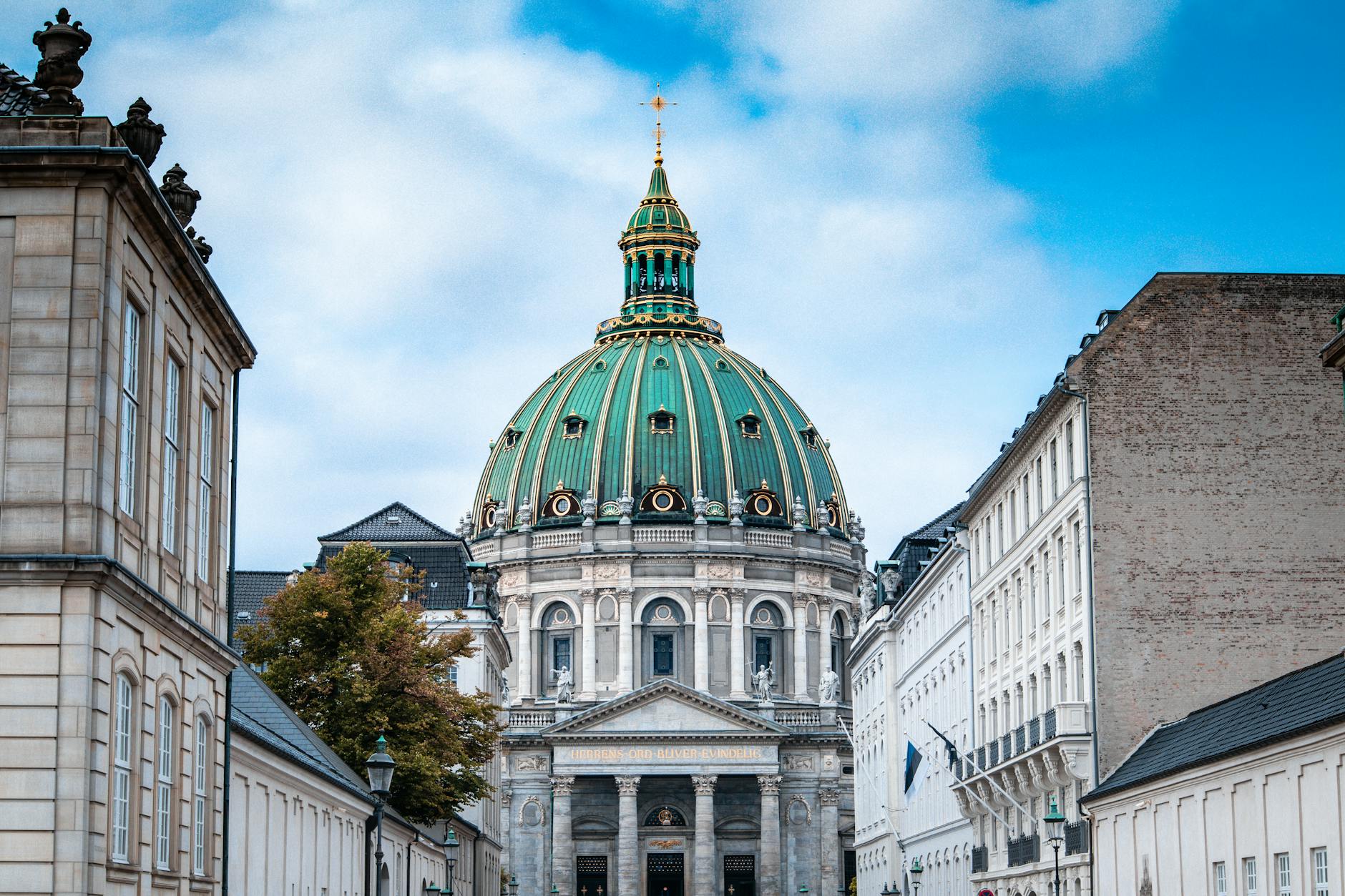
Plan cemeteries and memorials gently
Cemetery and memorial visits can be meaningful, but they need time, quiet, and sensitivity. The traveler should know whether the visit is for family history, public heritage, contemplation, or a specific grave or memorial.
These stops should not be rushed.
- Confirm cemetery hours, entrance points, grave locations, paths, restrooms, and weather exposure.
- Keep photography discreet and avoid treating mourners or private memorials as content.
- Pair reflective visits with a quiet meal or rest block rather than another intense stop.
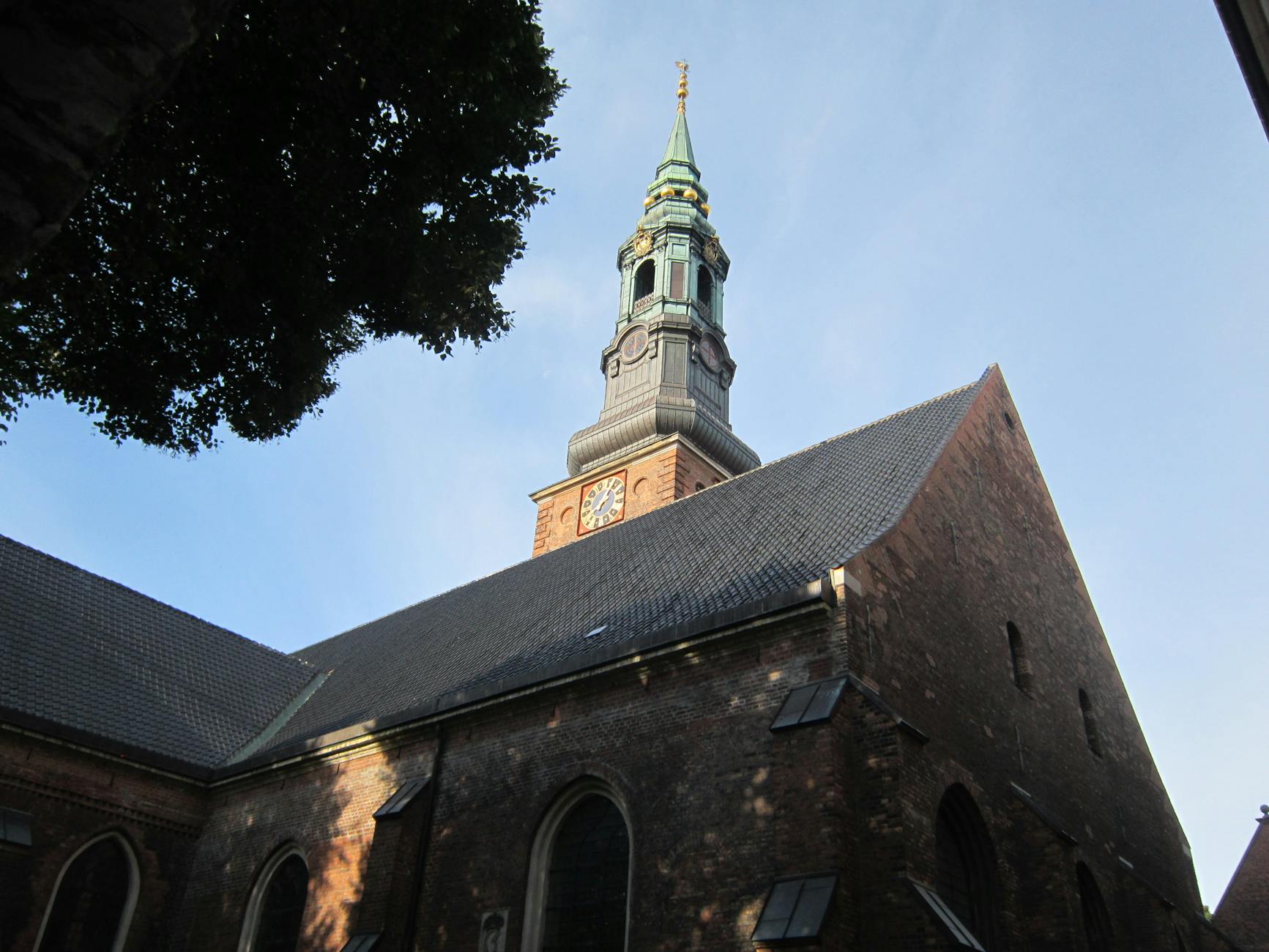
Account for old-building access
Historic churches can involve steps, towers, narrow passages, uneven floors, low light, and limited seating. The traveler should compare the spiritual value of a stop with the physical effort required, especially on a short trip.
Access details can decide the day.
- Check steps, tower climbs, seating, restrooms, lighting, coat storage, and temperature before visiting.
- Prioritize accessible interiors or exterior views when mobility, fatigue, or weather are concerns.
- Avoid stacking several old-building visits without a cafe, hotel, or transit reset.
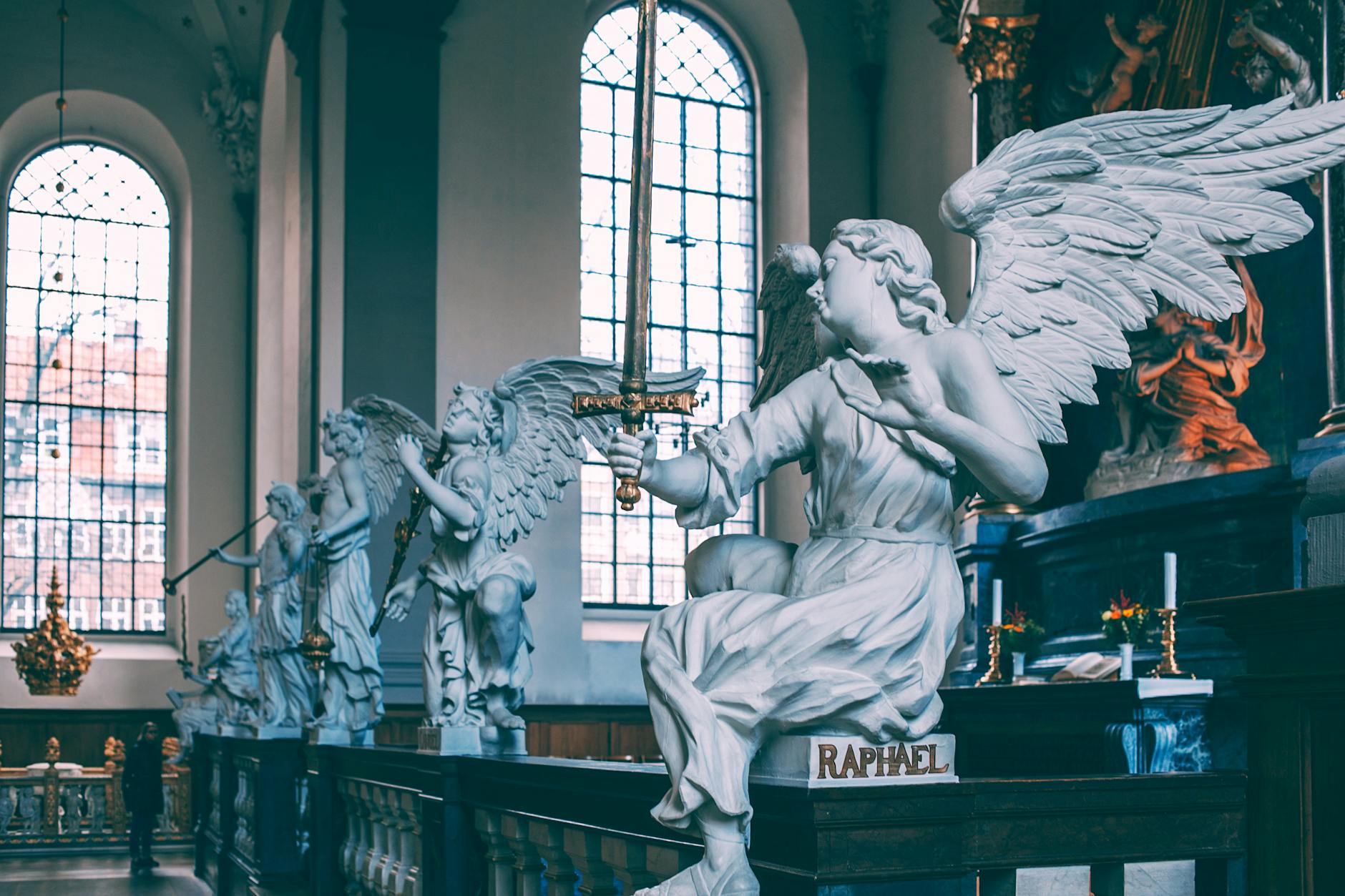
Leave space for quiet and meals
Religious travel can feel thin when every stop is packed back to back. Copenhagen cafes, canals, gardens, hotel returns, and quiet walks can help the traveler process the experience without losing the practical needs of the day.
Reflection needs room.
- Add quiet blocks between churches, cemeteries, services, or emotionally significant stops.
- Plan meals near the route so hunger does not force rushed decisions.
- Keep weather-protected alternatives when wind, rain, or cold affects outdoor reflection time.
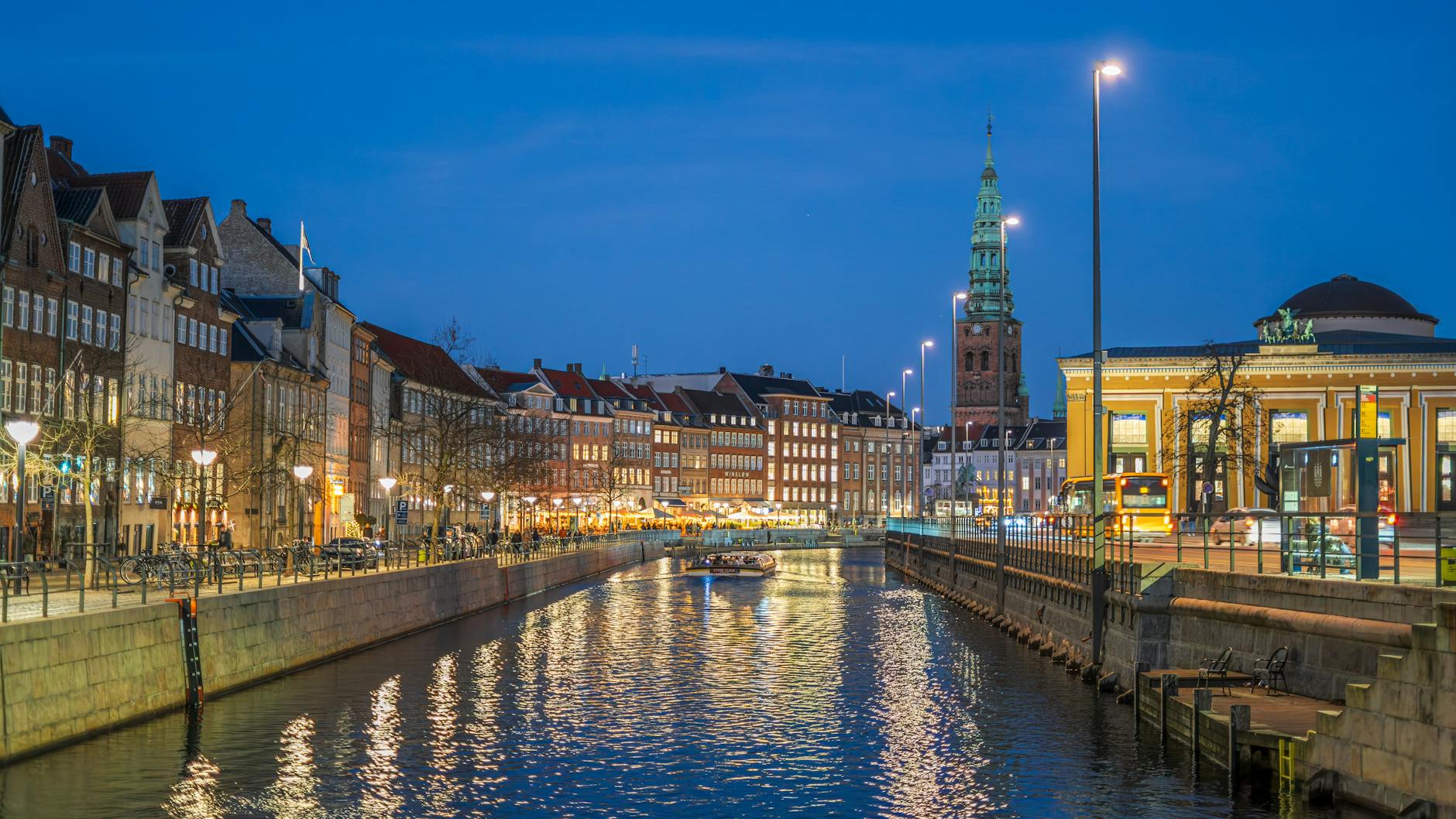
When to order a short-term travel report
A religious traveler with one arranged service may not need a custom report. A report becomes useful when church hours, worship timing, cemetery visits, access details, meals, quiet blocks, weather, and departure timing need to work within a short Copenhagen stay.
The report should test site sequence, opening hours, service timing, access, respectful conduct, cemetery logistics, quiet spaces, meal options, weather backups, and departure buffers. The value is a Copenhagen religious trip that gives each stop the right level of attention.
- Order when sacred sites, service times, cemeteries, access, meals, quiet blocks, weather, or departure timing need coordination.
- Provide dates, arrival details, faith or heritage goals, must-visit sites, mobility needs, service preferences, hotel options, and pace limits.
- Use the report to make the short stay more respectful, calmer, and easier to navigate.