Choose the first neighborhood carefully
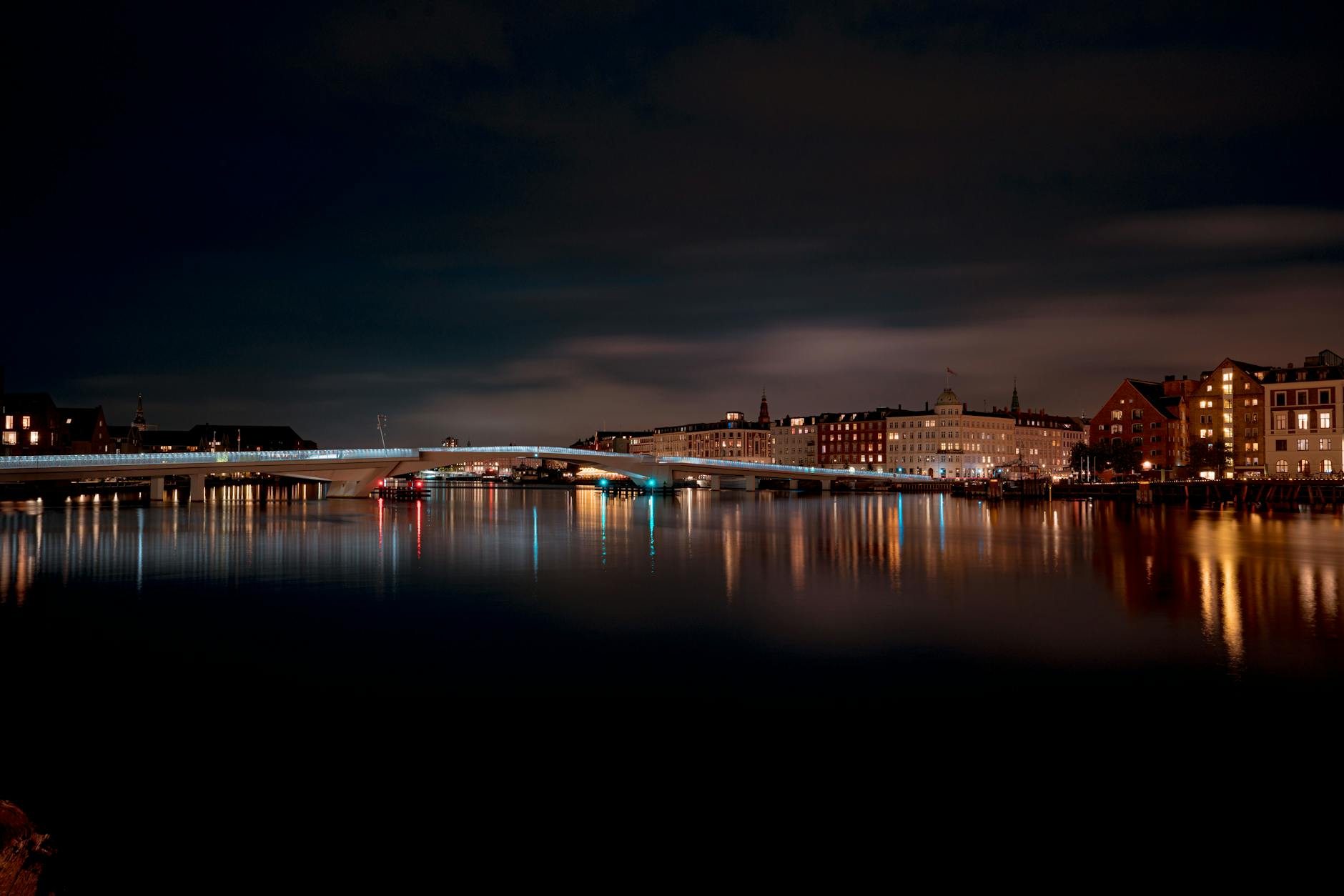
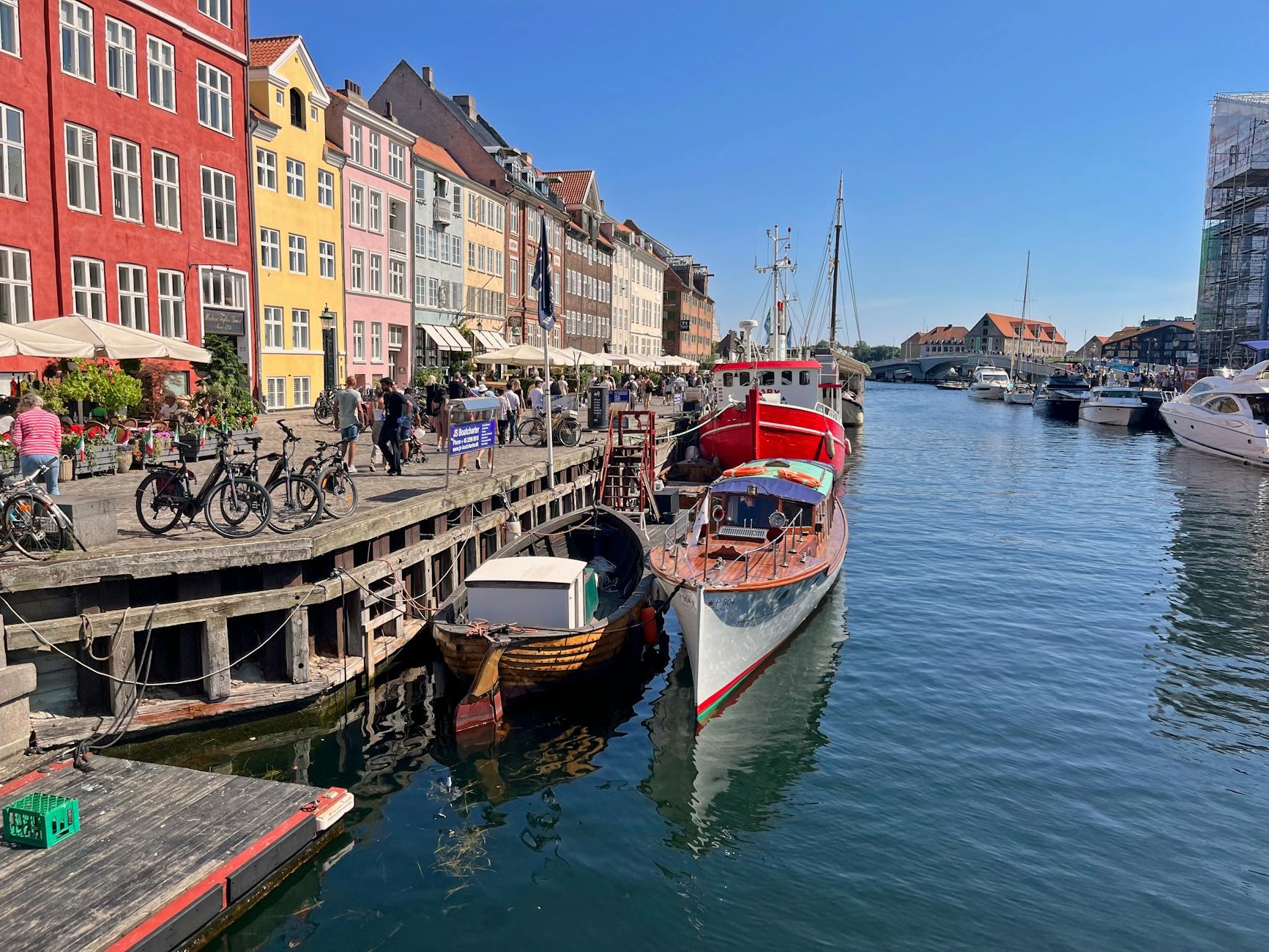
Copenhagen becomes easier when the visitor starts with a small number of neighborhoods instead of treating the whole city as one flat center. Indre By, Nyhavn, Christianshavn, Vesterbro, Nørrebro, Frederiksberg, and harbor areas all create different first impressions.
The opening route sets the tone.
- Choose the first area around lodging, arrival time, meal needs, and weather.
- Use one neighborhood as the main anchor before adding cross-city stops.
- Avoid spending the first day chasing every famous view when the city rewards rhythm.
Respect bikes without pretending to be local
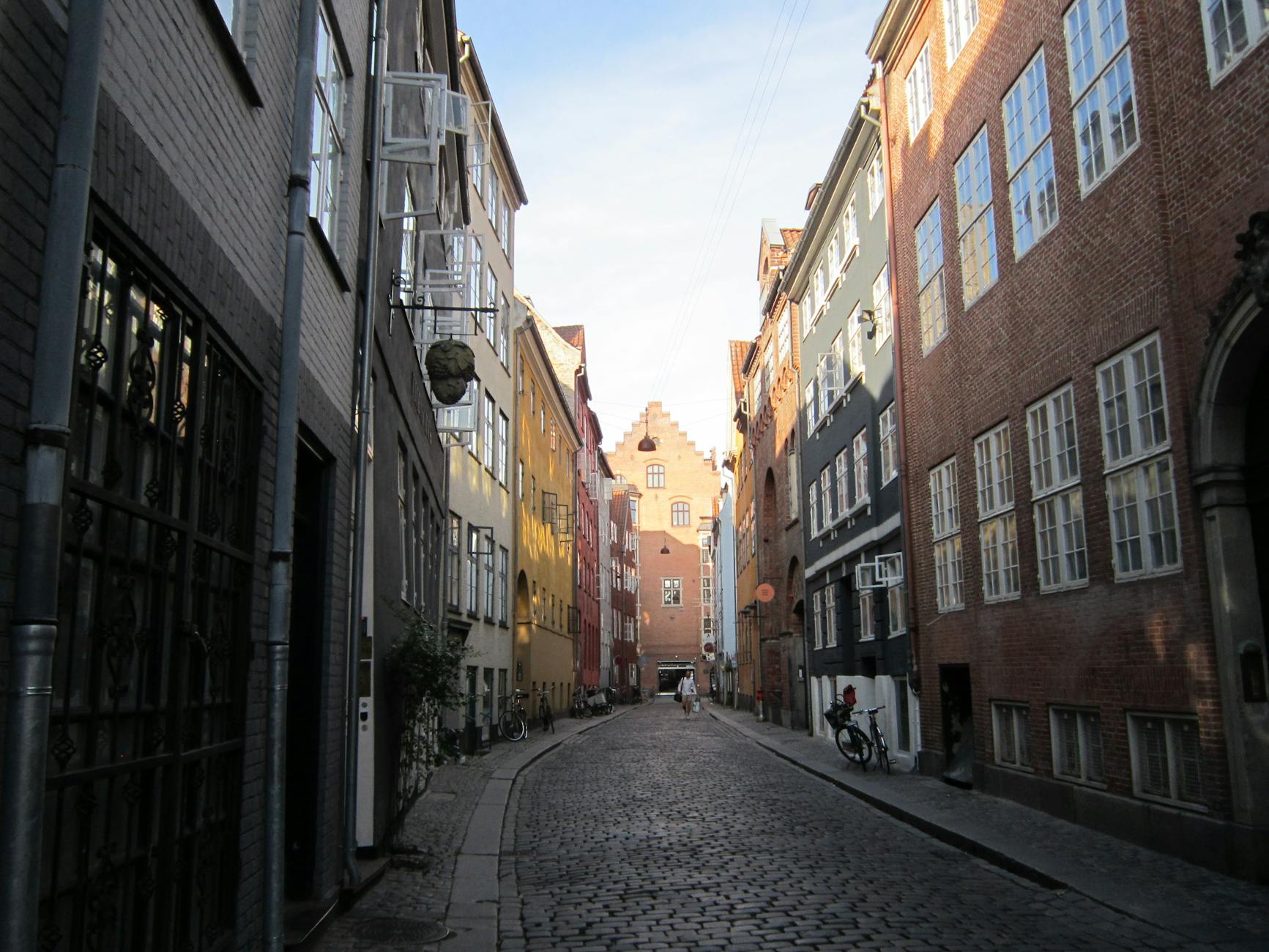
Cycling is part of Copenhagen's identity, but first-time visitors should decide honestly whether biking improves their trip. Bike lanes move quickly, signals matter, and bad weather or uncertainty can make walking and transit better choices.
The goal is confidence, not performance.
- Use a bike only when the visitor is comfortable with city cycling rules and lane behavior.
- Start with walking, metro, harbor buses, or short taxi rides when arrival fatigue is high.
- Do not let cycling pressure override safety, weather, or the needs of the group.
Use harbor and canal time deliberately
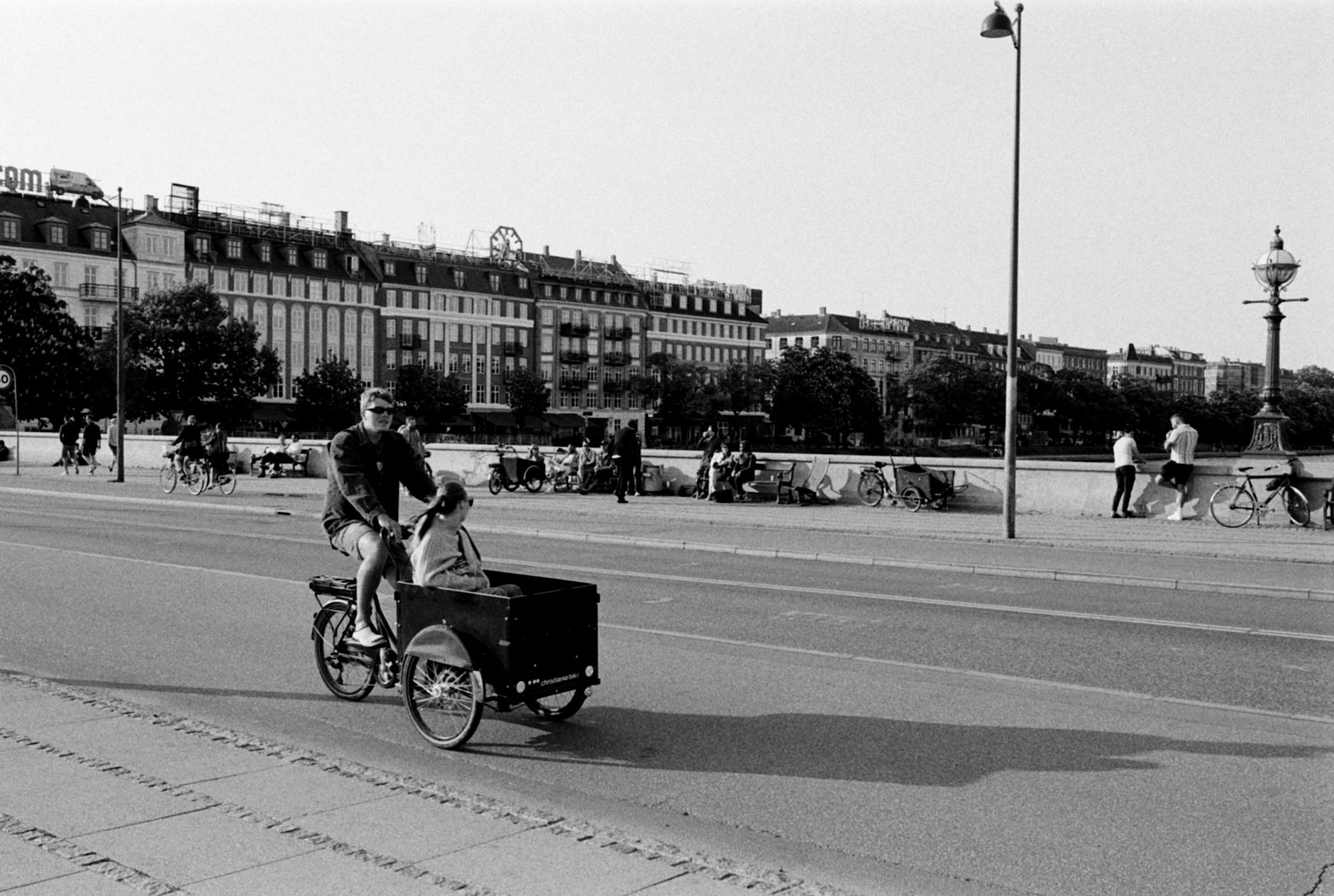
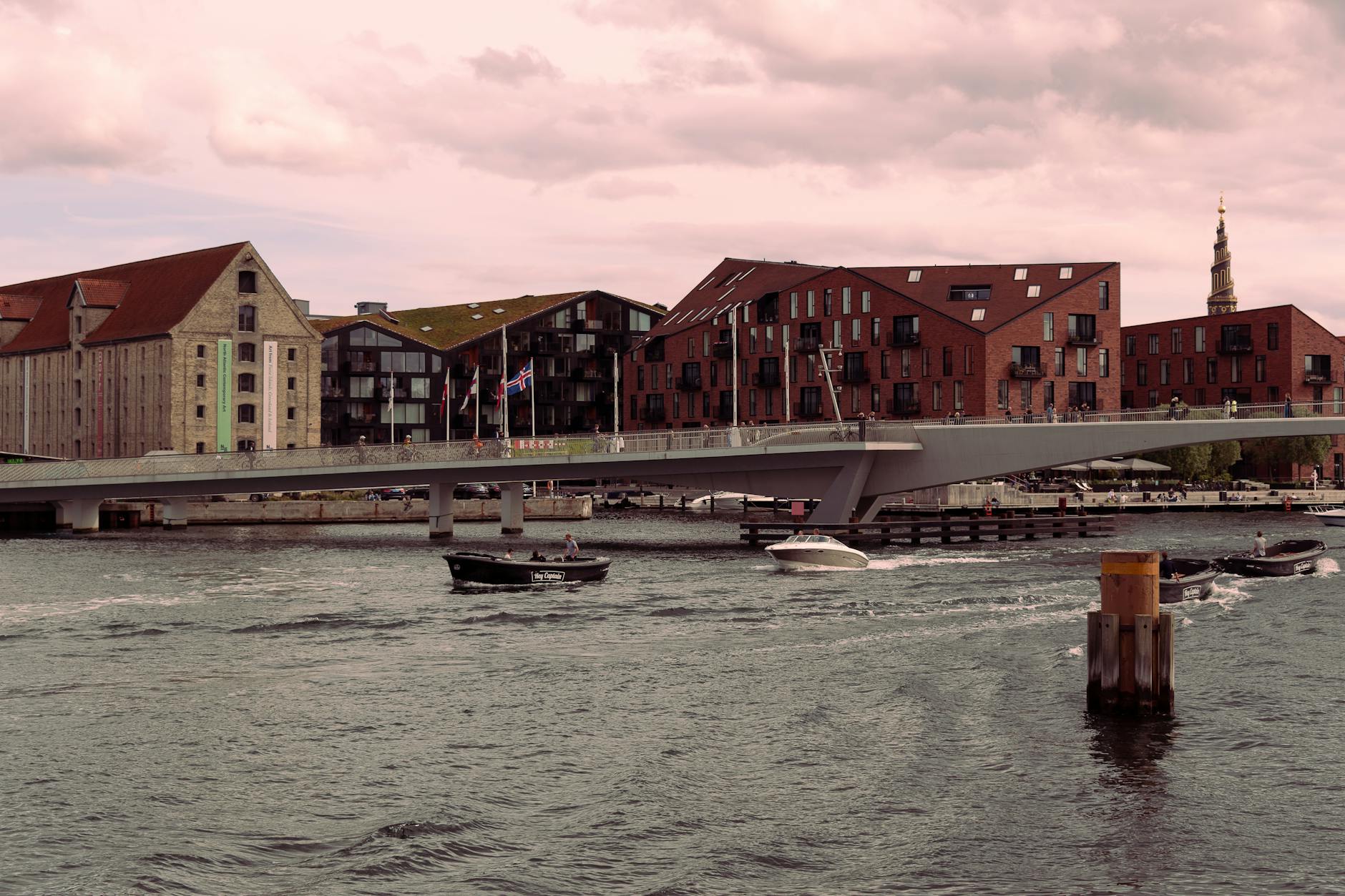
Copenhagen's water is not just scenery. Harbor walks, bridges, boat views, swimming areas, canal streets, and waterfront restaurants help the city make sense, especially on a first visit. The route should place water time where it supports the day.
The harbor can organize the trip.
- Plan one canal or harbor segment as a real part of the day, not just a photo stop.
- Check wind, rain, light, and crowd levels before committing to a long exposed walk.
- Pair waterfront time with nearby food, transit, or hotel access.
Plan food as part of the city rhythm
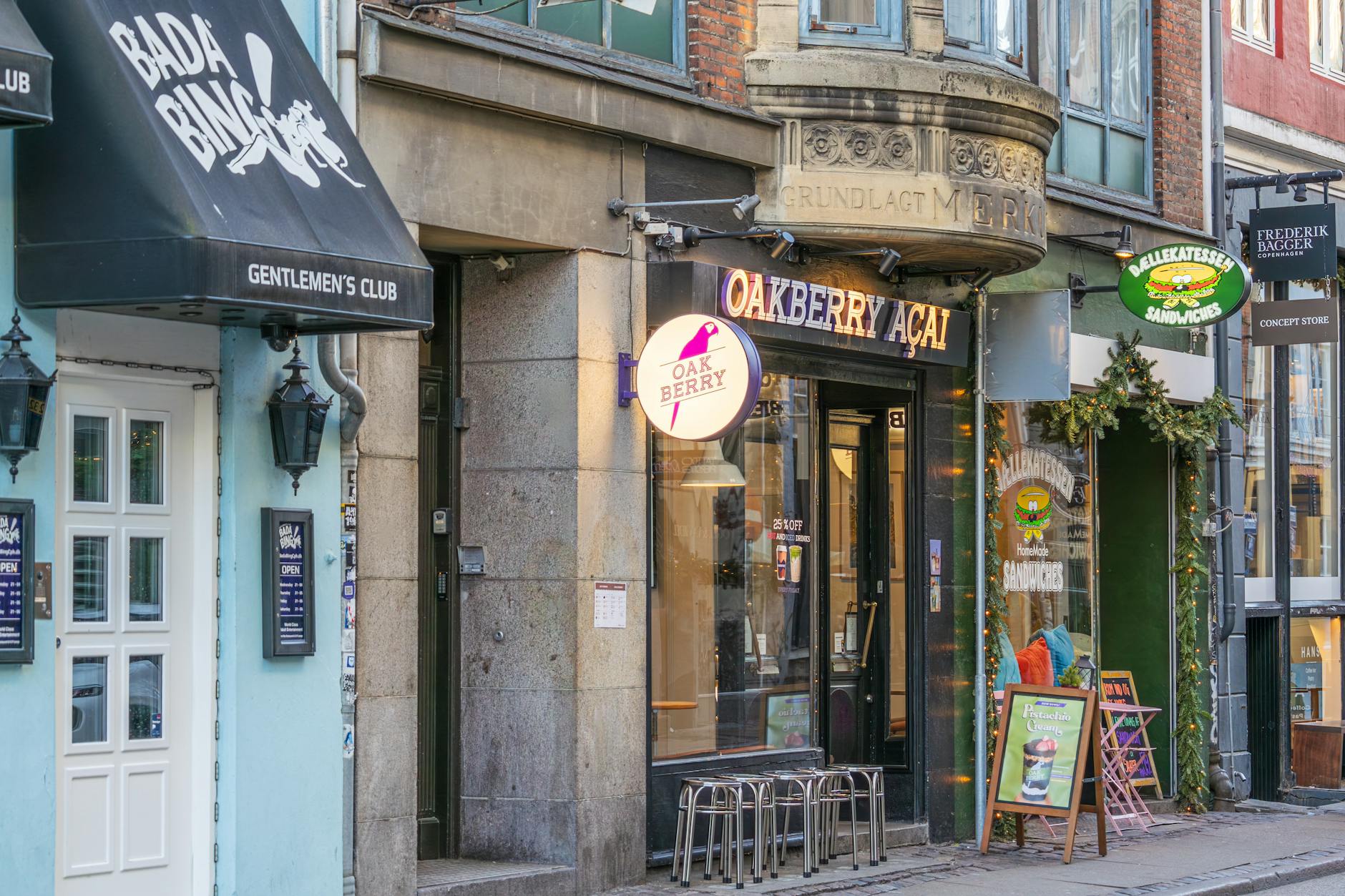
Bakeries, cafes, markets, restaurants, and bars can define a first Copenhagen trip, but food works best when tied to neighborhoods and timing. A short stay should not become a frantic list of famous bites.
Eating should deepen the route.
- Reserve important meals and leave casual food flexible near the day's main area.
- Use bakeries, cafes, markets, and simple meals to support walking and museum blocks.
- Keep dietary needs, opening hours, and budget visible before the day starts.
Balance landmarks with everyday streets
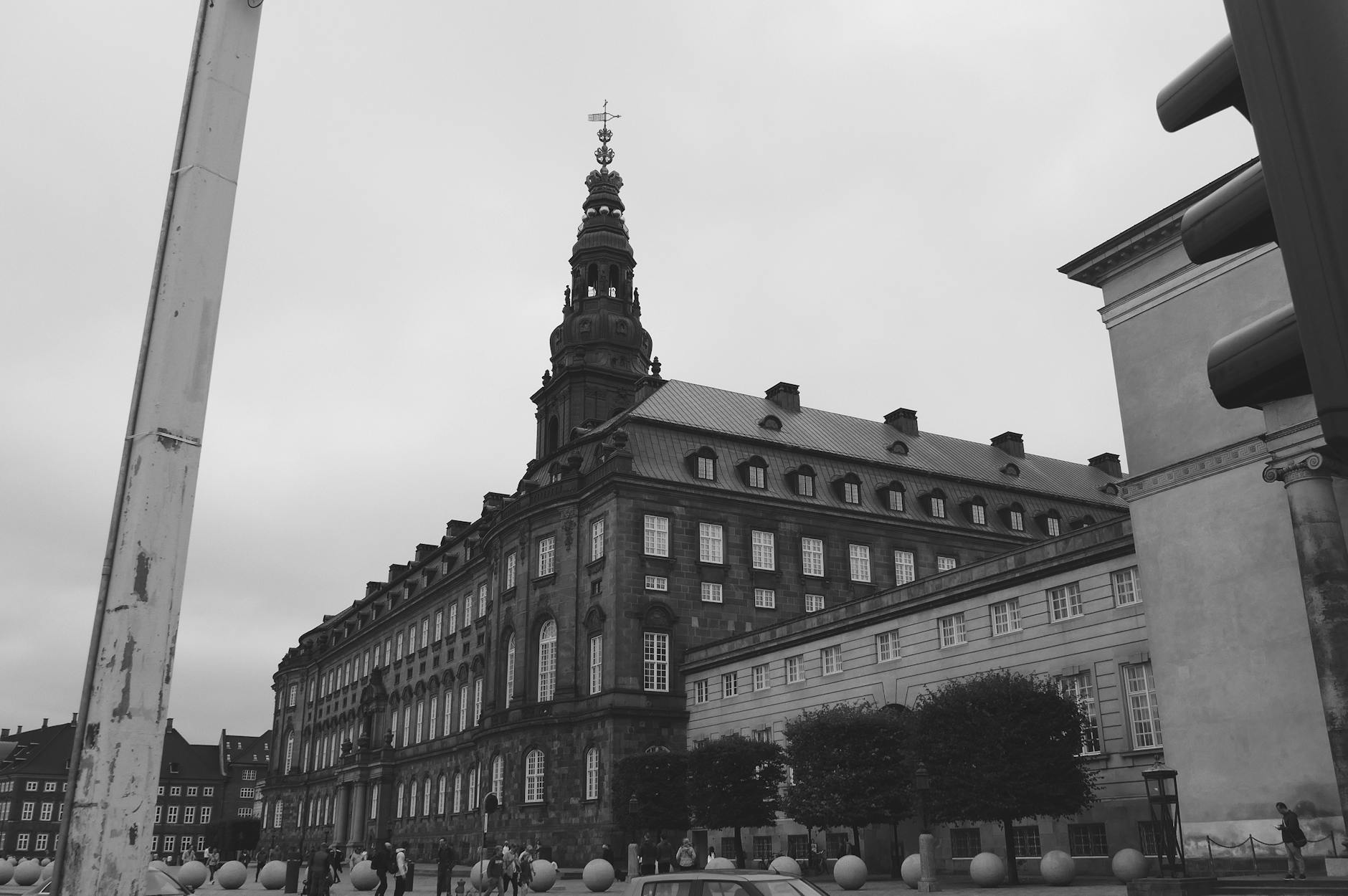
First-time visitors should see the obvious Copenhagen, but the city becomes better when landmarks are balanced with streets, shops, courtyards, design, parks, and ordinary neighborhoods. The trip should not rely only on headline stops.
Copenhagen rewards texture.
- Pair major sights with nearby streets, shops, cafes, or waterfront spaces.
- Leave time to wander one district without a strict attraction target.
- Avoid building a day that is all landmark arrivals and no city rhythm.
Learn transit before relying on it
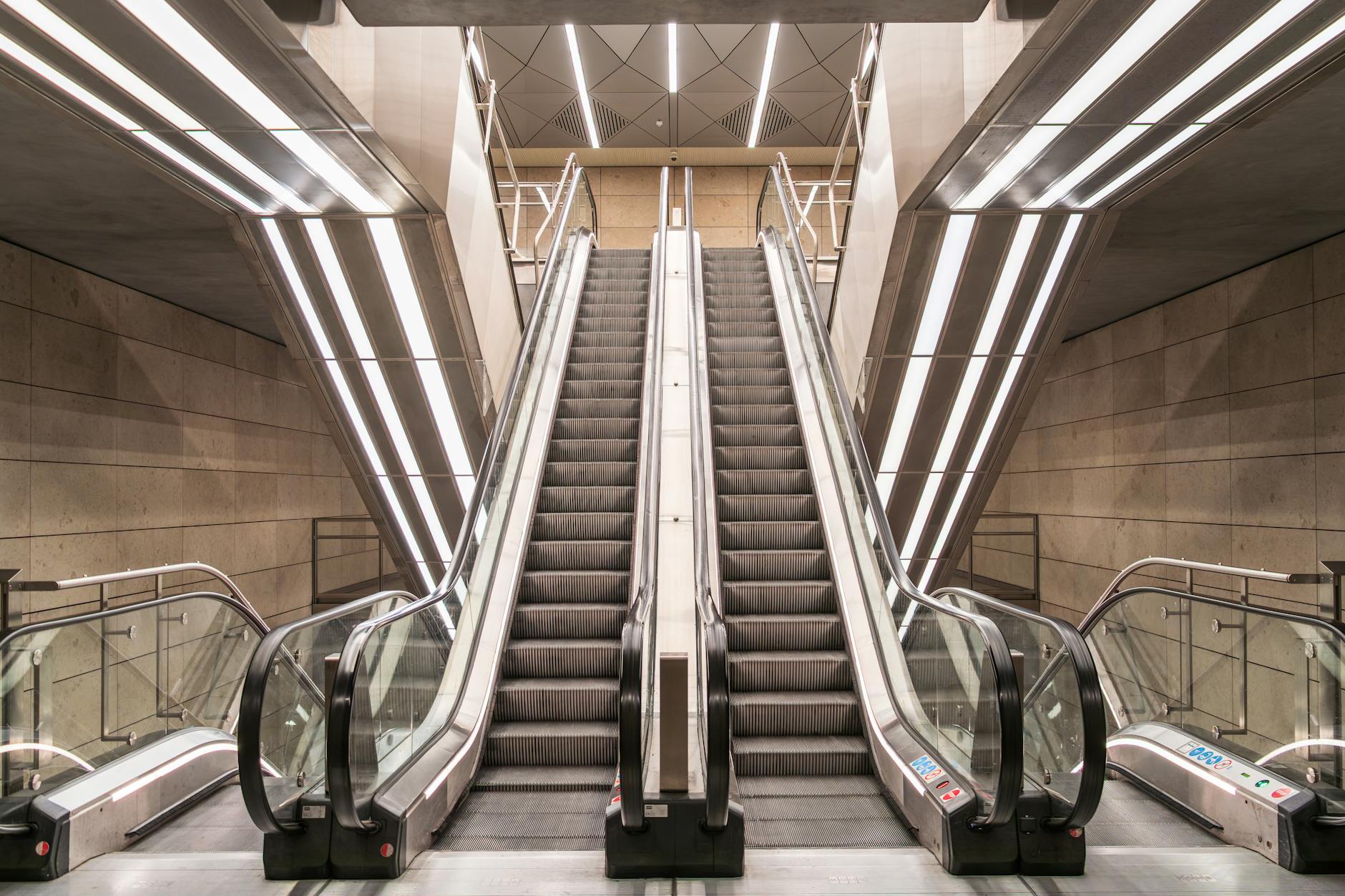
Copenhagen transit can make a short trip easier, especially from the airport and between districts, but the visitor should understand ticketing, platform direction, metro timing, and walking links before the schedule becomes tight.
Transit confidence reduces friction.
- Confirm airport route, ticket method, zones, and the nearest stops to the hotel.
- Use metro and rail for clear cross-city movement, not for tiny hops that are easier on foot.
- Keep an offline map and a taxi fallback for weather, luggage, or late evenings.
When to order a short-term travel report
A first-time visitor with a long stay and flexible plans may not need a custom report. A report becomes useful when the trip is short, lodging choice is uncertain, restaurants matter, weather could alter the route, or the visitor wants a first Copenhagen plan that feels coherent.
The report should test neighborhoods, lodging, airport access, transit, walking routes, food plans, landmark timing, weather, evening options, and departure buffers. The value is a first Copenhagen trip that feels shaped rather than scattered.
- Order when neighborhoods, lodging, food, transit, weather, landmark pacing, or departure timing need coordination.
- Provide dates, arrival details, hotel options, interests, mobility needs, food priorities, budget, and must-see places.
- Use the report to make the first Copenhagen stay compact, textured, and easy to adjust.