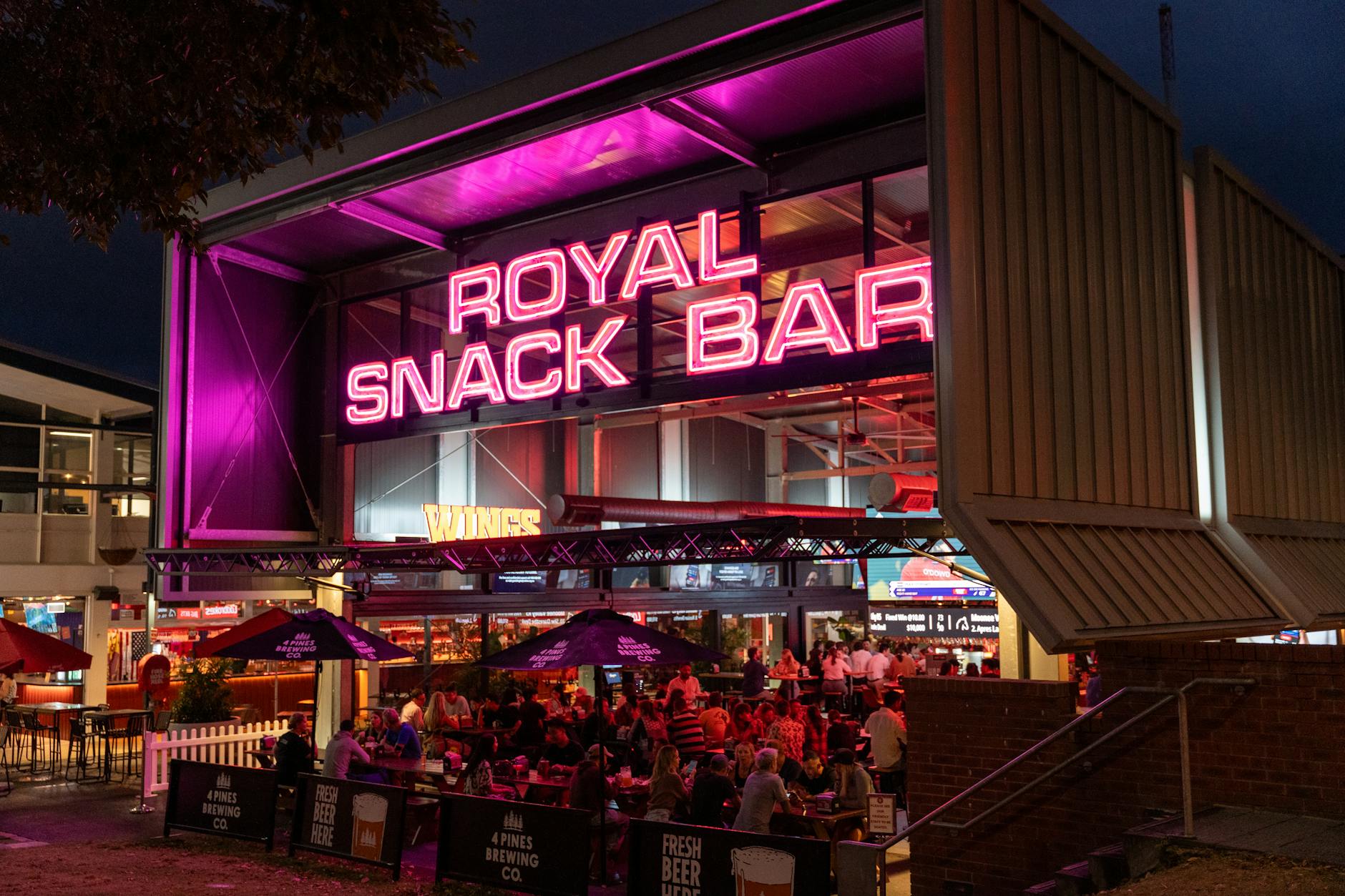
Choose lodging that makes returns simple
A short Brisbane stay works better when the hotel makes arrivals, meals, errands, and evening returns simple. A woman traveler should compare the walk back after dinner, reception hours, nearby food, rideshare pickup, lift access, and room quiet before choosing by price or view alone.
The base should reduce decision load at the end of the day.
- Choose lodging near the river, South Bank, the CBD, or another area that matches the actual itinerary.
- Check late-return access, reception coverage, elevator access, nearby food, taxi pickup, and room quiet.
- Avoid a cheaper room if it creates isolated walks, confusing transfers, or too much heat exposure.

Make arrival and first movement clear
The first transfer sets the tone for the stay. Brisbane Airport, the Airtrain, taxis, rideshare pickup, hotel check-in, luggage, and weather should be understood before landing, especially for a late arrival or a same-day plan.
Arrival should feel deliberate, not improvised while tired.
- Map the airport or station route to the hotel before departure.
- Keep the hotel address, payment backup, route screenshot, and taxi option available offline.
- Use a car transfer when late timing, luggage, rain, heat, or fatigue makes public transport less comfortable.
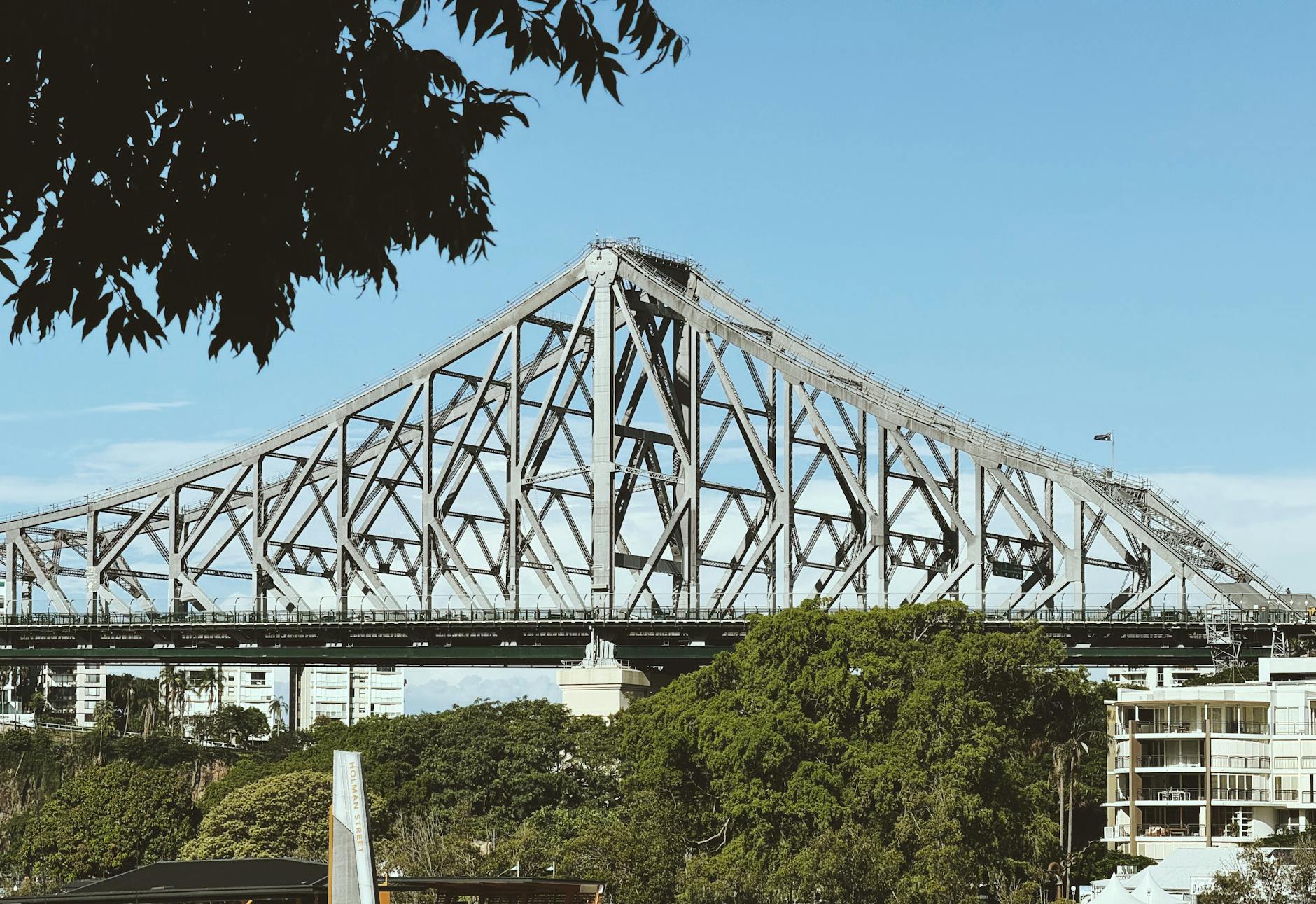
Plan solo meals before pressure builds
Brisbane is easy for cafes, casual restaurants, riverfront meals, hotel dining, and early dinners, but a short solo trip works better when meals are not left to hunger and weather. The traveler should know where she can eat comfortably near each route.
Meals should be part of the plan, not a problem to solve late.
- Identify breakfast, coffee, lunch, dinner, and backup snack options near the hotel and daily route.
- Use reservations for important meals and lower-pressure cafes or hotel dining for tired evenings.
- Choose dinner areas with clear transport or a short return route after dark.
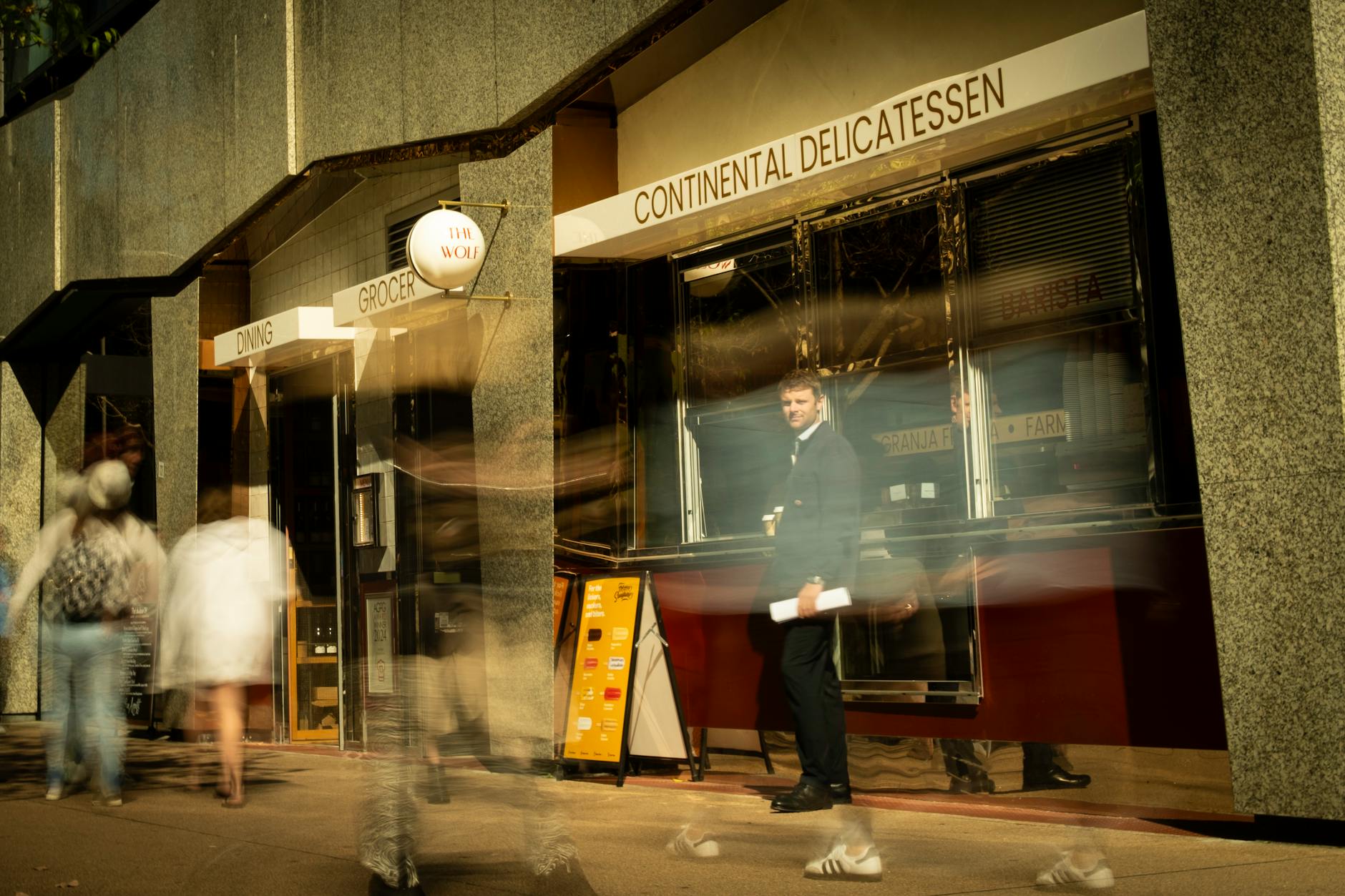
Use the river for confident orientation
The Brisbane River can make the city easier to understand when it is used as an orientation tool. The CBD, South Bank, Kangaroo Point, bridges, ferries, and evening viewpoints should be mapped as a connected set rather than a list of separate stops.
A clear river plan makes the city feel smaller.
- Map the hotel, river crossings, ferry stops, South Bank, meal areas, and evening return route.
- Use a short ferry ride or river walk early in the stay to make the city legible.
- Avoid repeated river crossings when heat, rain, or time pressure would make the day harder.
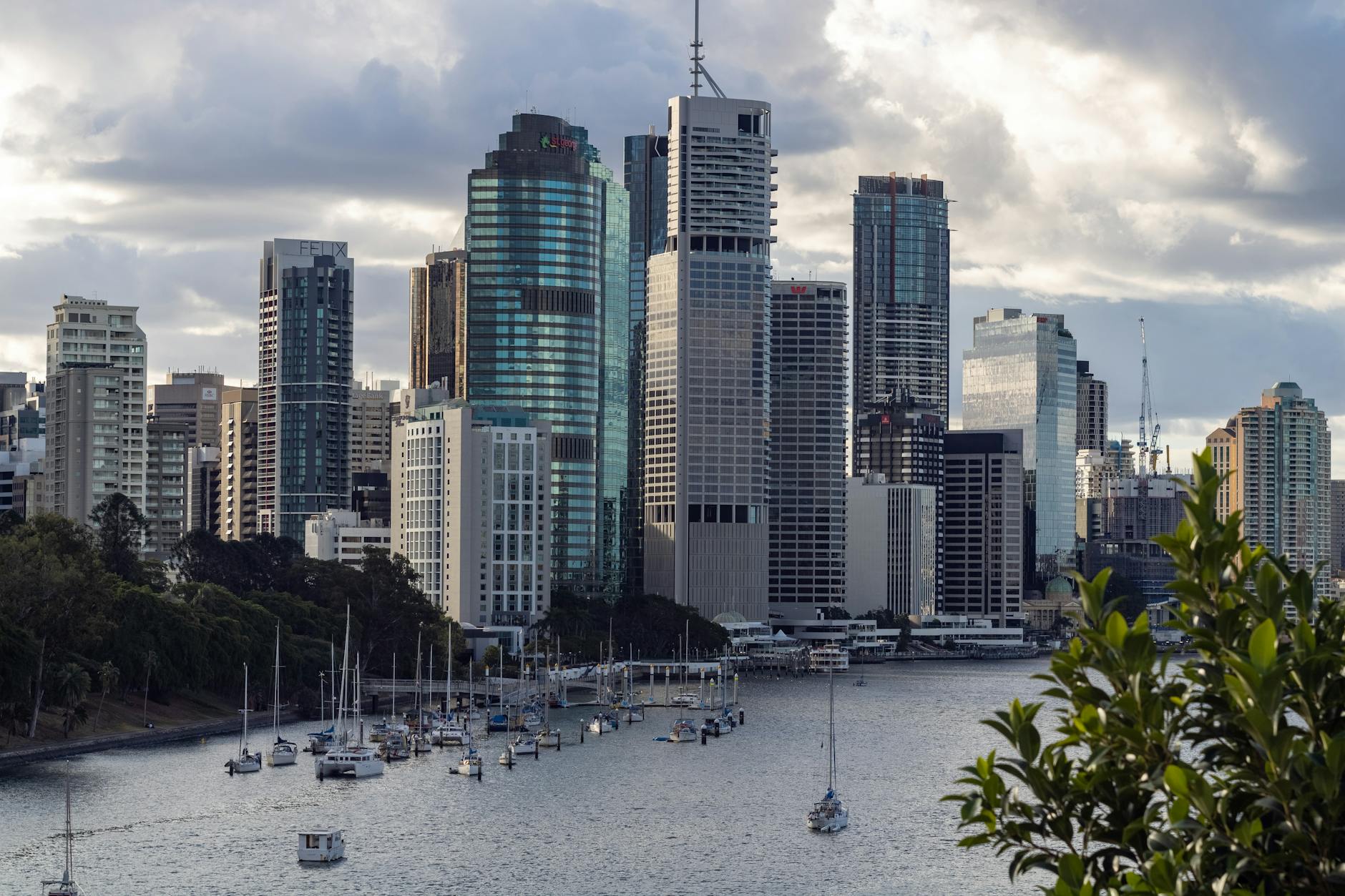
Build daylight anchors around public spaces
Galleries, South Bank, gardens, bookstores, markets, and river walks can give a woman traveler useful daylight anchors. These stops work best when they sit near food, restrooms, shaded routes, and easy transport.
The day should have places to pause, not just places to reach.
- Choose one or two daylight anchors that fit the weather, energy, and hotel location.
- Check opening hours, cafe options, restrooms, walking exposure, and transport before setting out.
- Keep a calm indoor option available when heat, storms, or fatigue change the plan.
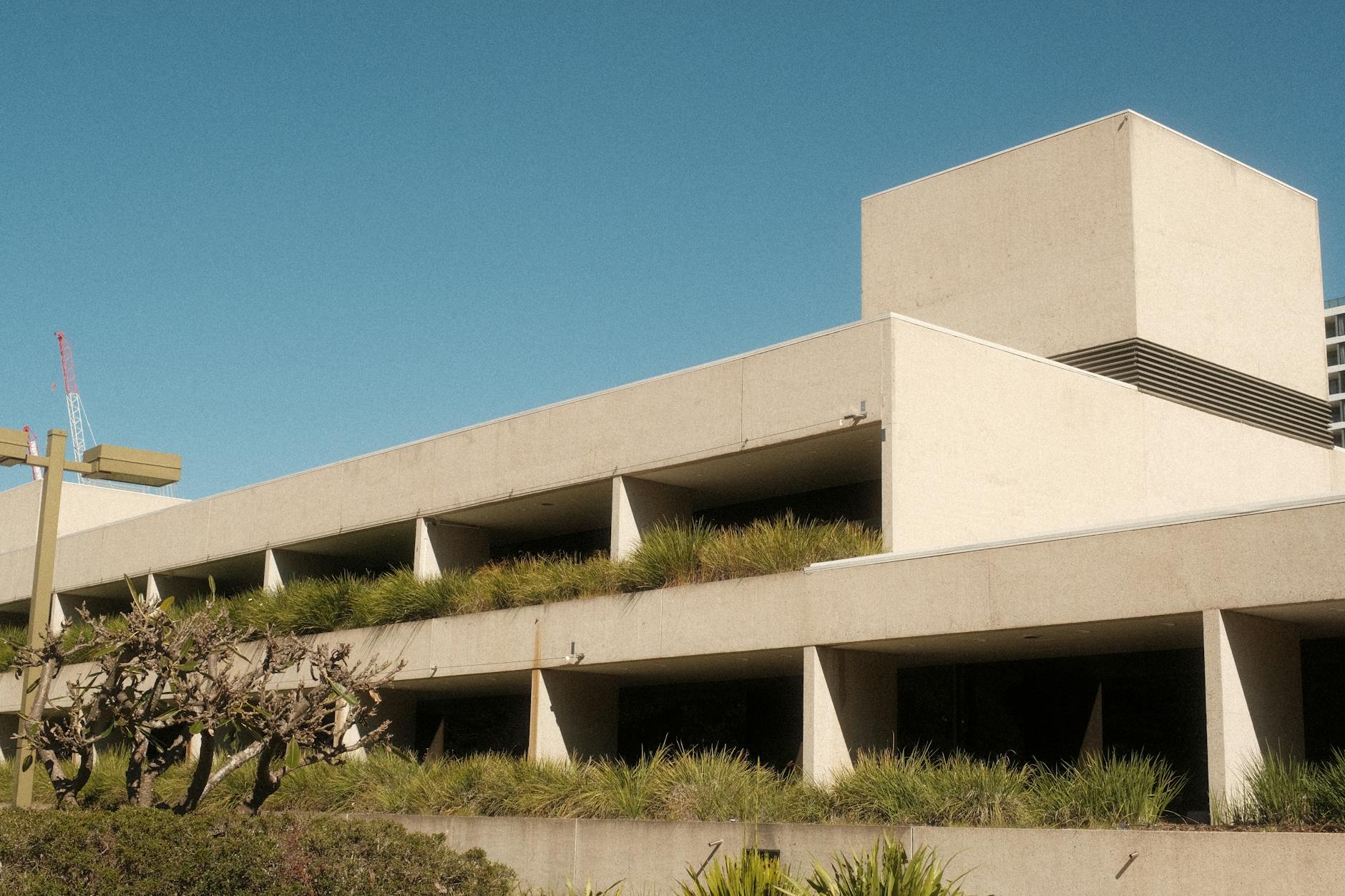
Protect comfort from heat, storms, and fatigue
Brisbane can be warm, humid, bright, and stormy depending on the season. A woman traveler should treat shade, hydration, footwear, phone power, rain cover, and hotel resets as part of the itinerary.
Comfort helps preserve independence.
- Check heat, humidity, storm risk, walking distance, and shade before committing to long outdoor routes.
- Carry water, sun protection, a charged phone, and payment backup.
- Switch to taxis, ferries, shorter walks, or a hotel pause before fatigue starts making choices for the traveler.
When to order a short-term travel report
A confident woman traveler with a flexible Brisbane stay may not need a custom report. A report becomes useful when hotel choice, arrival timing, evening routes, solo meals, weather, daylight anchors, and departure buffers need to fit into a short stay.
The report should test lodging area, airport transfer, river orientation, meal options, evening return routes, weather backups, quiet breaks, phone and payment needs, and departure timing. The value is a Brisbane trip that feels independent because the friction points were handled early.
- Order when lodging, late arrival, solo meals, river movement, evening routes, weather, or departure timing need coordination.
- Provide dates, arrival details, hotel options, comfort preferences, dining goals, interests, budget, and pace limits.
- Use the report to keep Brisbane open, calm, and easy to navigate alone.