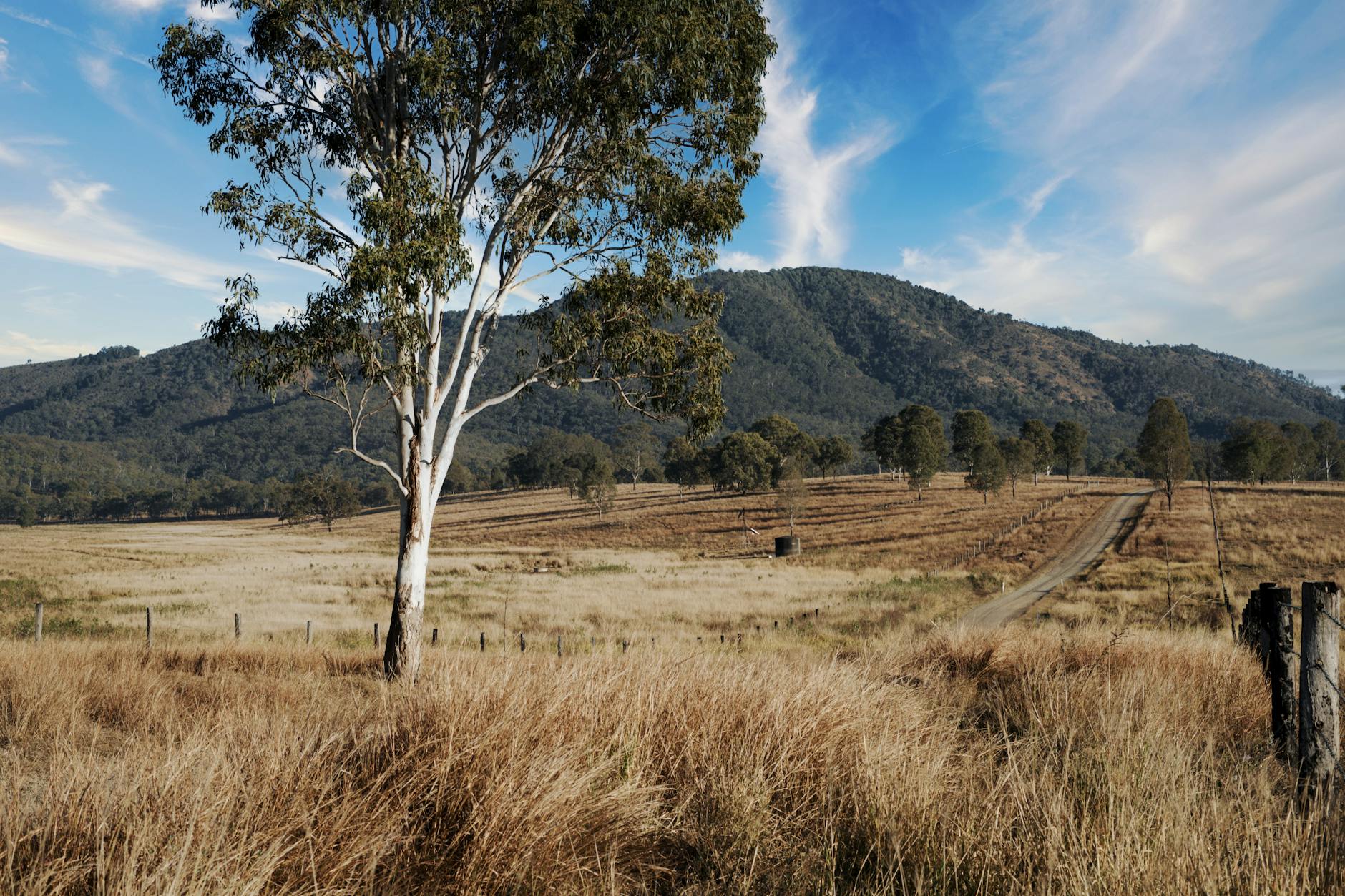
Choose outdoor goals before booking the base
A short outdoor trip can mean river walks, cycling, kayaking, wildlife, Mount Coot-tha, gardens, coastal time, rainforest day trips, or a mix of light adventure and city recovery. The traveler should choose the main outdoor goal before deciding where to sleep.
The base should reduce friction around the priority activity.
- Pick the main trip type: river, lookout, trail, coast, wildlife, gardens, water activity, or regional day trip.
- Map hotel options to pickup points, trailheads, ferry stops, gear rental, food, and recovery time.
- Avoid choosing a nightlife or shopping base if early outdoor starts are the real priority.
Match the plan to weather, daylight, and fitness
Brisbane heat, humidity, storms, UV exposure, and daylight can change an outdoor day quickly. A traveler should plan by the actual season, start time, shade, distance, elevation, and personal fitness rather than by wishful map reading.
The schedule should respect conditions.
- Check heat, storms, UV, daylight, trail status, tide or water conditions, and air quality before committing.
- Put strenuous walking or riding earlier in the day when conditions are cooler.
- Choose a shorter route if jet lag, medication, injury, or limited fitness could affect recovery.
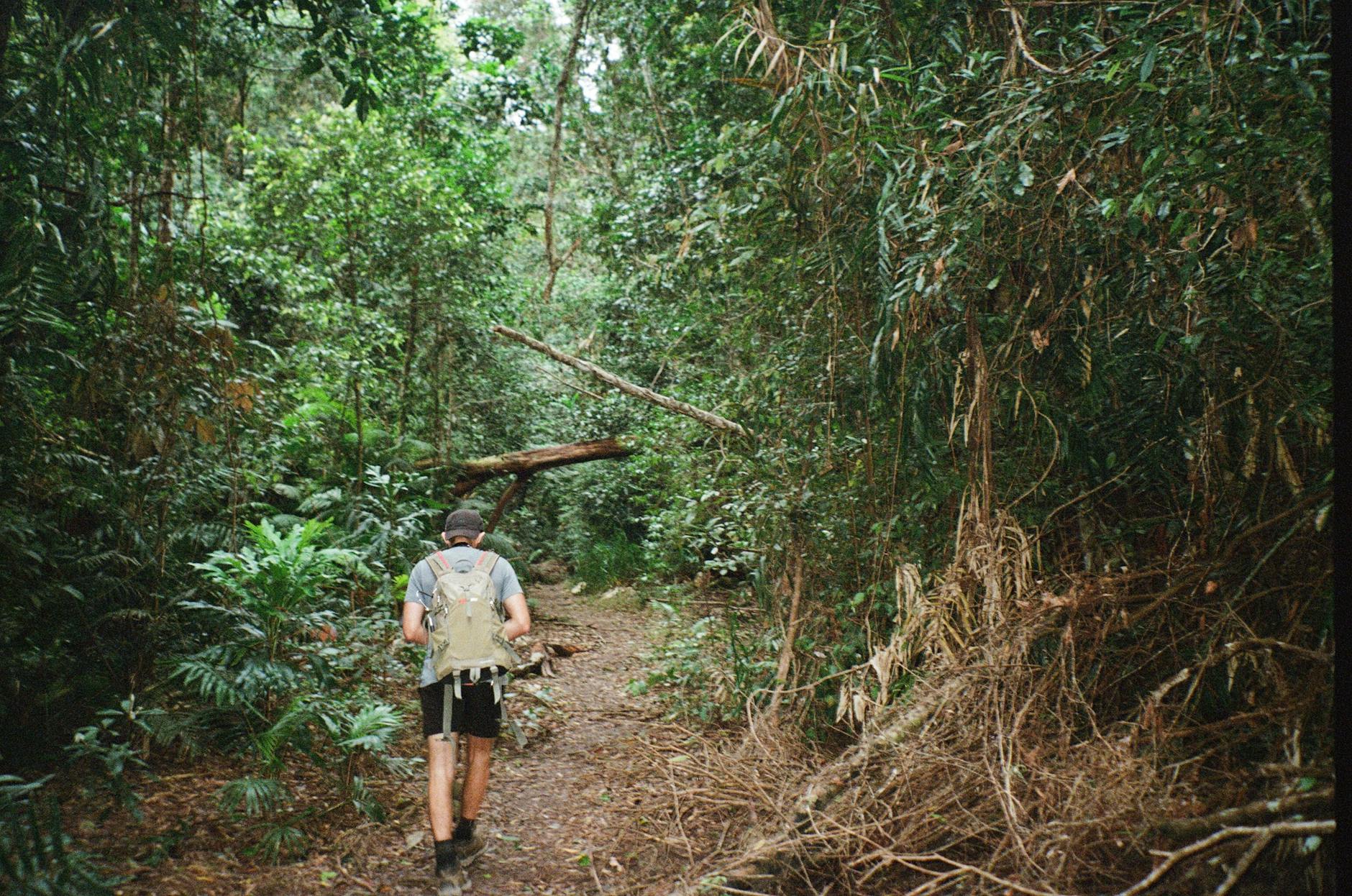
Treat river, coast, trails, and lookouts differently
Not every outdoor plan needs the same preparation. A river walk, ferry day, lookout visit, coastal excursion, rainforest hike, or wildlife stop has different timing, gear, transport, food, and safety needs.
The category should decide the checklist.
- Plan river and ferry days around sun, shade, hydration, return routes, and weather changes.
- Plan trail and lookout days around grade, footing, elevation, toilet access, phone coverage, and daylight.
- Plan coastal or regional days around transfer time, swim conditions, meals, and a conservative return window.
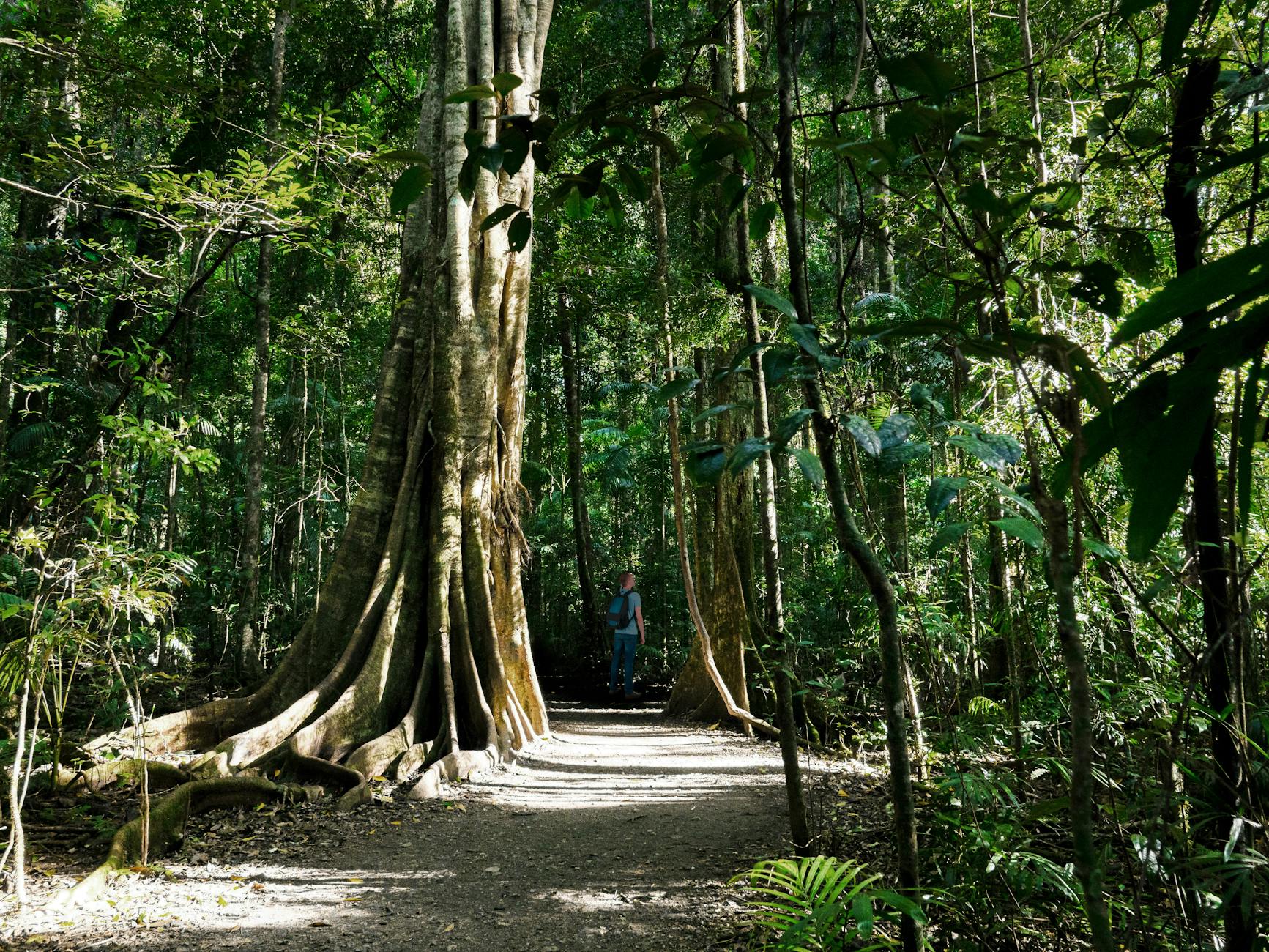
Pack for heat, storms, insects, and water
A small outdoor kit can prevent a short Brisbane day from becoming uncomfortable. The traveler should prepare for sun, sweat, rain, insects, uneven surfaces, water exposure, and phone battery drain without carrying too much.
The goal is useful lightness.
- Carry water, sun protection, hat, sunglasses, insect repellent, medication, charged phone, and a small rain layer.
- Use shoes that match the terrain rather than saving new footwear for the trip.
- Protect documents, cards, camera gear, and medication from rain, sweat, and water activities.
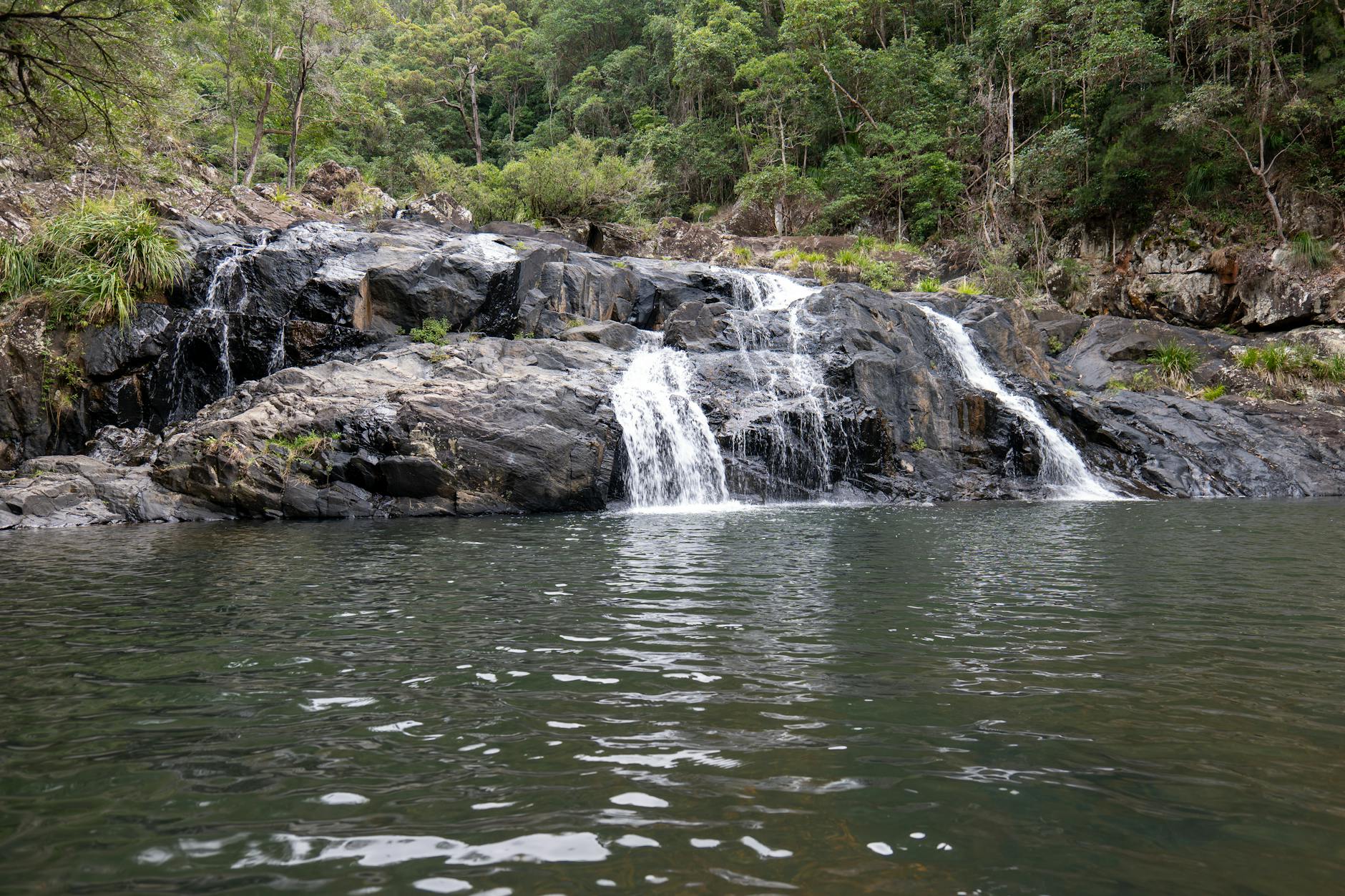
Plan transfers and recovery after active days
Outdoor travelers often plan the activity and ignore the return. Brisbane trips should include transport back to the hotel, dinner, showers, laundry, stretching, file backup, medication, and sleep before the next commitment.
Recovery belongs in the itinerary.
- Confirm return transport before starting a remote, late, or weather-sensitive outing.
- Leave time for shower, laundry, food, hydration, and rest after longer outdoor days.
- Avoid scheduling an early flight, major meeting, or long transfer immediately after the hardest activity.
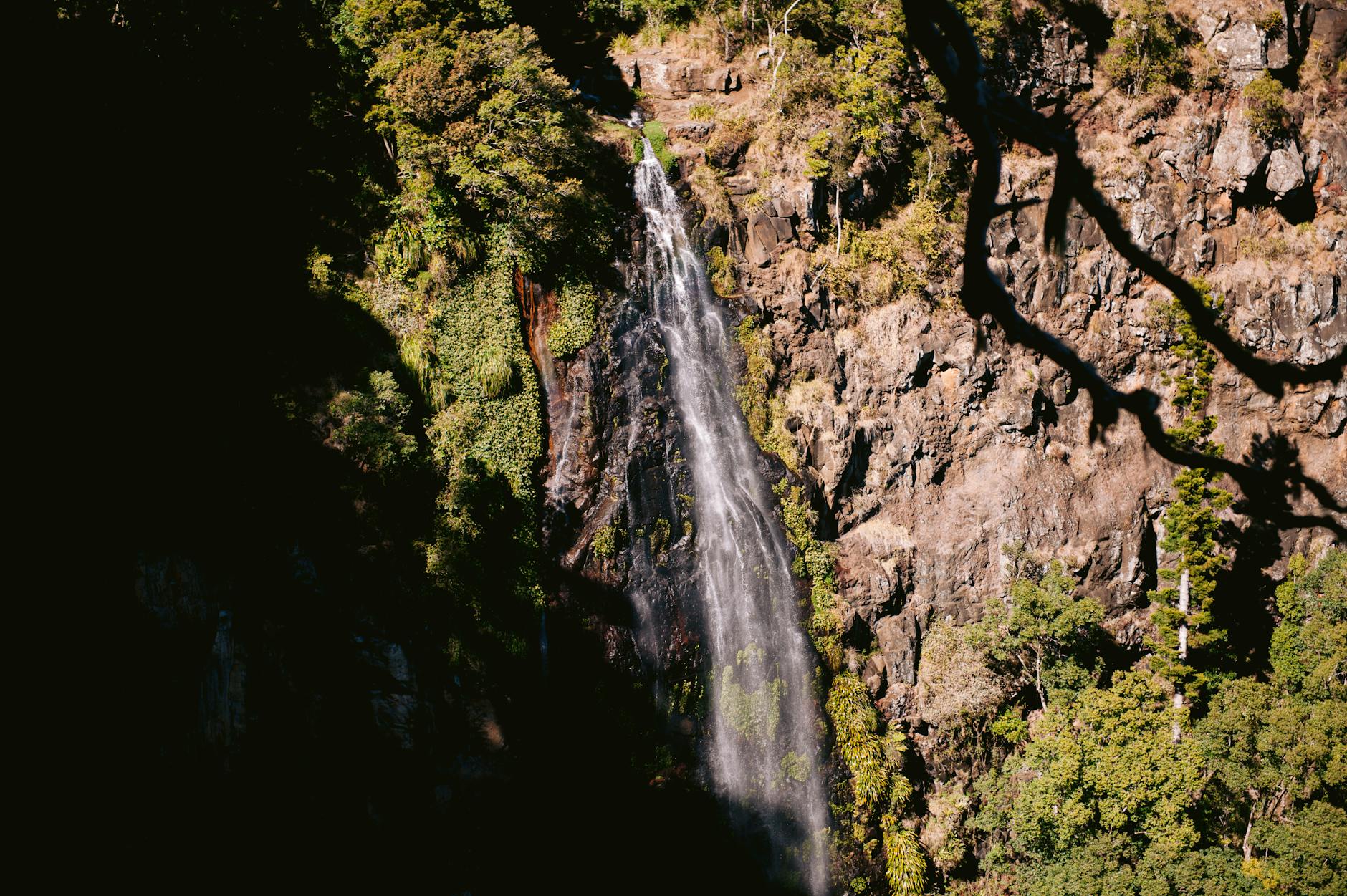
Keep safety and backup routes explicit
Outdoor risk does not require extreme terrain. Heat, storms, closed paths, late returns, slips, dehydration, weak phone signal, and unfamiliar wildlife can all affect a short Brisbane trip. The traveler should know the backup before leaving.
The safest plan is specific.
- Share the route, expected return time, and backup contact when leaving the city core for longer outings.
- Check closure notices, weather warnings, water safety, and whether the activity should be guided.
- Keep a lower-effort fallback such as gardens, river paths, museums, or cafes for rough-weather days.
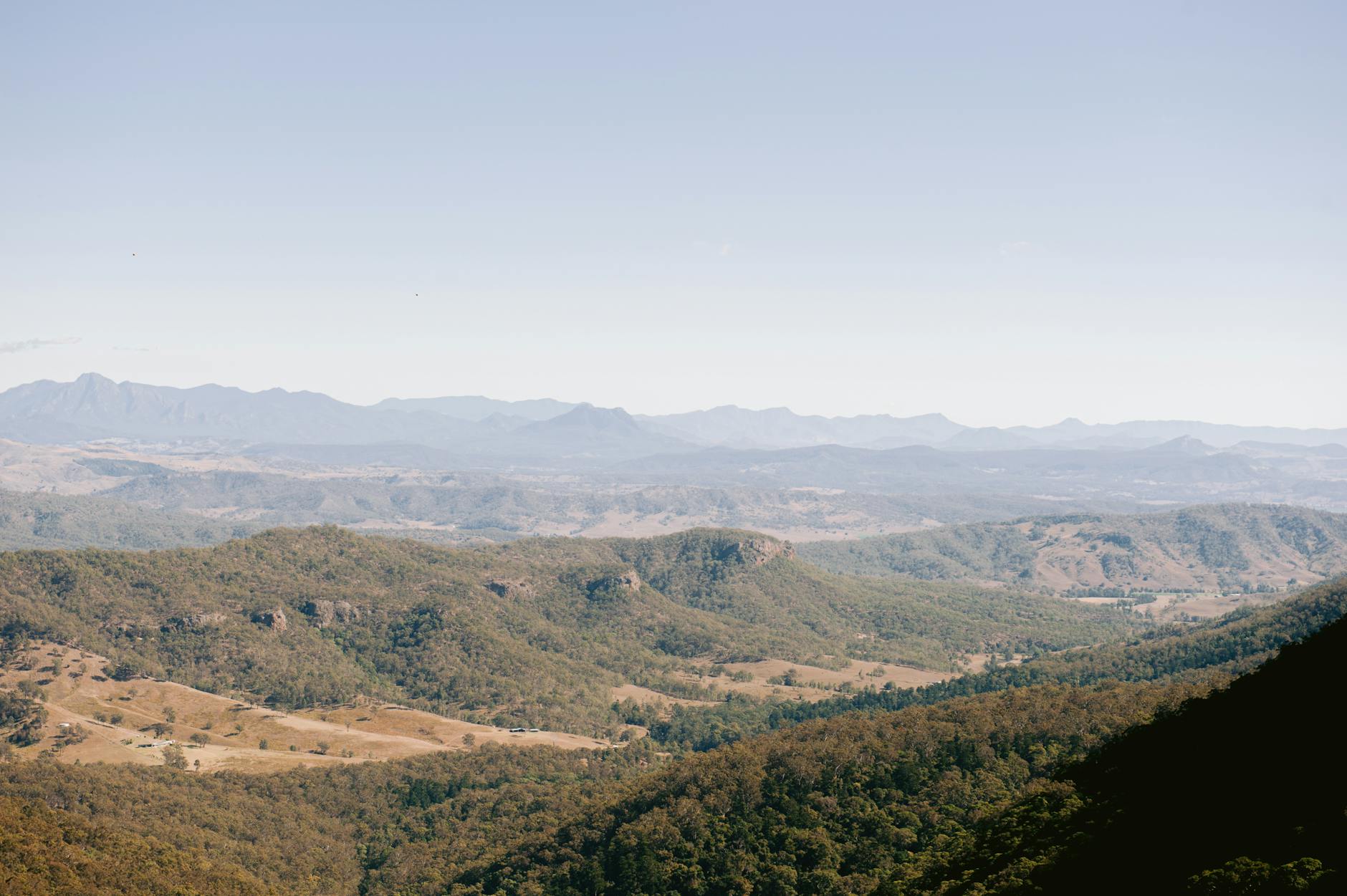
When to order a short-term travel report
An outdoor traveler with one easy city walk may not need a custom report. A report becomes useful when weather, trail choice, transport, gear, water activities, regional day trips, health limits, recovery time, and airport timing need to fit into a short Brisbane stay.
The report should test hotel base, activity order, trail or river access, transfer times, heat and storm risk, gear needs, meal gaps, safety backup, recovery blocks, and departure buffers. The value is a Brisbane outdoor trip that feels active without becoming fragile.
- Order when weather, route choice, transport, gear, health limits, recovery, or departure timing need coordination.
- Provide dates, flight details, fitness level, must-do activities, hotel options, gear constraints, health needs, and budget.
- Use the report to match Brisbane outdoor ambition to realistic timing and conditions.