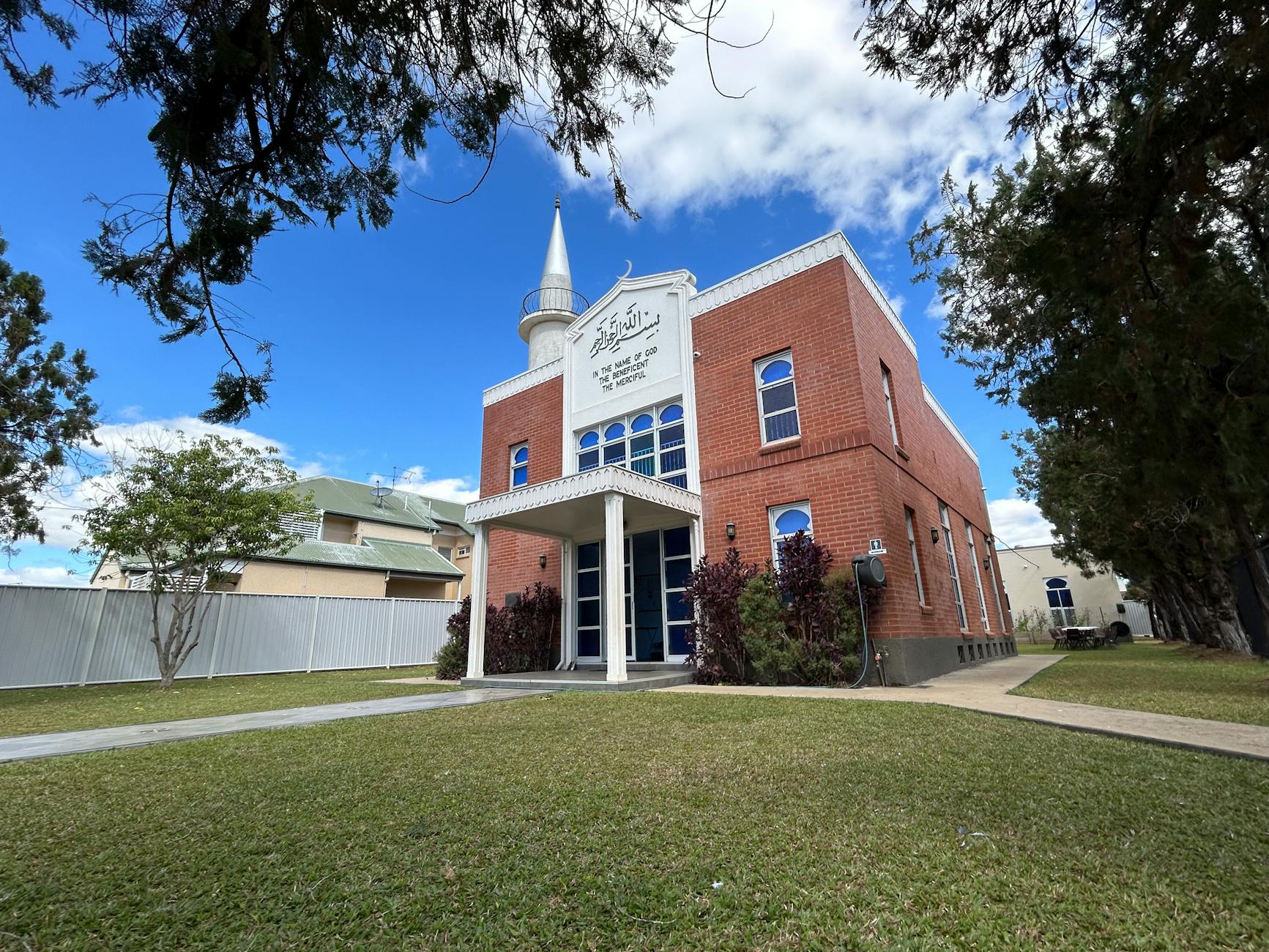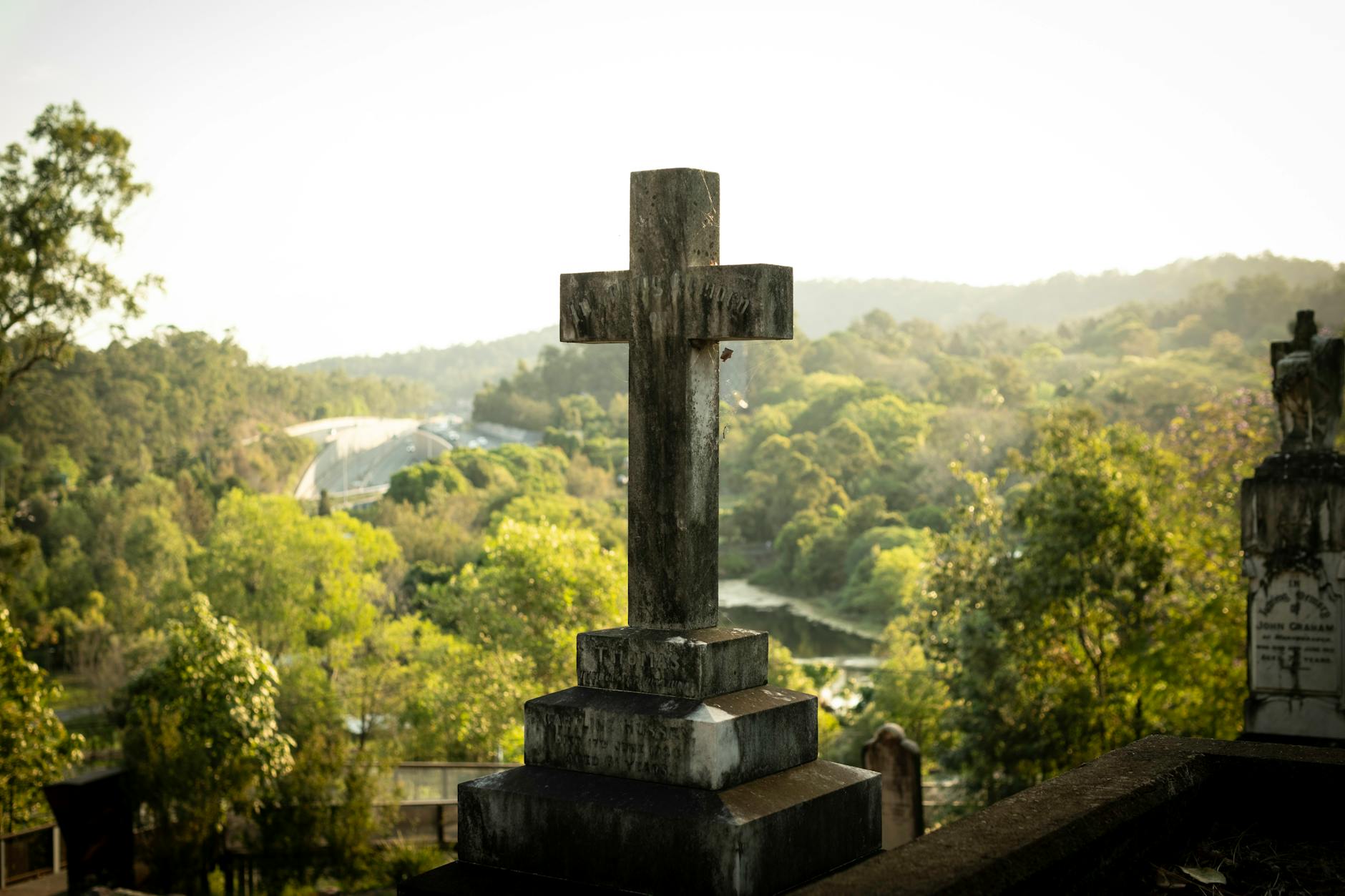
Start with purpose, community, and timing
The first planning question is not where to stay, but why the traveler is going. A short Brisbane religious trip may center on worship, a memorial visit, a retreat, a family rite, interfaith meetings, a cemetery visit, or quiet personal reflection.
The purpose should decide the rhythm of the stay.
- Confirm service times, meeting locations, memorial hours, community contacts, and any required appointments.
- Leave enough space before and after the main religious commitment for quiet preparation or reflection.
- Avoid turning a meaningful visit into a crowded sightseeing schedule.
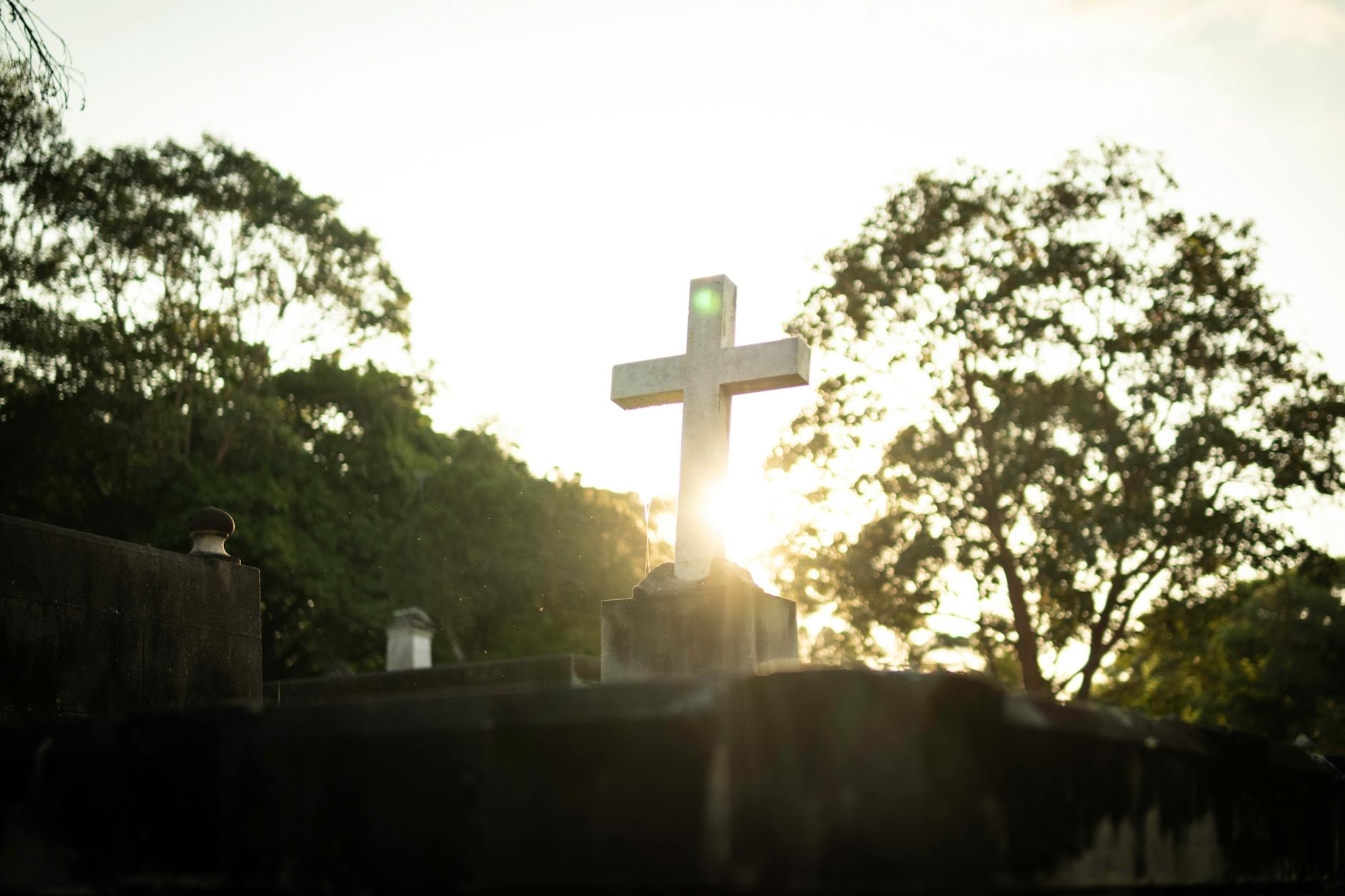
Choose lodging around the service rhythm
A hotel that looks convenient for leisure may not work for early services, evening gatherings, cemetery visits, dietary needs, or quiet rest. Brisbane lodging should be chosen by the locations and times that matter most to the trip.
The base should make the religious purpose easier to honor.
- Map the hotel to places of worship, memorial sites, community hosts, meals, pharmacies, and transport.
- Check early-morning, evening, weekend, and public-holiday movement rather than relying only on midday routes.
- Choose a quiet room and simple meals if the trip involves reflection, fasting, prayer, or family obligations.
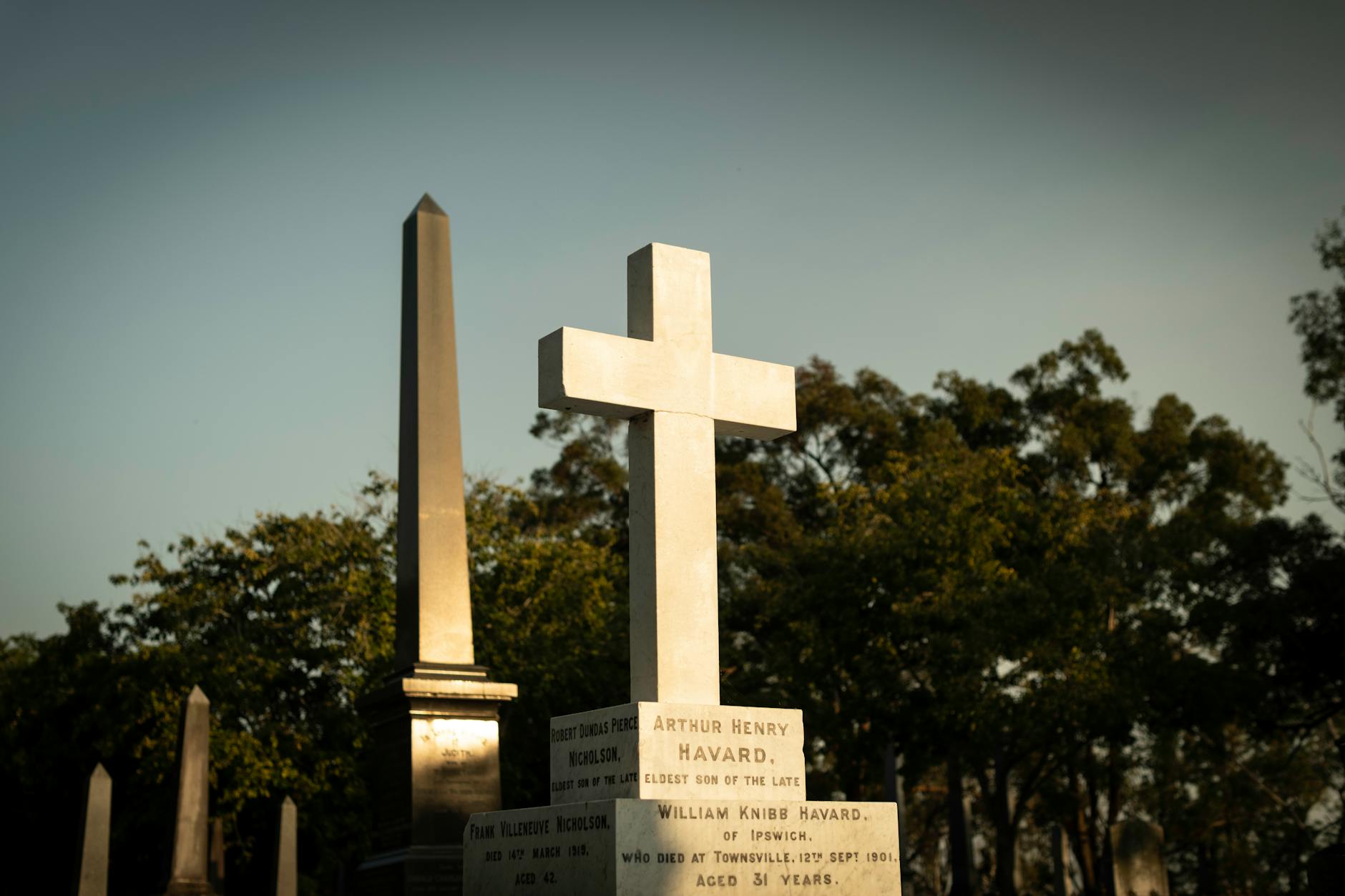
Confirm etiquette, access, dress, and visitor rules
Different Brisbane congregations, sacred spaces, memorial areas, and community events can have different expectations. A visitor should check access rules, dress, photography, seating, donations, food, and whether advance contact is appropriate.
Respect should be practical, not assumed.
- Confirm whether visitors may attend, where to enter, how to dress, and whether registration is needed.
- Ask before photographing people, rituals, memorials, interiors, or private community spaces.
- Carry a light layer, modest clothing option, water, and any required head covering or shoes policy details.
Plan transport between sacred sites and quiet time
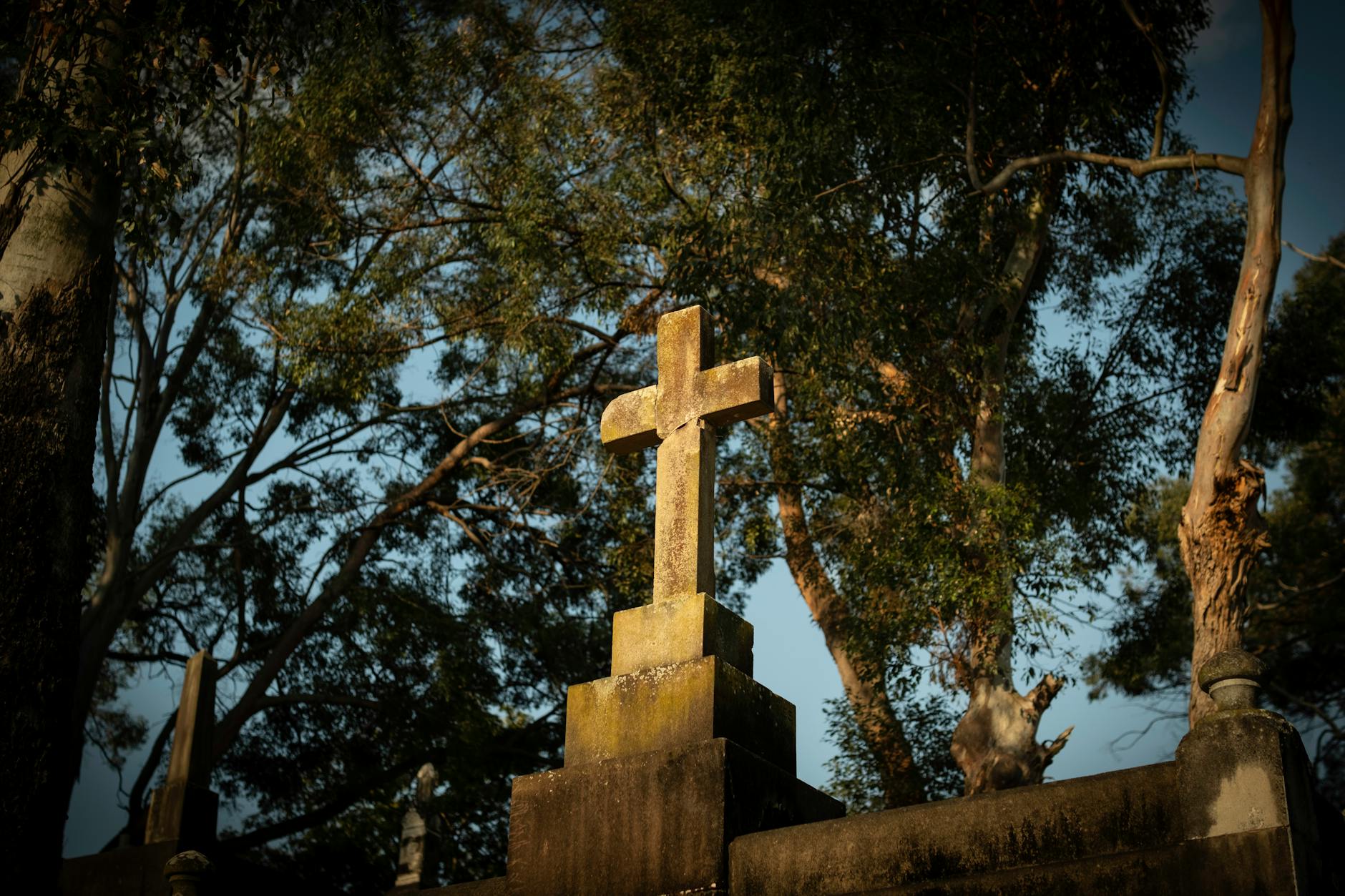
Short religious trips often combine formal commitments with quiet personal time. The traveler may need to move between a hotel, a church, mosque, temple, cemetery, retreat space, family home, or meal location without feeling rushed.
Movement should leave room for attention.
- Build routes with realistic walking, rideshare, taxi, ferry, bus, train, heat, rain, and waiting time.
- Add a buffer before services, prayers, ceremonies, or memorial visits so arrival does not feel frantic.
- Keep a calm fallback nearby if weather, crowds, or fatigue interrupts the original plan.
Protect health, heat, meals, and rest
Brisbane heat, sun, storms, walking distances, fasting, dietary rules, medications, and jet lag can affect a short religious stay. A traveler should protect the body as part of protecting the purpose of the visit.
A meaningful trip still needs ordinary care.
- Carry water, sun protection, medication, mobility aids, insurance details, and simple snacks if allowed.
- Check meal options that fit dietary restrictions near the hotel, worship location, and return route.
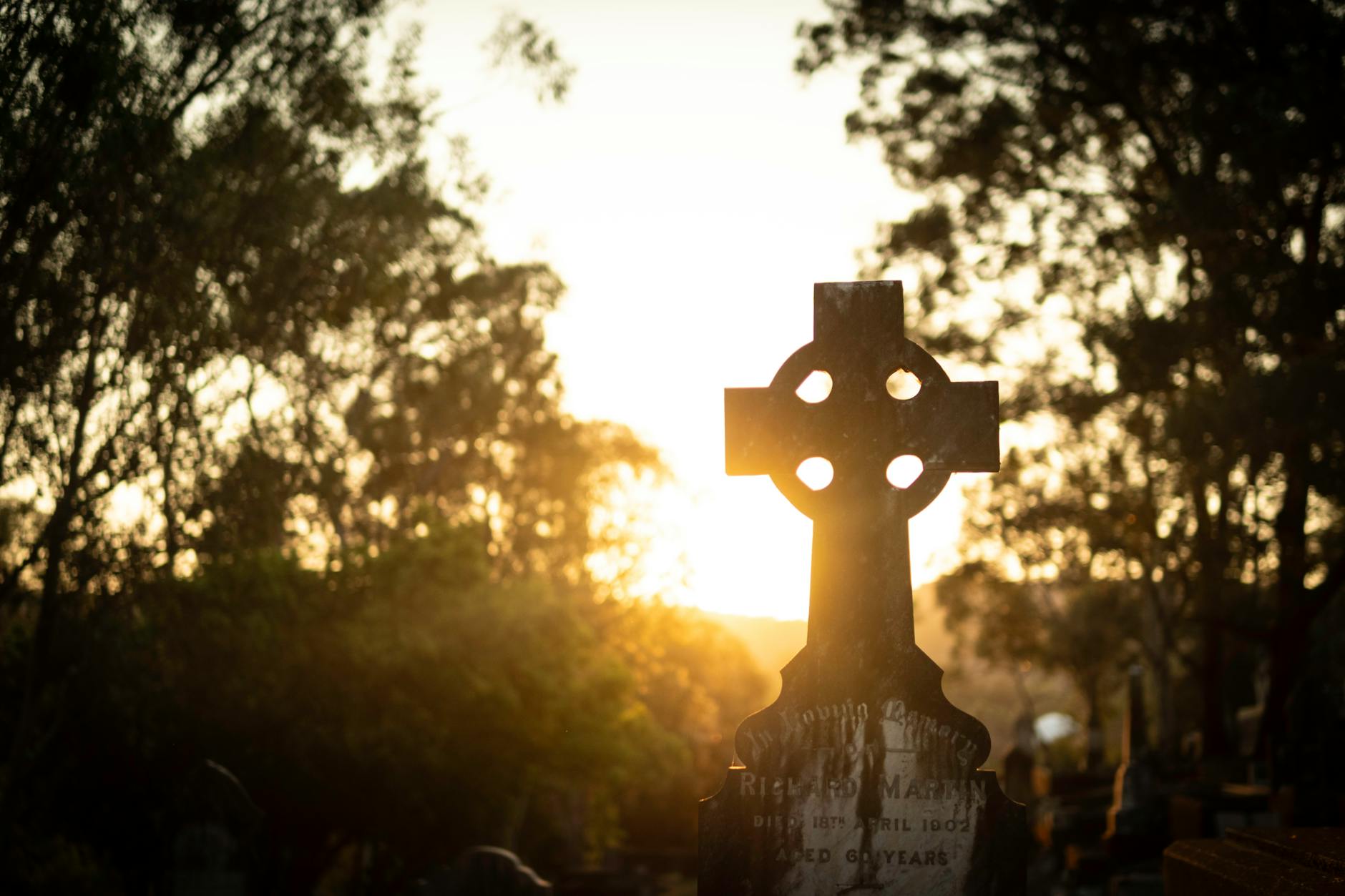
- Leave rest blocks after emotionally heavy visits, long services, or outdoor cemetery walks.
Keep documentation respectful
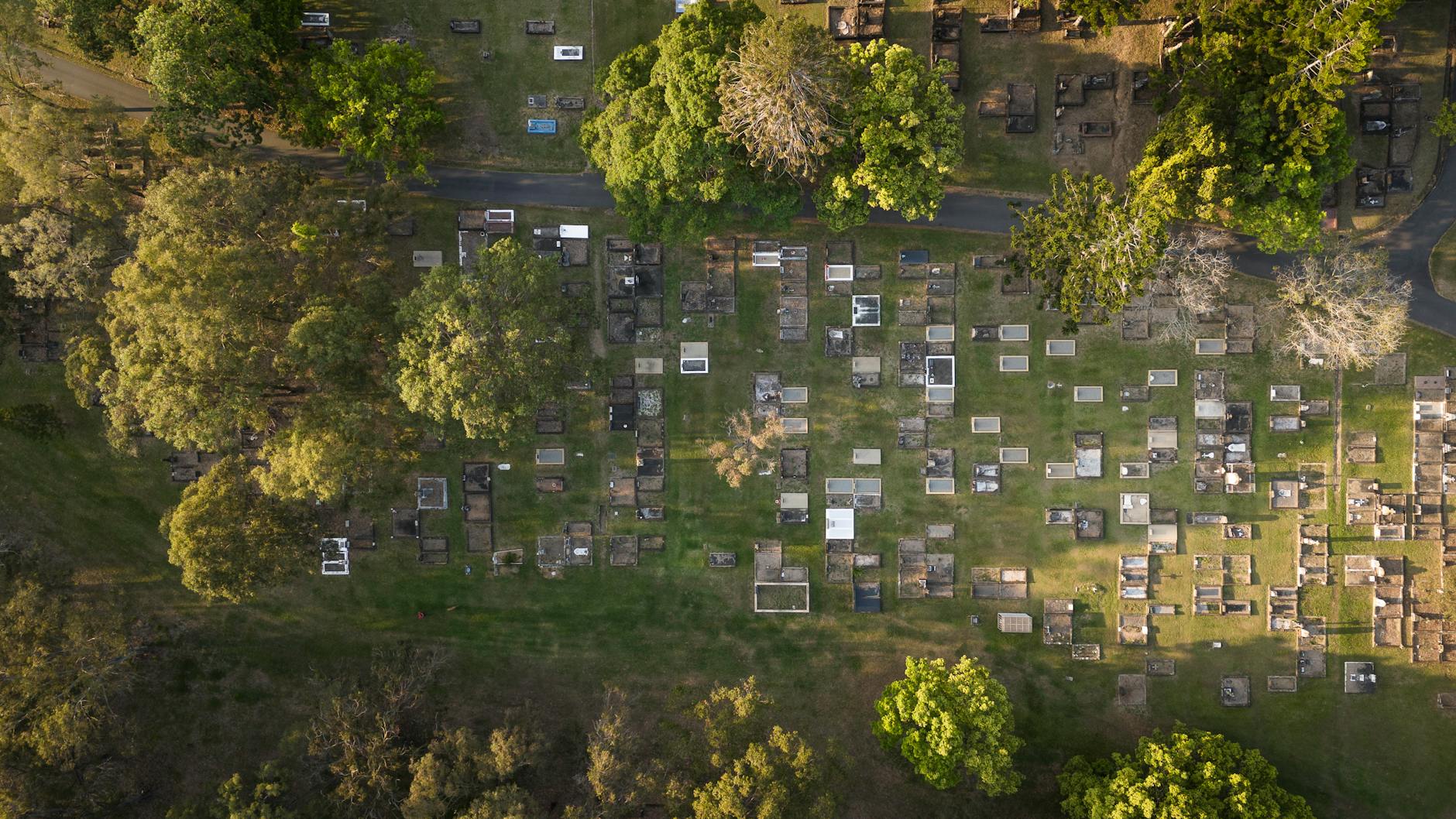
A religious trip can involve family history, graves, ceremonies, private communities, donations, and sensitive stories. Notes, photos, recordings, and social posts should support the visit without intruding on others.
The record should not overpower the moment.
- Check whether photography, recording, live posting, or public tagging is welcome before documenting.
- Save addresses, contact names, service times, donation receipts, and cemetery plot details securely.
- Avoid publishing private family, community, or ritual details without clear permission.
When to order a short-term travel report
A religious traveler with one familiar local host may not need a custom report. A report becomes useful when worship times, memorial visits, community contacts, lodging, etiquette, transport, meals, health needs, and departure timing must fit into a short Brisbane stay.
The report should test service schedules, site access, hotel geography, transport routes, meal options, dress and visitor rules, weather exposure, quiet time, health support, and airport buffers. The value is a Brisbane trip that protects both logistics and purpose.
- Order when service timing, site access, lodging, meals, etiquette, health needs, or departure timing require coordination.
- Provide dates, flight details, religious or memorial commitments, host contacts, dietary needs, mobility needs, and budget.
- Use the report to keep the short Brisbane religious visit respectful, calm, and practical.