
Start with the medical routine
The first planning question is what must remain stable. Medication timing, refrigeration, dietary rules, mobility limits, symptoms, rest windows, insurance documents, and emergency contacts should shape the trip before the daily route is filled.
The itinerary should fit the constraint, not force the traveler to adapt repeatedly.
- List medication schedules, storage needs, meal timing, rest needs, warning signs, and insurance contacts before planning days.
- Carry prescriptions, medical letters, key health notes, and provider contacts in a form that works offline.
- Avoid early commitments that conflict with dosing windows, food requirements, or recovery needs.

Choose lodging around access and recovery
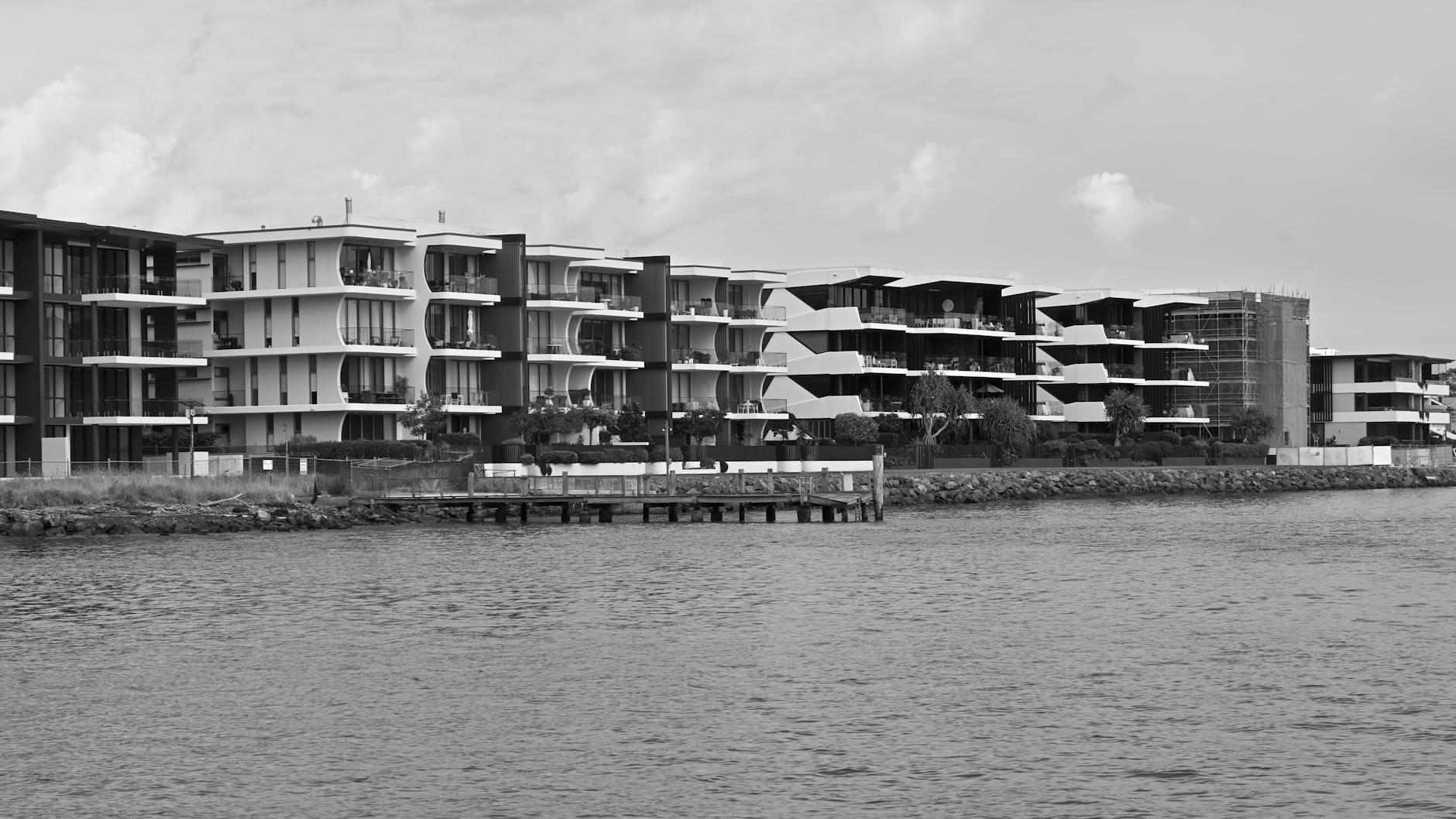
The hotel or apartment is the recovery base. A traveler with medical constraints should confirm elevator access, bathroom setup, room quiet, air conditioning, fridge access, breakfast timing, nearby food, and the simplicity of the airport route.
A good room protects the whole stay.
- Confirm elevator access, room location, bathroom setup, air conditioning, fridge availability, and quiet.
- Choose a base near simple meals, taxis, pharmacies, shaded routes, and the first day's main commitment.
- Avoid lodging that requires stairs, long exposed walks, uncertain check-in, or complicated returns.
Keep medication, food, and documents controlled
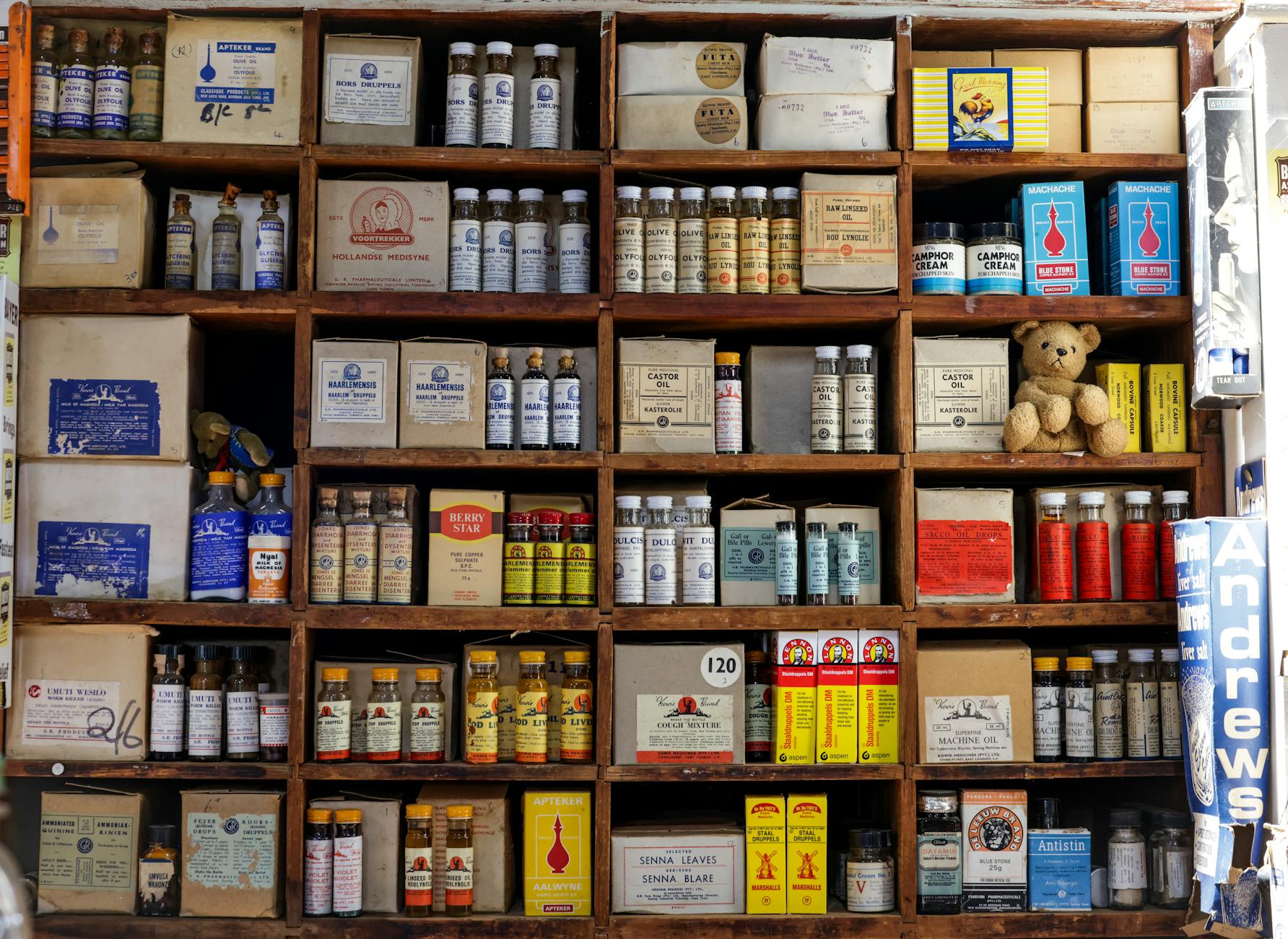
Short trips can disrupt routines because flights, ferries, meetings, meals, and heat compete for attention. Medication, snacks, hydration, documents, and backup supplies should move with the traveler in a way that does not rely on a quick hotel return.
Routine is the operating plan.
- Carry medication, prescriptions, snacks, water, medical notes, and backup supplies in day luggage.
- Build meal and snack stops into each route instead of waiting until the traveler is already depleted.
- Keep time-zone changes, dosing windows, and departure-day medication timing visible in the itinerary.
Pick movement by energy, not map distance
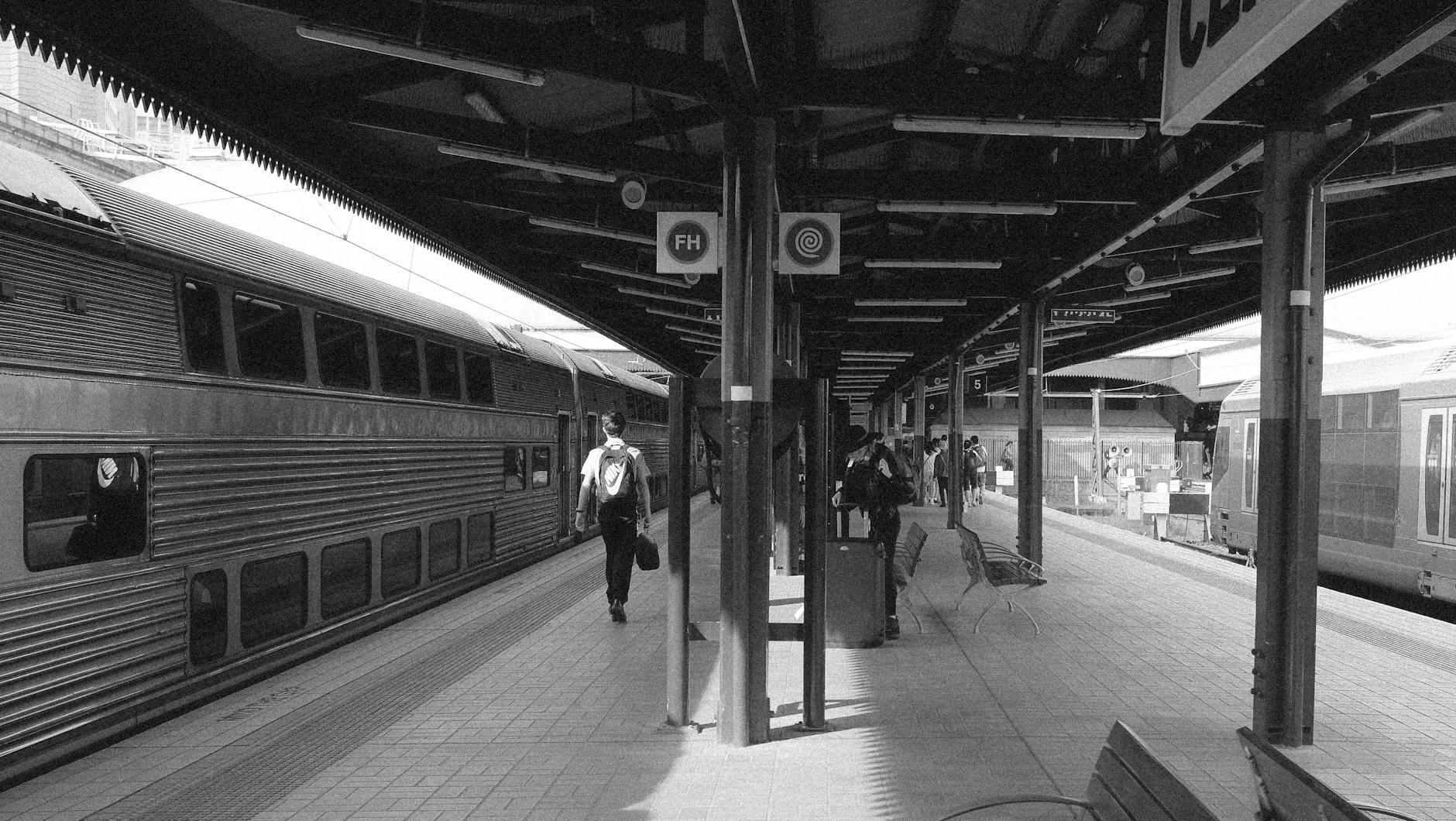
Brisbane transport choices should reflect symptoms, stamina, heat, stairs, walking distance, and how much energy must remain for the main purpose of the day. The fastest route is not always the best route for a medically constrained traveler.
Movement should protect the rest of the day.
- Compare walking distance, shade, stairs, transfers, waiting time, seat availability, and weather exposure.
- Use taxis or rideshare when fatigue, pain, medication timing, luggage, or heat makes transit harder.
- Build enough buffer so one delay does not compress meals, rest, or medication timing.
Build heat, shade, and indoor backups into each day
Brisbane heat, humidity, glare, rain, and summer storms can matter more when medical constraints are present. Each day should include shaded movement, indoor pauses, hydration, and a shorter version of the route.
The backup plan should be part of the plan from the start.
- Pair outdoor routes with museums, cafes, shaded gardens, hotel breaks, or short taxi options.
- Check forecast, daylight, humidity, storm risk, and walking exposure before committing to long days.
- Shorten the route early when symptoms, fatigue, heat, or weather start changing the trip.
Treat arrival and departure as medical logistics
Flights, airport transfers, security lines, luggage, medication timing, meals, and fatigue can make arrival and departure the most fragile parts of the trip. These movements should be planned with the same care as the main day in Brisbane.
The exit route matters as much as the itinerary.
- Protect medication, food, hydration, medical documents, chargers, and essential supplies in carry-on luggage.
- Avoid final activities that leave too little time for packing, rest, airport transfer, or meals.
- Use a more direct transfer when symptoms, luggage, heat, or timing make the cheaper route less sensible.
When to order a short-term travel report
A traveler with stable routines and flexible time may not need a custom report. A report becomes useful when hotel access, medication timing, food needs, transport effort, heat exposure, care awareness, and departure buffers all need to work within a short Brisbane stay.
The report should test lodging access, airport transfer, medication schedule, meal timing, pharmacies, rest blocks, transit effort, weather backups, care options, and departure timing. The value is a Brisbane trip that leaves less to chance.
- Order when medical routines, lodging access, meals, transit effort, heat, pharmacies, or departure timing need coordination.
- Provide dates, flight details, hotel options, relevant constraints, medication storage needs, food needs, pace limits, and insurance context.
- Use the report to keep Brisbane manageable while still leaving room to enjoy the city.