Start with the connection math
A Brisbane stopover should begin with arrival time, onward departure, terminal, immigration, security, luggage, and the required check-in window. The usable city time may be far smaller than the schedule first appears.
The onward flight should control every decision.
- Calculate usable time after immigration, luggage, terminal transfer, security, and check-in requirements.
- Do not leave the airport unless the return buffer is still comfortable after delays.
- Treat separate tickets, international connections, and baggage recheck as higher-risk situations.
Decide whether the city is worth the transfer
Brisbane can reward a short stopover, but not every layover should become a city visit. Airport distance, traffic, train timing, luggage, weather, jet lag, and the next flight can make an airport rest block the wiser choice.
Leaving the terminal should have a clear purpose.
- Choose either airport rest, nearby hotel reset, or one compact city route rather than an ambitious half-day.
- Check train, taxi, rideshare, and hotel shuttle timing in both directions.
- Keep the city route close to reliable return transport.
Solve luggage before making plans
Luggage can decide the whole stopover. Checked-through bags, recheck requirements, carry-on limits, lockers, hotel day rooms, and valuables all affect whether the traveler can move comfortably.
The bag plan should come before the city plan.
- Confirm whether checked bags are through-ticketed or must be collected and rechecked.
- Identify storage, day-room, or airport-hotel options before arriving.
- Carry medication, chargers, documents, payment, and essential clothing in a way that supports the connection.
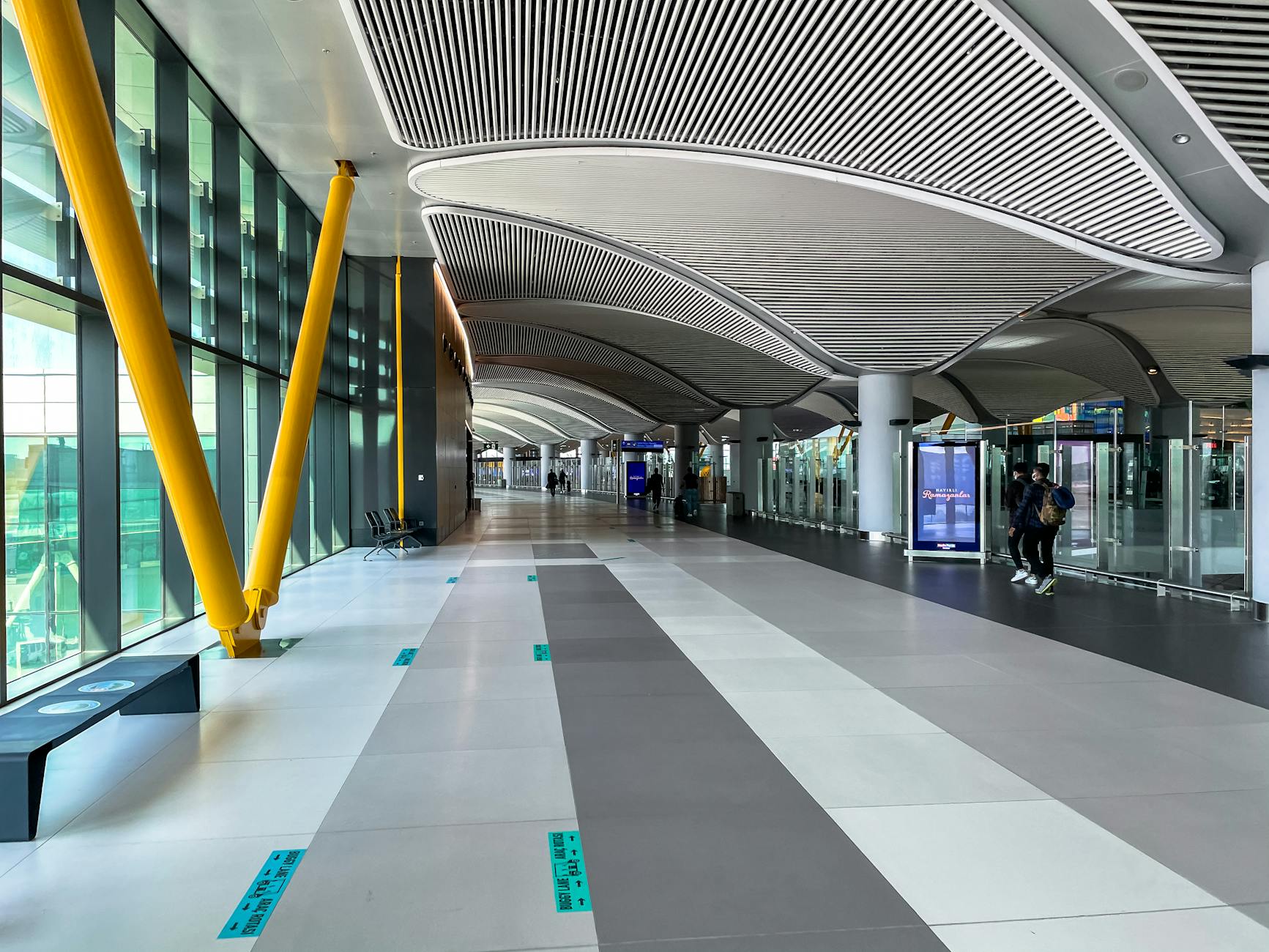
Use one simple route if leaving the airport
A short Brisbane city stop should usually have one goal: South Bank, a river walk, a meal, a shower and hotel rest, a gallery, or a quick central loop. A stopover is not the right time to combine multiple distant districts.
The route should be easy to abandon.
- Pick one destination with clear transport, food, toilets, shade, and a return route.
- Set a latest turnaround time before leaving the airport.
- Keep an airport-only fallback if arrival is late, weather is poor, or fatigue is high.
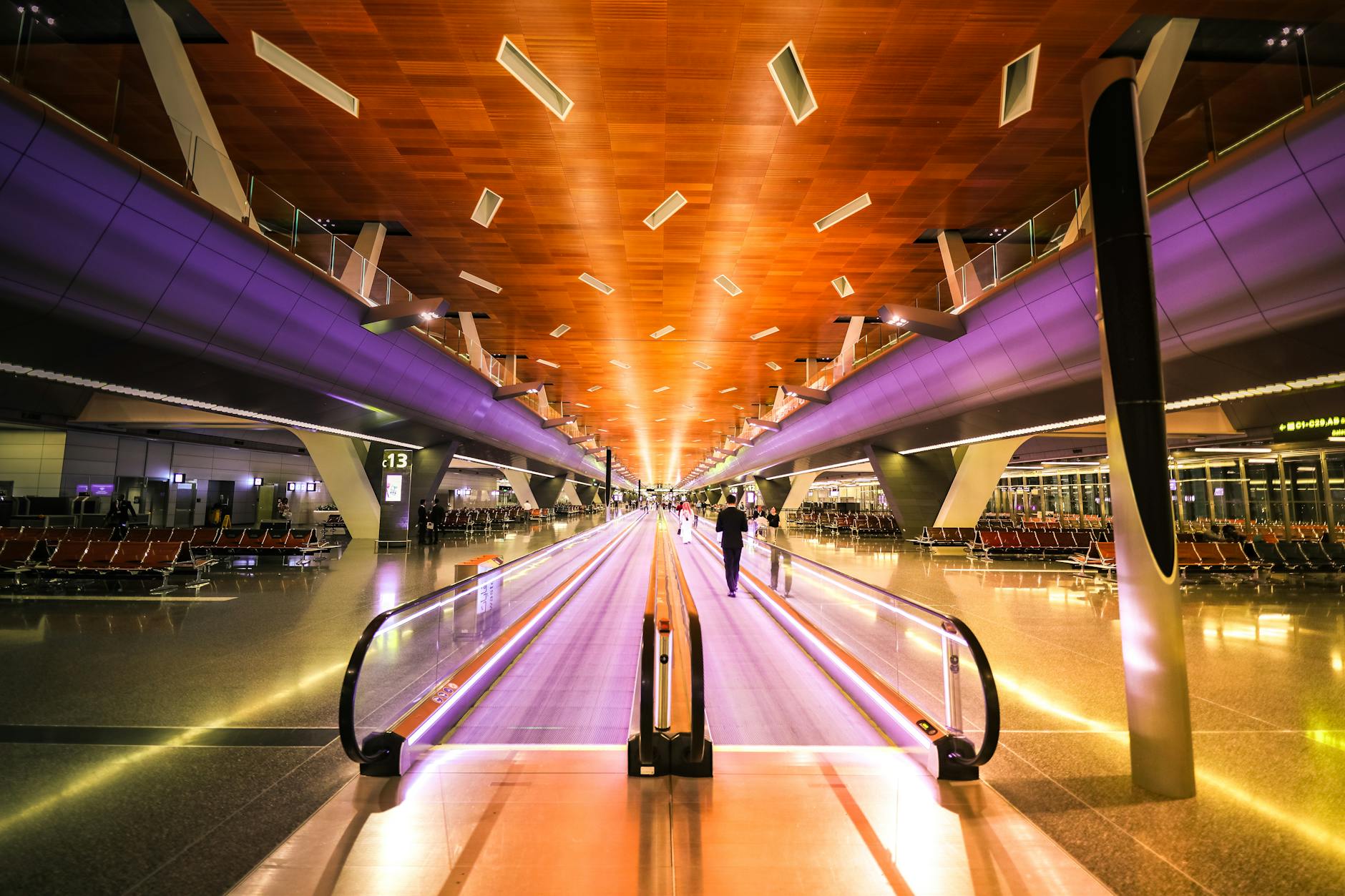
Prioritize rest, showers, meals, and hydration
A long-haul stopover can be more valuable as a reset than as a sightseeing sprint. Sleep debt, dehydration, medication timing, children, older travelers, and work calls may make rest the best use of Brisbane time.
A good stopover protects the next leg.
- Compare city time against lounge access, shower facilities, airport hotel rooms, and quiet seating.
- Eat on a schedule that fits the onward flight rather than the local clock alone.
- Carry water, medication, chargers, and a light layer for terminals and aircraft.

Keep work and communication realistic
Some stopover travelers need to answer calls, clear email, join a meeting, or coordinate onward arrangements. Wi-Fi, power, quiet, time zones, and backup mobile data should be planned before assuming the airport will work as an office.
Transit work needs a reliable seat and signal.
- Check lounge, terminal, hotel, and cafe options for power, quiet, Wi-Fi, and privacy.
- Avoid scheduling important calls during immigration, transfers, boarding, or security windows.
- Keep boarding passes, onward hotel details, and transport confirmations accessible offline.

When to order a short-term travel report
A traveler with a short protected connection may not need a custom report. A report becomes useful when the Brisbane stopover includes separate tickets, luggage uncertainty, city temptation, family or mobility needs, work calls, hotel rest, weather exposure, or a tight onward departure.
The report should test connection timing, terminal logistics, luggage handling, transfer choices, airport rest options, one city route, meal timing, work needs, weather, and return buffers. The value is knowing whether the stopover should leave the airport at all.
- Order when connection timing, luggage, city access, rest, work calls, mobility, or onward buffers need coordination.
- Provide flights, ticket structure, terminals, luggage status, passenger needs, budget, and preferred stopover style.
- Use the report to keep Brisbane transit useful without risking the onward trip.