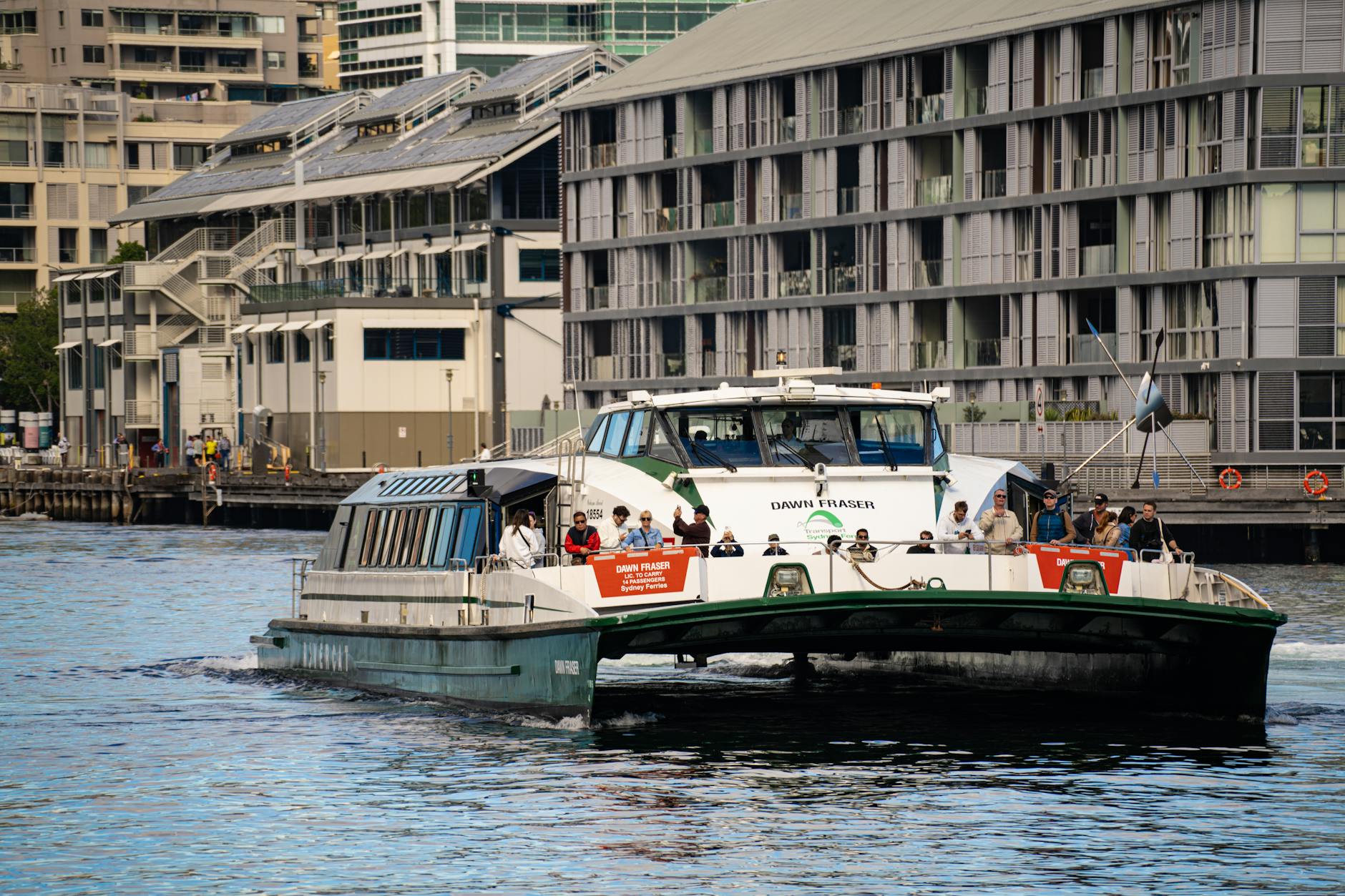
Start with the terminal, not the wish list
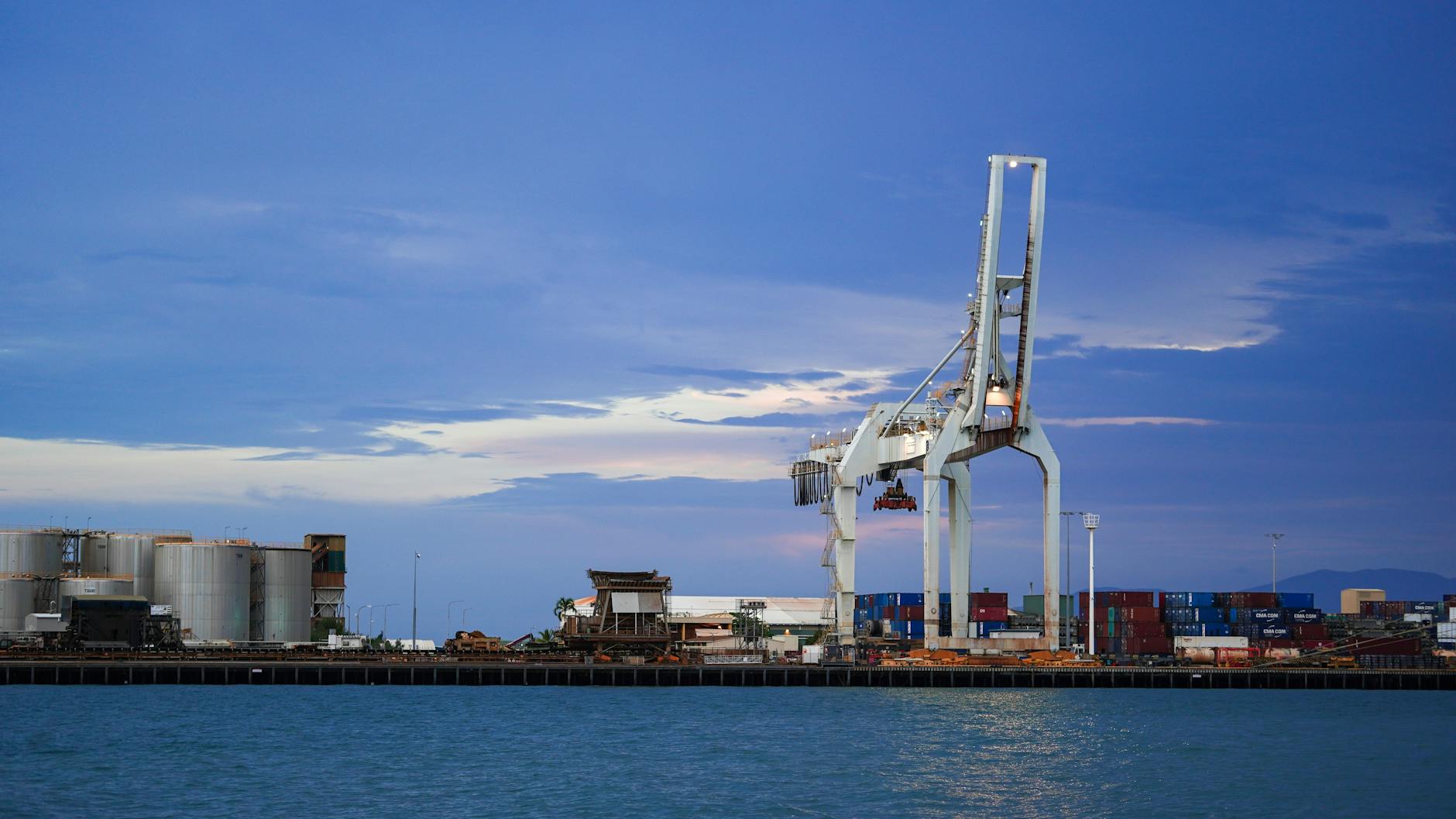
A Brisbane port day should start with where the ship actually docks, what time passengers can leave, and when they must be back. The city can be rewarding, but transfer time can consume a larger part of the day than a map suggests.
The terminal and ship clock should control the plan.
- Confirm terminal location, disembarkation process, shuttle options, taxi pickup, and all-aboard time.
- Build the day from the latest safe return, then work backward to choose activities.
- Avoid distant outings unless the timing, operator, and return route are very clear.
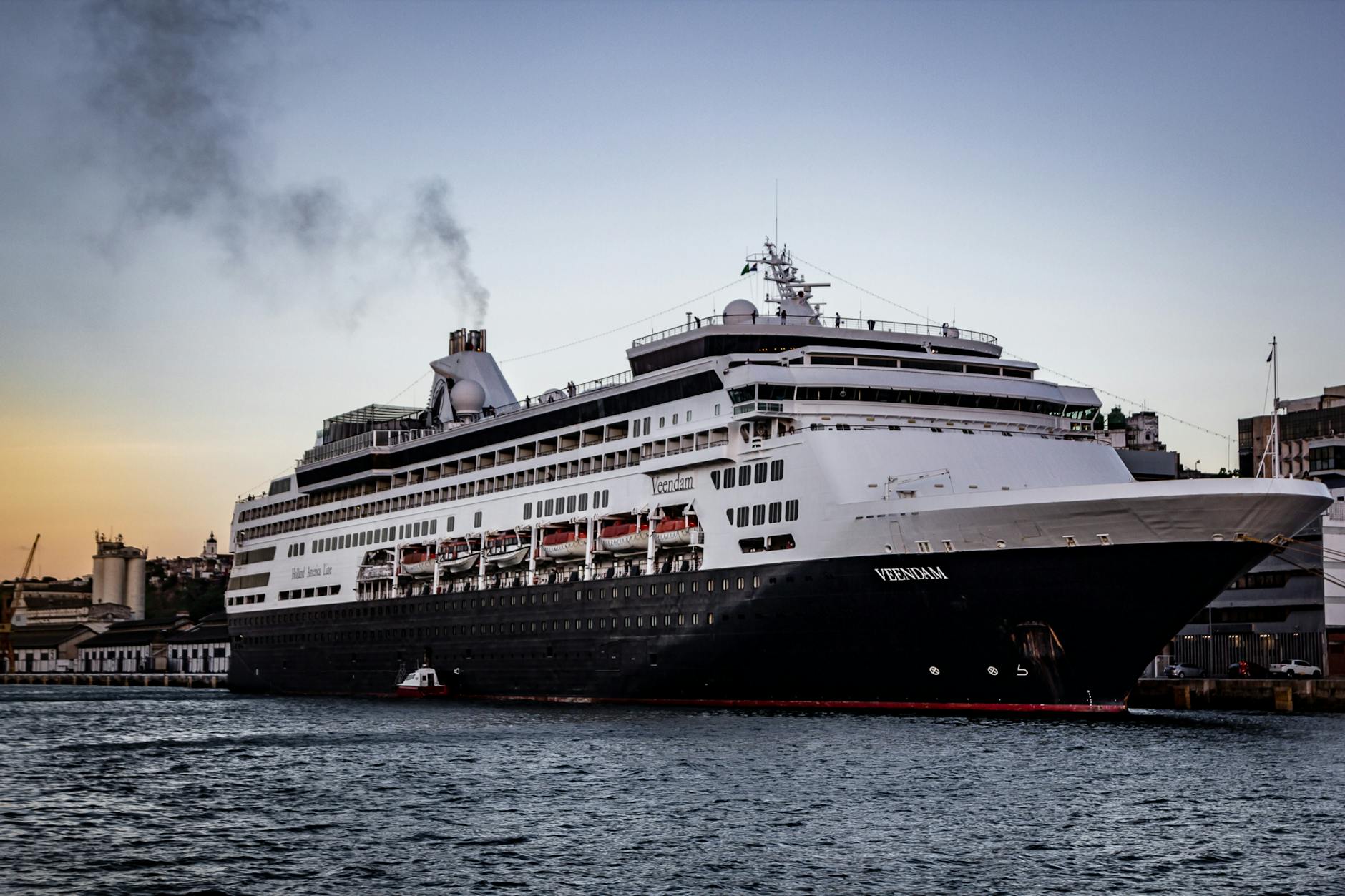
Choose one compact Brisbane anchor
A short port call usually works best with one main Brisbane anchor: South Bank, a river walk, a gallery stop, a city meal, a lookout, a relaxed waterfront route, or a guided transfer. Trying to combine too many districts can turn the day into transit.
The strongest shore plan has a clear center.
- Pick one main experience and one nearby backup rather than a long list of stops.
- Keep the route easy to shorten if the ship clears late or weather changes.
- Choose venues with predictable opening hours, toilets, shade, and food access.
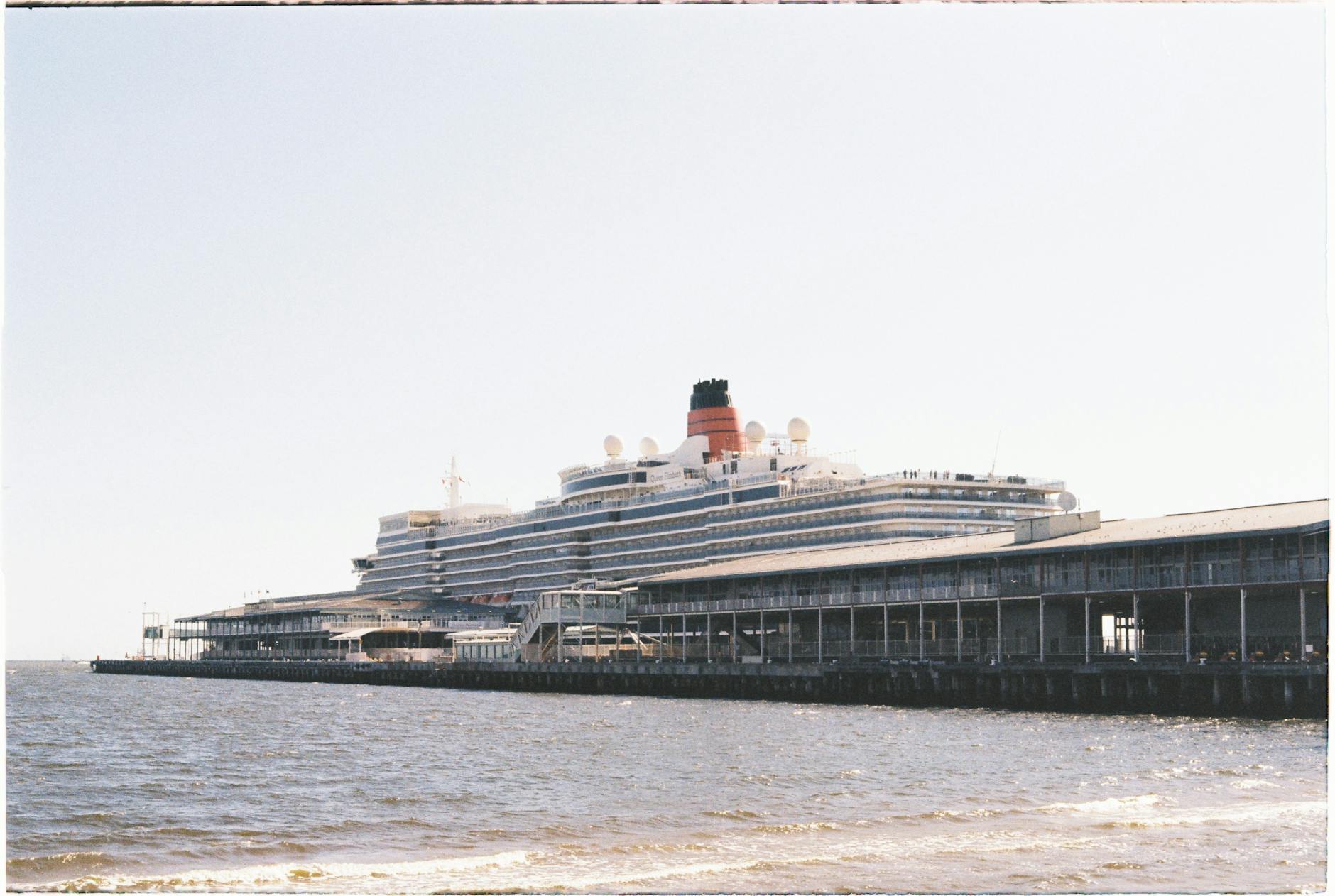
Make transfers boring on purpose
The most expensive mistake on a port day is an unclear return. Shuttle queues, traffic, rideshare pickup points, ferry timing, and walking distance can all matter when the ship deadline is fixed.
Return logistics should be settled before leaving the pier.
- Save the terminal address, pickup point, ship contact process, and a backup taxi or rideshare plan.
- Use direct transport when luggage, mobility, heat, rain, or ship timing makes certainty more valuable.
- Plan to be near the terminal area well before the final permitted return.
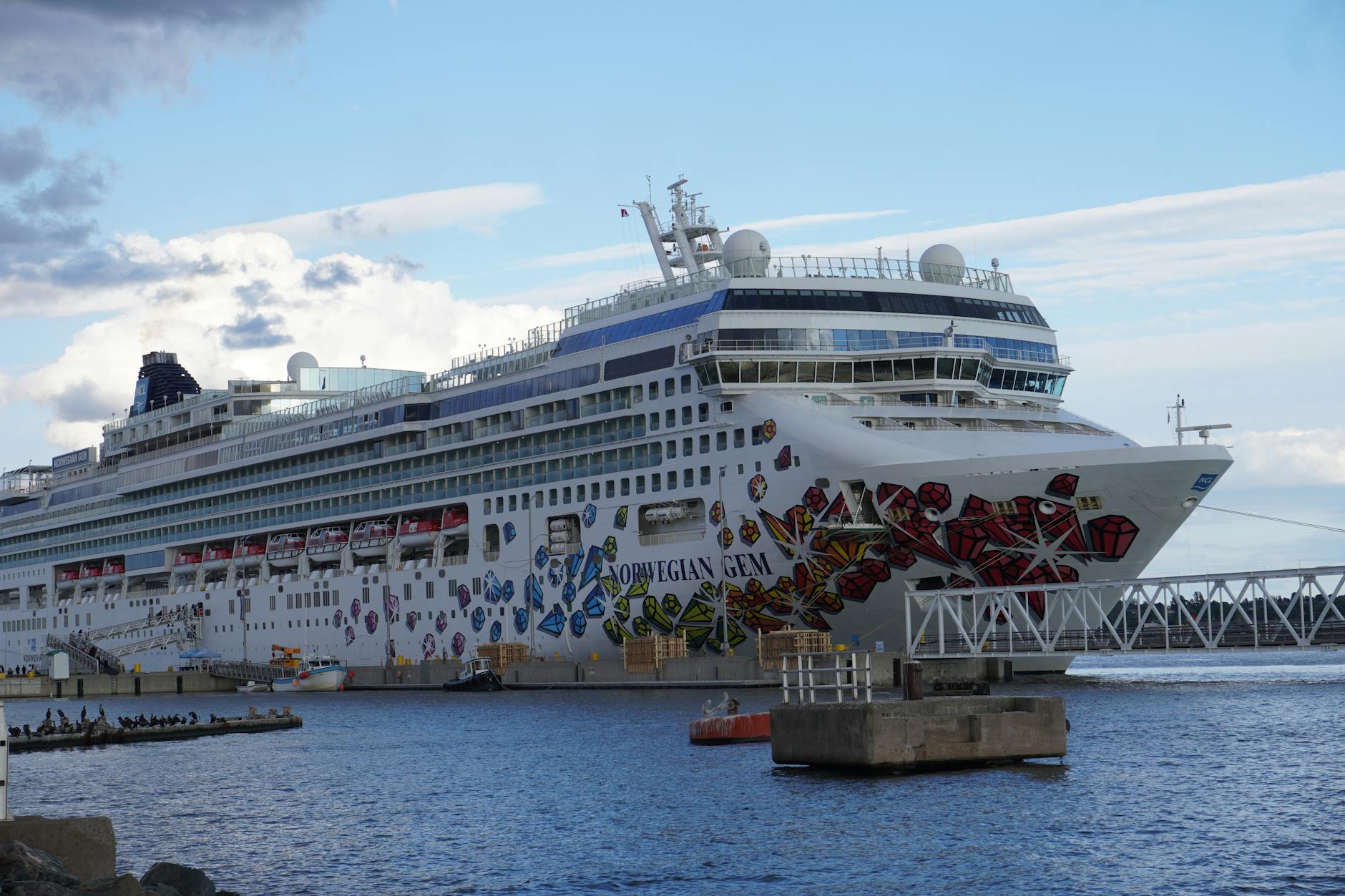
Handle luggage, documents, and day-bag choices
Cruise passengers may be carrying ship cards, passports, medication, valuables, excursion documents, mobility aids, sun protection, and purchases. The day bag should support the plan without making the traveler slow or exposed.
A port day needs a practical carry setup.
- Carry ship card, ID, payment, phone battery, medication, water, sun protection, and return details.
- Leave bulky items on board unless the port plan requires them.
- Check whether any purchased items, food, or restricted goods can be taken back on board.
Respect heat, storms, and walking surfaces
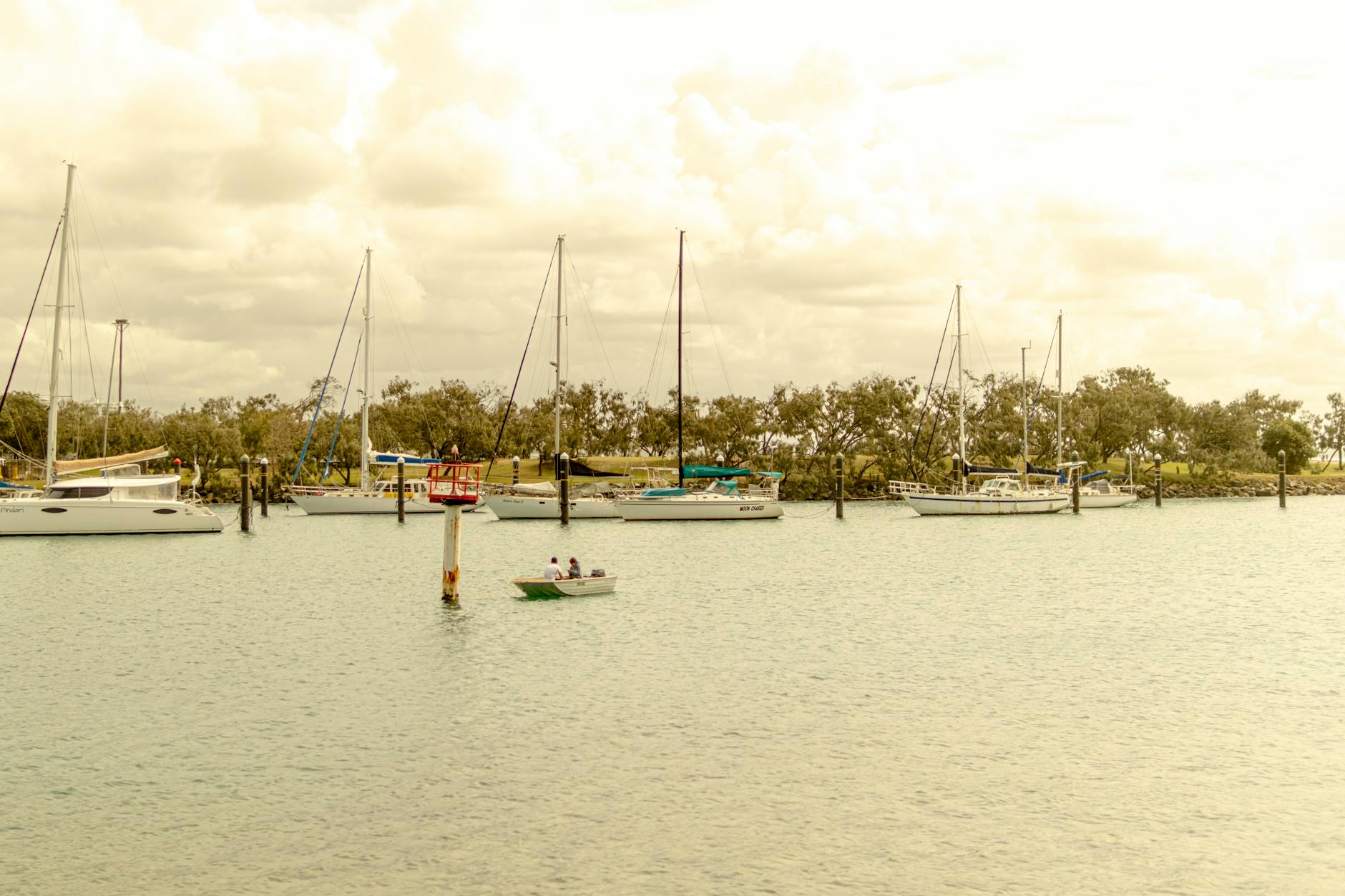
Brisbane weather can make a simple shore route feel harder than expected. Heat, sun, sudden storms, wet paths, long walks, and limited shade should shape the plan, especially for travelers coming off several ship days.
Comfort is part of making the return safely.
- Check forecast, UV, rain, and walking distance before committing to outdoor routes.
- Use shaded stops, indoor backups, and seated breaks instead of forcing a full open-air day.
- Keep mobility needs visible when choosing shuttles, ferries, stairs, ramps, and lookout stops.
Do not let meals consume the shore day
A port-call meal can be a highlight, but it should not erase the day or create return pressure. Brisbane dining should be chosen by location, timing, booking reliability, dietary needs, and the route back to the ship.
The meal should support the port plan.
- Choose lunch or coffee near the main route rather than crossing the city for one reservation.
- Check opening hours, service speed, dietary options, and taxi access before committing.
- Keep a quick-food fallback if disembarkation is delayed or the main stop takes longer than expected.
When to order a short-term travel report
A cruise traveler taking a ship-arranged excursion may not need a custom report. A report becomes useful when terminal logistics, transfer choices, compact sightseeing, mobility, weather, meals, luggage, and return timing need to fit into a short Brisbane port call.
The report should test terminal geography, disembarkation timing, shuttle and taxi options, one main route, weather backups, lunch choices, accessibility, day-bag needs, and all-aboard buffers. The value is a Brisbane shore day that feels rewarding without putting the ship return at risk.
- Order when terminal timing, transfers, shore route, mobility, weather, meals, or ship return buffers need coordination.
- Provide ship name, terminal, arrival and all-aboard times, mobility needs, excursion interests, budget, and dining preferences.
- Use the report to keep the Brisbane port day compact, calm, and easy to reverse.