Map venue and hotel before committing
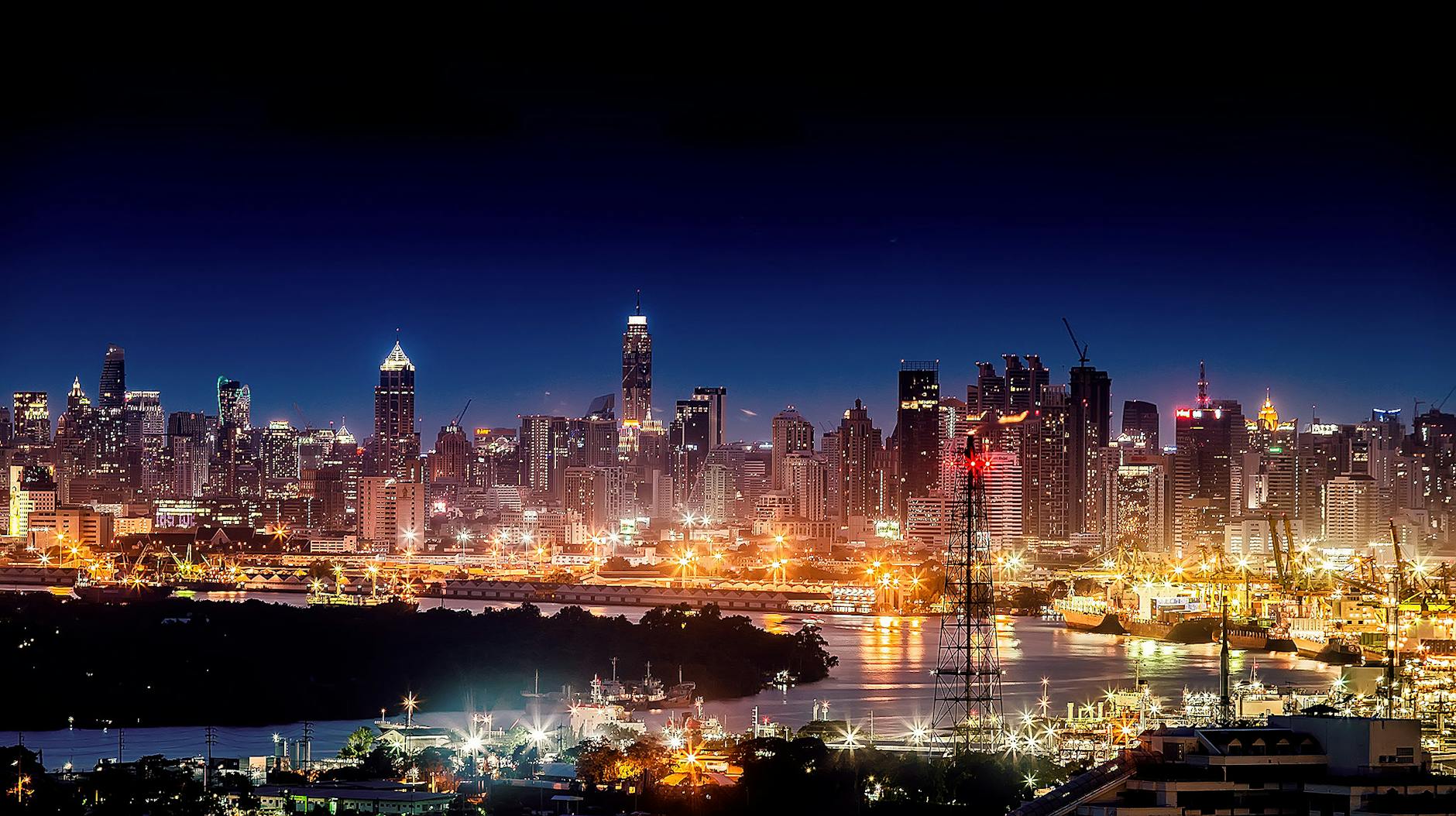
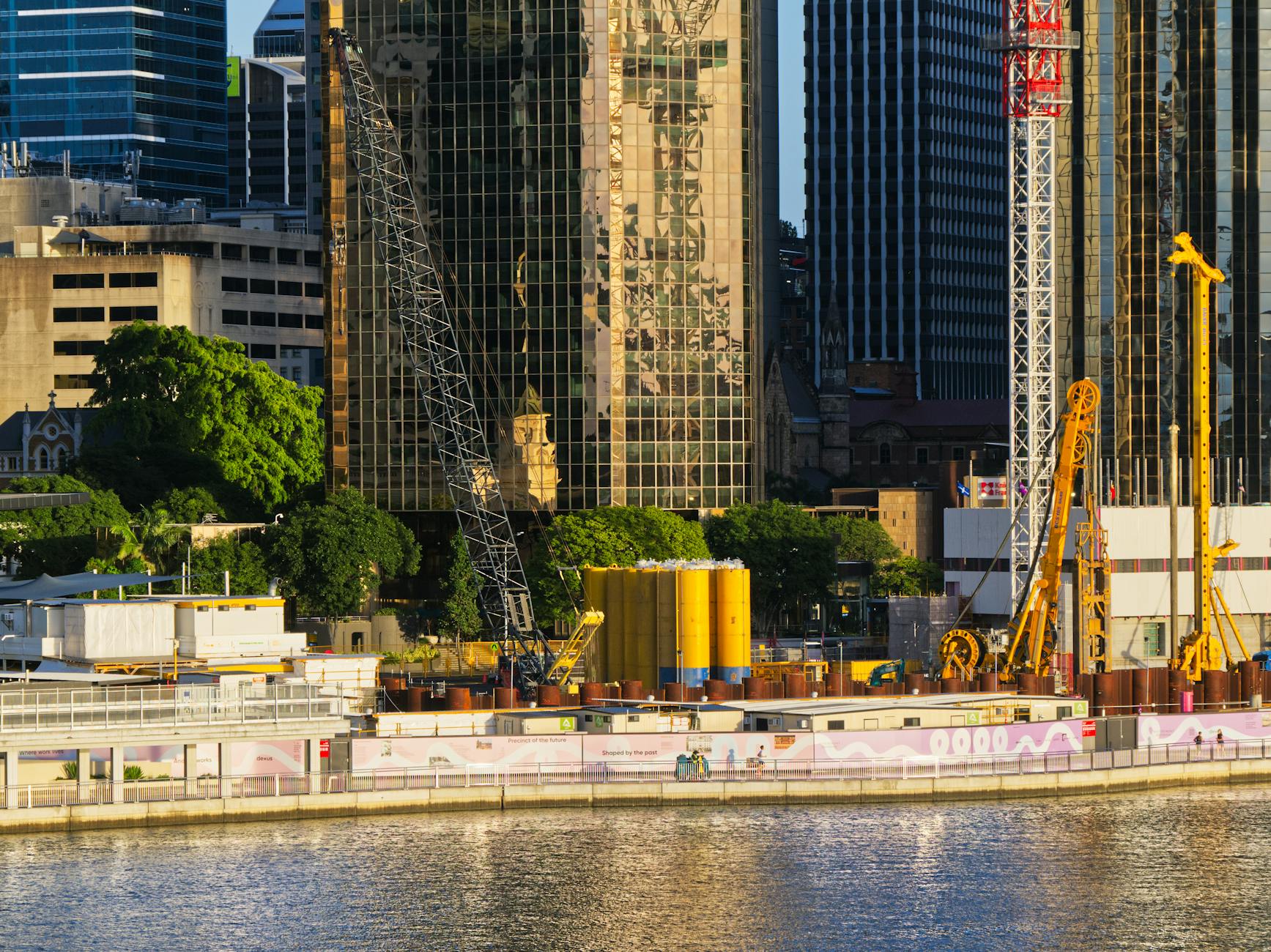
Hotel choice should start with the venue, not with the nicest listing. Brisbane conferences may sit in South Bank, the CBD, a hotel ballroom, a university setting, or a riverside event space, and each option creates different movement.
The best base is the one that makes the event easier.
- Map the venue entrance, registration area, session rooms, reception spaces, hotel options, and dinner districts before booking.
- Compare hotels by transfer time, breakfast hours, work space, luggage storage, and late-return comfort.
- Avoid a distant or awkward hotel if it adds heat, river crossings, or transfers before early sessions.
Protect registration and first-session timing
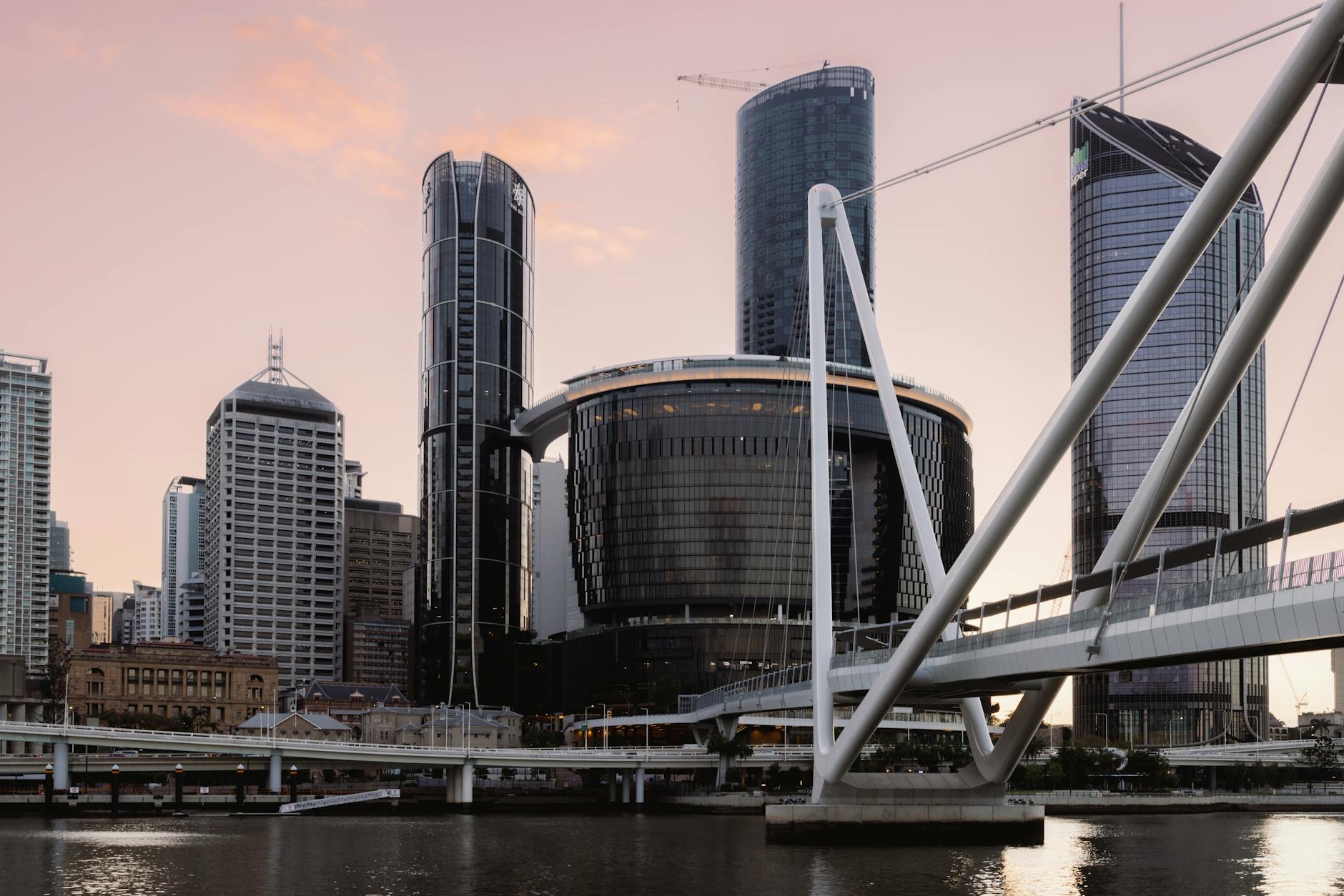
A conference trip can become rushed when arrival, check-in, badge pickup, wardrobe changes, Wi-Fi setup, and the first session are too close together. The attendee should build buffers before the first professional obligation.
The opening hour should not depend on a perfect transfer.
- Confirm registration hours, badge pickup, security rules, Wi-Fi access, coat or bag storage, and the first session room.
- Leave time for hotel check-in delays, luggage storage, weather, and a short reset before the event.
- Keep QR codes, tickets, contacts, and venue maps available offline.
Make transfers simple and repeatable
Brisbane's trains, ferries, taxis, rideshare, walking routes, and river crossings can all work, but conference attendees often repeat the same movements under time pressure. The route between hotel, venue, dinners, and airport should be tested before the first morning.
Repeatable beats clever.
- Identify the simplest hotel-to-venue route and a car backup before the first session.
- Check transfer times during the actual event windows, not only at midday.
- Keep a bad-weather route for heat, rain, late receptions, luggage, or a tight departure.
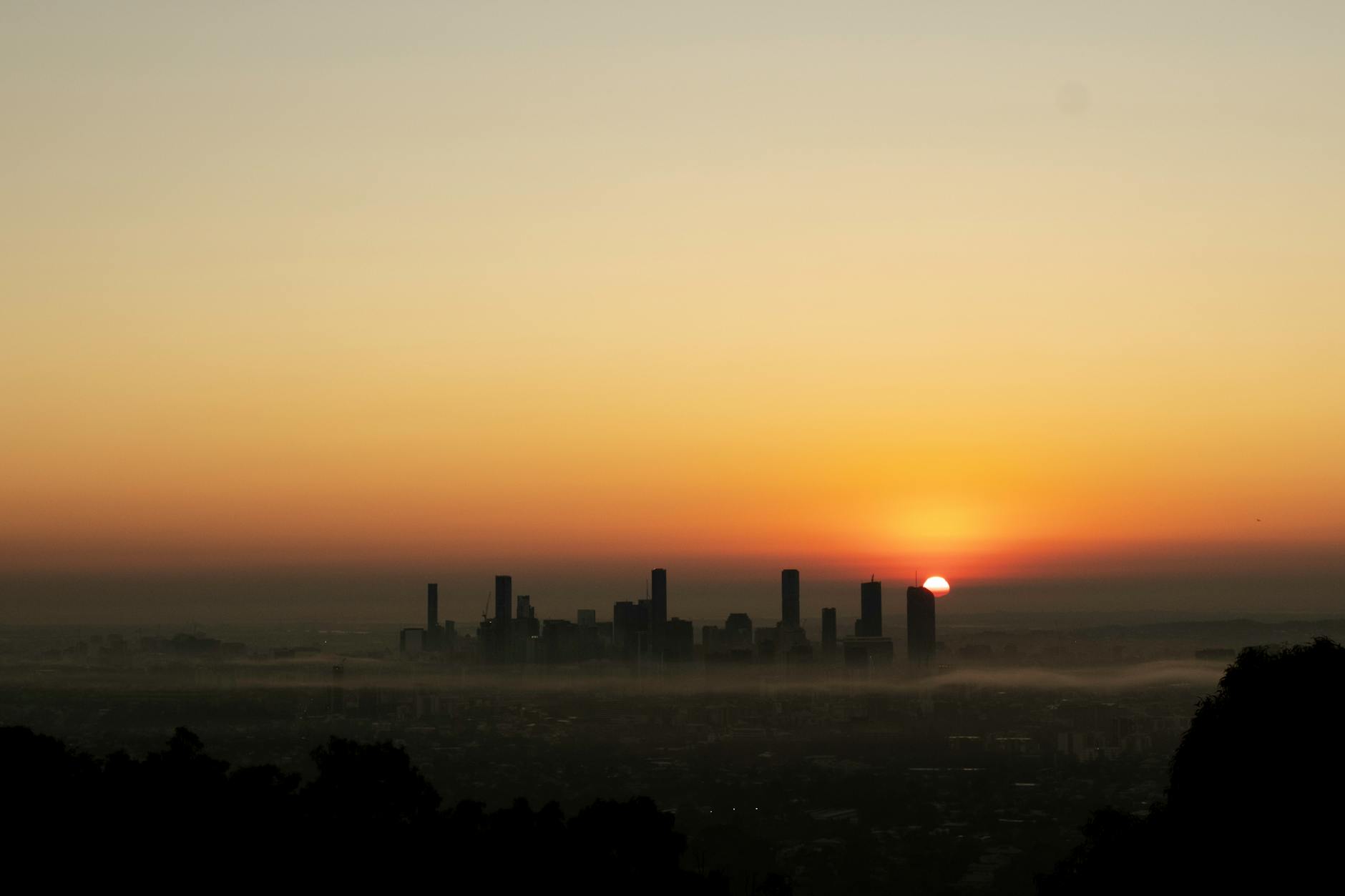
Plan networking around realistic evening routes
Networking may be the main value of the trip, but it still needs logistics. Coffee meetings, receptions, dinners, and informal conversations should be placed near the venue, hotel, or a clear transport route.
A good networking plan protects the next morning.
- Reserve important dinners early and keep casual options near the venue or hotel.
- Choose evening areas with straightforward taxi, rideshare, or walking returns.
- Leave time between sessions and receptions for email, clothes, rest, and weather changes.
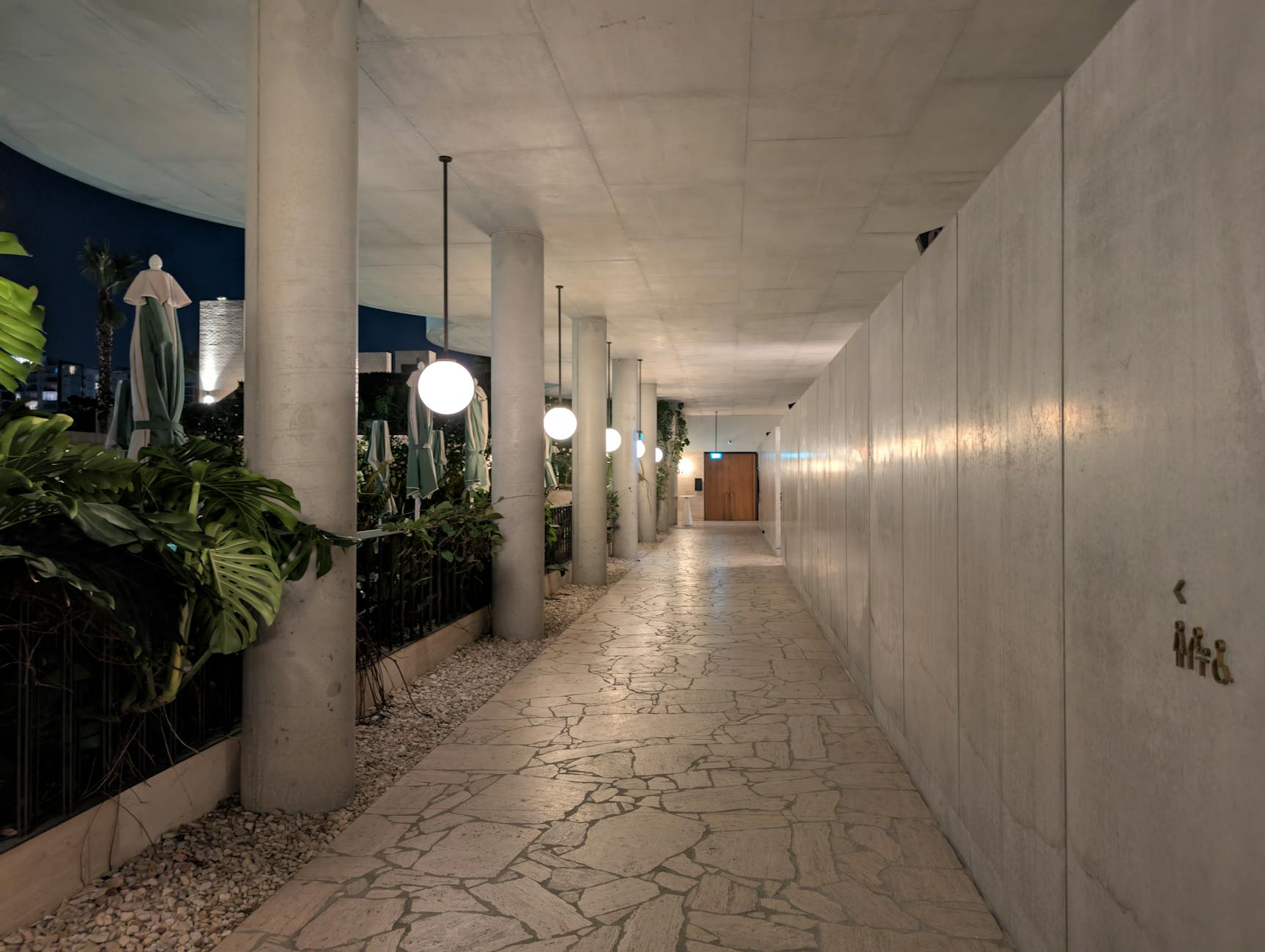
Reserve work and recovery blocks
Conference travel can create calls, notes, follow-up messages, slide edits, expenses, and inbox pressure. The attendee should show where work and recovery happen instead of assuming they will fit around sessions.
A productive event needs space around it.
- Reserve time for email, calls, notes, follow-up messages, expenses, and next-day preparation.
- Choose a hotel with a practical desk, reliable Wi-Fi, quiet room, and breakfast that fits the schedule.
- Avoid filling every open hour when heat, jet lag, or late networking requires recovery.

Add Brisbane only where the schedule allows
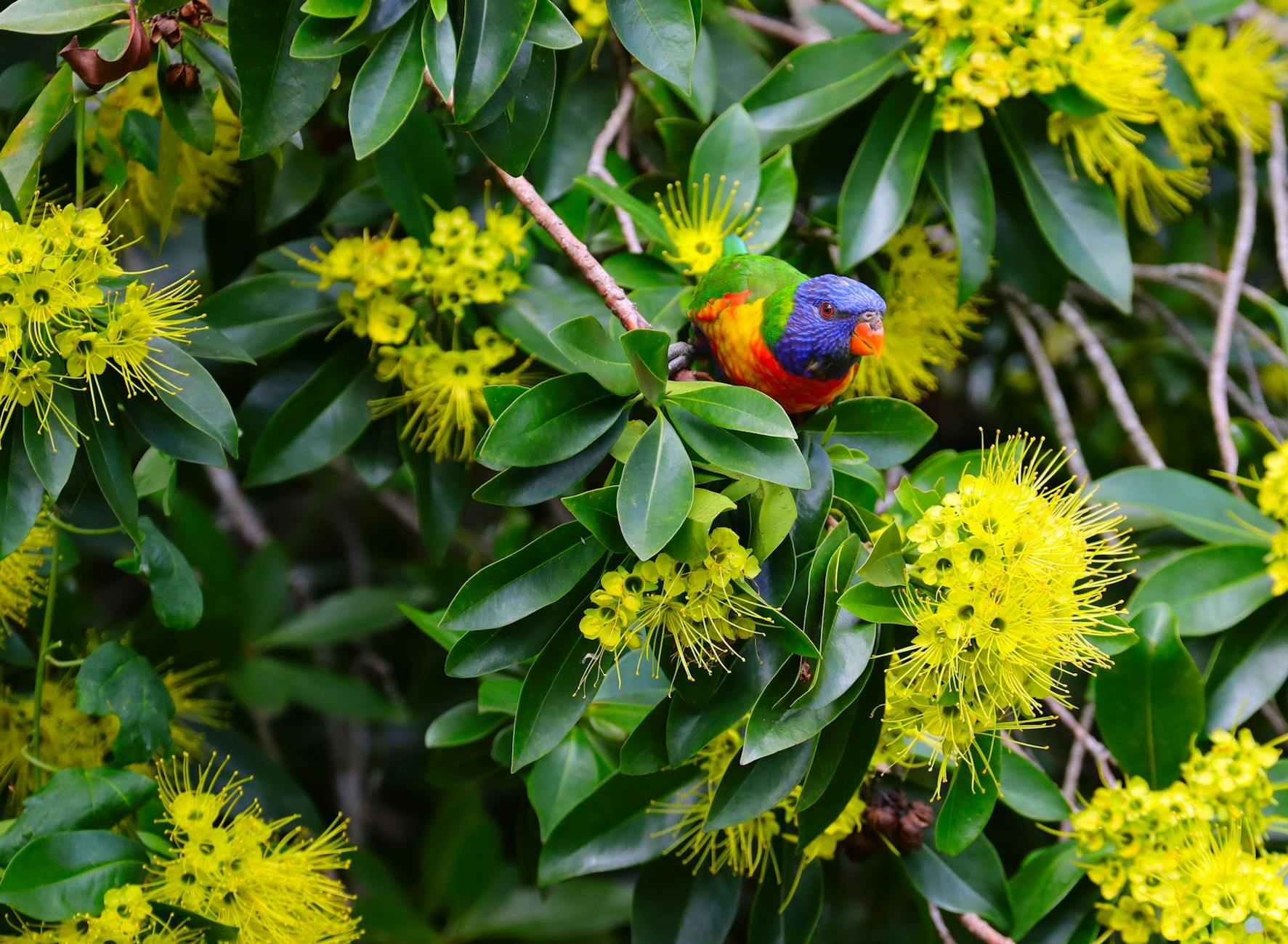
A conference attendee may want South Bank, galleries, gardens, river views, wildlife, or a strong meal, but those plans should not compete with the event. City time works best as a focused block before, after, or between professional commitments.
Brisbane should support the trip, not crowd it.
- Choose one or two city experiences that fit the venue geography, weather, and available time.
- Use short river walks, galleries, gardens, cafes, or a single meal when the schedule is compressed.
- Avoid ambitious sightseeing on days with early sessions, meetings, or late receptions.
When to order a short-term travel report
A conference attendee with a clear venue hotel and simple schedule may not need a custom report. A report becomes useful when venue location, hotel choice, transfers, networking meals, work blocks, weather, and departure timing need to fit around a dense event.
The report should test venue geography, hotel fit, registration timing, transfers, dinner districts, meeting locations, work blocks, city add-ons, weather backups, and departure buffers. The value is a Brisbane conference trip that stays productive without wasting the short stay.
- Order when venue logistics, hotels, transfers, meals, meetings, city time, weather, or departure timing need coordination.
- Provide dates, event venue, session schedule, arrival details, hotel options, meeting plans, meal goals, budget, and work needs.
- Use the report to keep the professional schedule smooth while still making Brisbane usable.