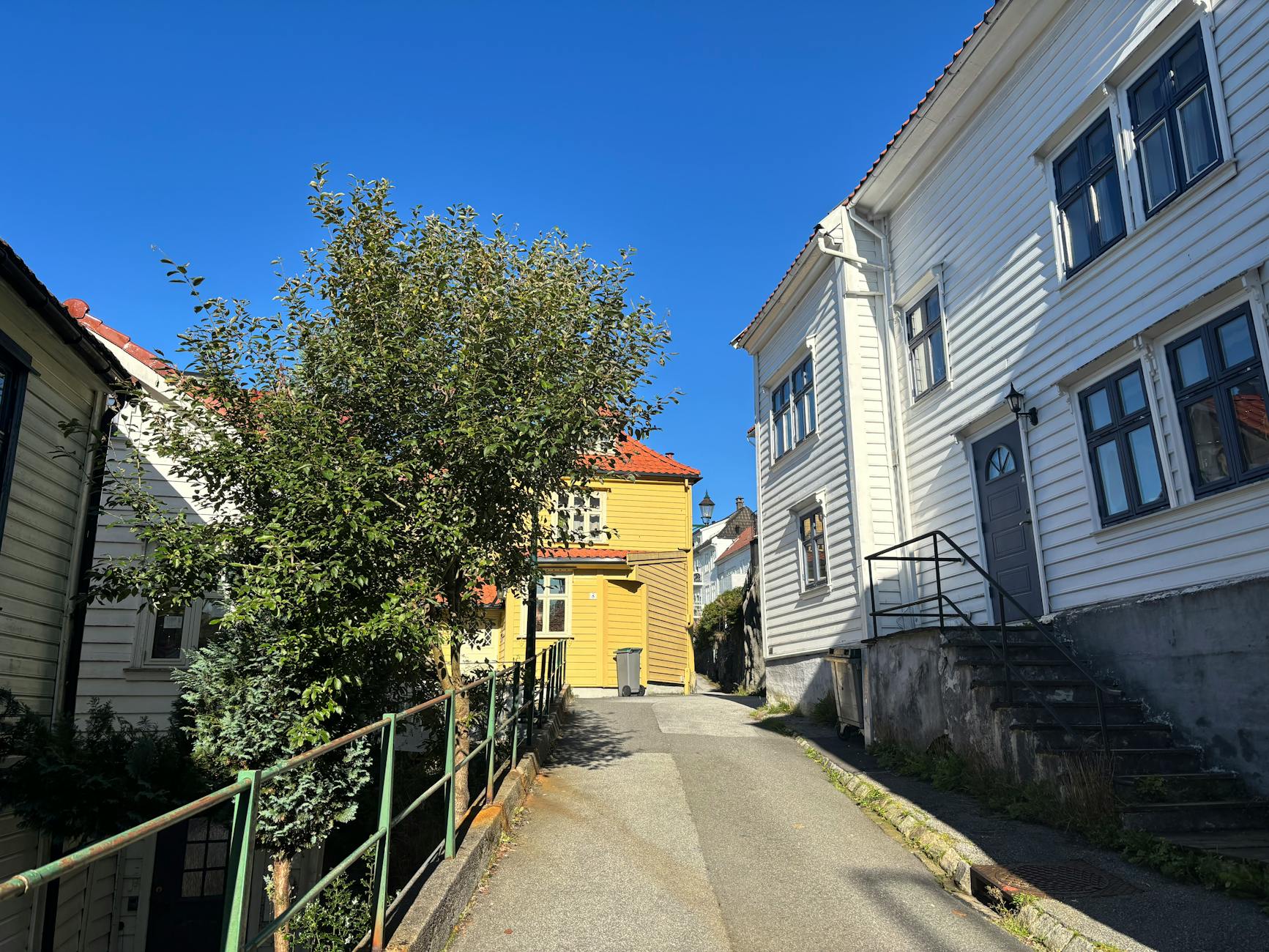
A short student program in Bergen can combine study, city texture, and coastal scenery, but the stay needs more structure than a normal holiday. Program location, housing, rain, budget, meals, transport, group expectations, health needs, and limited free time all shape whether the student can focus and still experience the city.
Understand the program location
A student should know where the program actually happens before making housing or arrival plans. Classrooms, labs, field visits, meeting points, and social events may not all sit in the same convenient part of Bergen.
Program geography should come first.
- Confirm classroom addresses, daily meeting points, field-trip departures, and any evening event locations.
- Check walking, transit, and rain-safe routes between housing and the program site.
- Build the first day around orientation rather than ambitious sightseeing.
Choose housing by routine
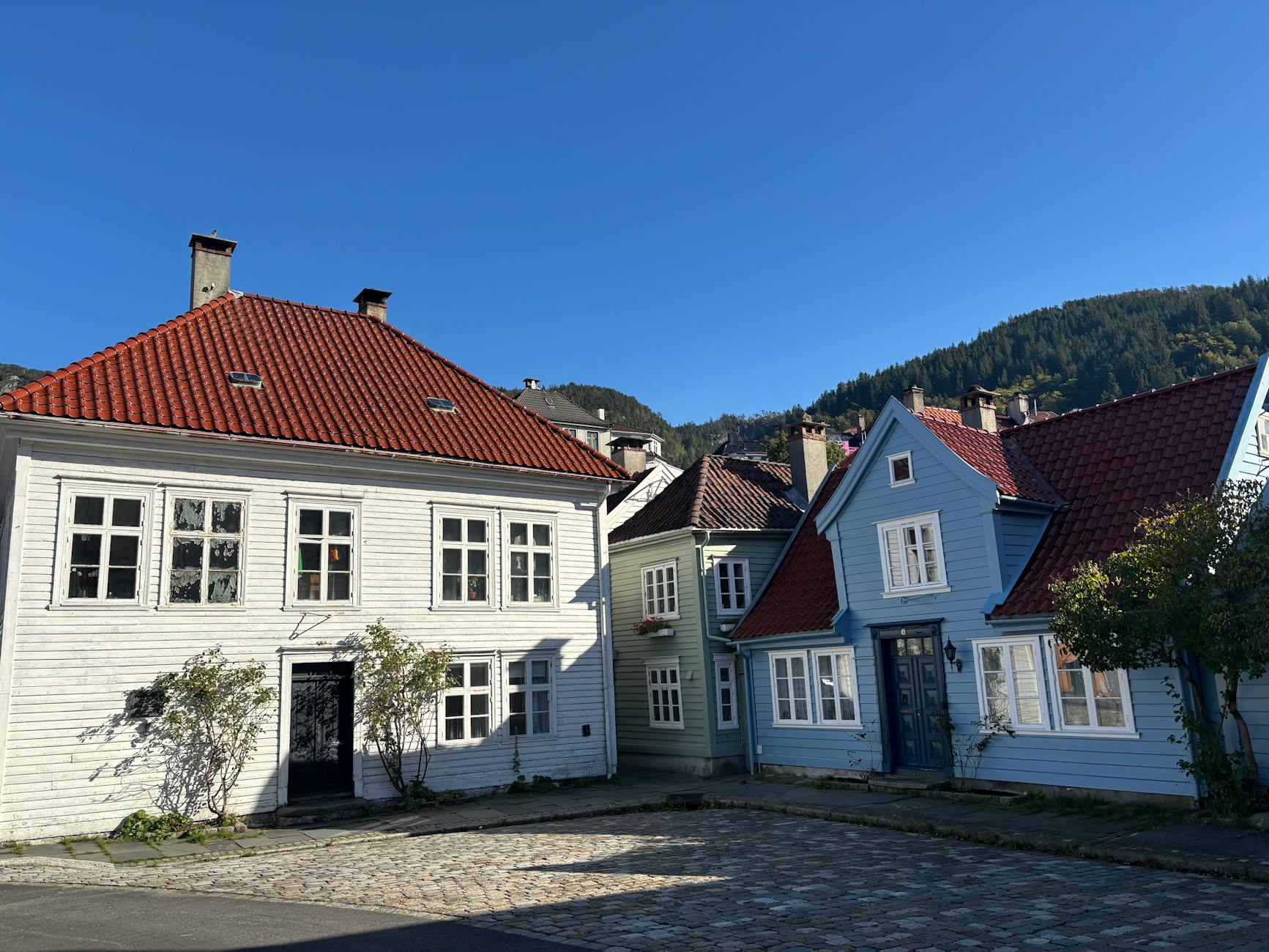
Short-program housing should support sleep, food, study, laundry, transport, and safe returns. The cheapest or most social option may be wrong if it makes every class day wet, noisy, expensive, or hard to manage.
Routine matters more than novelty.
- Check distance to classes, kitchen access, laundry, quiet hours, Wi-Fi, shared bathrooms, and luggage rules.
- Compare housing cost with transit, food, and late-return needs.
- Ask how group housing handles room changes, illness, noise, and arrival outside normal hours.
Make orientation and transport simple
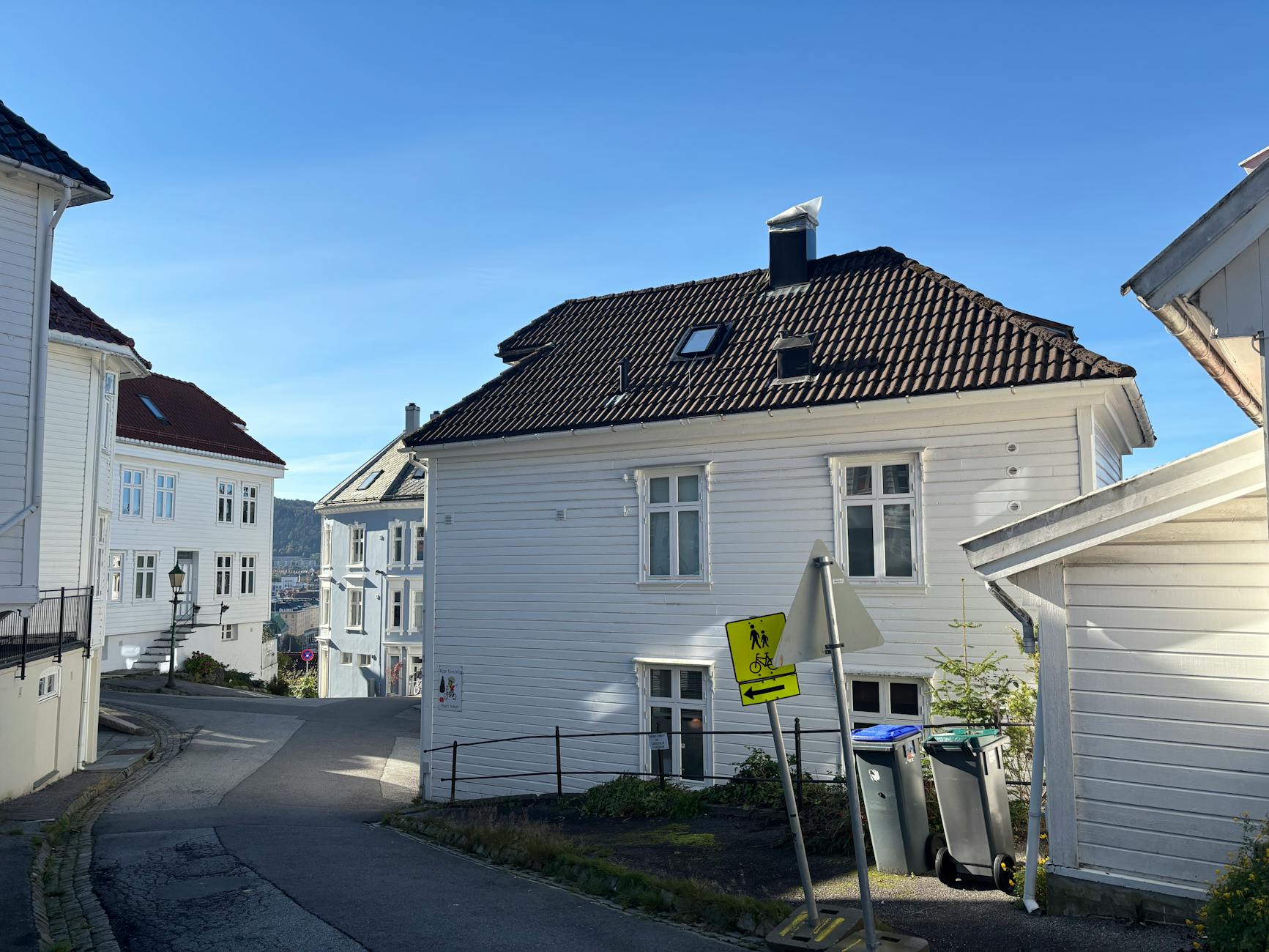
The first 24 hours should help the student feel oriented. Airport transfer, local transit, SIM or roaming, maps, group meeting points, payment methods, and emergency contacts should be clear before the schedule becomes busy.
A calm start supports the whole program.
- Save offline maps, housing address, program contacts, emergency numbers, and transit options.
- Practice or preview the route to the program site before the first required session.
- Keep arrival day light if jet lag, late flights, or luggage issues are possible.

Pack for rain and class rhythm
Bergen weather affects studying more than students may expect. Wet shoes, damp notebooks, exposed laptops, and tired walks can make a short program feel harder than it is.
Rain gear is academic support.
- Bring shoes with grip, a rain layer, spare socks, and protection for laptop, notebook, passport, and medication.
- Plan clothing that works for class, field visits, casual meals, and wet streets.
- Use short indoor breaks instead of forcing every free hour outdoors in poor weather.

Control food and daily spending
Bergen can feel expensive quickly on a student budget. The plan should identify groceries, affordable meals, program-provided food, coffee habits, transit costs, laundry, museum entries, and one or two worthwhile splurges.
Budget control protects the experience.
- Check which meals are included and where simple groceries or affordable cafes fit the schedule.
- Track transit, snacks, laundry, group dinners, and weekend activity costs before arrival.
- Save one flexible amount for weather changes, illness, or a meaningful Bergen experience.
Use free time without overextending
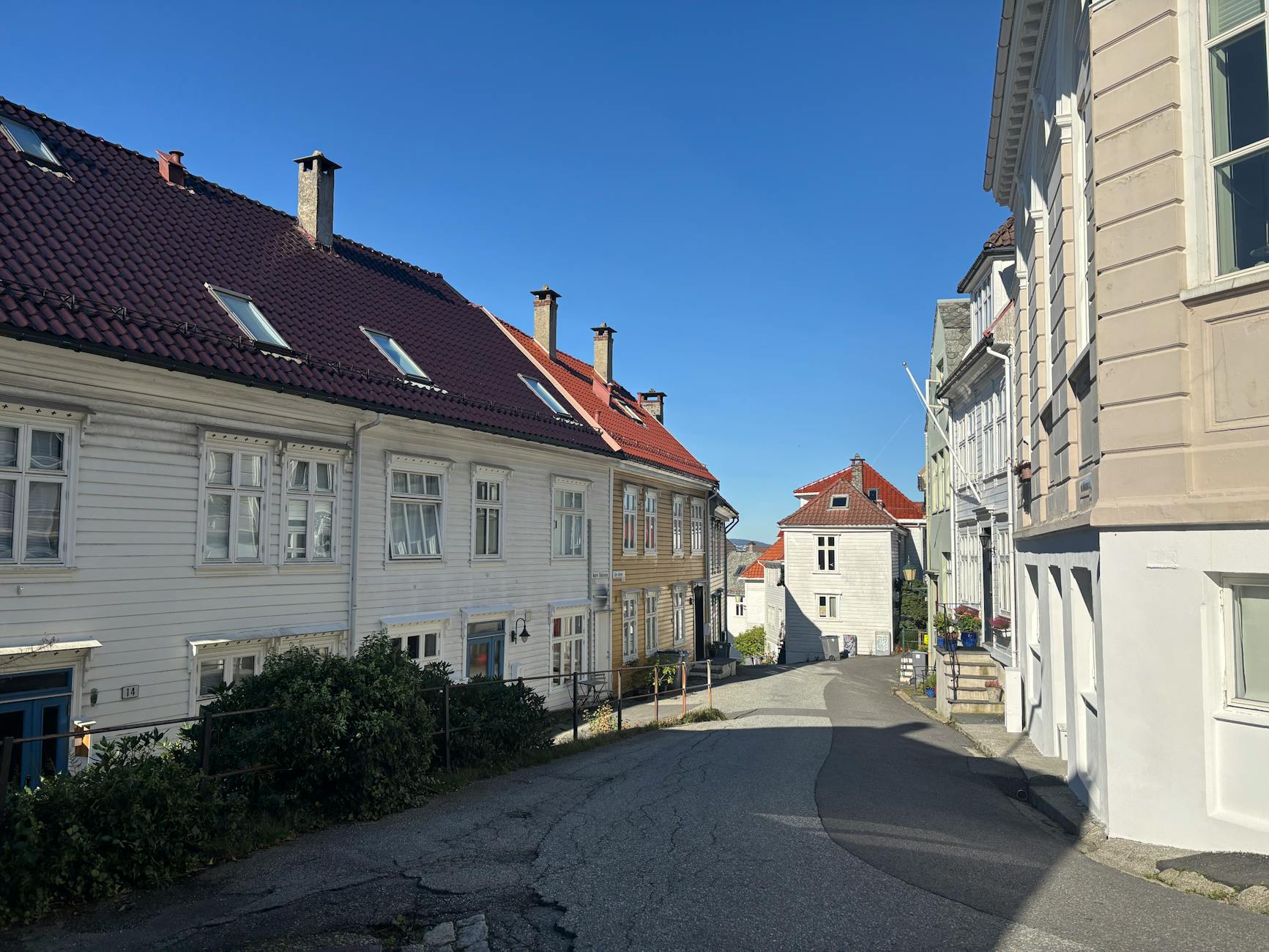
Short-program students often want to use every free hour, but the best Bergen side plans respect class energy, group timing, weather, and next-day obligations. One good harbor walk or fjord-view window can be better than a packed list.
Free time should not weaken the program.
- Choose a few realistic city experiences near housing, class, or group routes.
- Keep viewpoint, harbor, museum, and food plans flexible around weather and assignments.
- Avoid late nights before field days, presentations, exams, or early departures.

When to order a short-term travel report
A student on a fully organized program may not need a custom report. A report becomes useful when housing is independent, arrival is close to orientation, budget is tight, health needs matter, program sites are spread out, weather could affect fieldwork, or the student wants safe free-time plans around class obligations.
The report should test program geography, housing routine, airport transfer, rain gear, food costs, transit, health needs, study gaps, free time, and departure buffers. The value is a Bergen student stay that supports learning while still leaving room for the city.
- Order when housing, arrival, transport, budget, rain, health needs, free time, or departure timing need exact planning.
- Provide dates, program addresses, housing options, class schedule, budget, health constraints, food needs, and arrival details.
- Use the report to make the Bergen short program practical, affordable, and manageable.