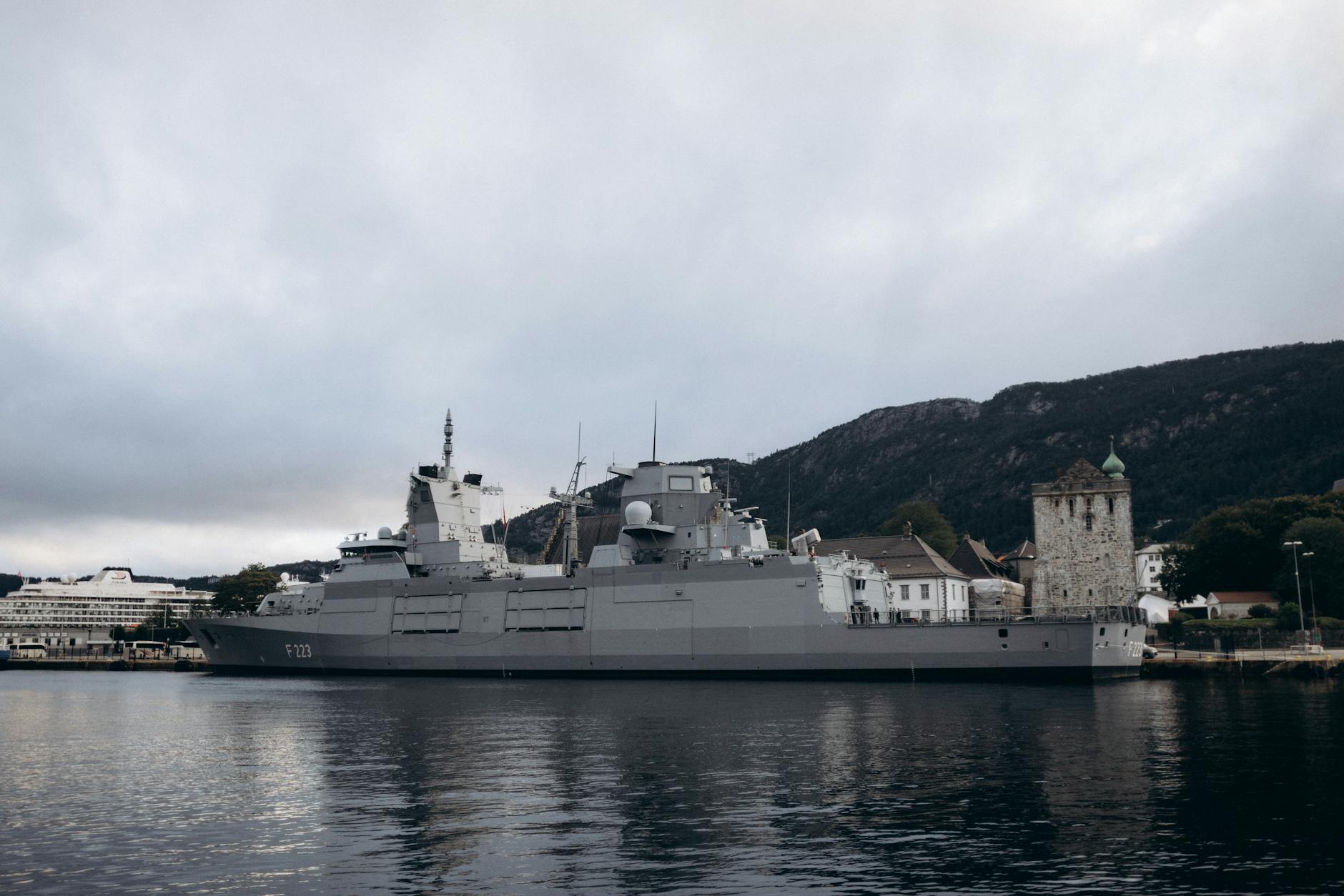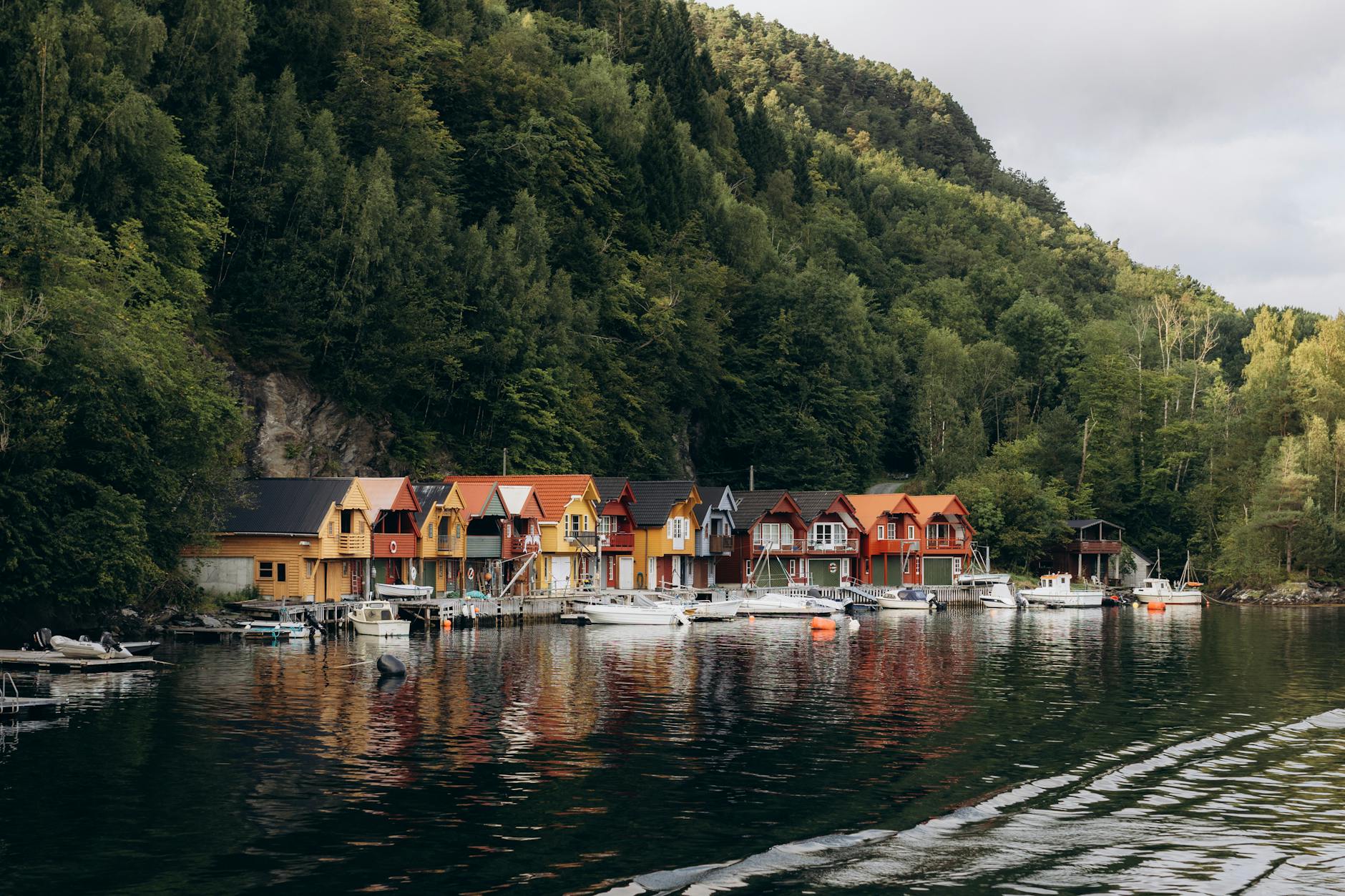
A Bergen deal trip should be built around diligence quality and confidentiality. Meetings, site visits, meals, document review, internal calls, weather, transport, and departure timing all need to be arranged so the team can think clearly and move discreetly during a short stay.
Build the diligence map first
A deal trip should begin with the geography of the diligence work. Management meetings, site visits, advisor calls, hotels, restaurants, and quiet review locations need to be understood before the itinerary is filled.
The map should serve the transaction.
- Plot meeting rooms, site visits, advisor offices, meal locations, hotel candidates, and transport links.
- Group meetings by confidentiality, importance, and distance rather than by casual convenience.
- Keep enough margin for weather, access procedures, and internal discussion after important sessions.
Sequence meetings for judgment
Investors and deal teams need more than movement efficiency. They need time to compare what they heard, catch inconsistencies, revise questions, and decide whether the next meeting should change.
Meeting order affects judgment.
- Separate high-stakes meetings with enough time for private notes and question updates.
- Avoid placing every diligence conversation back-to-back without room for synthesis.
- Protect a final internal debrief before commitments, dinners, or departure pressure.
Choose hotel space for confidentiality
The hotel should support confidential work, not only sleep. A deal team may need private calls, secure Wi-Fi practices, quiet rooms, separate workspaces, printing alternatives, invoices, and a location that does not expose the trip purpose too casually.
Confidentiality changes hotel requirements.
- Check room quietness, desk quality, meeting space, secure document handling, Wi-Fi reliability, and invoice needs.
- Avoid discussing sensitive matters in visible lobbies, crowded cafes, or taxis.
- Choose a base that supports private review between meetings without adding long transfers.
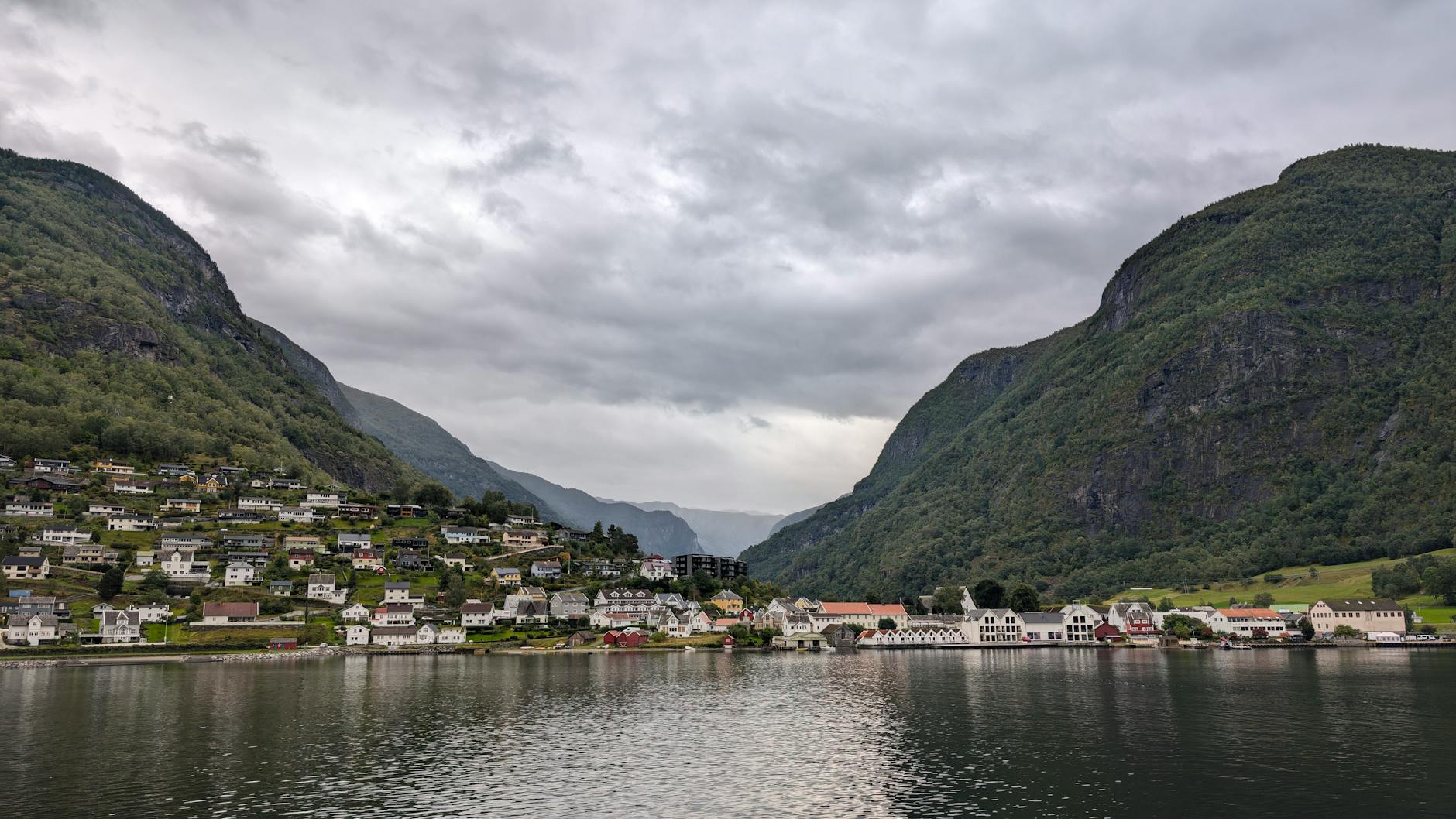
Use meals carefully
Meals can be useful for relationship-building, but they can also blur boundaries, add cost, and consume review time. In Bergen, dinner or coffee plans should be judged by who needs to be in the room and what the conversation is meant to accomplish.
Hospitality should not replace diligence.
- Choose meals by relationship value, privacy, noise, dietary fit, price level, and return timing.
- Keep sensitive discussion away from crowded settings unless the topic is already appropriate for that venue.
- Leave time after meals for notes before impressions fade.
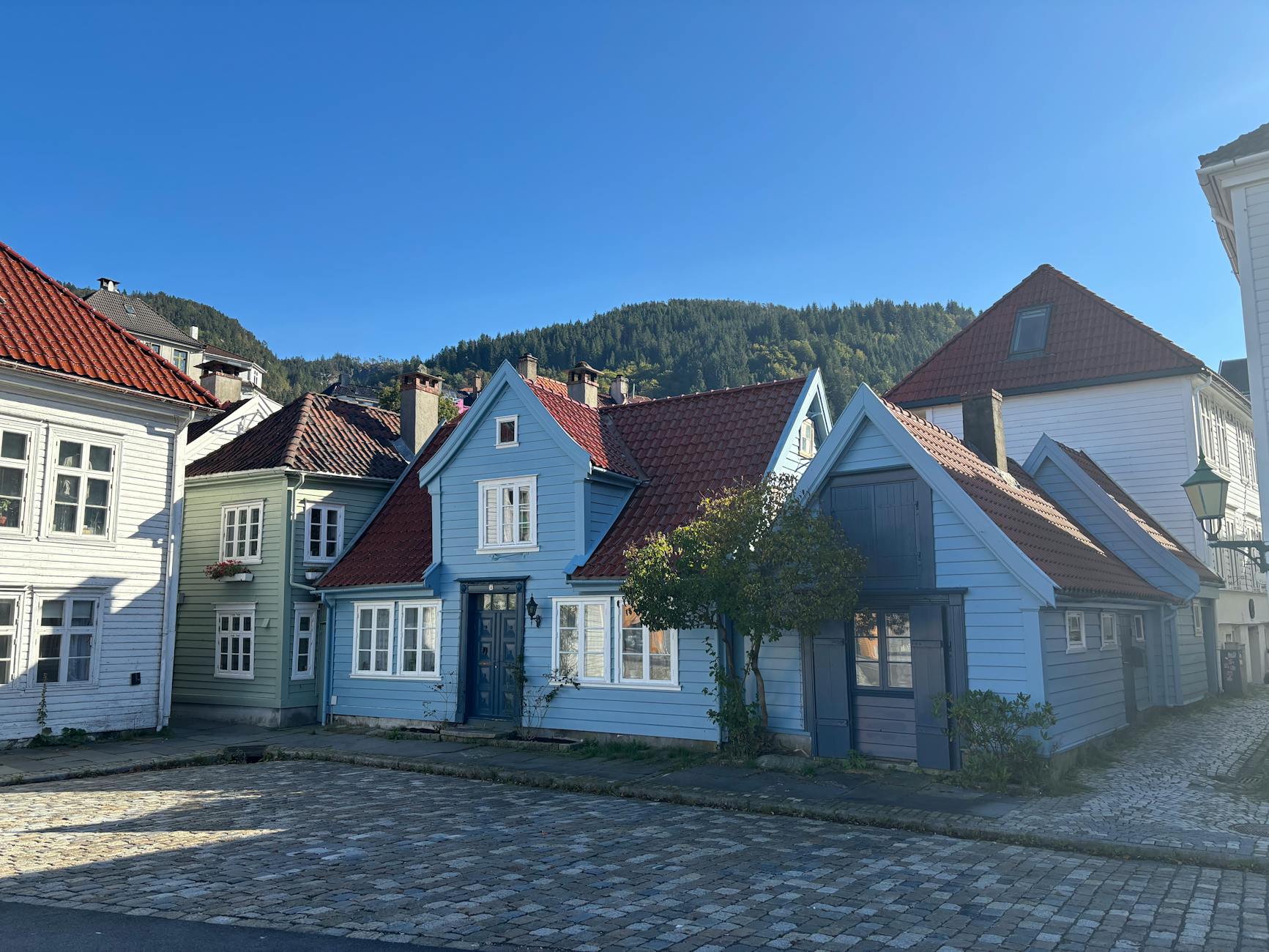
Treat rain and transport as risk controls
Rain, hills, taxi timing, and harbor routing can affect whether a deal team arrives calm, dry, and on time. Those are not lifestyle details when a meeting schedule is tight and the people involved have limited availability.
Weather planning is risk control.
- Use direct transport when documents, attire, or timing would suffer from a wet walk.
- Build weather margin before management meetings, site visits, and advisor sessions.
- Carry document and device protection that matches Bergen's wet-weather reality.
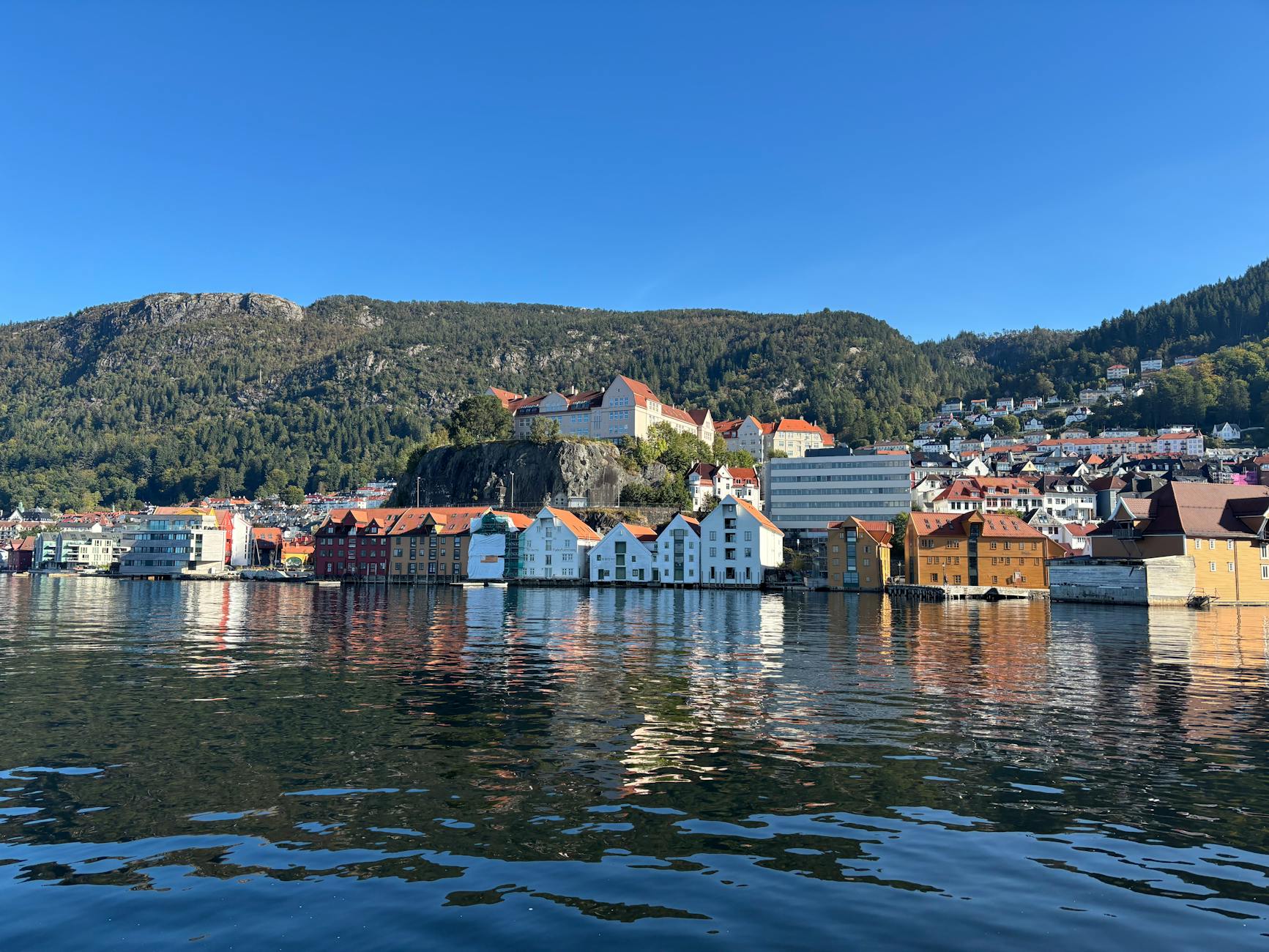
Protect quiet work and document time
A deal trip often depends on what happens between scheduled meetings. Teams need time to review documents, update models, check assumptions, call counsel, and write down observations before the next conversation changes the context.
Private work time belongs on the calendar.
- Block review windows before and after the most important meetings.
- Confirm power, connectivity, secure document access, and backup call locations.
- Avoid filling every evening if the team needs to process diligence before the next day.
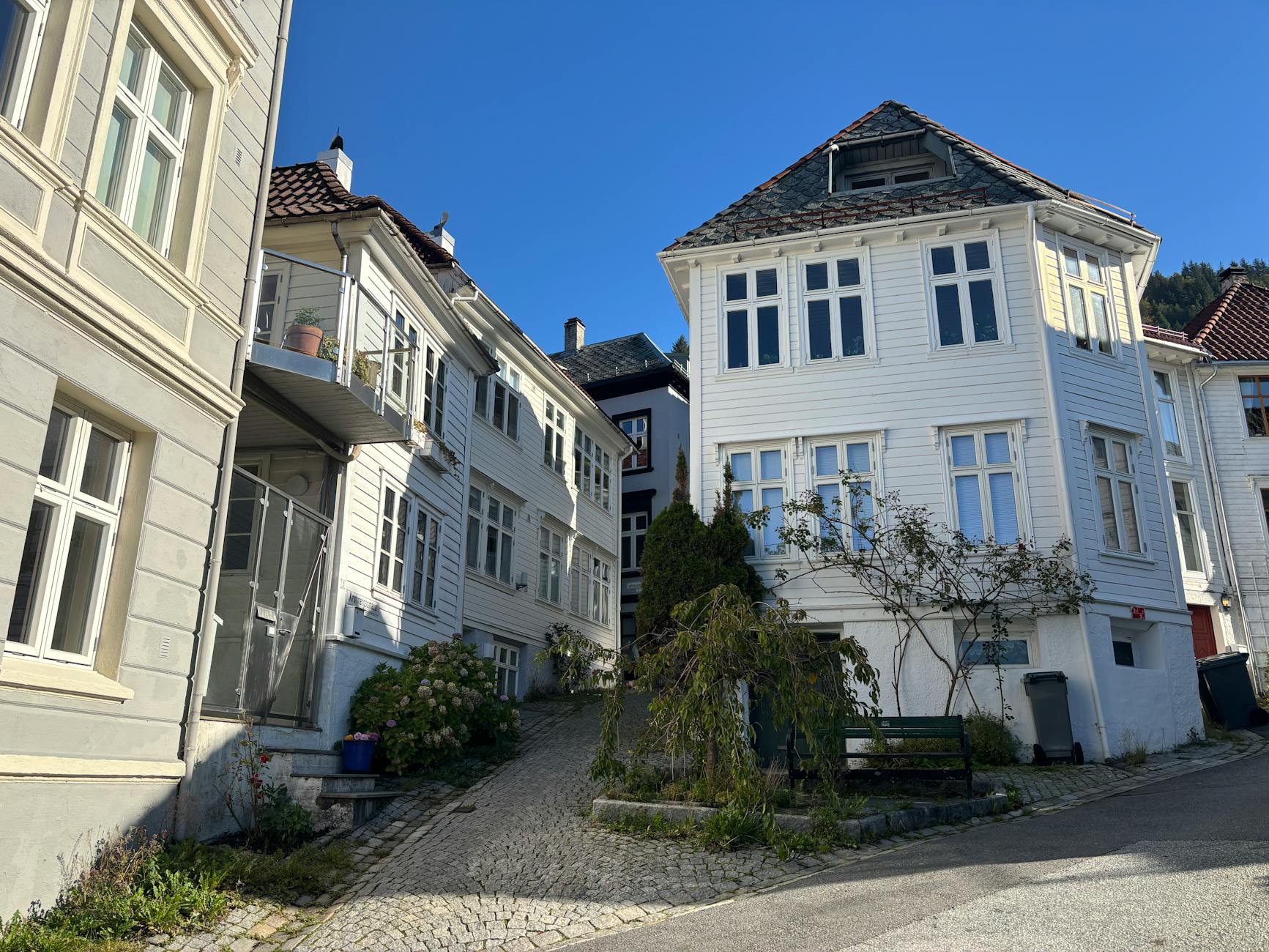
When to order a short-term travel report
An investor or deal team member may not need a custom report for a single known meeting and flexible return. A report becomes useful when diligence sites are spread out, confidentiality matters, the schedule is compressed, meals involve sensitive relationships, weather could affect movement, or departure follows a final decision session.
The report should test meeting geography, hotel confidentiality, transport, rain margin, meal privacy, quiet workspaces, document needs, local context, and departure buffers. The value is a Bergen deal trip that protects judgment and discretion.
- Order when diligence geography, confidentiality, transport, weather, meals, quiet work, documents, or departure timing need exact planning.
- Provide dates, meeting addresses, site visits, hotel candidates, confidentiality needs, team size, meal plans, and arrival details.
- Use the report to keep the Bergen deal trip discreet, focused, and decision-ready.