
A short volunteer or NGO trip to Zurich should be planned with more precision than a leisure stay. The traveler may be joining a nonprofit office, community event, environmental project, university-linked program, refugee-support partner, or international organization meeting. Zurich's reliable transport and orderly services help, but high costs, language context, role boundaries, insurance, privacy, and local expectations still need careful attention.
Confirm the host site and role before booking
A volunteer or NGO traveler should know exactly where the work happens and what the role includes. A Zurich address may refer to an office, community partner, event site, university room, warehouse, lakeside cleanup, or meeting venue outside the central tourist core. Housing should come after the traveler understands the workday, reporting time, and return route.
The trip should begin with the host's operational reality, not a general Zurich itinerary.
- Confirm the host address, daily schedule, supervisor contact, role scope, dress, equipment, and any training requirements.
- Map housing, Zurich Airport, Hauptbahnhof, the host site, grocery options, and evening return routes together.
- Ask whether the work site changes by day or includes field visits outside central Zurich.
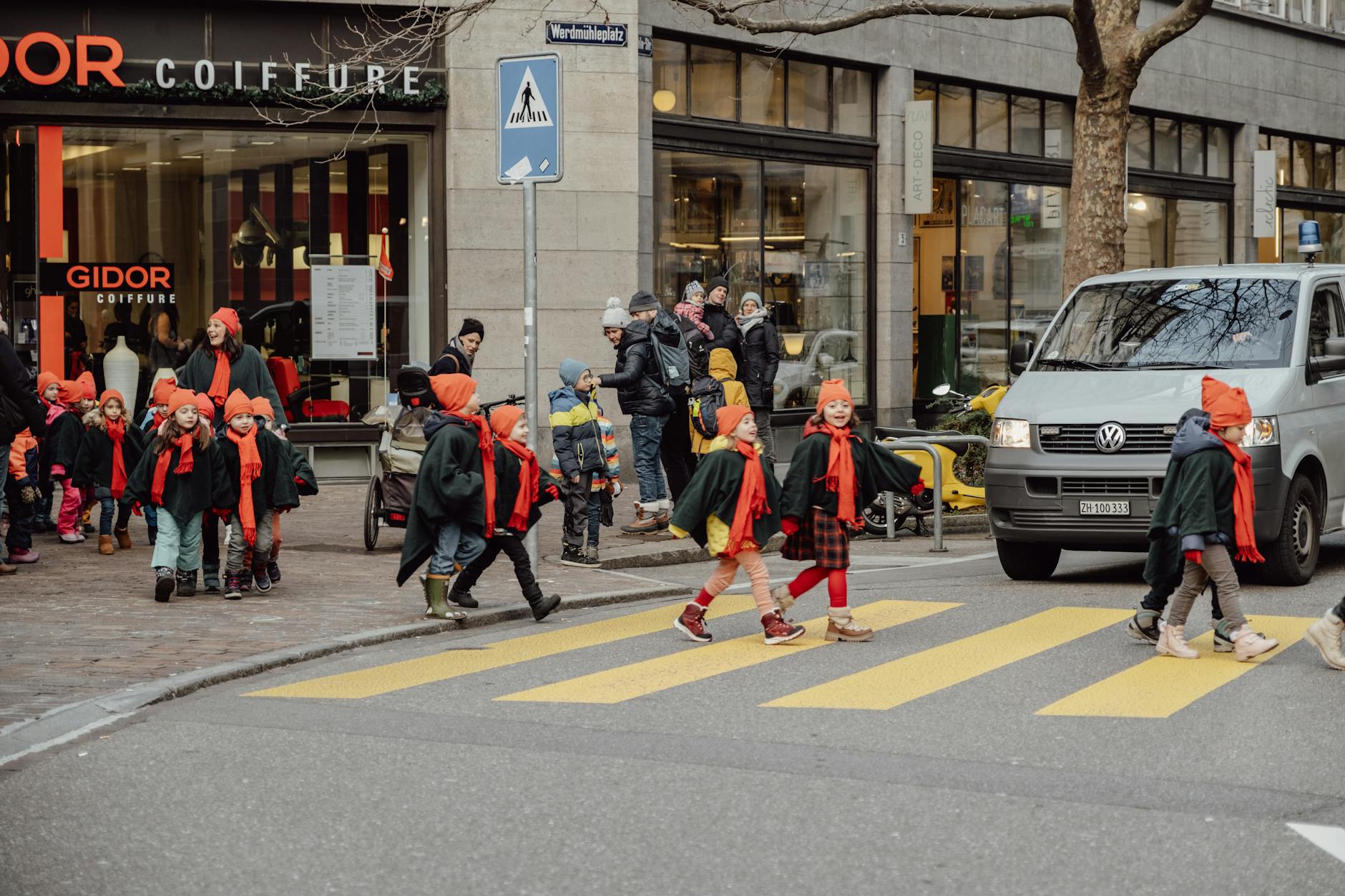
Clarify boundaries and responsibilities
Short volunteer trips can become confusing when enthusiasm outruns role clarity. The traveler should know what they are authorized to do, what requires staff oversight, whether they can photograph or post, and how to handle vulnerable people, private data, or community concerns. Zurich may feel orderly, but NGO work still needs ethical boundaries.
A clear role protects both the traveler and the people the organization serves.
- Ask what tasks are allowed, what is supervised, what is off-limits, and who makes final decisions.
- Clarify privacy rules for names, photos, case details, locations, and social media posts.
- Understand safeguarding, conflict escalation, and how to decline tasks outside the agreed role.
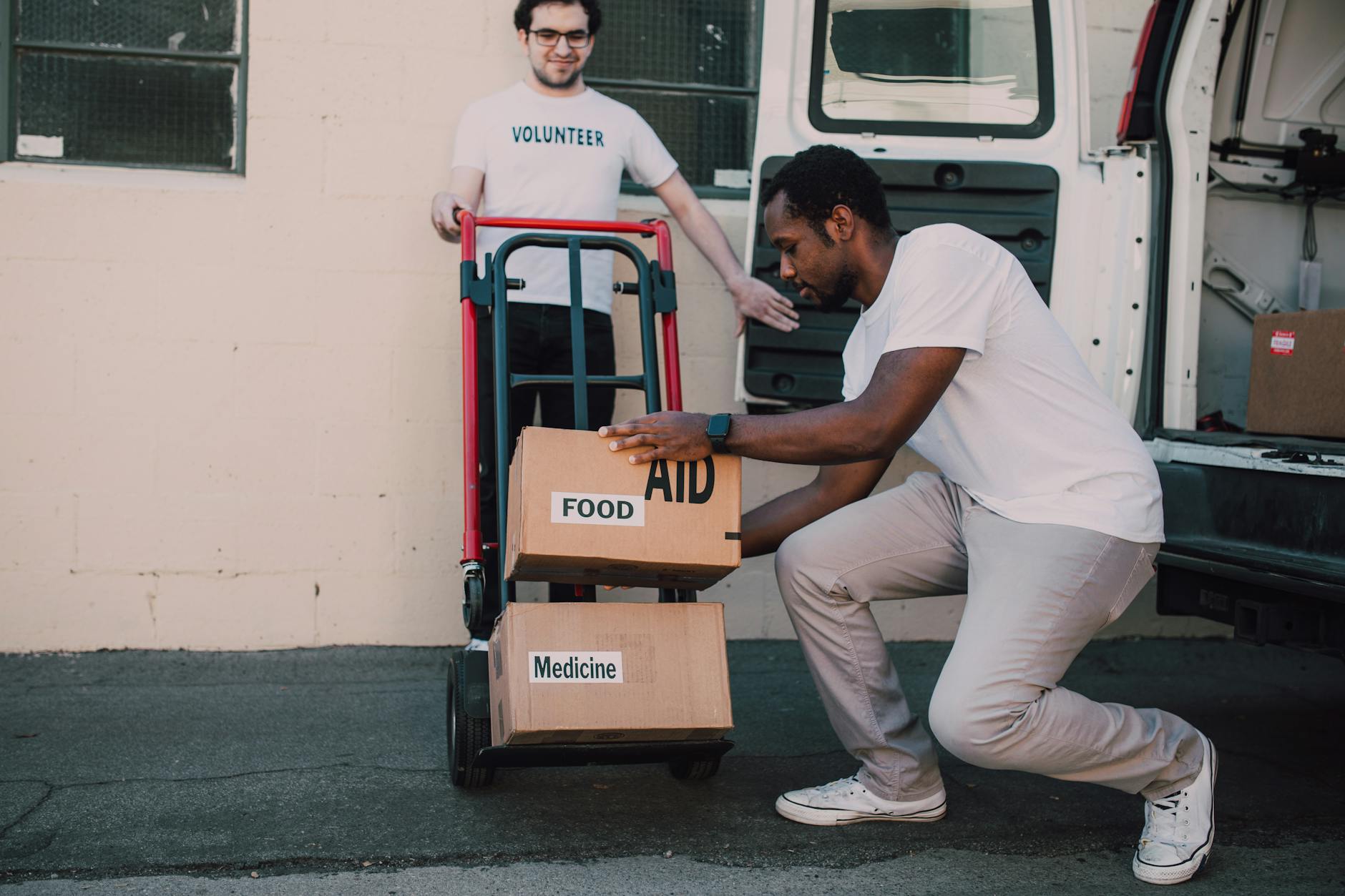
Plan transport around early starts and equipment
Zurich's trains and trams can make volunteer travel straightforward, but early starts, weekend schedules, tools, supplies, rain, or lakefront work can change the route. The traveler should know the exact stop, walking distance, ticket type, and backup option before the first service day. A low-cost lodging choice can become weak if it adds complicated daily movement.
The most useful transport plan is the one the traveler can repeat while tired.
- Check routes for each service day, including weekends, early starts, late returns, and any equipment or supply carrying.
- Compare single tickets, day tickets, weekly passes, and any host-provided transport support.
- Keep a taxi or rideshare fallback for poor weather, late finishes, or moving bulky supplies.
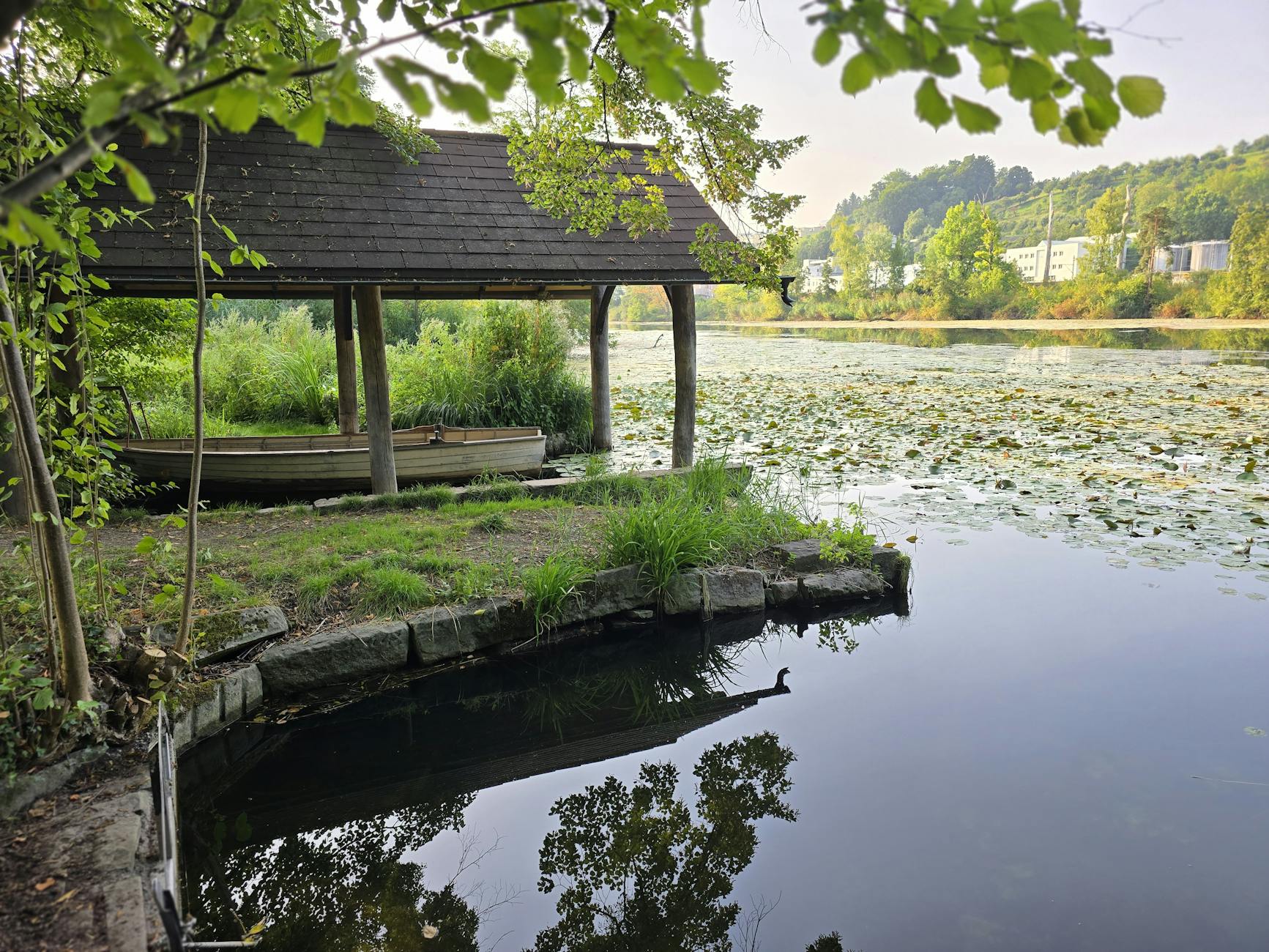
Budget for Zurich while keeping the purpose clear
Zurich can be expensive for a volunteer or NGO traveler, especially if lodging, meals, transit, and incidentals are self-funded. The traveler should clarify what the host covers and what remains personal. Saving money is reasonable, but the plan should still protect punctuality, rest, safety, and participation.
A purpose-driven trip still needs a realistic Swiss budget.
- Clarify whether housing, meals, transport, insurance, equipment, and local phone access are covered or reimbursed.
- Use groceries, bakeries, simple meals, and public transport to control ordinary costs.
- Keep a reserve for weather gear, laundry, medical needs, late transport, or host-requested supplies.
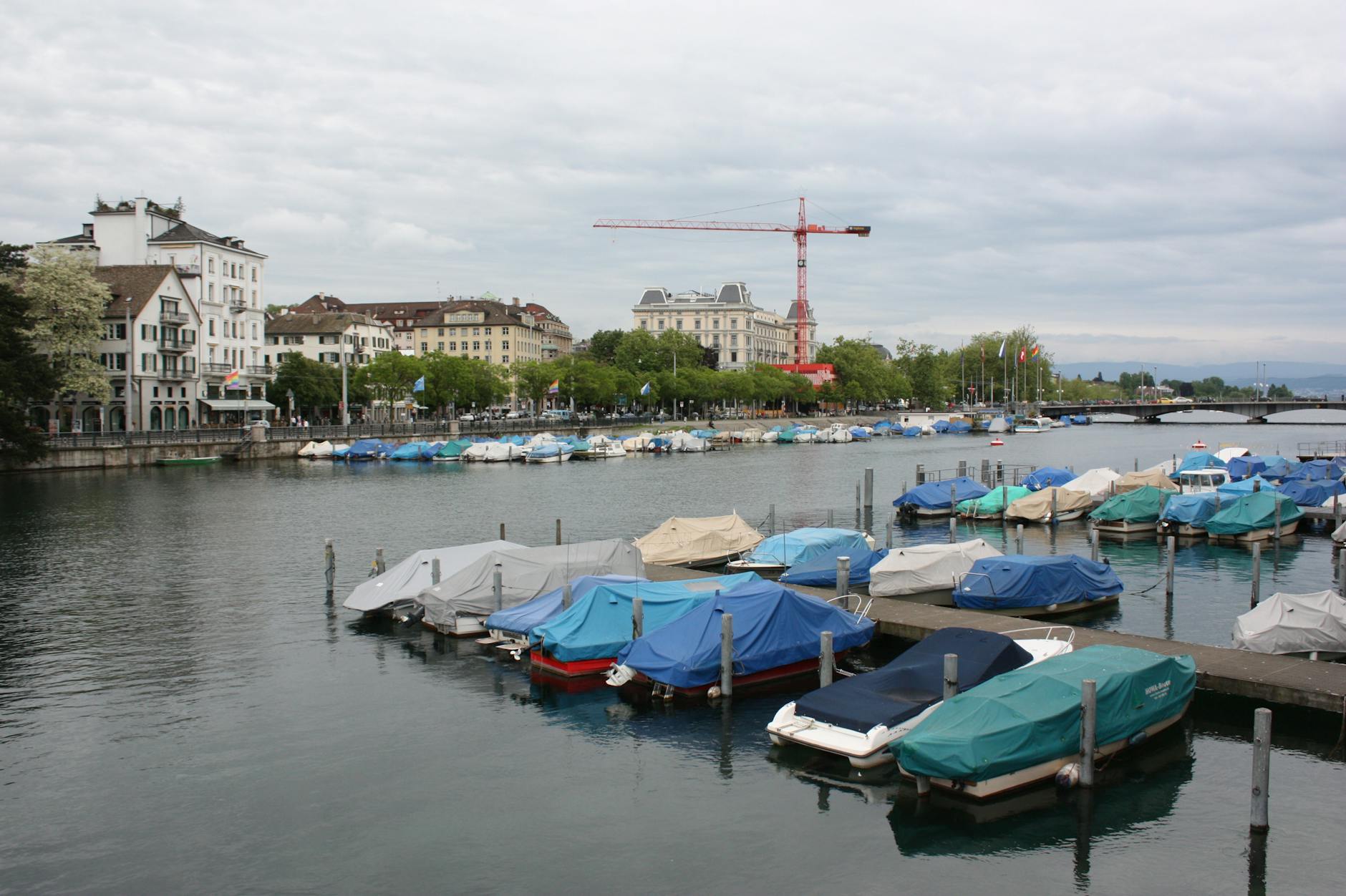
Handle insurance, health, and documentation early
A short NGO trip can involve activities that ordinary travel insurance may not fully cover. The traveler should understand health coverage, liability, emergency contacts, work authorization where relevant, and any documents the host needs. If the role includes physical tasks, field visits, or contact with vulnerable communities, the paperwork matters more.
Documentation should be settled before the traveler is on site.
- Check travel insurance, health coverage, liability coverage, emergency contacts, and any host-required forms.
- Carry ID, insurance details, medication, host contacts, and program documents in an accessible place.
- Ask the host what to do after injury, illness, conflict, police contact, or a missed shift.
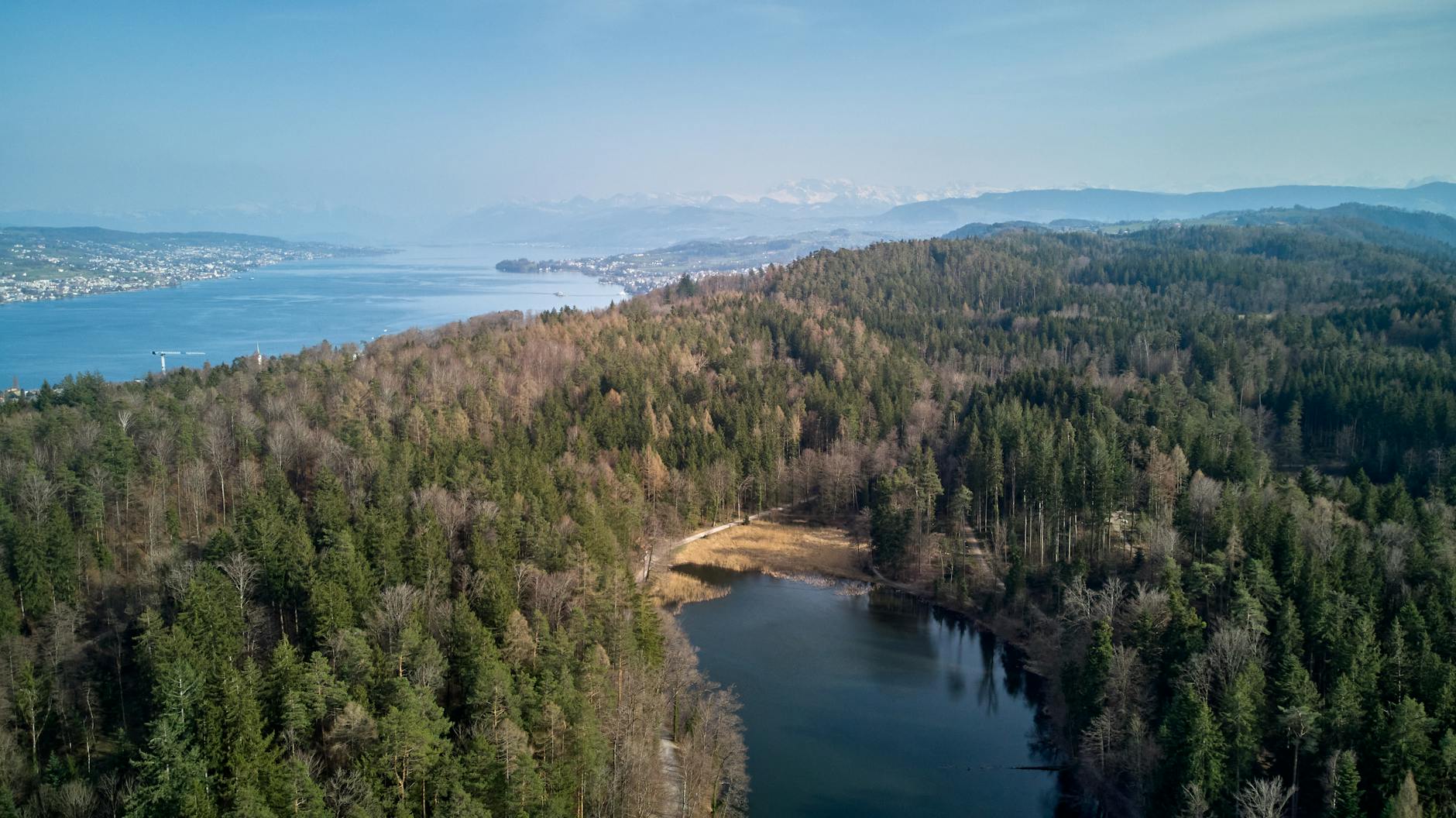
Make room for context, not just service hours
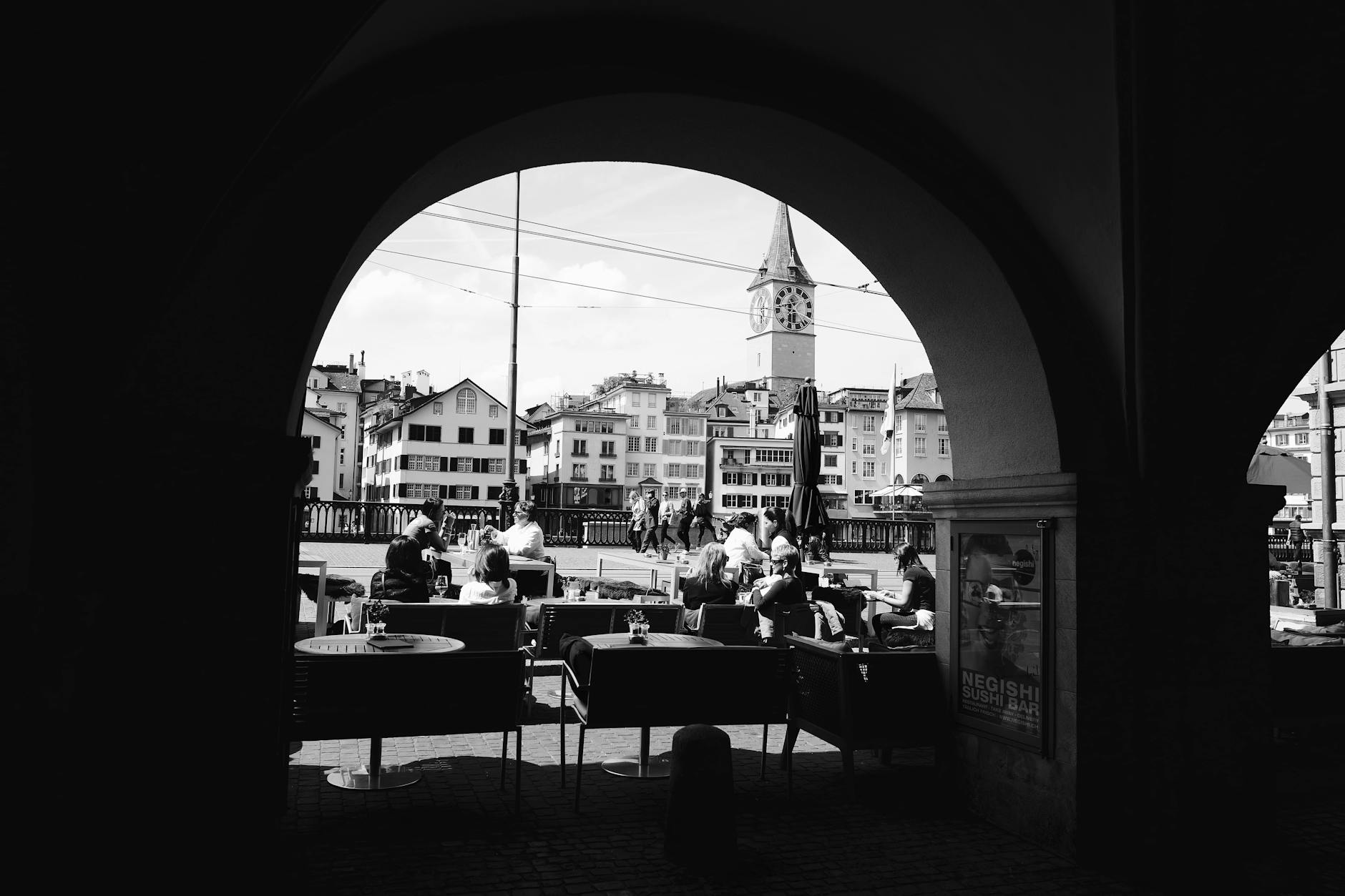
Zurich's nonprofit and civic work sits inside a specific local context: language, migration, environment, cost of living, neighborhood identity, and institutional expectations. A volunteer or NGO traveler should leave time to understand the community rather than treating the city as a backdrop. Free time can include the Limmat, lakefront, old town, or a quiet meal, but the purpose of the trip should shape the schedule.
The strongest short volunteer trips include reflection as well as action.
- Ask the host for context on the issue, neighborhood, partner organizations, and appropriate traveler behavior.
- Use free time for nearby city context without overloading the service schedule.
- Avoid public storytelling that simplifies people, communities, or sensitive work for personal attention.
When to order a short-term travel report
A volunteer or NGO traveler with full host housing, transport, and supervision may not need a custom Zurich report. A report becomes useful when the traveler must choose housing, manage high costs, reach multiple host sites, understand local transit, handle insurance questions, or combine service with independent city time.
The report should test host-site geography, housing, arrival transfer, daily routes, ticket choices, budget exposure, insurance needs, privacy rules, rest time, and departure logistics. The value is a Zurich service trip that stays practical and respectful.
- Order when host-site routing, housing, budget, documentation, privacy, or multiple service locations need sharper planning.
- Provide dates, host contacts, site addresses, role description, housing options, budget, mobility needs, and free-time goals.
- Use the report to make the volunteer trip reliable without losing sight of the work's local context.