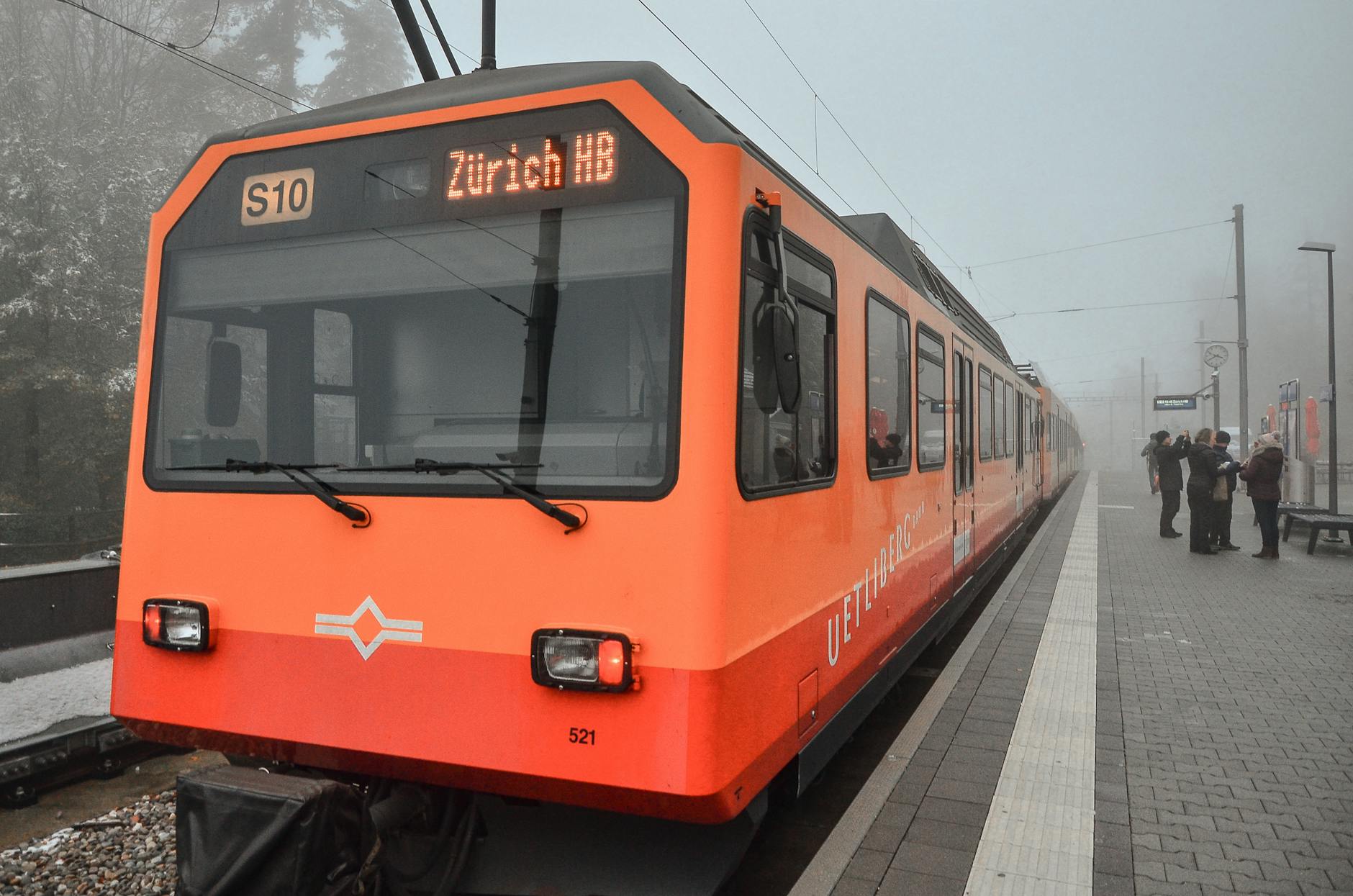
Zurich is one of the better European cities for a short transit or stopover because Zurich Airport, the rail system, Hauptbahnhof, trams, the Old Town, and the lake connect efficiently. That efficiency can mislead travelers into cutting timing too fine. A useful stopover depends on immigration, baggage, rail tickets, platform changes, weather, meal timing, luggage storage, and a city route that fits the actual connection instead of an idealized one.
Calculate usable time, not layover time
A Zurich stopover should be measured by usable city time. The traveler has to subtract arrival procedures, Schengen entry where relevant, baggage choices, train time, station navigation, return security, and boarding deadlines. A six-hour layover does not mean six hours in Zurich.
The real question is how much relaxed time remains after the onward journey is protected.
- Subtract immigration, baggage, customs, train time, station exits, return security, and boarding cutoffs from the layover.
- Keep separate plans for air-to-air transit, air-to-rail transit, rail-to-air transit, and overnight stopovers.
- Skip the city if the remaining window would require rushing the return to the airport or train.

Understand airport, rail, and zone choices
Zurich Airport connects well to the city, but the traveler still needs the right ticket and route. Hauptbahnhof, airport trains, trams, regional services, and city zones can be simple if understood in advance and expensive if guessed under pressure. Transit travelers should also know whether the onward connection leaves from the airport, Hauptbahnhof, another Zurich station, or a different Swiss city.
The stopover begins with the correct transport decision.
- Check airport train times, ticket zones, day tickets, platform information, and the return route before leaving the terminal.
- Know whether the onward trip departs from Zurich Airport, Hauptbahnhof, another city station, or a long-distance rail platform.
- Keep screenshots or offline notes for the return route in case roaming, battery, or station stress becomes a problem.
Decide what to do with baggage
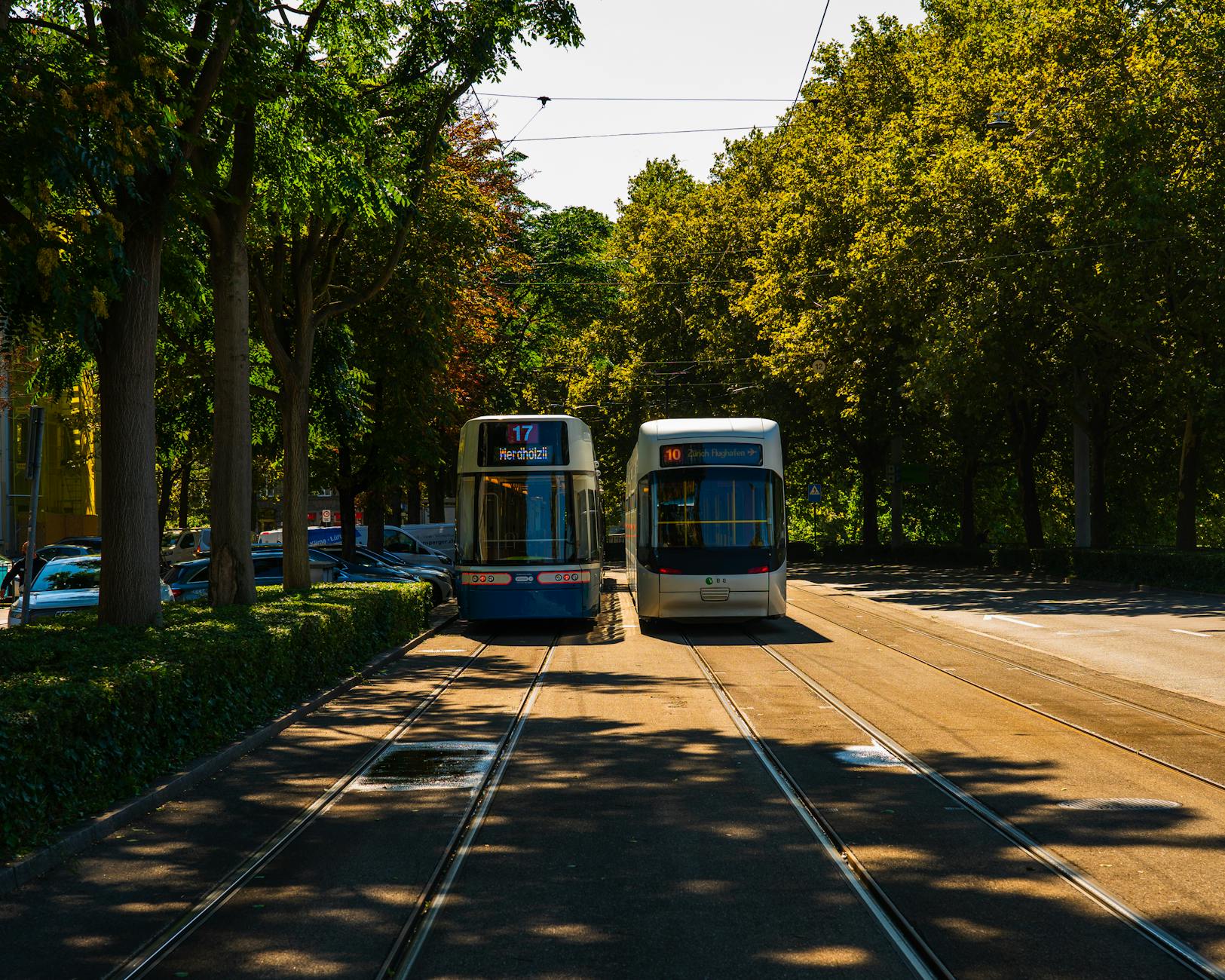
Baggage determines whether a Zurich stopover feels smooth or punishing. Checked-through luggage, cabin bags, station lockers, hotel storage, and airline rules all affect the route. Rolling a suitcase through Old Town streets, trams, bridges, or lakefront crowds can turn a short visit into a chore.
The best stopover route is usually the one with the least baggage.
- Confirm whether bags are checked through, must be collected, can be stored, or need to stay with the traveler.
- Check locker or storage options at the airport, Hauptbahnhof, hotel, or booked service before arrival.
- Carry medication, documents, chargers, valuables, and a weather layer in a small day bag.
Choose one short city route
Zurich is compact enough for a strong short route, but a stopover traveler should not try to sample the whole city. A good plan might be Hauptbahnhof to Bahnhofstrasse, the Limmat, the Old Town, a lakefront pause, and a controlled return. Museums, boats, restaurants, and shopping should only be added when the time window supports them.
A stopover route should be easy to abandon without penalty.
- Pick one compact route: station-to-Old-Town, station-to-lake, quick meal and river walk, or hotel-based overnight reset.
- Avoid timed attractions unless the stopover has enough buffer for delays and the return leg.
- Keep a clear turnaround point where the traveler stops sightseeing and starts returning.

Account for entry rules and airport procedures
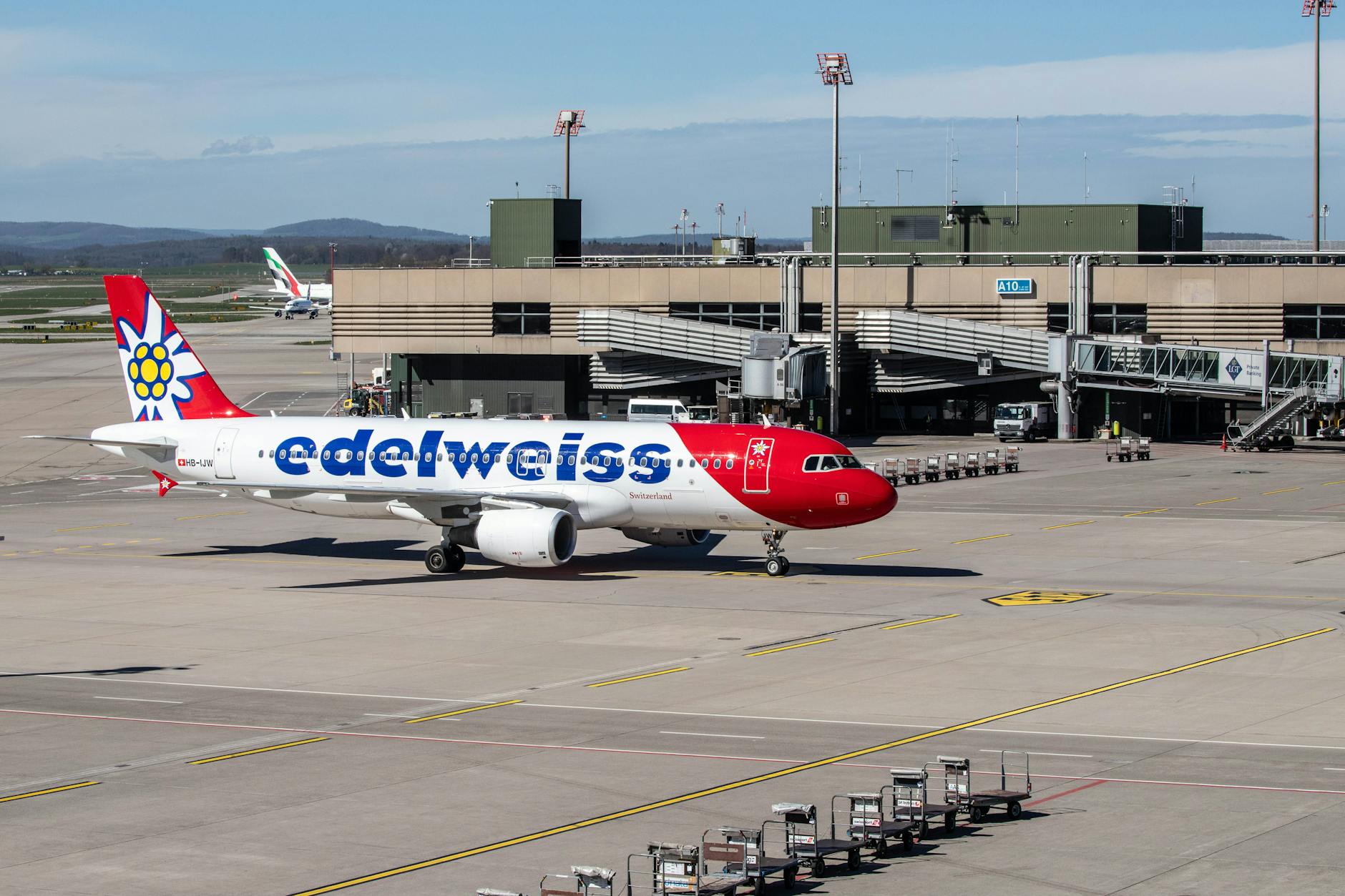
A transit traveler should not assume that leaving the airport is automatically practical. Passport control, visa or Schengen eligibility, baggage rules, security screening, and airline deadlines can change the answer. Travelers with non-Schengen itineraries, separate tickets, or checked baggage need especially conservative timing.
The city is optional; the onward trip is not.
- Check visa or Schengen entry eligibility, passport control, baggage collection, and separate-ticket responsibilities.
- Allow enough time for return security, passport control if required, gate distance, and boarding rules.
- Use the airport stay option if entry procedures or separate tickets make the city window too thin.
Use weather and fatigue honestly
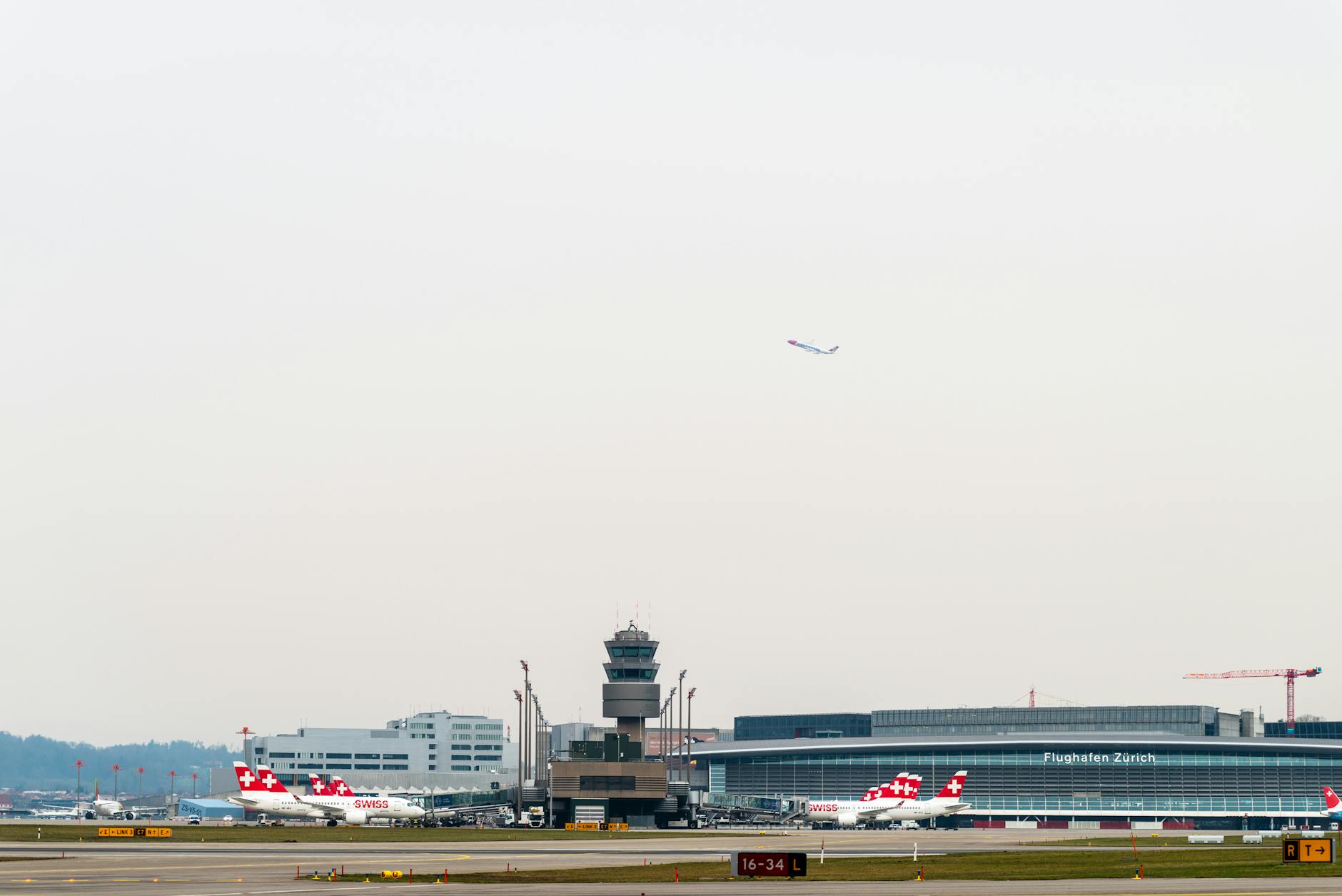
Zurich stopovers are vulnerable to rain, snow, fog, heat, winter darkness, jet lag, and long-haul fatigue. A city visit that looks good on paper may be weak if the traveler is tired, underdressed, or carrying bags. The traveler should choose between a city route, airport rest, hotel shower, or simple meal based on the actual condition that day.
The smartest stopover is sometimes the smaller one.
- Check rain, snow, fog, heat, daylight, and walking comfort before leaving the terminal or station.
- Use airport lounges, hotel day rooms, showers, or a quiet meal when recovery matters more than sightseeing.
- Do not let a short city plan compromise sleep, medication timing, hydration, or the onward connection.

When to order a short-term travel report
A traveler with a very long Zurich stopover and no baggage may not need a custom report. A report becomes useful when the connection is tight, tickets are separate, baggage is uncertain, entry rules are unclear, or the traveler wants a city route that fits a specific onward deadline.
The report should test usable time, entry requirements, luggage handling, airport-to-city routing, rail tickets, weather, fatigue, city route, food options, and return buffer. The value is a Zurich stopover that feels calm because the onward trip is protected.
- Order when timing, separate tickets, baggage, rail connections, entry rules, or short city routing need a precise answer.
- Provide flight and train numbers, ticket types, baggage rules, passport context, interests, mobility needs, and budget.
- Use the report to decide whether Zurich city time is worthwhile or whether rest is the better stopover plan.