A short tourist visit to Zurich works best when the city is treated as compact but not casual. The old town, Limmat riverfront, Lake Zurich, Bahnhofstrasse, Grossmunster views, trams, boats, airport rail links, and Swiss costs can make two or three days feel smooth if the order is deliberate. Zurich is not a city where the visitor needs to chase every attraction, but it does reward clear routing and weather-aware choices.
Start with the old town, Limmat, and lake
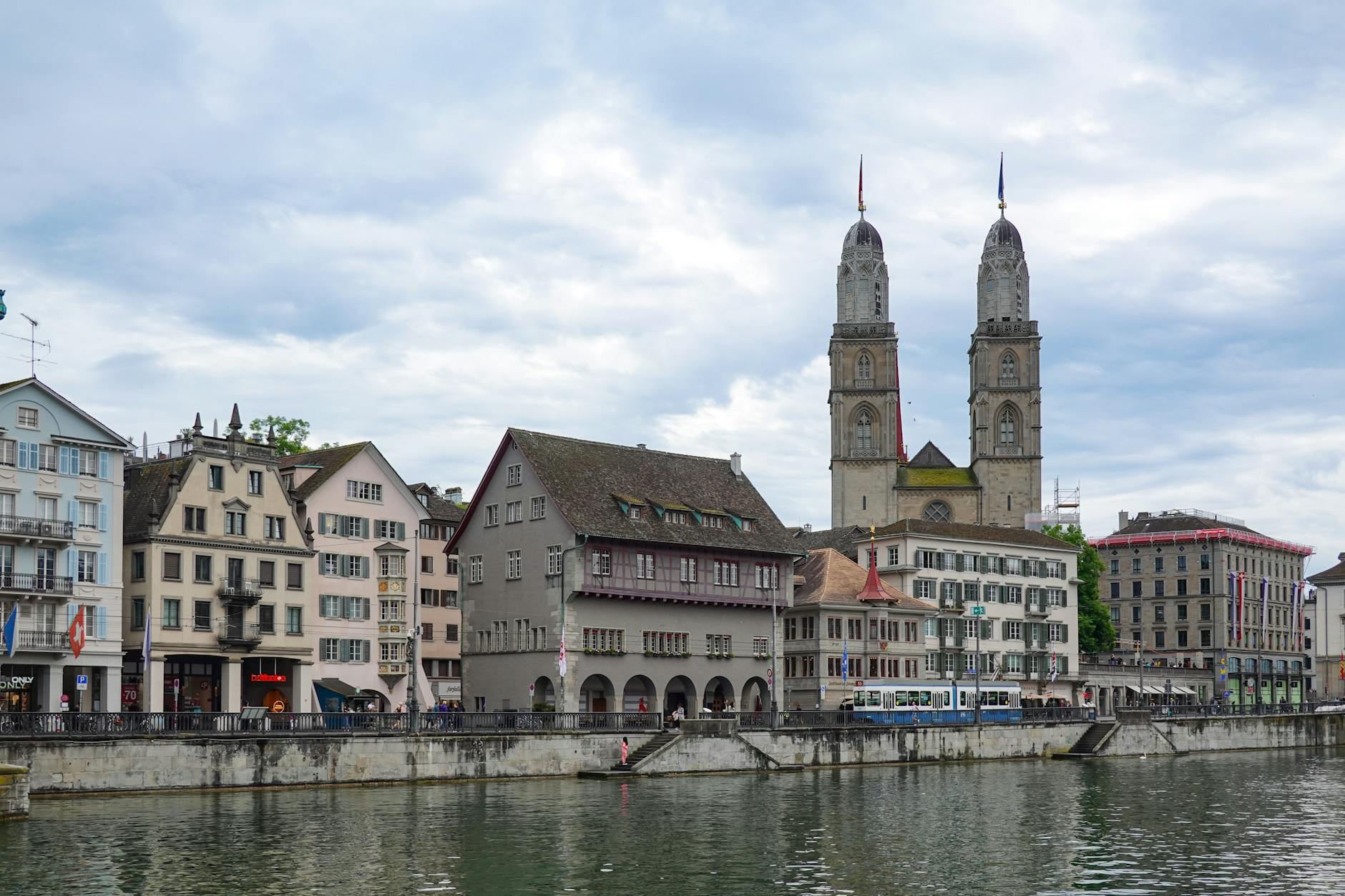
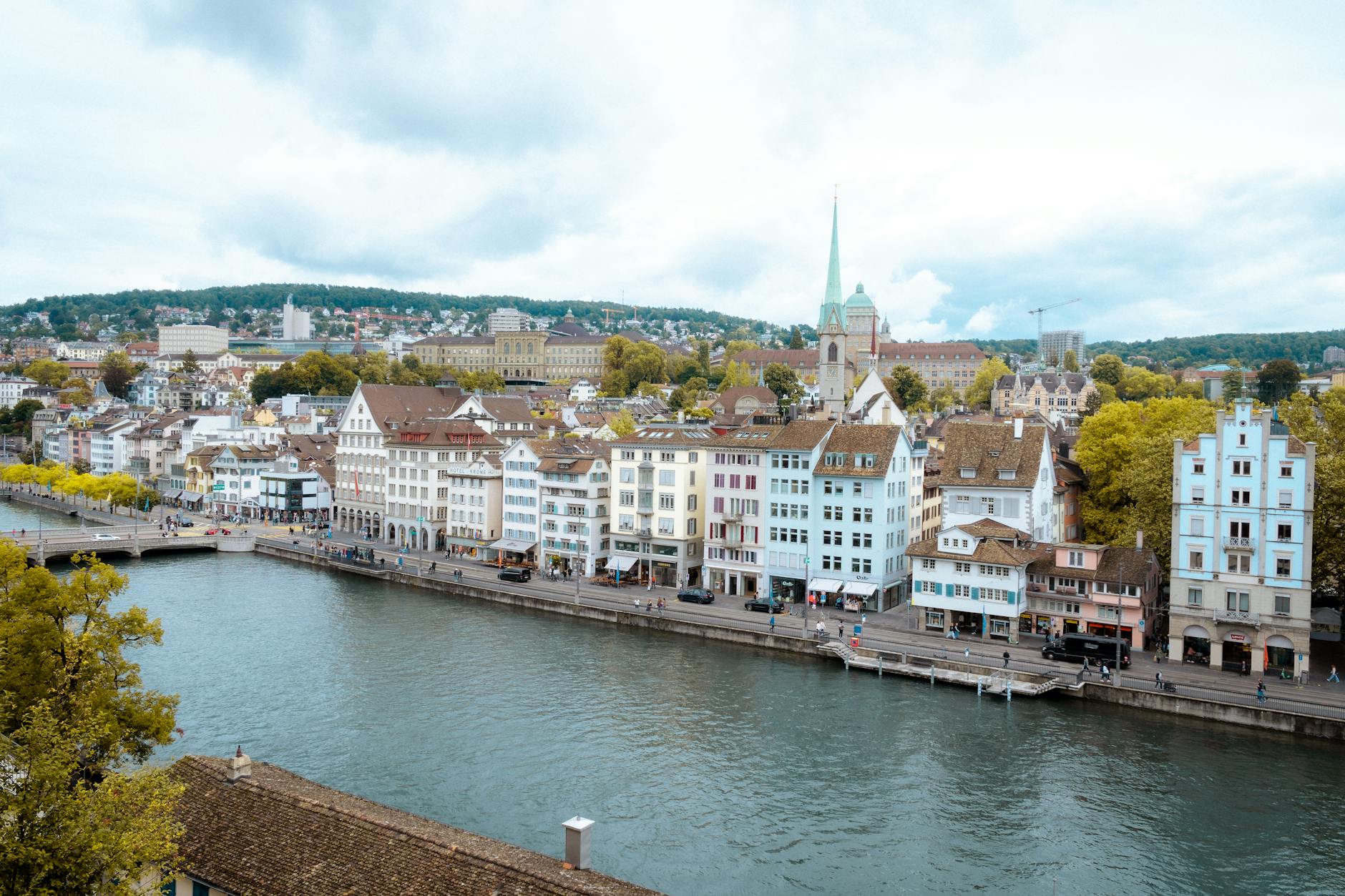
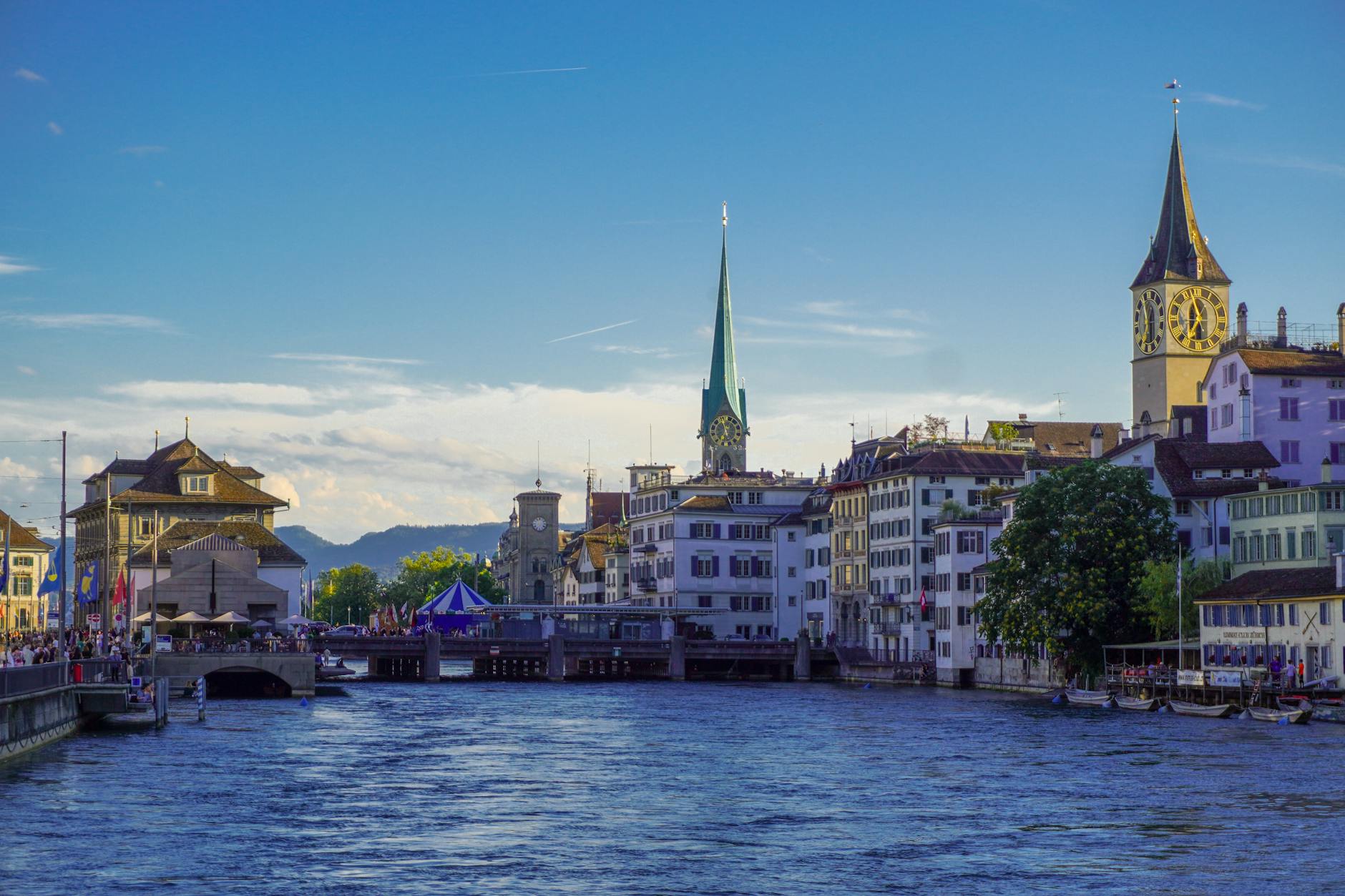
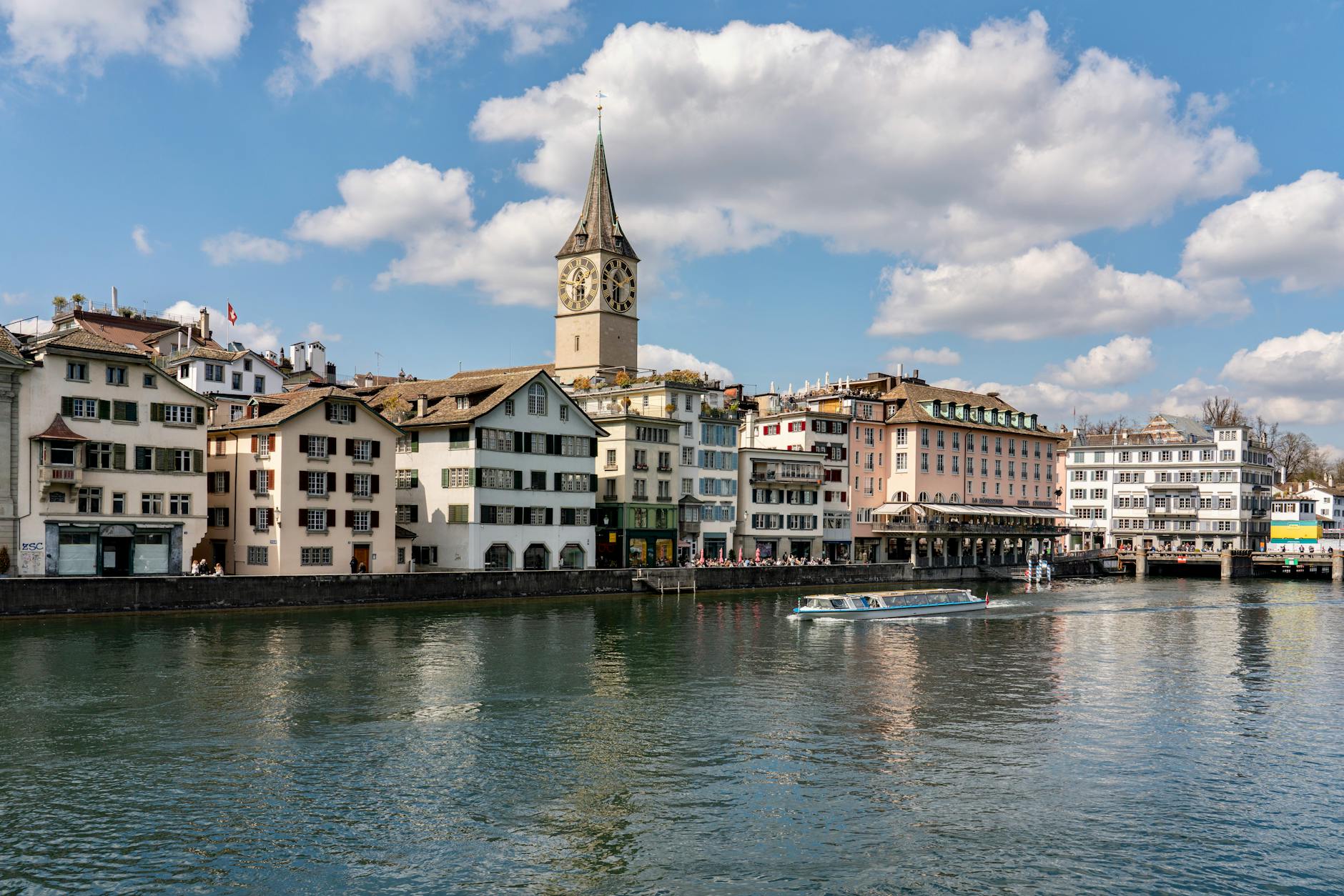
A Zurich tourist should begin with the core geography: the old town on both sides of the Limmat, the lakefront, bridges, church towers, Bahnhofstrasse, and Hauptbahnhof. These sights are close enough to combine, but the day is better when the route moves in one direction instead of repeatedly crossing the center.
The first walk should give the traveler a mental map for the rest of the trip.
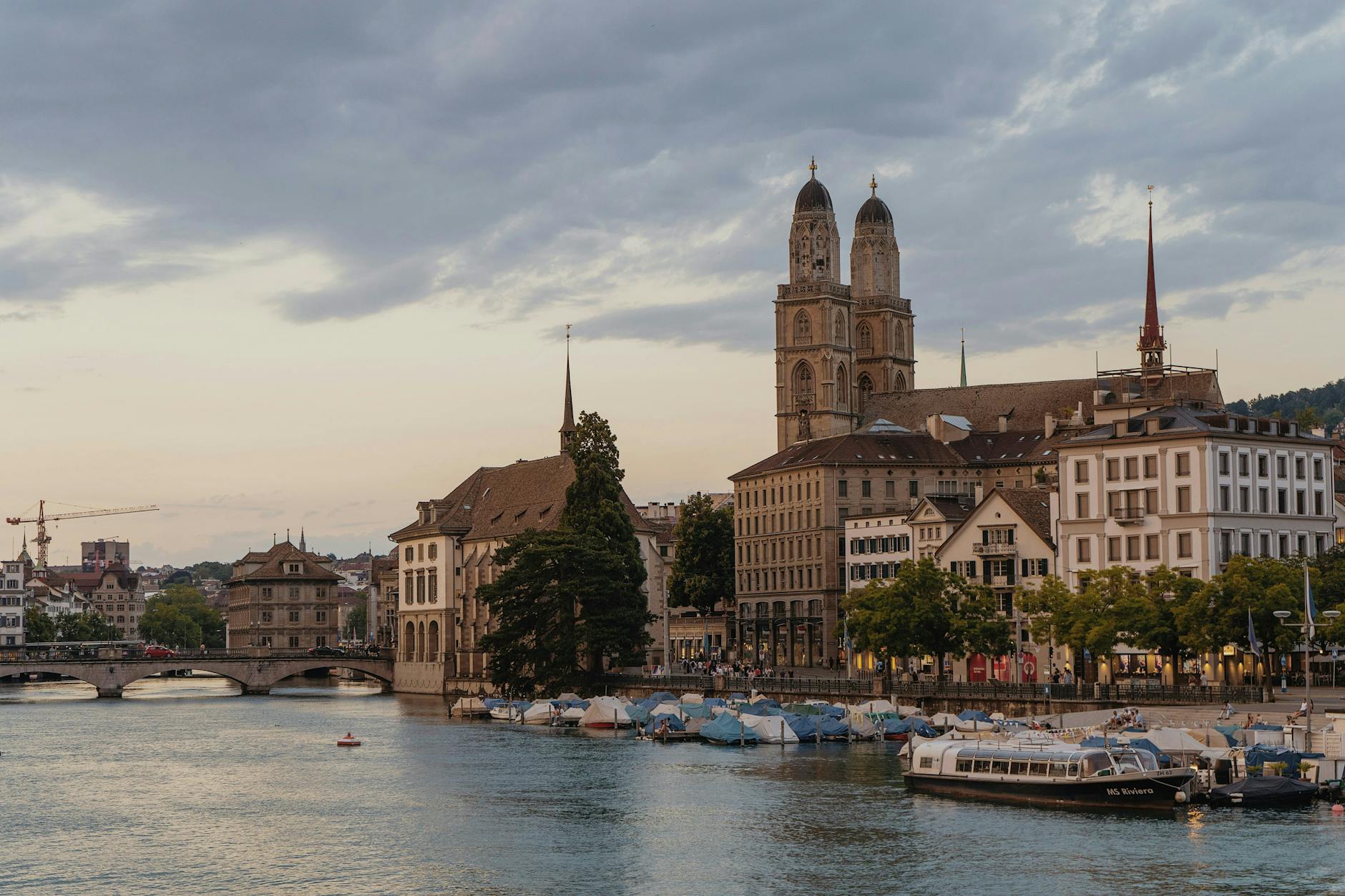
- Pair the old town, Limmat bridges, Grossmunster, Fraumunster exterior views, Bahnhofstrasse, and the lakefront in one planned loop.
- Use river and lake viewpoints early so later meals, museums, and shops make more spatial sense.
- Leave time to pause on the waterfront instead of treating Zurich as a checklist of landmarks.
Make arrival through the airport or Hauptbahnhof easy
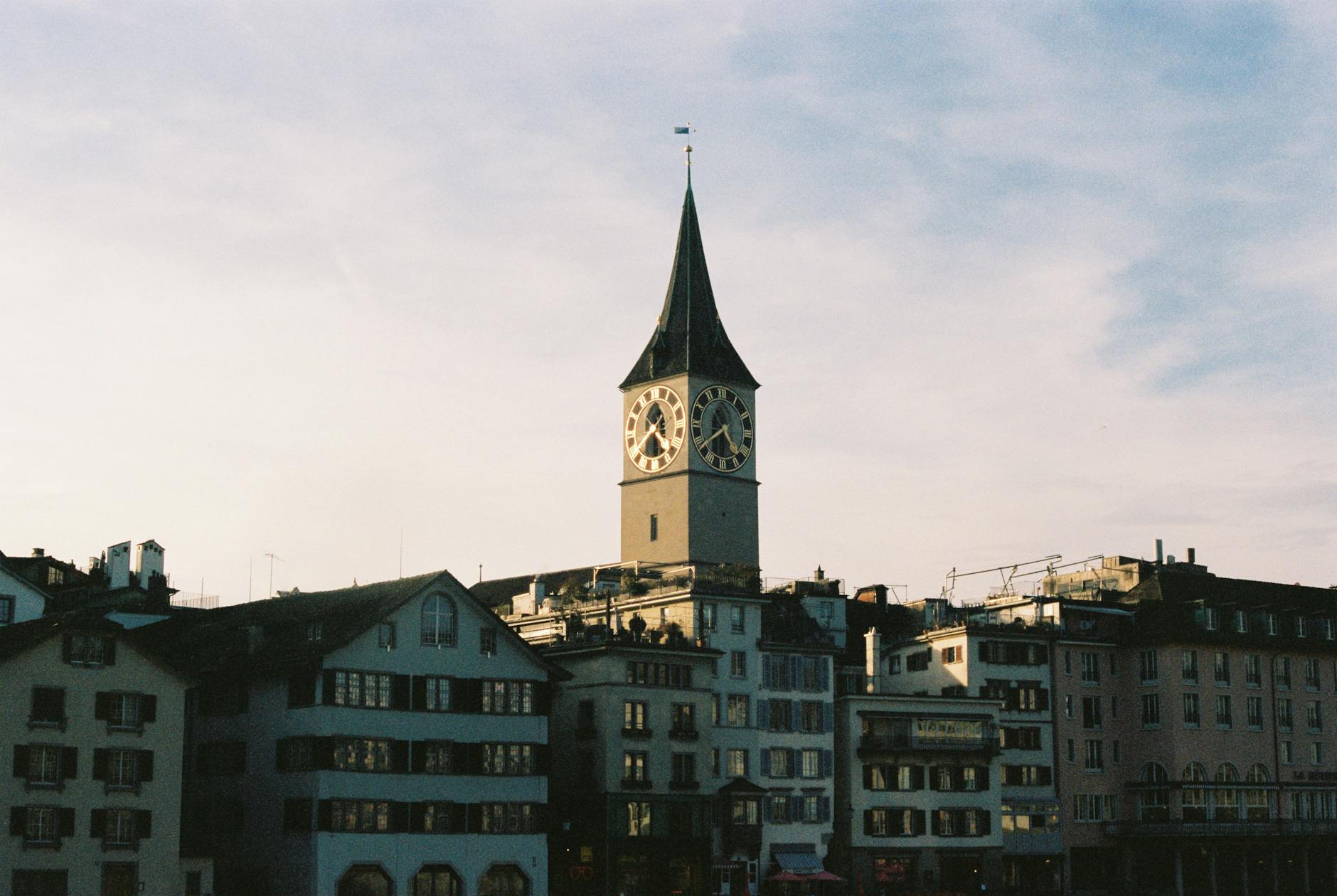
Zurich Airport and Zurich Hauptbahnhof are both efficient, but the tourist still needs to account for luggage, ticket choice, hotel check-in, and the first meal. A hotel that looks slightly cheaper can become awkward if every day begins with a transfer across the city. The arrival plan should protect the first usable hours.
The goal is to reach the hotel, settle in, and start the city without spending the first afternoon solving basics.
- Check rail timing from Zurich Airport, walking distance from the stop, hotel luggage storage, and check-in rules.
- Choose lodging around the old town, Hauptbahnhof, lakefront, or a simple tram line rather than price alone.
- Keep the first day close to the hotel if the flight, jet lag, or weather could reduce energy.
Use trams and boats to reduce wasted walking
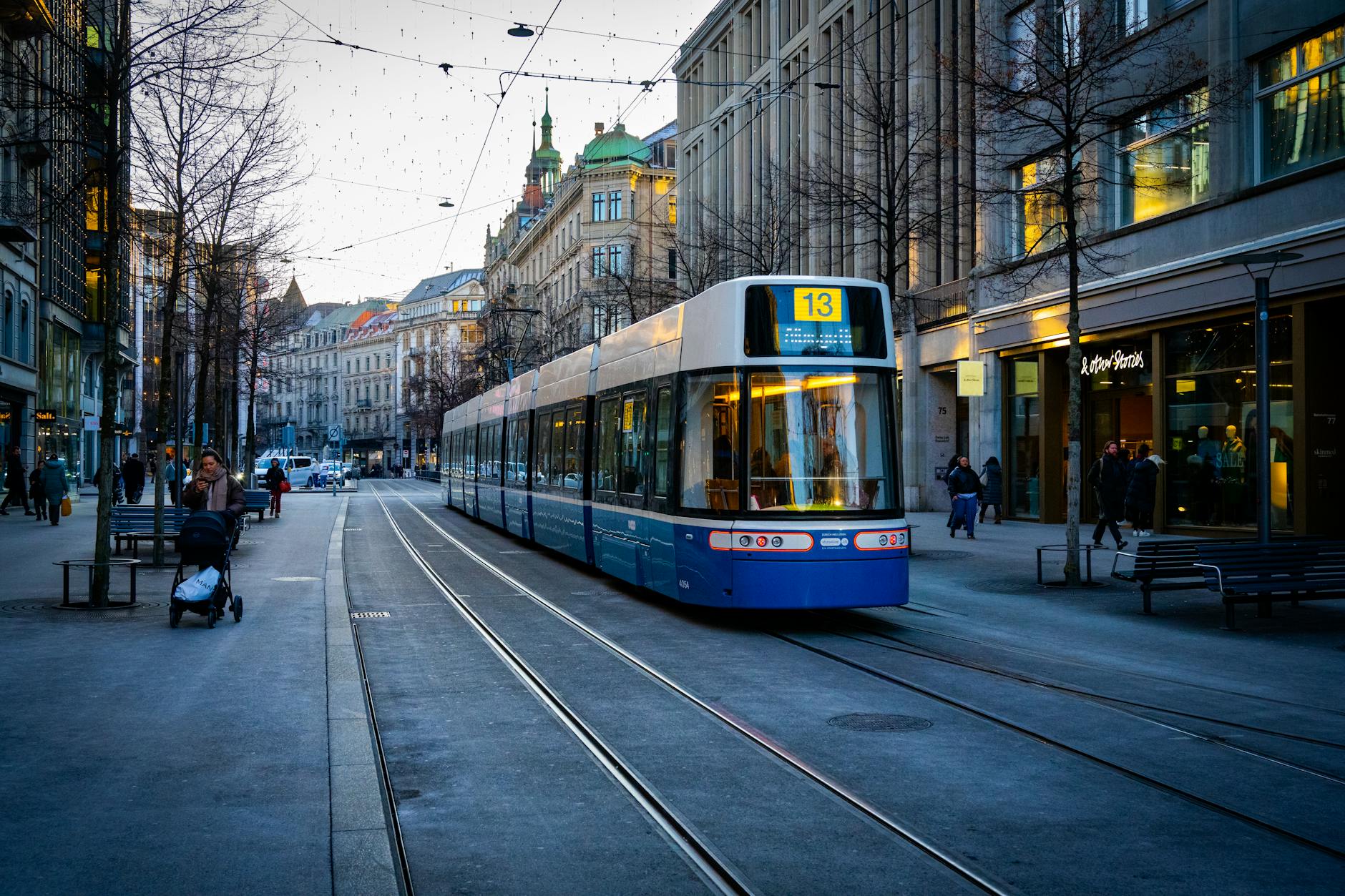
Zurich is walkable in the center, but a tourist can lose time and energy by walking every segment. Trams, short rail rides, and lake boats can make the city easier, especially in rain, summer heat, winter darkness, or with limited time. The traveler should decide before each day which movement is scenic and which is just transport.
Good transit use lets the visitor spend more time where Zurich feels distinctive.
- Check whether a day ticket, Zurich Card, point-to-point tickets, or walking makes sense for the actual itinerary.
- Use trams for cross-town moves and lake boats when the ride itself is part of the experience.
- Avoid long backtracking walks between the lake, old town, museums, and dinner plans.
Plan food and costs before the day gets expensive
Zurich can surprise tourists who arrive with casual restaurant assumptions. Coffee, casual meals, lakefront dining, museum admissions, taxis, and last-minute hotel changes can add up quickly. The visitor does not need to avoid paid experiences, but should know where the day will be expensive and where simple choices are enough.
A cost-aware tourist trip feels calmer because the spending is intentional.
- Pick one or two paid meals or experiences that matter and use bakeries, groceries, cafes, or quick options elsewhere.
- Check restaurant hours, reservation needs, service style, and card acceptance before evening plans.
- Reserve taxis, lakefront dining, and premium views for moments where convenience or setting is worth the price.
Choose one scenic add-on
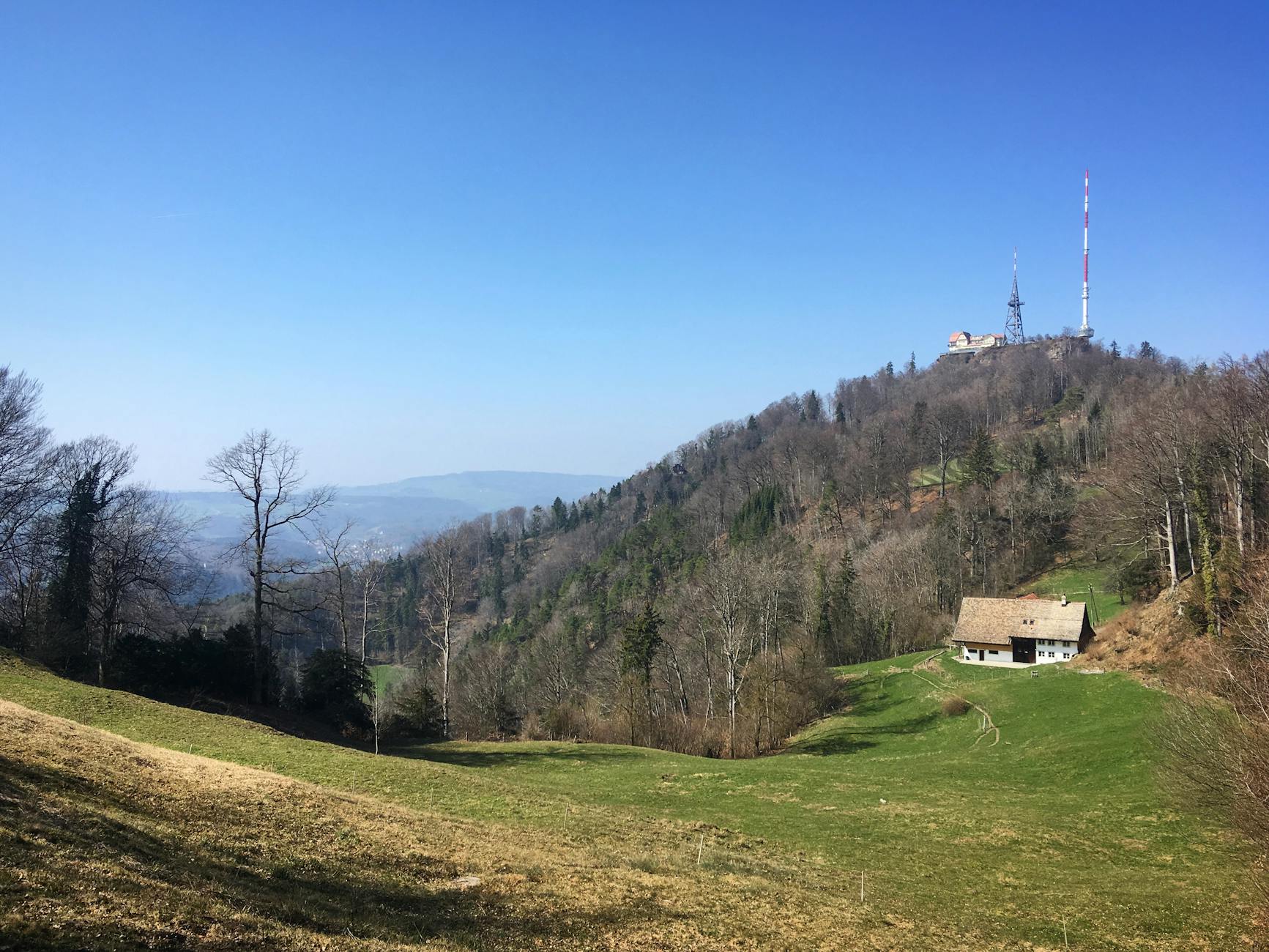
A short Zurich tourist trip usually has room for one scenic addition, not several. Uetliberg, a longer lake boat ride, a museum block, a viewpoint, or a nearby day trip can all work, but only if weather, transport time, and opening hours fit. The traveler should decide which add-on improves the trip rather than filling a vague empty slot.
A single well-timed add-on is usually better than a crowded list of Swiss extras.
- Choose between Uetliberg, a lake boat, a museum, a viewpoint, or a nearby excursion based on weather and available hours.
- Keep the add-on reversible if the forecast changes or the traveler needs a slower day.
- Avoid turning a short Zurich stay into a rushed sequence of half-finished side trips.
Keep weather and Sunday hours in the plan
Zurich changes with rain, fog, heat, snow, and Sunday closures. A tourist itinerary should have indoor and outdoor versions, especially for a short stay with little room to recover from a poorly timed day. The traveler should also check museum hours, shops, restaurants, and boat schedules rather than assuming a full urban schedule every day.
The best Zurich tourist plan has a main route and a weather-proof version.
- Check forecasts for lake visibility, Uetliberg views, rain, winter darkness, summer heat, and walking comfort.
- Confirm Sunday and holiday hours for shops, museums, restaurants, boats, and special sights.
- Keep a museum, cafe, covered tram route, or shorter old-town loop ready for bad weather.
When to order a short-term travel report
A tourist with a flexible weekend and one central hotel may be able to plan Zurich alone. A report becomes useful when the stay is brief, hotel prices are high, arrival or departure is tight, the traveler wants a scenic add-on, or the trip needs to balance Zurich with another Swiss destination.
The report should test arrival transfer, hotel base, first-day route, old town and lake timing, ticket choices, meal strategy, weather alternatives, Sunday hours, and the best single add-on. The value is a Zurich tourist visit that feels composed instead of improvised.
- Order when limited time, high hotel rates, weather, Sunday hours, or a possible day trip make the plan harder.
- Provide dates, arrival point, hotel options, budget range, interests, pace, and departure time.
- Use the report to turn Zurich's compact layout into a clear short-stay route.