
A short student program in Zurich can be rewarding, but the city needs practical planning before arrival. Program sessions may be tied to ETH Zurich, the University of Zurich, a language school, a partner institution, or a rented classroom. Housing, transit, food prices, group rules, insurance, academic expectations, and weekend choices all shape the experience. The student should arrive with a plan that supports both study and a manageable city routine.
Confirm the program location and daily route
A Zurich student should know exactly where classes, workshops, labs, language sessions, or field visits meet. A program may use ETH, the University of Zurich, a partner office, a museum space, or a rotating set of venues. Housing should be evaluated by the daily route, not only by the neighborhood name.
The first academic day should feel familiar before the student arrives.
- Map the classroom, campus, housing, Hauptbahnhof, Zurich Airport, grocery options, and evening return routes.
- Check whether sessions meet in one place or move between campuses, offices, museums, and field sites.
- Practice the first-day route on a map, including tram stops, walking time, and backup options.
Understand housing rules before arrival
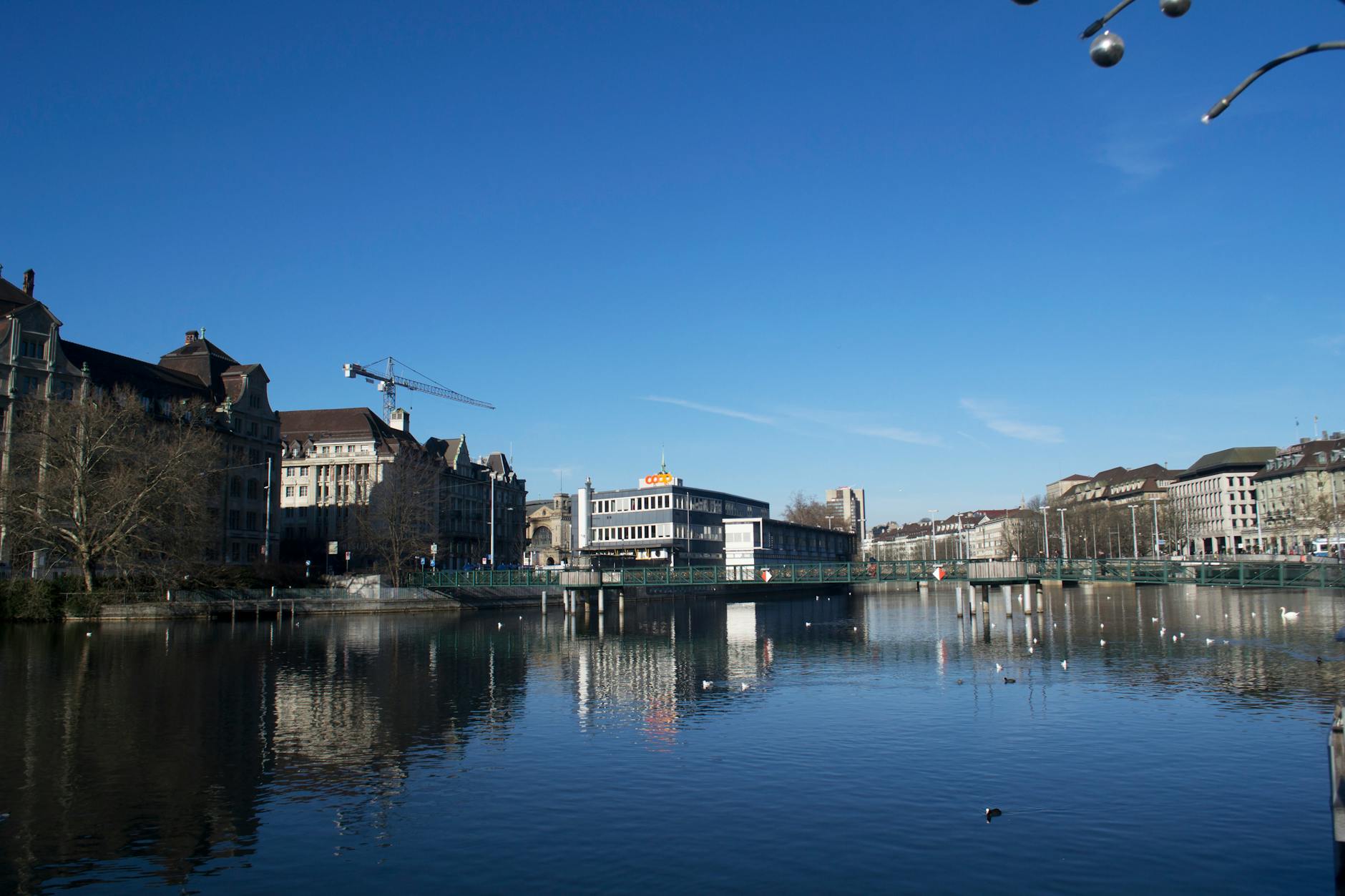
Student housing, hostels, homestays, dorms, and shared apartments can all work differently in Zurich. The student should know check-in hours, quiet rules, kitchen access, laundry, guests, curfew expectations, deposit requirements, and how to reach staff after hours. These details matter more on a short program because there is little time to adjust.
Housing rules are part of the academic logistics.
- Confirm check-in, key pickup, deposits, quiet hours, kitchen access, laundry, guests, and after-hours support.
- Check bedding, towels, adapters, heating or cooling, storage, and the nearest grocery store.
- Share housing address and emergency contacts with the program and a trusted contact at home.

Plan transit and student discounts carefully
Zurich transit can be excellent for students, but the right ticket depends on zones, program length, age, school documentation, housing location, and weekend plans. Walking may be enough for some central days, while a pass may be necessary for campus commutes or field visits. The student should avoid guessing at the station under pressure.
Transit planning protects both money and attendance.
- Compare single tickets, day tickets, weekly options, student eligibility, airport zones, and any program-provided pass.
- Know the route to class, the route home after evening activities, and the route to Zurich Airport.
- Keep ticket rules clear so fines do not become an avoidable student-budget problem.

Build a food plan around Zurich prices
Zurich can strain a student budget quickly if every meal is improvised. Groceries, bakeries, program cafeterias, simple takeaway, and shared cooking can make the city more manageable. The student should still leave room for one or two social meals, because short programs often build friendships outside class.
The food plan should support both budget and belonging.
- Identify nearby grocery stores, bakeries, cafeterias, student meal options, and affordable takeaway before arrival.
- Clarify which meals are included by the program and which are fully self-funded.
- Reserve a small amount for group dinners, coffee meetups, or one Swiss food experience.
Take academic and group obligations seriously
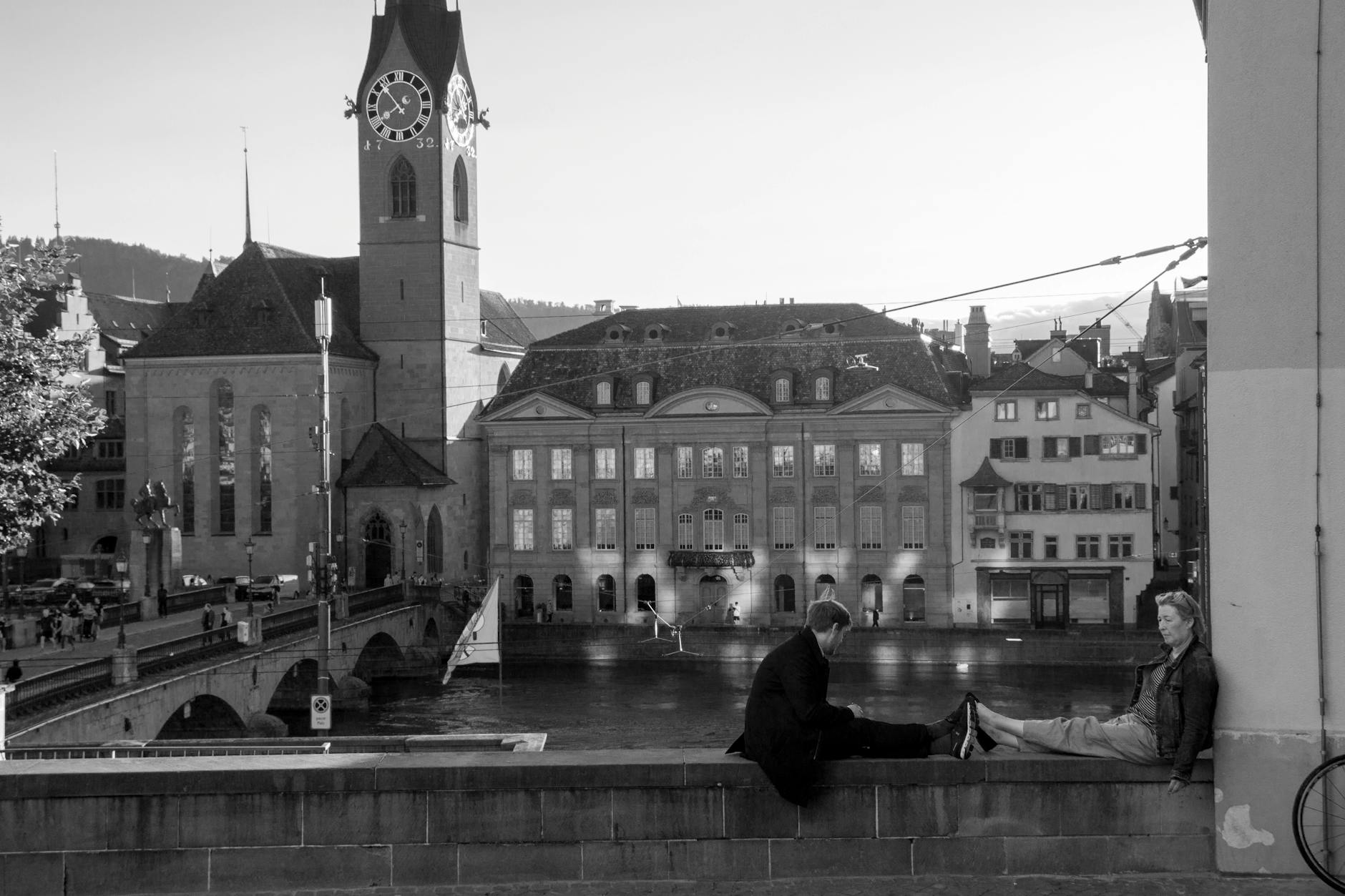
A short Zurich program may include attendance rules, readings, site visits, group work, presentations, language practice, or professional visits. The student should treat the schedule as fixed first, then add city time around it. Late nights, day trips, and casual plans can become costly if they weaken participation.
The city is easier to enjoy when the academic responsibilities are stable.
- Confirm attendance rules, required materials, dress expectations, site-visit timing, and presentation obligations.
- Carry notebooks, laptop, chargers, adapters, ID, student documents, and any program forms each day.
- Plan social time after checking the next morning's workload and route.
Use free time without overspending
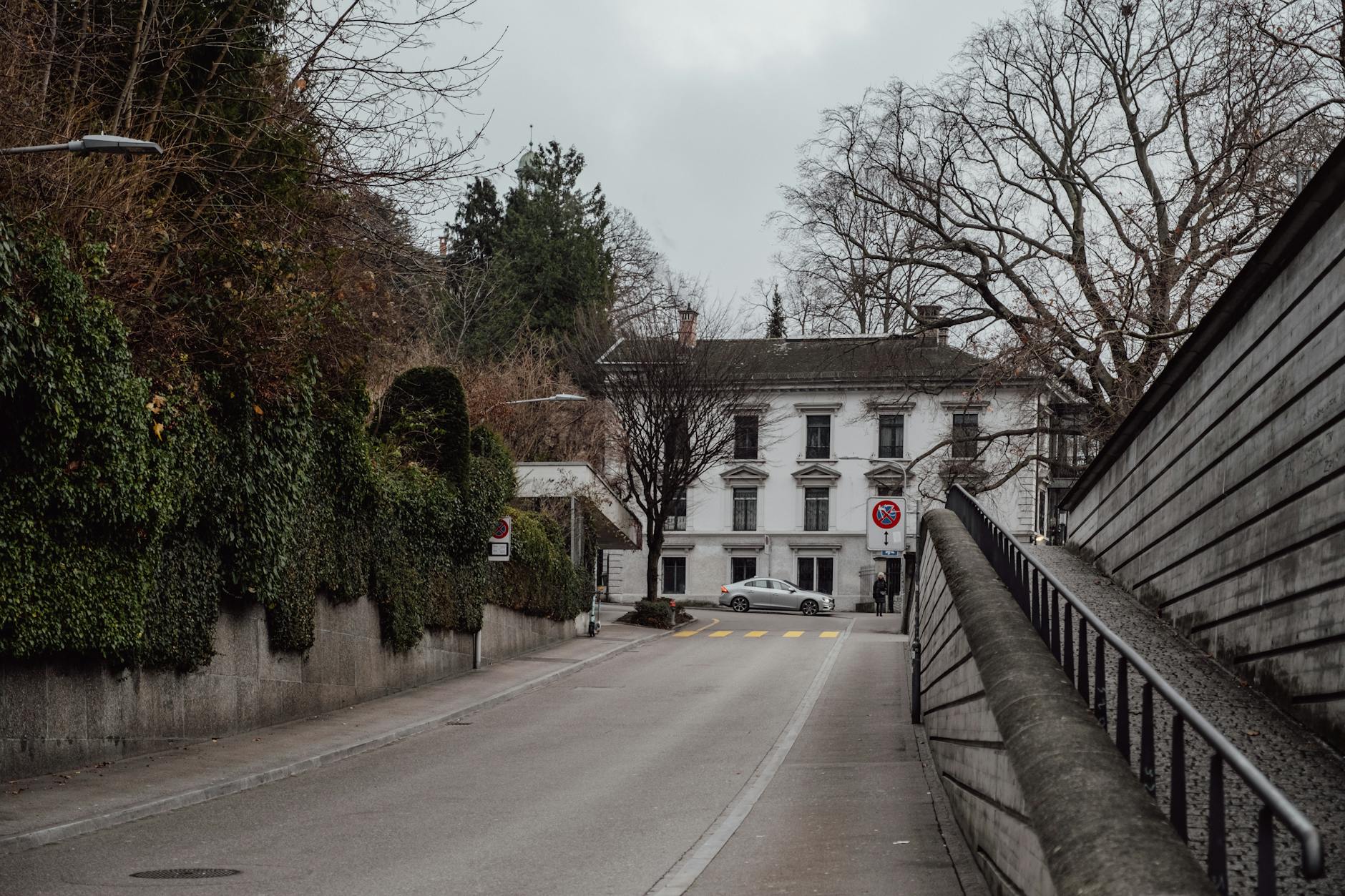
A student on a short program can see a lot of Zurich without making the budget collapse. The old town, Limmat, lakefront, viewpoints, public squares, parks, and window-shopping can fill free time well. Paid museums, lake boats, or day trips should be chosen selectively and only after class obligations and weather are checked.
Free time should feel intentional, not like a spending trap.
- Use the old town, Limmat, Lake Zurich, viewpoints, parks, and public squares as low-cost anchors.
- Choose paid museums, boats, or excursions only when time, weather, and budget all fit.
- Keep group plans realistic so peer pressure does not drive avoidable spending.

When to order a short-term travel report
A student on a fully organized Zurich program may not need a custom report if housing, meals, and transit are already handled. A report becomes useful when the student must choose housing, manage a tight budget, arrive alone, compare passes, handle health needs, or add independent travel before or after the program.
The report should test housing location, classroom route, airport arrival, transit passes, food budget, academic obligations, health support, free-time options, and departure logistics. The value is a Zurich student stay that leaves enough attention for learning and enough structure for the city.
- Order when housing, transit, food costs, arrival, health support, or independent travel needs clearer decisions.
- Provide dates, program location, housing options, budget, age, student documents, health needs, and free-time interests.
- Use the report to make Zurich practical for the student before the program starts.