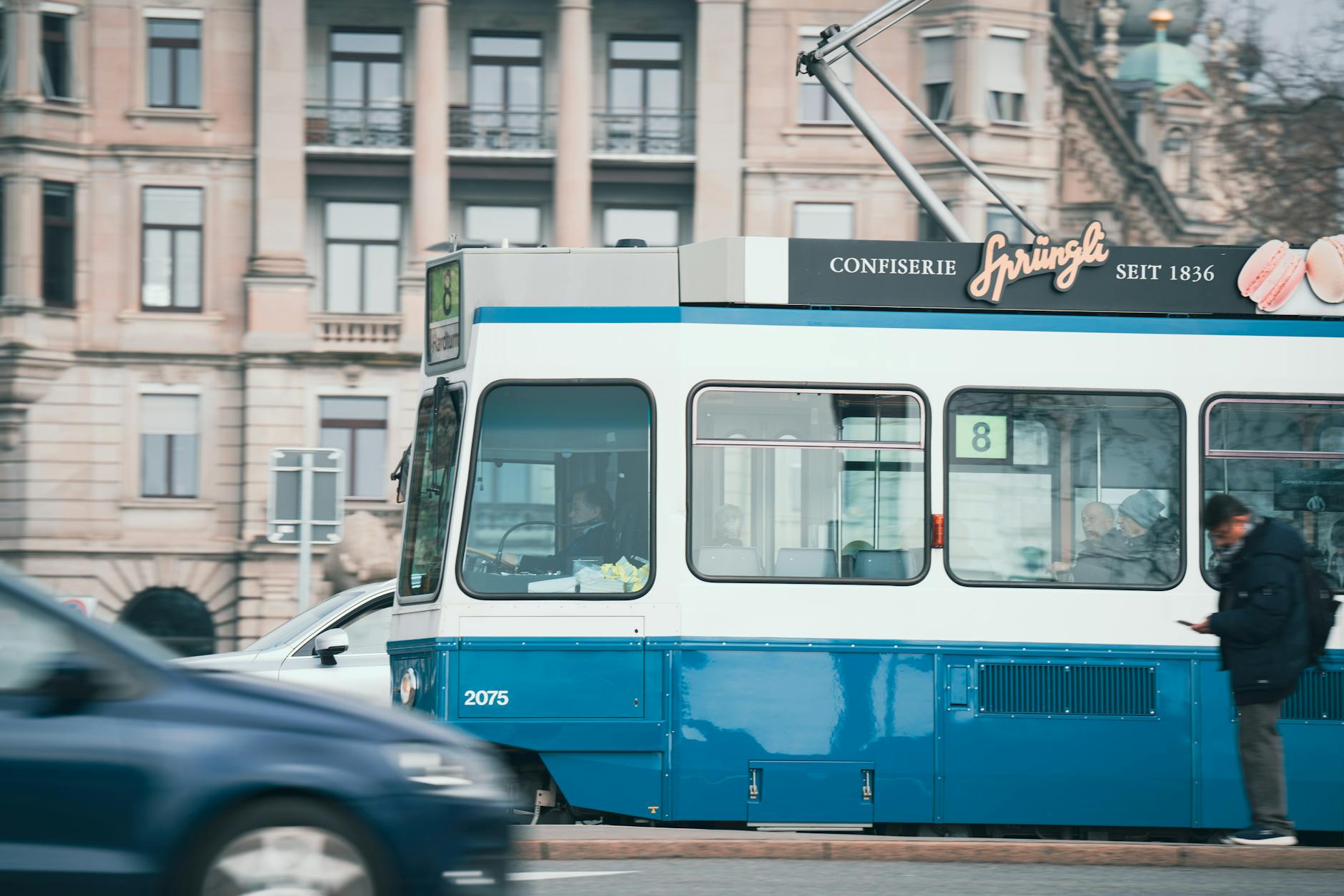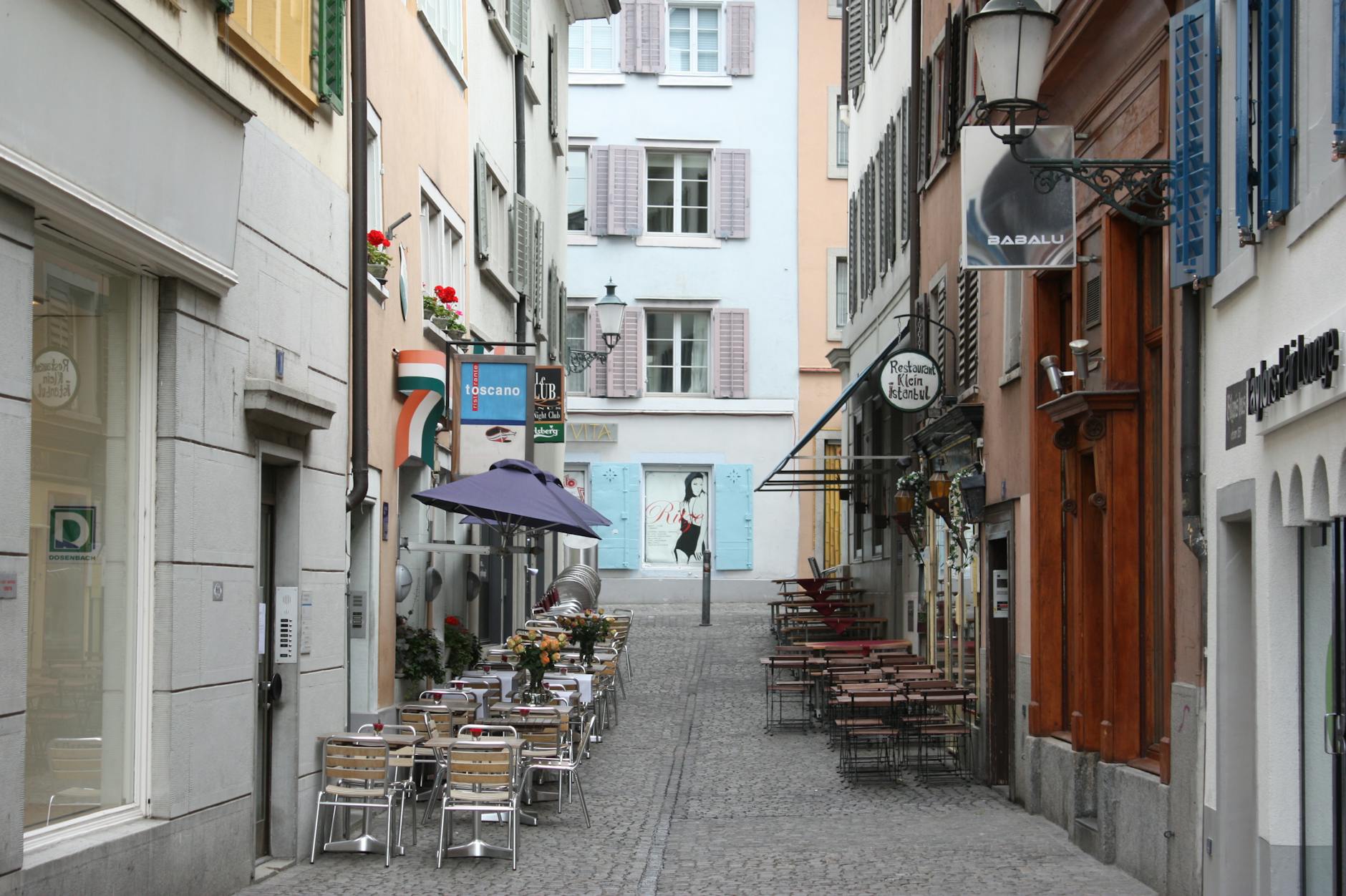
A solo trip to Zurich can feel easy because the city is orderly, scenic, and well connected. That ease should not turn into autopilot. A solo traveler still needs to think about hotel location, arrival timing, evening movement, restaurant comfort, cost, phone battery, and how much walking makes sense across the old town, Limmat, lakefront, and tram network. Zurich rewards a solo traveler who chooses fewer routes and uses them well.
Choose a base that simplifies returns
A solo traveler should choose a Zurich hotel by how it feels at arrival, after dinner, and in bad weather. A central base near Hauptbahnhof, a tram stop, the old town, or the lake can make the trip more relaxed. A cheaper room farther out may still work, but only if late returns and luggage movement are easy.
The best solo base is the one that removes small decisions when the traveler is tired.
- Check hotel distance to tram stops, Hauptbahnhof, evening food, airport transfer, and well-lit returns.
- Avoid lodging that saves money but adds repeated uncertainty after dark or with luggage.
- Keep the hotel address saved offline and in a format easy to show a driver or station staff.
Make the first hour easy
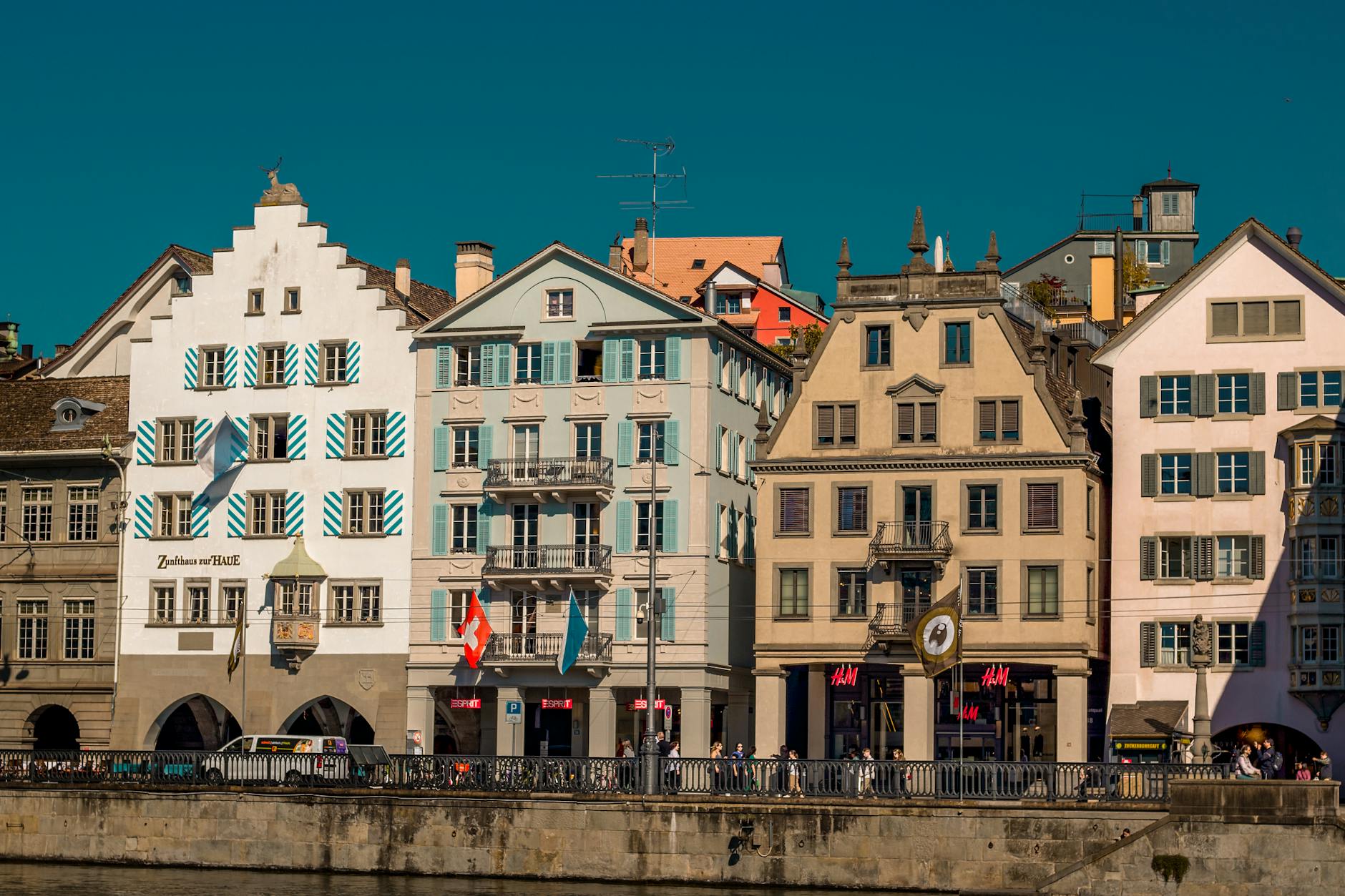
Zurich Airport and Hauptbahnhof are efficient, but a solo traveler should still make the first hour simple. The traveler should know the transfer route, ticket choice, platform or tram stop, hotel check-in plan, and what to do if the room is not ready. Solo arrival is easier when luggage, phone battery, and payment are handled before leaving the airport or station.
A clear first hour prevents the whole day from feeling improvised.
- Plan the airport or rail arrival route, ticket, hotel bag drop, and backup if check-in is delayed.
- Keep phone battery, offline maps, payment, and hotel confirmation available.
- Do not add sightseeing before the luggage and orientation problem is solved.
Use the old town in daylight first
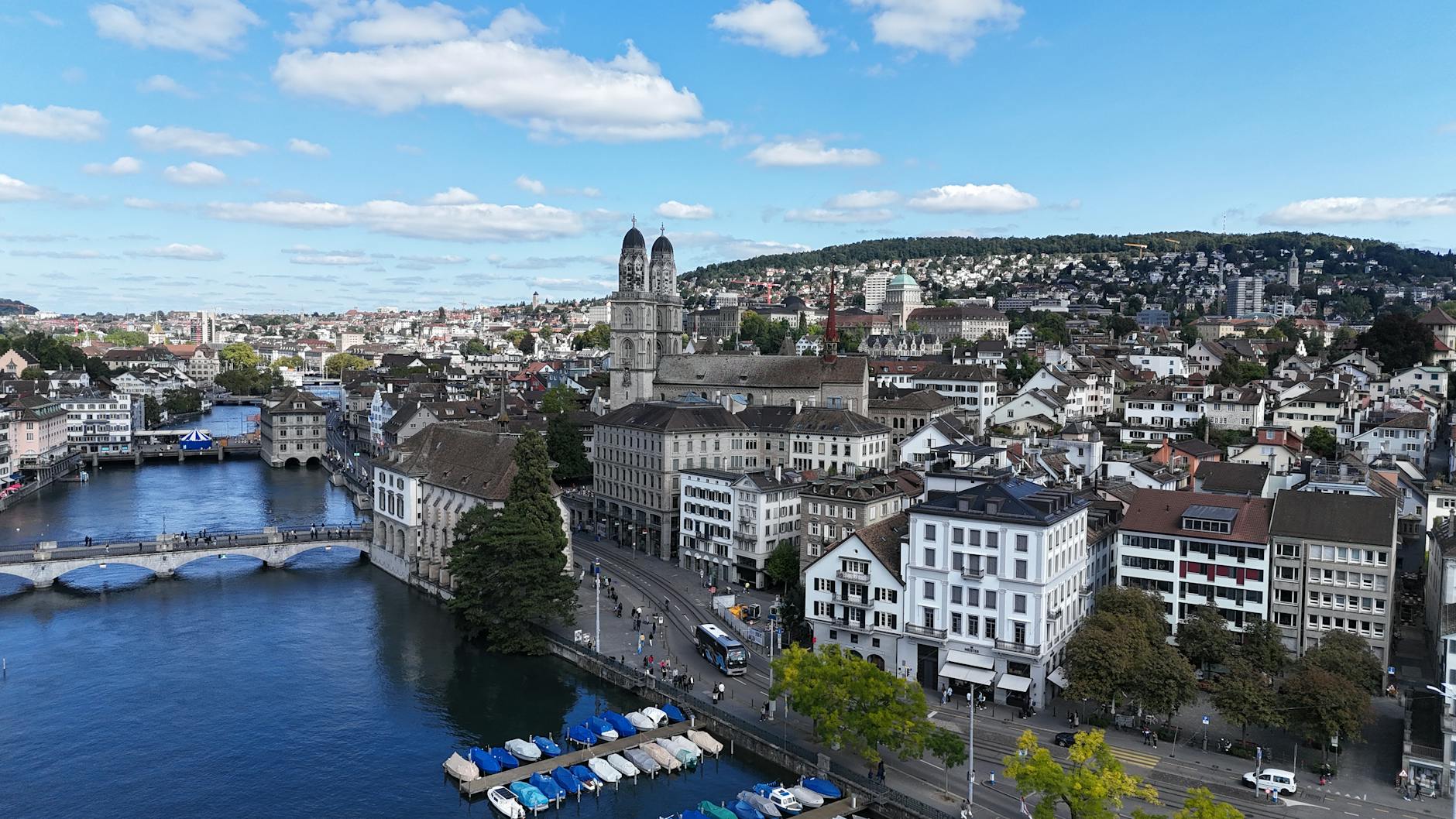
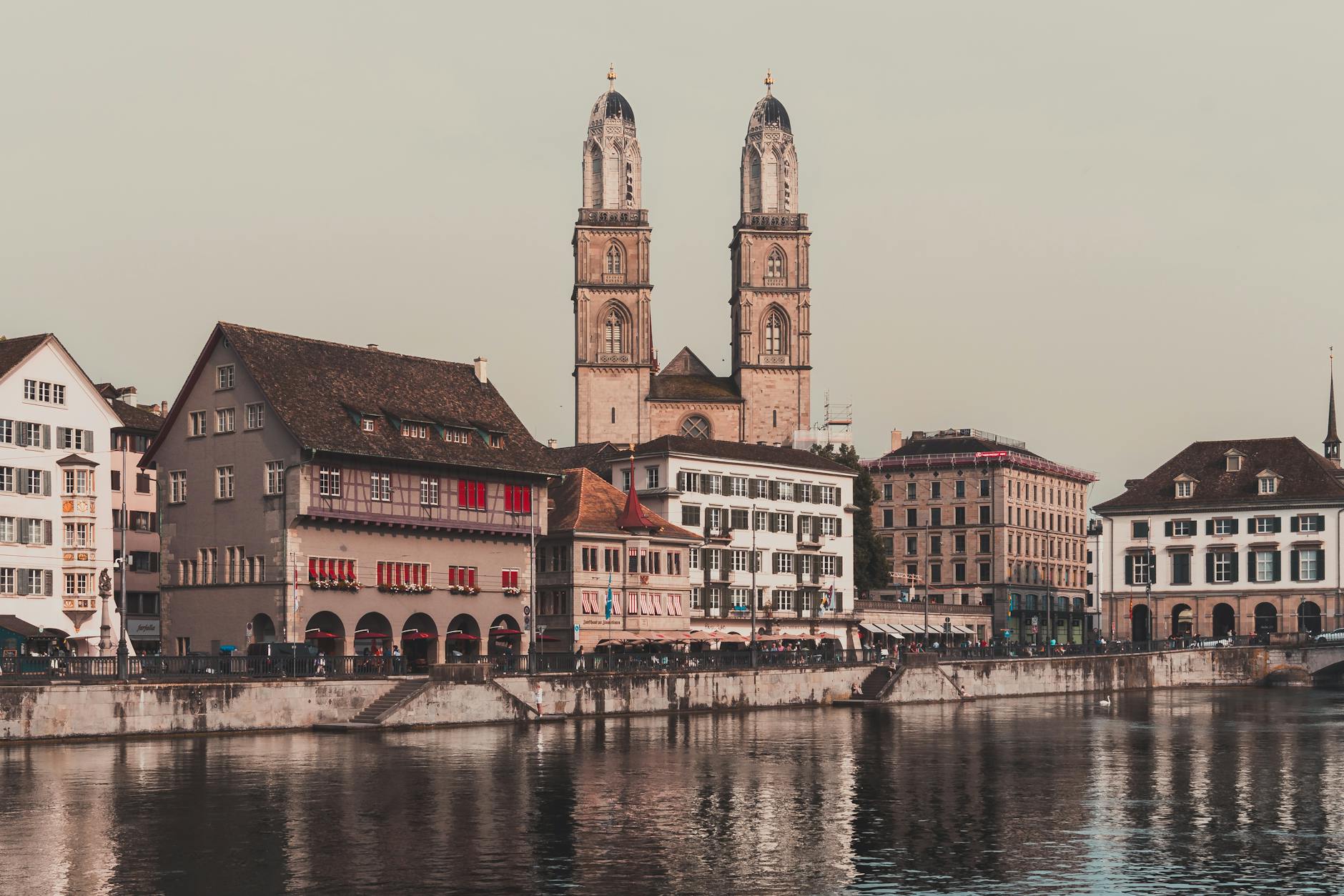
Zurich's old town is attractive for solo wandering, but it is easier to understand in daylight. A traveler can identify the river crossings, tram stops, cafes, dinner areas, and quieter lanes before deciding where to return in the evening. The old town should feel familiar before it becomes the backdrop for late plans.
A daylight walk gives the solo traveler a mental map for the rest of the stay.
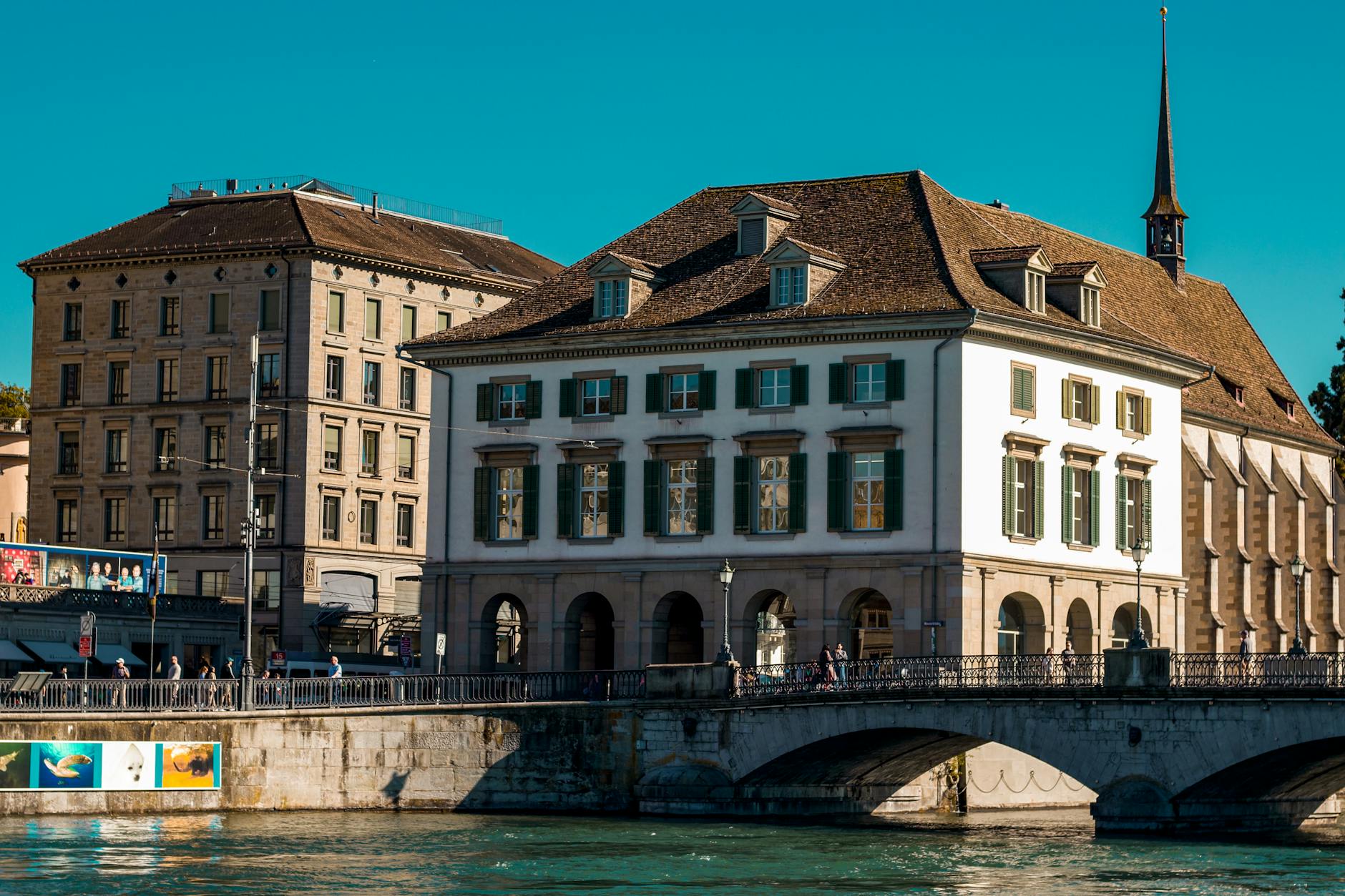
- Walk the old town, Limmat bridges, Grossmunster area, and nearby tram stops early in the trip.
- Notice cafes, dinner options, public transport, and well-lit return routes.
- Use evening time selectively in areas already understood from daylight.
Plan solo meals without defaulting to snacks
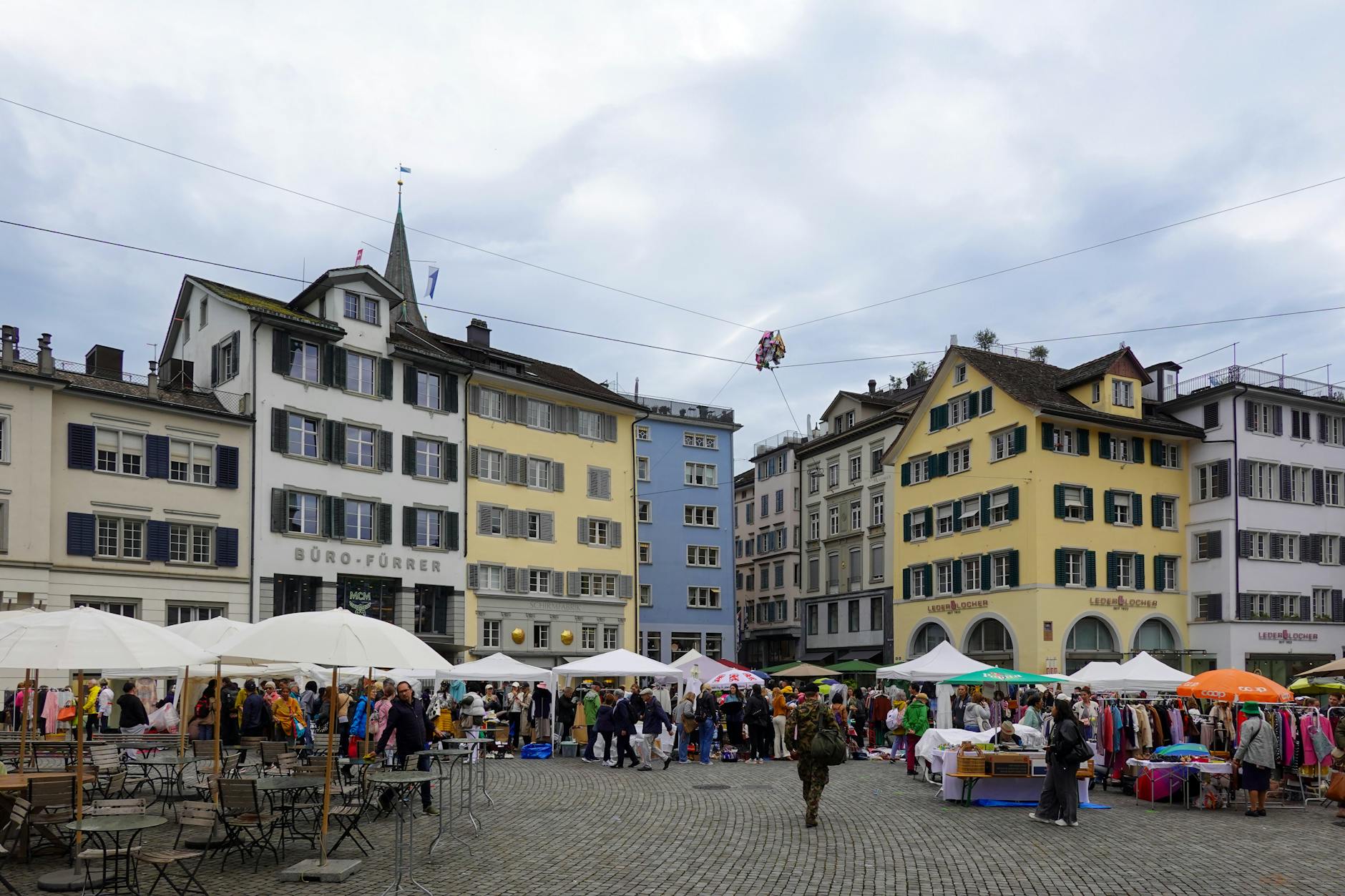
Solo travelers sometimes under-plan meals, especially in an expensive city. Zurich can support comfortable solo dining if the traveler chooses the right setting: hotel restaurant, cafe, market hall, casual Swiss meal, lakeside terrace, or a reservation at a counter-friendly place. The traveler should not rely on finding something after becoming hungry and tired.
A good meal plan gives structure to a solo day.
- Identify solo-friendly cafes, casual restaurants, bakeries, hotel options, and one reserved dinner if desired.
- Check opening hours, reservation expectations, cost, and distance back to the hotel.
- Use lunch as the main meal if evenings feel better kept simple.
Keep evenings specific
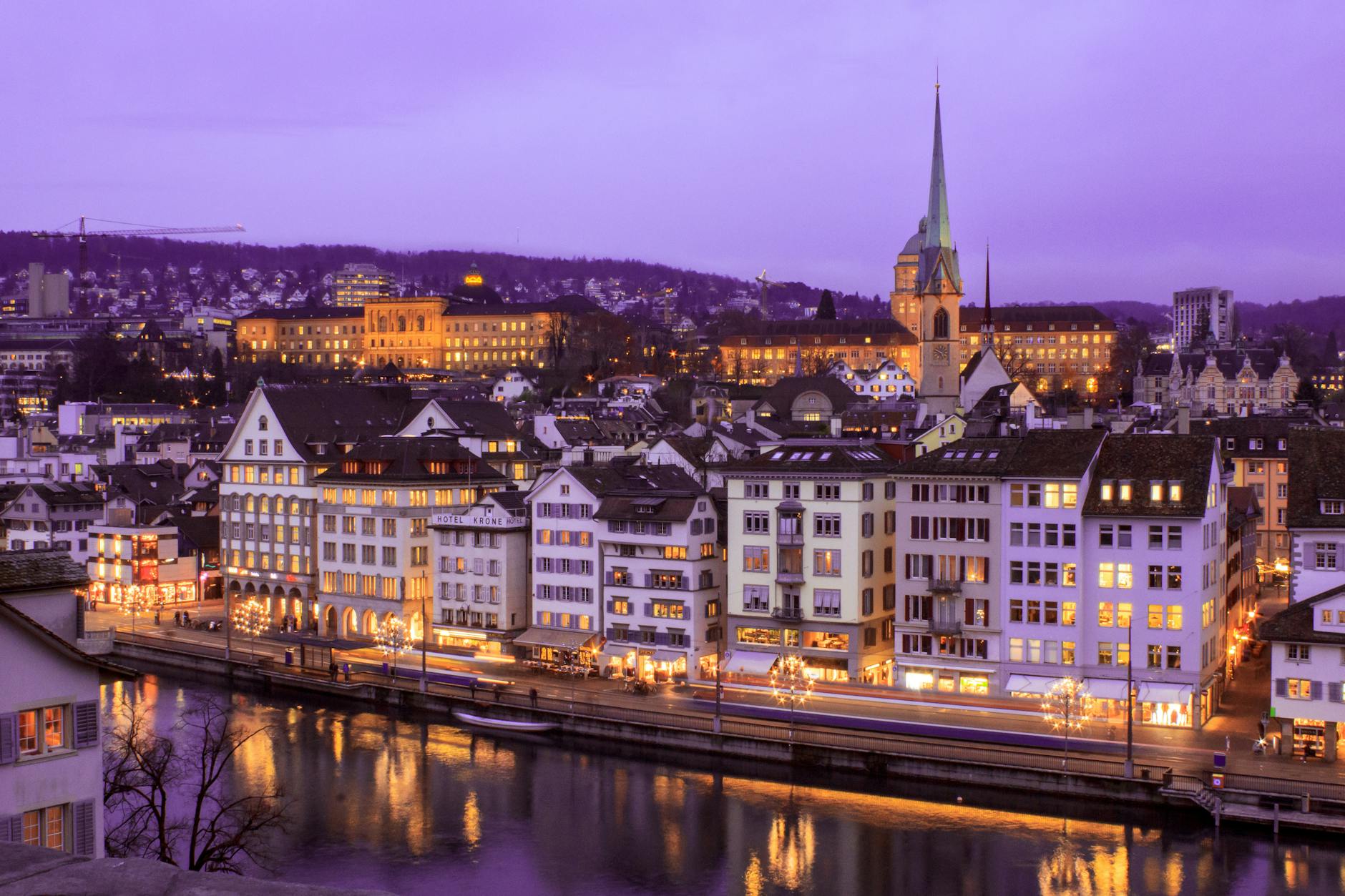
Zurich evenings can be pleasant for a solo traveler, but vague plans are less useful than specific ones. A lakefront walk before dark, a dinner reservation, a museum evening, a concert, a bar near the hotel, or a tram-linked neighborhood can all work. The traveler should know the return route before the evening begins.
The strongest solo evening has a purpose, a route, and an easy finish.
- Choose one evening plan: lake walk, dinner, concert, museum, hotel bar, or old-town route.
- Check transit hours, walking distance, weather, phone battery, and return options.
- Avoid extending the night just because the first plan went well.
Use cost as a planning tool
Zurich costs can shape solo travel more sharply because there is no one to split rooms, taxis, or some meals. The traveler should decide where to spend and where to simplify. A better hotel location, a direct taxi in bad weather, or one strong restaurant may matter more than a longer list of paid attractions.
The goal is not to make Zurich cheap. The goal is to make each expense support the trip.
- Budget for solo hotel cost, meals, coffee, transit, museum entries, and airport movement.
- Spend on location and direct movement when they reduce fatigue or late-night uncertainty.
- Use bakeries, cafes, lake walks, and trams to keep the trip balanced.
When to order a short-term travel report
A solo traveler with a central hotel and an easy schedule may not need a custom Zurich report. A report becomes useful when the traveler is unsure about hotel area, late arrival, evening routes, meal comfort, budget, a possible day trip, or how much of Zurich can fit without making the stay tiring.
The report should test arrival route, hotel base, solo meal options, walking and tram sequence, evening plan, cost exposure, weather backup, and departure timing. The value is a Zurich solo trip that feels independent without becoming vague.
- Order when hotel area, arrival timing, evening plans, meals, budget, walking, or day-trip choices need testing.
- Provide dates, flights, hotel options, interests, budget, comfort limits, and evening preferences.
- Use the report to make a solo Zurich stay clear, flexible, and easy to finish each day.