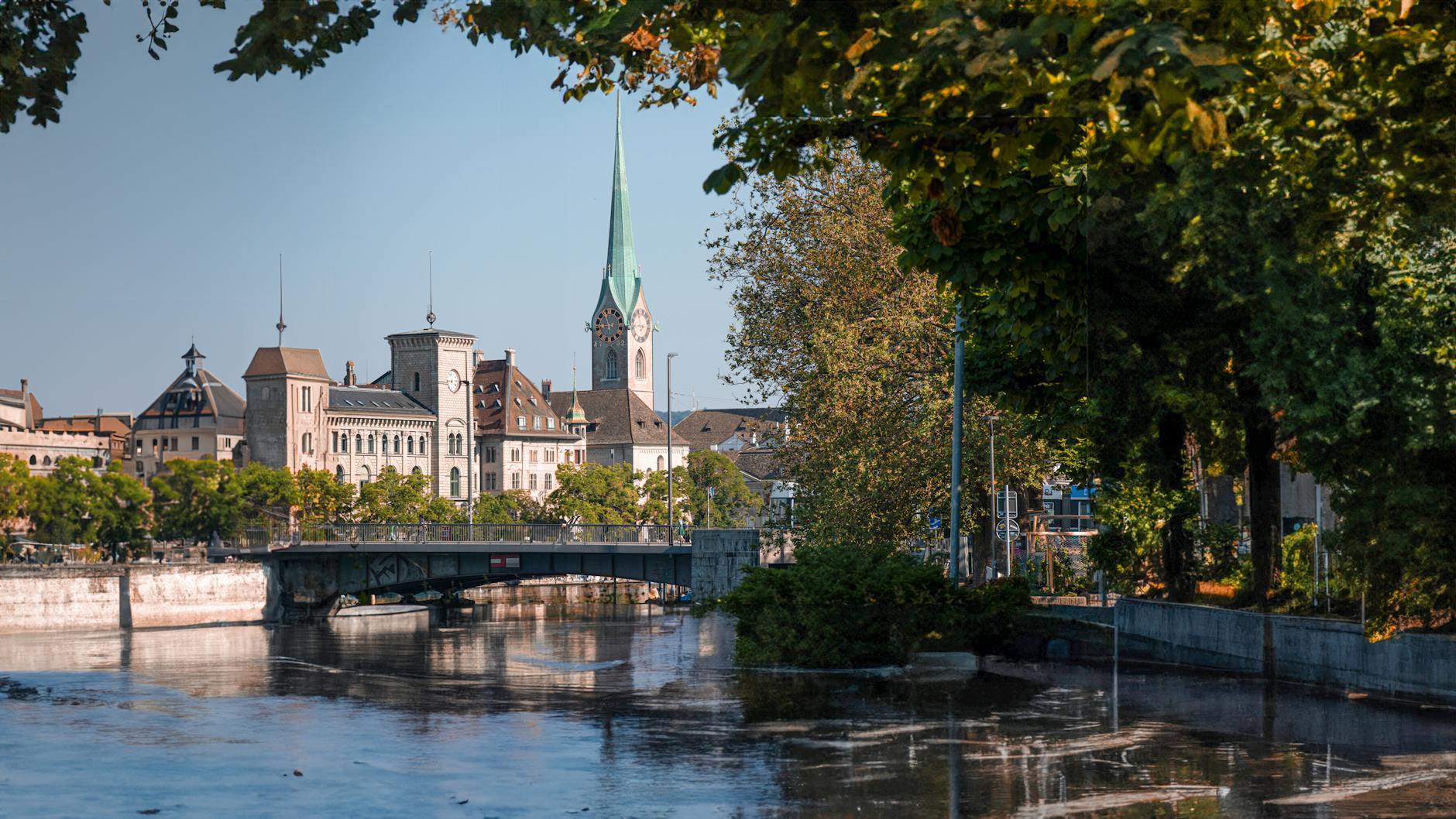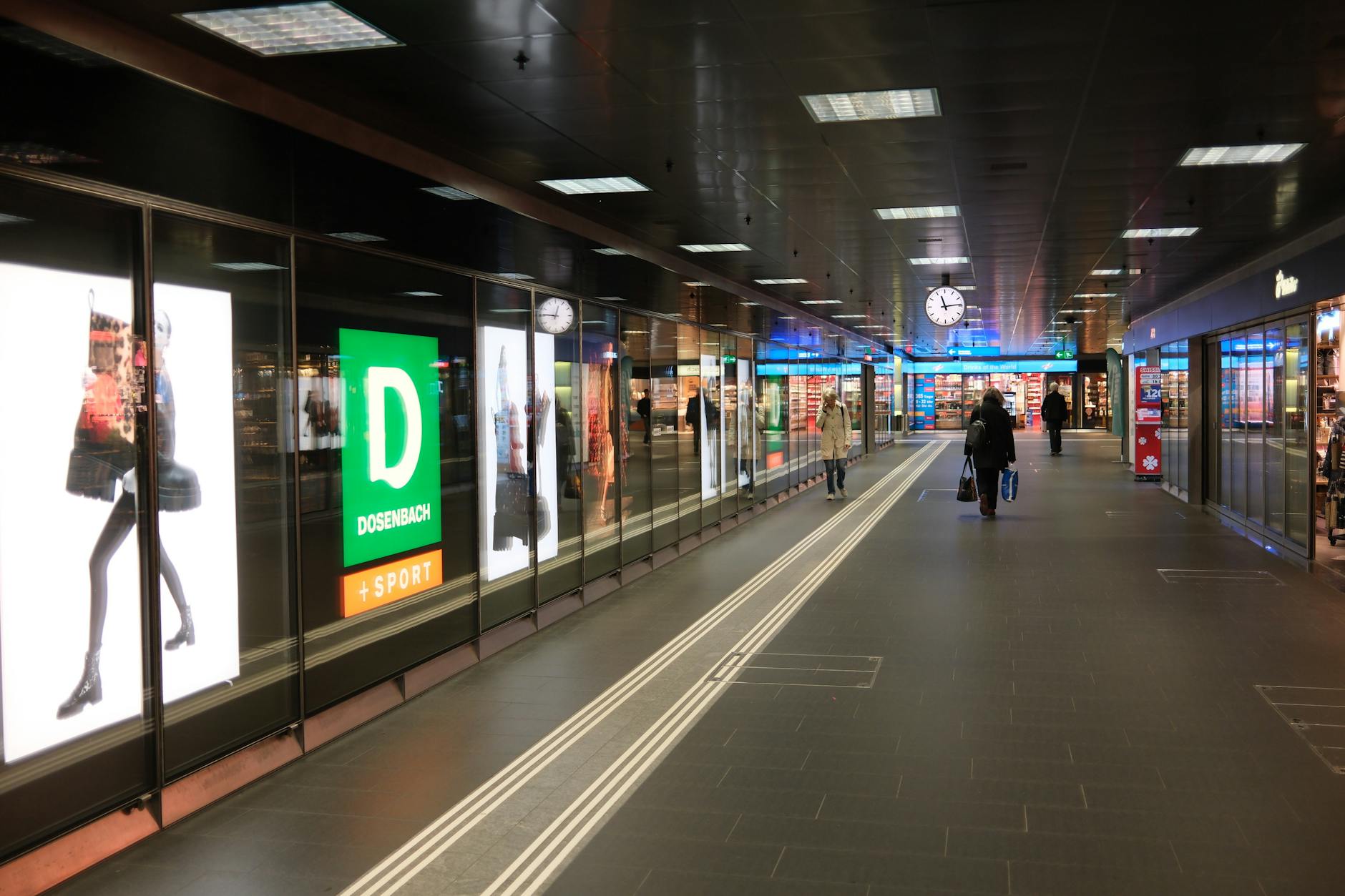
A short sales trip to Zurich should be planned around the meetings that can actually move revenue. The city is compact, precise, and expensive, with strong airport and rail links, useful trams, and client offices that may sit near Paradeplatz, Zurich West, Oerlikon, the airport, or outside the center. A good plan protects punctuality, materials, privacy, and energy so the traveler is not simply moving efficiently, but selling effectively.
Map prospects before choosing a base
A Zurich sales traveler should choose lodging after mapping the actual prospect list. A day with one meeting near Paradeplatz, another in Zurich West, and a final dinner near the lake creates different hotel needs than a day centered on Oerlikon or the airport. The best base shortens the riskiest repeated movement and protects the first meeting.
The hotel should serve the sales plan, not just the skyline view.
- Map each client office, prospect meeting, dinner location, hotel option, airport transfer, and rail connection.
- Compare central Zurich, Oerlikon, Zurich West, lake-adjacent, and airport-area lodging by actual appointment timing.
- Choose the base that protects morning punctuality and evening follow-up work.
Build arrival around the first real meeting
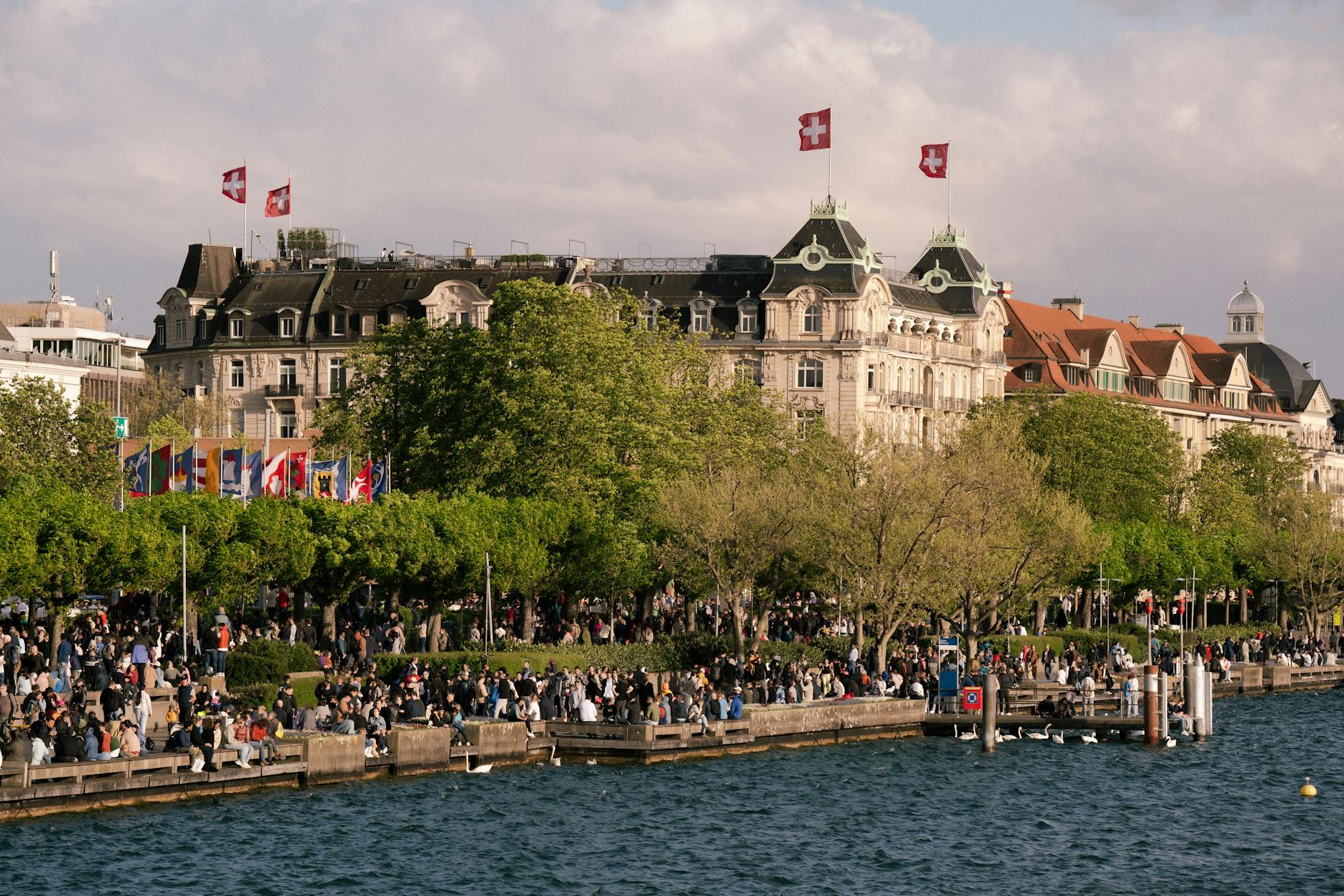
Zurich Airport can be efficient, but a sales traveler should still protect the first pitch, demo, account review, or executive introduction. Flight delays, checked bags, hotel room availability, and unfamiliar station exits can weaken the first impression. The arrival plan should include a clean route, a place to change or store bags, and enough time to reset.
The first meeting should not depend on a perfect transfer.
- Check flight arrival, luggage risk, rail or taxi transfer, hotel bag storage, and travel time to the first meeting.
- Carry sales materials, demo devices, chargers, business cards, account notes, and a change of essential clothing onboard.
- Leave a realistic buffer before high-value meetings, especially after overnight or long-haul travel.
Use punctual transit without overtrusting it
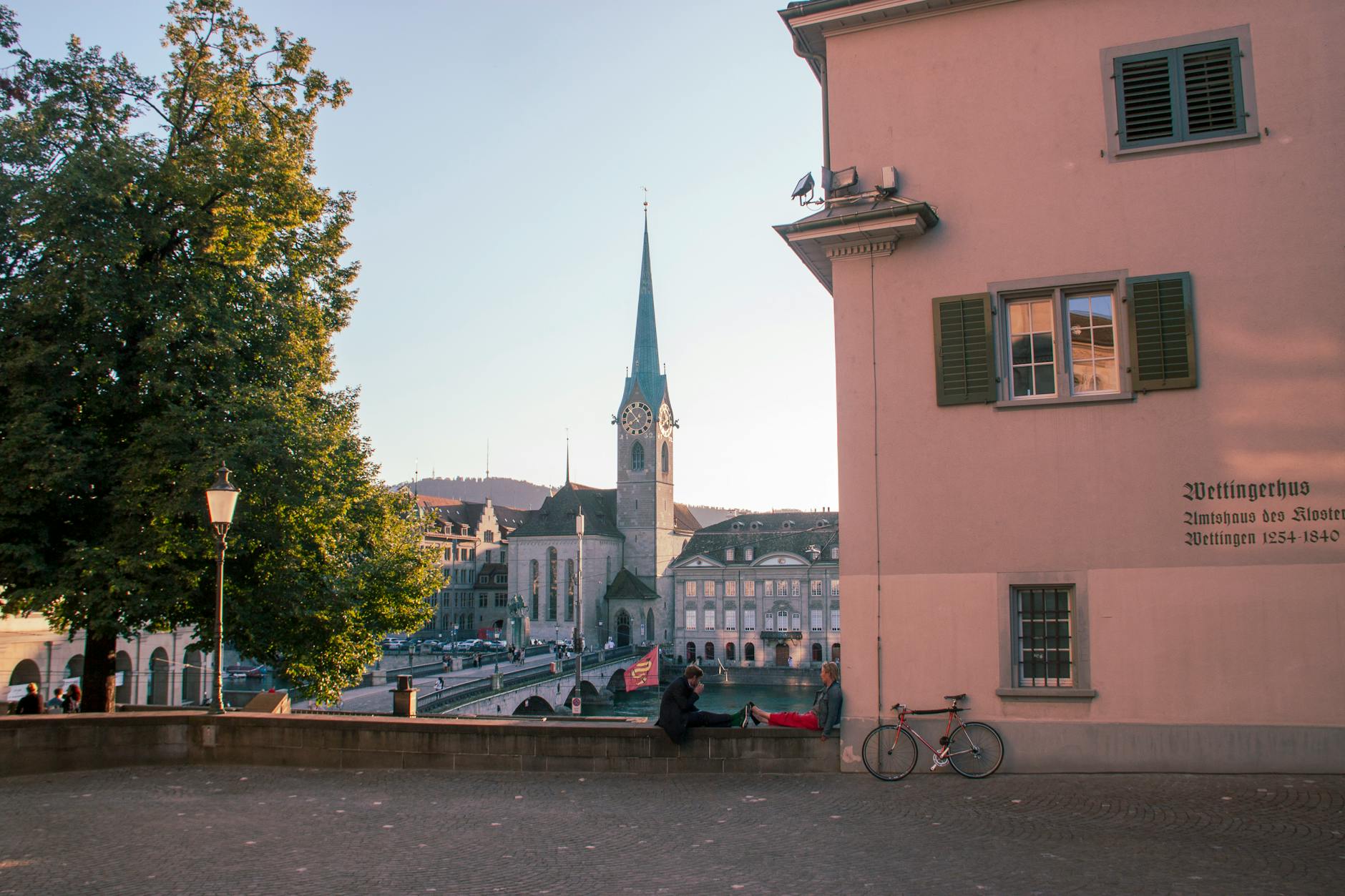
Zurich's trams and trains can make a dense sales day workable. The traveler still needs to account for reception desks, visitor badges, weather, elevators, street crossings, and prospect conversations that run long. A slightly slower schedule with dependable arrivals is usually stronger than a packed day that feels rushed.
Sales travel needs enough precision to arrive calm.
- Check routes from hotel to each prospect, between meetings, to dinner, and back to the hotel.
- Add buffers for visitor badges, building security, station exits, rain, winter darkness, and client conversations.
- Use taxis selectively when punctuality, samples, senior prospects, or tight routes justify the cost.
Protect presentation materials and privacy
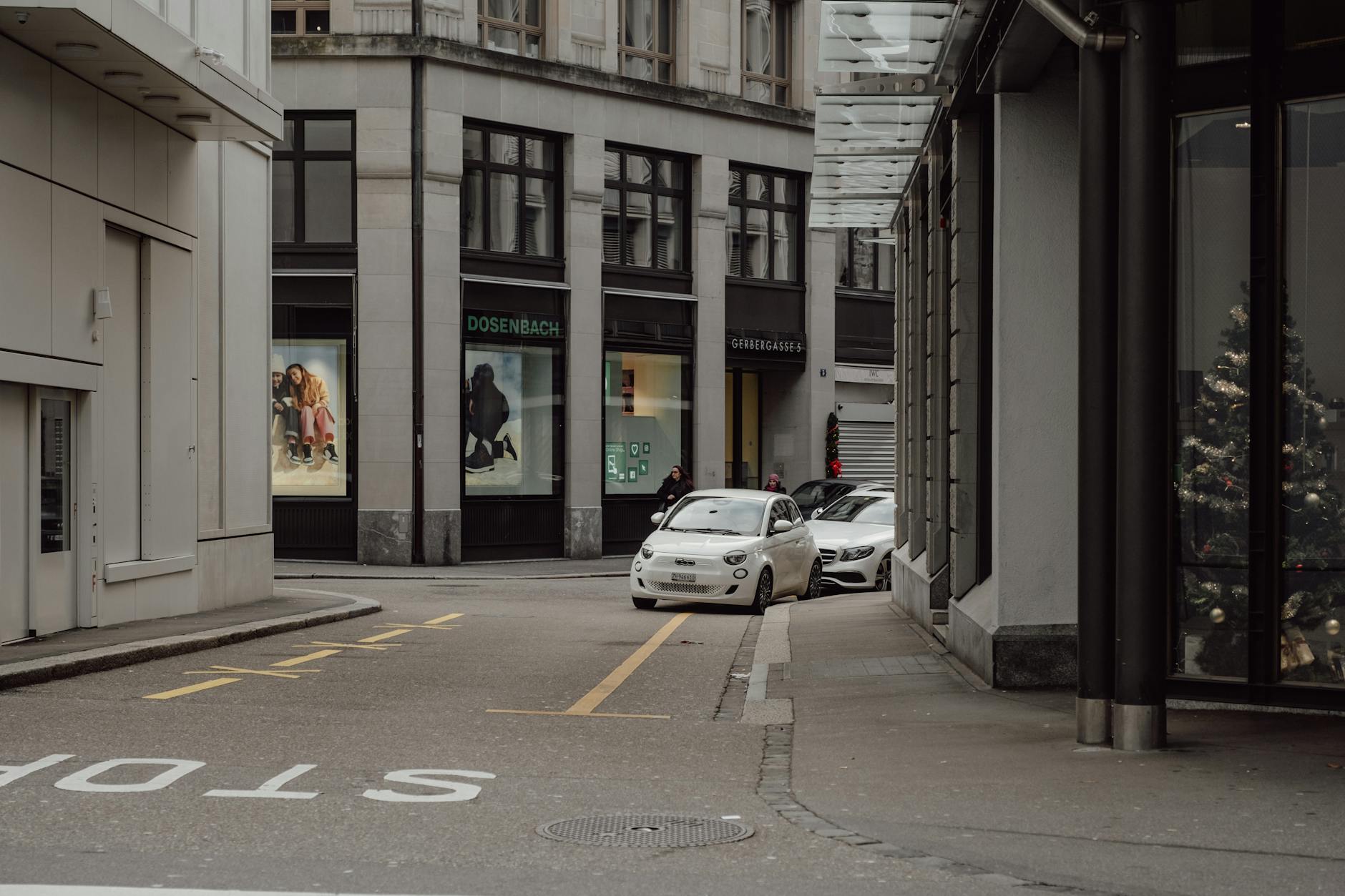
A sales traveler may carry pricing notes, demos, proposals, client references, or sensitive account information. Zurich's cafes, trains, airport lounges, and hotel lobbies are useful, but not equally appropriate for calls or document review. The traveler should plan where to prepare, where to debrief, and how to keep materials secure.
The logistics should make the commercial work easier, not expose it.
- Carry chargers, adapters, offline files, proposal backups, demo access, and printed essentials in a controlled bag.
- Identify quiet work locations at the hotel or office before relying on cafes or public areas.
- Avoid visible pricing, client names, or confidential account notes in crowded transit and public seating areas.
Plan meals as part of relationship building
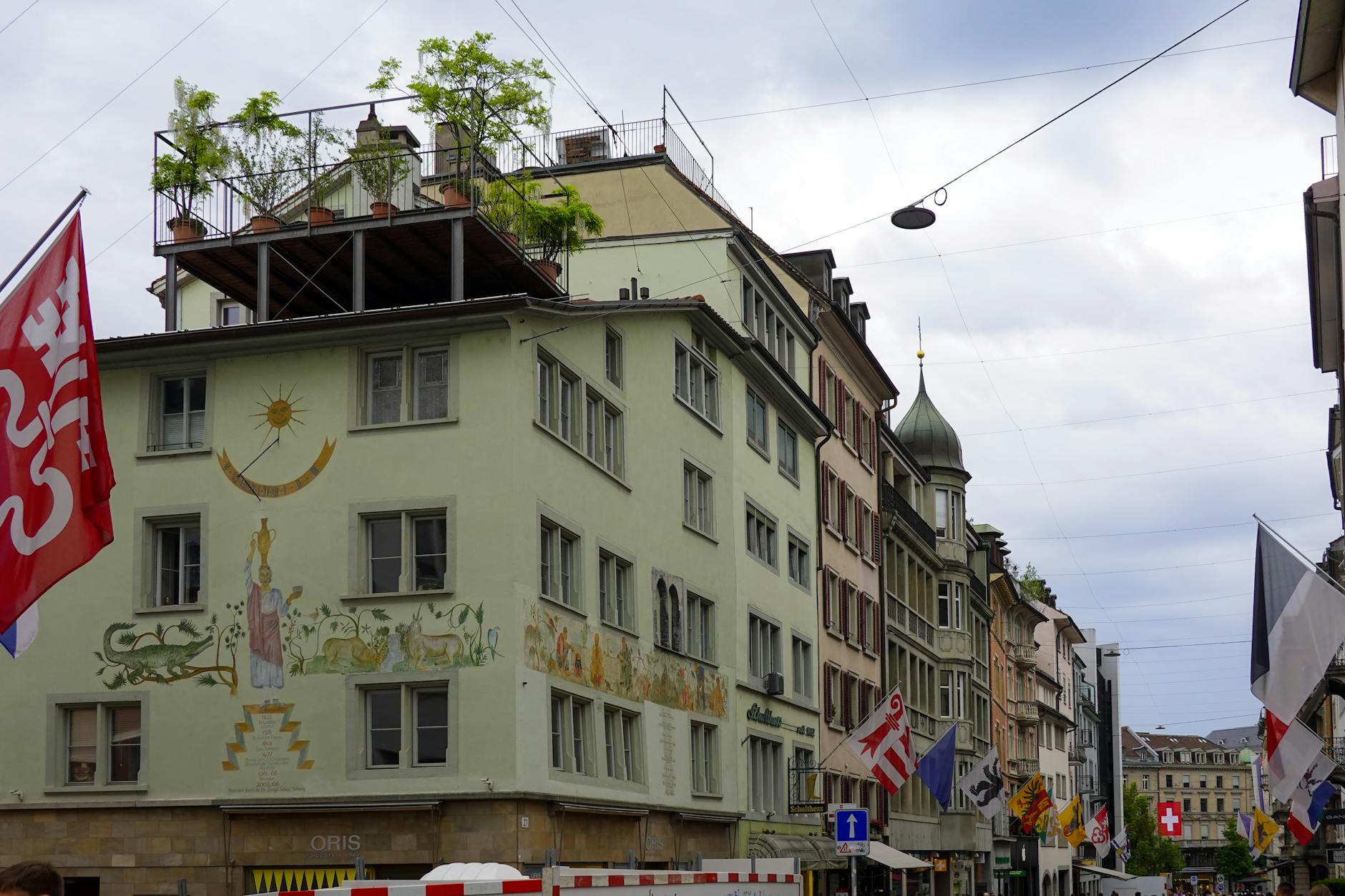
Zurich meals can support a sales trip when they are matched to the account stage. A quick coffee near the client site, discreet lunch, lakefront dinner, or hotel bar follow-up may each make sense. Prices and reservations make improvisation risky, especially when a prospect's time is limited.
A sales meal should have a reason, a route, and a clean exit.
- Choose coffee, lunch, dinner, or drinks by account purpose rather than by convenience alone.
- Check reservations, dietary needs, payment expectations, dress, and return routes before inviting a prospect.
- Keep at least one simple meal plan for days when meetings run long and energy is more important than atmosphere.
Control costs while preserving credibility
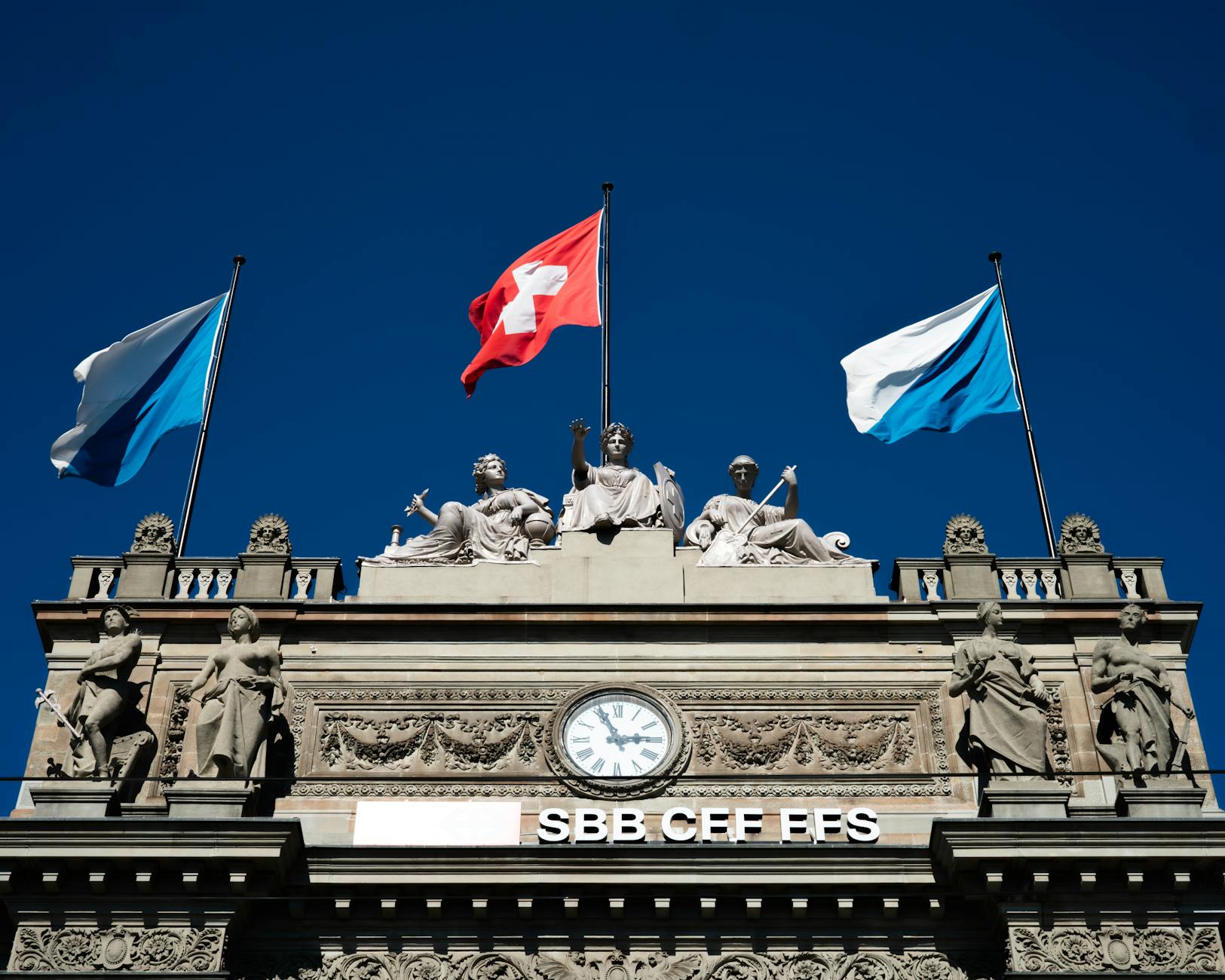
Zurich can make a sales trip expensive through hotels, taxis, meals, last-minute printing, and schedule changes. The traveler should know which costs are reimbursable and which convenience choices protect revenue. Saving money by staying too far away or arriving too close to a meeting can weaken the business purpose of the trip.
The budget should support credibility first and thrift second.
- Clarify reimbursement for hotels, meals, taxis, printing, samples, luggage storage, and client entertainment.
- Book early around conferences, finance events, and busy travel periods that lift hotel rates.
- Spend on the choices that protect punctuality, preparation, and prospect experience.
When to order a short-term travel report
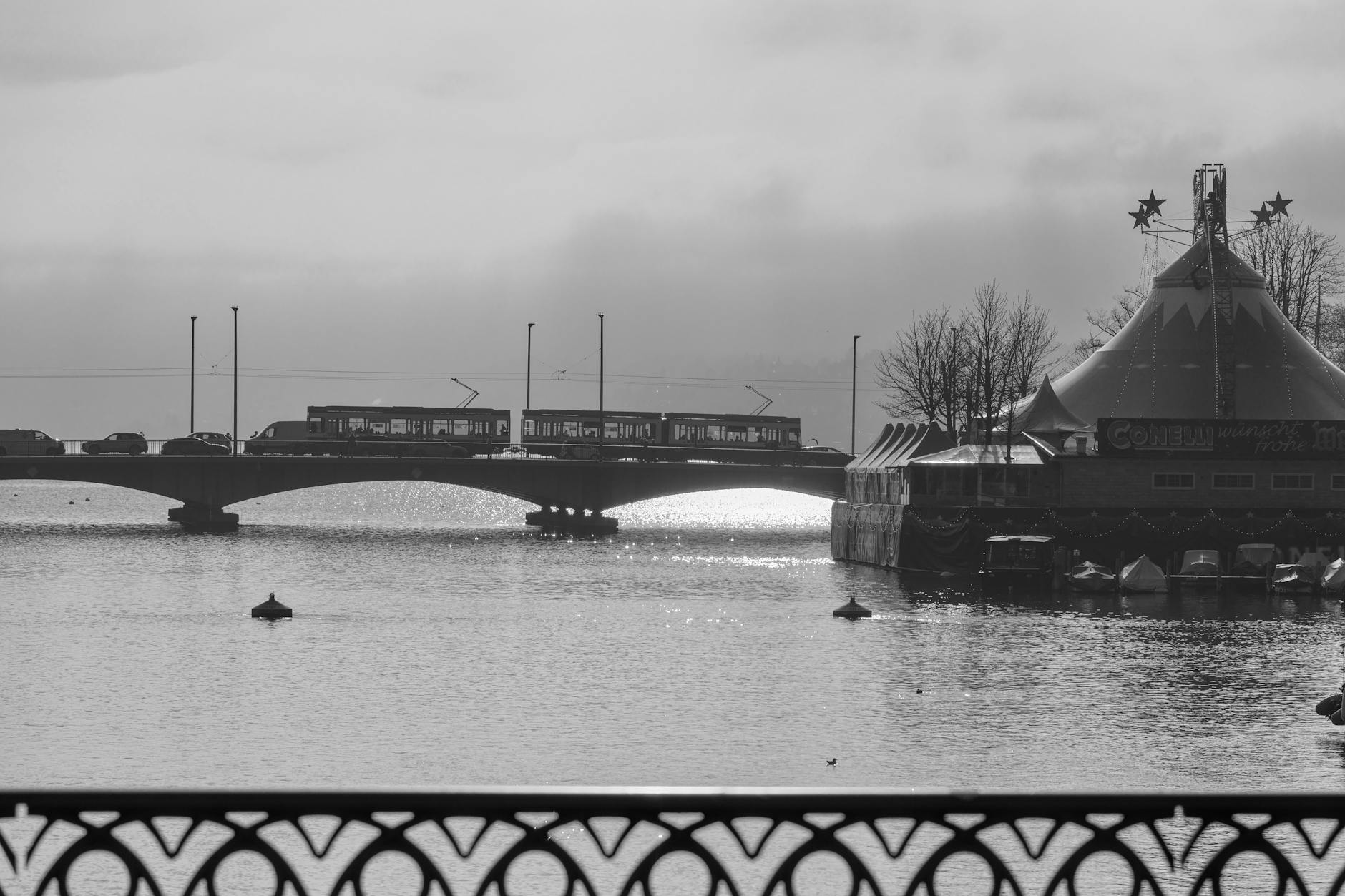
A sales traveler with one familiar account and a central hotel may not need a custom Zurich report. A report becomes useful when multiple prospects, airport timing, hotel cost, dinner logistics, demo materials, privacy needs, or a compressed schedule could affect commercial outcomes.
The report should test prospect geography, hotel base, arrival transfer, meeting sequence, route buffers, meal settings, material handling, cost exposure, and final departure. The value is a Zurich sales trip that lets the traveler focus on the account instead of repairing logistics.
- Order when multiple meetings, senior prospects, demos, client meals, or tight transfers need careful sequencing.
- Provide dates, prospect addresses, flight times, hotel options, meeting priorities, budget rules, and material needs.
- Use the report to make the sales day punctual, credible, and commercially focused.