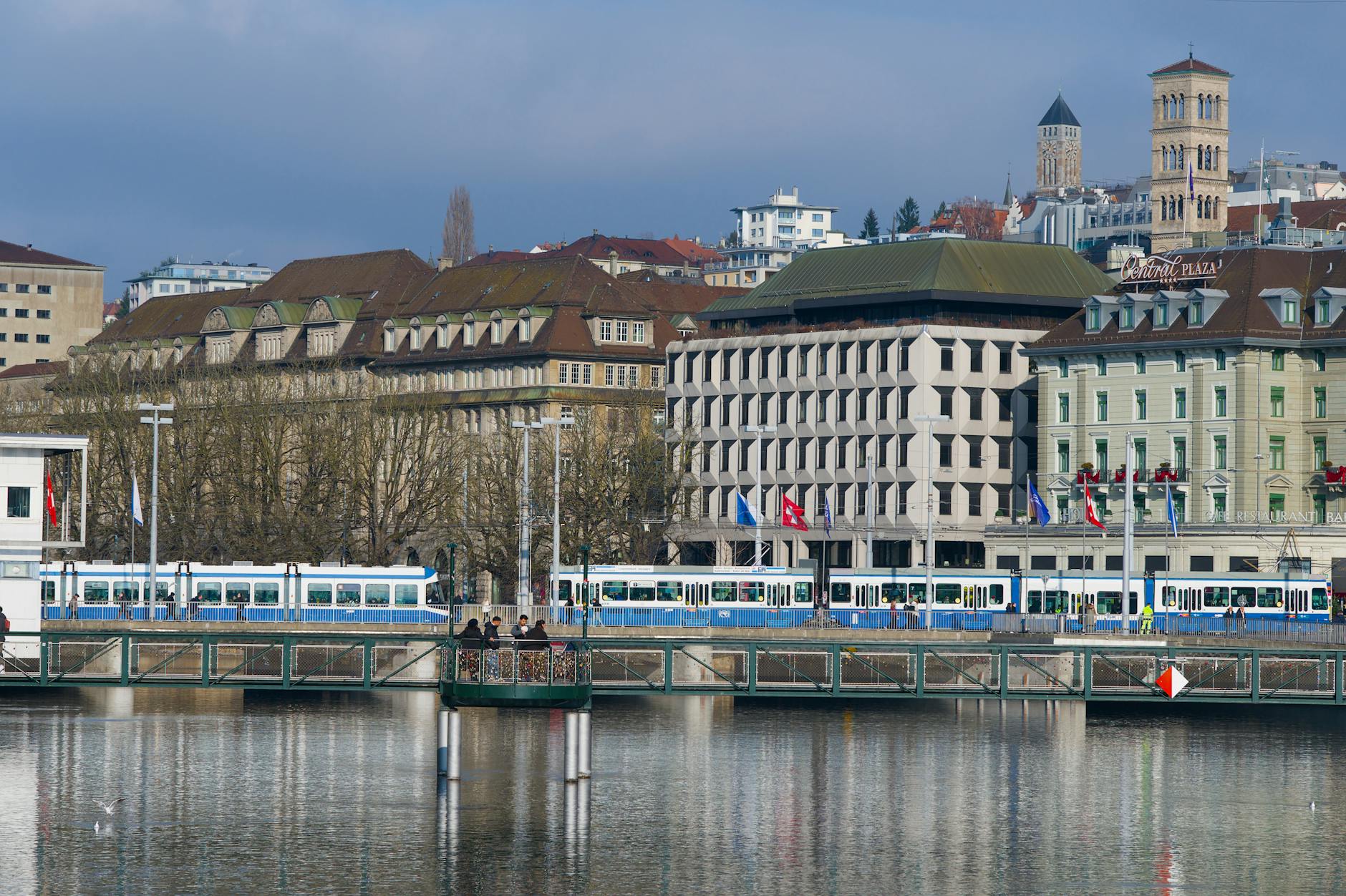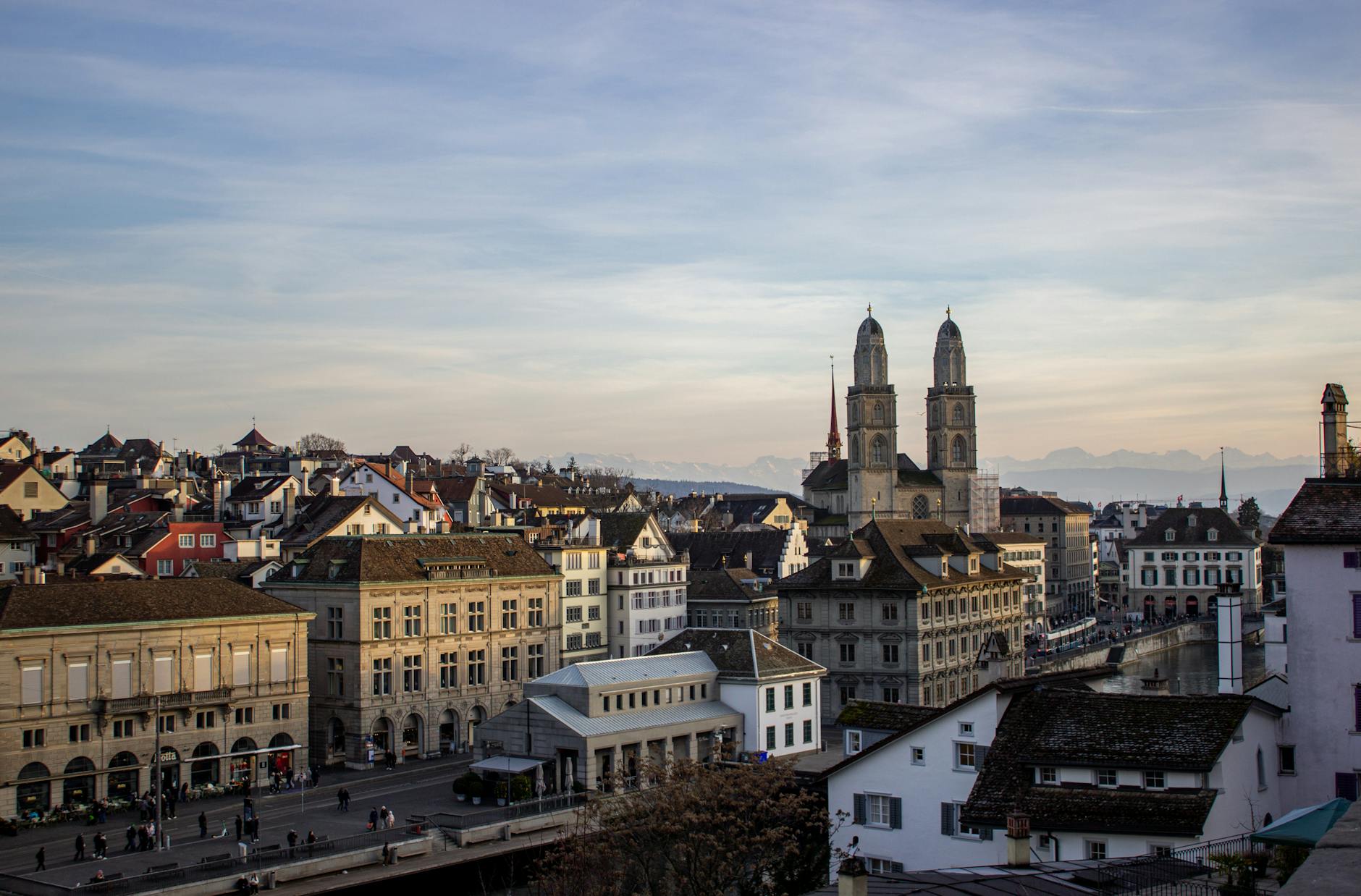
A repeat leisure visitor to Zurich already knows the old town, Limmat, Bahnhofstrasse, and lakefront basics. The second or third short trip should not ignore those pleasures, but it should use them differently. Zurich West, Seefeld, neighborhood cafes, museums, lake routes, markets, Uetliberg, and quieter side streets can make the return visit feel less like a repeat and more like a better-fitted version of the city.
Do not repeat the first trip by habit
A repeat leisure visitor can easily fall back into the same old town walk, same lakefront meal, and same shopping route. Those choices may still belong, but they should be selected because they fit this trip, not because they are familiar. The return visit should begin with what felt unfinished last time.
The question is not what Zurich has, but what Zurich has that the traveler has not yet used well.
- List what was already satisfying, what felt rushed, and what was skipped on the previous Zurich visit.
- Keep one familiar anchor and build the rest of the trip around new neighborhoods, food, museums, or lake time.
- Avoid spending the whole stay inside the same central loop unless that is the real purpose of returning.
Choose a different base or daily rhythm
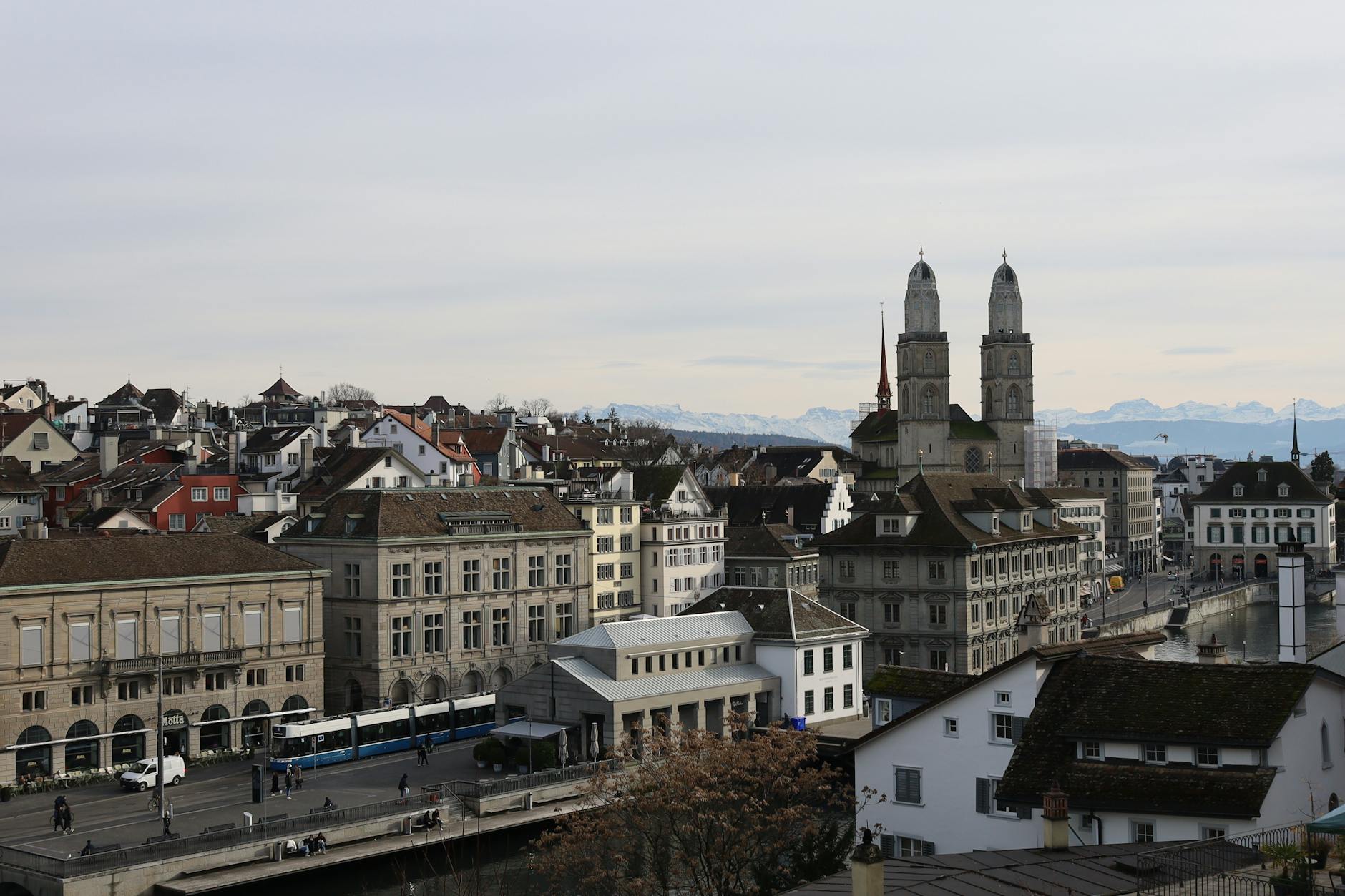
A repeat Zurich stay may benefit from a different hotel area. The traveler who stayed near Hauptbahnhof last time might prefer Seefeld, the lake, Zurich West, Enge, or another tram-connected base. The best choice depends on whether this trip is about restaurants, museums, lake walks, quiet mornings, business-adjacent convenience, or day trips.
Changing the base changes the city without forcing the itinerary to work too hard.
- Compare a central hotel with Seefeld, lake-adjacent, Zurich West, Enge, or another easy tram base.
- Match the lodging area to the trip rhythm: slow mornings, restaurant nights, museum time, shopping, or rail access.
- Check tram routes and late returns before choosing a quieter or more residential location.
Add neighborhoods selectively
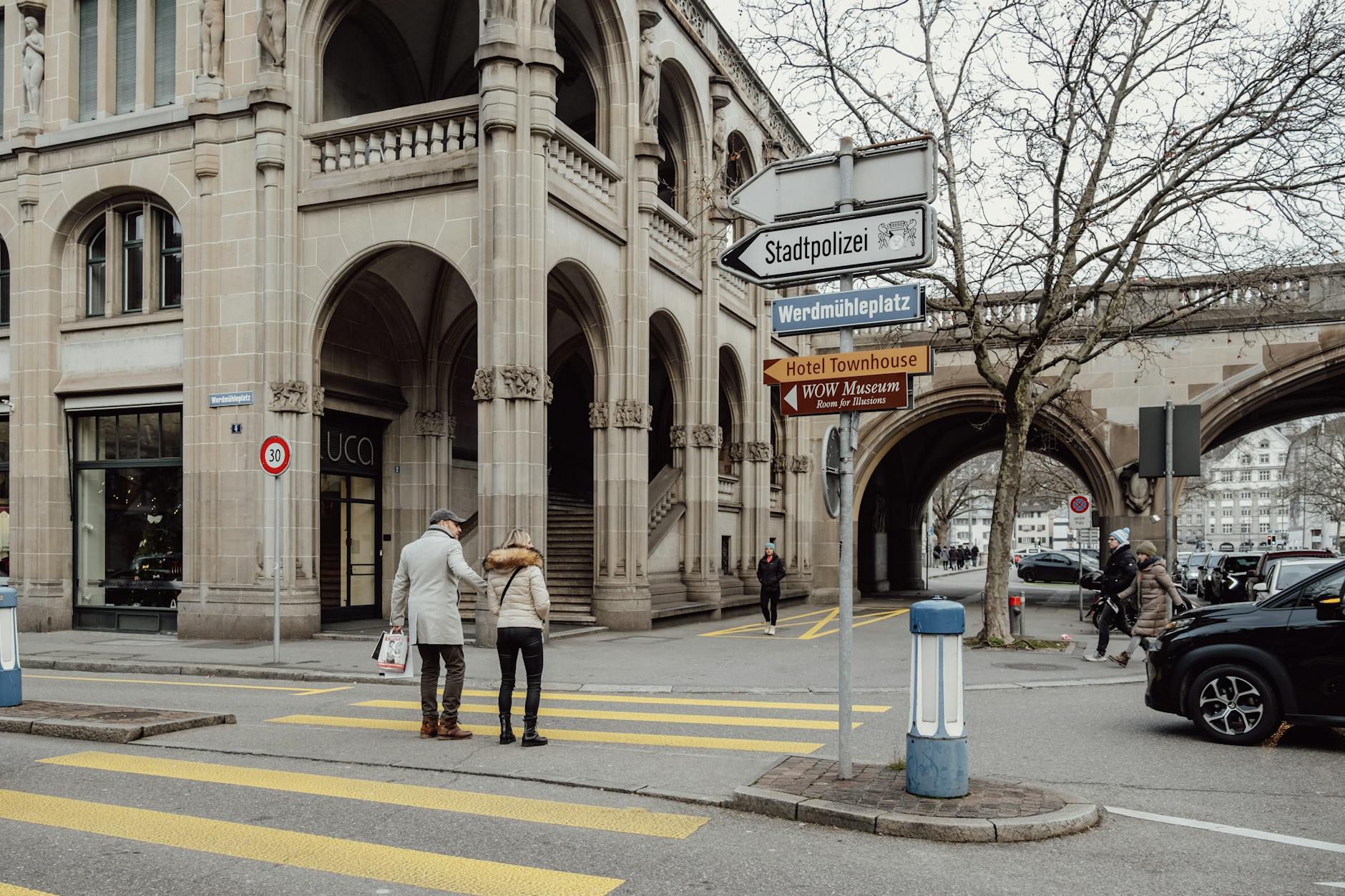
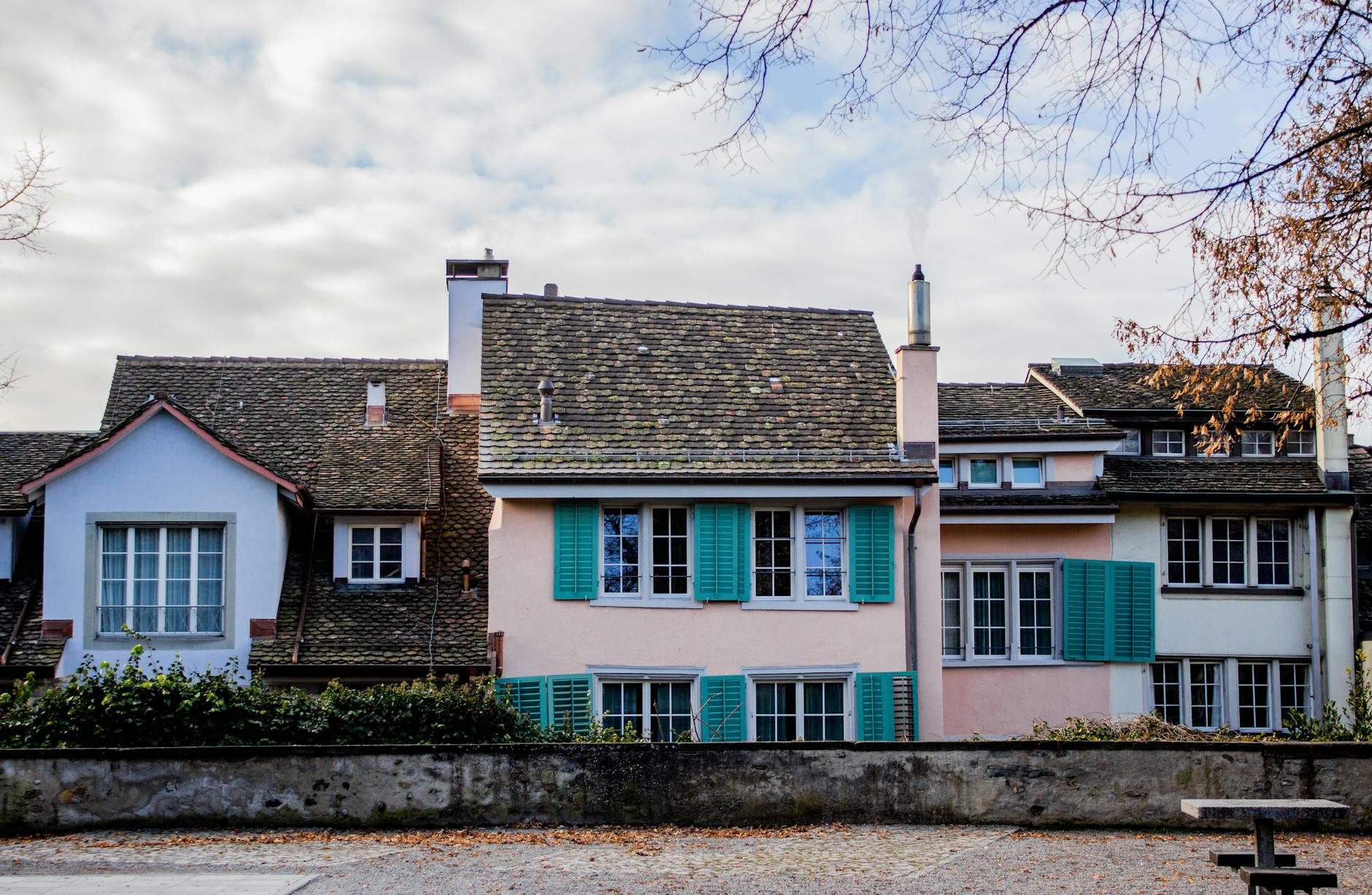
Zurich's neighborhoods reward a repeat visitor more than a first-timer. Zurich West can add contemporary dining and industrial texture, Seefeld can support lake time and cafes, and residential streets can make the city feel less like a postcard. The traveler should still avoid scattering the day across too many districts.
One or two neighborhoods used deeply will be more memorable than four sampled briefly.
- Choose Zurich West, Seefeld, Enge, university areas, or quieter residential streets based on interests and meals.
- Pair each neighborhood with a concrete reason to go: lunch, a gallery, a lake walk, a market, or an evening plan.
- Use trams to connect neighborhoods without turning the day into a transit exercise.
Use museums, lake time, and food as anchors
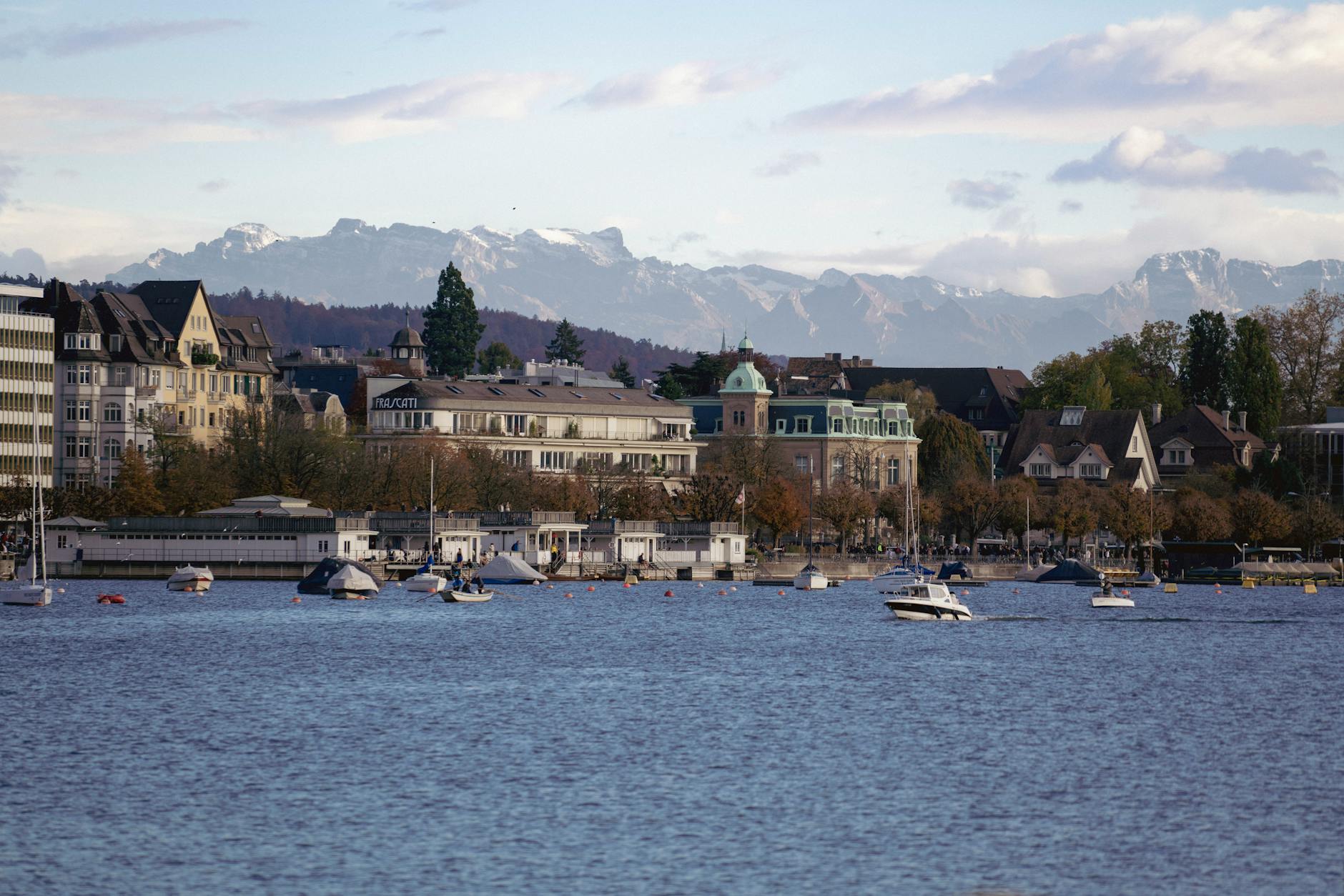
A repeat leisure visitor should give the day a few anchors rather than drifting between familiar sights. A museum block, lake walk, boat segment, coffee stop, restaurant reservation, or neighborhood market can create a better Zurich rhythm. The plan should leave enough space for the city to feel leisurely.
Zurich is often at its best when the visitor gives one good thing enough time.
- Choose one museum, one lake or river segment, and one food plan rather than stacking unrelated stops.
- Book restaurants or special meals early when the trip falls on a weekend, holiday, or busy event period.
- Use cafes, bakeries, waterfront benches, and short tram rides to make the day feel unhurried.
Decide whether a day trip really belongs
A return trip can tempt the traveler to use Zurich only as a base for elsewhere in Switzerland. That can work, but it should not be automatic. A day trip to Lucerne, Rapperswil, Rhine Falls, the mountains, or another Swiss city may be worthwhile only if the transport time, weather, and purpose are strong enough.
Sometimes the better repeat visit is a slower Zurich day instead of an ambitious excursion.
- Compare day-trip travel time with what would be lost in Zurich itself.
- Check weather and visibility before choosing lake, mountain, waterfall, or viewpoint excursions.
- Keep the final day close to Zurich if luggage storage or airport timing could complicate a side trip.
Build a slower Swiss-cost-aware schedule
Repeat visitors often know Zurich is expensive, but a familiar city can still produce casual overspending. A slow plan should not mean unfocused spending on taxis, lakefront meals, and last-minute tickets. The traveler should decide where comfort, setting, or quality is worth paying for and where simple choices are enough.
A repeat trip can be more refined precisely because the budget is clearer.
- Reserve spending for the hotel location, one strong meal, a museum, a boat ride, or another high-value experience.
- Use groceries, bakeries, cafes, and public transport to keep ordinary parts of the day efficient.
- Protect rest time so a short repeat visit does not become more tiring than the first one.
When to order a short-term travel report
A repeat leisure visitor may not need a report if the goal is simply to revisit favorite streets. A report becomes useful when the traveler wants a different base, a less obvious neighborhood plan, a day trip decision, a food-focused schedule, or a short stay that should feel new without becoming complicated.
The report should compare hotel areas, repeat-worthy neighborhoods, old favorites worth keeping, museums, lake time, day-trip options, restaurant timing, weather alternatives, and cost exposure. The value is a Zurich return visit that feels intentional rather than recycled.
- Order when the trip should feel fresh, slower, more neighborhood-based, or more selective than the first visit.
- Provide previous Zurich experience, dates, hotel options, interests, budget, pace, and possible side trips.
- Use the report to decide what to keep, what to skip, and what to see differently.