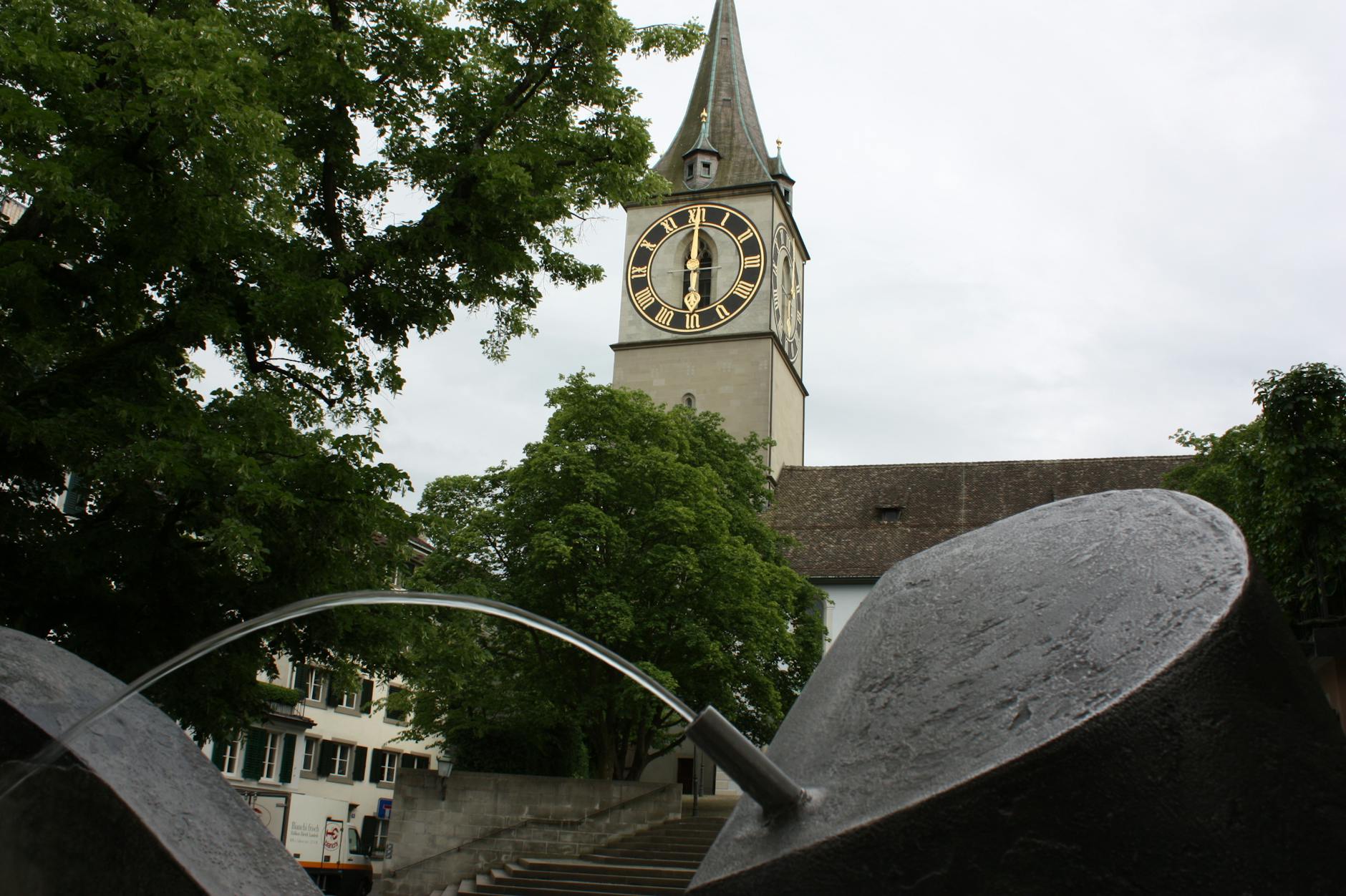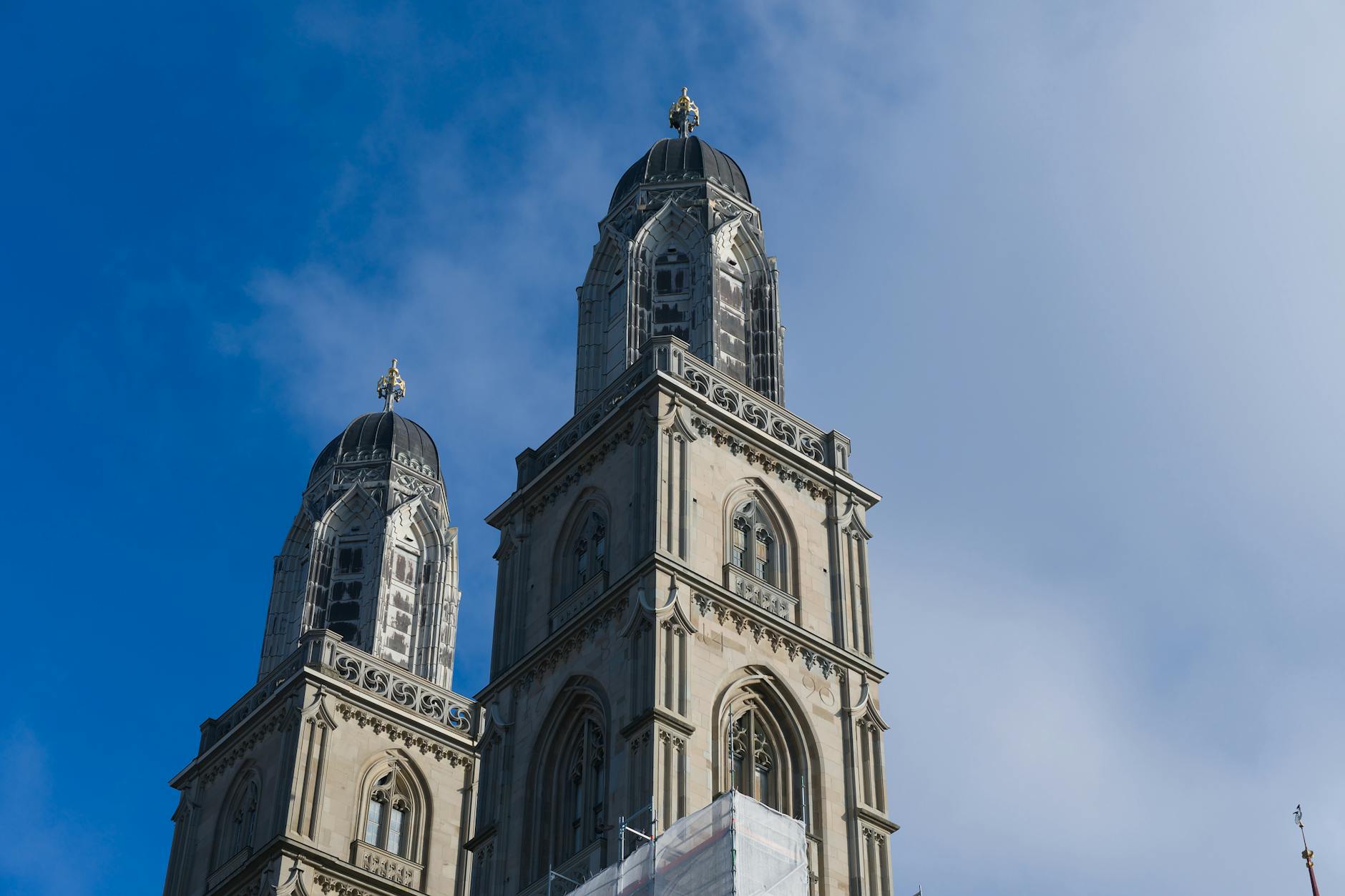
A short religious or pilgrimage trip to Zurich may include Grossmunster, Fraumunster, St. Peter, local services, sacred music, interfaith meetings, theology-linked visits, cemetery history, or quiet personal reflection. Zurich is orderly and easy to navigate, but the trip still needs planning around opening hours, worship schedules, language, dress, photography, group movement, and the difference between sightseeing and sacred use.
Define the purpose before choosing sites
A Zurich religious or pilgrimage trip can mean worship, heritage, theology, music, architecture, Reformation history, interfaith meetings, or private reflection. Those are different trips. The traveler should decide which purpose is primary before filling the schedule with churches, museums, viewpoints, and lake walks.
The strongest short visit treats sacred time as the anchor, not as one more attraction.
- List fixed services, guided visits, meetings, sacred music, cemetery visits, and private reflection time first.
- Separate essential religious stops from optional architecture or general sightseeing stops.
- Check whether each site is being visited for worship, history, study, music, or personal devotion.
Check worship times, access, and closures
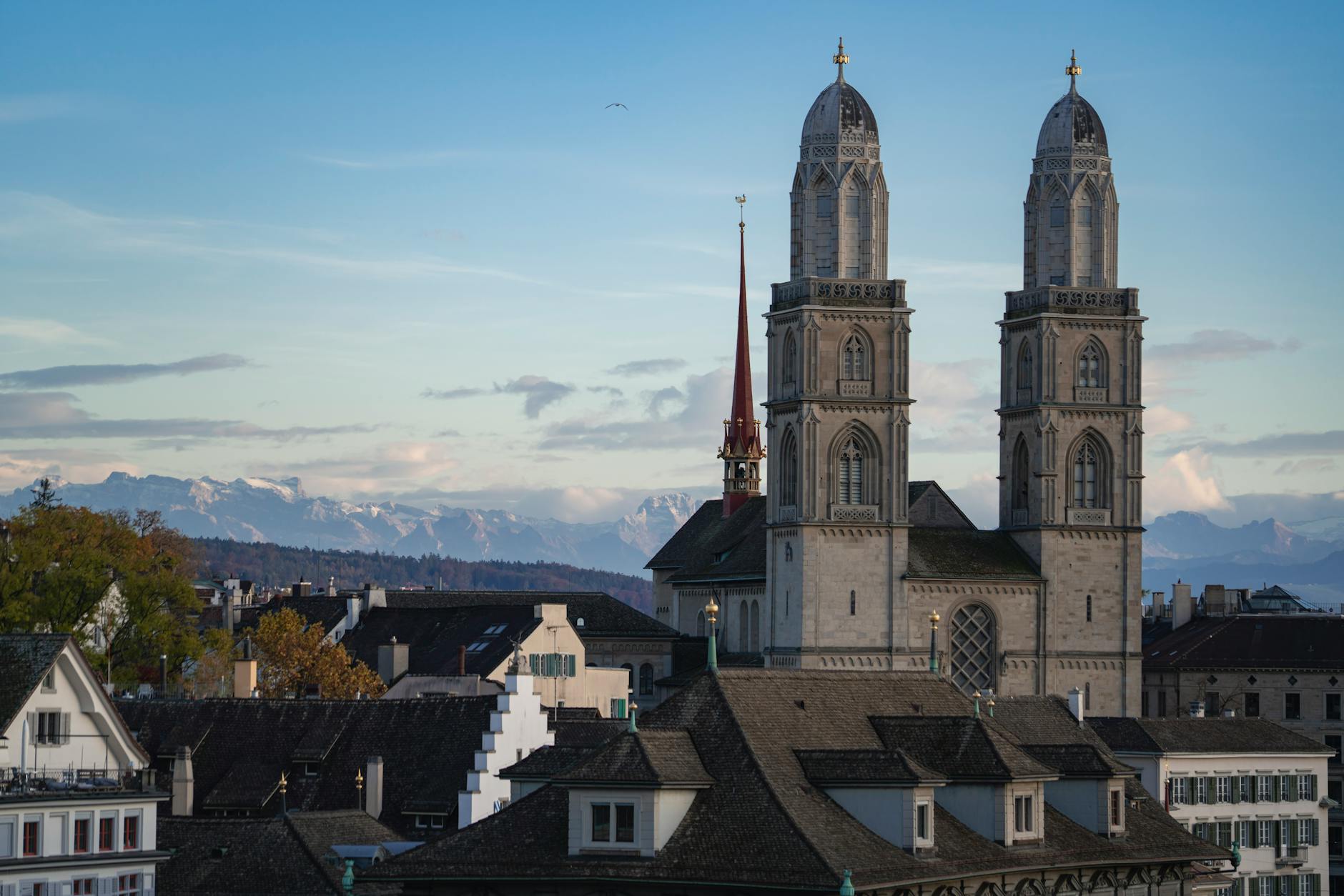
Zurich sacred sites are not always available on a visitor's preferred rhythm. Services, concerts, restoration work, private events, holidays, and winter hours can affect access. A traveler hoping to attend worship or sit quietly should confirm times directly rather than relying only on general visitor listings.
A short pilgrimage is vulnerable to one missed opening window.
- Confirm service times, visitor hours, concert schedules, holiday closures, and any ticketed or guided access.
- Check whether quiet prayer, photography, group tours, or interior visits are limited during services.
- Build backup sacred or reflective stops in case weather, closures, or events change the plan.
Move respectfully through Old Town
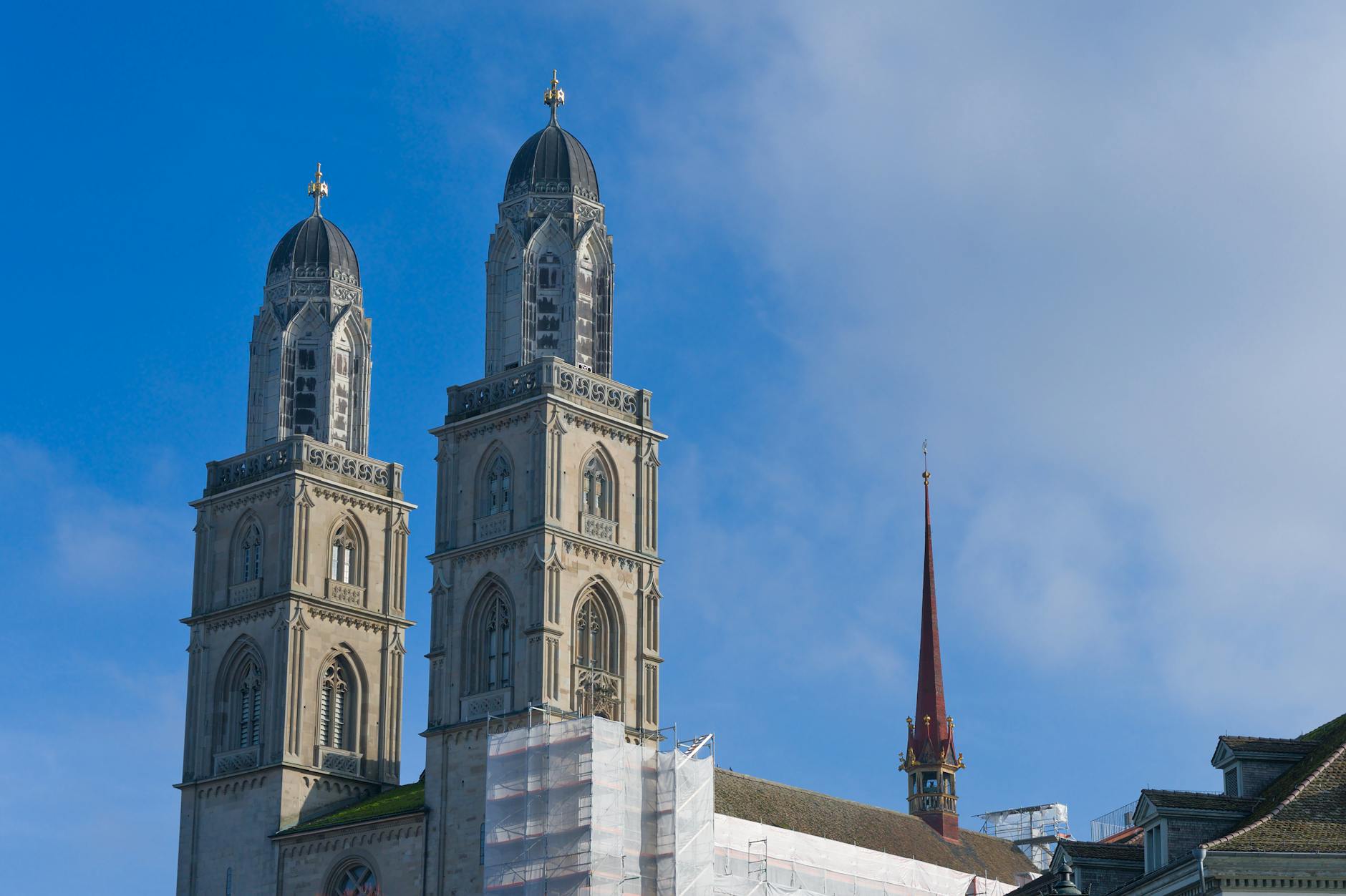
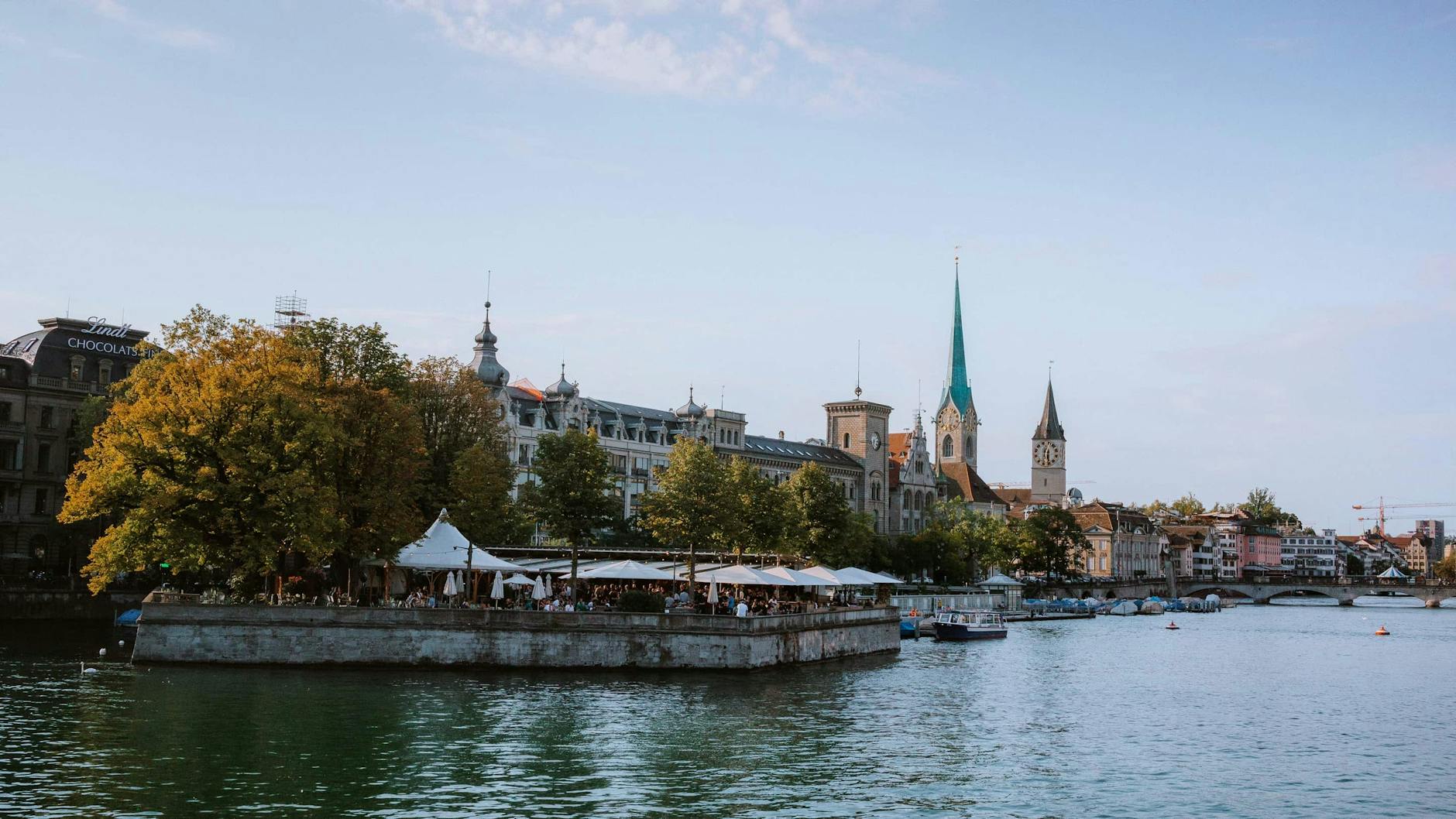
Many Zurich religious stops sit close together in the Old Town, but the lanes, bridges, stairs, and river crossings still need a practical route. Groups should avoid rushing into sacred spaces as if they were photo stops. Solo travelers should also leave enough space between visits to process what they are seeing.
A respectful route protects attention as much as time.
- Map Grossmunster, Fraumunster, St. Peter, the Limmat crossings, tram stops, restrooms, and quiet cafe breaks.
- Account for stairs, cobblestones, rain, winter darkness, and group members who move more slowly.
- Avoid packing sacred sites so tightly that the visit becomes only a checklist.
Handle etiquette, dress, and photography
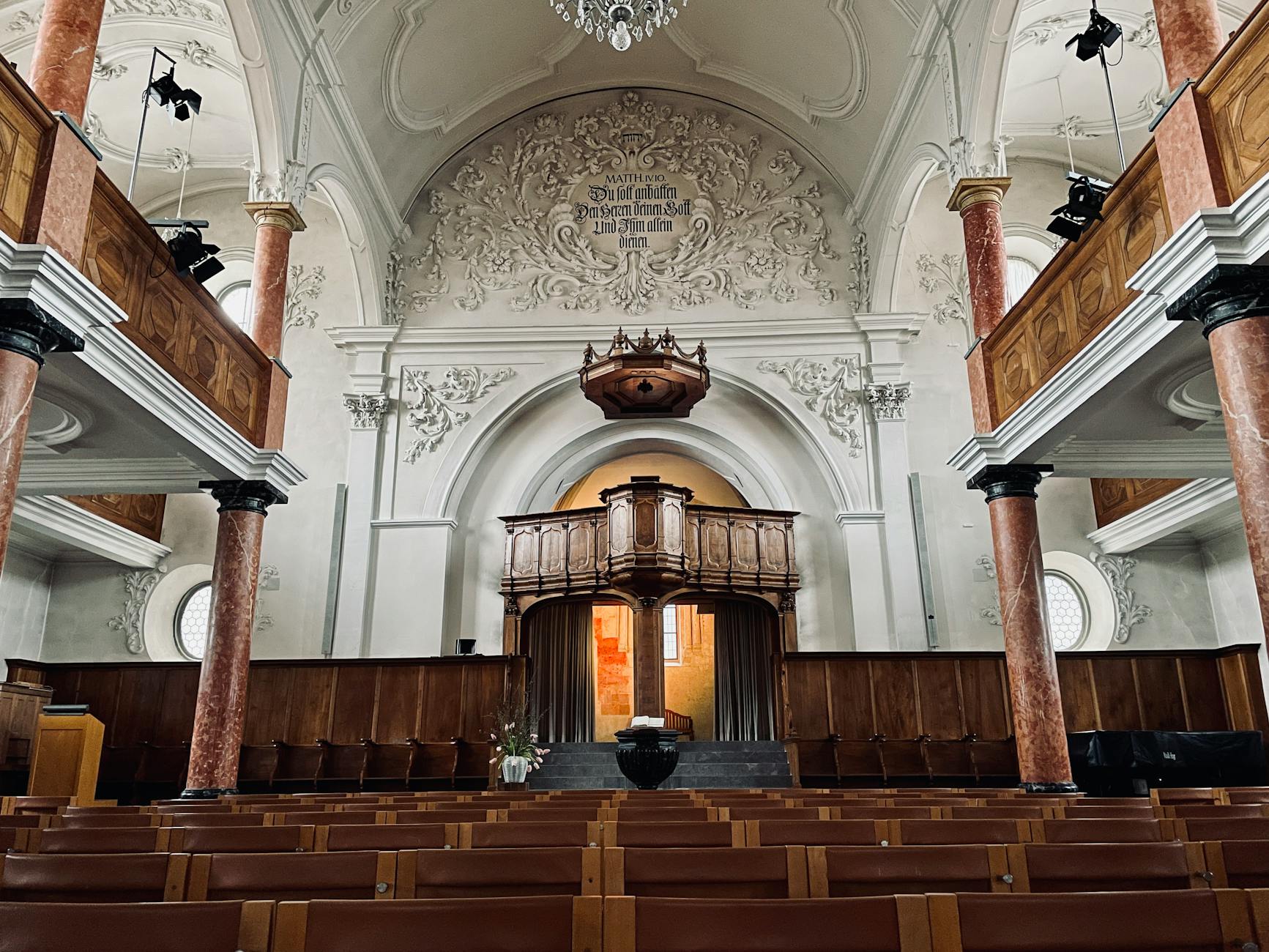
Zurich may feel relaxed, but religious spaces still ask for restraint. The traveler should know when to lower the voice, remove hats if expected, avoid flash, respect worshippers, and treat memorials, altars, candles, and services carefully. Photography should never become the reason the visit is disruptive.
Good etiquette lets the site remain sacred for people who use it that way.
- Check dress expectations, photography rules, silence areas, service behavior, and group-tour boundaries.
- Avoid filming worshippers, children, private prayer, clergy, or sensitive rituals without permission.
- Keep phones, bags, tripods, and conversation under control inside sacred spaces.
Plan language, leaders, and group needs
Religious travel often depends on the right person explaining the right context. Zurich visits may involve German-language services, English tours, theology faculty, clergy, musicians, local congregations, or volunteer guides. A group should confirm who leads each moment and how translation, questions, and timing will work.
Interpretation is part of the pilgrimage logistics.
- Confirm the language of services, tours, lectures, music programs, and any meeting with clergy or local hosts.
- Assign group meeting points, quiet rules, restroom stops, accessibility needs, and emergency contacts.
- Carry confirmations, group leader contacts, tickets, donation cash or cards, and any required letters.
Budget for calm, not only entry costs
Zurich's prices can affect a religious trip even when many churches are free or low-cost. Lodging, meals, transit, concerts, guide fees, donations, and taxis for older group members can add up quickly. The traveler should spend where it protects punctuality, rest, and the trip's purpose.
A modest pilgrimage still needs a realistic Zurich budget.
- Plan lodging, transit, simple meals, donations, concert tickets, guide fees, and mobility support together.
- Choose a base that keeps sacred sites and meeting points reachable without exhausting the traveler.
- Leave room for quiet meals, weather delays, and slower movement after emotionally intense visits.
When to order a short-term travel report
A religious traveler with one simple church visit may not need a custom Zurich report. A report becomes useful when services, sacred sites, group timing, accessibility, language, costs, or private reflection need to work inside a short stay.
The report should test worship schedules, opening hours, Old Town routing, transit, lodging, group needs, etiquette, meal timing, quiet spaces, weather, and departure logistics. The value is a Zurich religious trip that stays respectful, punctual, and meaningful.
- Order when worship times, sacred-site access, group movement, language, or accessibility needs careful sequencing.
- Provide dates, faith tradition or focus, required sites, service plans, group size, mobility needs, lodging options, and budget.
- Use the report to protect the trip's spiritual purpose from rushed logistics.