Zurich can suit older travelers well because it is orderly, scenic, and supported by reliable public transport. That does not mean the trip should be improvised. The old town has stone streets and slopes, lakefront weather can change quickly, hotel prices can push travelers into less convenient areas, and a short stay can become tiring if every day is built for the fastest walker. Zurich works best when comfort is planned as part of the itinerary.
Choose the base for ease, not just charm
Older travelers should choose a Zurich base by daily effort. A charming old-town hotel may involve uneven approaches, stairs, noise, or taxi limitations. A hotel near Hauptbahnhof, a tram stop, the lake, or a flatter street can be more useful if it reduces daily strain. The best base depends on walking tolerance, luggage, arrival time, and whether the traveler values quiet or proximity more.
A convenient hotel can be worth more than a picturesque address that is hard to use.
- Check elevator access, step-free entry, taxi pickup, tram distance, street slope, noise, and room climate.
- Compare old town charm with flatter approaches near Hauptbahnhof, the lake, or reliable tram stops.
- Choose the base that protects mornings, returns, and luggage movement.
Use trams to control walking load
Zurich's trams can make the city much easier for older travelers, especially when paired with short walks. The traveler should know the closest stop to the hotel, the stop for the main sights, how to buy or validate tickets, and where a taxi is sensible. A route that alternates walking, sitting, and transit usually works better than one long pedestrian push.
Transit should be used to preserve energy for the parts of Zurich that are worth seeing slowly.
- Identify hotel tram stops, ticket rules, step-free station details, and taxi fallback points.
- Use trams for uphill sections, rain, fatigue, hotel returns, and cross-town movement.
- Break walks into smaller segments with benches, cafes, museums, or lake stops.

Treat the old town as uneven terrain
Zurich's old town is beautiful, but older travelers should not treat it as a flat shopping street. Stone surfaces, narrow lanes, slopes, crowds, wet pavement, and small stair changes can make the route tiring. The traveler should choose a defined section of the old town, not attempt every lane in one outing.
A shorter old-town walk with a planned cafe stop is often better than a long route that becomes uncomfortable halfway through.
- Plan for cobblestones, slopes, narrow streets, wet surfaces, stairs, and crowding.
- Choose one old-town area or riverside route rather than trying to cover every lane.
- Wear supportive shoes and keep the route short enough to enjoy.

Use the lake as a recovery asset
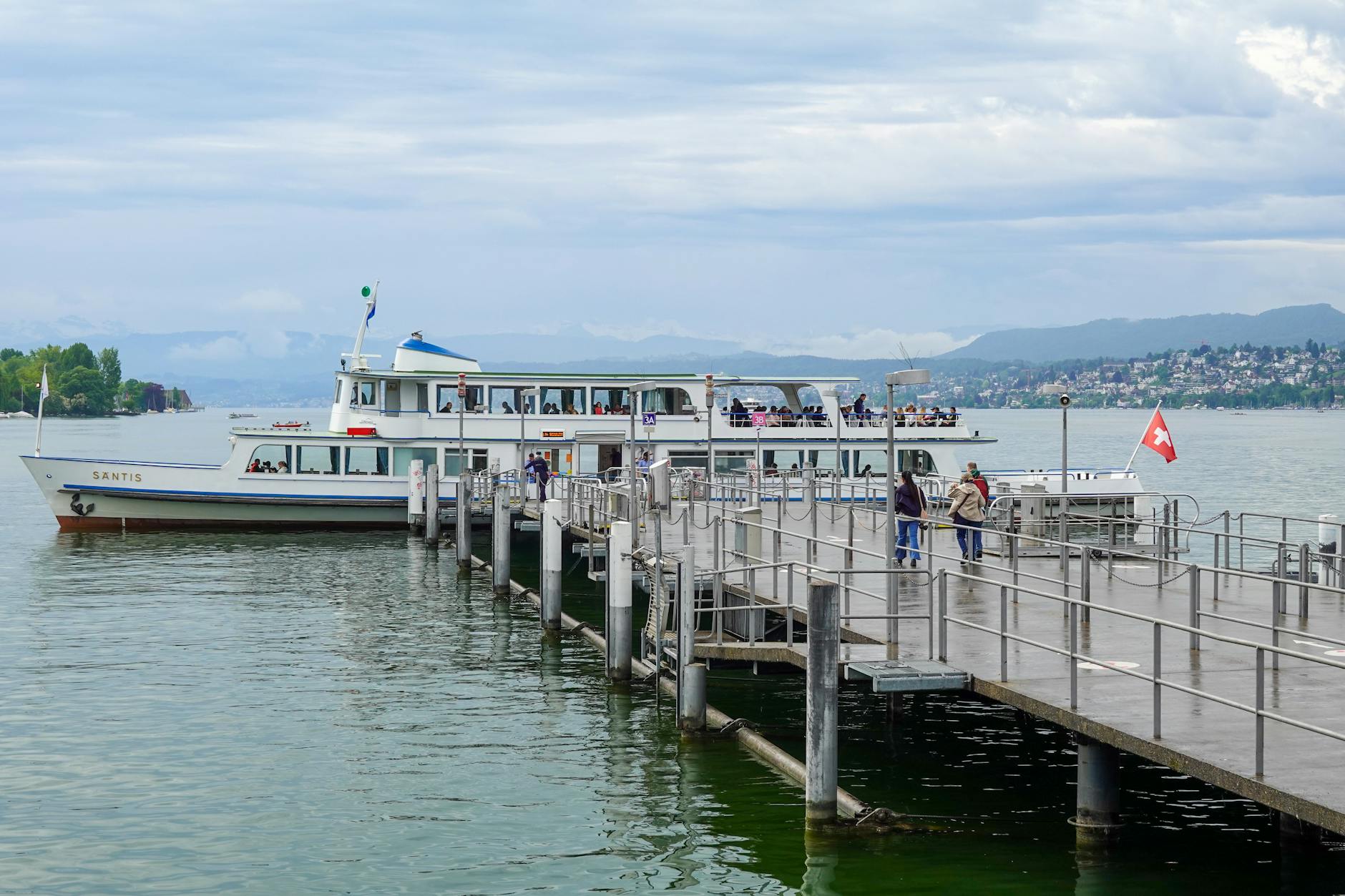
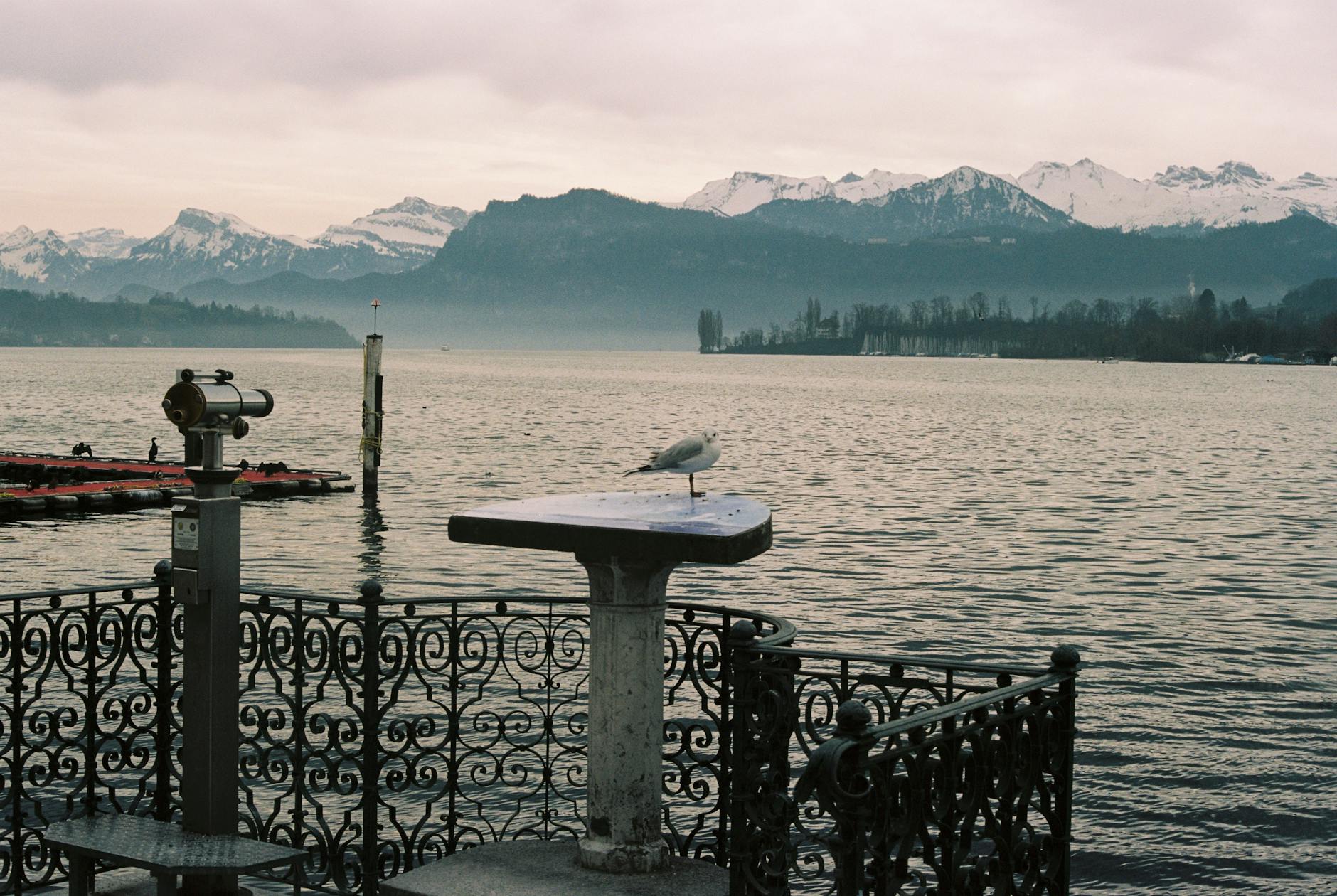
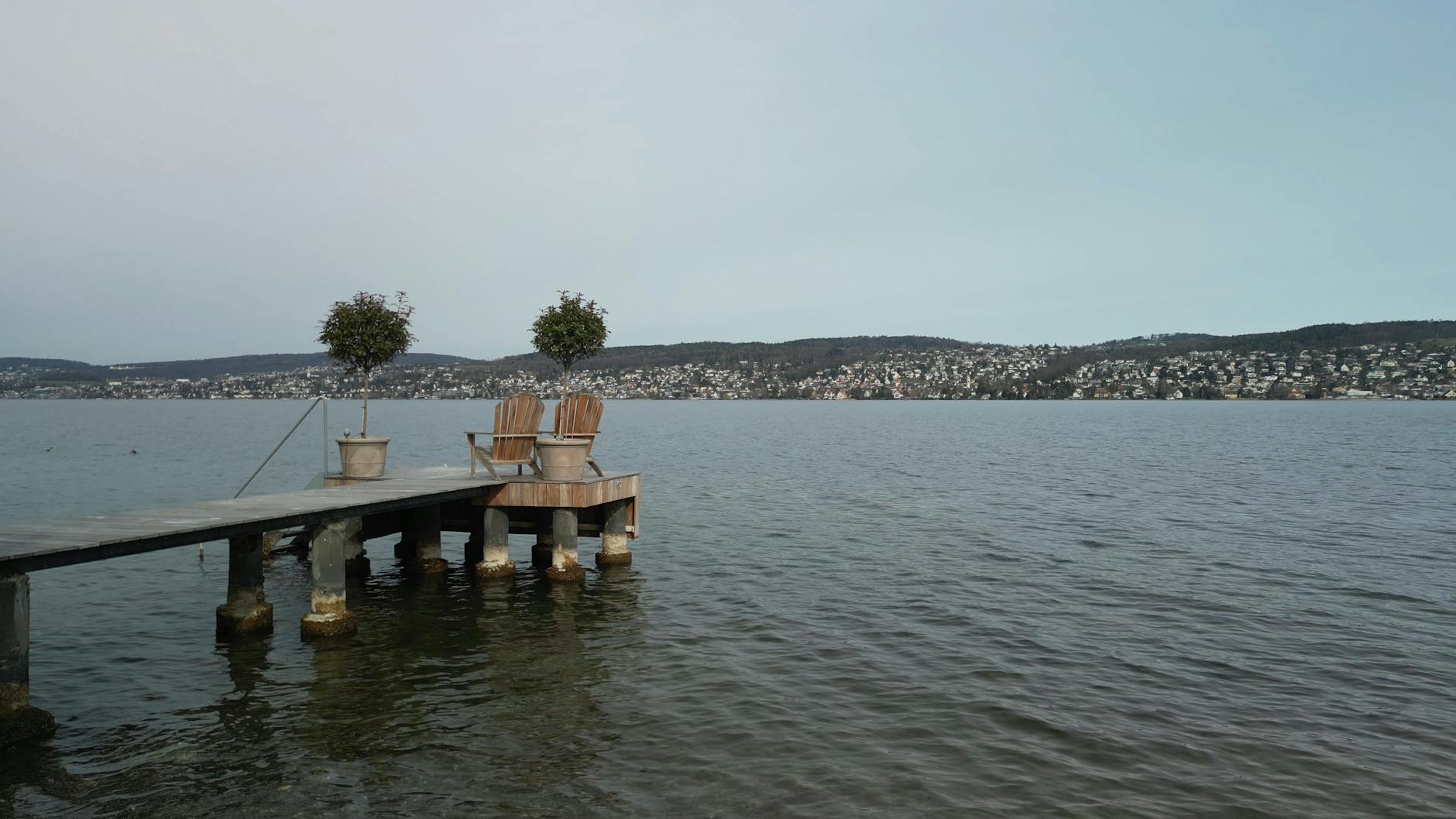
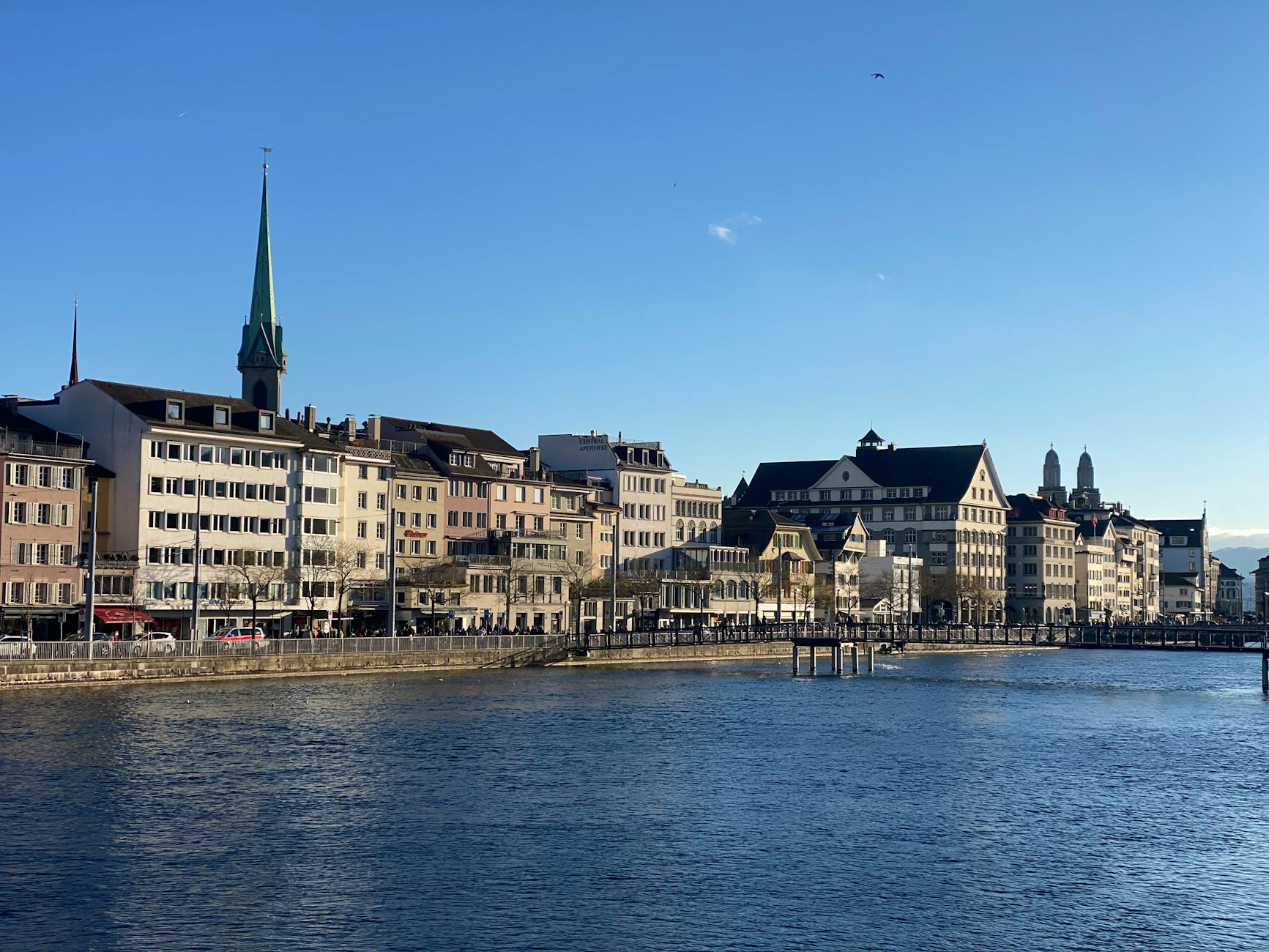
Lake Zurich can be ideal for a slower trip: views, benches, boats, level promenades, cafes, and fresh air can make the day feel full without constant sightseeing. The traveler should still check wind, sun, toilets, seating, and the route back to the hotel. A lake walk that is pleasant one way can feel long when weather turns.
The lake is best used as a paced experience, not as a forced march.
- Check seating, toilets, shade, wind, sun exposure, boat options, and return tram or taxi points.
- Use lakefront time as a lower-effort alternative to a full museum or hill route.
- Turn back early enough that the final stretch remains comfortable.
Keep medical and comfort logistics explicit
A short Zurich stay should still account for medicine timing, prescription copies, travel insurance, pharmacy access, hydration, meals, and sleep. Switzerland is highly organized, but care can be expensive and administrative details matter. Travelers with chronic conditions should know how to reach help and should avoid building days with no recovery margin.
Comfort planning is especially important when crossing time zones or arriving after a long flight.
- Carry medicine, prescription copies, insurance details, emergency contacts, and essential documents separately.
- Plan hydration, meals, rest, and sleep around arrival day and any time-zone change.
- Know nearby pharmacies, hotel front desk support, and when a taxi is preferable to transit.
Spend on convenience where it matters
Zurich is expensive, but older travelers should be careful about saving money in ways that add strain. A slightly better hotel location, taxi after a long dinner, reserved restaurant, direct airport transfer, or quieter room can make the trip work better. The question is not whether every convenience is necessary. The question is which conveniences prevent fatigue and confusion.
A short trip has limited room for false economies.
- Spend selectively on hotel location, taxi returns, direct transfers, reservations, and quieter rooms.
- Avoid cheaper lodging that adds repeated transfers, slopes, or difficult luggage movement.
- Balance cost control with comfort, sleep, and confidence getting back to the hotel.
When to order a short-term travel report
An older traveler with a familiar Zurich hotel and a gentle schedule may not need a custom report. A report becomes useful when mobility, medical routines, hotel placement, weather, arrival fatigue, high costs, or uncertainty about trams and walking routes could affect the trip.
The report should test arrival transfer, hotel base, step-free movement, old-town route, lake pacing, meal locations, medical logistics, weather backups, and rest periods. The value is a Zurich visit that feels elegant and manageable rather than tiring.
- Order when hotel placement, walking load, tram use, medical needs, weather, or airport transfer needs testing.
- Provide dates, flight times, hotel options, walking tolerance, health needs, budget, and must-see priorities.
- Use the report to make Zurich comfortable, specific, and paced for the actual traveler.