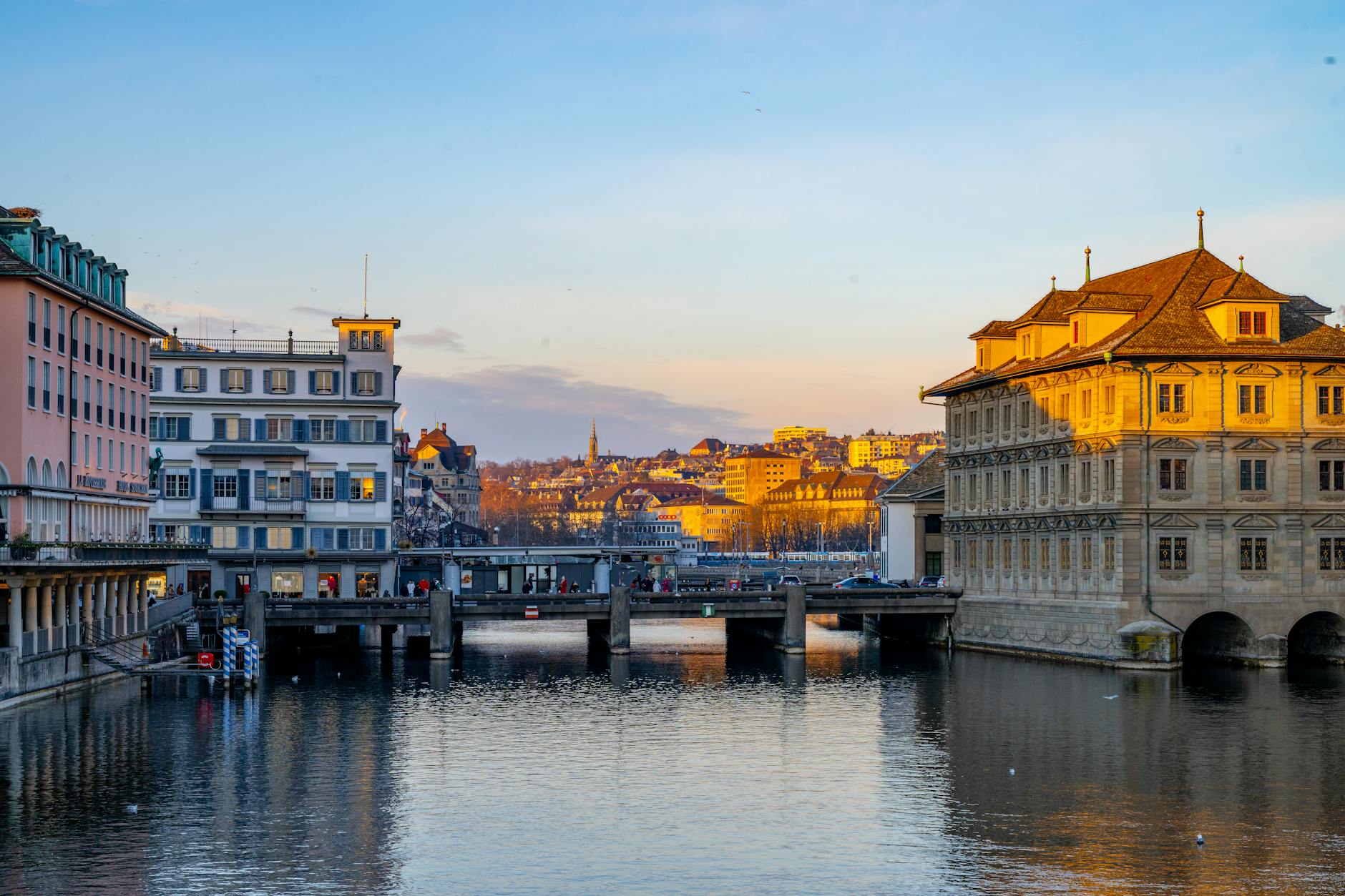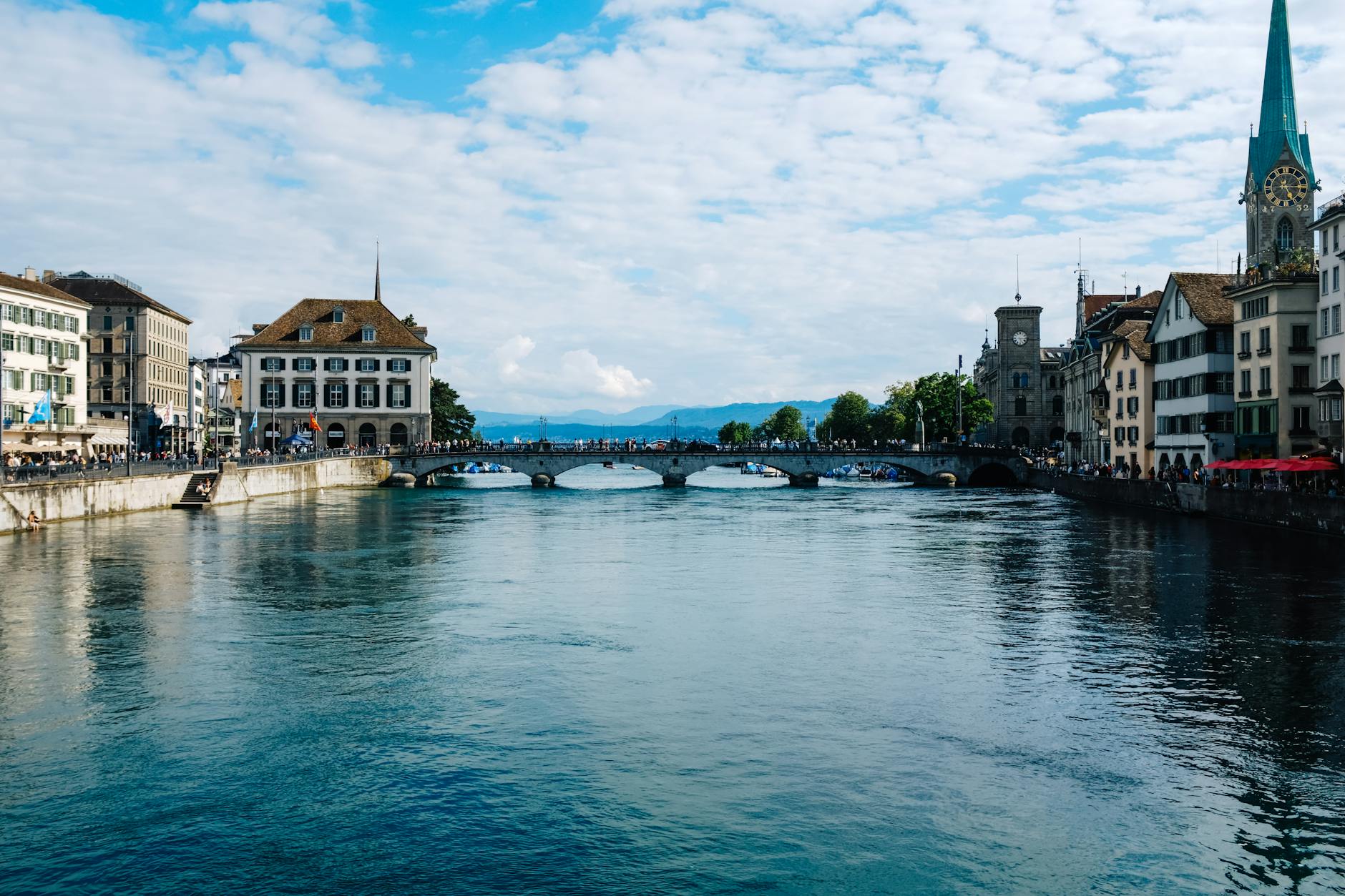
A short journalism trip to Zurich can involve finance, science, culture, migration, climate, diplomacy, tourism, architecture, or local civic stories. The city is efficient, but reporting still depends on access, source timing, weather, equipment, privacy, and transport between neighborhoods. The journalist should arrive with a practical assignment plan that separates essential reporting from attractive but optional city coverage.
Map the story before the city
A journalist should start with the assignment's geography, not Zurich's tourist core. Interviews may sit near financial institutions, universities, cultural venues, nonprofits, government offices, lakefront locations, or suburban research sites. The hotel and route plan should support access to sources and production deadlines.
Zurich is compact, but reporting time disappears quickly when locations are scattered.
- Map interviews, photo locations, institutions, hotel options, Zurich Airport, Hauptbahnhof, and likely filing locations.
- Group sources by neighborhood when possible to reduce repeated cross-city movement.
- Keep optional scenic material separate from reporting that is required for the assignment.
Confirm interviews with Zurich timing in mind
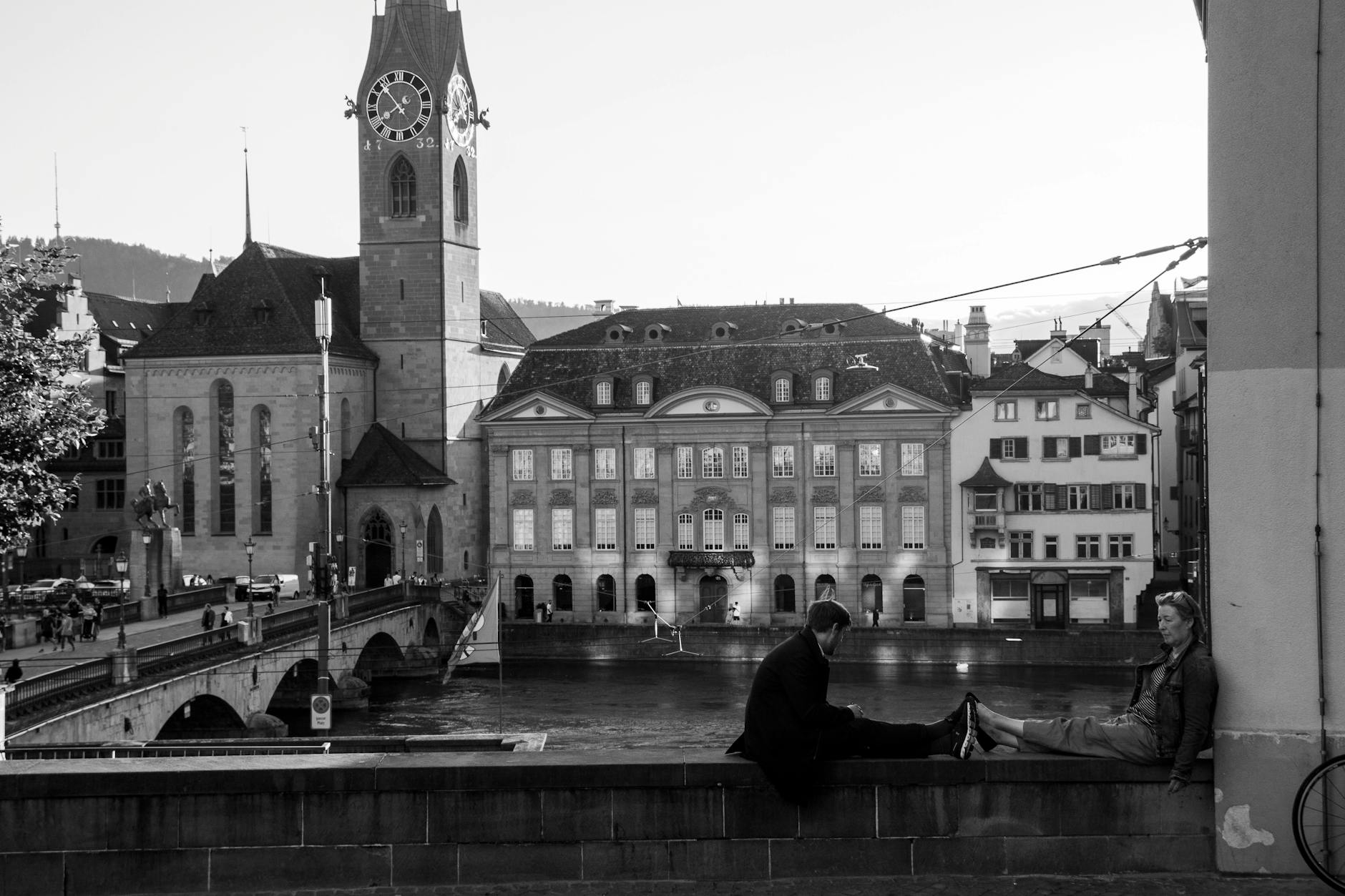
Swiss punctuality can help a reporting trip, but it also means the journalist should be precise with requests, arrival times, and buffers. Sources may prefer office meetings, university rooms, cafes, phone calls, or quiet public spaces. The journalist should verify addresses, languages, consent, recording rules, and time limits before each interview.
Good access depends on making the source's logistics easy.
- Confirm address, arrival procedure, language, interview format, recording consent, time limit, and source availability.
- Allow time for reception desks, visitor badges, elevators, station exits, and weather.
- Have a phone or remote fallback for sources whose timing changes during the assignment.
Protect notes, sources, and equipment
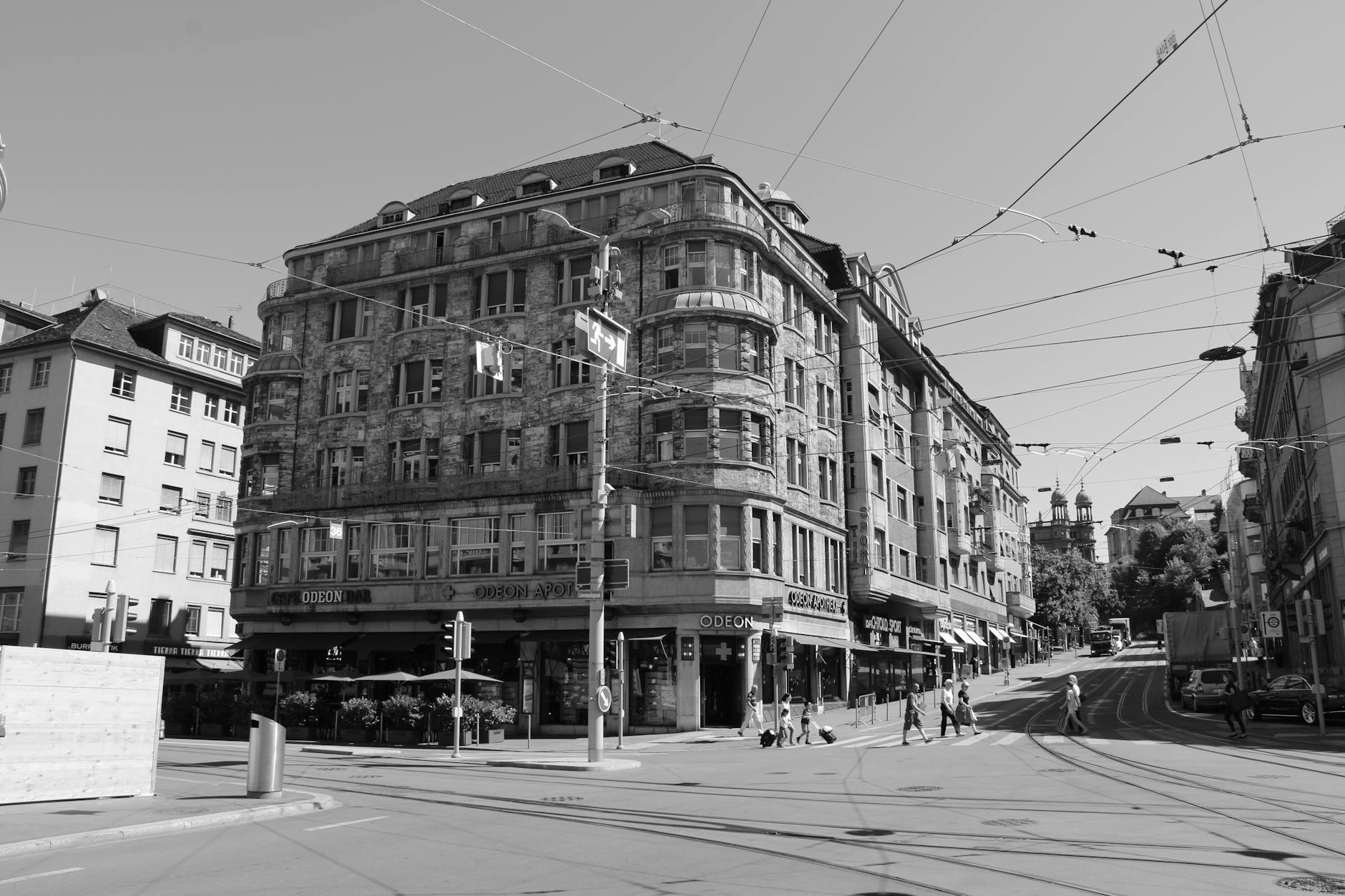
Zurich feels orderly, but a journalist still needs disciplined handling of notes, recordings, photos, source names, and devices. Public trams, station cafes, hotel lobbies, and shared work areas are not neutral spaces for every call or edit. The traveler should know where sensitive work can happen and how material will be backed up.
Source protection is a workflow, not a slogan.
- Use secure backups, device locks, privacy screens, VPN access, and organized file naming during the trip.
- Avoid sensitive calls, source names, or visible notes in crowded public spaces.
- Carry chargers, adapters, spare memory, microphones, credentials, and weather protection for equipment.
Use transit to protect reporting windows
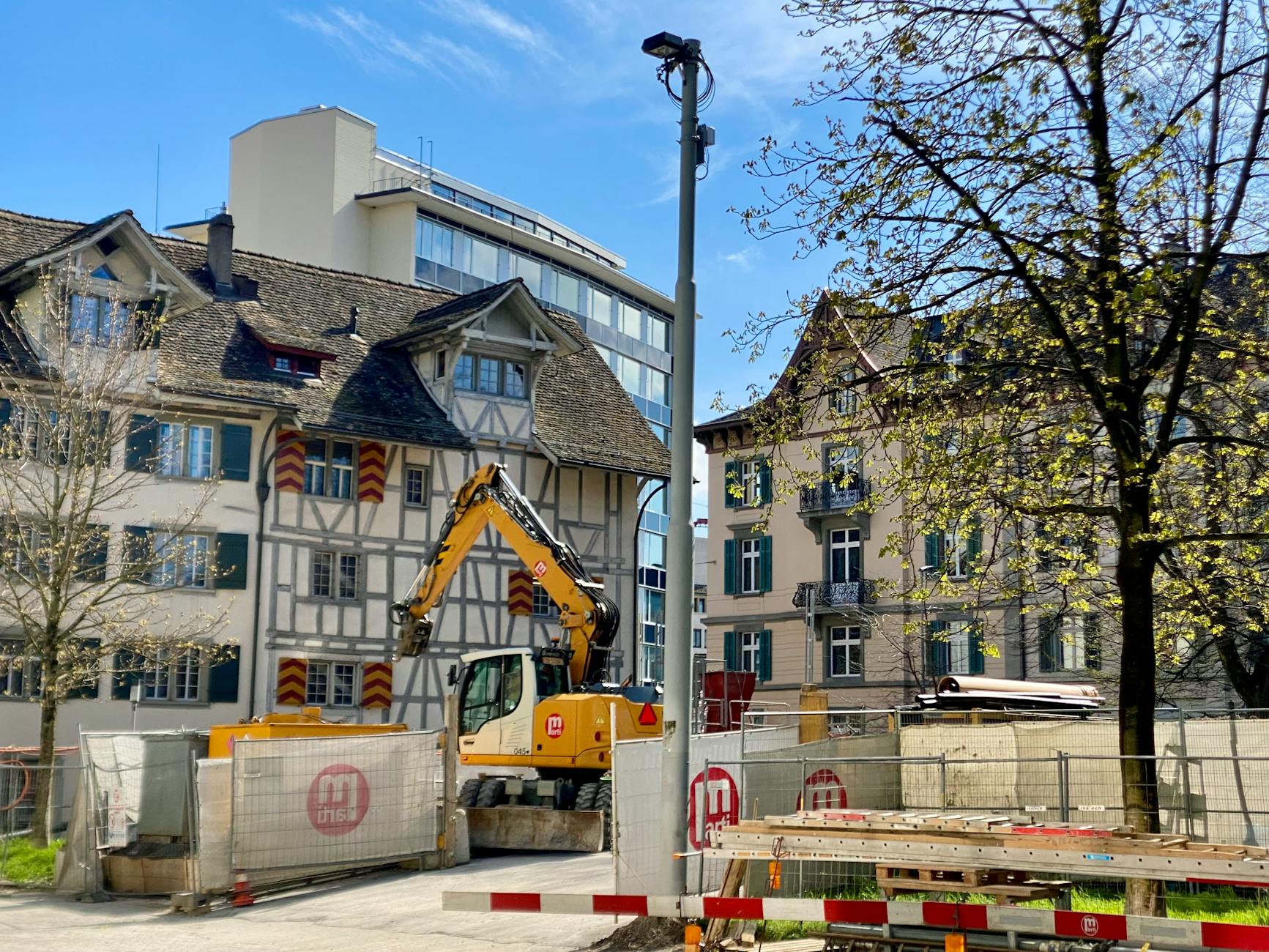
Zurich's trains and trams can let a journalist cover several locations in one day, but the schedule should not be built to the minute. Rain, winter darkness, equipment weight, wrong station exits, and source overruns can break a tight plan. The journalist should know primary and fallback routes before leaving the hotel.
Transport should create reporting time, not consume it.
- Check routes between interviews, photo locations, the hotel, Hauptbahnhof, and the airport.
- Build buffers around source meetings, field photography, live hits, and filing deadlines.
- Use taxis selectively when equipment, weather, source sensitivity, or deadline pressure justifies the cost.
Budget for the assignment, not the holiday
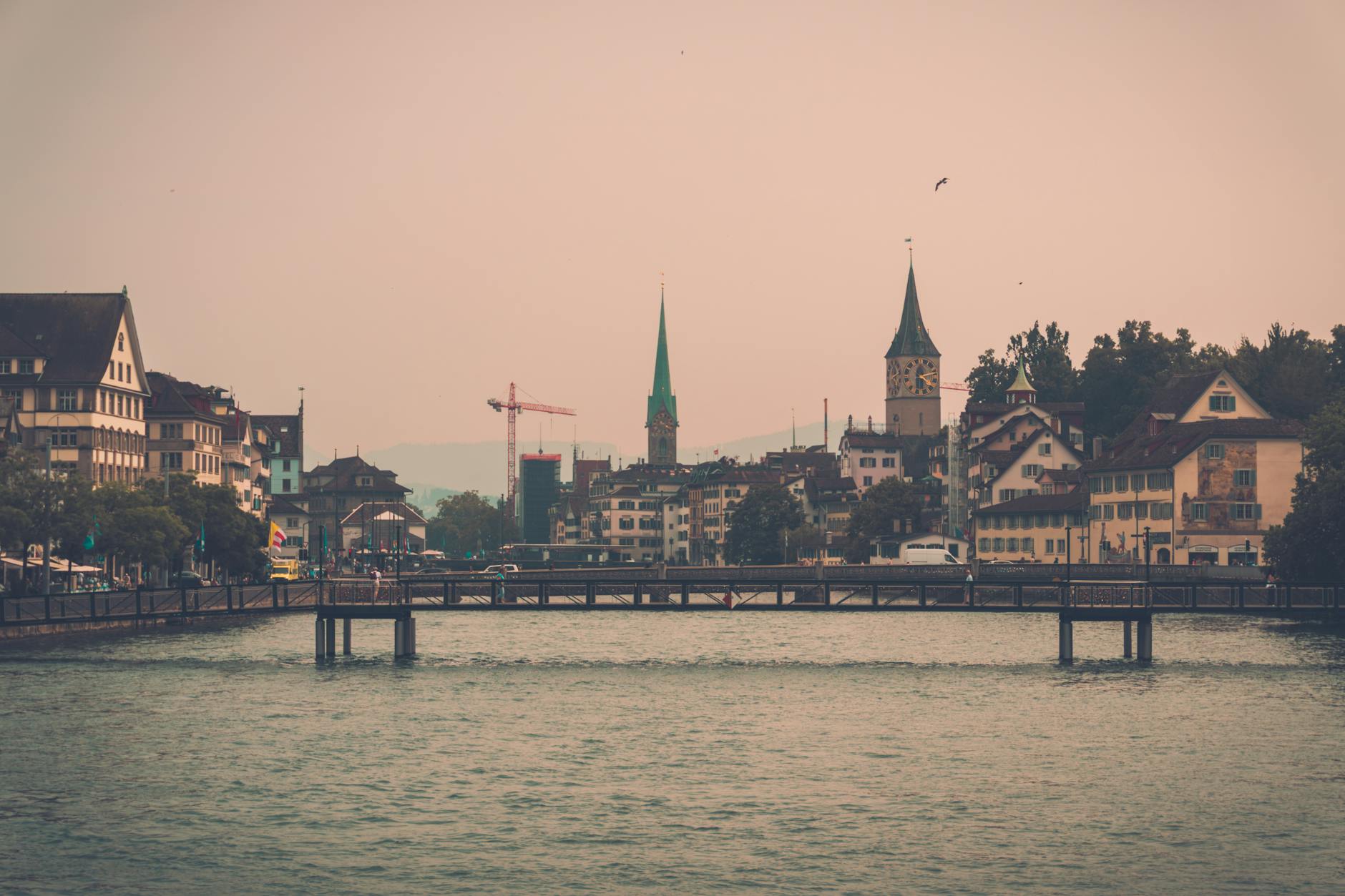
Zurich can make reporting expensive through hotels, meals, local transport, equipment fixes, data plans, and last-minute changes. The journalist should clarify what the editor, outlet, client, or grant covers before choosing convenience. A cheaper base can be false economy if it reduces access or increases fatigue.
The budget should support the story's requirements first.
- Clarify reimbursement for lodging, meals, taxis, data, equipment, translation, permissions, and emergency changes.
- Book lodging early if the assignment overlaps with conferences, finance events, or busy travel periods.
- Keep receipts organized by assignment category before the trip becomes hard to reconstruct.
Plan for visuals and weather
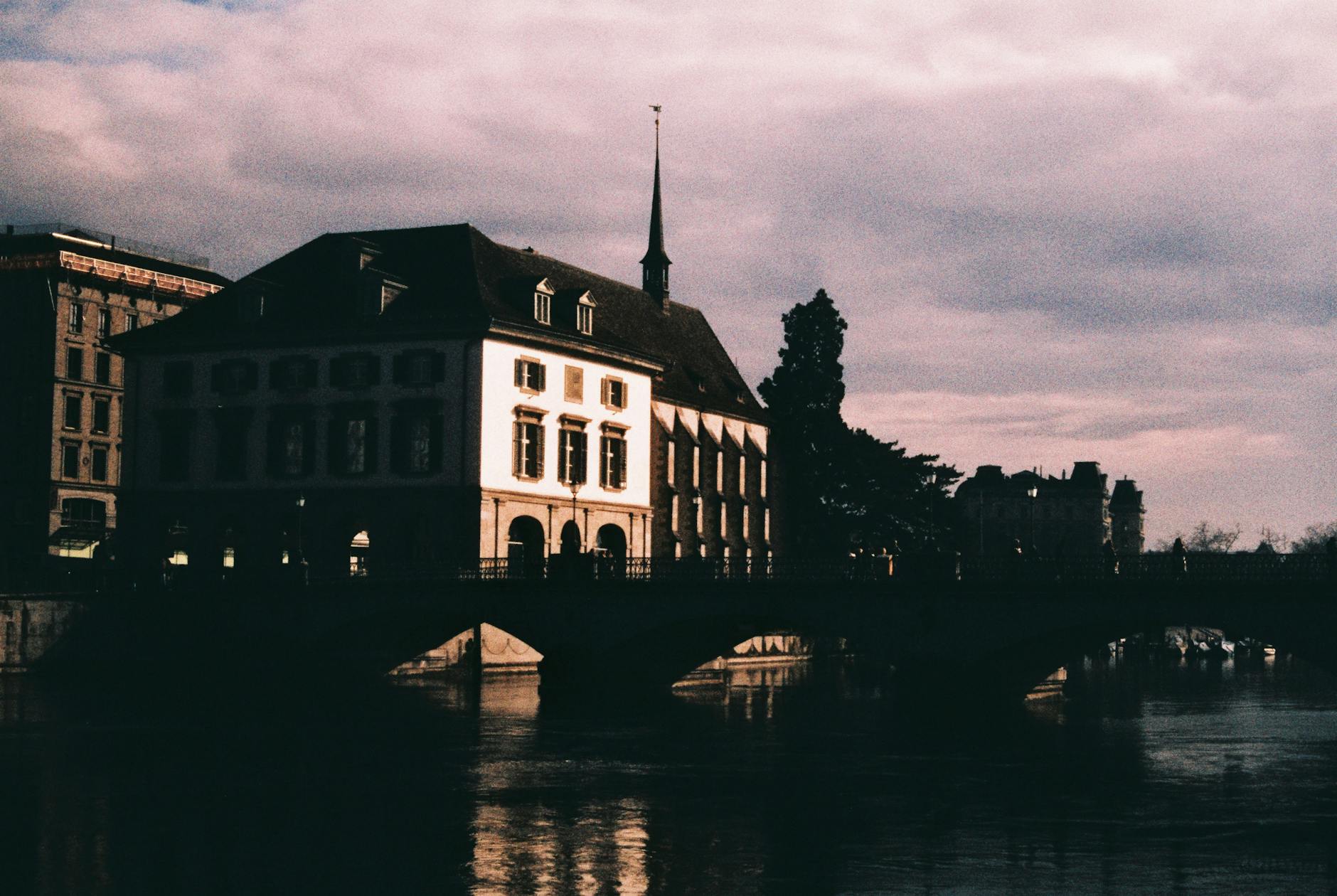
Zurich's river, lake, old town, trams, universities, financial district, and viewpoints can support strong visuals, but light and weather matter. The journalist should separate mandatory images from optional scene-setters, check permissions where needed, and avoid relying on a single outdoor window. Winter darkness, rain, and fog can change what is realistic.
A visual plan should include backups that still serve the story.
- List required visuals, optional establishing shots, backup indoor scenes, and permission-sensitive locations.
- Check sunrise, sunset, rain, fog, snow, and lake visibility against the reporting schedule.
- Protect batteries, lenses, microphones, notebooks, and phones from weather during field work.
When to order a short-term travel report
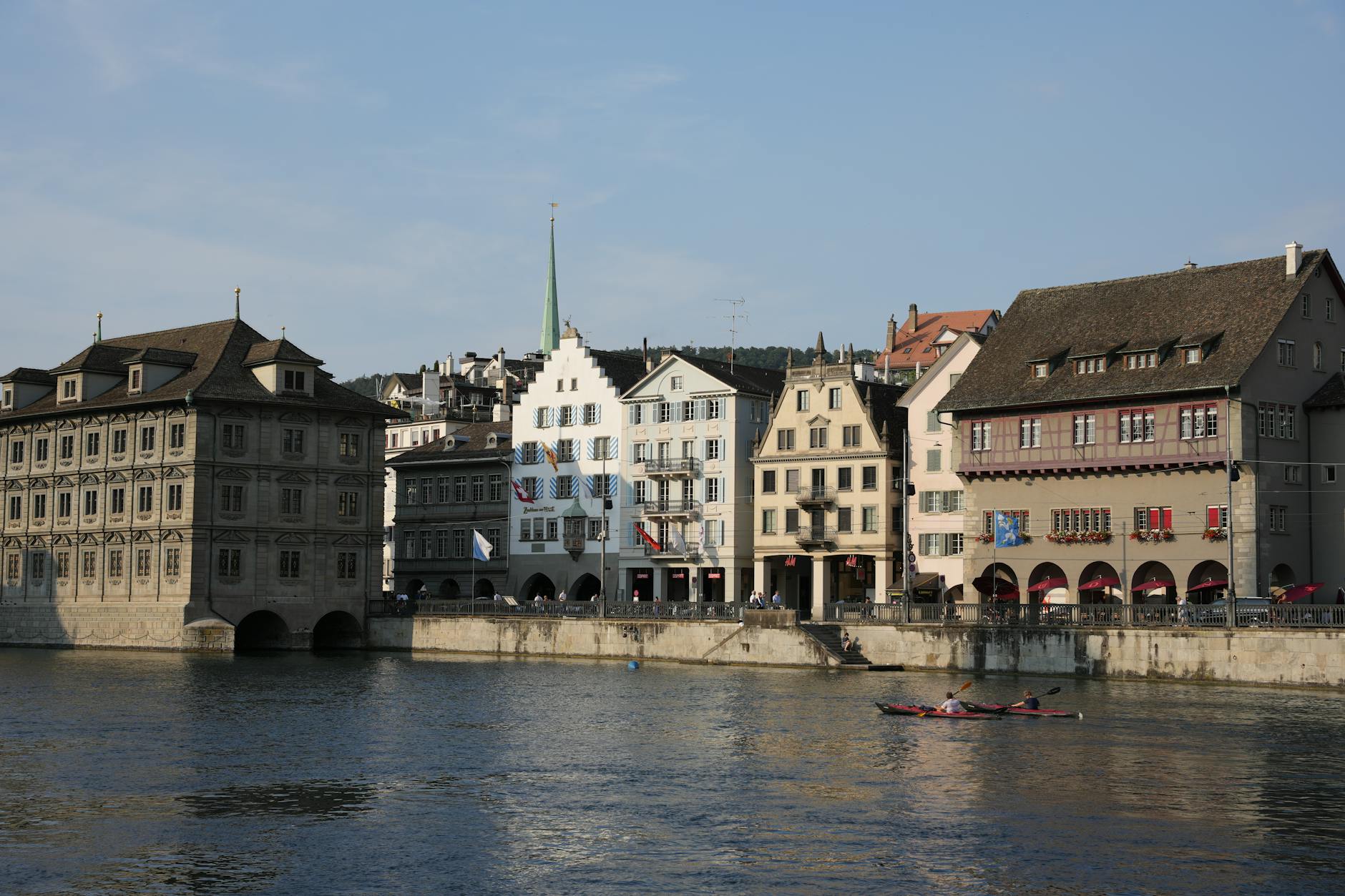
A journalist with one fixed interview and a simple hotel may not need a custom Zurich report. A report becomes useful when the assignment has multiple sources, tight deadlines, sensitive interviews, equipment needs, visual requirements, or location choices that affect the story.
The report should test story geography, hotel base, interview routes, transport buffers, source privacy, visual timing, weather alternatives, cost exposure, filing locations, and departure logistics. The value is a Zurich reporting trip that protects both the story and the workflow.
- Order when interviews, source privacy, visual planning, deadlines, or scattered locations need careful sequencing.
- Provide dates, source locations, assignment angle, equipment needs, hotel options, budget rules, and filing deadlines.
- Use the report to turn Zurich's efficiency into more usable reporting time.