Zurich is a serious destination for banking, asset management, family offices, private markets, and cross-border meetings. A short investor or deal team trip needs more than a convenient flight and a central hotel. The traveler may have investor meetings, management sessions, diligence calls, legal reviews, discreet dinners, and early departures. The plan should protect confidentiality, punctuality, document access, and clear decision time.
Map institutions and advisers first
A deal trip may involve banks, counsel, accountants, fund managers, family offices, management teams, and private meeting rooms in different parts of Zurich. The traveler should map each location before choosing lodging or accepting meeting times. A day that looks simple on a calendar can become inefficient if every meeting requires a cross-city move.
The itinerary should follow the deal geography, not the traveler's default hotel preference.
- Map each bank, adviser, investor, management meeting, dinner, hotel option, airport transfer, and rail connection.
- Group meetings by area when possible to reduce unnecessary movement between the center, airport, Oerlikon, and other districts.
- Choose lodging that protects the highest-value meeting and the final departure.
Protect confidentiality from arrival to departure
Investor and deal work often includes financial models, diligence notes, investor lists, term sheets, board materials, and sensitive calls. Public transit, airport lounges, cafes, and hotel lobbies may be convenient but not suitable for every task. The traveler should decide where confidential review and calls can happen before the schedule tightens.
Privacy is part of the trip design, not just a behavioral preference.
- Confirm secure Wi-Fi, desk space, quiet call locations, private meeting rooms, and device-charging options.
- Keep sensitive documents, models, data-room access, and client names out of view in public areas.
- Use privacy screens, VPN access, offline backups, and secure storage for devices and documents.
Plan airport and rail timing conservatively
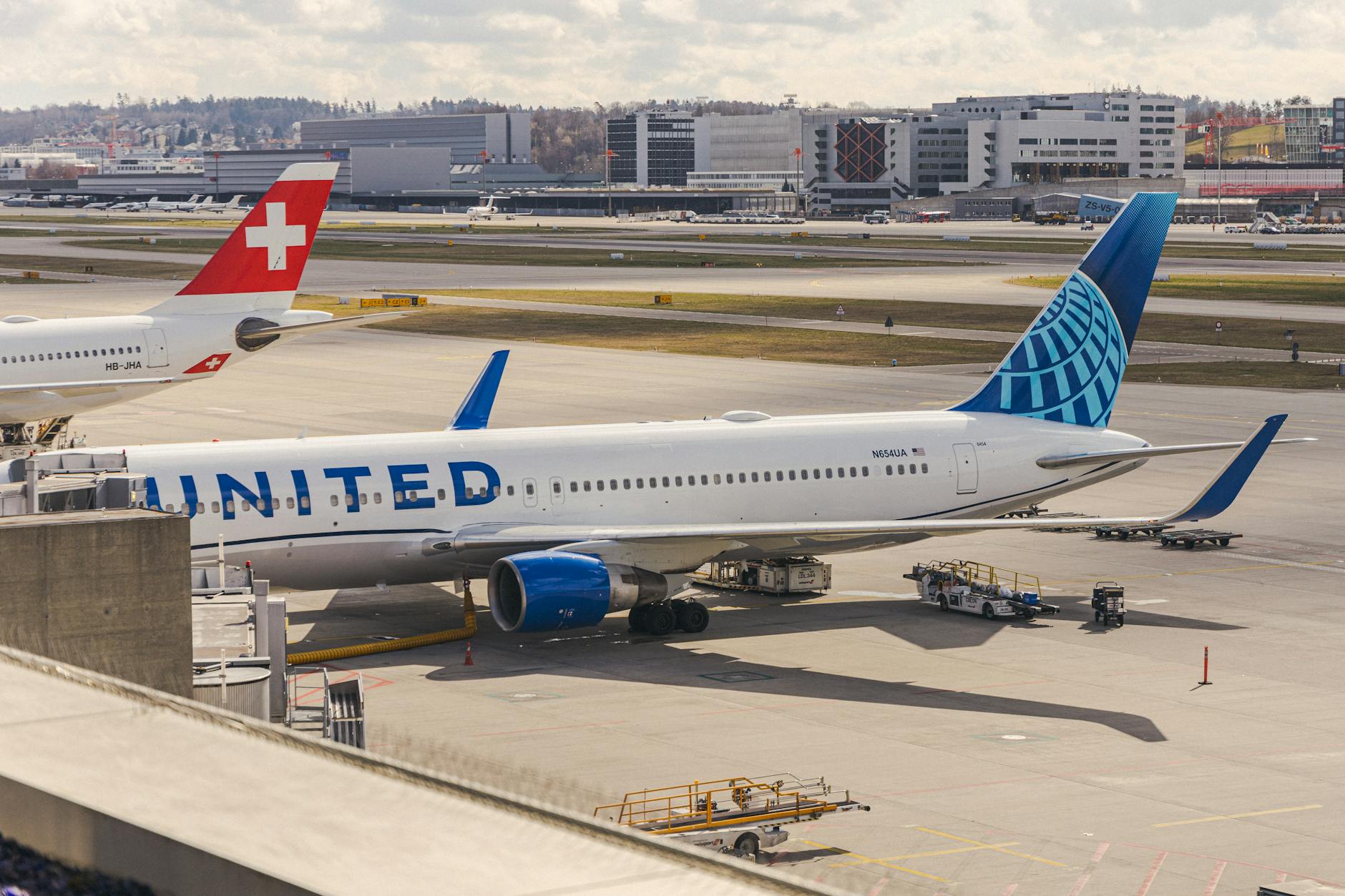
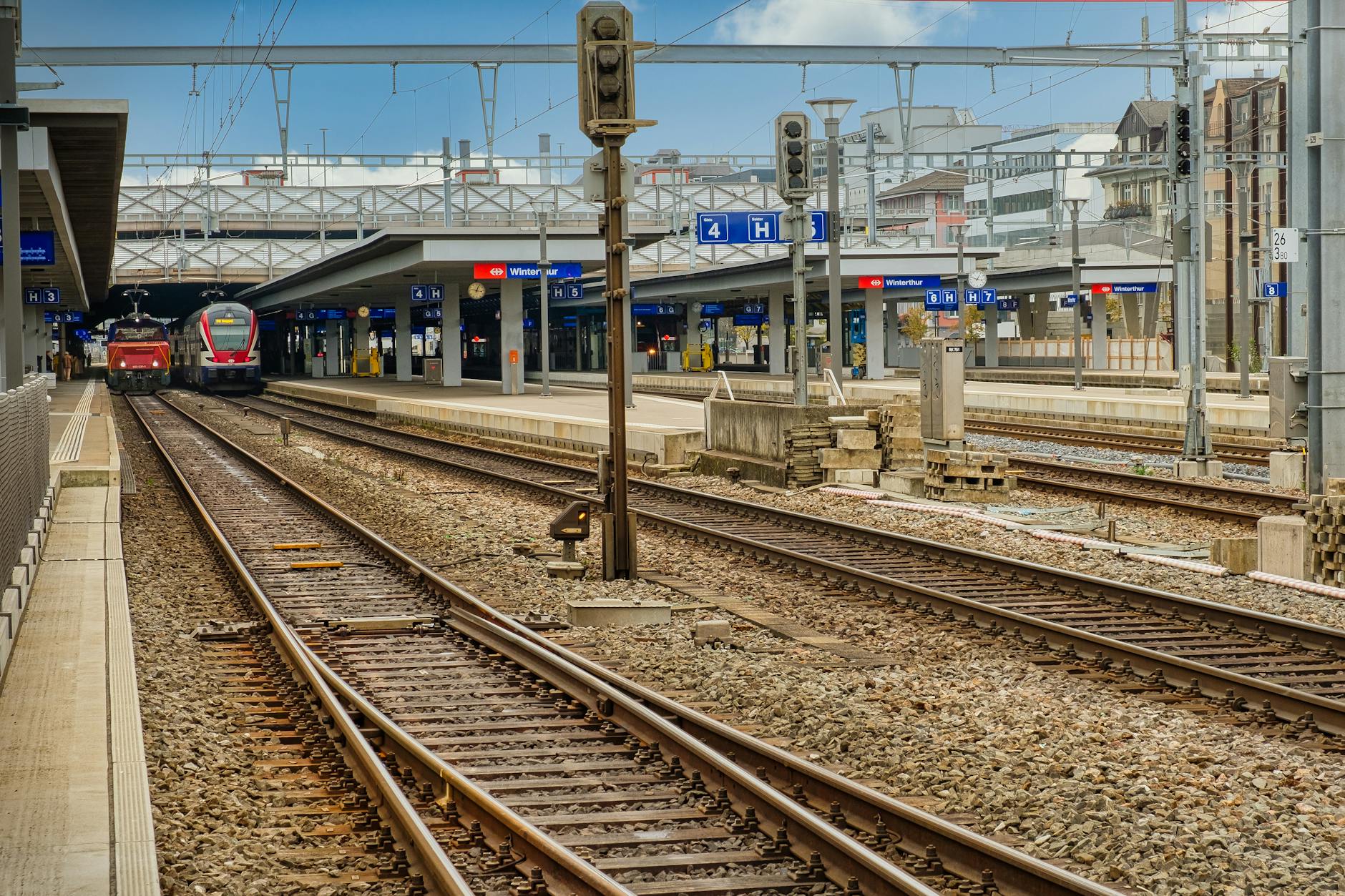
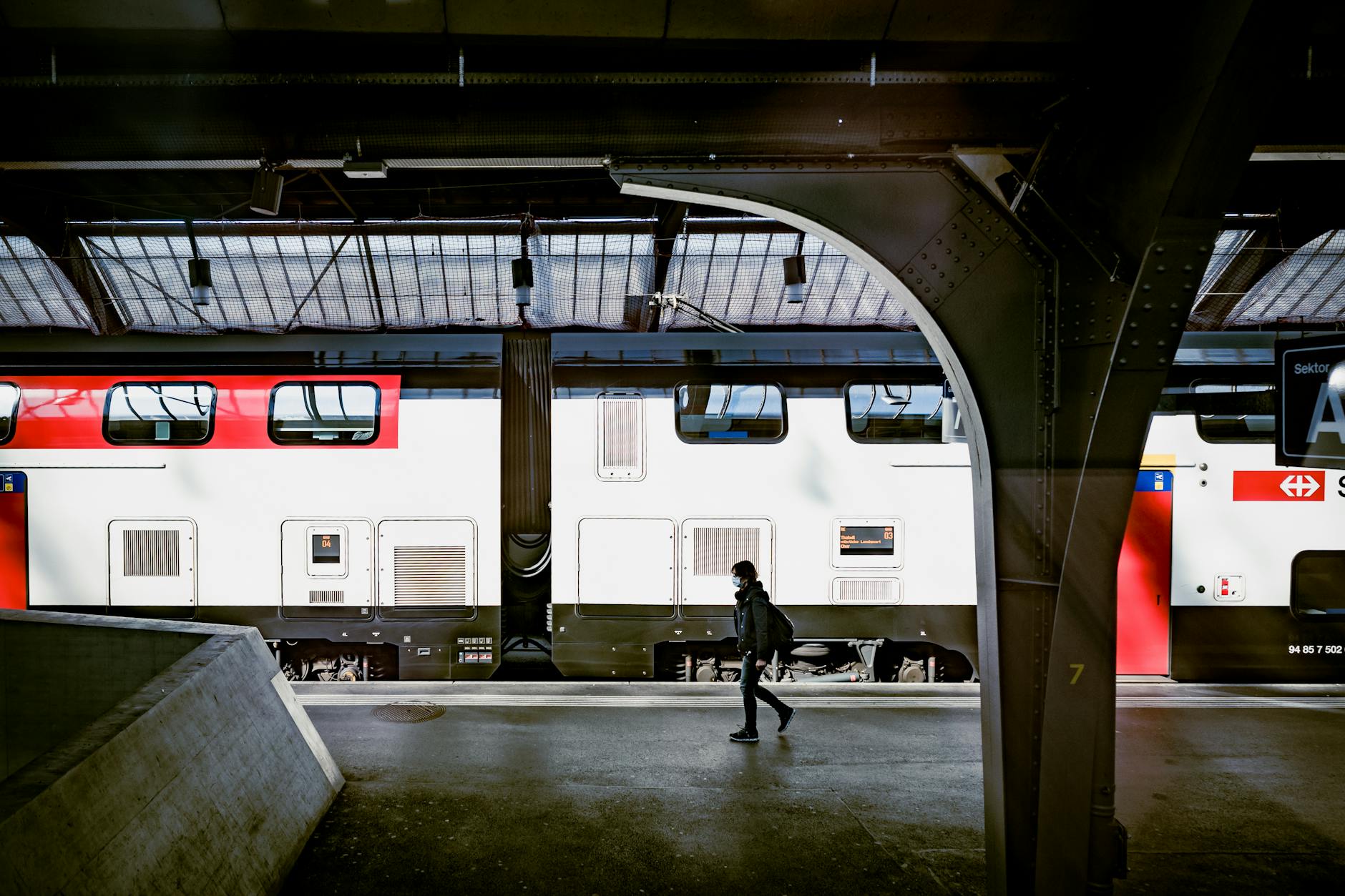
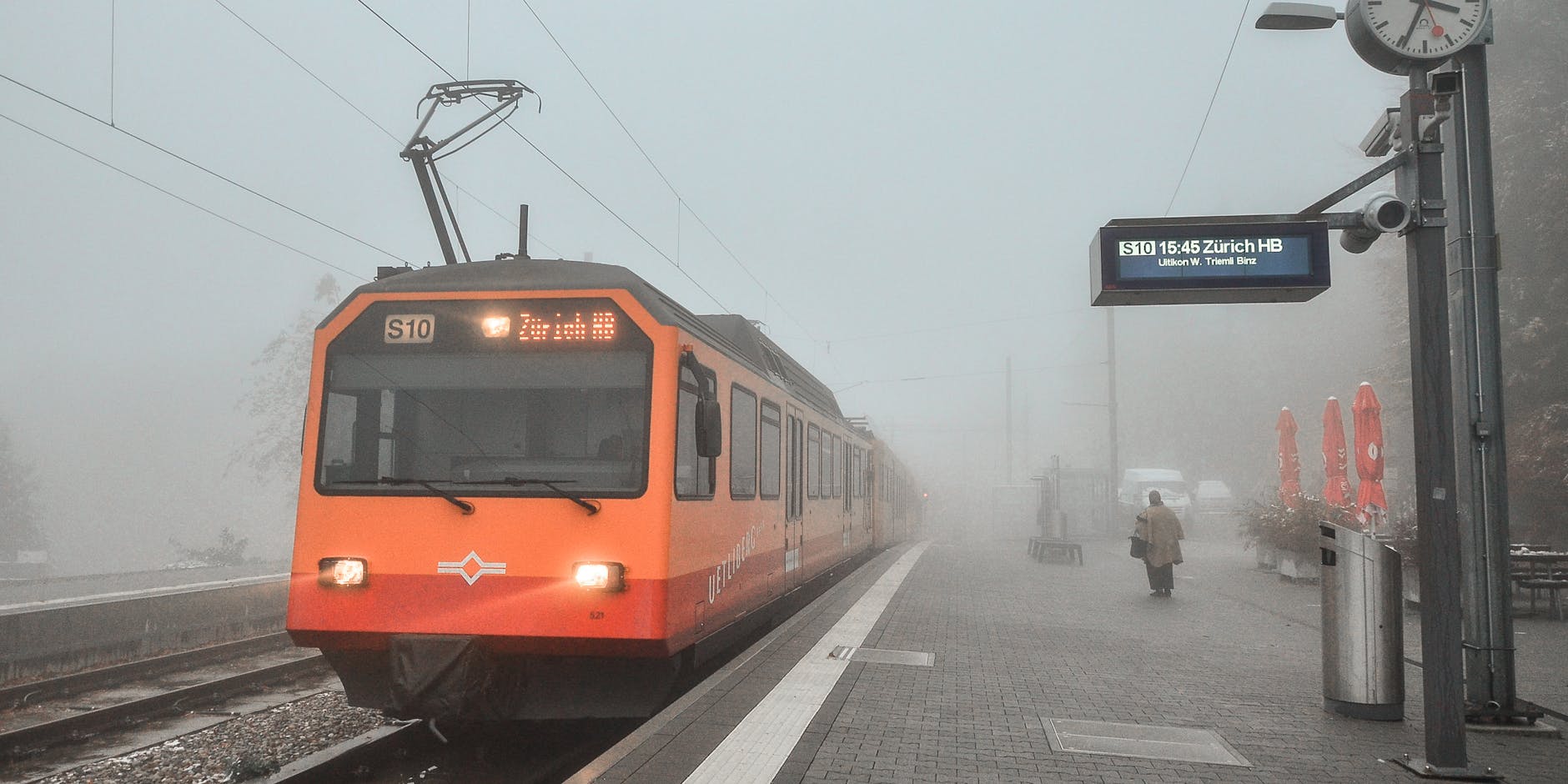
Zurich Airport and rail links can support a fast deal trip, but senior meetings and diligence sessions do not tolerate fragile timing. The traveler should build buffers for immigration, luggage, station exits, weather, visitor badges, and meeting-room security. A paid transfer can be rational when the schedule is compressed or the traveler carries sensitive material.
Precision is useful only when the plan includes enough margin to stay calm.
- Check flight arrival, luggage risk, rail timing, taxi options, hotel bag storage, and route to the first meeting.
- Leave extra time before board meetings, investor pitches, management sessions, and legal reviews.
- Know the fastest credible backup route to the airport and Hauptbahnhof before the final day starts.
Make the hotel work for late diligence
Deal teams often work after dinner or before early meetings. A hotel room with weak Wi-Fi, poor desk setup, noise, or limited room-service options can reduce the usefulness of the trip. The traveler should check the work environment as carefully as the location, especially when the visit includes model review, call preparation, or document markup.
A good hotel is a temporary work site as much as a place to sleep.
- Confirm desk quality, Wi-Fi reliability, power outlets, quiet, late food options, laundry, and secure storage.
- Choose a hotel that supports both meeting access and focused evening work.
- Keep adapters, chargers, offline files, and document access ready before late-night work begins.
Treat dinners and informal meetings carefully
Zurich deal conversations may continue over breakfast, coffee, a discreet lunch, or dinner. The setting should match the sensitivity of the conversation and the seniority of the participants. The traveler should check reservations, payment norms, dietary needs, noise, privacy, and return routes before relying on a restaurant as a work setting.
The wrong room can make a useful conversation harder than it needs to be.
- Select meal settings by privacy, noise level, location, service reliability, and participant expectations.
- Clarify payment, reimbursement, and hosting rules before senior dinners or adviser meals.
- Protect time after dinner for notes, follow-up, document review, or the next morning's preparation.
Control fatigue and decision quality
Deal travel can compress flights, meetings, confidential calls, meals, and late-night work into a short Zurich stay. Fatigue can affect judgment, tone, and attention to detail. The traveler should build space for sleep, private review, and clean transitions rather than filling every available hour.
A good deal schedule protects thinking time as much as meeting time.
- Reserve quiet blocks for model review, notes, adviser calls, and decision preparation.
- Avoid stacking high-stakes meetings immediately after long-haul arrival when a later slot is possible.
- Keep departure day realistic if the team needs a final meeting, document handoff, or airport transfer.
When to order a short-term travel report
An investor or deal team member with one familiar meeting and a known hotel may not need a custom Zurich report. A report becomes useful when multiple institutions, private meetings, airport timing, confidentiality, senior dinners, late work, or departure-day constraints need to fit into a short trip.
The report should test meeting geography, hotel base, airport and rail transfer, privacy needs, call locations, adviser routing, meal settings, cost exposure, fatigue buffers, and departure logistics. The value is a Zurich deal trip that protects judgment and discretion.
- Order when meeting geography, confidentiality, senior participants, deal materials, or tight transfers need careful planning.
- Provide dates, flight times, hotel options, meeting addresses, participant seniority, work needs, and expense rules.
- Use the report to keep the deal work private, punctual, and mentally manageable.