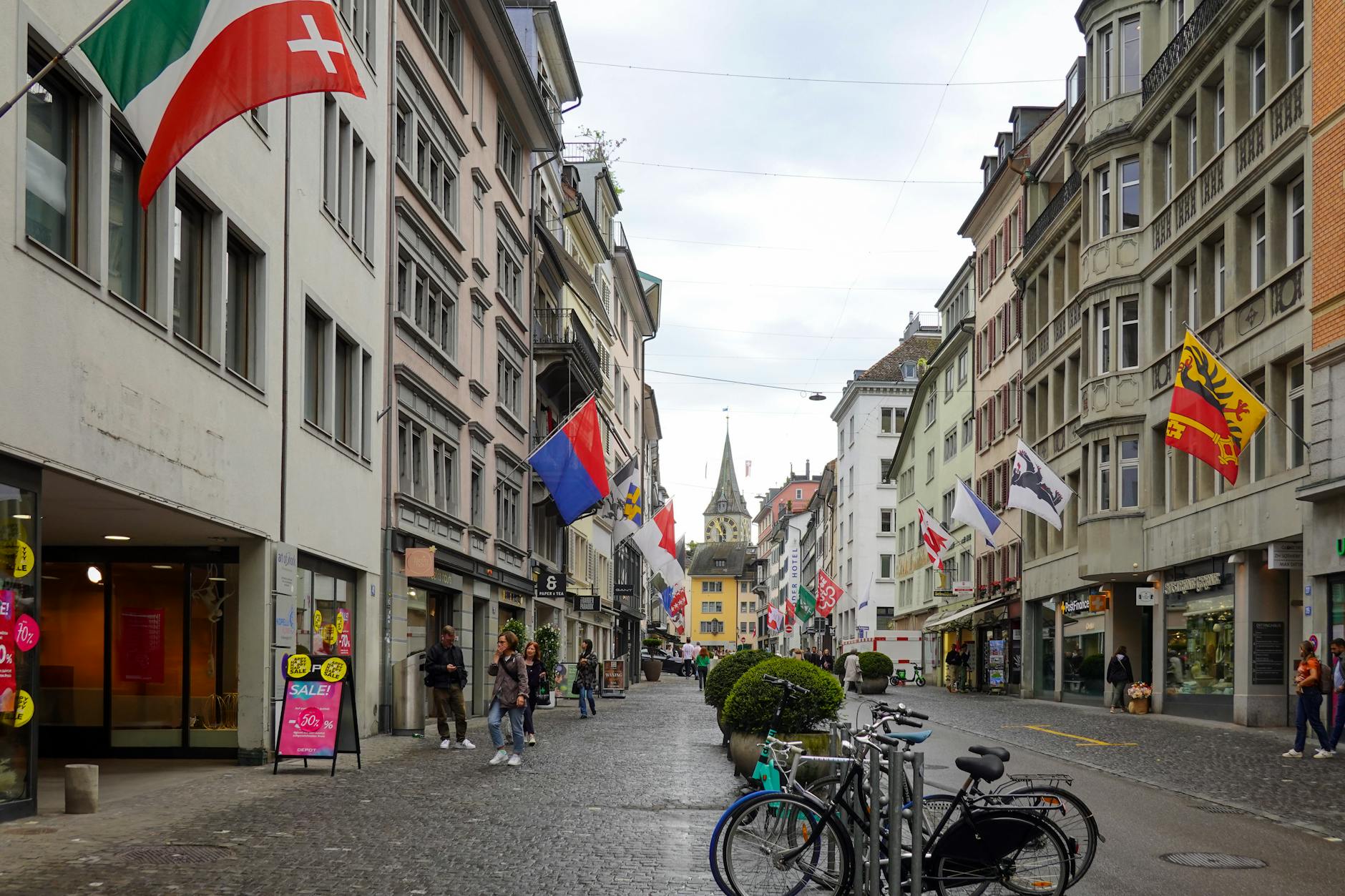
Zurich is a strong first-time city because it is orderly, scenic, and easy to navigate once the traveler understands the basic geography. The old town, Limmat, Lake Zurich, Bahnhofstrasse, Hauptbahnhof, trams, and airport rail link can make a short stay feel polished. The main mistake is trying to turn a compact Zurich visit into a broad Swiss tour before the traveler has allowed for cost, weather, walking, and timing.
Start with Zurich's compact core
A first-time visitor should begin by understanding the relationship between Hauptbahnhof, the Limmat, the old town, Bahnhofstrasse, and Lake Zurich. These areas can form a satisfying first route without constant transit. The visitor can add museums, viewpoints, or lake time once the core is clear.
Zurich is easier when the first day is a coherent walk, not a scatter of disconnected pins.
- Map Hauptbahnhof, old town, the Limmat, Bahnhofstrasse, Lake Zurich, and the hotel before arrival.
- Use the compact core for the first route instead of crossing the city repeatedly.
- Save distant day trips until the basic Zurich plan is stable.

Make airport arrival simple
Zurich Airport is well connected, but a first-time visitor should still decide before landing how to reach the hotel. Train, tram, taxi, and hotel-area walking each make sense in different cases. Luggage, weather, arrival time, jet lag, and hotel check-in should shape the choice.
The first transfer sets the tone for the trip. It should be clear enough to execute when tired.
- Choose the airport transfer before landing and confirm the hotel route from the final station or stop.
- Use rail when luggage is manageable and the hotel is near a convenient station.
- Use a taxi when late arrival, mobility limits, heavy bags, or confusion would cost more than the fare.

Use trams and walking together
Zurich's trams are one of the easiest ways to keep a short visit comfortable, but the city also rewards walking. A first-time visitor should combine the two: walk the old town and riverfront, then use trams for longer jumps, rain, fatigue, or hotel returns. Ticket zones, validation, and transfer rules should be checked before boarding.
The goal is not to walk everywhere. The goal is to spend energy where Zurich is most enjoyable.
- Use walking for the old town, Limmat, lakefront, and close neighborhoods.
- Use trams for rain, fatigue, uphill routes, hotel returns, and longer cross-town movement.
- Check ticket rules and zones before treating transit as an afterthought.

Plan costs before choosing meals and hotels
Zurich can surprise first-time visitors with hotel rates, restaurant prices, coffee costs, and casual spending. A short stay can still be good value if the visitor chooses the hotel area carefully, mixes meals sensibly, and avoids paying for convenience in every decision. The budget should reflect Switzerland, not a generic European city assumption.
Knowing the likely cost makes the trip calmer and reduces second-guessing on arrival.
- Set expectations for hotel rates, meals, coffee, transit, museums, and airport movement.
- Mix sit-down meals with bakeries, markets, casual cafes, and hotel breakfast when useful.
- Book lodging by total trip fit rather than nightly rate alone.
Choose one scenic expansion
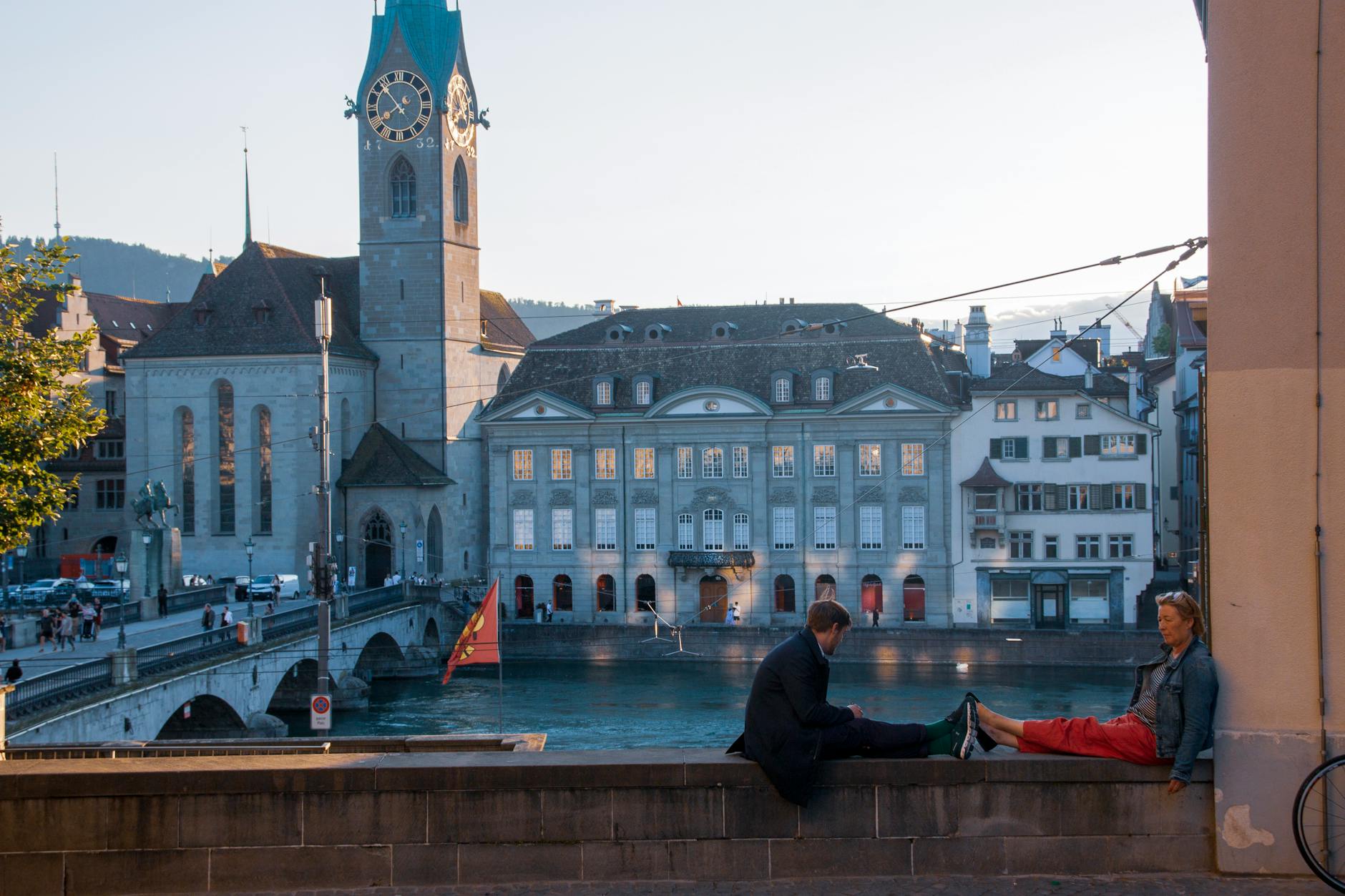
After the core route, a first-time visitor can add one expansion: Lake Zurich, a boat ride, a museum, Uetliberg, Zurich West, or a neighborhood meal. The mistake is trying to add all of them to a short stay. Weather and daylight should influence the choice.
Zurich feels more memorable when one addition is enjoyed properly instead of several being rushed.
- Choose one expansion such as Lake Zurich, a boat ride, a museum, Uetliberg, or Zurich West.
- Let weather, daylight, walking energy, and hotel location decide the addition.
- Keep the expansion easy to cancel if arrival, rain, or fatigue changes the day.

Prepare for weather and Sunday rhythms
Zurich weather can change the feel of a short visit quickly. Rain, cold, heat, snow, wind near the lake, and early darkness can all shift the best route. Sunday and holiday opening patterns can also change shopping, errands, and dining assumptions. A first-time visitor should have a weather-proof version of the plan.
A strong Zurich itinerary can move indoors without feeling like a failed day.
- Check rain, temperature, wind near the lake, daylight, and Sunday or holiday opening hours.
- Keep museums, cafes, churches, shopping streets, and shorter tram routes as weather alternatives.
- Carry layers and shoes that work on stone streets and wet pavement.

When to order a short-term travel report
A first-time visitor with a simple two-night Zurich stay may not need a custom report. A report becomes useful when the traveler is balancing high hotel costs, a short arrival window, weather risk, a possible day trip, mobility concerns, or uncertainty about what deserves priority.
The report should test hotel base, arrival route, first-day walk, transit tickets, meal strategy, one scenic expansion, weather alternatives, and departure timing. The value is a first Zurich trip that feels clear rather than overfilled.
- Order when hotel choice, airport transfer, costs, weather, walking, day-trip ideas, or priorities need testing.
- Provide dates, flight times, hotel options, budget, interests, walking tolerance, and must-see ideas.
- Use the report to keep the first Zurich visit compact, specific, and realistic.