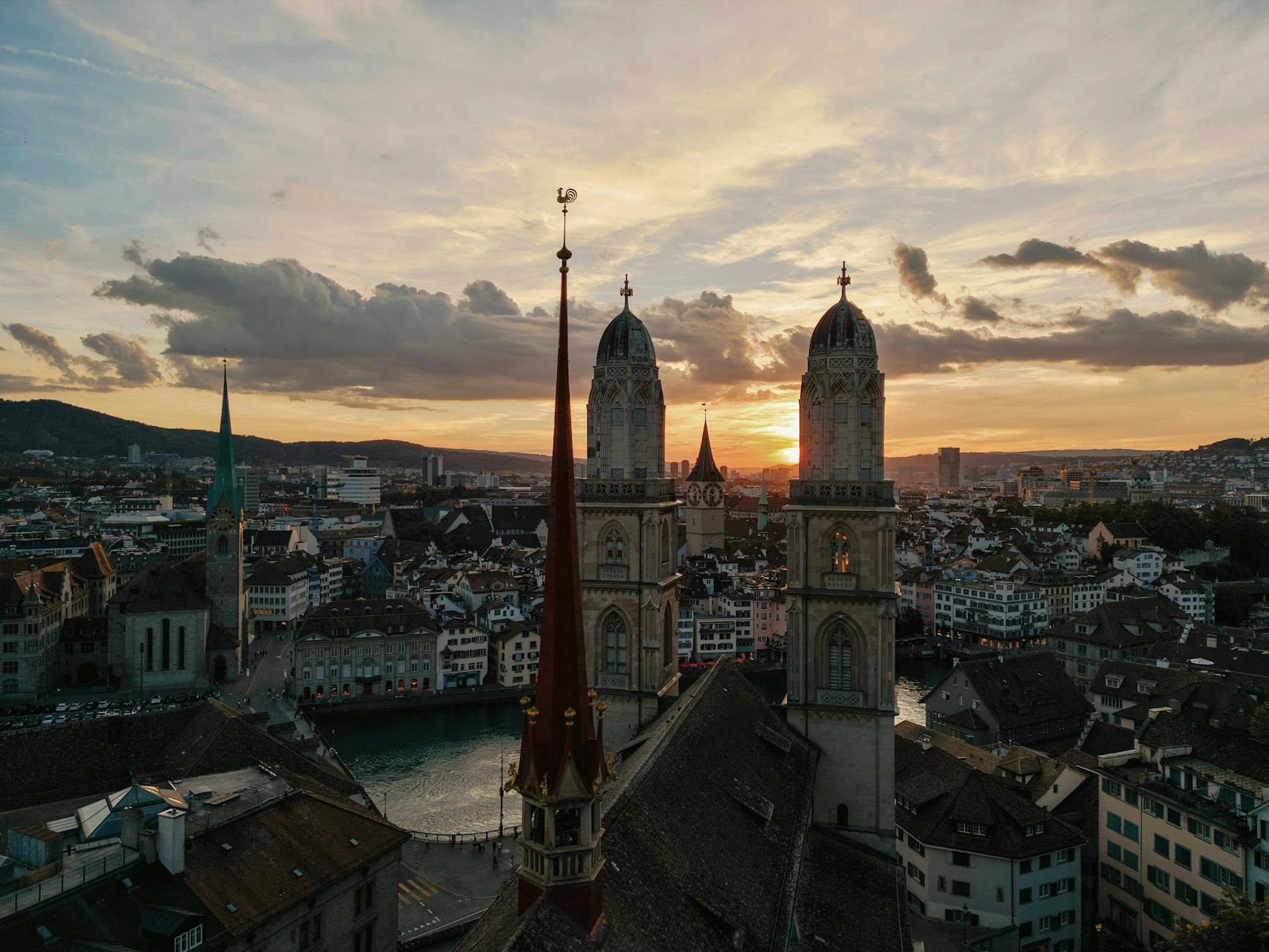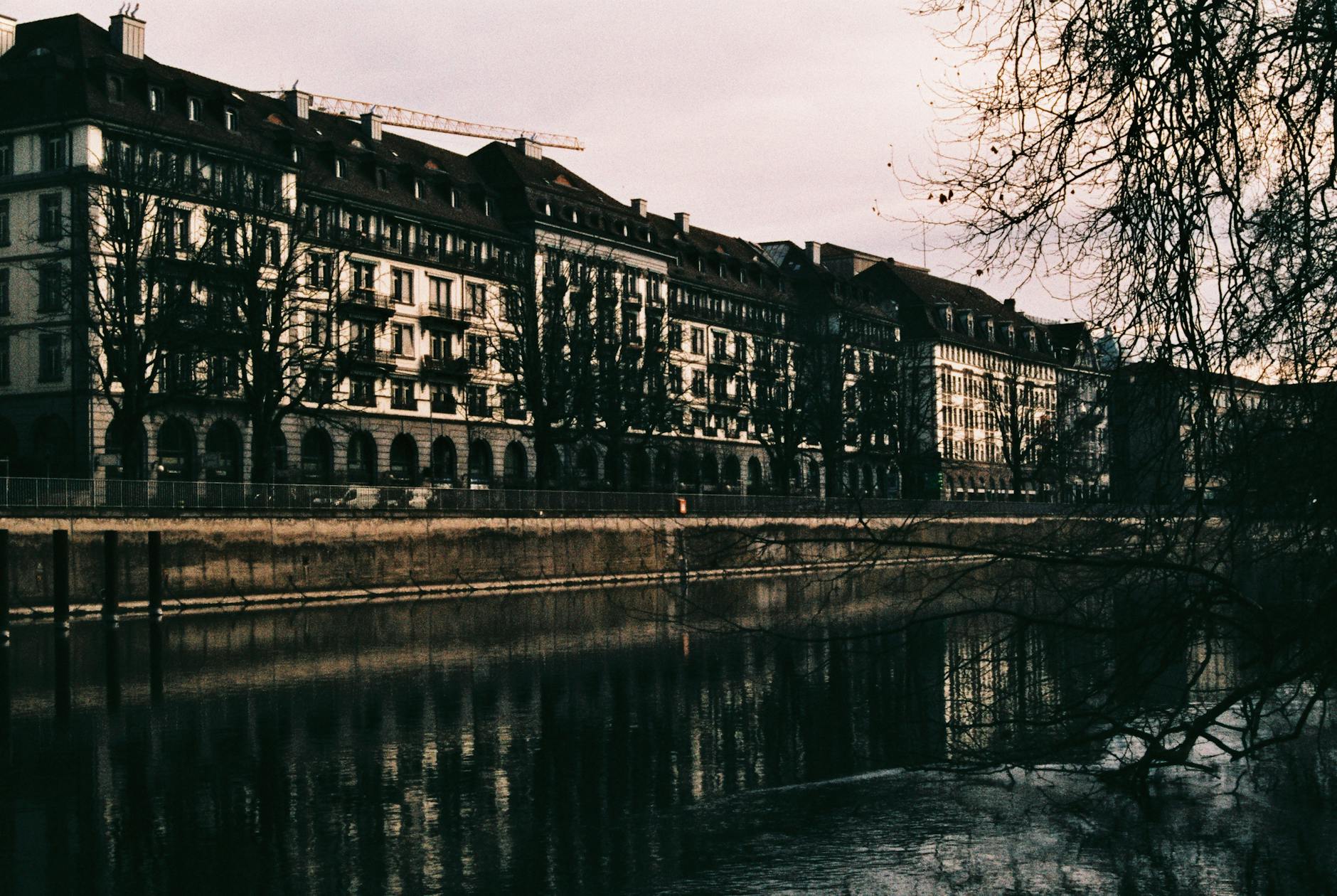
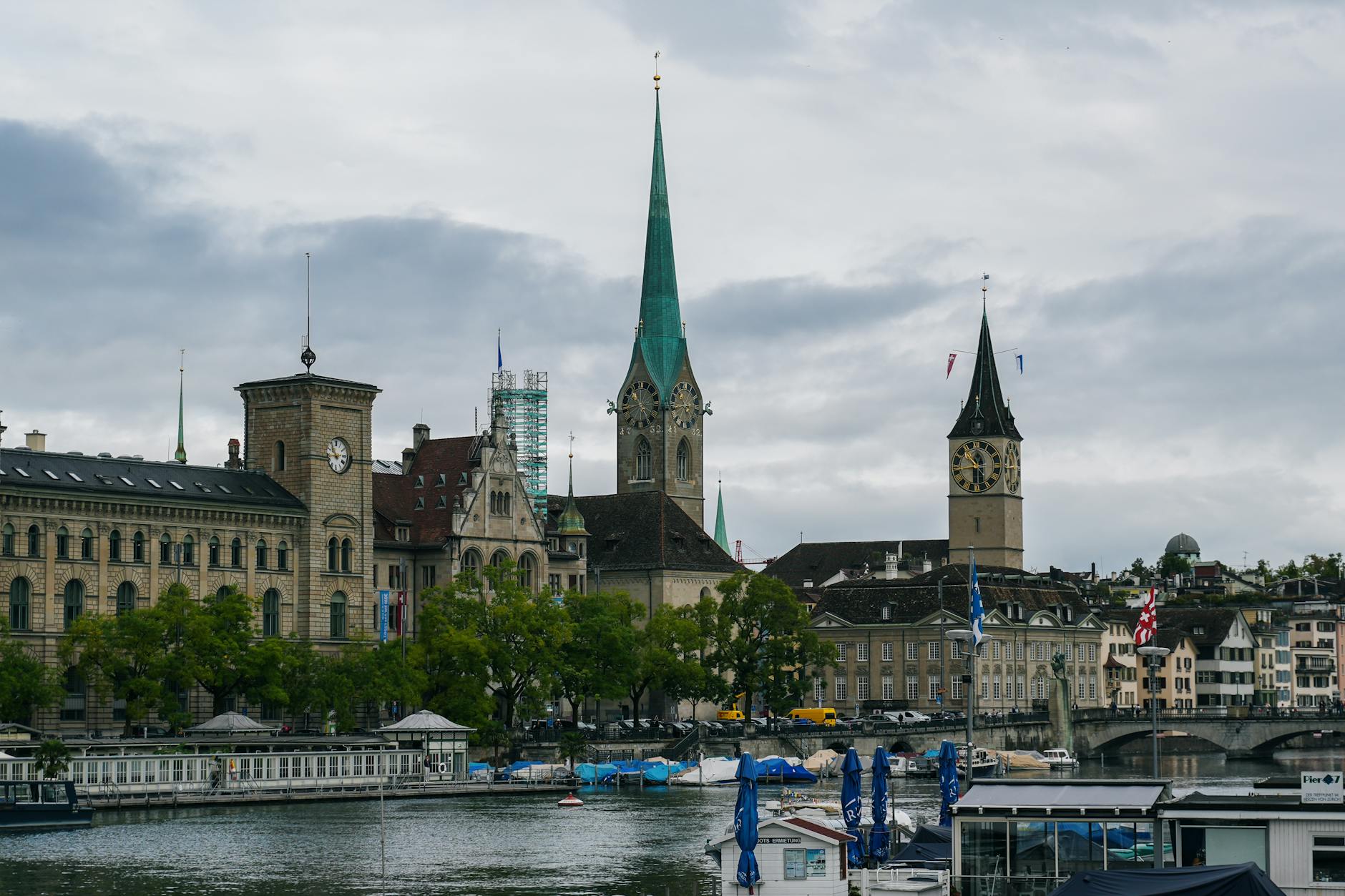
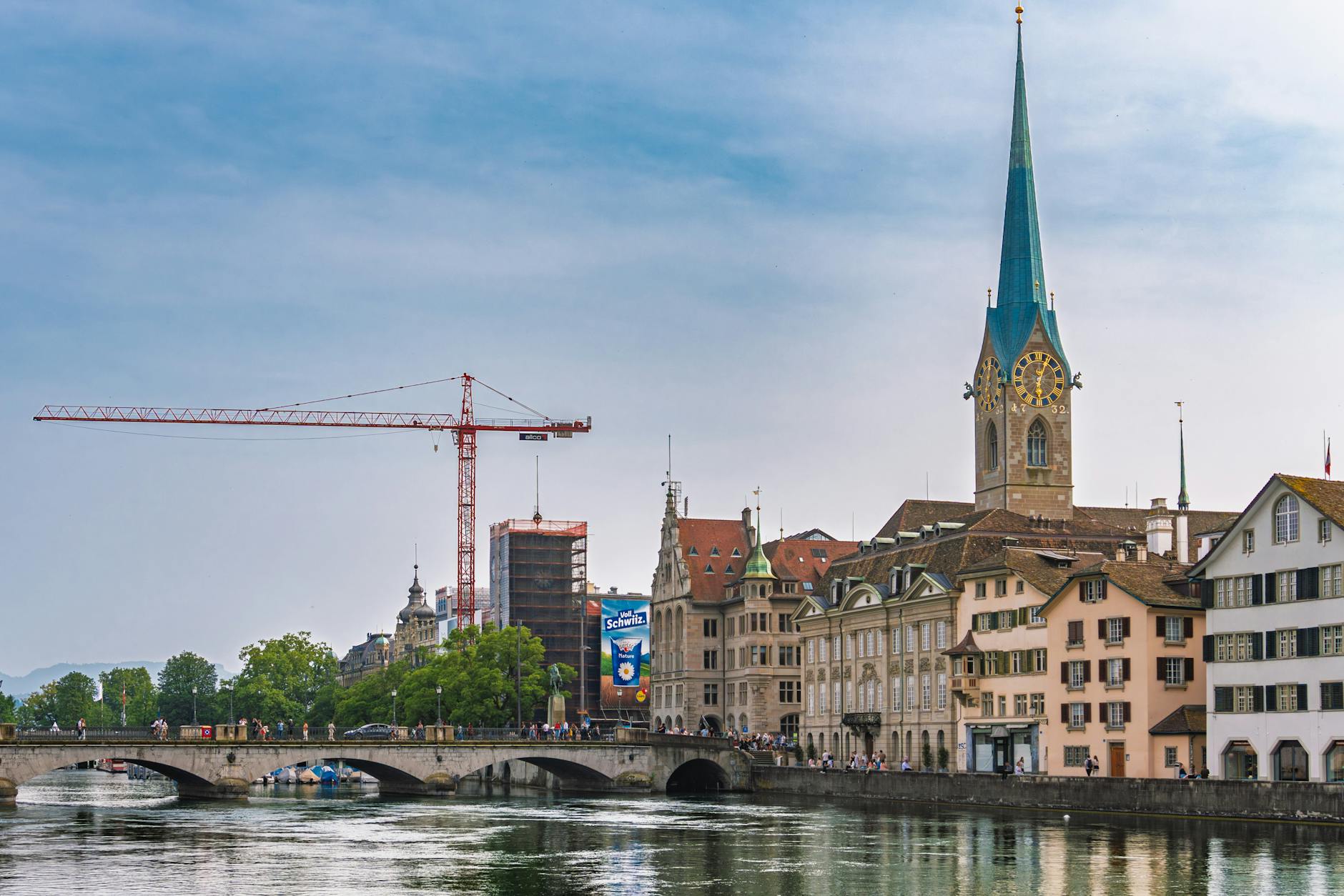
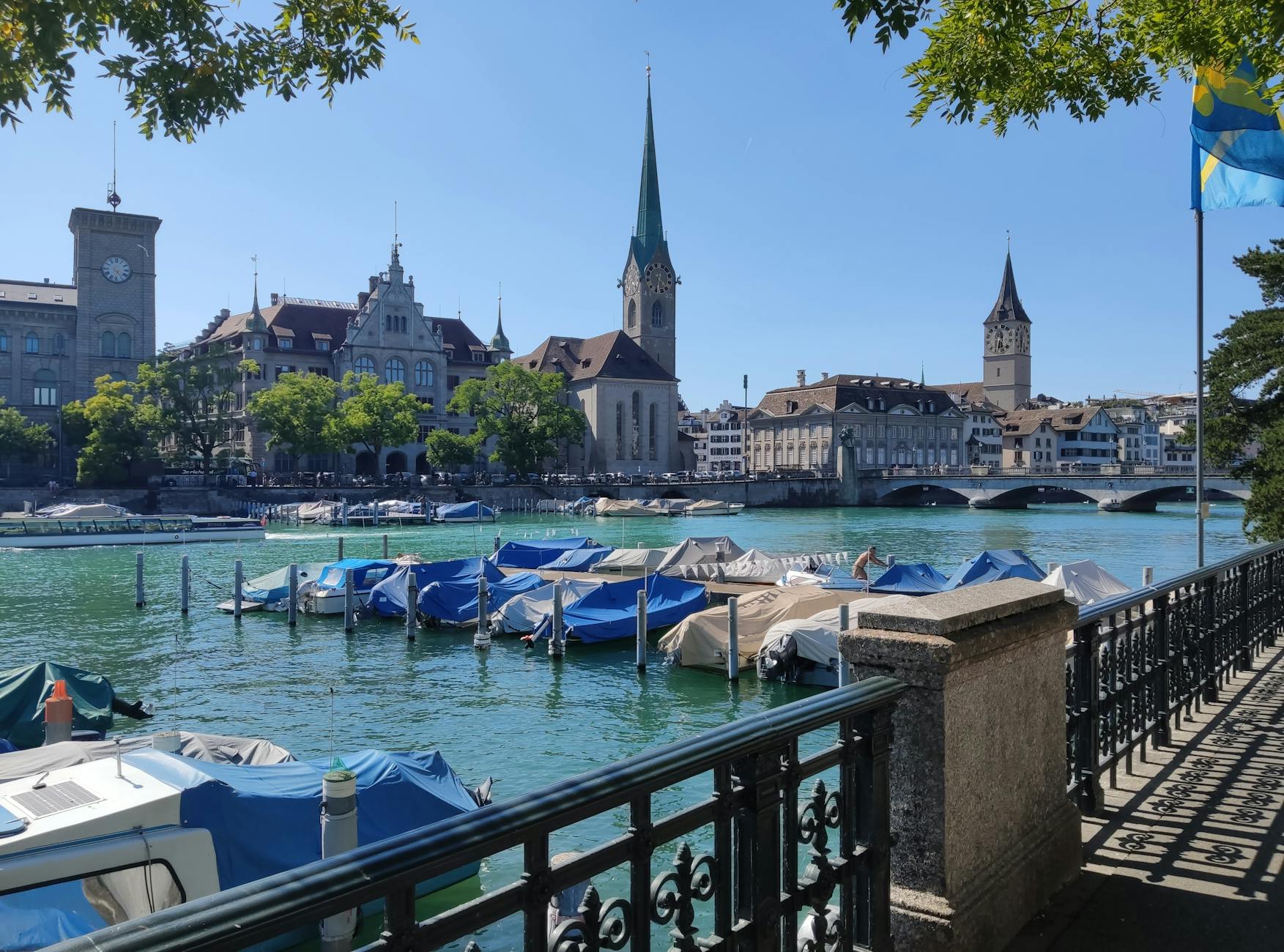
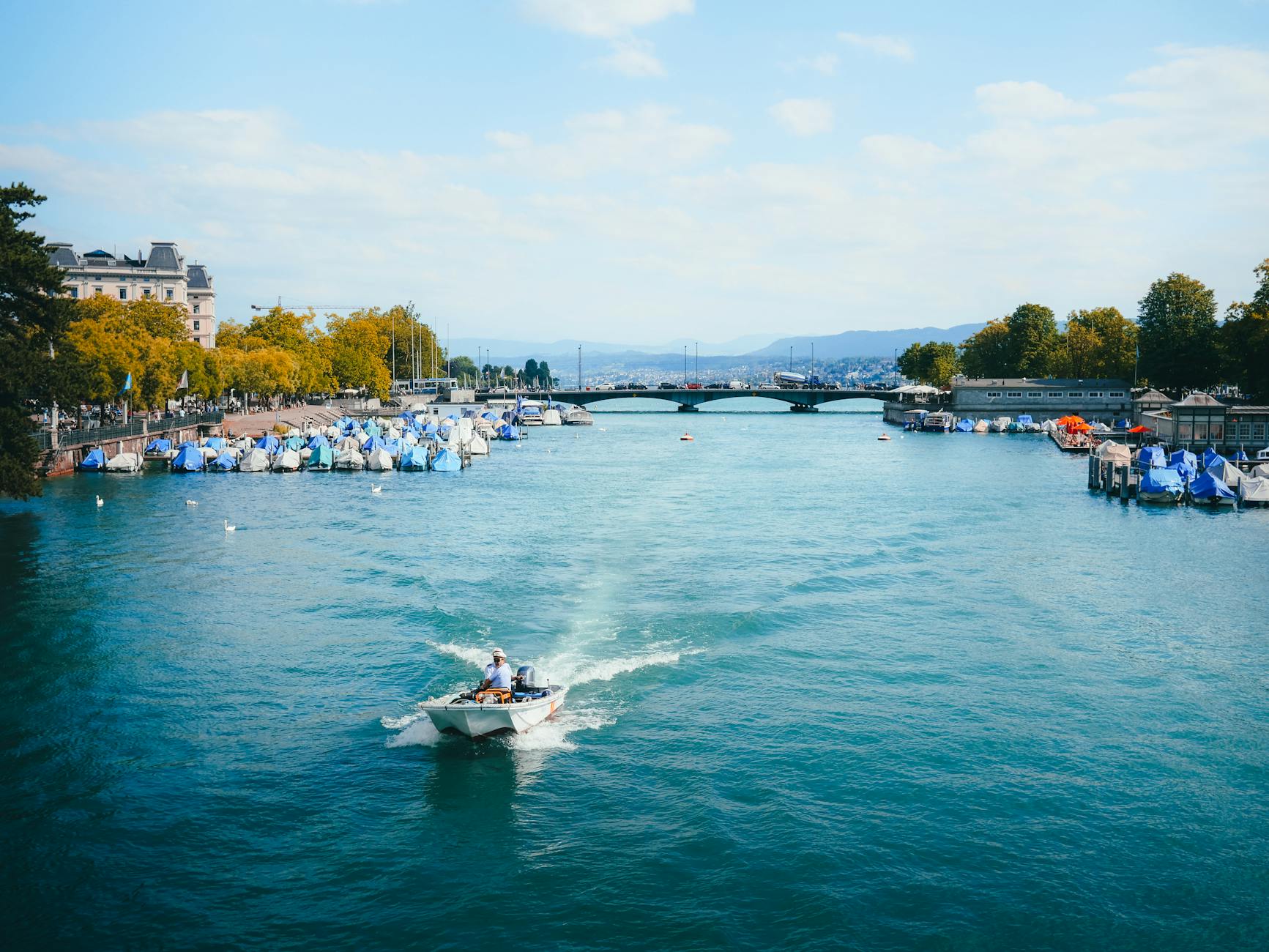
Zurich can be strong for short-form travel content, photography, food coverage, hotel collaborations, city guides, education content, and finance-adjacent stories, but it needs careful planning. The old town, Limmat, Lake Zurich, trams, viewpoints, cafes, and clean streets are visually useful, while costs, weather, privacy, permissions, and crowding can quickly affect production. A content creator should plan the trip as a shoot and edit workflow, not just a sightseeing list.
Design the route around the visual story
A Zurich content creator should decide what the audience is supposed to understand before picking shots. The trip could focus on expensive-but-efficient Zurich, old-town beauty, lake life, public transport, design, study abroad, food, hotels, or a Switzerland stopover. The route should support that angle instead of collecting random attractive clips.
A clear angle makes a short Zurich shoot feel intentional.
- Choose the content angle before building the route: city guide, budget, luxury, transit, study, food, hotel, or stopover.
- Map old town, Limmat, lakefront, trams, viewpoints, cafes, and hotel shots in a sequence that saves time.
- Separate must-capture scenes from optional filler so weather or delays do not break the story.
Plan light, weather, and seasons
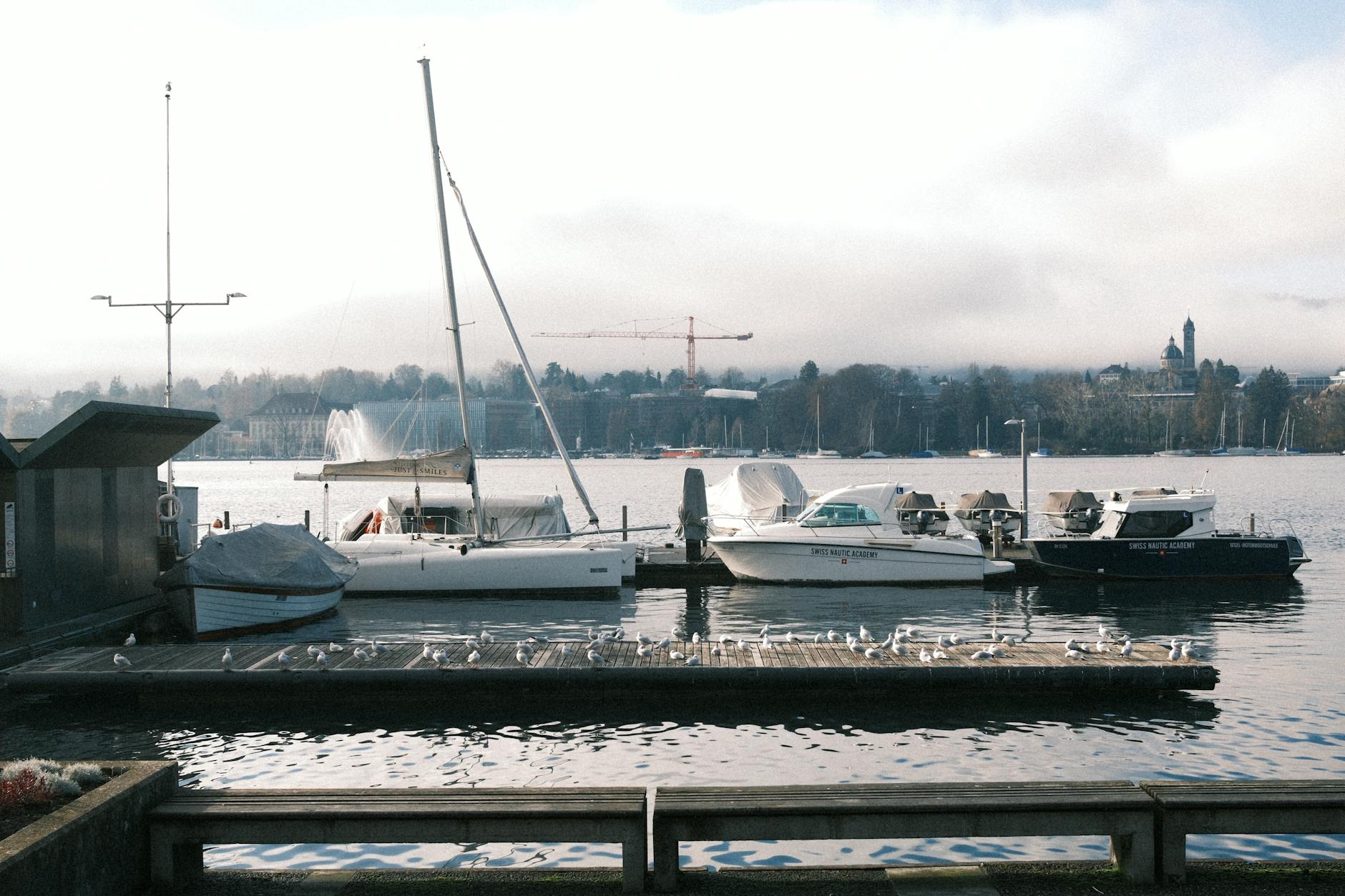
Zurich changes visually with fog, snow, rain, summer sun, lake haze, and winter darkness. A creator should schedule key outdoor shots around useful light and have indoor or covered alternatives. A lake shot, tram scene, old-town lane, and viewpoint do not all work equally well at the same time of day.
The best short shoot gives each scene the conditions it needs.
- Check sunrise, sunset, rain, fog, snow, lake visibility, and winter daylight before assigning shoot windows.
- Use covered arcades, cafes, museums, stations, hotel interiors, or trams as backup scenes.
- Keep weather protection ready for cameras, phones, microphones, batteries, and clothing.
Handle permissions and privacy carefully
Zurich's public spaces are easy to film casually, but creators still need to think about people, private businesses, transport interiors, hotel agreements, drone rules, and sponsored coverage. A collaboration or paid shoot should be clarified in writing before arrival. The creator should also avoid filming sensitive situations or private individuals in ways that create avoidable risk.
Good creator logistics include consent and restraint.
- Clarify hotel, restaurant, attraction, brand, and sponsor permissions before promising coverage.
- Check rules for drones, tripods, transport interiors, private property, events, and commercial use.
- Avoid intrusive filming of children, workers, private conversations, and vulnerable situations.
Budget for production, not just travel
Zurich is costly, and creator expenses can expand through hotels, meals, transport, props, gear replacement, data, storage, and paid locations. A creator should know which costs are personal, which are sponsored, and which support deliverables. A cheap plan that leaves no room for rest or backup scenes can weaken the final work.
The budget should protect the content output, not just the trip total.
- Clarify lodging, meals, transport, attraction fees, brand deliverables, usage rights, and payment timing.
- Reserve budget for data, storage, weather gear, taxis with equipment, and one backup indoor location.
- Track receipts and deliverables by client or platform while the schedule is still fresh.
Use transit as both logistics and material
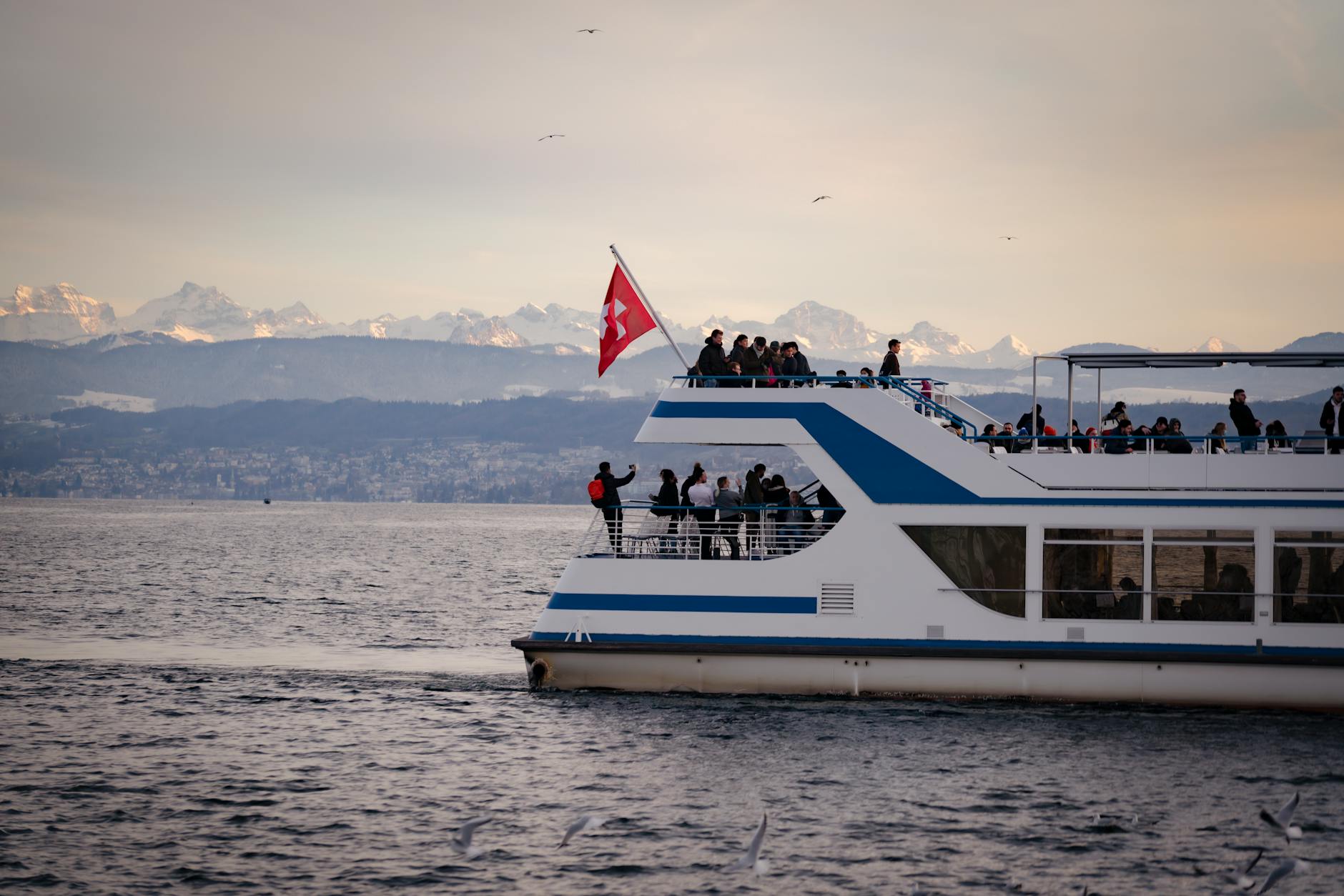
Zurich trams, trains, boats, and stations can help a creator move efficiently while also creating useful transit footage. The traveler should plan which rides are for transport and which are part of the story. Equipment weight, tripod restrictions, crowding, and ticket choices matter when the shoot day is short.
Transit can be one of Zurich's strongest visual and practical assets.
- Plan routes that combine old town, lakefront, trams, viewpoints, hotels, cafes, and stations without backtracking.
- Compare tickets or passes against the actual shoot route, including airport zones and boat segments.
- Keep gear compact enough for trams, platforms, stairs, rain, and crowded public spaces.
Leave time to edit and publish
Short creator trips often fail because every hour is used for capture and none for review. Zurich's cost and pace make it smarter to check footage, organize files, write captions, and back up material each day. The creator should also plan upload windows, quiet work time, and any sponsor approval sequence before departure.
A good Zurich content trip includes production time after the shot is taken.
- Schedule daily file backup, rough selects, captions, metadata, sponsor notes, and next-day shot adjustments.
- Check hotel Wi-Fi, cafe work options, cloud storage, hard-drive space, chargers, and adapter needs.
- Avoid booking departure so tightly that final deliverables, backups, or client approvals are rushed.
When to order a short-term travel report
A content creator with a casual personal itinerary may not need a custom Zurich report. A report becomes useful when deliverables, sponsorships, limited time, weather risk, high costs, equipment needs, permits, or multiple locations have to work in a short visit.
The report should test the content angle, shoot route, hotel base, light windows, weather backups, permissions, transit, costs, edit time, and departure logistics. The value is a Zurich creator trip that produces coherent material instead of a pile of disconnected shots.
- Order when deliverables, sponsors, permissions, weather, locations, or equipment logistics need a tighter plan.
- Provide dates, platforms, audience, deliverables, hotel options, budget, gear list, permissions, and must-capture scenes.
- Use the report to match Zurich's strongest visuals to a realistic shoot and edit schedule.