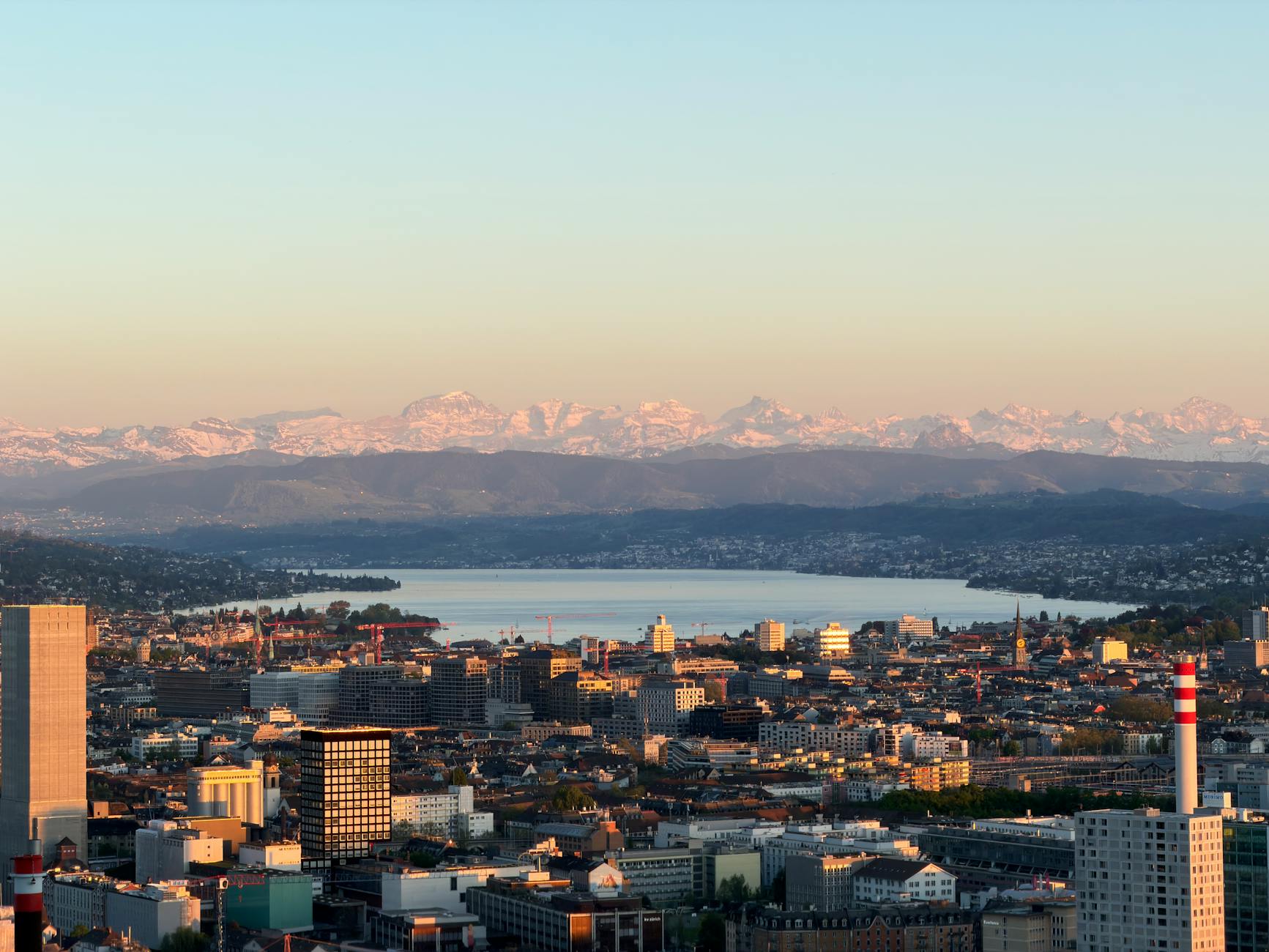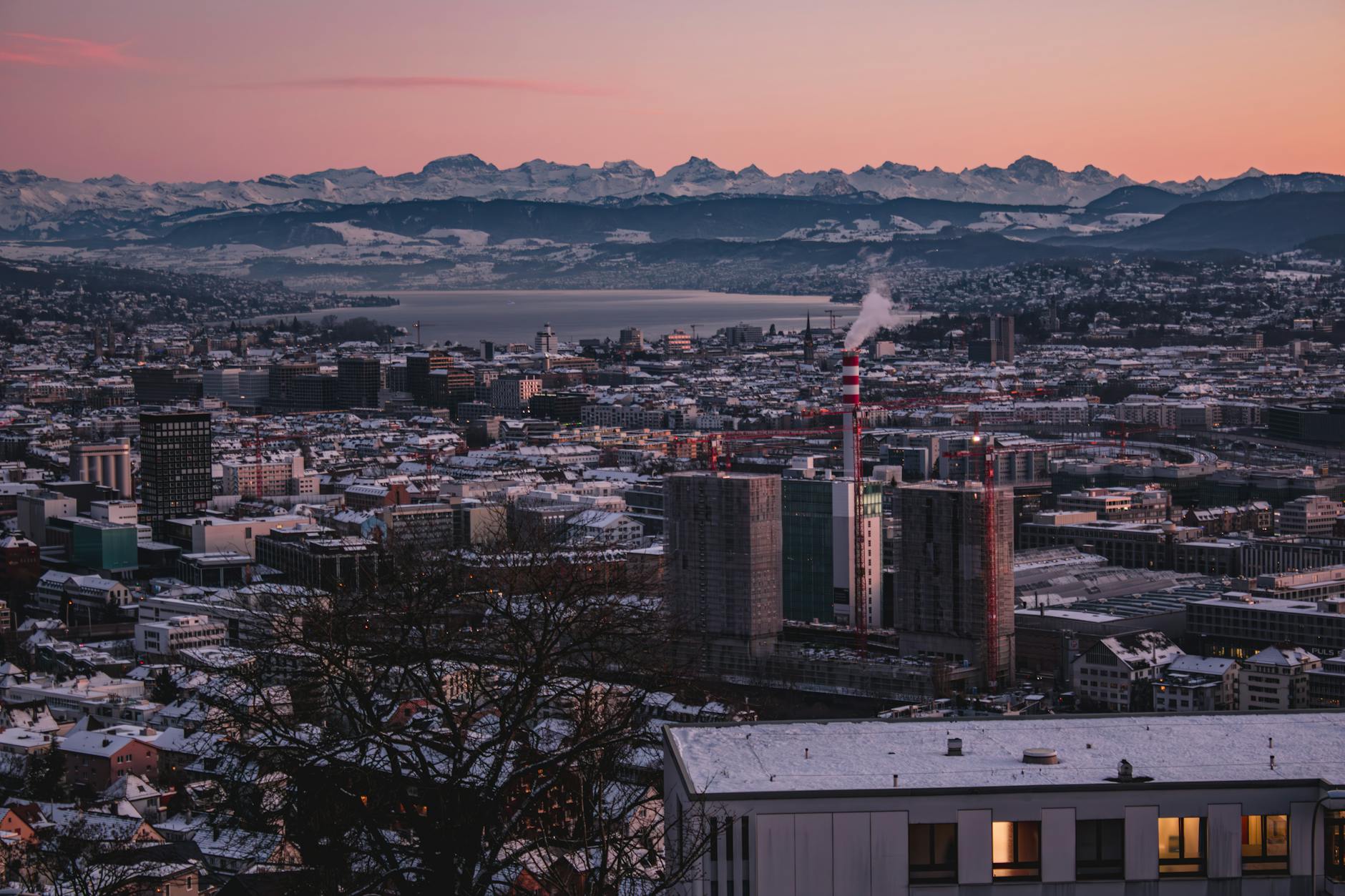
A short business visit to Zurich can feel deceptively easy because the airport, Hauptbahnhof, trams, hotels, banks, offices, and lakefront are well organized. That efficiency helps, but it can also make a traveler overpack the schedule. Zurich rewards precision: the right hotel, realistic airport transfer, clear meeting sequence, and careful handling of cost, punctuality, and personal presentation.
Map airport, Hauptbahnhof, clients, and hotel first
Zurich is compact by global business-city standards, but meeting geography still matters. A visitor may move between Zurich Airport, Hauptbahnhof, Bahnhofstrasse, Paradeplatz, Zurich West, Seefeld, university areas, or suburban corporate campuses. The hotel should be chosen after the meetings are mapped, not before.
The best base is the one that protects the first meeting of each day and the final departure.
- Map Zurich Airport, Hauptbahnhof, client offices, hotel options, and final departure before booking lodging.
- Treat Bahnhofstrasse, Paradeplatz, Zurich West, Seefeld, and suburban campuses as different operating zones.
- Use train, tram, taxi, and walking choices according to luggage, weather, seniority, and time pressure.
Use Swiss punctuality without making the day brittle
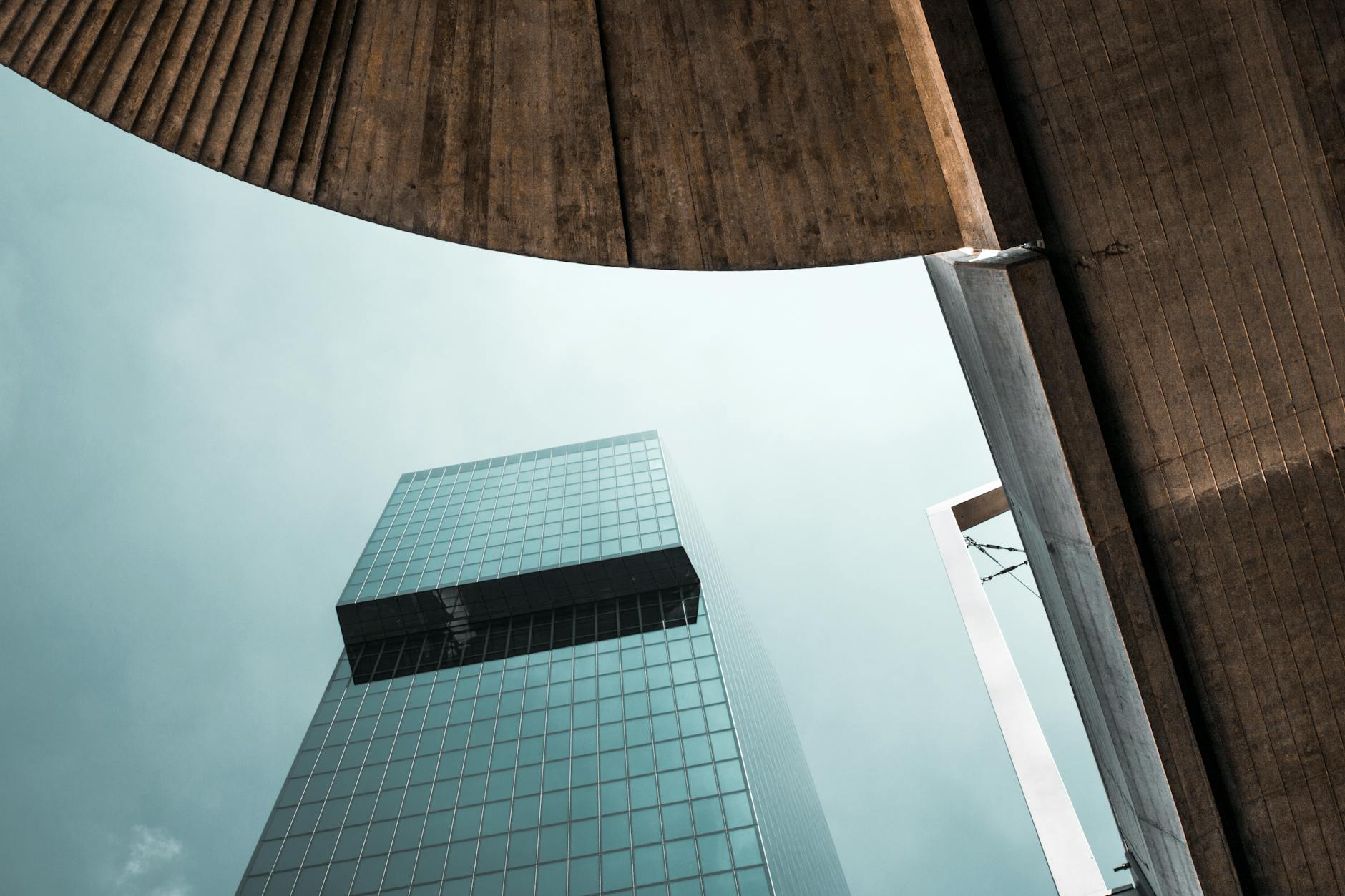
Zurich's rail and tram systems can make punctual travel realistic, but a business visitor should still build margin. Platform changes, ticket choices, rain, luggage, unfamiliar exits, and formal clothing can slow movement. A meeting plan that assumes every transfer will be perfect is weaker than one that uses the system well and leaves a little space.
The local standard is not just being on time. It is arriving composed.
- Check train and tram routes close to departure, especially after landing or before a formal meeting.
- Allow time for tickets, platforms, exits, weather, luggage, and walking in business shoes.
- Arrive early enough to cool down, reset, and find the exact office entrance.
Choose lodging by meeting sequence and cost exposure
Zurich hotels can be expensive, and the cheapest acceptable room can create hidden costs if it adds transfers, taxis, late arrivals, or early-morning stress. A visitor should compare airport hotels, Hauptbahnhof-area hotels, lakefront addresses, and office-adjacent options against the actual meeting sequence.
The right hotel is often the one that reduces the number of fragile movements, even if the nightly rate is not the lowest.
- Compare hotel rate against taxi exposure, train time, breakfast needs, meeting order, and checkout timing.
- Use airport lodging for very early departures only when it does not damage meeting-day flow.
- Check desk space, quiet, air conditioning expectations, laundry, late arrival, and invoice handling.
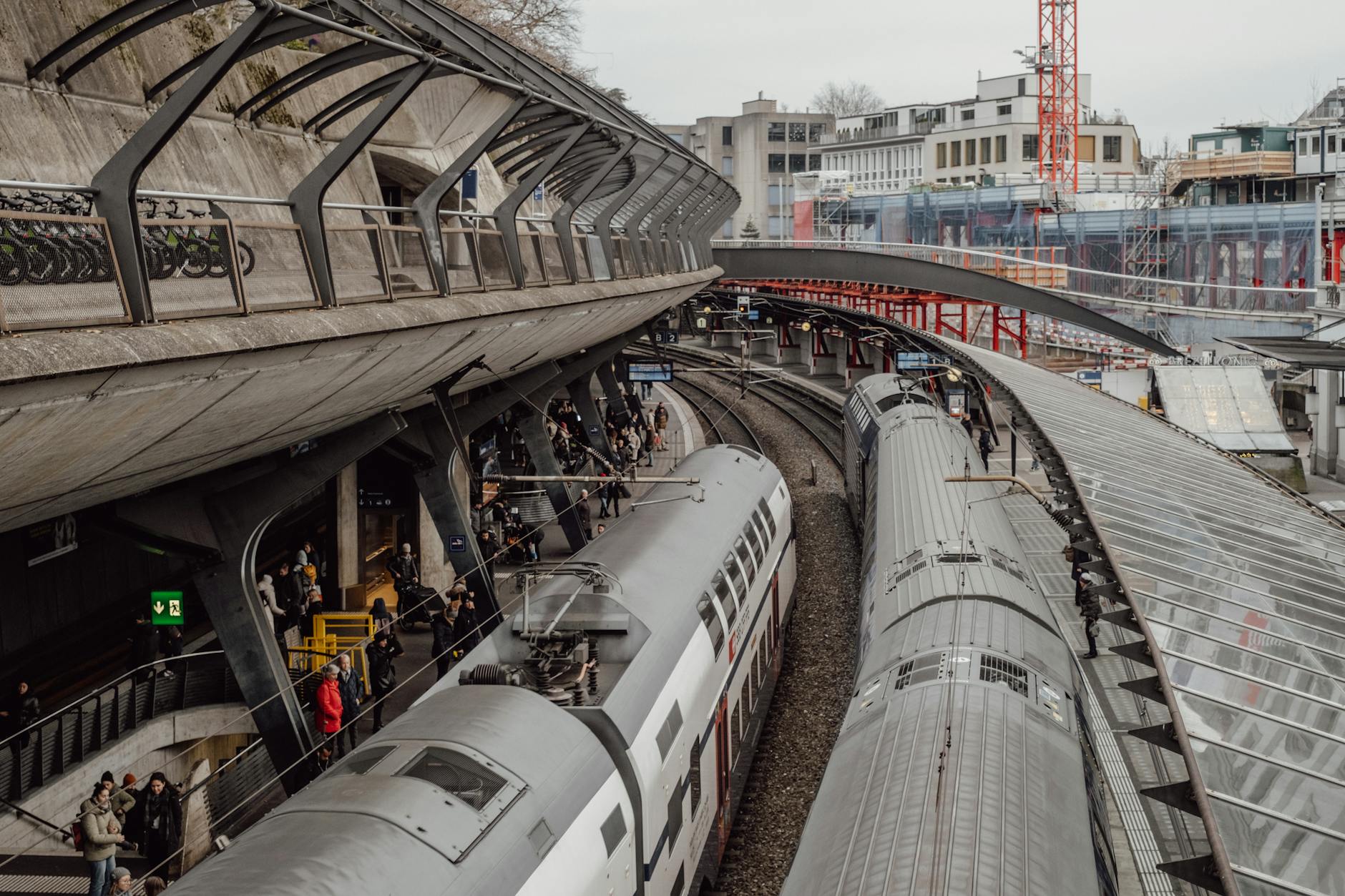
Protect presentation condition
Zurich business settings can be understated but polished. A visitor should plan for clothing condition, rain, snow, warm offices, luggage storage, shoe comfort, and the need to move from train or tram directly into a formal environment. The short trip can be undermined by a creased jacket, missing adapter, or a rushed arrival after a red-eye flight.
Presentation planning is operational planning, not vanity.
- Plan clothing, shoes, rain gear, adapters, chargers, documents, and luggage storage before arrival.
- Allow time to change or reset after a long-haul flight when the first meeting is same day.
- Keep presentation materials available offline in case office Wi-Fi or roaming setup slows down.
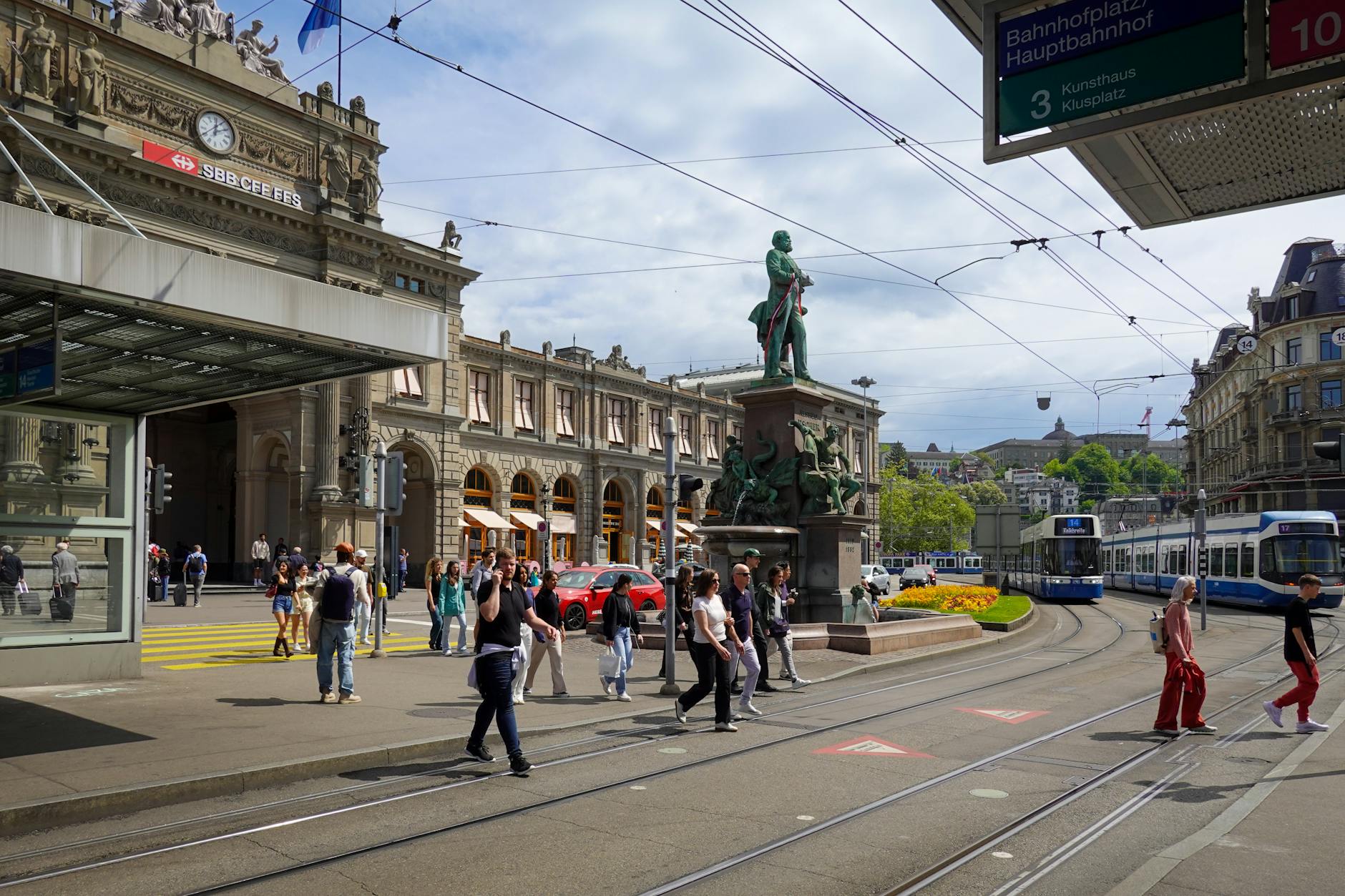
Plan meals and client etiquette deliberately
Zurich business meals can be efficient, formal, expensive, or quietly relationship-focused depending on the host. A visitor should not leave all meal choices to the last minute. Restaurant opening hours, reservations, dietary requirements, lakefront distance, hotel breakfast, coffee meetings, and alcohol expectations can all affect how the day feels.
A good meal plan keeps the traveler fed, punctual, and aligned with the tone of the meeting.
- Check reservations, opening hours, dietary needs, cost expectations, and travel time before client meals.
- Use coffee meetings carefully; they can be efficient but still require punctuality and a clear location.
- Keep a simple backup near the hotel or Hauptbahnhof for late arrivals and early starts.
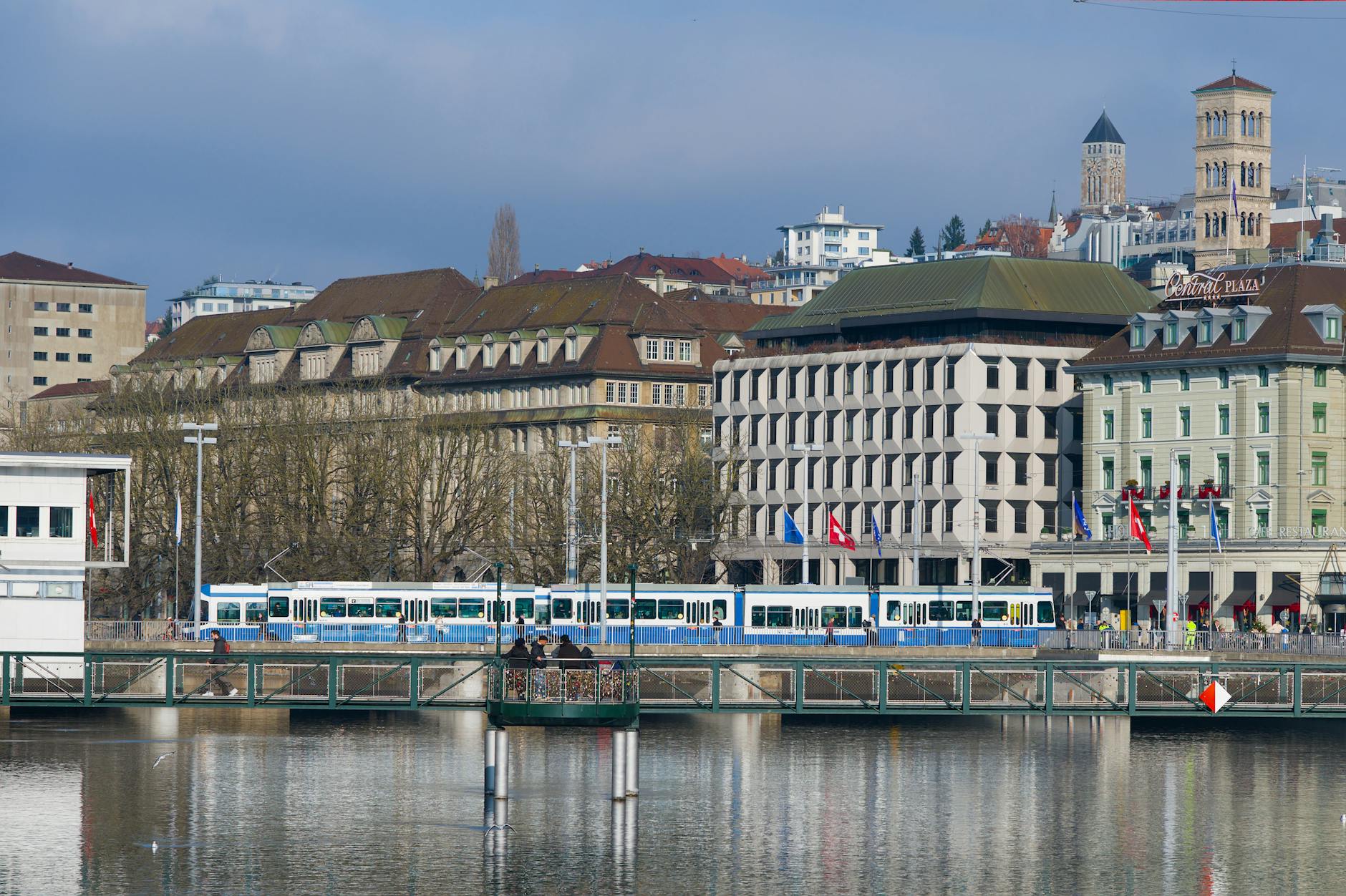
Add Zurich selectively around the lake or old town
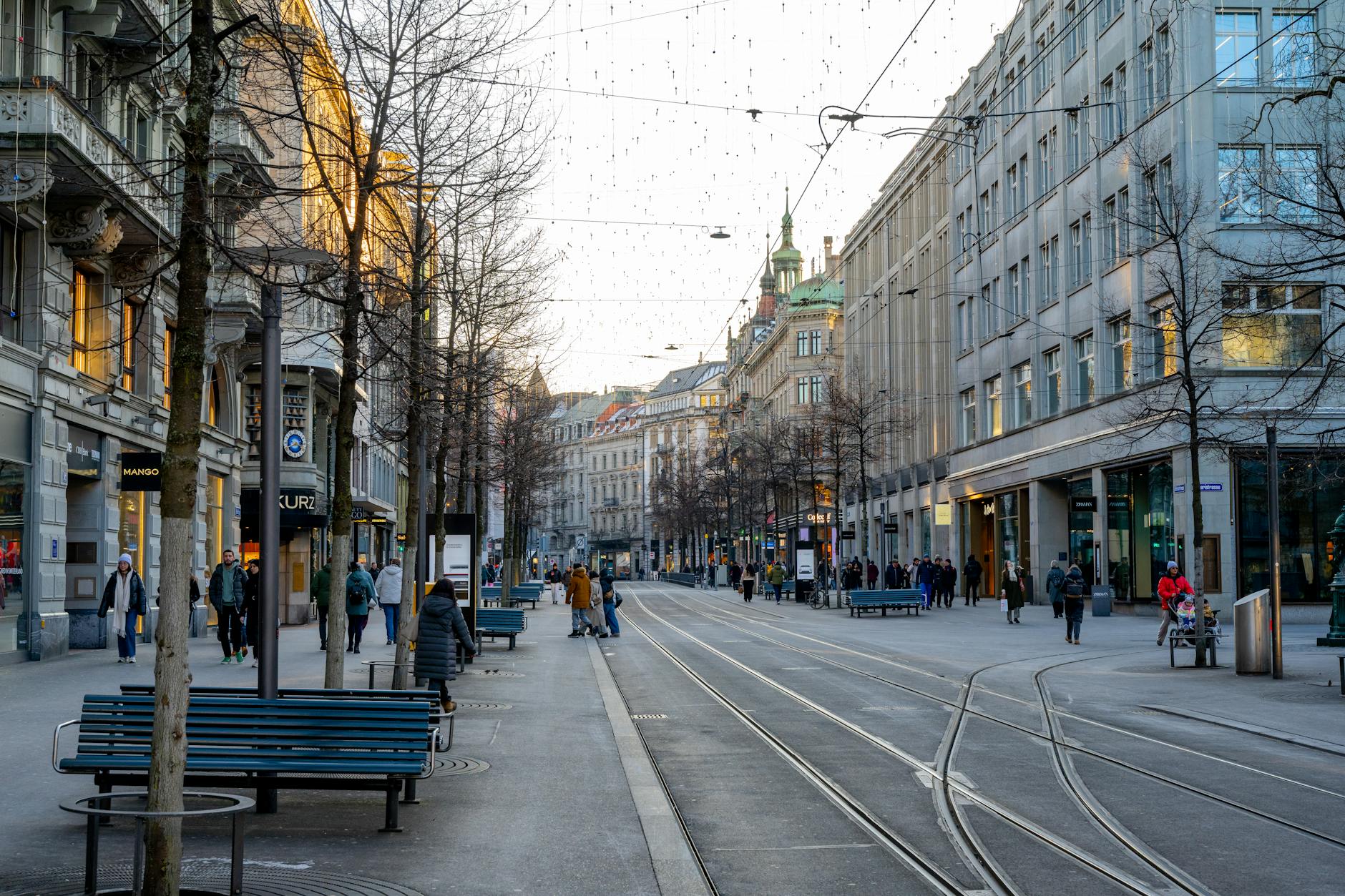
A business visitor can usually see a little of Zurich without weakening the work trip. A short walk along the Limmat, a lakefront break, the old town, Grossmunster views, Bahnhofstrasse window shopping, or a tram ride can create a sense of place. The key is to place city time where it supports recovery rather than crowding the workday.
The best short city addition is close, flexible, and easy to abandon if the meeting schedule changes.
- Use Lake Zurich, the Limmat, old town, Grossmunster views, or Bahnhofstrasse for compact recovery time.
- Avoid distant excursions when meetings, weather, or departure timing are tight.
- Keep city time near the hotel, Hauptbahnhof, or final meeting location.
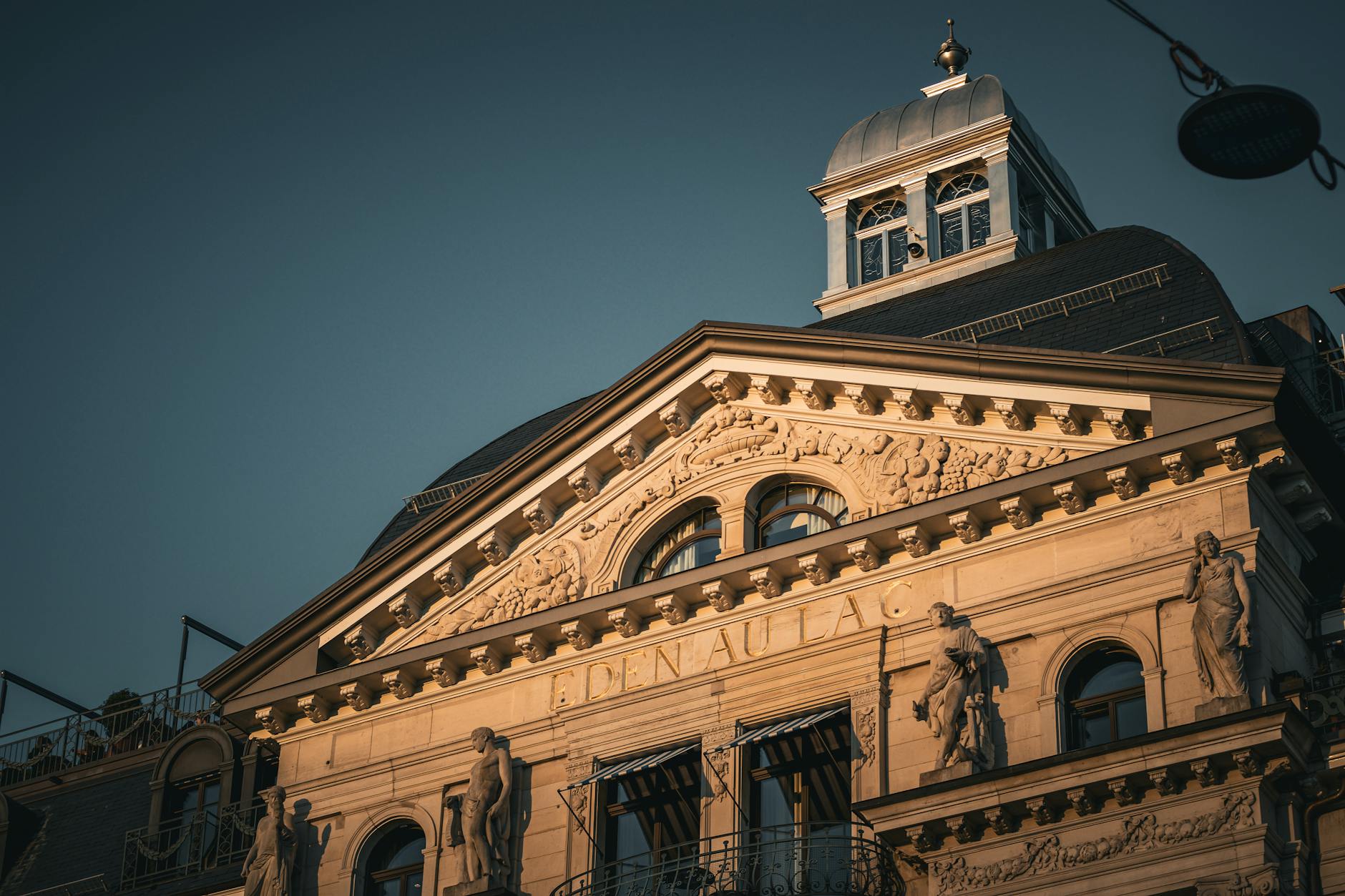
When to order a short-term travel report
A Zurich business visitor with one simple meeting and a familiar hotel may not need a custom report. A report becomes useful when the trip includes several offices, a same-day arrival meeting, high hotel costs, formal presentation needs, an airport-to-meeting transfer, or a desire to add a small amount of city time without crowding the work.
The report should test arrival timing, hotel base, meeting sequence, train and tram routes, cost exposure, meals, recovery windows, and backup plans. The value is a Zurich visit that uses the city's efficiency without depending on perfect conditions.
- Order when airport timing, hotel placement, several offices, cost control, presentation needs, or city time need testing.
- Provide flight times, meeting addresses, hotel options, luggage details, seniority, and budget constraints.
- Use the report to keep a short Zurich business trip punctual, polished, and less brittle.