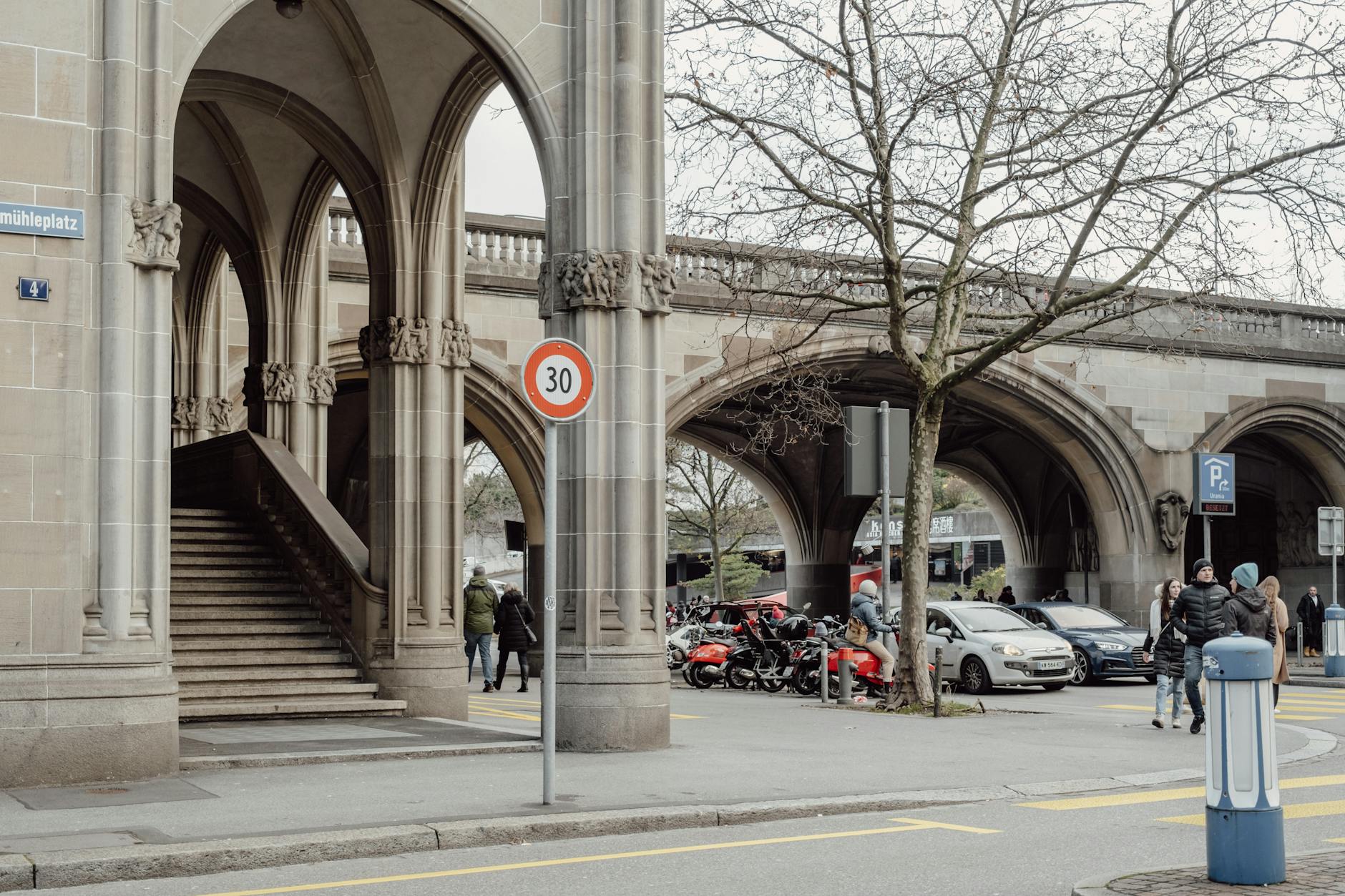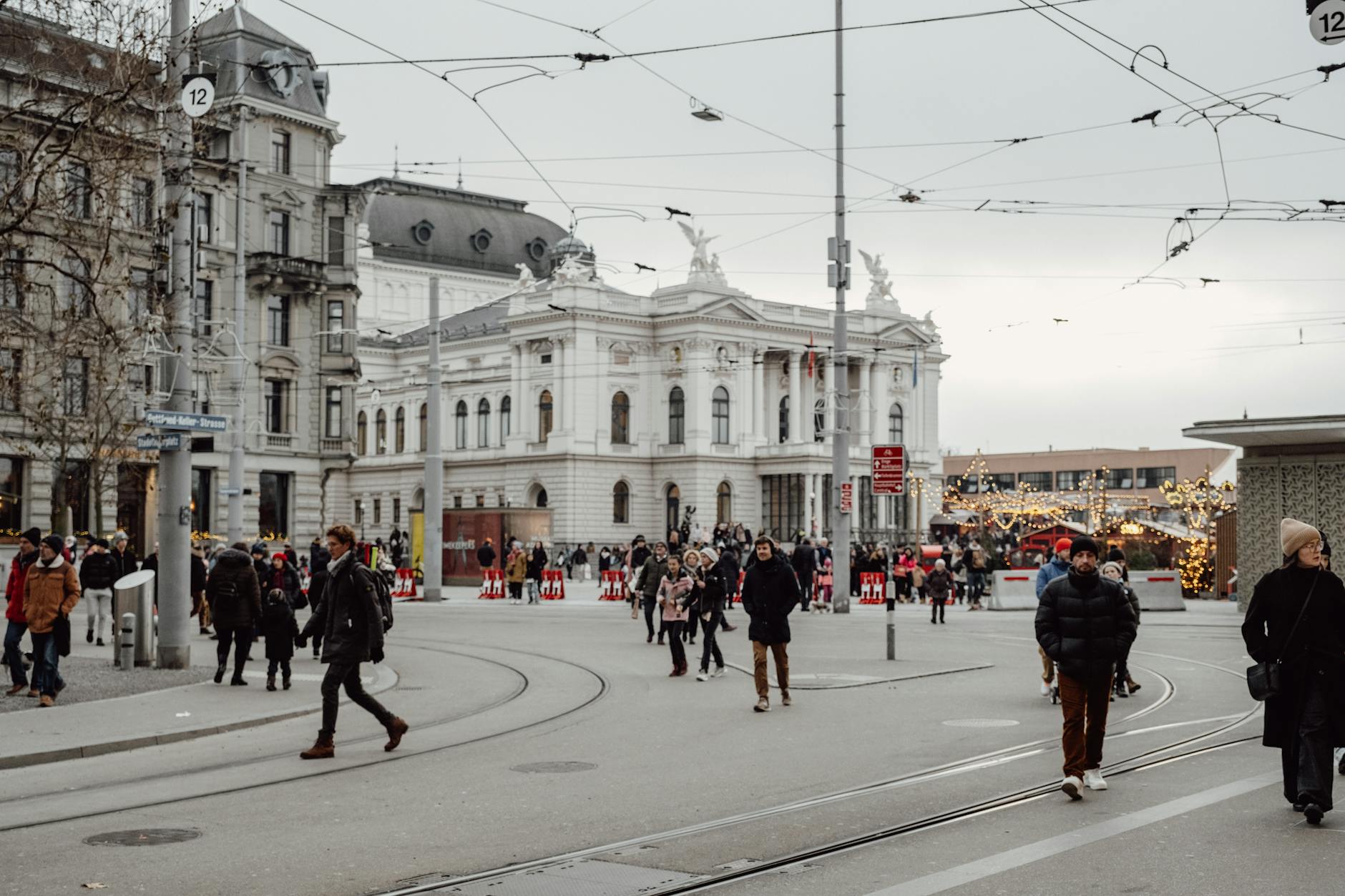
A short budget trip to Zurich is possible, but only if the traveler accepts the city's price level early. The goal is not to make Zurich cheap in an absolute sense; it is to prevent avoidable costs from overwhelming the visit. A smart base, clear transit choices, bakeries and groceries, free old-town and lake walks, selective paid sights, and a realistic meal plan can make Zurich feel manageable rather than punishing.
Accept that Zurich is expensive and plan from there
A Zurich budget traveler should begin with the premise that normal travel habits may cost more here. A casual coffee, short taxi, sit-down lunch, last-minute hotel, or extra tram ticket can matter. The budget plan should decide which parts of the trip deserve money and which parts should stay simple.
The traveler has more control when the expensive moments are chosen in advance.
- Set a daily food, transport, activity, and emergency buffer before arriving in Zurich.
- Choose one or two paid experiences that matter instead of paying casually throughout the day.
- Treat convenience costs such as taxis, luggage storage, and late bookings as deliberate choices.
Choose lodging by total cost, not nightly rate
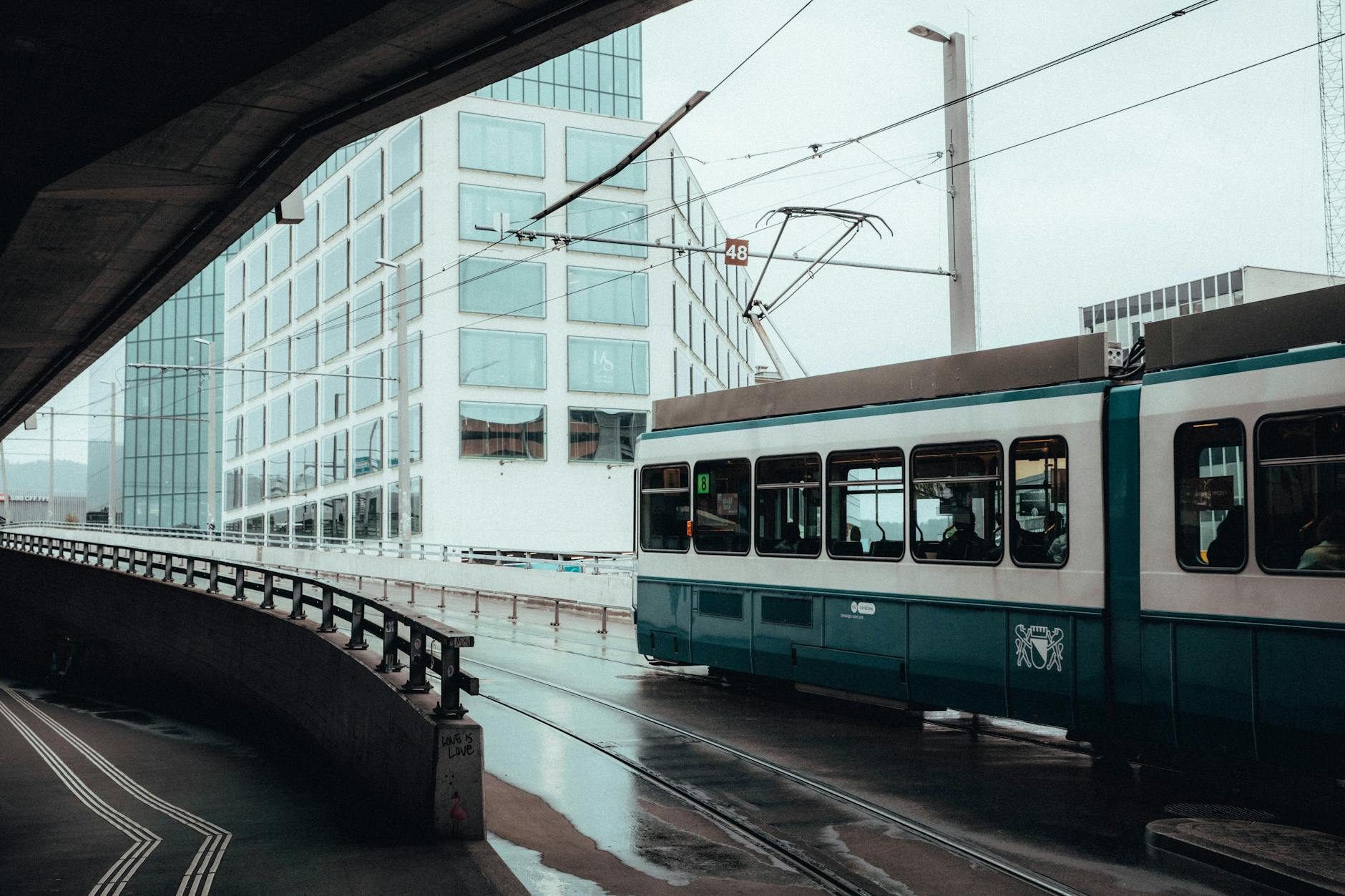
The cheapest bed outside the center may not be the cheapest stay if it adds transit, time, late-night complexity, or luggage friction. A budget traveler should compare hostels, simple hotels, guesthouses, and outer neighborhoods by total trip cost. Zurich's transit can support a farther base, but only when the route is easy and ticket costs are understood.
A slightly better location can save money by reducing mistakes.
- Compare room rate, transit tickets, airport access, luggage storage, breakfast value, and late return routes together.
- Check whether staying near Hauptbahnhof, the old town, or a direct tram line reduces daily costs.
- Avoid a cheap room that requires expensive taxis after late arrivals or evening plans.
Use transit tickets intelligently
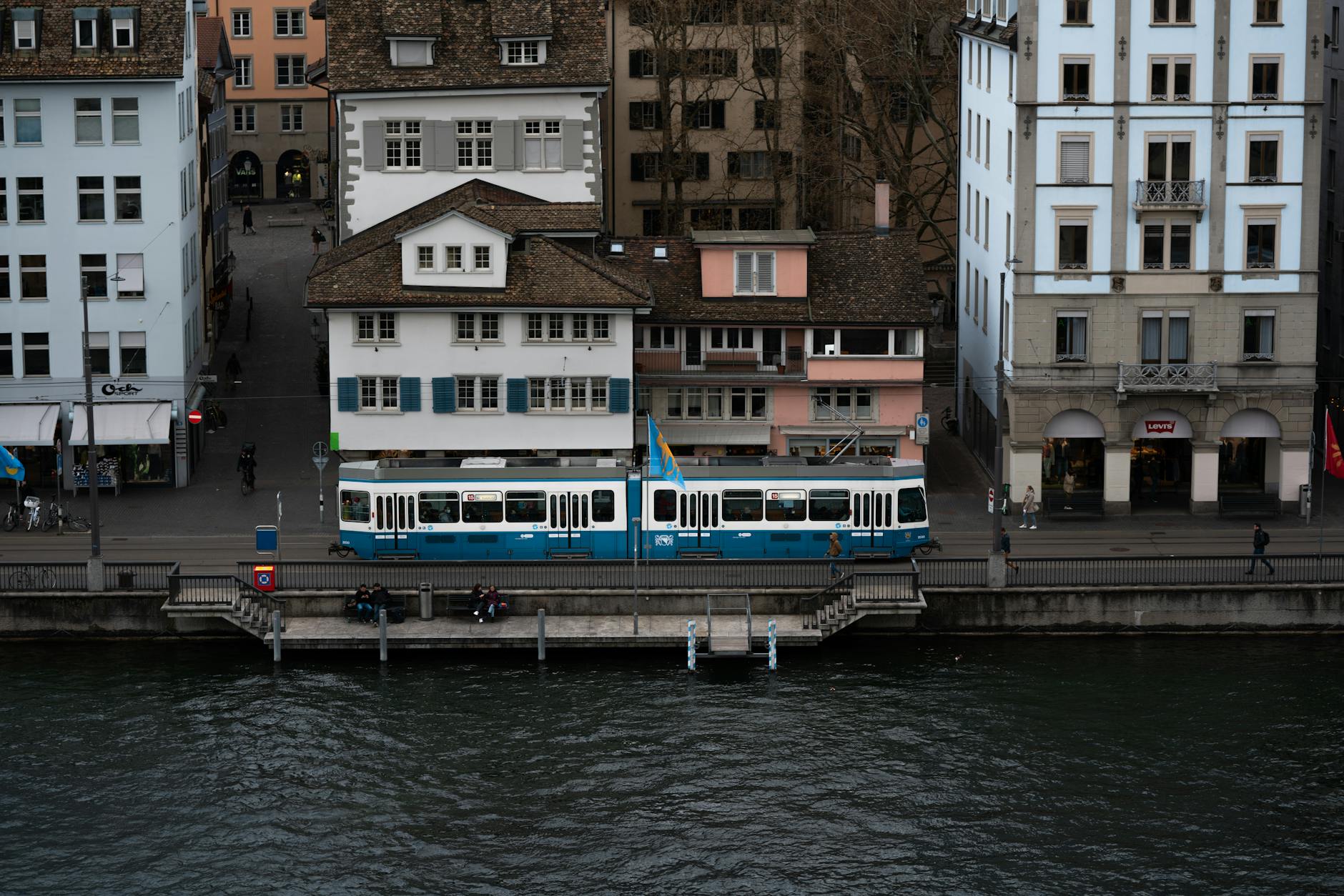
Zurich public transport can be good value when the traveler chooses tickets based on the actual day. Walking may be enough for an old-town and lake route, while a tram-heavy day may justify a pass. The airport transfer, zones, boat use, and late returns should be checked before buying impulsively.
The right ticket is the one that matches the route, not the one that sounds cheapest.
- Compare walking, single tickets, day tickets, airport zones, boat segments, and any visitor card against the planned route.
- Use trams to avoid unnecessary fatigue when moving between the lake, hotel, station, museums, and dinner.
- Validate or activate tickets correctly and keep fine risk out of the budget.
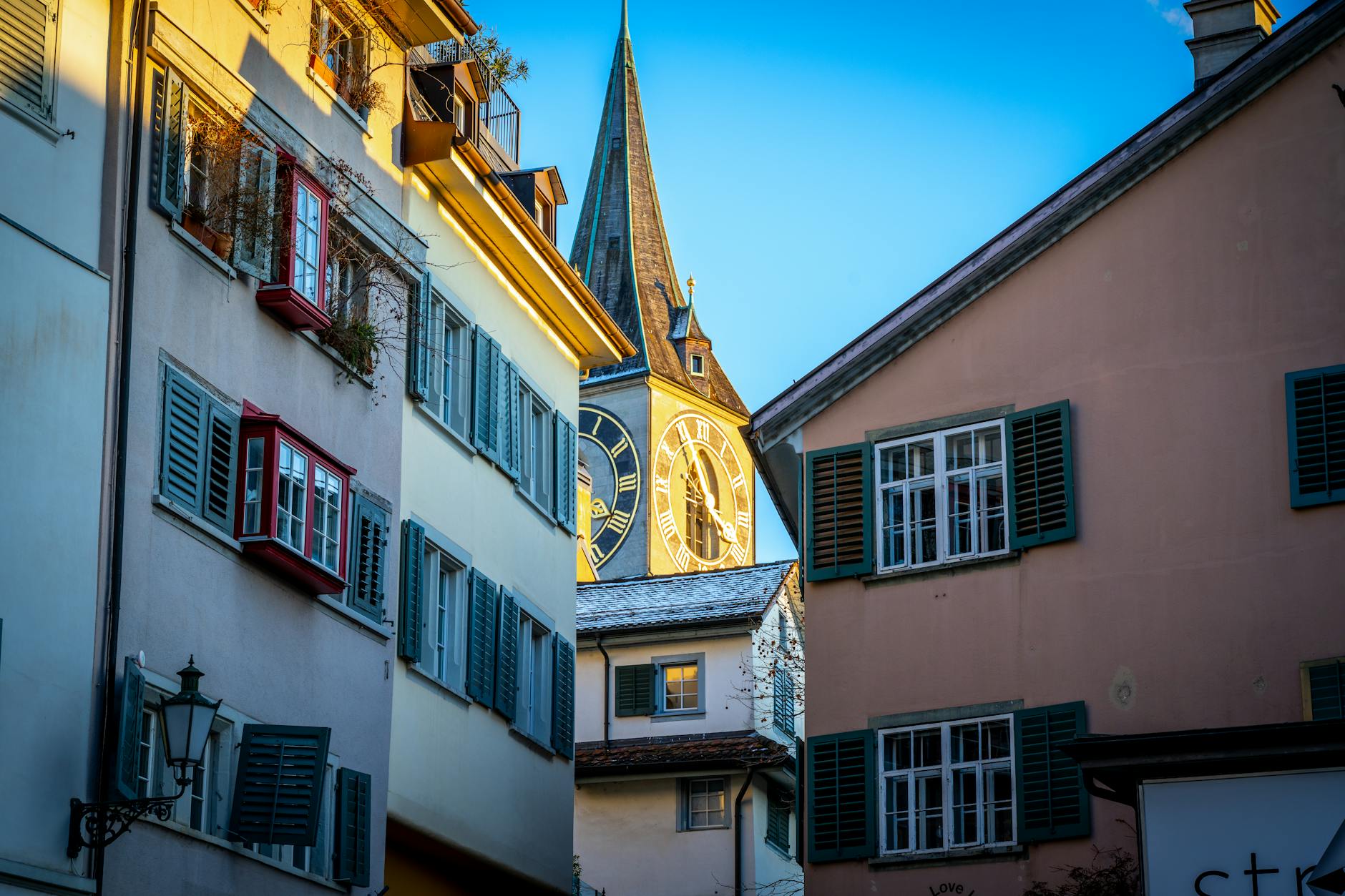
Build meals around bakeries, groceries, and one sit-down meal
Food is one of the easiest places for a Zurich budget traveler to lose control. Bakeries, grocery stores, markets, simple takeaway, and water refills can keep the ordinary meals manageable. One planned sit-down meal can still belong, especially if it is chosen for atmosphere or a specific food interest.
A food plan lets the traveler enjoy Zurich without resenting every bill.
- Use bakeries, supermarkets, markets, simple takeaway, and picnic supplies for breakfast, snacks, and some lunches.
- Choose one sit-down meal by location and value rather than wandering into the nearest expensive option.
- Carry water and small snacks so tired decisions do not become costly decisions.
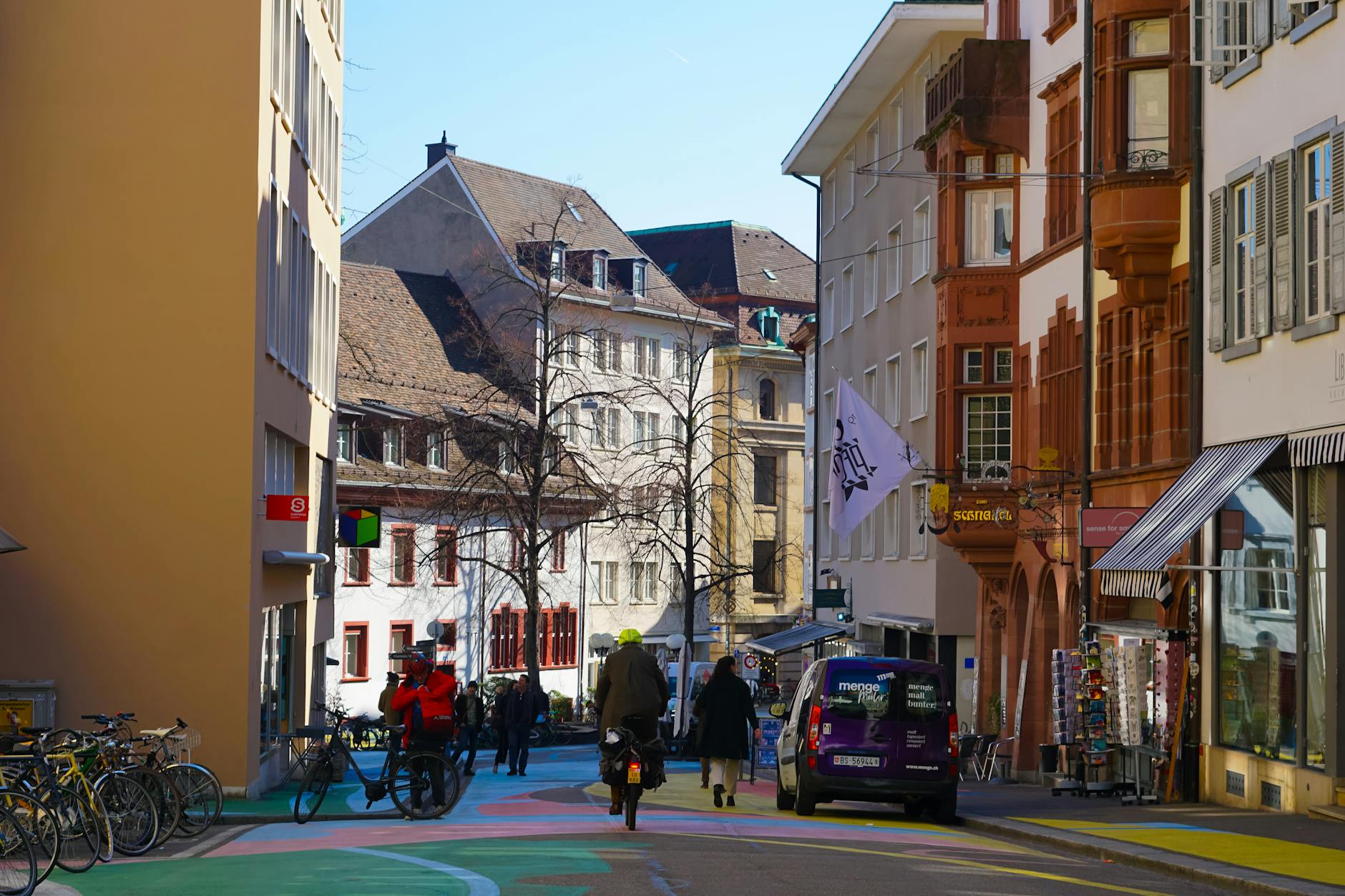
Use free or low-cost Zurich well
Zurich gives a budget traveler strong free or low-cost options if the day is planned carefully. Old-town lanes, Limmat bridges, Lake Zurich, Bahnhofstrasse window-shopping, university viewpoints, parks, public squares, and waterfront benches can fill a short stay without feeling empty. Paid museums or boat rides should be selected to add something specific.
A low-cost day should still have structure and contrast.
- Build free time around the old town, Limmat, Lake Zurich, Bahnhofstrasse, viewpoints, parks, and waterfront pauses.
- Use one paid museum, boat ride, or viewpoint only when it improves the day enough to justify the cost.
- Check free hours, student rates, discount cards, and weather before committing to paid plans.

Avoid expensive mistakes
The biggest Zurich budget problems often come from avoidable mistakes: booking too late, choosing the wrong base, missing the last convenient tram, taking taxis by default, buying unsuitable tickets, or assuming restaurant prices will be similar to cheaper European cities. The traveler should also protect the departure day from luggage and transfer surprises.
Budget discipline in Zurich is mostly about avoiding friction before it becomes expensive.
- Book lodging early, check cancellation terms, and avoid event periods when possible.
- Confirm late-night transit, luggage storage, airport transfer timing, and ticket zones before the day begins.
- Keep a small reserve for weather, delays, laundry, medical needs, or one convenience choice that prevents a worse cost.
When to order a short-term travel report
A budget traveler with a central hostel, flexible schedule, and simple goals may not need a custom Zurich report. A report becomes useful when lodging choices are confusing, arrival is late, the traveler is comparing passes, food costs need control, or Zurich is part of a wider Swiss route.
The report should compare total lodging cost, airport transfer, transit tickets, free routes, food strategy, paid experiences, weather alternatives, luggage storage, and departure timing. The value is a Zurich budget trip that stays realistic without becoming joyless.
- Order when hotel cost, transit tickets, late arrival, food planning, or Swiss rail connections need sharper decisions.
- Provide dates, budget ceiling, lodging options, arrival and departure times, interests, walking tolerance, and possible day trips.
- Use the report to spend less on avoidable friction and more on the few Zurich experiences that matter.