A short academic conference trip to Zurich usually looks orderly on paper: arrive through Zurich Airport, take a train into the city, attend sessions, meet colleagues, and leave. The trip still needs care. ETH Zurich, the University of Zurich, hotel meeting rooms, Zurich West, Oerlikon, and lakefront venues can create very different daily routes. Costs are high, punctuality expectations are real, and a crowded conference schedule can leave little room for recovery unless the plan is deliberate.
Locate the venue before choosing the hotel
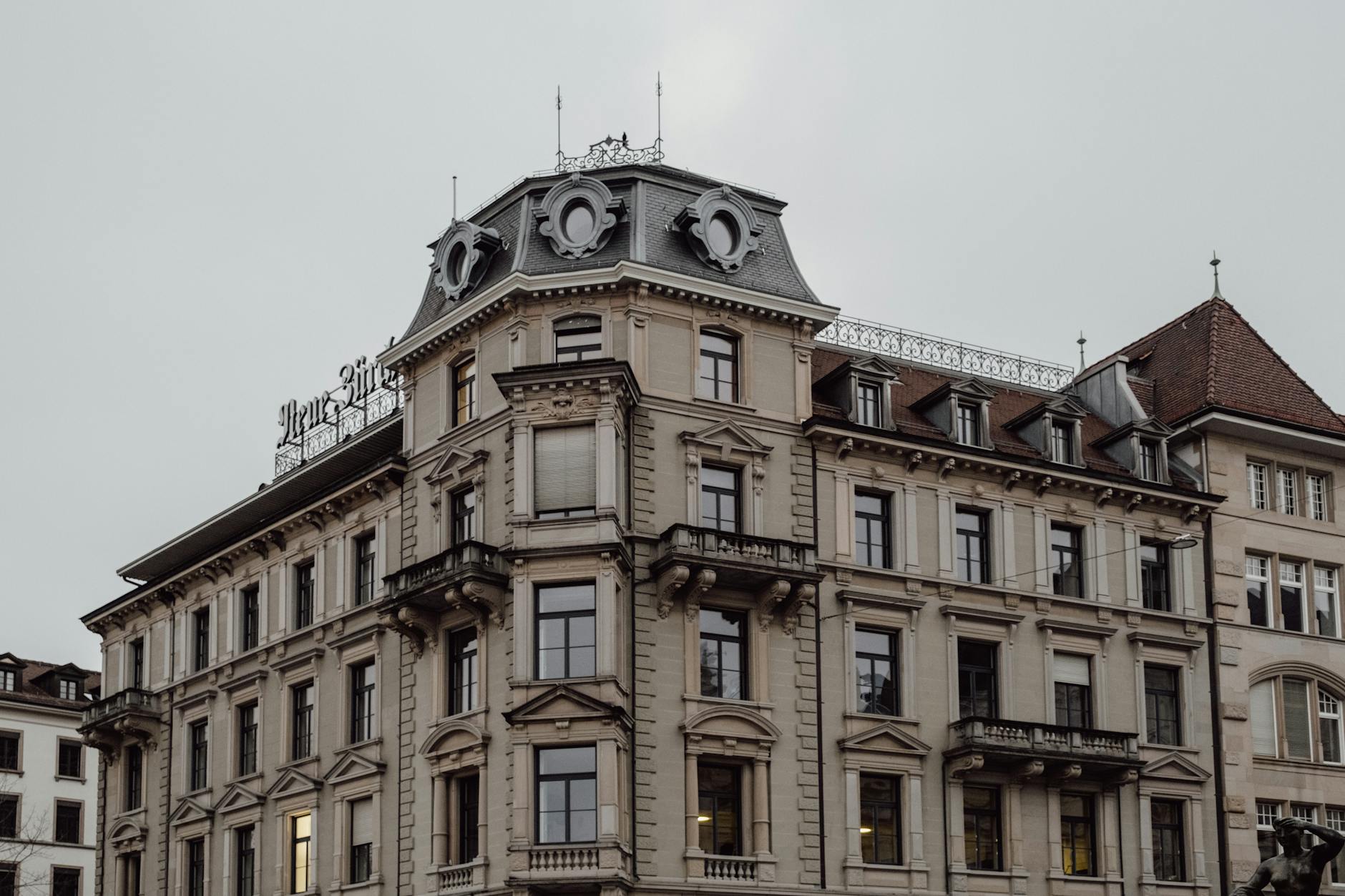
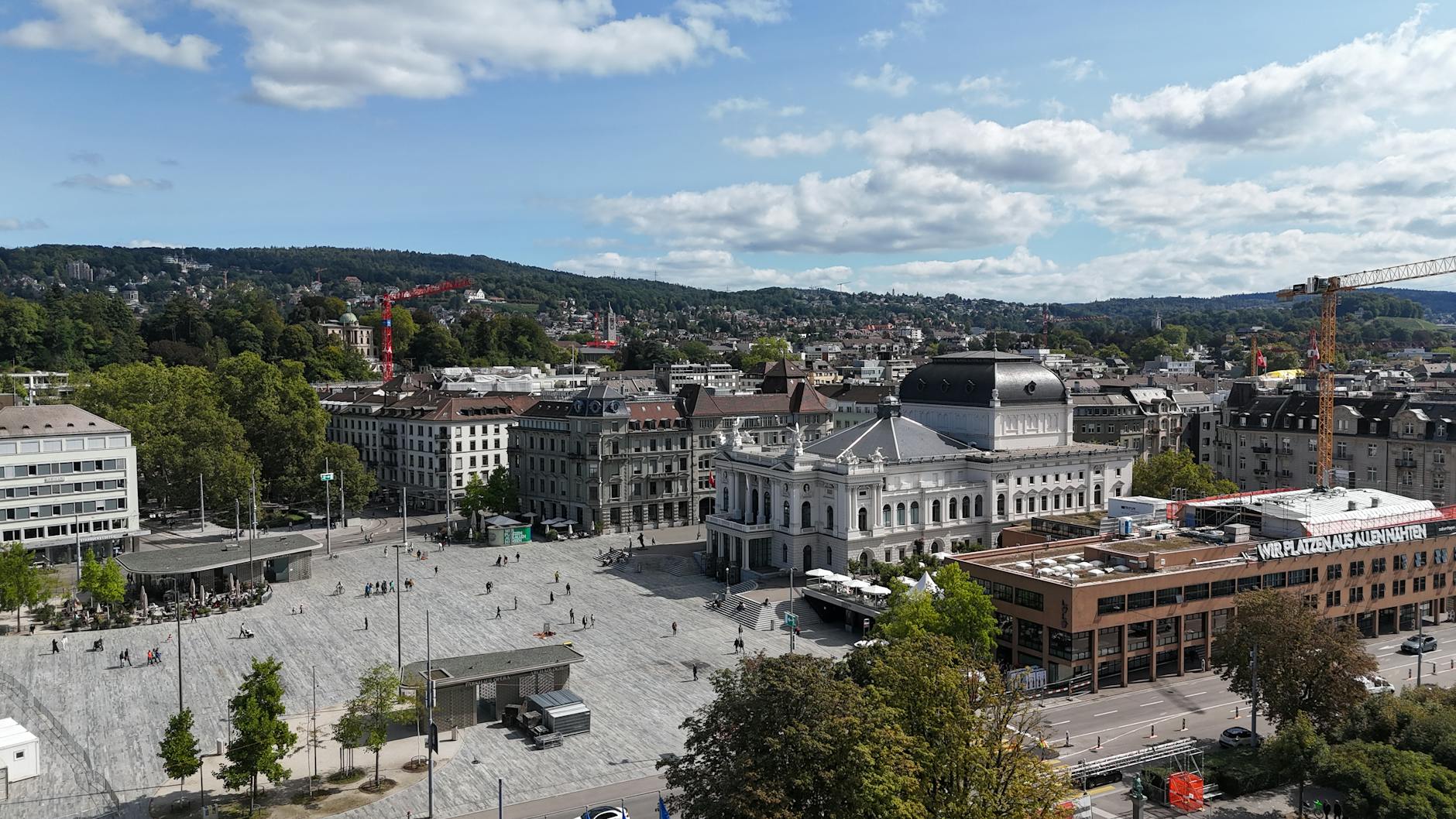
Zurich is efficient, but conference geography still matters. An attendee should know whether sessions are near ETH Zurich, the University of Zurich, a hotel conference floor, Zurich West, Oerlikon, or a venue outside the immediate center. A hotel near Hauptbahnhof may be excellent for rail access but less convenient if the program sits uphill, across town, or near a suburban campus.
The right hotel is the one that makes the conference day repeatable, not merely the one with the easiest arrival.
- Map the venue, hotel, Hauptbahnhof, Zurich Airport, evening events, and final departure before booking.
- Check whether the venue sits near ETH Zurich, University of Zurich, Zurich West, Oerlikon, or a hotel cluster.
- Choose the base that protects morning sessions, not just the cheapest room.

Treat arrival as part of the program
A conference attendee often arrives tired, carrying presentation material, and trying to reach registration before a reception or first session. Zurich Airport has strong rail links, but the traveler still needs to account for luggage, tickets, platforms, hotel bag drop, and the climb or tram ride to some academic areas.
The first useful buffer is not optional sightseeing. It is the time needed to become presentable and oriented.
- Check airport train timing, tickets, luggage handling, hotel bag drop, and registration hours.
- Avoid scheduling a presentation or chaired session too close to a same-day arrival when possible.
- Keep slides, adapters, medicine, and invitation letters in carry-on bags.
Use transit precision with a margin
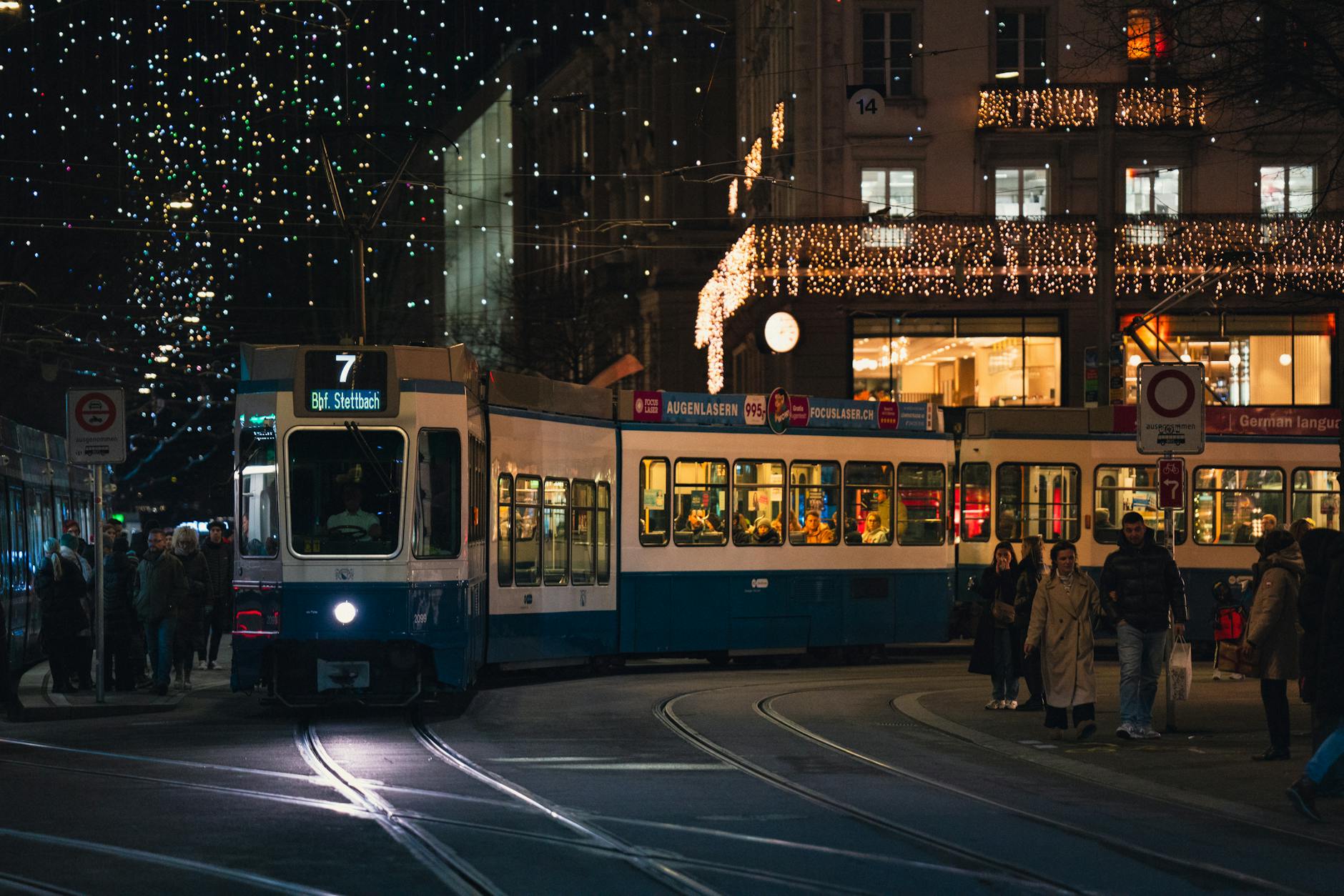
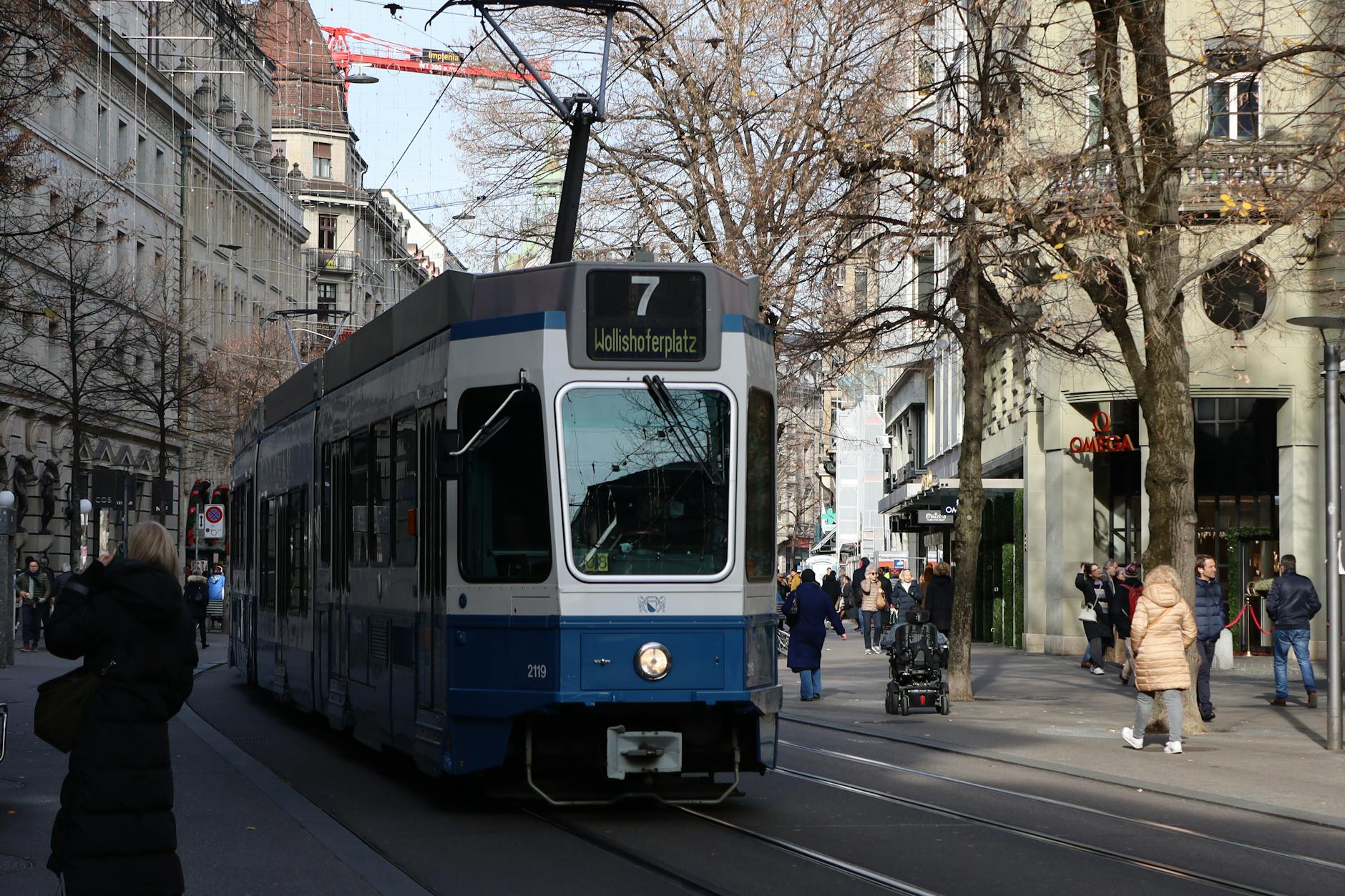
Zurich trams, trains, and walking routes can be highly reliable, which makes it tempting to plan every movement tightly. Academic conferences rarely behave that neatly. Questions after a panel, a slow coat check, a coffee line, rain, or a colleague conversation can all push the schedule.
A good Zurich conference plan uses punctual transit but does not depend on every minute landing perfectly.
- Check tram and train routes for each conference day, including the route back after evening events.
- Allow time for venue entrances, elevators, coat checks, weather, and hallway conversations.
- Know the backup route before an early plenary or your own presentation.
Budget for Zurich conference costs
Zurich can make a short academic trip expensive quickly. Hotel rates, meals, coffee, transit, printing, luggage storage, and late booking can all exceed expectations, especially when the conference coincides with business travel or peak events. An attendee should know what the grant, university, sponsor, or department will reimburse before spending casually.
Cost control in Zurich is easiest when meals, hotel location, and transport tickets are chosen before arrival.
- Clarify reimbursement rules for hotel rate, meals, local transport, printing, taxis, and incidental costs.
- Book early when conference dates overlap with business demand or major city events.
- Keep receipts organized by day and currency before the trip becomes a pile of small expenses.
Plan networking without losing recovery
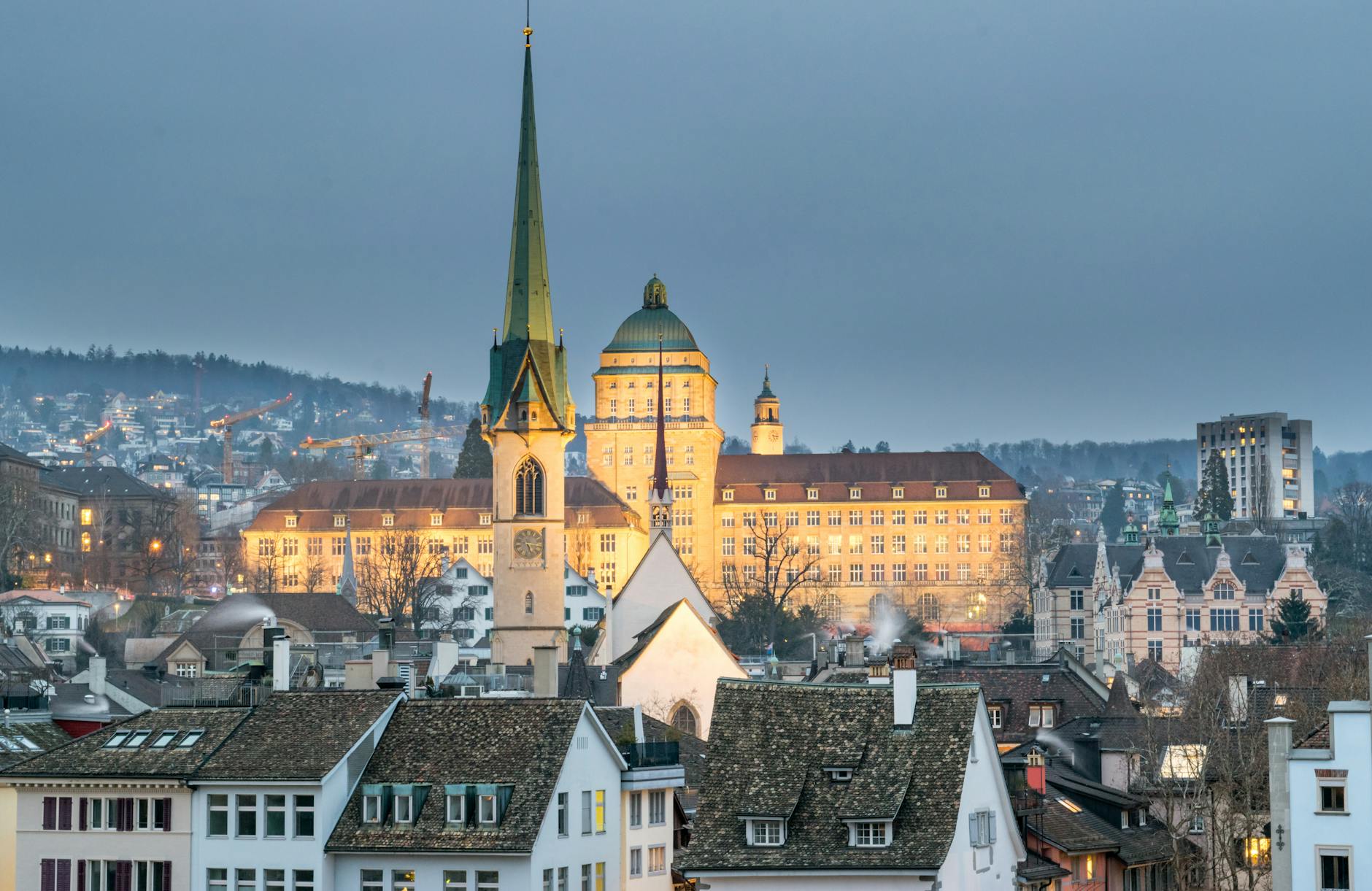
Conference value often comes from conversations outside formal sessions. Zurich's cafes, restaurants, lakefront walks, hotel bars, and old-town streets can support useful meetings, but the attendee should not leave all networking logistics to chance. Reservations, opening hours, dietary needs, cost expectations, and the route back to the hotel matter.
The best networking plan leaves enough energy for the next morning's program.
- Plan coffee meetings, dinners, receptions, and informal walks near the venue or hotel.
- Check dietary needs, opening hours, reservation expectations, and return transit after evening events.
- Protect sleep before presentations, interviews, panels, or important meetings.
Add city time in small, reliable pieces
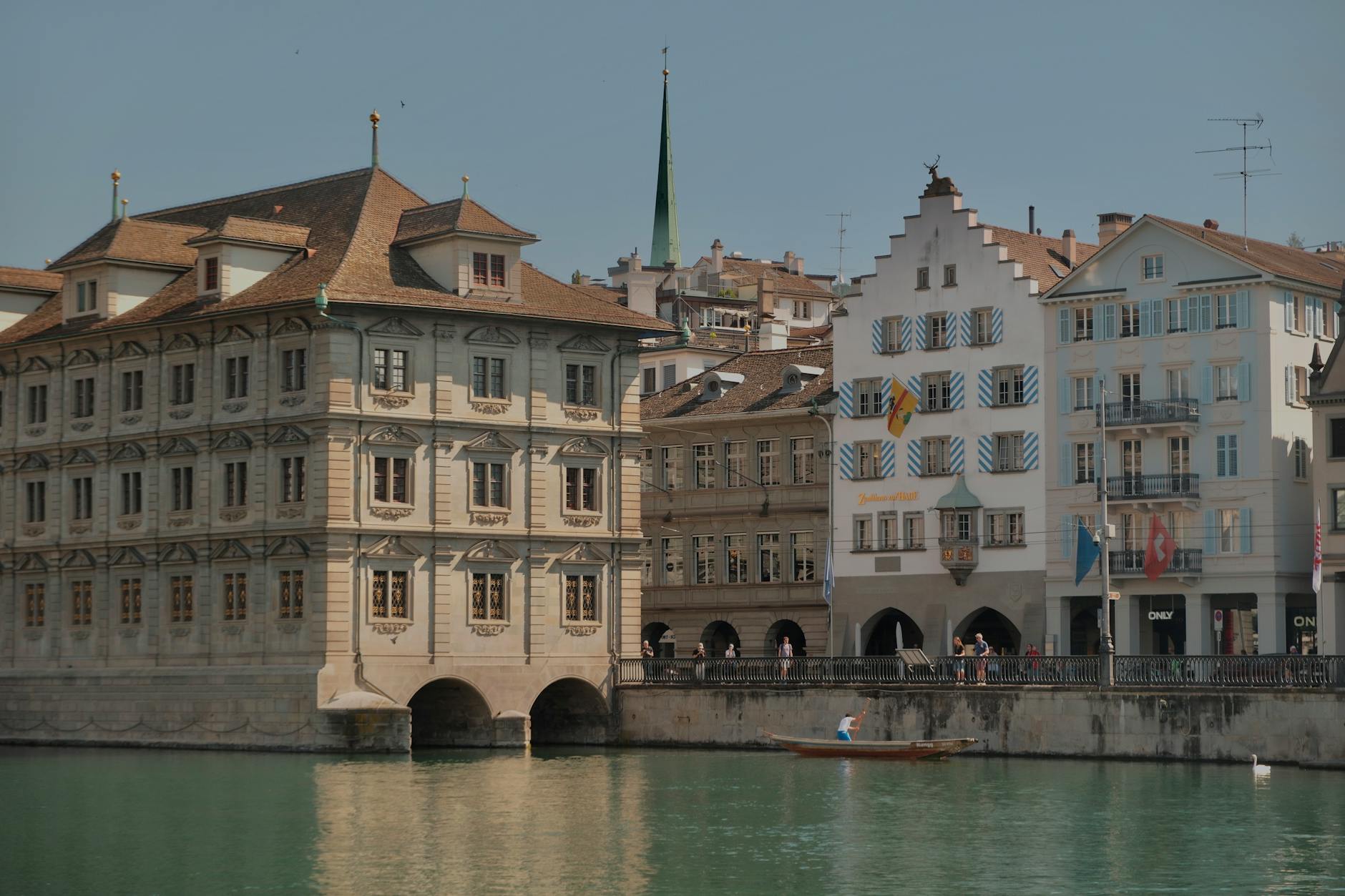
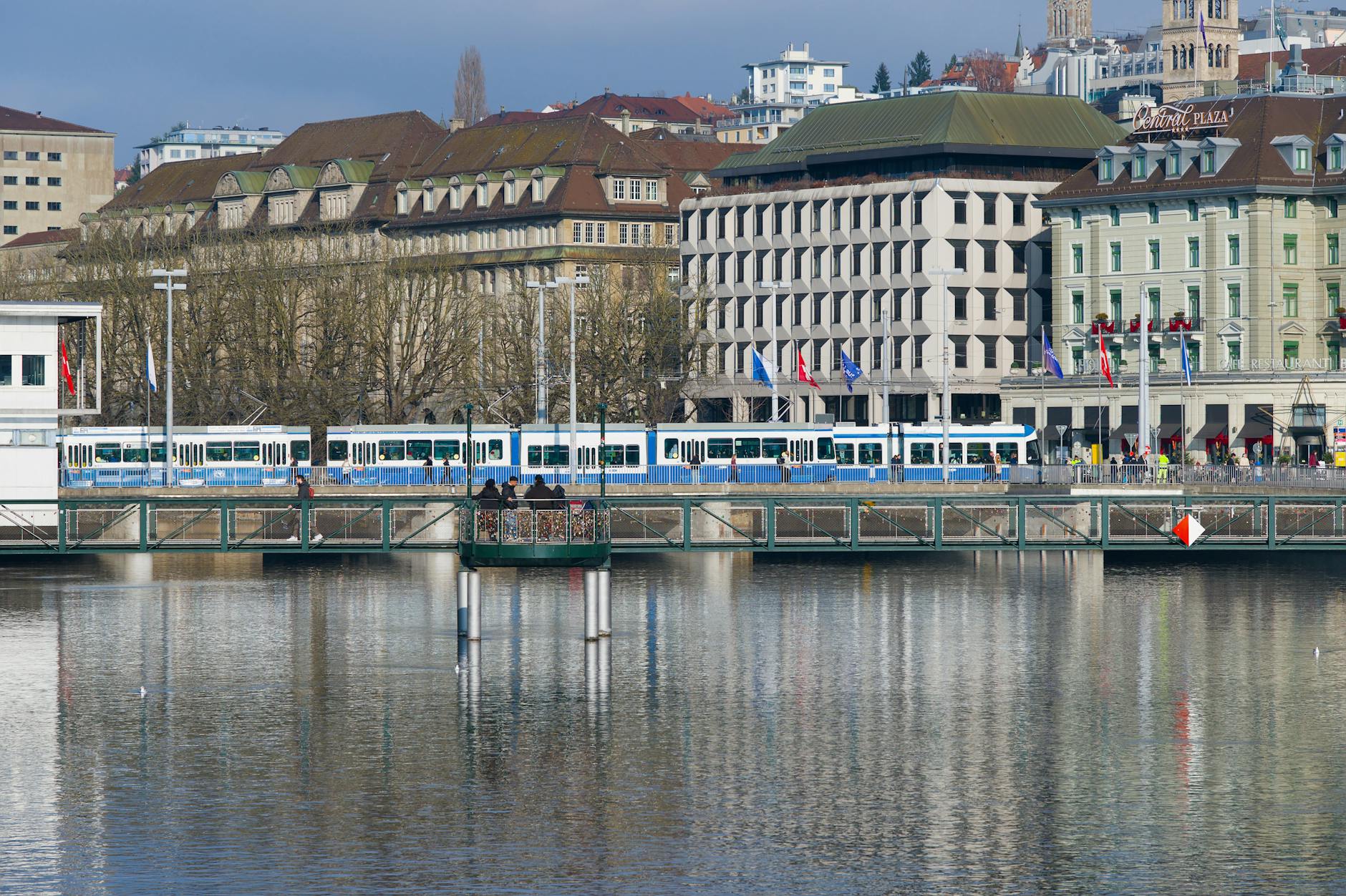
A short conference trip can still include Zurich if the city time is compact. A walk along the Limmat, Lake Zurich, the old town, Bahnhofstrasse, Grossmunster views, or a short tram ride can fit between sessions or before departure. Distant day trips should wait unless the schedule genuinely allows them.
The city should make the conference trip feel richer, not make the academic program harder to attend.
- Use the Limmat, old town, Lake Zurich, Bahnhofstrasse, or Grossmunster views for compact city time.
- Avoid distant excursions when the program, networking, or departure timing is tight.
- Keep city time near the venue, hotel, or Hauptbahnhof so it can be shortened easily.
When to order a short-term travel report
A conference attendee with a single venue and a nearby hotel may not need a custom Zurich report. A report becomes useful when the program spans multiple venues, the traveler presents soon after arrival, hotel costs are high, accessibility matters, or the attendee wants to add city time without weakening the academic schedule.
The report should test airport arrival, hotel base, venue routes, registration timing, presentation logistics, meal and networking options, cost exposure, and departure day. The value is a Zurich conference trip that protects the work while still using the city well.
- Order when venue geography, hotel cost, arrival timing, presentation logistics, networking, or accessibility need testing.
- Provide program dates, venue addresses, session obligations, hotel options, flight times, and reimbursement limits.
- Use the report to keep the conference schedule strong while adding only the Zurich time that fits.