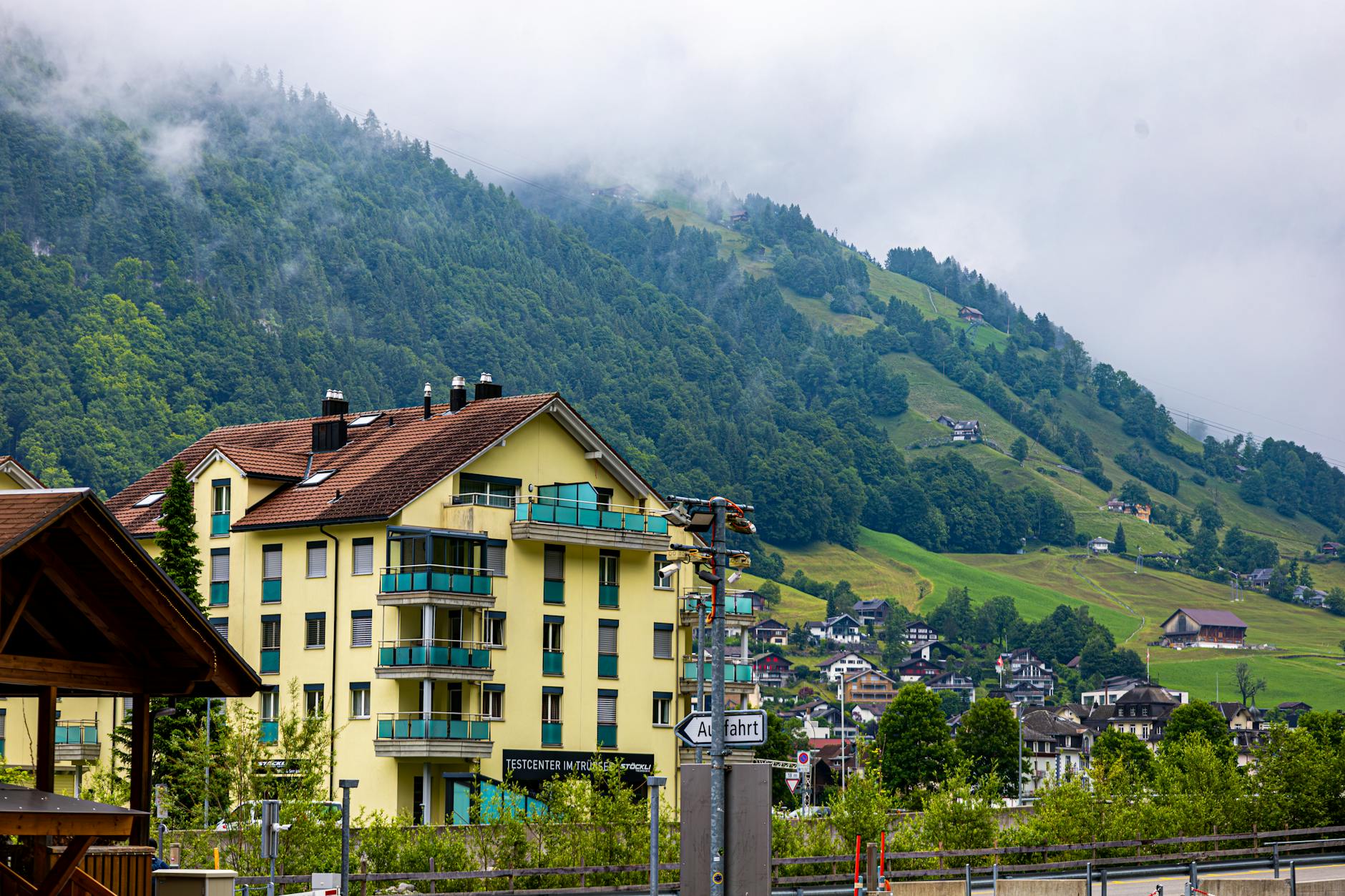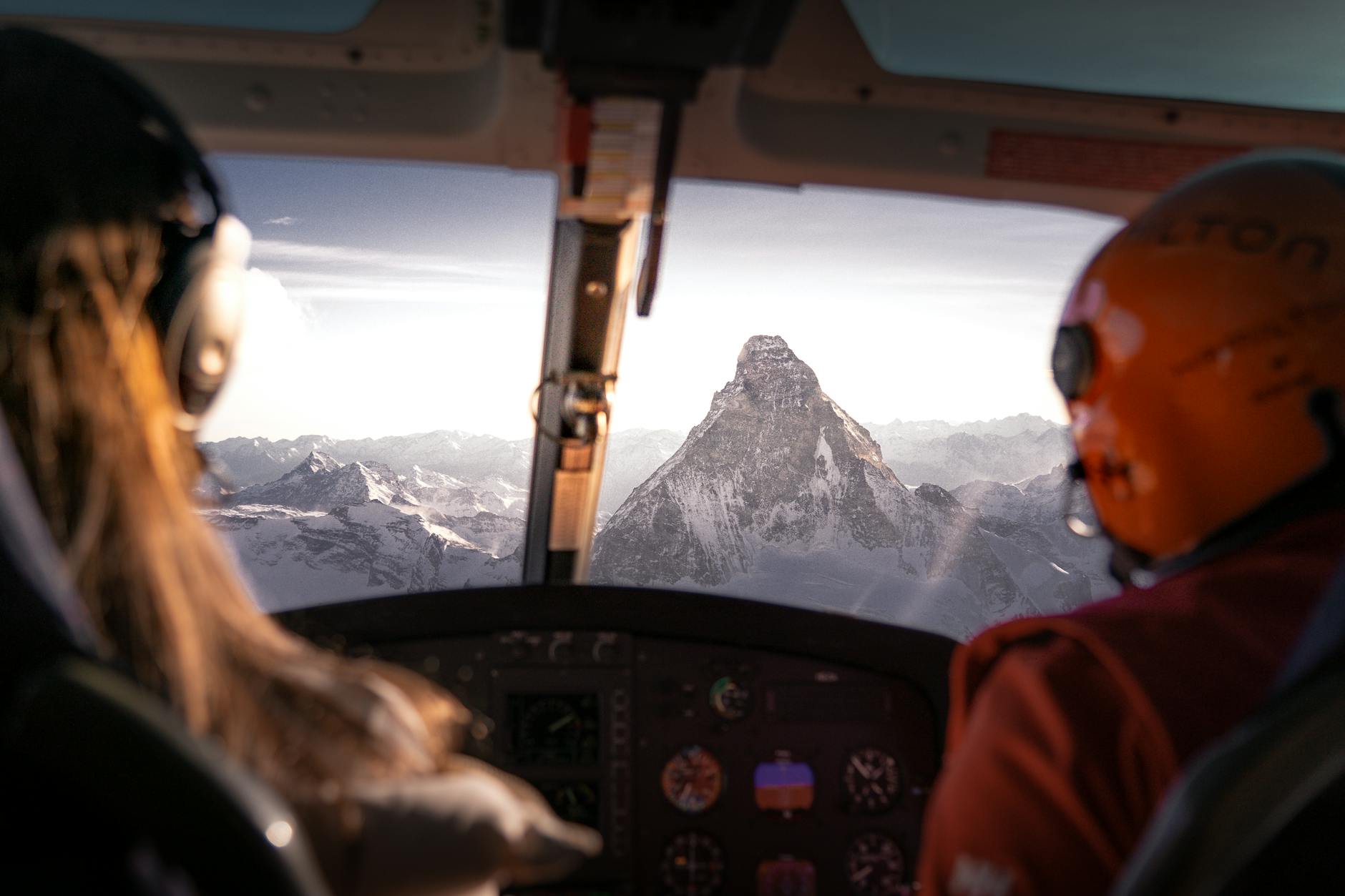
Zermatt may be part of a short volunteer, nonprofit, research-support, sustainability, community, or event-assistance trip rather than a conventional service placement. The traveler should understand the host's needs, the limits of a short stay, the car-free arrival, lodging, insurance, mountain conditions, local sensitivities, and communication before assuming that good intentions are enough.
Confirm the host structure first
A short volunteer or NGO trip to Zermatt should begin with the host, not the scenery. The traveler needs to know who is responsible for tasks, supervision, lodging, safety, expenses, and local coordination. A mountain resort with limited access and seasonal pressure is not the place to arrive with vague expectations.
The role should be useful before it is inspiring.
- Confirm the host organization, local contact, work scope, schedule, reporting line, and emergency support.
- Ask whether the work is field support, event help, environmental activity, research assistance, logistics, or outreach.
- Be honest about language ability, fitness, technical skills, and the limits of a short stay.
Make the car-free arrival practical
Volunteer and NGO travelers may carry work clothing, field gear, printed material, first-aid items, or shared supplies. Zermatt's car-free model means those items need a clear rail, luggage, station, and lodging plan. The traveler should not assume the host can solve every arrival problem at the last minute.
Logistics are part of the contribution.
- Map airport or previous-city access through Visp or Tasch, Zermatt station, and the final hotel or host address.
- Confirm who handles luggage, supply boxes, station pickup, late arrivals, and bad-weather changes.
- Keep documents, medication, contacts, warm layers, and critical work items in a personal bag.
Choose lodging that supports the placement
A volunteer or NGO traveler may need early starts, laundry, simple meals, storage, quiet rest, reliable Wi-Fi, and a route that works after long days outside. The lowest-cost room is not always the best base if it creates daily strain or complicates host coordination. Lodging should support the work rhythm.
The base should make service easier.
- Check distance to the host site, breakfast timing, laundry, storage, Wi-Fi, workspace, and late-entry rules.
- Confirm whether lodging is arranged by the host or must be booked independently.
- Build rest time into the plan if the work involves snow, altitude, standing, walking, or outdoor tasks.
Respect local capacity and environment
Zermatt is a working alpine community, not just a backdrop for helpful travel. Short-term visitors should respect host priorities, resident routines, environmental rules, trail closures, waste practices, and seasonal crowd pressure. A traveler who creates extra supervision or ignores local norms can make the host's work harder.
Impact is measured by fit, not enthusiasm.
- Follow host instructions on access, photography, waste, trail use, wildlife, public messaging, and local conduct.
- Avoid presenting short-term help as more important than local expertise.
- Ask before photographing people, work sites, sensitive locations, or operational details.
Plan budget, gear, and insurance
Volunteer travel can still be expensive in Zermatt. Rail fares, lodging, meals, gear, lift access, laundry, insurance, and schedule changes should be understood before arrival. The traveler also needs clothing and coverage appropriate for mountain weather and the actual work, not just casual sightseeing.
Low-paid or unpaid work still needs a real budget.
- Confirm what the host covers, what is reimbursable, and what remains the traveler's responsibility.
- Pack footwear, layers, gloves, sun protection, water, and any task-specific items the host requests.
- Check insurance coverage for volunteering, outdoor activity, altitude, winter conditions, and medical care.
Keep communication and boundaries clear
Short-term volunteer and NGO work can blur lines between work, hospitality, friendship, advocacy, and personal travel. The traveler should know who to contact, how schedule changes are shared, what can be posted publicly, and when to step back. Clear boundaries protect both the host and the traveler.
Communication keeps the visit useful.
- Confirm daily check-in method, emergency contact, work hours, free-time rules, and escalation process.
- Ask what information, photos, names, locations, and project details may be shared publicly.
- Respect rest days, local staff time, confidentiality, and the host's decision-making authority.
When to order a short-term travel report
A volunteer or NGO traveler with a fully managed program may not need a custom report. A report becomes useful when the traveler must choose rail timing, lodging, insurance, gear, budget, host access, field routes, communication plans, or onward travel independently.
The report should test host structure, arrival route, car-free logistics, lodging, daily work geography, local norms, weather, gear, insurance, budget, and departure buffers. The value is a Zermatt trip that supports the host instead of creating extra work.
- Order when host logistics, arrival, lodging, gear, insurance, budget, weather, communication, or onward travel need exact planning.
- Provide host details, role description, dates, lodging options, rail route, gear list, budget, and health or access needs.
- Use the report to make the short placement practical, respectful, and easier to manage.