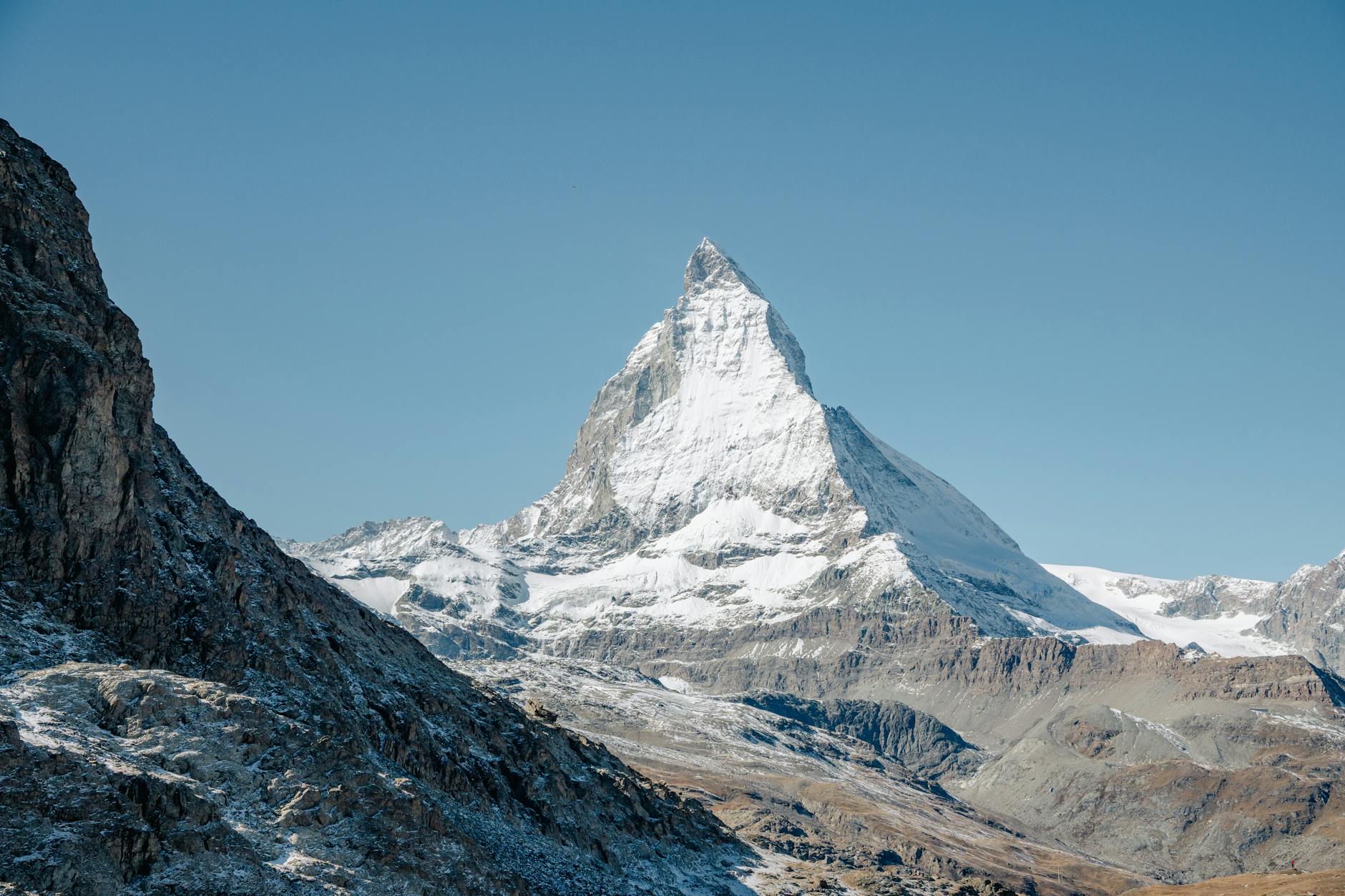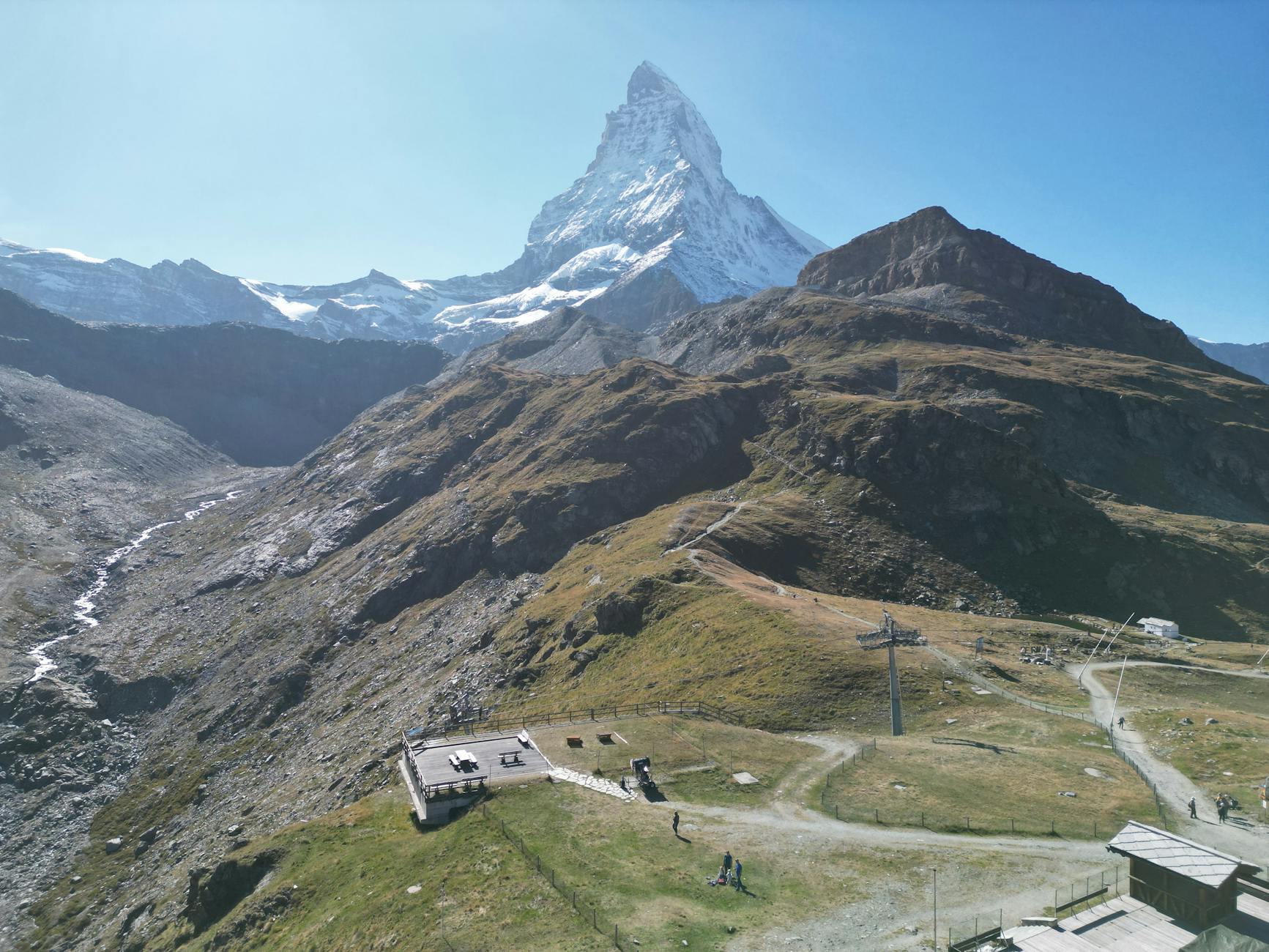
Zermatt can work for some travelers with mobility limitations, but it should be planned as a mountain village rather than a flat city break. The car-free arrival, rail sequence, hotel pickup, walking grade, snow or ice, lift access, altitude, rest stops, and weather all shape whether a short stay feels manageable.
Treat access as a sequence
A traveler with mobility limitations should not ask only whether Zermatt is possible. The better question is whether each step of the trip works: airport, rail, Visp or Tasch transfer, Zermatt station, hotel pickup, room access, meals, lifts, and departure. A single weak link can make the whole stay harder than expected.
Access is built step by step.
- Map every transfer from the previous city or airport through Zermatt station and hotel arrival.
- Check platform changes, elevators, seating, luggage help, walking distance, slope, and pickup timing.
- Keep the first day simple if the inbound route already uses significant energy.
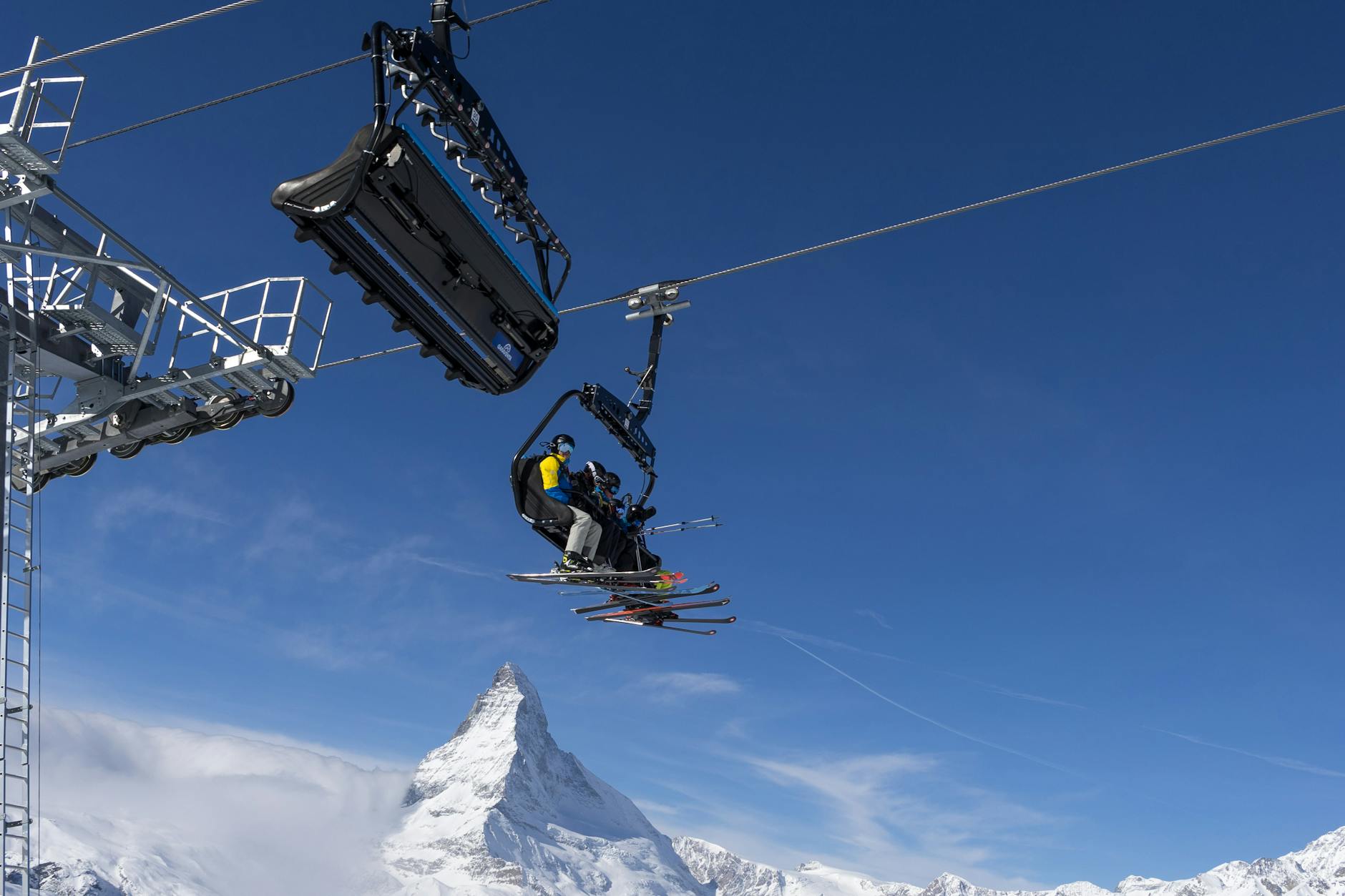
Make the car-free arrival controlled
Zermatt's car-free model can be pleasant when the traveler has a clear rail plan, luggage support, and hotel pickup. It can be difficult when snow, late arrival, bags, mobility aids, or fatigue are handled after reaching the station. The final mile should be arranged before travel day.
Arrival support is not a luxury detail here.
- Confirm station pickup, electric taxi options, luggage handling, late-arrival procedures, and the hotel contact number.
- Keep medication, documents, chargers, mobility-aid essentials, and a warm layer in a personal bag.
- Avoid arriving late unless the station-to-hotel plan is confirmed in writing.
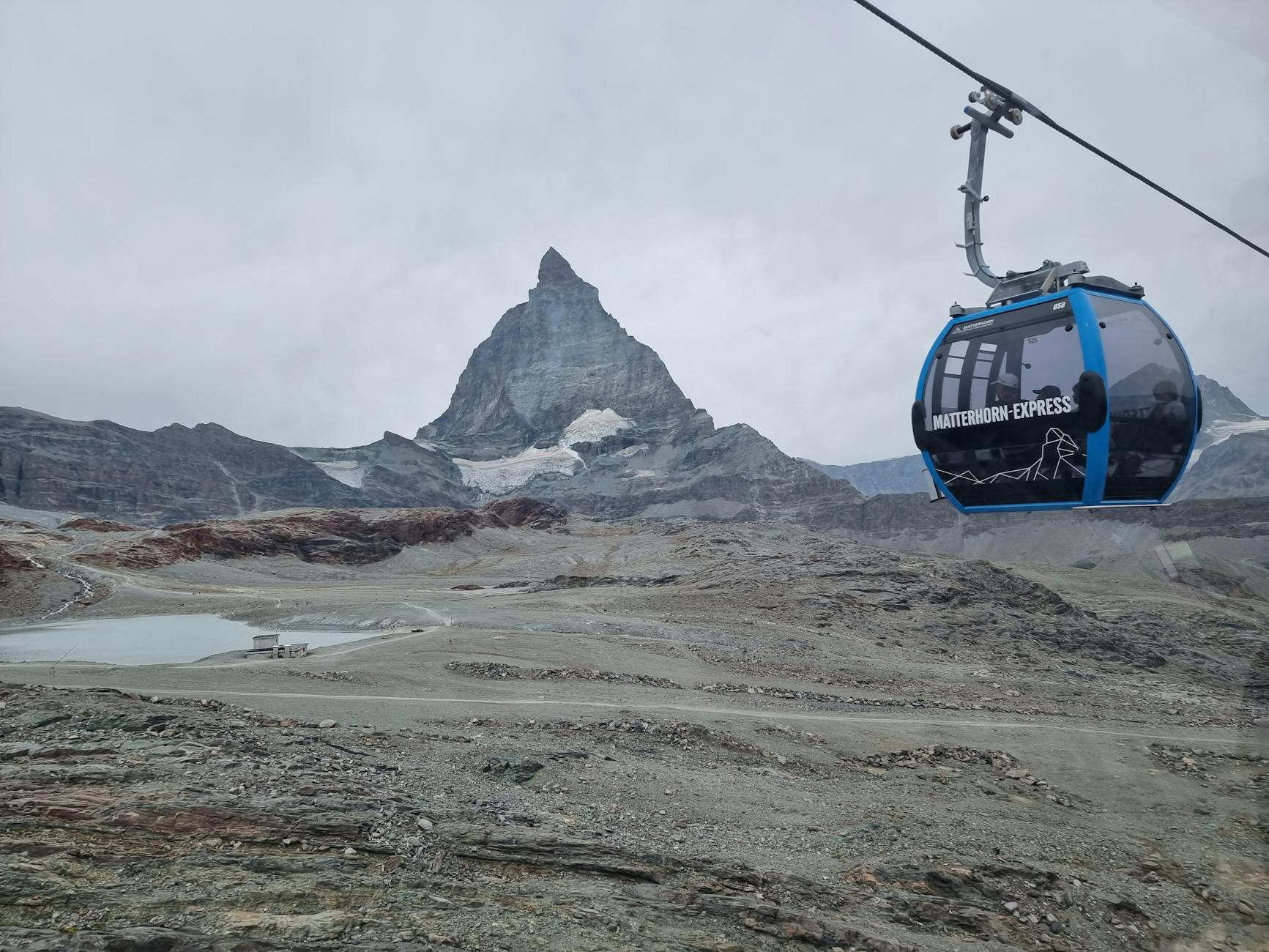
Choose the hotel for access first
The best hotel for a traveler with mobility limitations may not be the most dramatic view. Elevators, step-free access, bathroom setup, room location, staff responsiveness, dining on site, route grade, station pickup, and proximity to lifts or restaurants can matter every day. A steep or remote hotel can turn small outings into major decisions.
The room is part of the itinerary.
- Ask specifically about elevators, steps, bathroom layout, shower access, room distance, and snow-clearing practices.
- Check whether the route to restaurants, lifts, and the station is flat enough for the traveler.
- Favor lodging that can support bad-weather meals, rest breaks, luggage, and quick help.
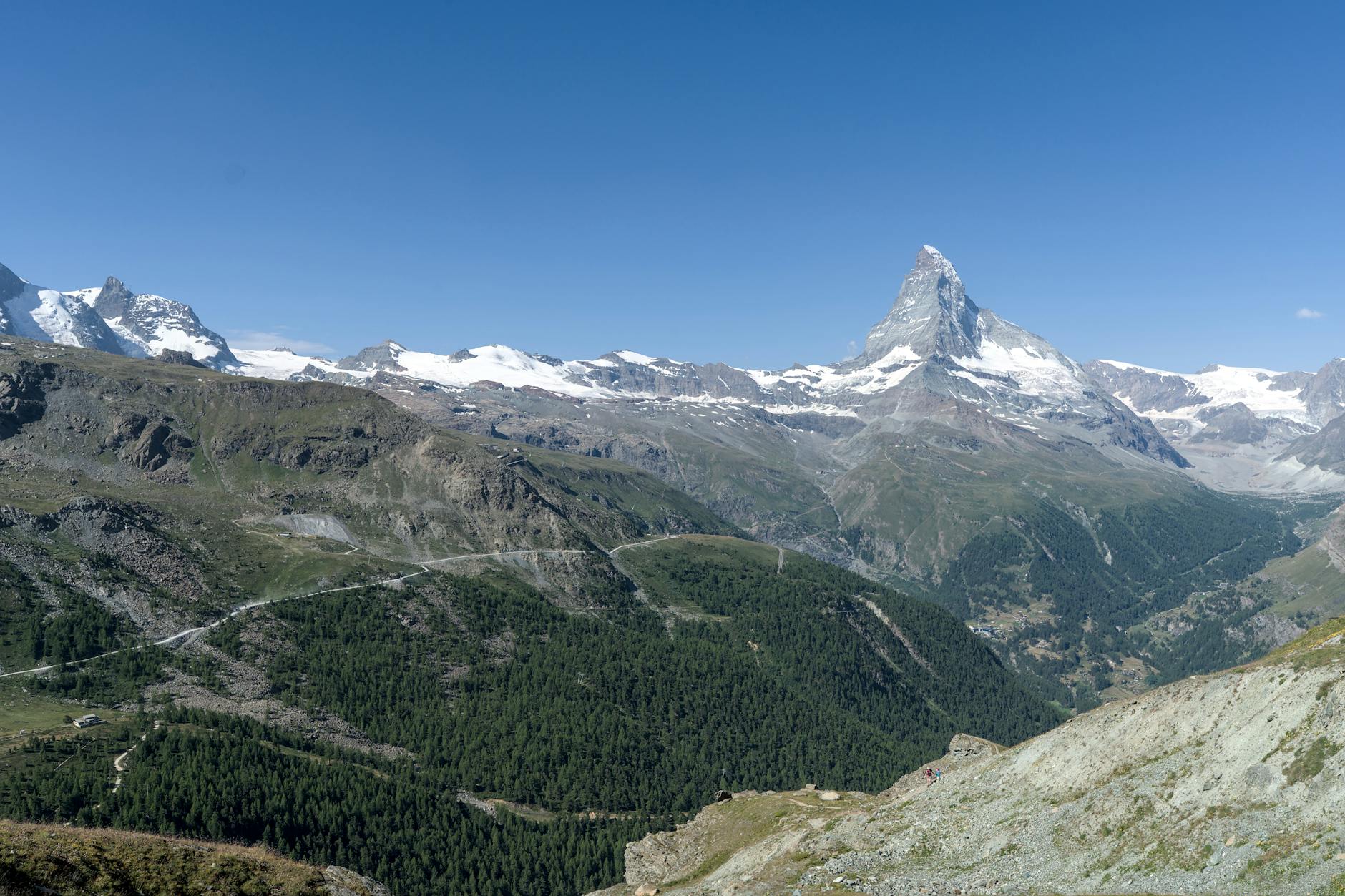
Select mountain experiences by effort
Zermatt's mountain experiences differ sharply in walking load, altitude, platform layout, seating, toilets, exposure, and return options. A traveler with mobility limitations should choose viewpoints and rail or lift routes that remain comfortable if the weather changes or energy drops. The most famous option is not always the best one.
The exit route matters as much as the view.
- Check walking distance, surface, seating, toilets, lift or rail changes, altitude, and return frequency before booking.
- Choose one main mountain experience per day when transfers or weather add effort.
- Use staffed support or guided arrangements when independent movement would be uncertain.
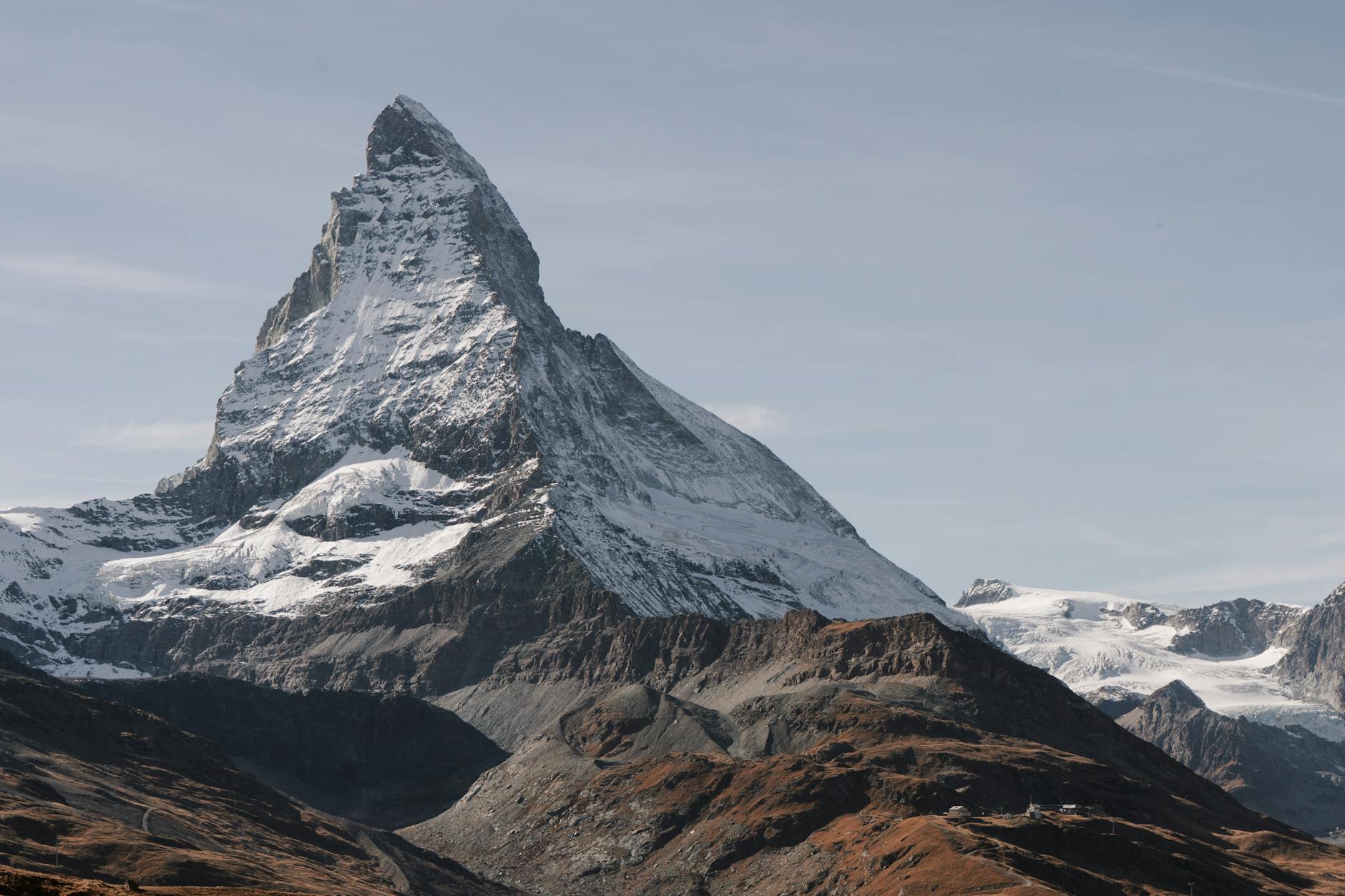
Respect snow, slope, and weather
A route that looks short on a map can feel very different with snow, ice, rain, wind, low visibility, or a steep grade. Zermatt weather should shape the daily plan for travelers with mobility limitations. The right choice may be a shorter outing, a taxi, an on-site meal, or a lower-elevation plan.
Weather is an access issue.
- Check forecasts, webcams, lift status, route surfaces, and hotel advice before leaving.
- Pack footwear, traction, layers, gloves, and any mobility-aid accessories needed for the season.
- Switch plans early when conditions make a route more difficult than expected.
Place meals and rests carefully
Meals, restrooms, warm interiors, and seating should be treated as part of the access plan. A traveler with mobility limitations may need fewer transitions, better timed meals, and reliable places to pause. Searching for a restaurant after energy drops can make a manageable day feel poorly designed.
Comfort depends on where the pauses are.
- Reserve restaurants near the hotel or along confirmed routes during busy periods.
- Check restroom access, seating, step-free entry, and return route before choosing mountain or village meals.
- Build rest periods between rail transfers, lift outings, meals, and evening plans.
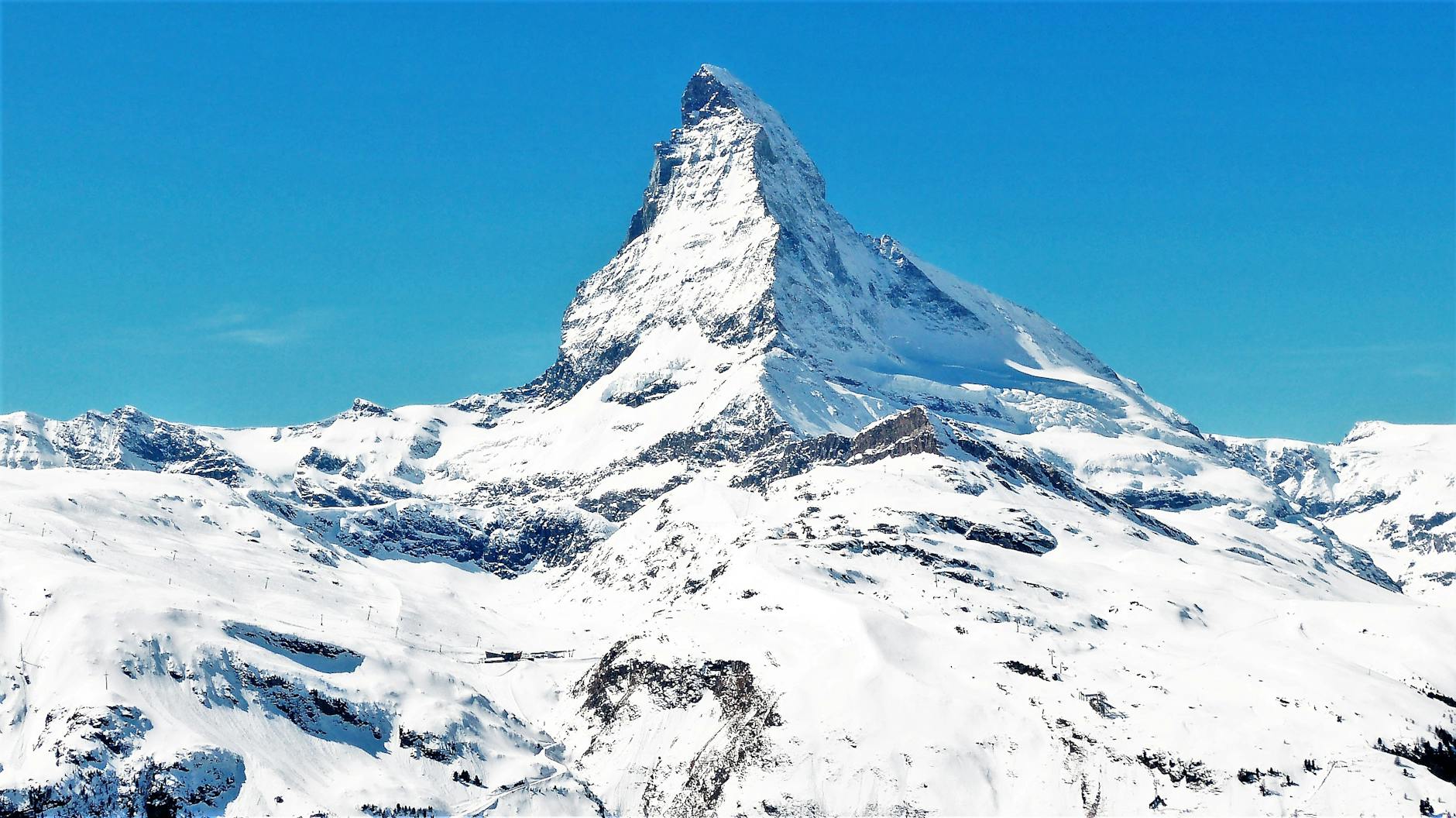
When to order a short-term travel report
A traveler with strong hotel support, flexible timing, and light activity goals may not need a custom report. A report becomes useful when rail transfers, luggage, hotel access, slopes, snow, lifts, restaurants, restrooms, or departure timing could decide whether the trip is comfortable.
The report should test each access step, not just list attractions: arrival, station pickup, hotel route, room setup, meal placement, lift choices, weather alternatives, restroom access, costs, and departure buffers. The value is a Zermatt plan that makes the mountain setting manageable before arrival.
- Order when arrival, lodging, slope, snow, lift access, meal placement, or onward travel need exact planning.
- Provide dates, mobility details, luggage needs, rail route, hotel candidates, activity interests, and comfort limits.
- Use the report to choose routes and rooms that fit the traveler, not just the destination.