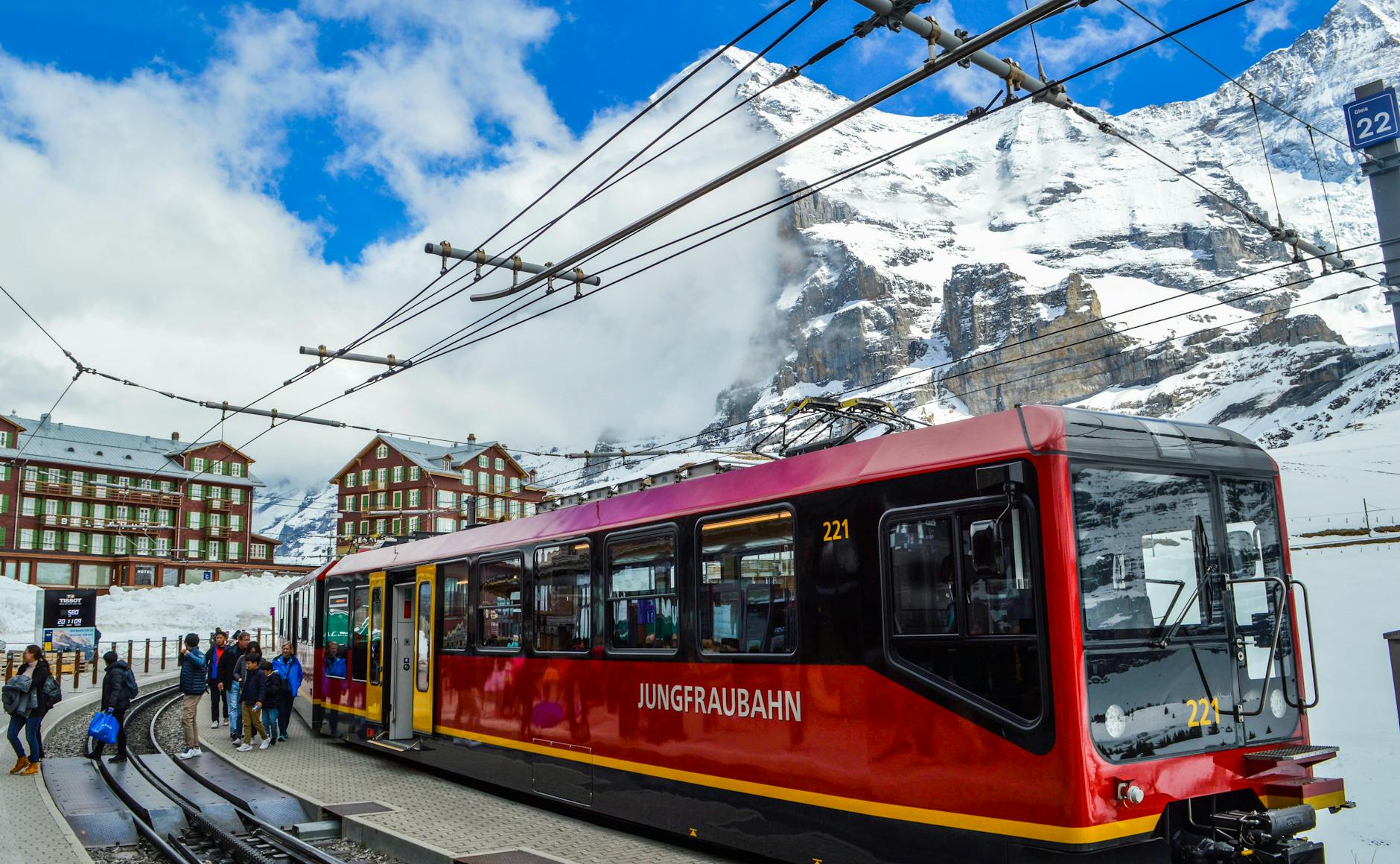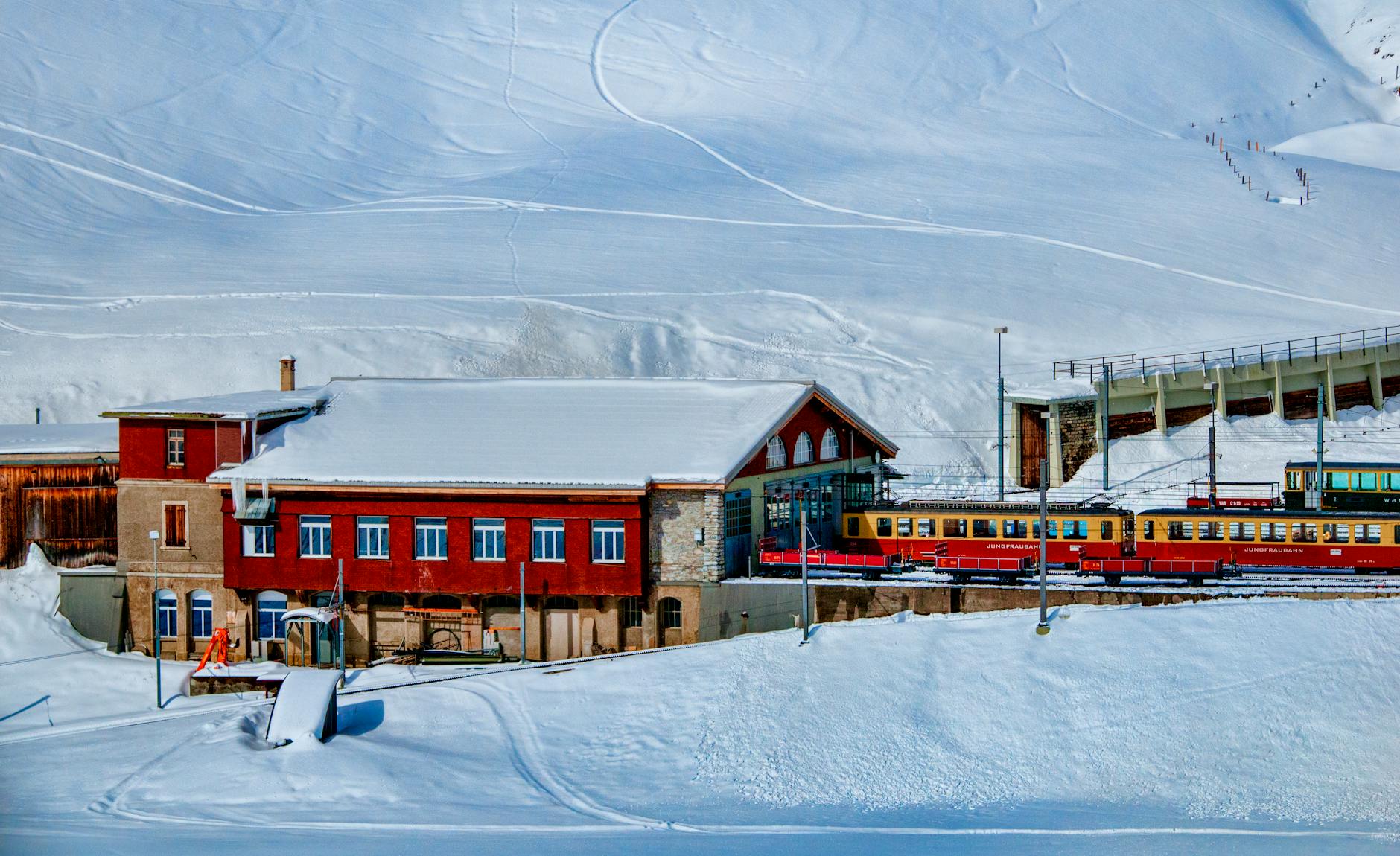
Zermatt is tempting as a short stop because the Matterhorn is so recognizable, but it is not a quick station-side detour for most travelers. The village is car-free and reached by mountain rail, so a transit or stopover traveler needs enough time, light luggage, a precise route, and a clear reason to spend the stop here.
Decide whether the stopover is worth it
A Zermatt stopover should be chosen carefully. The route is beautiful, but the time required to reach the village, manage luggage, and return to the main rail or flight path can be substantial. If the traveler has only a few spare hours, another Swiss stop may be more practical.
The stopover has to earn its time.
- Compare total door-to-door time with actual usable time in Zermatt.
- Avoid Zermatt as a same-day stop if the onward flight, train, or hotel arrival is inflexible.
- Choose the stopover only when the Matterhorn or village experience is the clear priority.
Map the rail sequence exactly
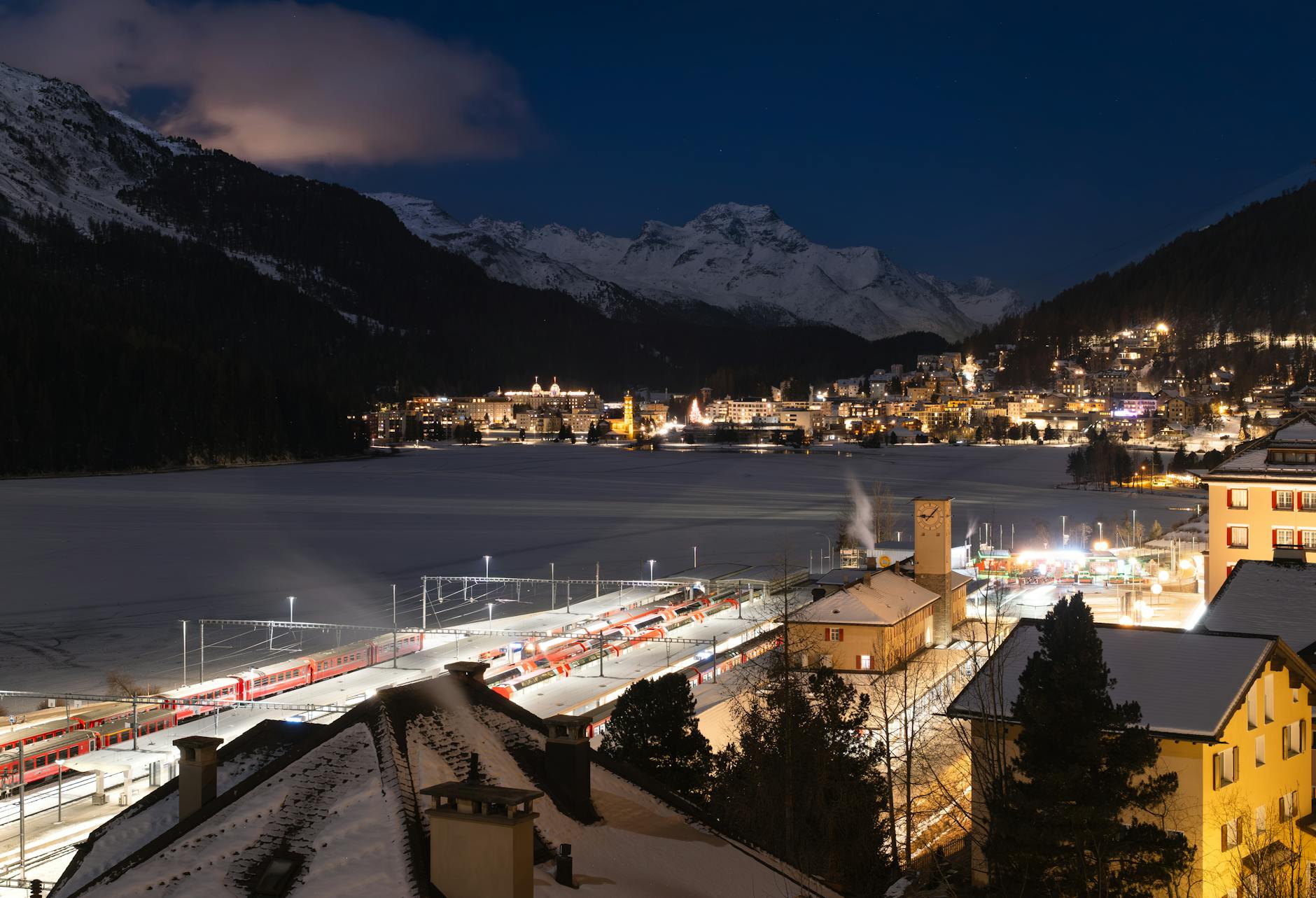
Zermatt transit depends on a precise rail sequence through Visp or Tasch, followed by the final car-free arrival. Missed connections, platform changes, and late trains can matter more on a stopover than on a normal stay. The traveler should know the last safe departure before leaving the main route.
The timetable is the itinerary.
- Map the inbound rail route, transfer points, station arrival, and the last safe onward departure.
- Check rail alerts, platform changes, seat reservations where needed, and ticket flexibility.
- Keep offline copies of tickets, hotel or airport deadlines, and backup routes.
Solve luggage before arrival
A stopover traveler may be carrying bags meant for a longer trip. Those bags can turn Zermatt into a chore unless storage, forwarding, or a light overnight setup is arranged. The traveler should decide whether to store luggage elsewhere, forward it, or carry only what is manageable through rail transfers.
Light luggage makes the stop possible.
- Check station storage, luggage forwarding, hotel storage, and whether large bags fit the rail plan.
- Carry essentials, medications, documents, layers, chargers, and valuables in a small personal bag.
- Avoid tight transfers when bags must be moved across platforms.
Choose one compact objective
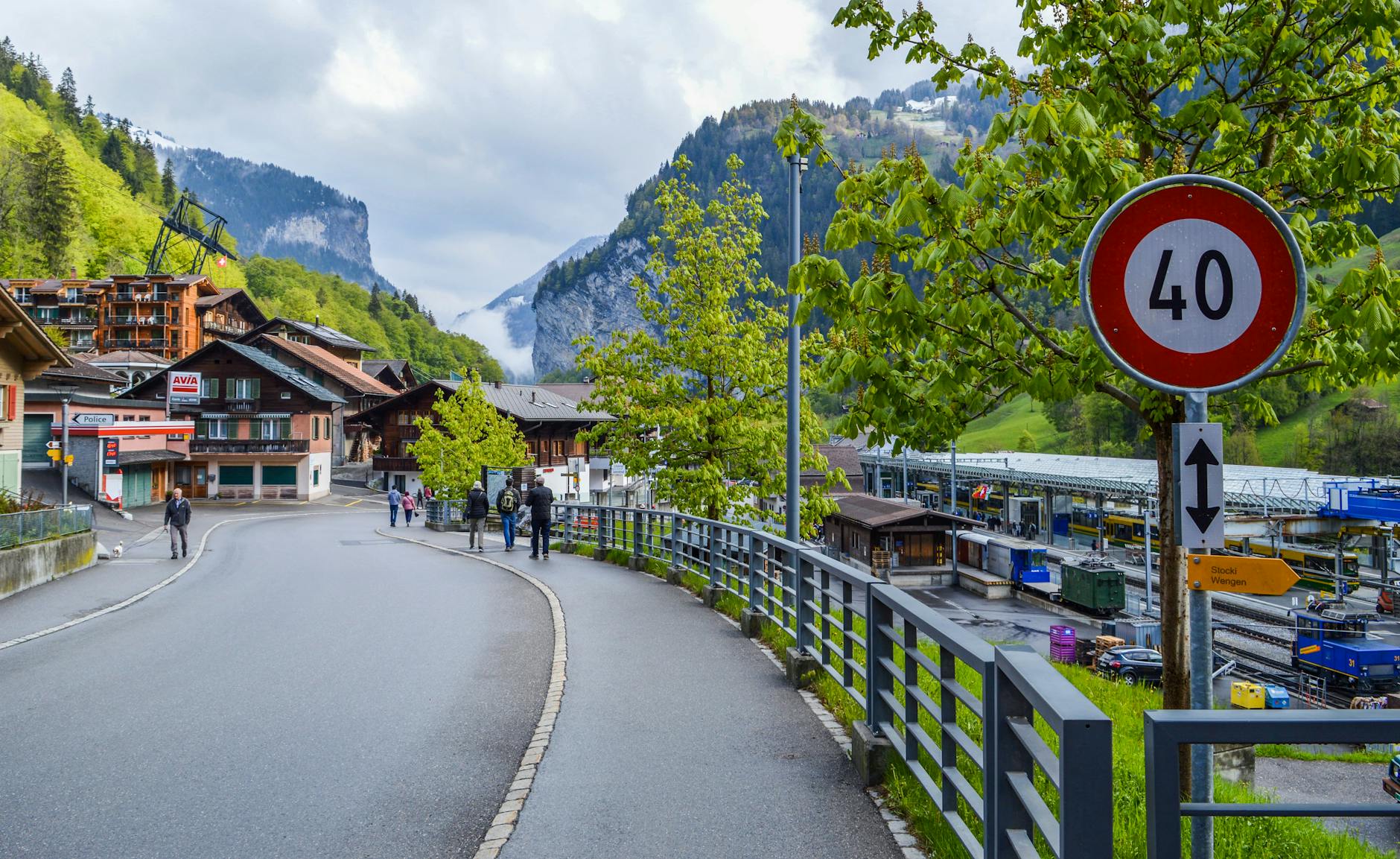
A transit traveler should choose one realistic objective rather than trying to sample all of Zermatt. A village walk, a single viewpoint, a short meal, or one rail excursion may be enough. Chasing multiple lifts or long trails can put the onward connection at risk.
A stopover is not a full mountain holiday.
- Pick one main goal based on available hours, weather, luggage, budget, and return timing.
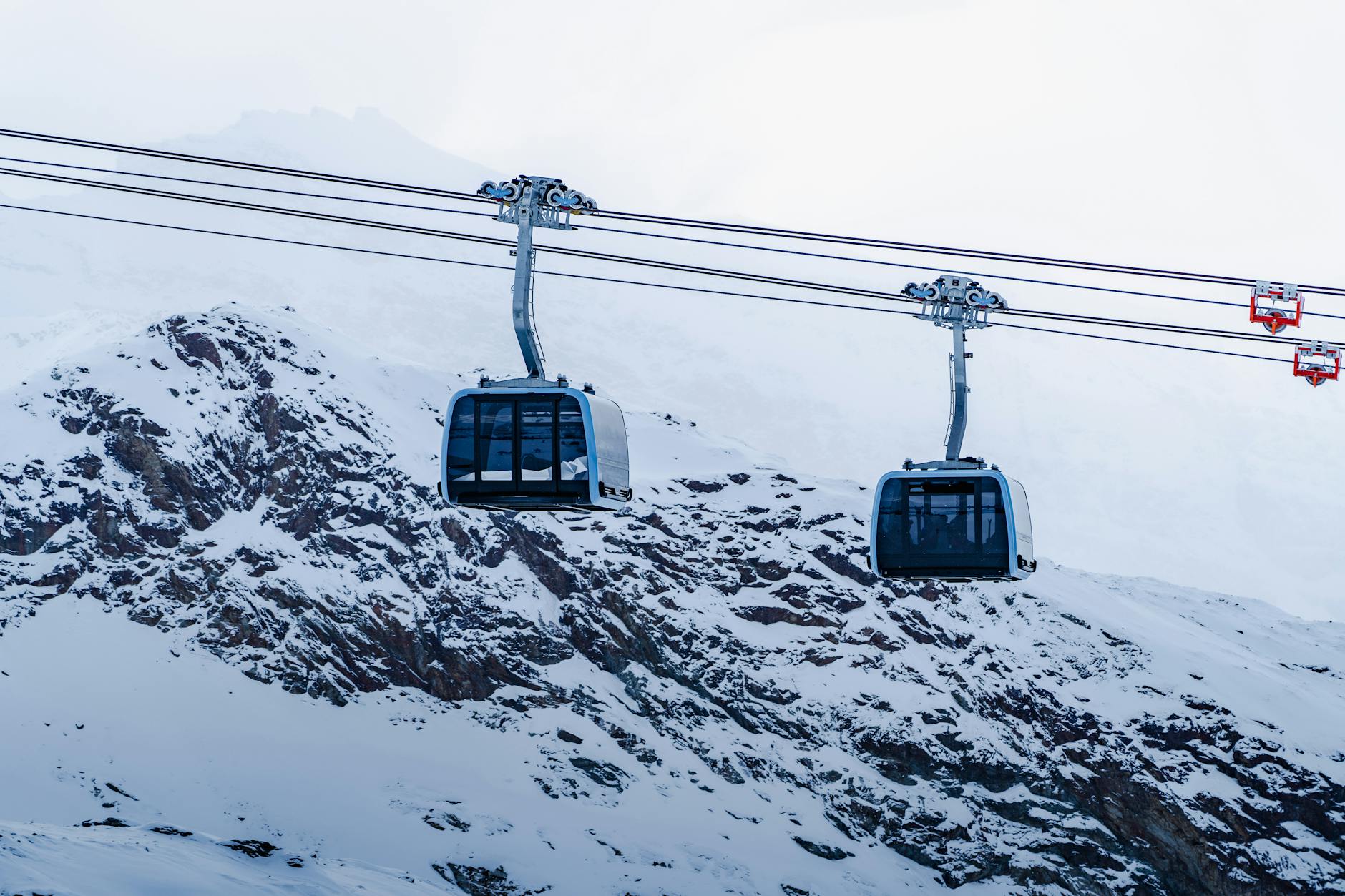
- Avoid high viewpoints if visibility or rail timing is weak.
- Keep a low-effort village plan ready if mountain access becomes impractical.
Respect weather and daylight
Zermatt weather can decide whether a short stop feels worthwhile. Clouds, snow, rain, wind, or short daylight can reduce visibility and slow walking. The traveler should check conditions before committing expensive time and tickets to the detour.
A stopover needs visible value.
- Check forecasts, webcams, lift status, daylight, and walking surfaces before leaving the main route.
- Avoid buying mountain tickets before visibility supports the plan.
- Use cafes, village views, lower walks, or rest time when weather makes the main idea weak.

Protect the onward connection
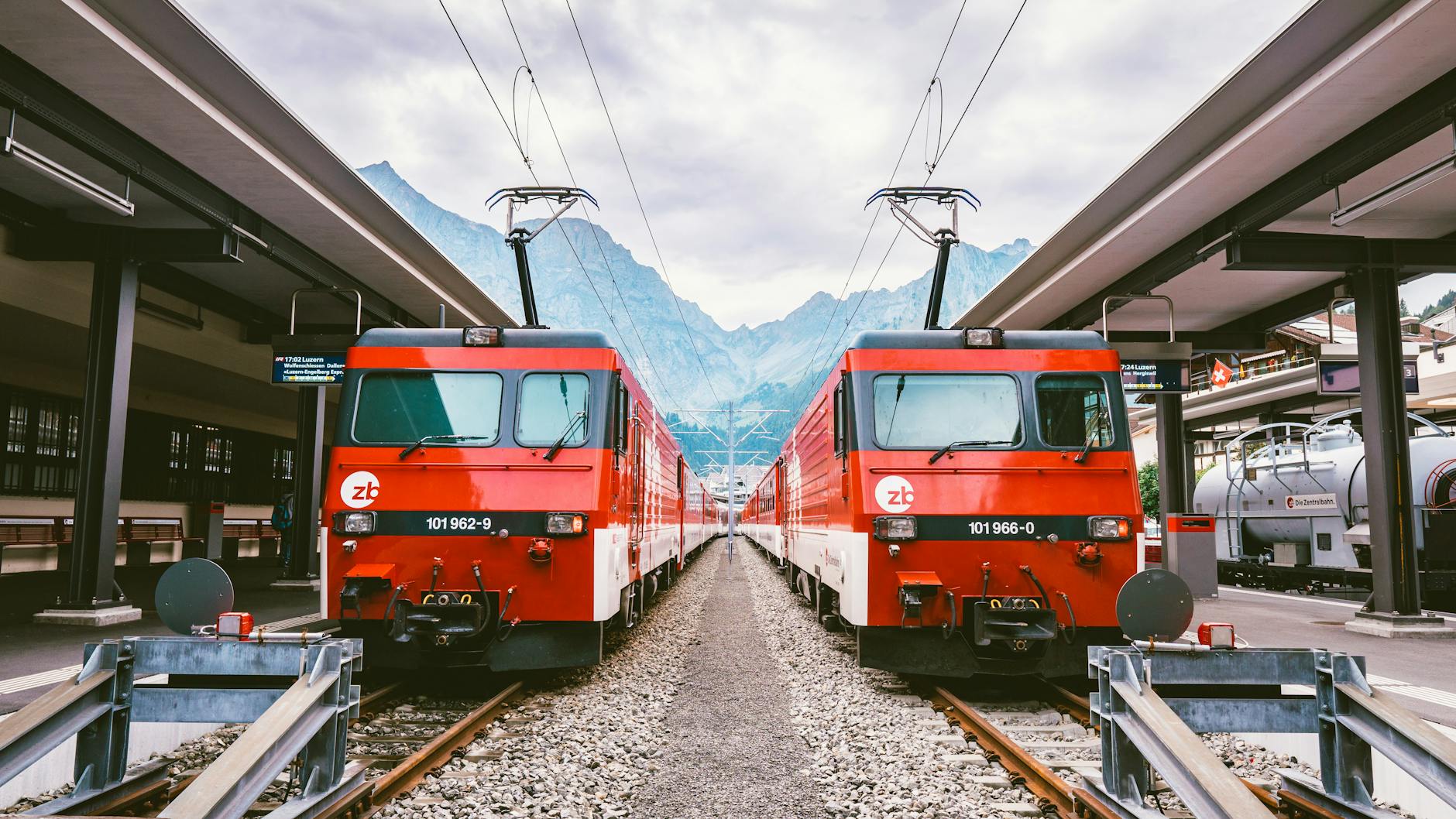
The most important part of a Zermatt stopover is leaving on time. The traveler should build a firm departure cutoff, know the backup route, and avoid plans that depend on the final possible train. A short stay is successful only if it does not damage the next leg.
The exit plan deserves priority.
- Set a latest departure time from Zermatt before starting the activity.
- Keep buffer before flights, long-distance trains, cruise departures, and hotel check-in deadlines.
- Choose flexible tickets when missing the planned train would create expensive changes.
When to order a short-term travel report
A transit traveler with a fully flexible schedule may not need a custom report. A report becomes useful when the traveler has a fixed flight, train, cruise, hotel deadline, large luggage, weather-sensitive goal, or uncertainty about whether Zermatt fits the route at all.
The report should test rail timing, luggage options, usable hours, one main objective, weather alternatives, ticket costs, station movement, and onward buffers. The value is knowing whether the stopover is realistic before it becomes a missed connection.
- Order when rail timing, luggage, weather, ticketing, one main activity, or onward travel need exact planning.
- Provide starting point, onward deadline, luggage details, dates, mobility needs, budget, and preferred Zermatt objective.
- Use the report to decide whether Zermatt is a smart stop or should wait for a longer trip.