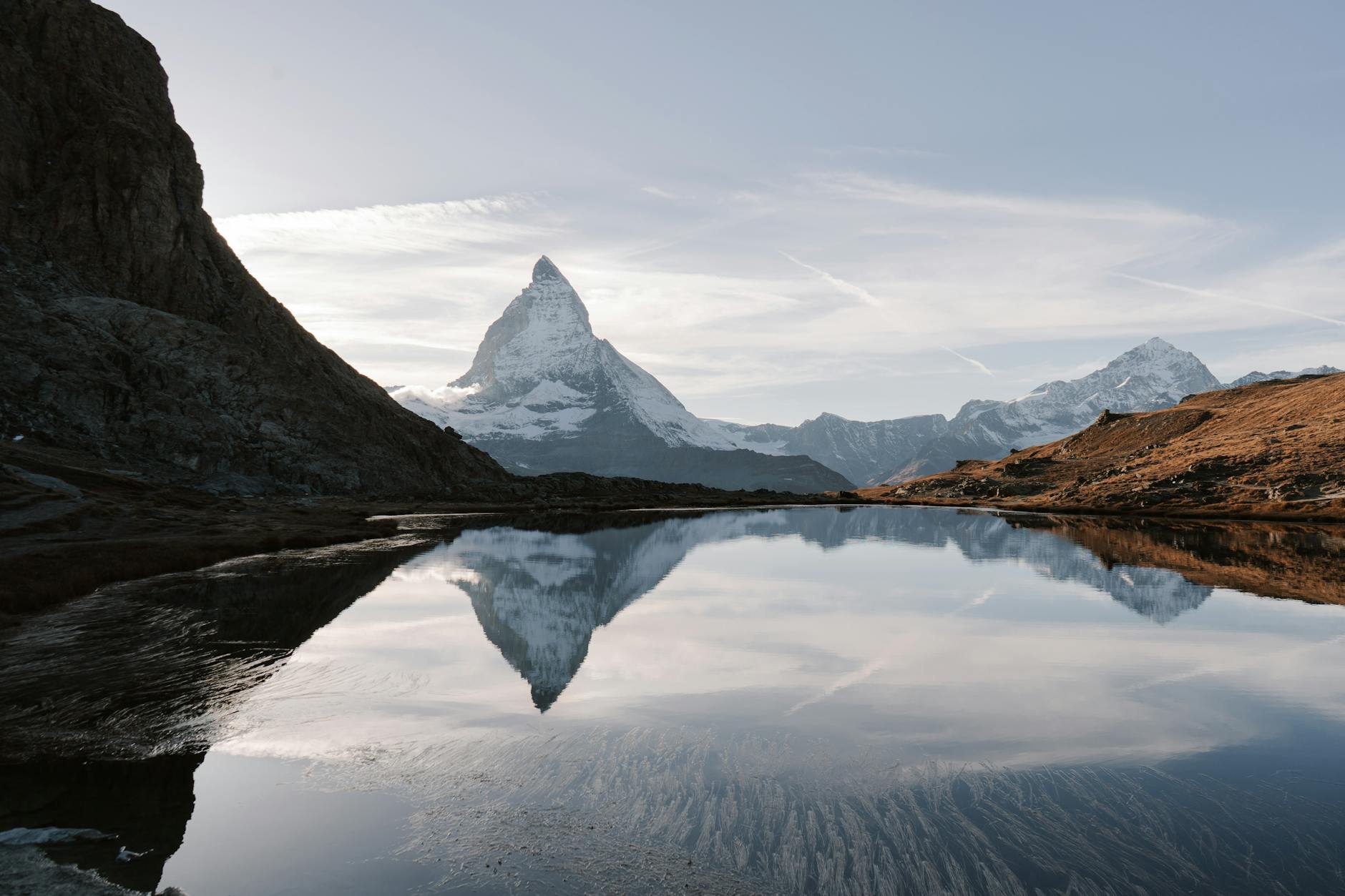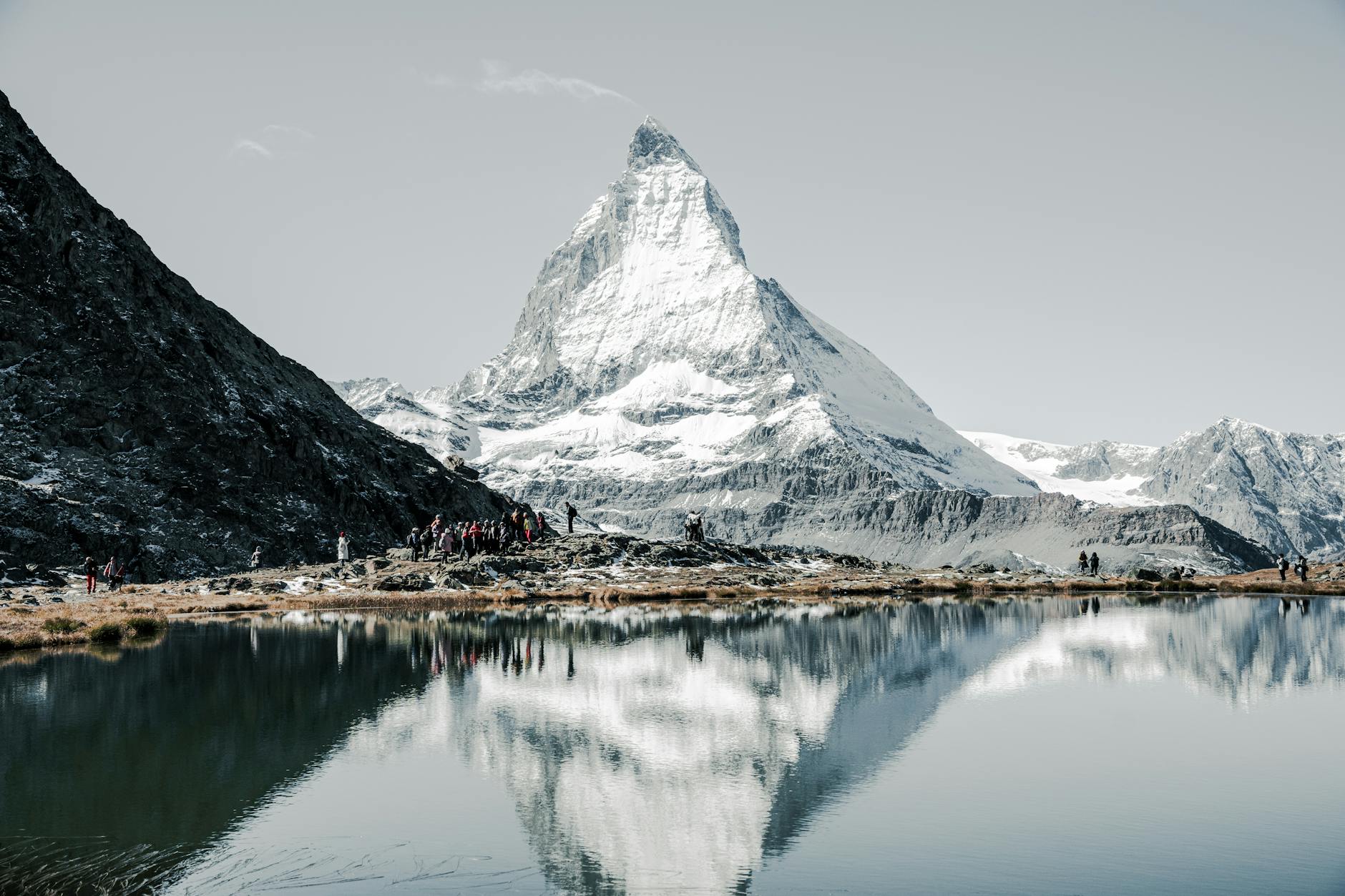
Zermatt is not a conventional trade-show city, but it can host specialized forums, supplier showcases, hospitality events, alpine product meetings, luxury travel gatherings, and incentive-style business programs. A trade-show attendee should plan the trip around car-free logistics, rail access, venue location, materials, weather, and the fact that professional value has to survive the mountain setting.
Confirm the event format before booking
A Zermatt trade-show trip may look more like a hosted showcase, supplier meeting, industry retreat, product demo, or networking forum than a large exhibition hall. The attendee should confirm where registration, displays, receptions, demos, meals, and side meetings actually happen before choosing rail and lodging.
The event map should drive the travel plan.
- Confirm venue addresses, booth or demo locations, receptions, meal sites, and any mountain components.
- Ask whether the organizer handles station transfers, materials, storage, and weather changes.
- Choose lodging based on event routes rather than view alone.
Control the car-free materials problem
Trade-show travel often involves samples, printed pieces, devices, branded clothing, demo kits, or fragile materials. Zermatt's car-free arrival means those items need a clear movement plan through rail, station pickup, hotel storage, and venue delivery. Carrying everything by hand is rarely the best strategy.
Materials need logistics before they need presentation.
- Confirm shipping, storage, station pickup, venue receiving, and return shipment options.
- Separate critical documents, devices, badges, and chargers from heavier booth or sample materials.
- Keep backup files and a smaller demonstration plan in case luggage or shipments lag.
Arrive before the first fixed commitment
A trade-show attendee may be tempted to compress travel because Zermatt looks compact. The risk is that flight delays, rail transfers, weather, luggage, and hotel pickup collide with registration, setup, or the first meaningful meeting. The first fixed obligation should define the arrival buffer.
The setup window deserves protection.
- Build the inbound route backward from setup, registration, first meetings, and organizer deadlines.
- Arrive the day before when materials, senior contacts, or presentation slots matter.
- Keep organizer contacts, hotel details, rail tickets, and shipping references offline.
Choose a hotel that can support work
The hotel may need to serve as office, storage room, recovery space, quiet call location, and networking base. A trade-show attendee should check Wi-Fi, desk space, breakfast timing, luggage storage, laundry, printing, shipping help, meeting corners, and the route to event venues. In Zermatt, the hotel often does more operational work than expected.
A good room makes the event easier.
- Check Wi-Fi, desk, quiet rooms, luggage storage, shipping help, printing, and early breakfast.
- Confirm whether samples, cases, or branded materials can be stored safely.
- Choose a route that works in snow, dress shoes, and evening networking conditions.
Treat weather as a business variable
Zermatt trade-show programs may use terraces, rail excursions, ski or outdoor demos, mountain restaurants, or scenic networking breaks. Weather can change visibility, clothing, routes, energy, and attendance. A professional plan should work even if the mountain portions shrink.
The business case should not depend on perfect skies.
- Check forecasts, webcams, lift status, and organizer backup plans before outdoor events.
- Pack business clothing that still works with cold, snow, rain, and village walking.
- Keep important meetings in reliable indoor or easily reached settings.
Use networking time precisely
Zermatt can make informal networking easier because attendees share hotels, rail rides, restaurants, lounges, and scenic outings. That closeness is useful only if the attendee knows the priority contacts and protects enough energy to follow up. A crowded social schedule can feel productive while producing little business value.
Networking needs a short list.
- Identify priority buyers, partners, suppliers, hosts, and follow-up meetings before arrival.
- Keep notes and contact details organized after each conversation.
- Avoid confidential conversations in crowded trains, terraces, lounges, or shuttle areas.
When to order a short-term travel report
A trade-show attendee with organizer-managed transfers, no materials, and flexible sessions may not need a custom report. A report becomes useful when the attendee controls flights, rail timing, lodging, samples, demos, shipping, buyer meetings, outdoor components, or a tight onward connection.
The report should test venue geography, car-free arrival, material movement, hotel work support, weather alternatives, networking windows, costs, and departure buffers. The value is a Zermatt trade-show trip where the professional purpose stays operationally clear.
- Order when arrival, lodging, materials, demos, weather, meetings, costs, or onward travel need exact planning.
- Provide event agenda, venue locations, hotel candidates, material needs, buyer priorities, rail route, and deadlines.
- Use the report to keep the event commercially useful, not merely scenic.