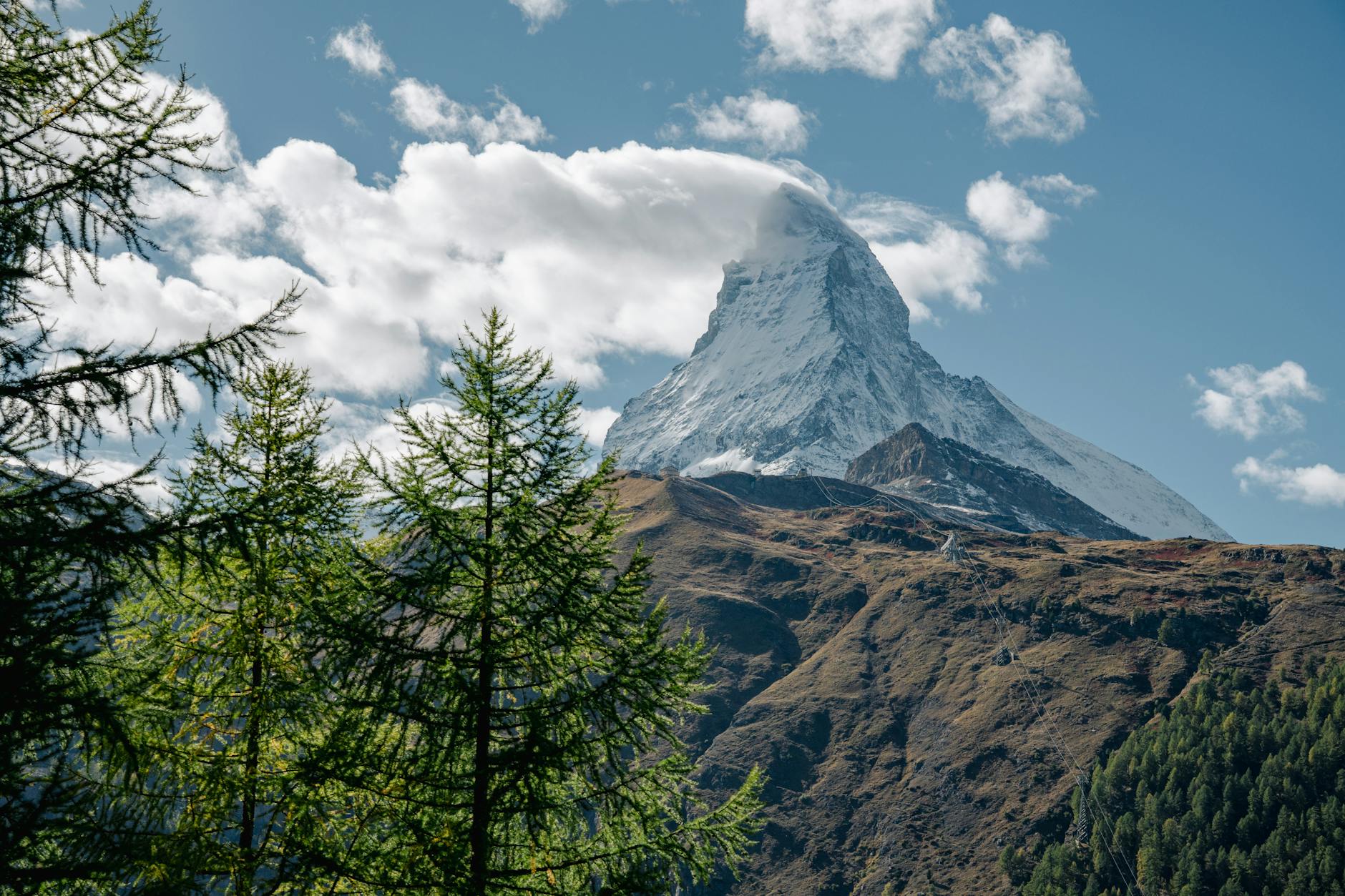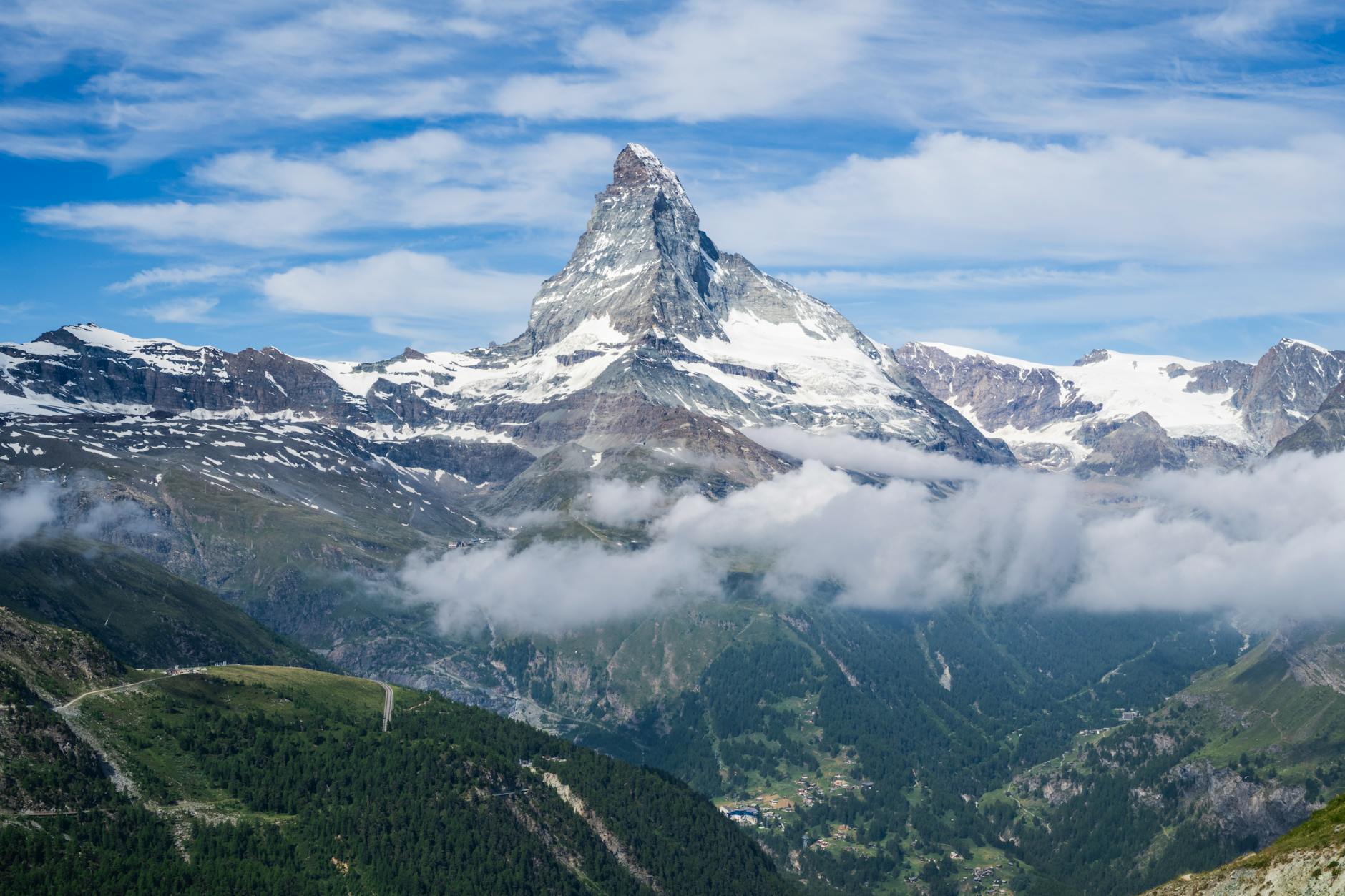
Zermatt is a classic tourist destination because the Matterhorn, alpine railways, lift viewpoints, chalet streets, mountain restaurants, and car-free village setting all feel immediately distinctive. The trip still works best when the tourist plans around weather, altitude, rail access, hotel location, costs, and the fact that the famous view is not available on command.
Know what kind of tourist trip this is
A Zermatt tourist trip can be scenic, active, restorative, photographic, food-focused, ski-focused, or part of a wider Switzerland route. The traveler should define the main purpose before buying lift tickets and filling every gap. A short stay cannot do every classic Zermatt experience well.
The best tourist plan has one clear center of gravity.
- Decide whether the trip is mainly Matterhorn viewing, mountain railways, skiing, hiking, dining, or village atmosphere.
- Choose one or two priority experiences instead of treating every viewpoint as mandatory.
- Leave space for weather changes, rest, and the simple pleasure of the village.
Make the car-free arrival easy
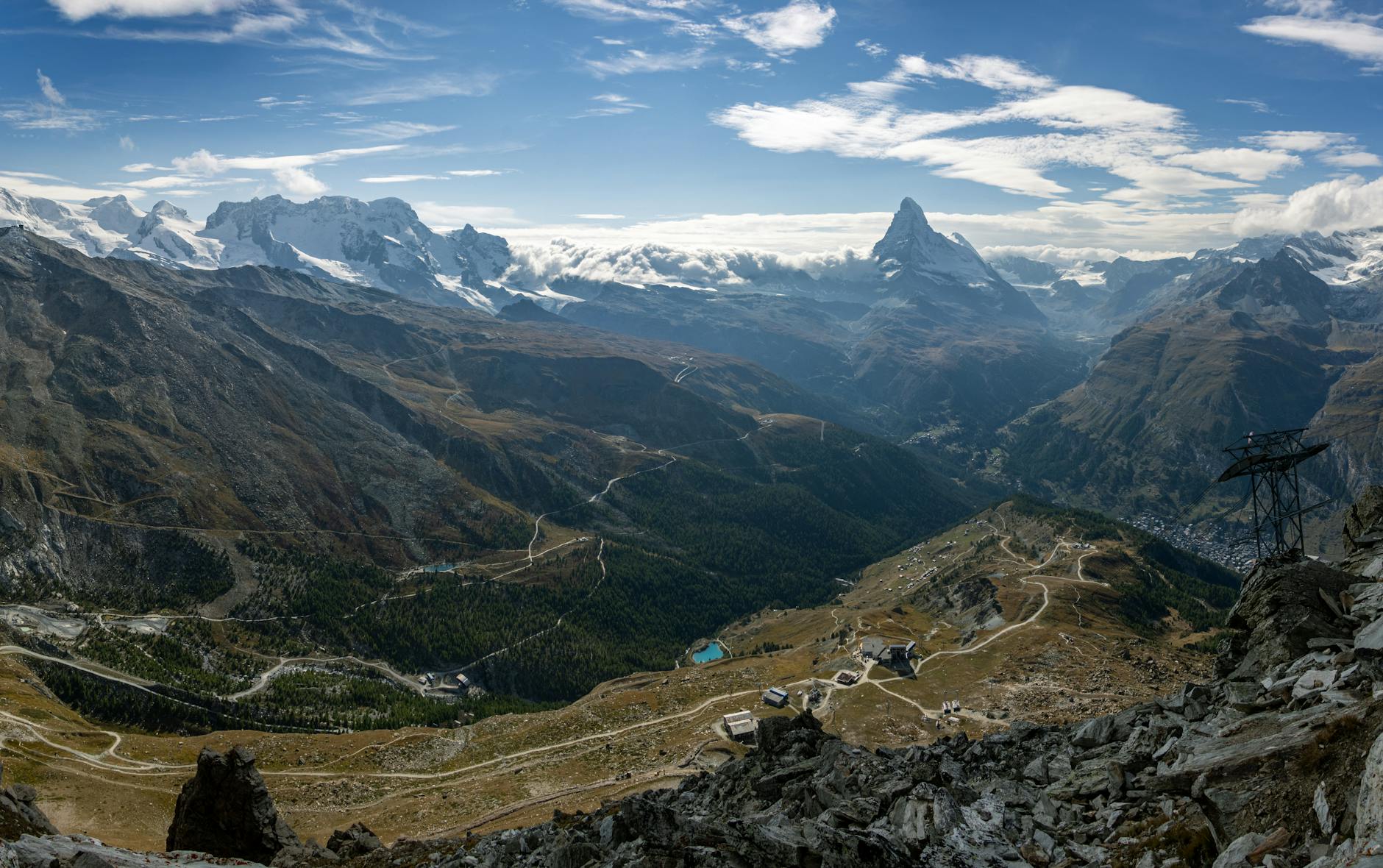
Zermatt's car-free system is part of the charm, but tourists should understand the route before arrival. Most visitors use rail through Visp or park at Tasch and continue by shuttle train. Luggage, hotel pickup, snow, late trains, and first-night meals should be planned before the final transfer.
The arrival should feel like part of the trip, not a problem to solve tired.
- Confirm the route through Visp or Tasch, including rail timing, station layout, luggage, and hotel pickup.
- Keep warm layers, tickets, chargers, medicine, and the hotel address in a bag that stays with you.
- Avoid timed activities immediately after arrival unless the inbound route has generous margin.
Build around Matterhorn visibility
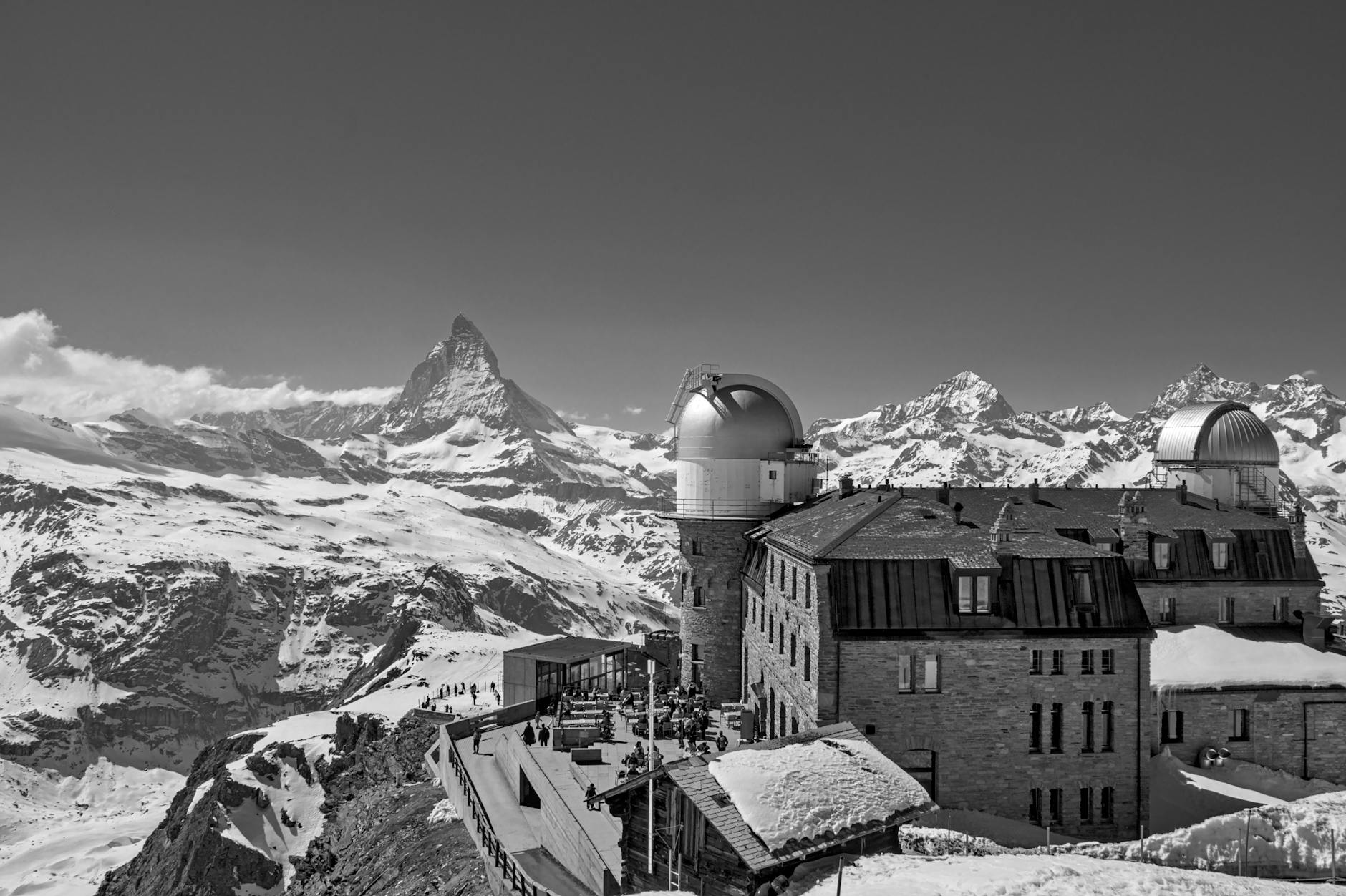
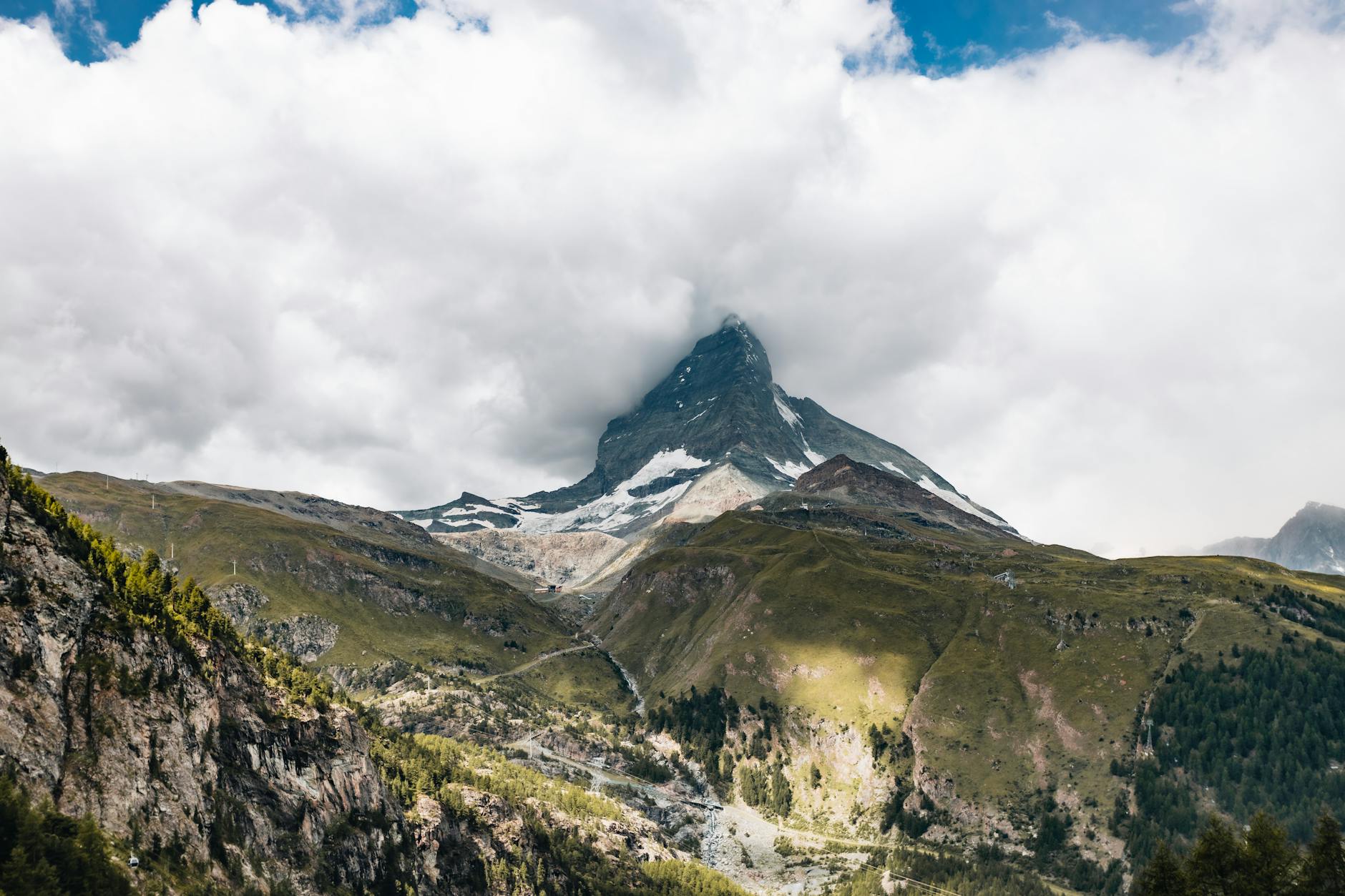
Many tourists come to Zermatt for the Matterhorn, but cloud, wind, snow, glare, and timing can change the view quickly. A smart tourist plan watches conditions, uses clear windows, and keeps village, spa, dining, museum, or lower-route options ready when the mountain is hidden.
Visibility should shape the order of the day.
- Check forecasts, webcams, and lift or rail status before committing to high-viewpoint plans.
- Use clear mornings quickly when the Matterhorn view is the main goal.
- Keep satisfying bad-weather options so the stay does not depend on one view.
Choose mountain experiences selectively
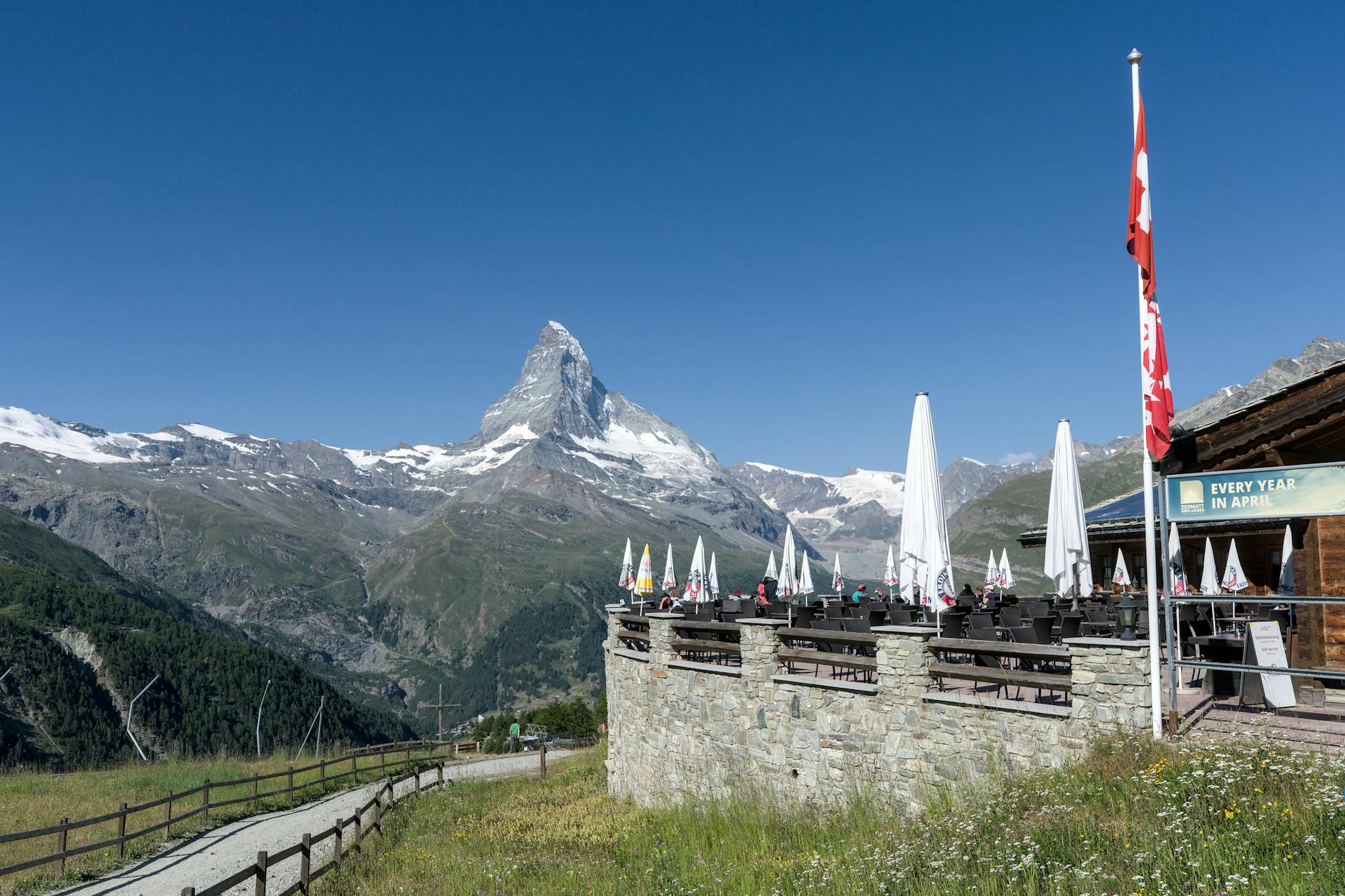
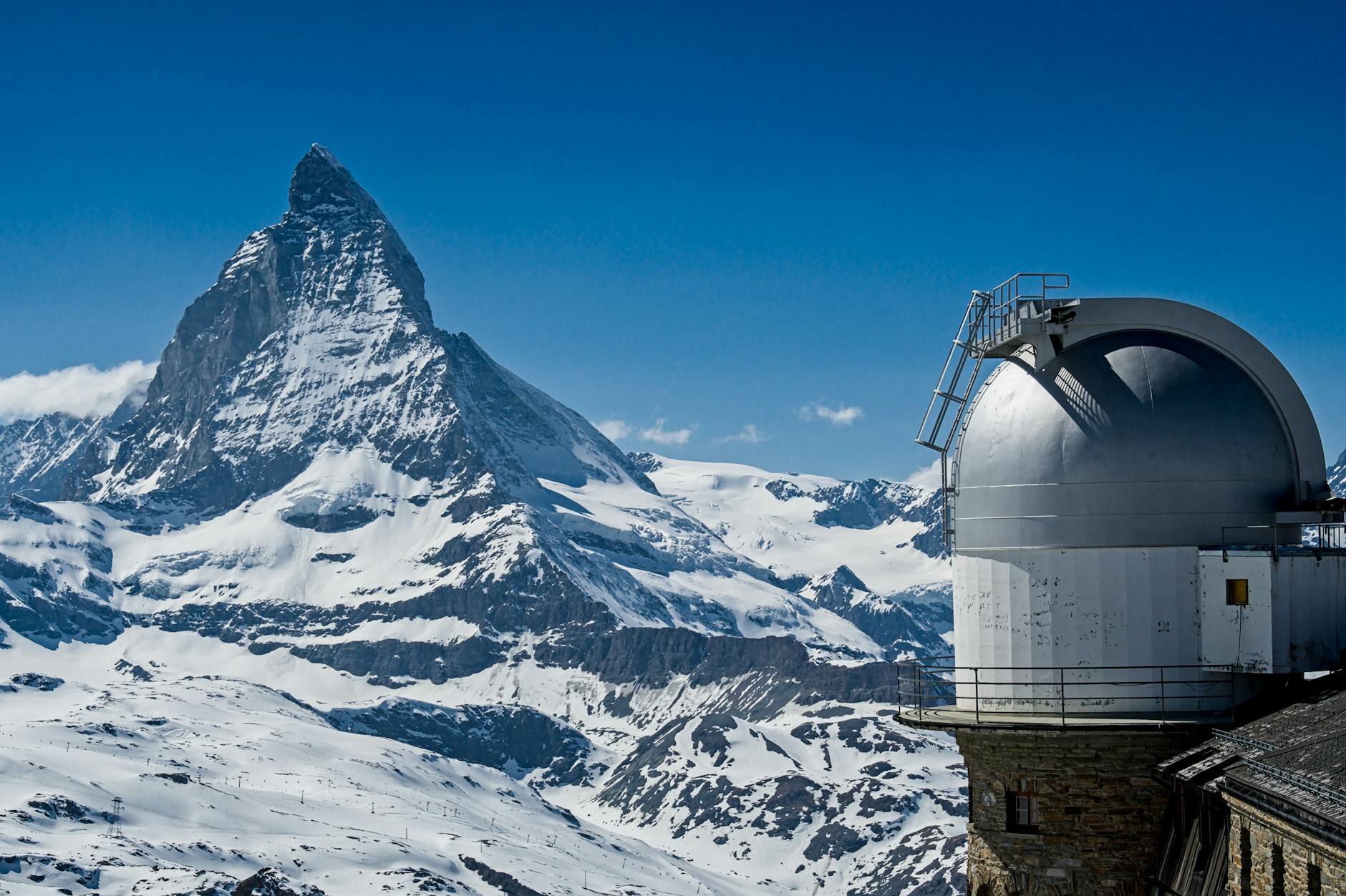
Gornergrat, Sunnegga, Klein Matterhorn, ski areas, lakes, viewpoints, and hiking routes can all sound essential. They are not the same experience, and they should not all be forced into a short stay. The tourist should choose by season, weather, cost, altitude, energy, and what the trip is meant to feel like.
Selection usually beats accumulation in Zermatt.
- Compare altitude, price, travel time, weather exposure, walking needs, and return timing before choosing.
- Treat one strong mountain outing as enough for a short stay when time or weather is limited.
- Avoid high-cost viewpoint trips when visibility is poor or the group is already tired.
Choose lodging by daily route
A Matterhorn-view room can be memorable, but hotel location affects every tourist day. Station access, lift access, restaurant routes, slope, elevators, breakfast timing, luggage help, and weather exposure may matter as much as the view. A good base makes the village feel easy.
The hotel should support the itinerary, not merely decorate it.
- Check station distance, lift access, walking grade, shuttle options, elevators, dining, and bad-weather routes.
- Ask about luggage handling and station pickup before arrival.
- Balance view quality with the practical route you will use morning and evening.
Plan meals and costs before arrival
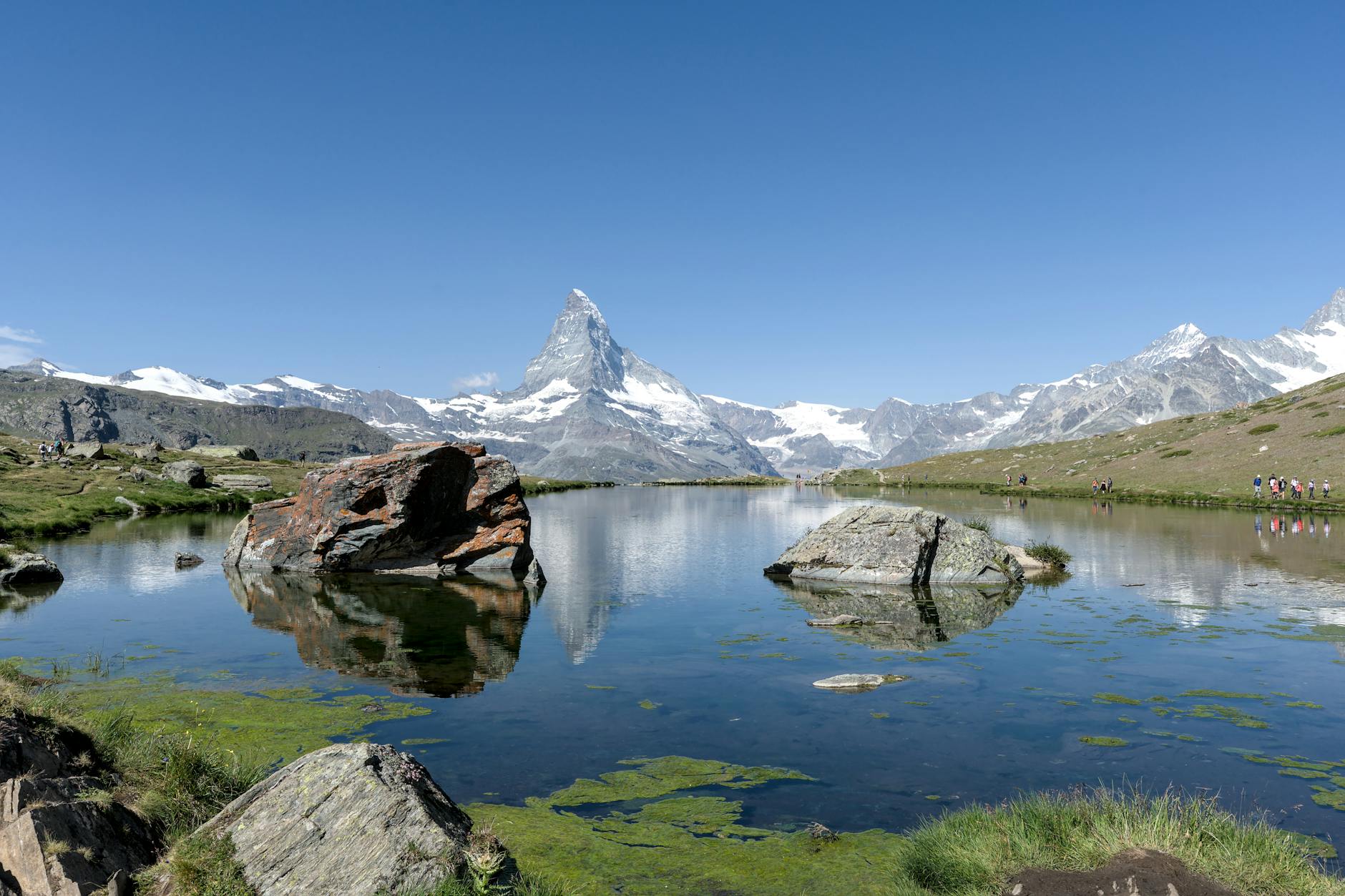
Zermatt tourist costs can rise through hotels, rail, lift tickets, ski gear, mountain restaurants, fondue dinners, taxis, luggage help, and last-minute weather changes. Meals also need attention during busy periods. A tourist who prices only the room may misread the whole trip.
The daily budget should include the alpine layer.
- Price rail, lifts, gear, mountain meals, village dinners, transfers, luggage help, and cancellation rules.
- Reserve important restaurants during peak ski, summer, holiday, and weekend periods.
- Keep one simple meal option near the hotel for tired or weather-heavy days.
When to order a short-term travel report
A tourist with flexible time, a strong hotel, and simple expectations may not need a custom report. A report becomes useful when the stay is short, the hotels are expensive, the route includes rail transfers, the traveler is unsure which viewpoint to prioritize, or weather and costs could change the value of the trip.
The report should test arrival, hotel location, luggage, Matterhorn visibility strategy, lift and rail choices, walking load, meal timing, costs, and departure buffers. The value is a Zermatt tourist trip that feels scenic without becoming overstuffed.
- Order when arrival, hotel choice, mountain routes, weather, meals, costs, or onward travel need exact planning.
- Provide dates, rail route, hotel candidates, activity goals, mobility notes, meal priorities, and budget limits.
- Use the report to choose the right amount of Zermatt for the time available.