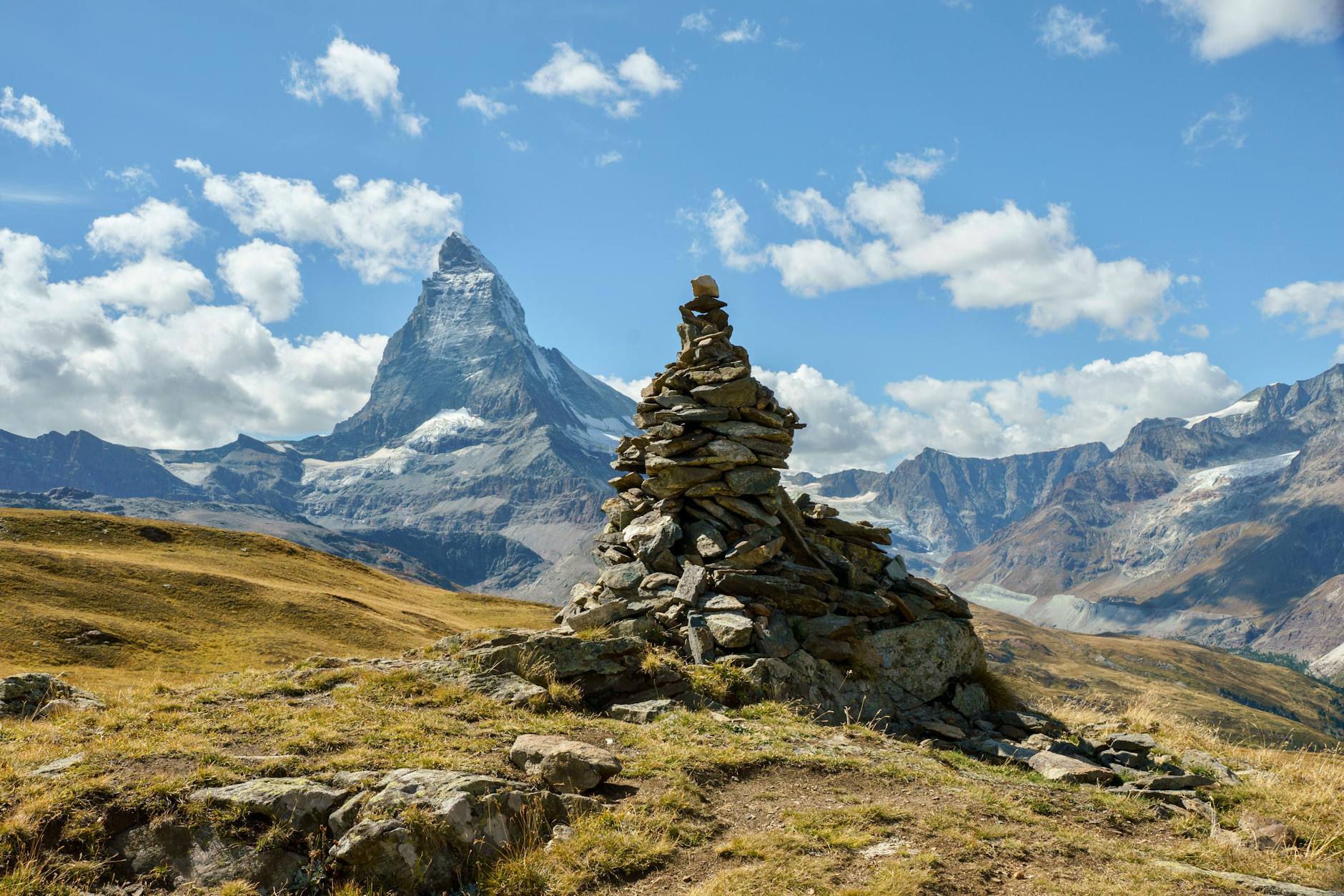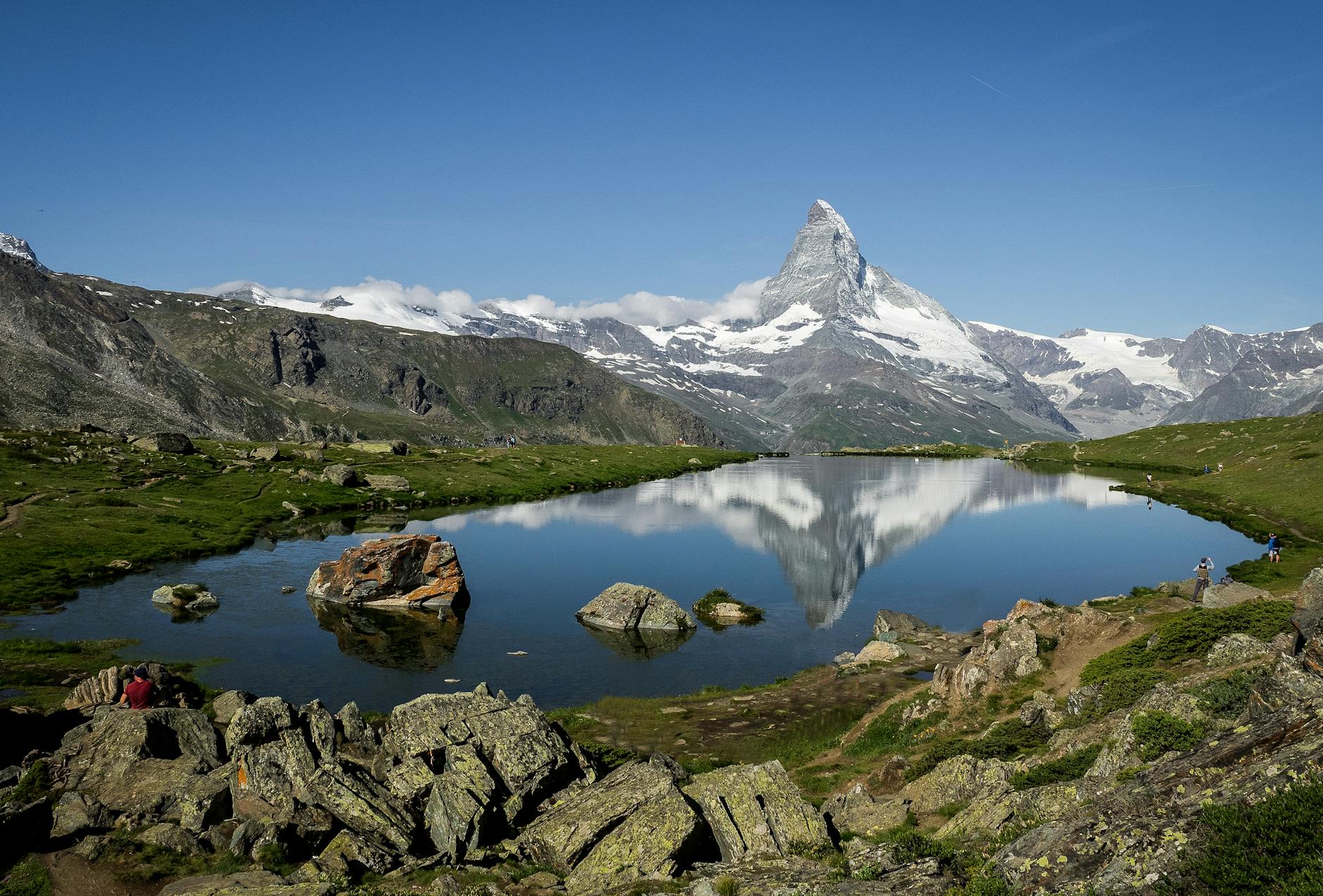
A short student program in Zermatt can be memorable, but the destination works best when structure comes before scenery. Rail arrival, car-free movement, supervision, lodging, budget, weather, activity rules, gear, altitude, group pace, documents, and communication all matter. The student should understand what is organized, what is optional, and what has to be handled independently.
Understand the program structure first
A student should begin by separating what the program manages from what the student must handle. Housing, rail tickets, meals, activities, insurance, supervision, free time, equipment, and emergency contacts may be handled differently by each school or provider. Zermatt is easier when expectations are clear before arrival.
Structure reduces stress in a mountain setting.
- Confirm included lodging, meals, transport, activities, insurance, supervision, and emergency support.
- Ask what costs, clothing, gear, documents, and local movement remain the student's responsibility.
- Keep program contacts, meeting points, curfew rules, and free-time boundaries easy to access.
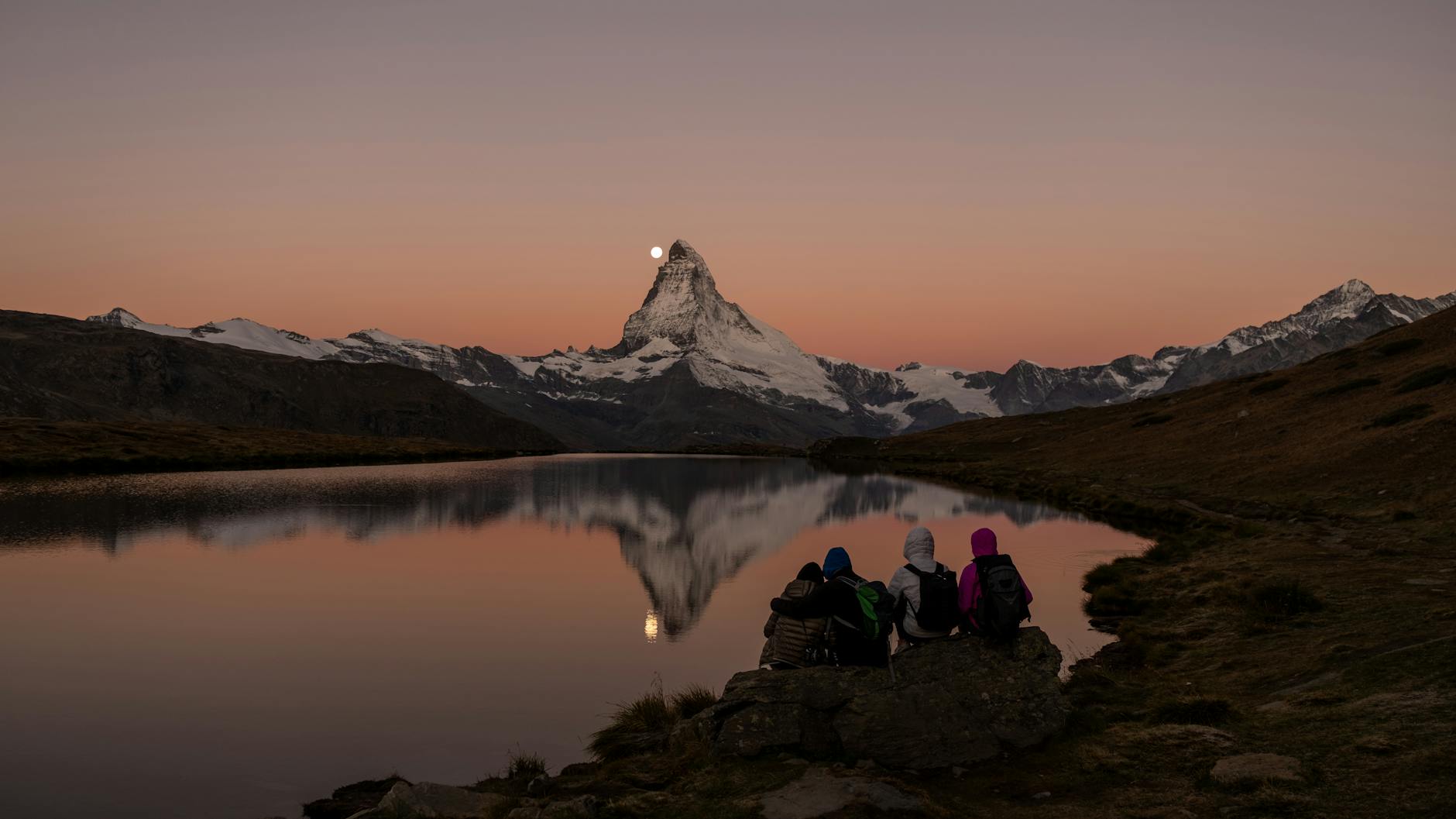
Make arrival simple and supervised
Zermatt's car-free arrival is manageable when the student knows the rail route, transfer point, station meeting plan, and luggage process. It becomes stressful when a tired student tries to solve platform changes, bags, weather, and group coordination alone. The arrival plan should be clear enough to follow without improvising.
The first day should be deliberately simple.
- Confirm the route through Visp or Tasch, arrival station, meeting point, group leader contact, and hotel transfer.
- Keep passport or ID, insurance details, tickets, phone battery, medication, and warm layers in a carry-on.
- Avoid separating from the group during transfers unless the program has approved the plan.
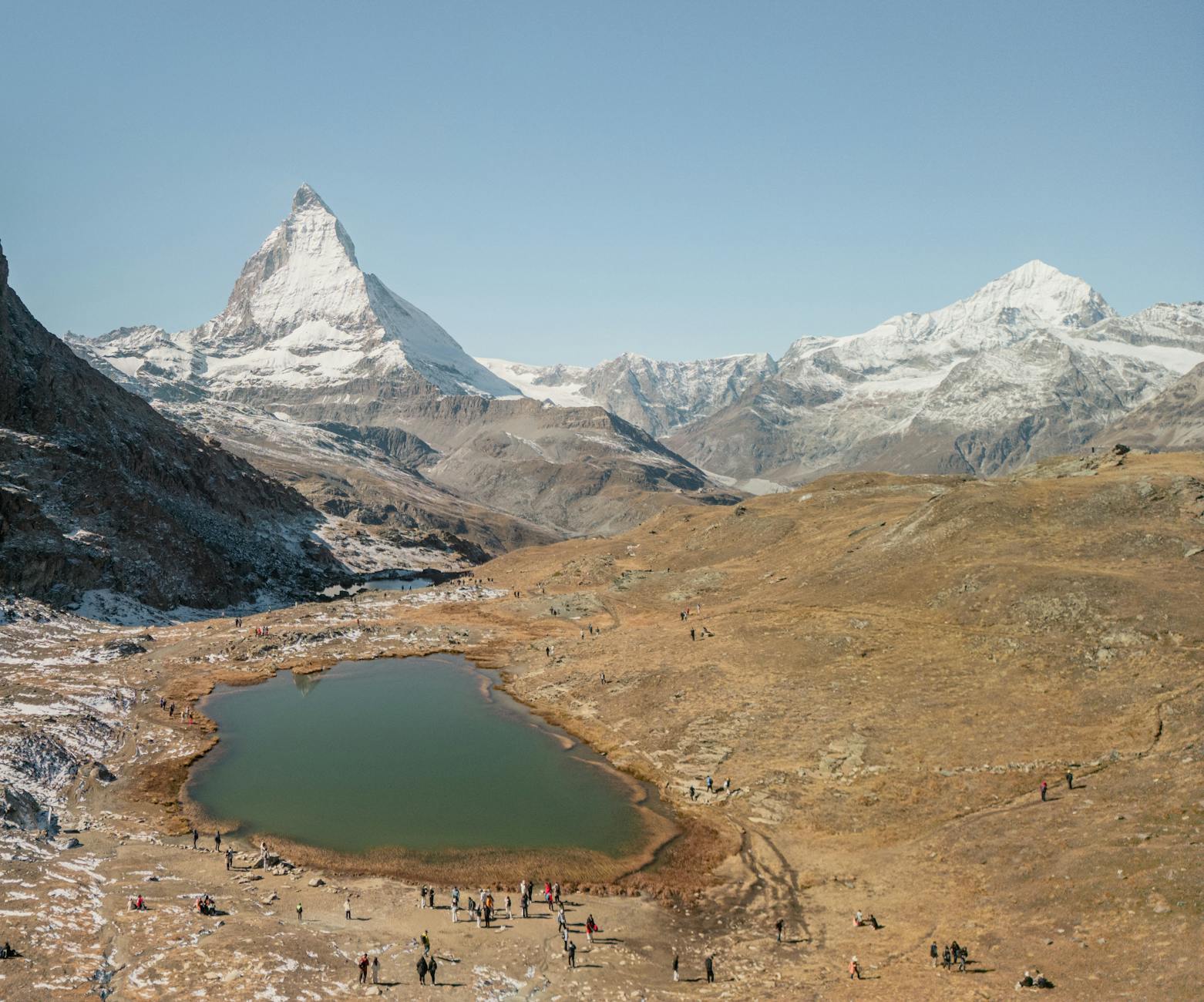
Plan budget before mountain choices
Zermatt can strain a student budget through meals, snacks, lift tickets, mountain railways, rentals, gear, laundry, souvenirs, and optional activities. A student should know what is included and what is optional before saying yes to every scenic plan. Budget clarity keeps the trip from becoming uncomfortable midway through.
The expensive choices should be intentional.
- List included meals, transport, activities, rentals, and program fees before estimating daily spending.
- Set aside money for snacks, laundry, local transport, weather changes, and emergency needs.
- Choose paid viewpoints, ski days, or rentals based on program goals, weather, and ability.
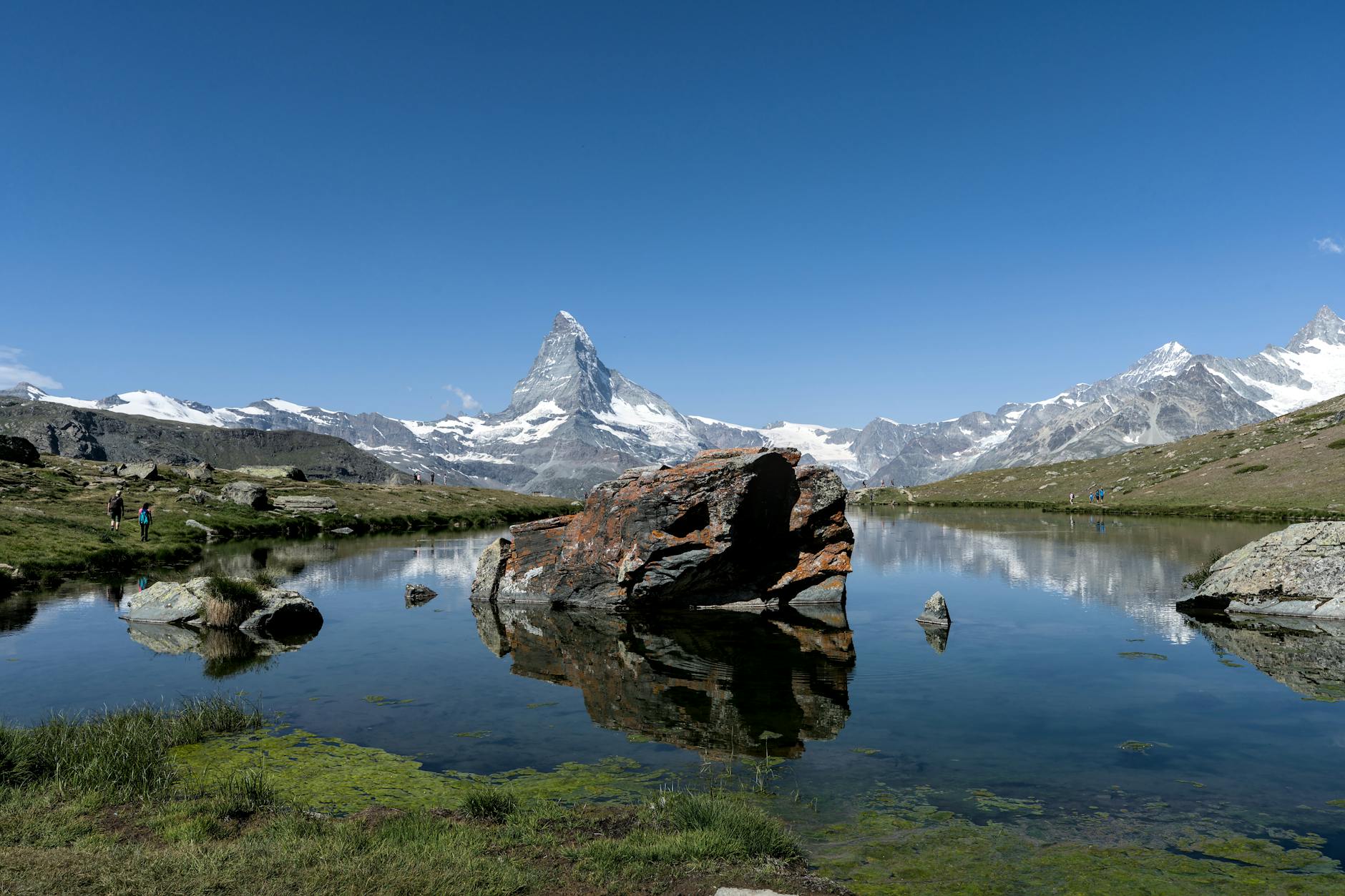
Choose activities by ability and rules
Short programs may include hiking, skiing, rail excursions, field study, language activities, cultural visits, or group meals. A student should check ability requirements, supervision, waiver rules, clothing, fitness, and weather before joining optional activities. The best choice is the activity that fits the program and the student, not the most dramatic photograph.
Participation should be realistic.
- Confirm whether activities are required, optional, supervised, weather-dependent, or limited by ability.
- Ask about footwear, layers, ski or hiking equipment, helmets, insurance, and emergency procedures.
- Do not overstate experience with skiing, hiking, altitude, or winter conditions.
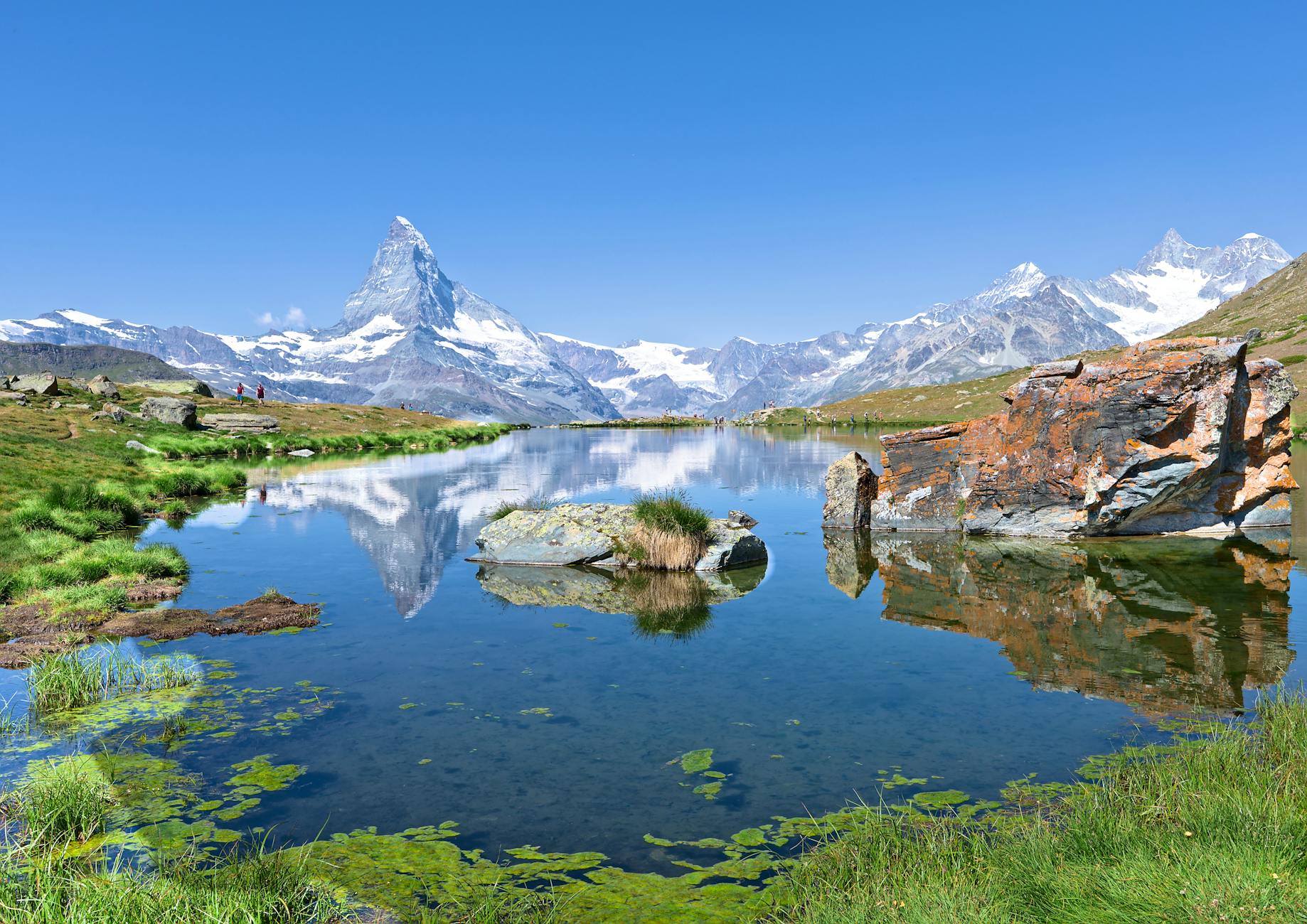
Respect weather, altitude, and group pace
Zermatt weather, snow, wind, sun, altitude, and walking surfaces can affect even a short program. A student should bring proper layers, sun protection, shoes with grip, water, and enough flexibility to follow group decisions. Trying to keep a personal plan when the group changes course can create avoidable risk.
The mountain environment sets the pace.
- Check the packing list for layers, gloves, hat, sunglasses, sunscreen, shoes, and day-pack basics.
- Tell program staff early about altitude discomfort, injuries, medication issues, or fatigue.
- Follow group pace, meeting times, and route changes even when weather interrupts a preferred plan.
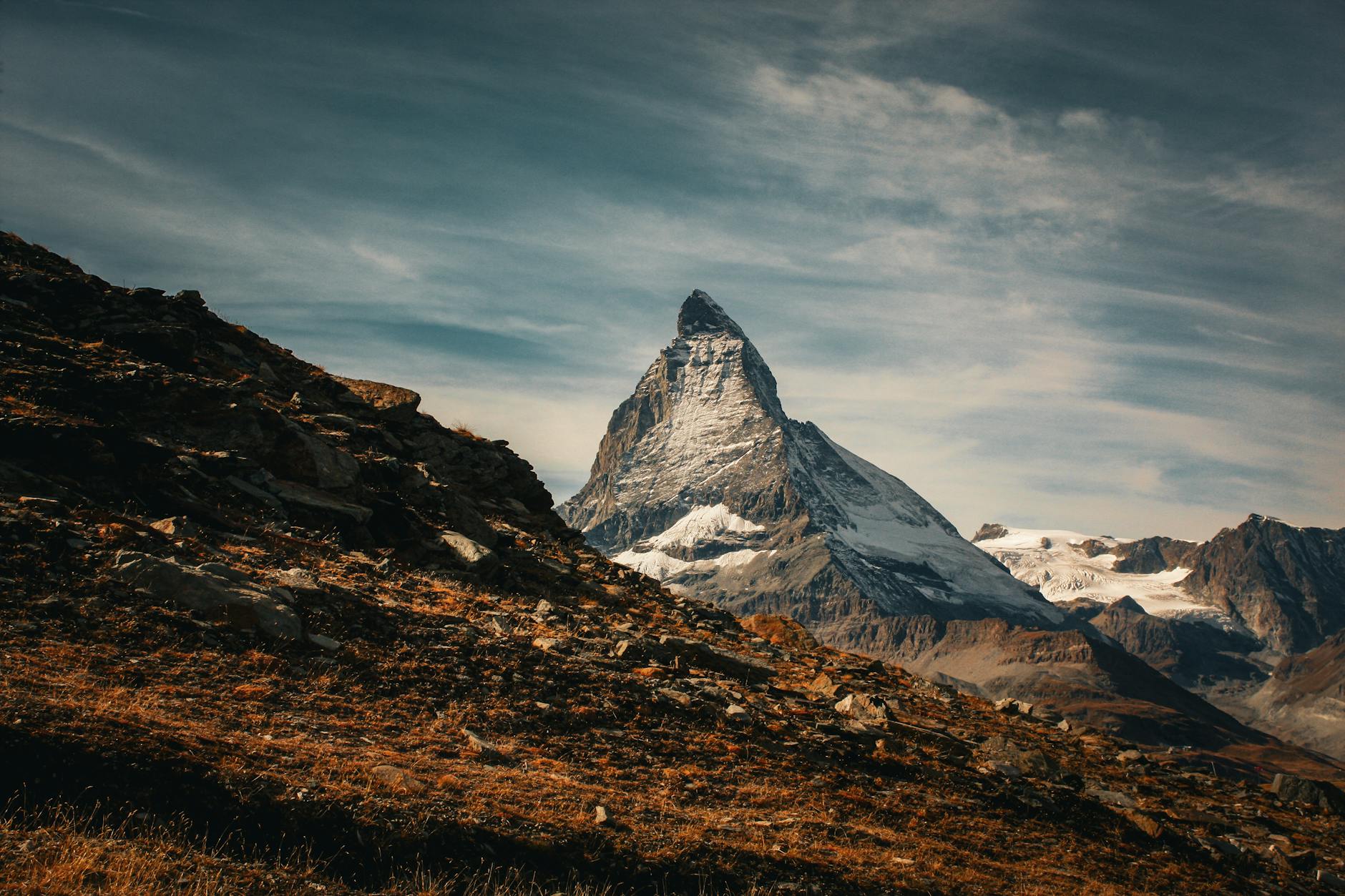
Keep documents and communication simple
A short program can become complicated if documents, tickets, phone access, payment cards, or emergency contacts are scattered. Students should keep essentials organized and share updates through the channels the program uses. Parents, guardians, schools, and providers also need a clear way to reach the student if plans change.
Simple systems matter when the group is moving.
- Keep passport or ID, insurance, visas if needed, medication details, tickets, and emergency contacts backed up.
- Confirm phone roaming, messaging apps, charger, adapter, and a plan for low battery during long days.
- Use the program's communication channel instead of relying on scattered individual messages.
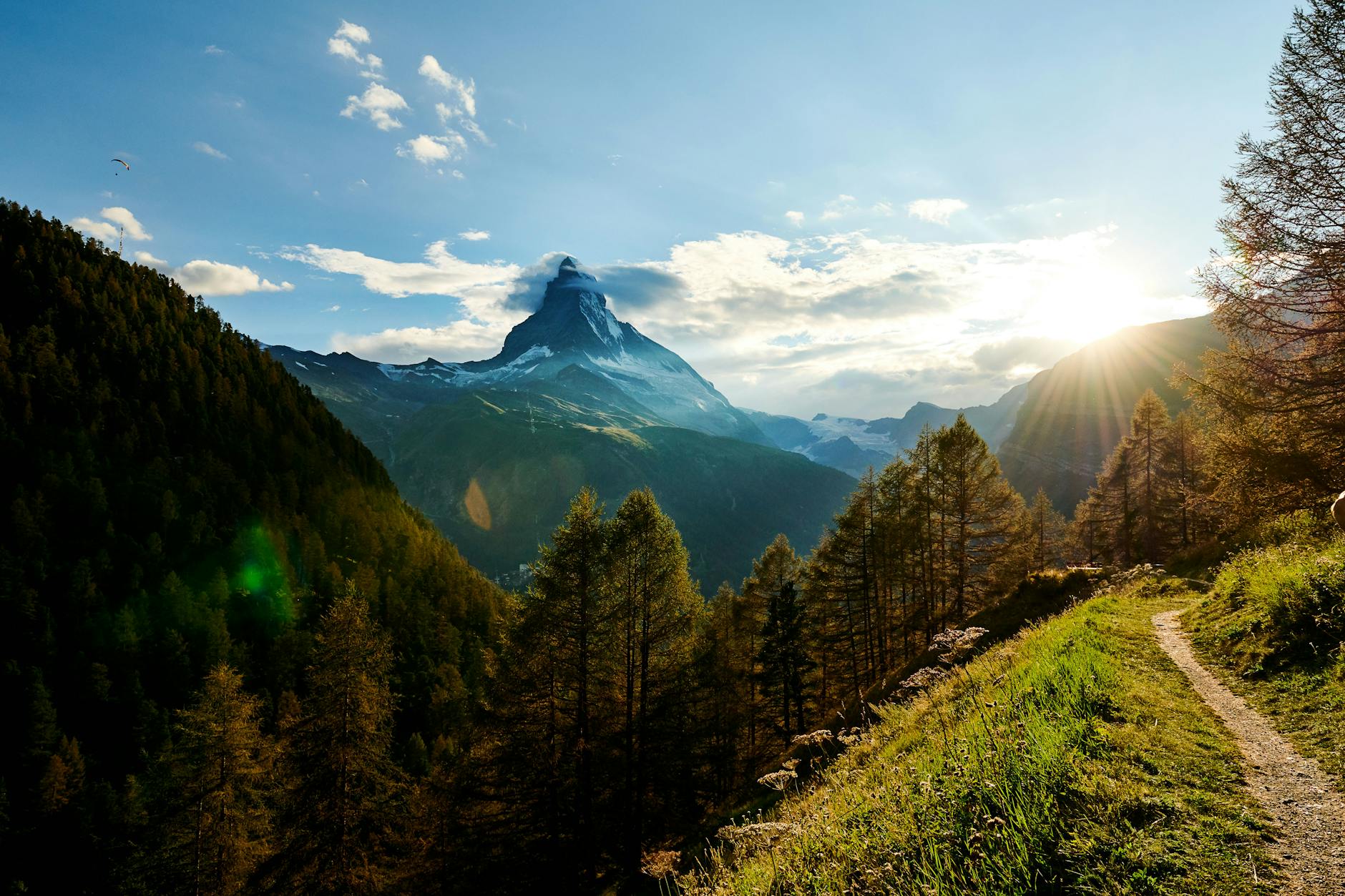
When to order a short-term travel report
A student on a fully managed program with clear rules may not need a custom report. A report becomes useful when the student or family must choose lodging, rail timing, optional activities, budget, gear, free-time plans, medical precautions, or onward travel independently.
The report should test program structure, arrival route, supervision, budget, lodging, weather, activity fit, gear, documents, communication, and departure buffers. The value is a Zermatt student trip that is exciting without being poorly organized.
- Order when arrival, budget, activities, gear, documents, health needs, free time, or onward travel need exact planning.
- Provide program dates, provider details, included items, rail route, lodging, budget, activity interests, and health or supervision needs.
- Use the report to make the short program easier to follow and easier to enjoy.