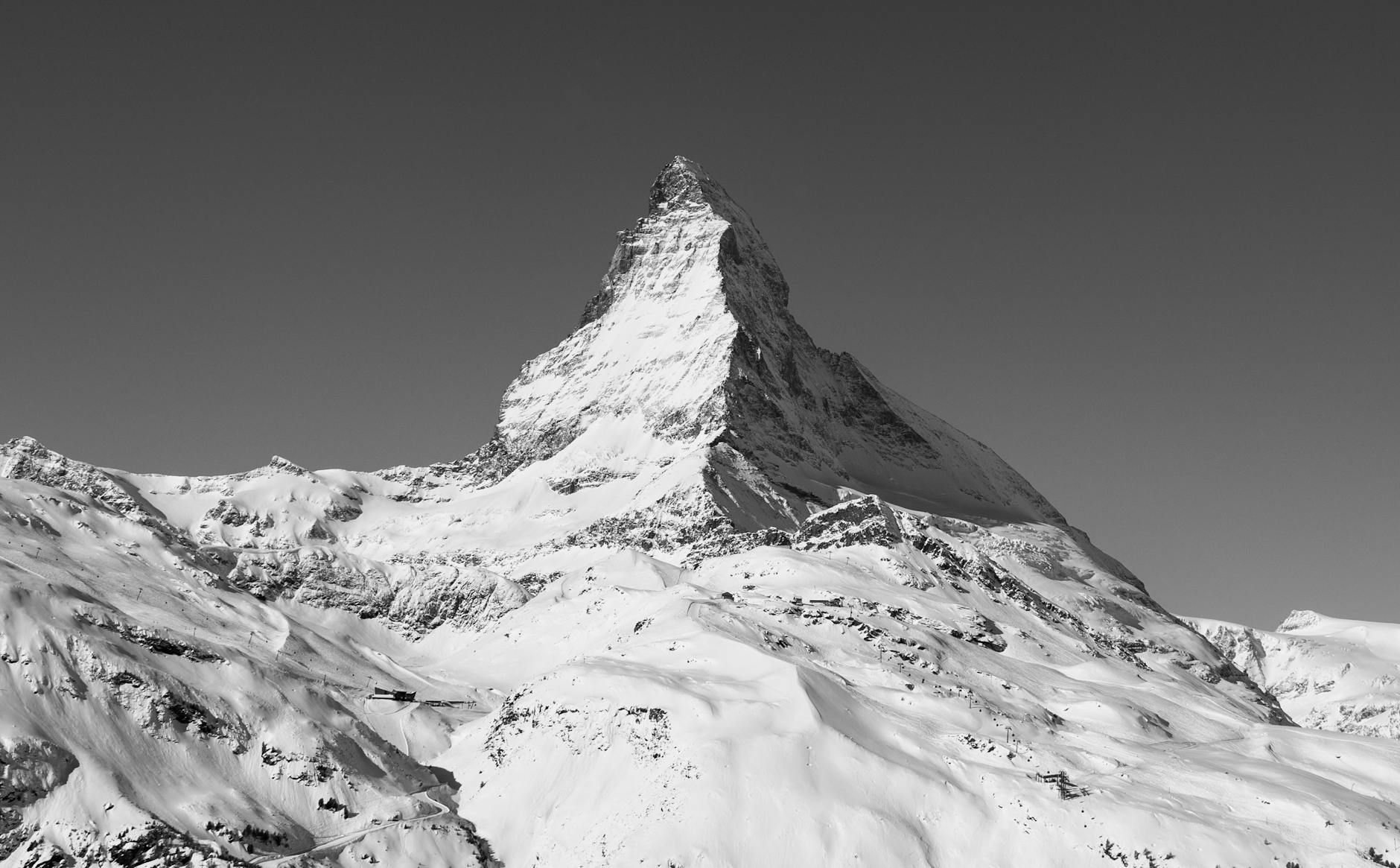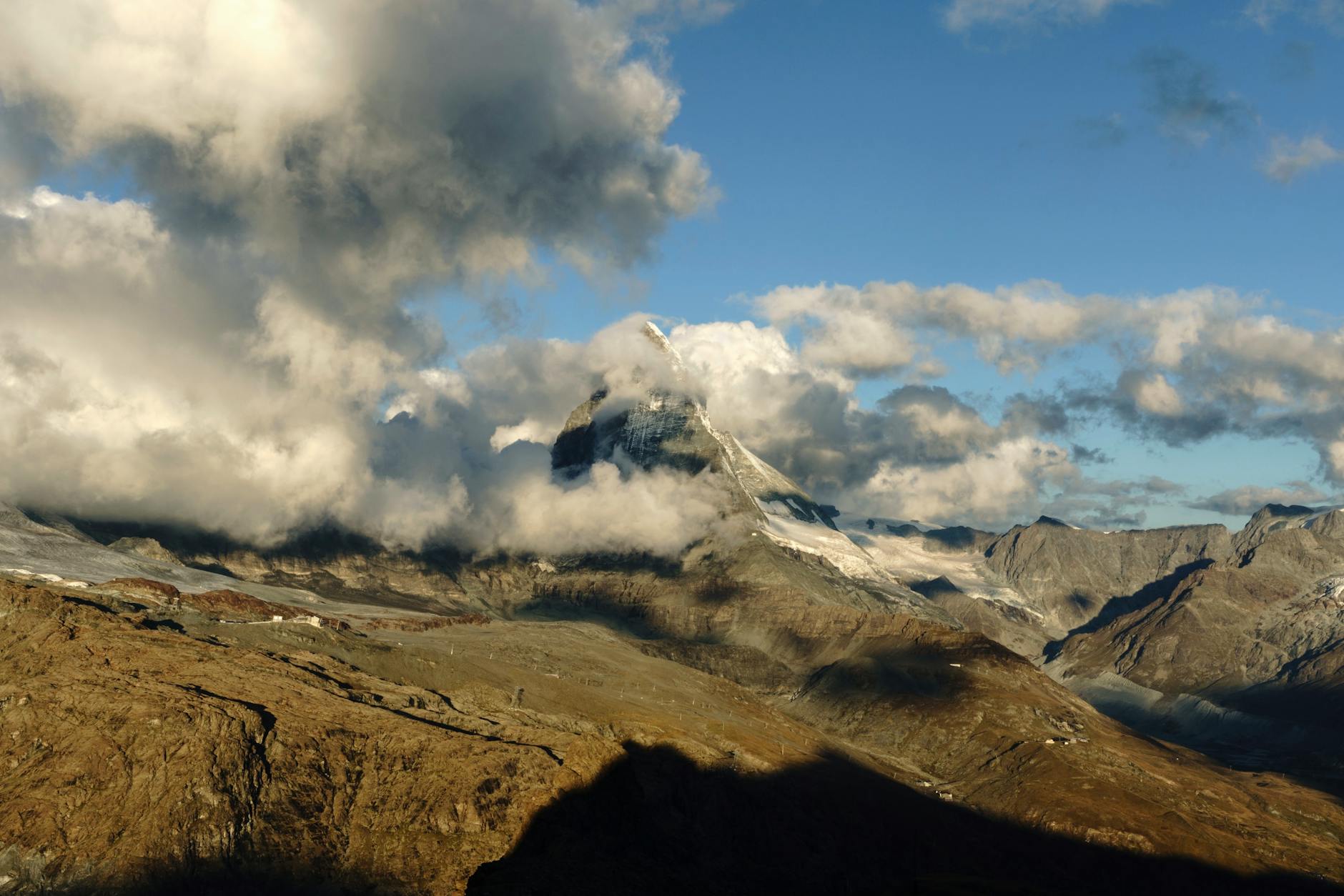
Zermatt can be a strong setting for high-value sales conversations, hosted client time, hospitality relationships, or product discussions that benefit from a focused alpine environment. It can also be inefficient if the trip is treated like a quick city call. A sales traveler should plan the destination, arrival, lodging, meeting spaces, materials, hospitality expectations, weather, and follow-up before committing to the trip.
Decide whether the destination helps the sale
A sales trip to Zermatt should have a reason stronger than scenery. The village can help when the sale depends on senior relationship time, a hosted retreat, luxury hospitality, alpine product relevance, or a client already based in the resort. It is less useful for a brief pitch that could happen closer to an airport.
The setting should advance the conversation.
- Define whether the goal is discovery, renewal, closing, account expansion, product demonstration, or hosted relationship time.
- Check whether Zermatt's isolation improves focus or adds avoidable cost and travel friction.
- Separate client-facing value from personal interest in visiting the destination.
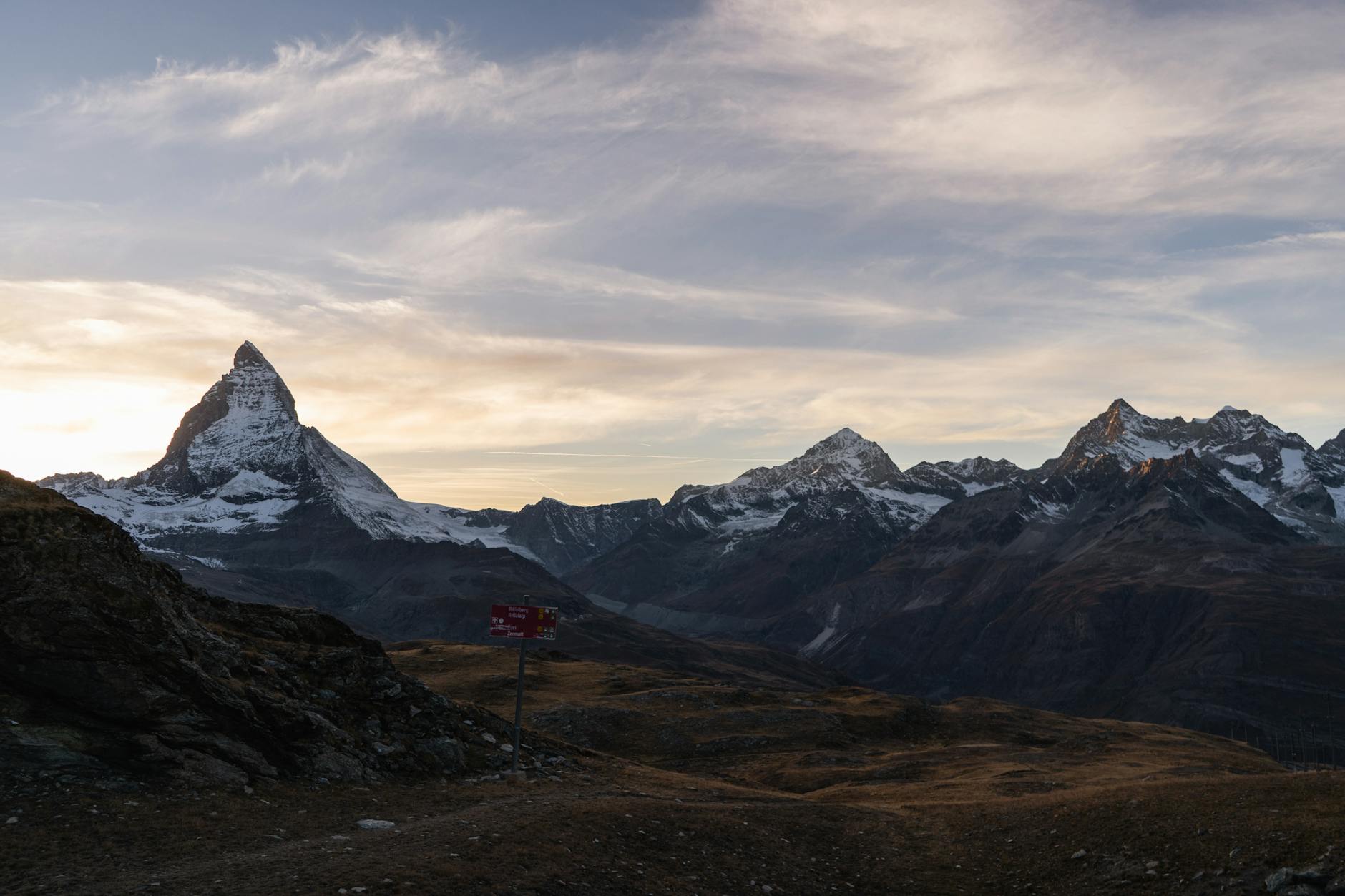
Protect the rail arrival before client time
Zermatt's rail approach through Visp or Tasch can be dependable, but it is not a casual last-mile transfer. Flight delays, rail changes, luggage, weather, and hotel pickup can all affect whether the sales traveler arrives composed before the first client commitment. The first meeting should not be the travel recovery window.
Arrival timing is part of the sales plan.
- Build the route backward from the first client meeting, hosted dinner, demonstration, or site walk.
- Arrive the day before when the conversation is senior, high-value, or difficult to reschedule.
- Keep tickets, client contacts, hotel pickup details, presentation files, and fallback routes available offline.
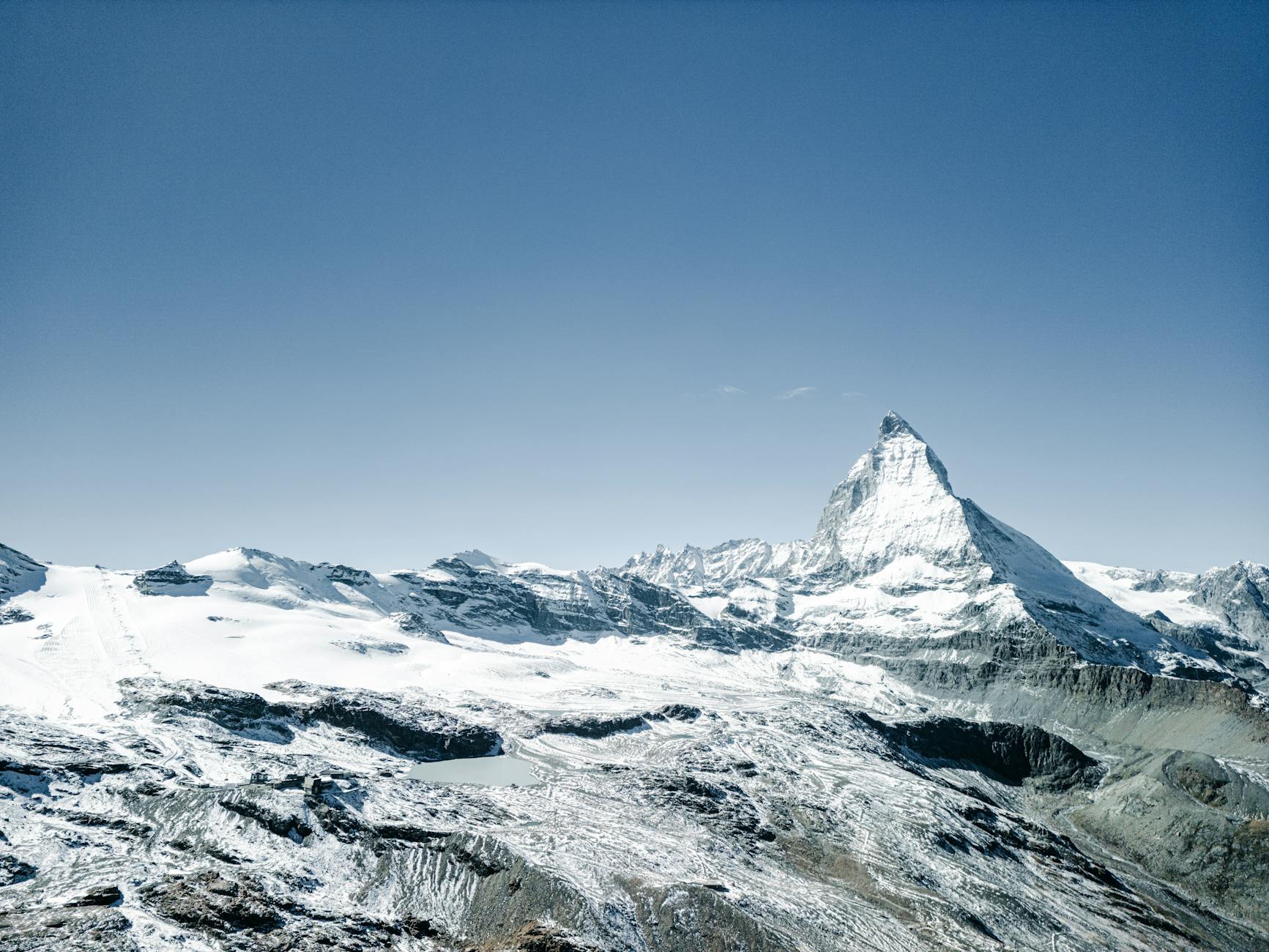
Choose a base that supports meetings
The sales traveler's hotel may need to function as meeting base, call room, storage point, preparation space, and post-meeting workspace. A dramatic view is less useful if Wi-Fi, desk space, breakfast timing, privacy, printing, luggage handling, or station pickup is weak. The base should reduce operational drag.
The room has to support the account work.
- Check Wi-Fi, desk space, quiet areas, meeting rooms, breakfast hours, printing, luggage storage, and pickup support.
- Choose a route that works in snow, business clothing, and evening conditions after client meals.
- Confirm whether samples, gifts, brochures, or equipment can be stored securely.
Use the setting without losing focus
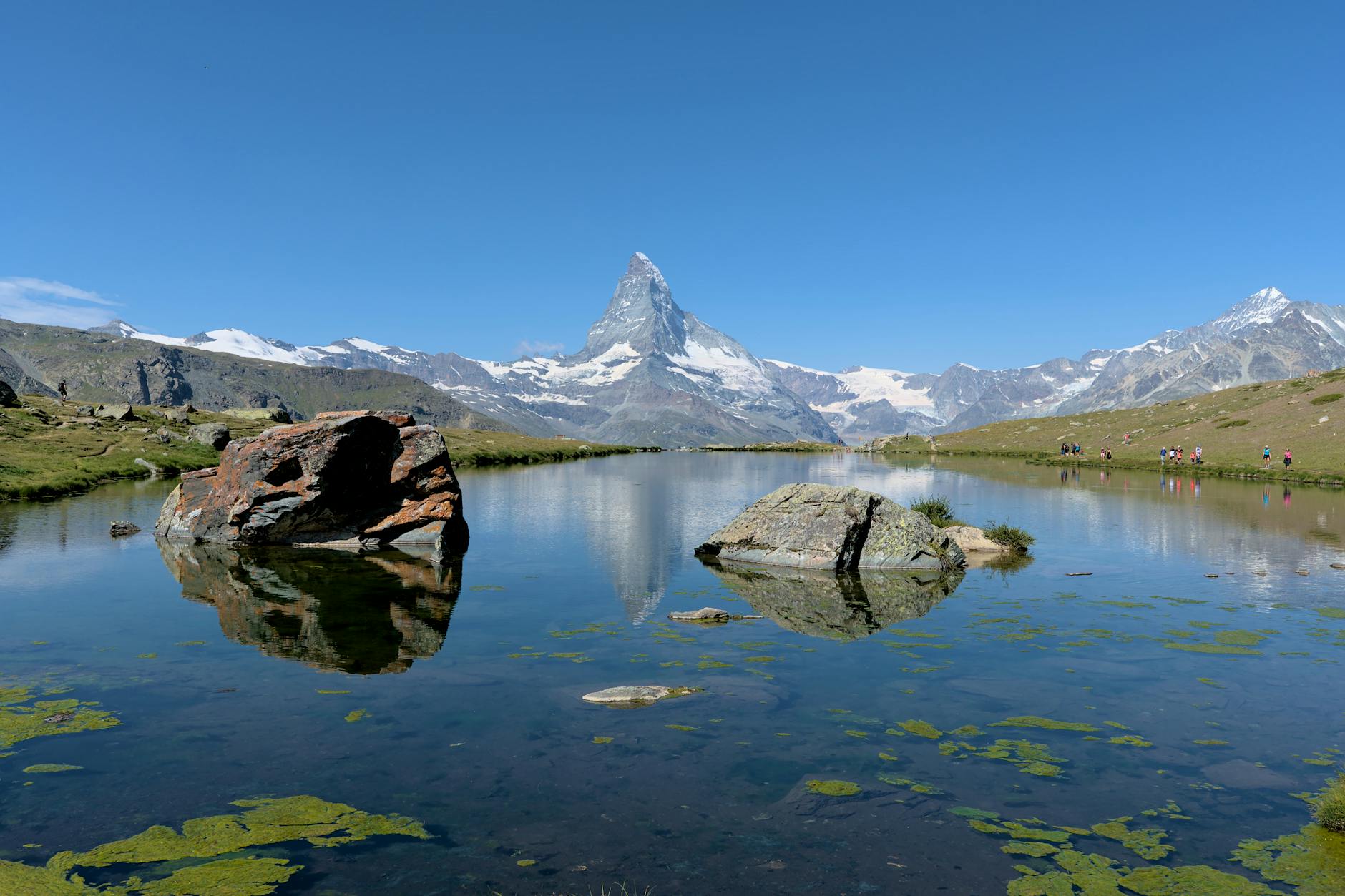
Zermatt can make client time memorable through mountain views, rail excursions, meals, ski or hiking context, and quiet hospitality. The risk is that the scenery displaces the reason for the visit. A sales traveler should decide which experiences help trust, product understanding, or account momentum, and which ones are distractions.
Hospitality should have a business purpose.
- Match activities to client fitness, schedule, weather, company rules, and comfort with informal settings.
- Keep the sales agenda clear even when meetings happen over meals or scenic outings.
- Avoid building the trip around weather-dependent experiences that could erase the main client window.
Keep materials and follow-up ready
Sales travel can involve pitch decks, samples, pricing notes, contracts, branded items, demo devices, and quick follow-up. In Zermatt, those materials should survive rail travel, car-free movement, hotel storage, and variable Wi-Fi. The traveler should also protect time to capture notes and send the next step while the conversation is still fresh.
Follow-up starts before leaving town.
- Carry critical files, chargers, adapters, sample essentials, and printed backups separately from checked luggage.
- Use cloud and offline copies for decks, proposals, pricing, contracts, and account notes.
- Block time after meetings for notes, CRM updates, next-step emails, and internal alignment.
Clarify costs and hospitality rules
Zermatt can make a sales trip expensive quickly through rail fares, premium rooms, hosted meals, lift tickets, activity costs, taxis, and schedule changes. The traveler should know expense policy, client entertainment rules, gift limits, and approval thresholds before booking. Cost discipline matters more when the destination itself signals luxury.
Optics are part of the trip.
- Confirm approval rules for lodging, meals, hosted activities, gifts, upgrades, and client entertainment.
- Separate necessary sales costs from optional scenic spending.
- Keep receipts, attendee names, business purpose, and compliance notes organized during the trip.
When to order a short-term travel report
A sales traveler joining a fully hosted client program may not need a custom report. A report becomes useful when the traveler controls rail timing, lodging, client hospitality, samples, meeting spaces, activity choices, weather alternatives, or a tight onward connection.
The report should test client purpose, arrival timing, hotel work support, meeting geography, hospitality rules, material movement, weather risk, costs, and departure buffers. The value is a Zermatt sales trip where the account objective stays clear from first arrival to final follow-up.
- Order when arrival, lodging, meetings, client hospitality, materials, costs, weather, or onward travel need exact planning.
- Provide client agenda, decision stage, hotel candidates, rail route, materials, expense rules, and priority contacts.
- Use the report to keep the destination working for the sale rather than competing with it.