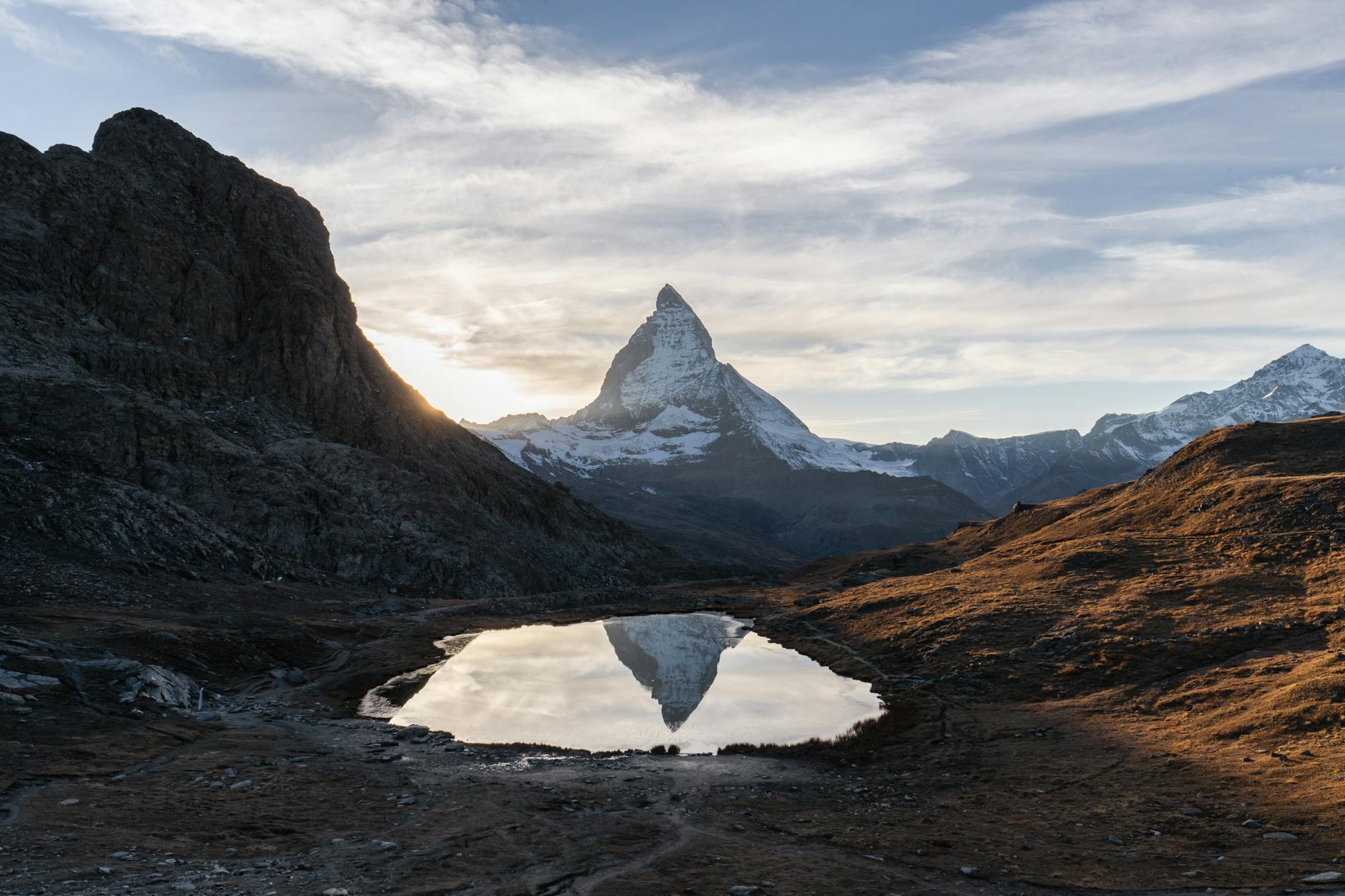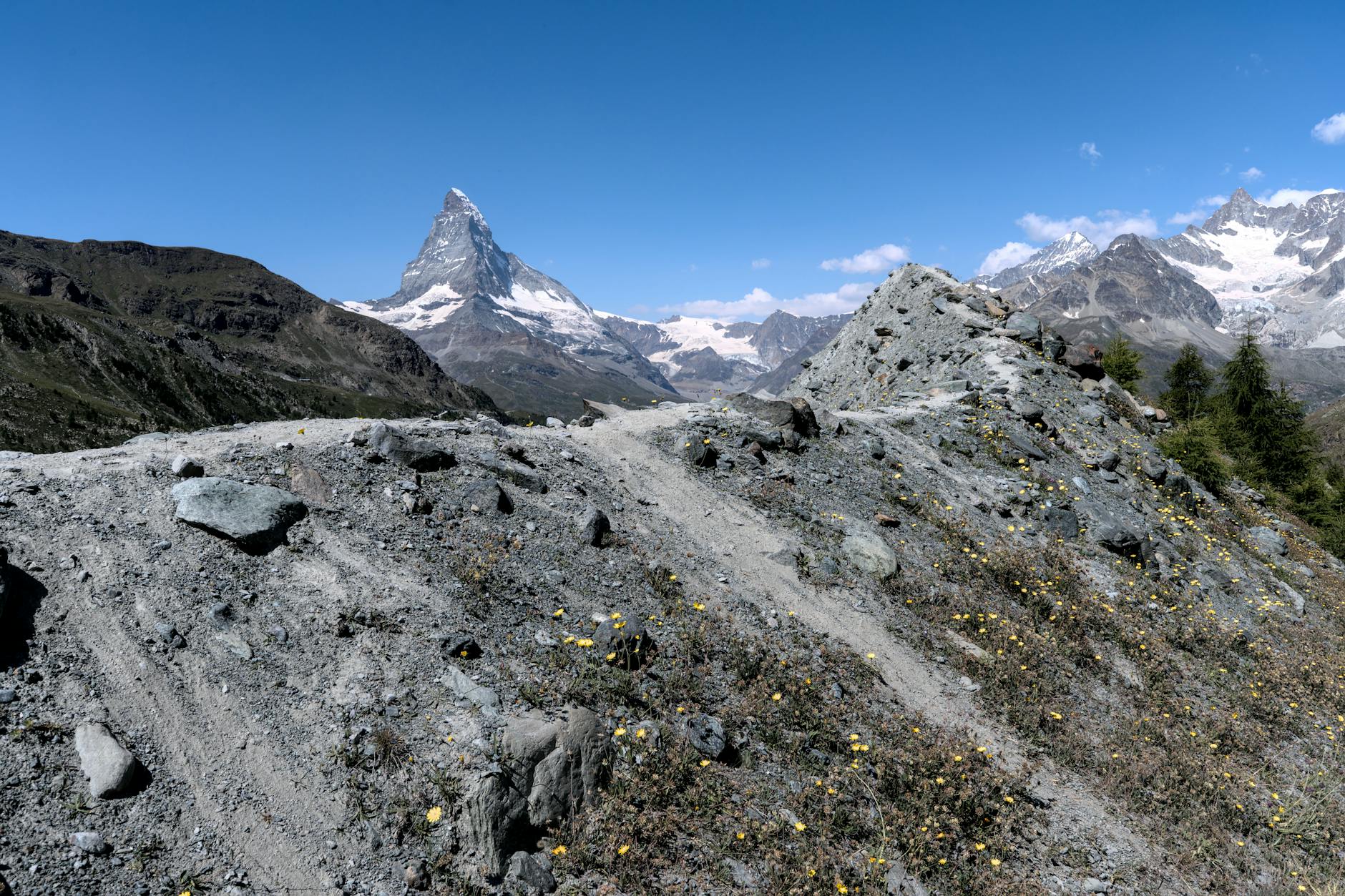
A repeat leisure visit to Zermatt should not simply replay the first trip. The traveler already knows the Matterhorn headline, the car-free village, and the basic rail sequence. The value of returning is in choosing a sharper version: a different season, a quieter base, a better mountain route, a slower dining plan, or a more deliberate way to use clear weather.
Decide what should be different this time
A repeat visitor should name the reason for returning before booking. The second or third Zermatt trip might be slower, more active, more food-focused, more scenic, more winter-oriented, or more restorative. Without a clear change, the trip can become a costly rerun of the same viewpoints.
The return should have a purpose.
- Identify what worked last time and what should be improved, skipped, slowed down, or upgraded.
- Choose a new focus such as shoulder season, hiking, skiing, food, spa time, rail scenery, or quieter viewpoints.
- Avoid paying for familiar experiences unless they still serve the new trip.
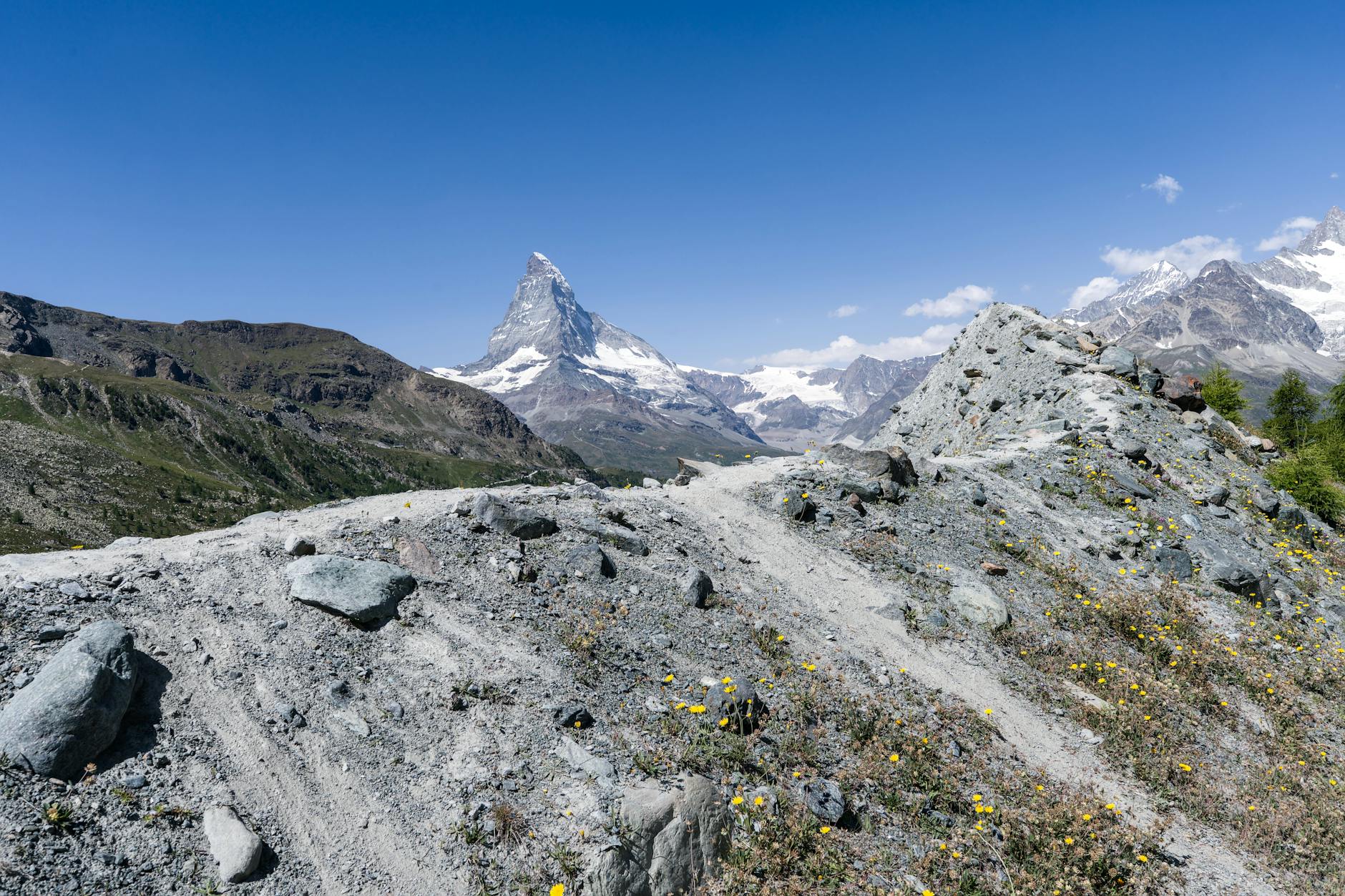
Use familiarity to choose a better base
A repeat visitor can choose lodging with more precision than a first-timer. The right base may be closer to a favorite lift, farther from crowds, better for dining, easier for rail departure, or more comfortable in bad weather. The previous stay should become evidence, not nostalgia.
The hotel choice can be smarter the second time.
- Compare the last hotel against route ease, view quality, staff support, noise, dining, and weather resilience.
- Consider changing village position if the prior stay made meals, lifts, or station movement harder than expected.
- Book for the actual planned rhythm rather than the general idea of Zermatt.
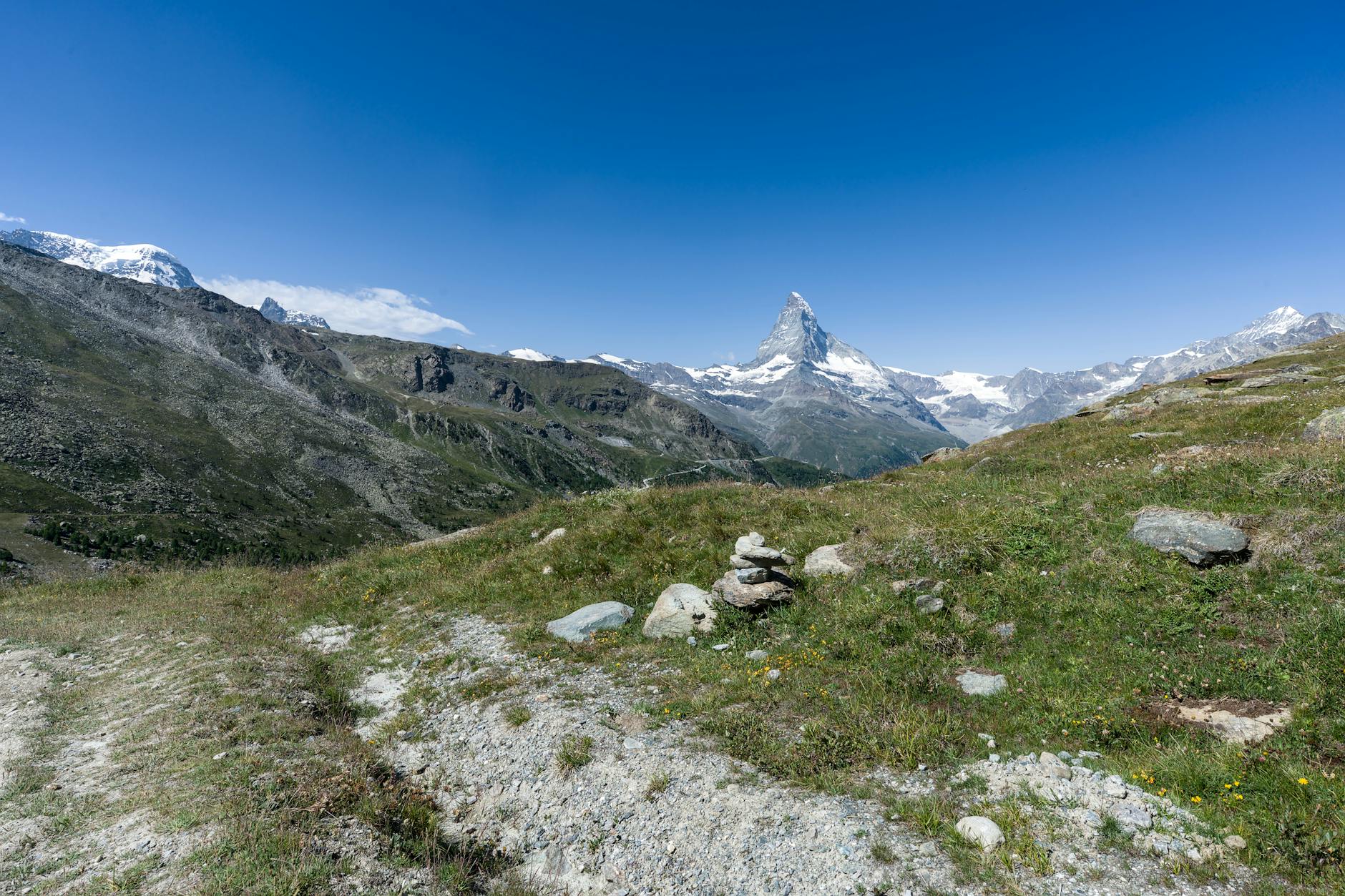
Go beyond the obvious viewpoint circuit
A repeat leisure visitor often gets more value by narrowing the mountain plan rather than expanding it. Instead of checking off famous viewpoints again, the traveler can choose a specific hiking route, rail segment, lake walk, ski area, lunch spot, or photography window. Familiarity should make the day less frantic.
The second visit can be more selective.
- Pick routes by season, fitness, weather, altitude, return timing, and the kind of scenery wanted this time.
- Revisit a famous viewpoint only if the conditions, light, or purpose justify it.
- Use guides or local advice when moving into less familiar mountain terrain.
Change season deliberately
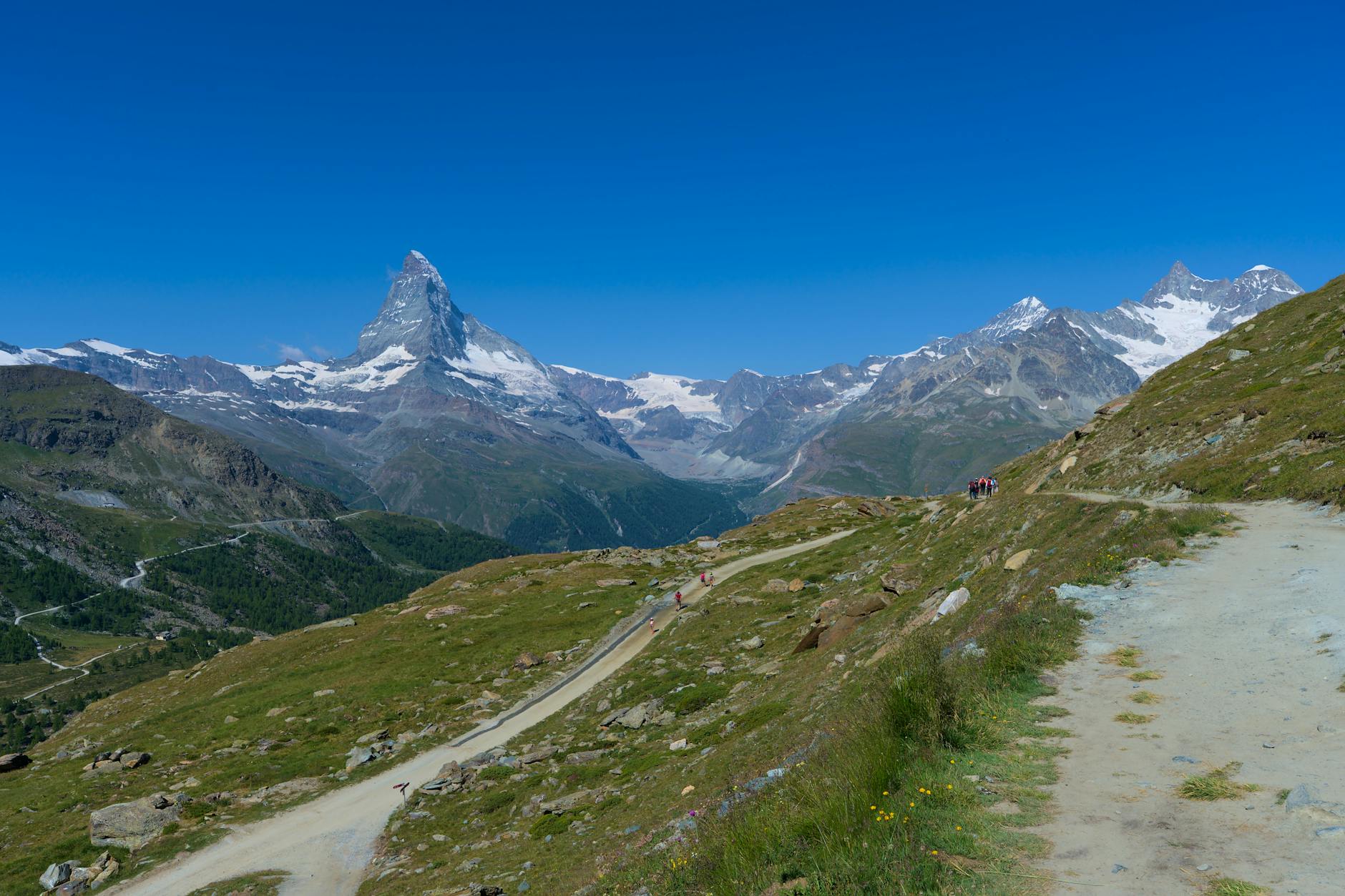
Zermatt changes sharply by season. Winter skiing, spring transitions, summer hiking, autumn light, and quiet shoulder periods all create different versions of the village. A repeat visitor should not assume the same pacing, clothing, cost, or activity logic carries across the calendar.
The season is not background information here.
- Check lift operations, trail status, ski conditions, restaurant openings, rail timing, and hotel pricing for the exact dates.
- Pack for the season actually booked, not for the memory of a prior visit.
- Use shoulder periods only when closures and weather uncertainty are acceptable tradeoffs.
Let weather decide the daily order
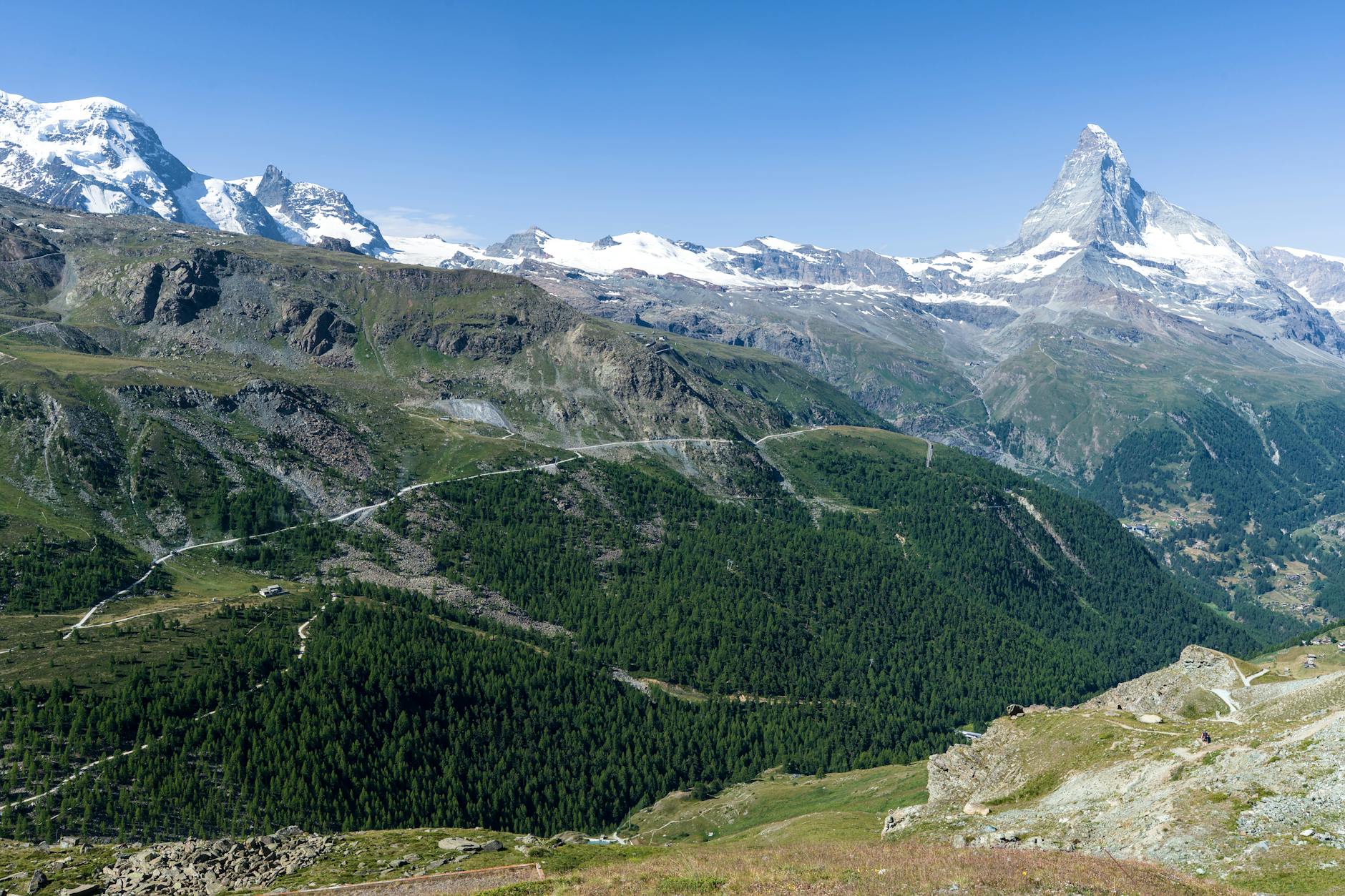
Repeat visitors sometimes overtrust their prior knowledge and undercheck current conditions. Zermatt still requires weather discipline. Clear windows should be used for the most important outdoor goal, while cloud, wind, snow, or fatigue can shift the day toward food, spa, lower walks, or a slower village rhythm.
Experience should make the plan more flexible, not more rigid.
- Check forecasts, webcams, lift status, avalanche or trail notes when relevant, and final return times.
- Move the most important mountain plan into the best visibility window.
- Keep lower-effort alternatives ready so bad weather does not waste the day.
Upgrade selectively and simplify the rest
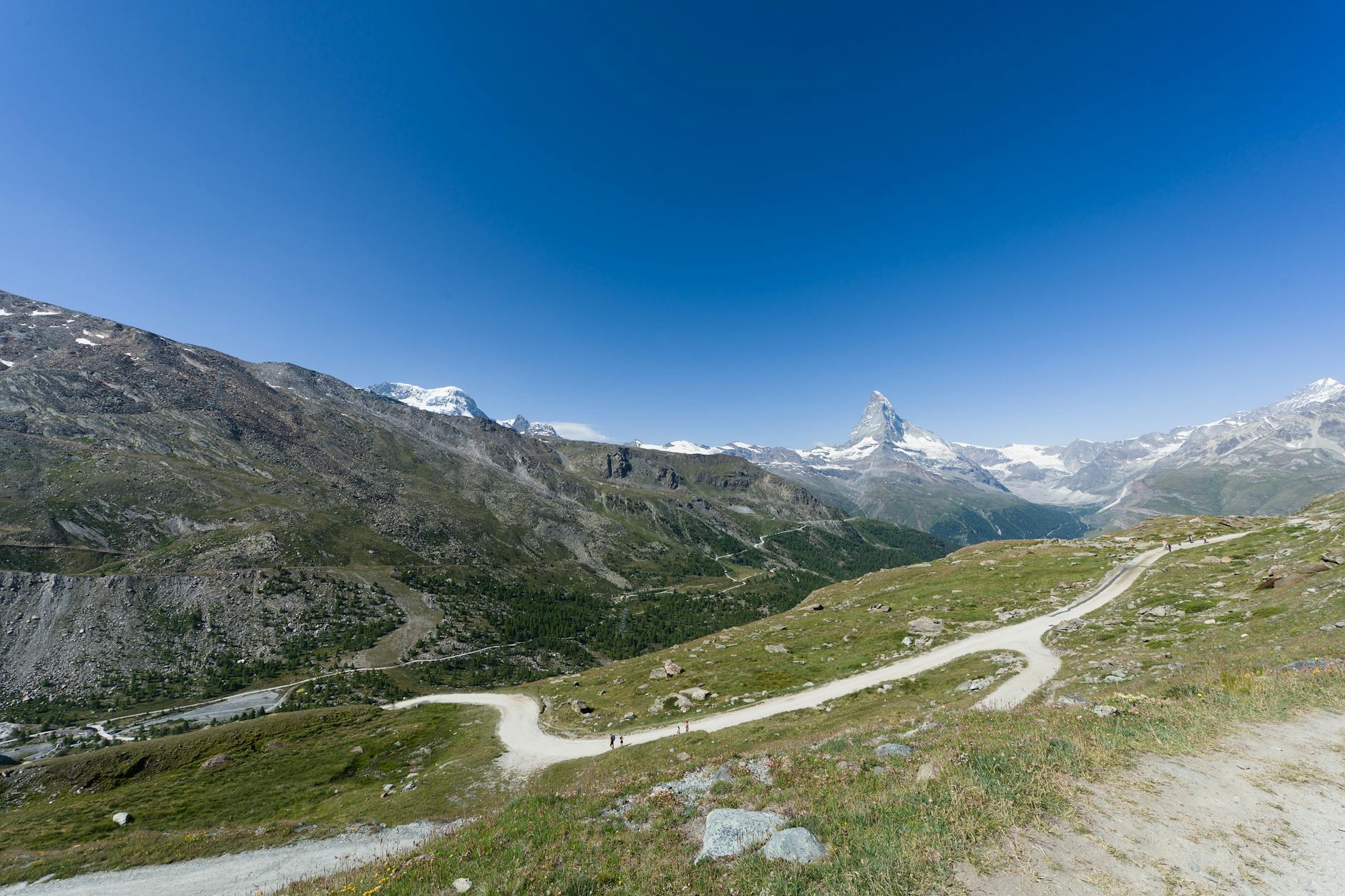
A return trip can justify spending more on the experiences that truly matter, but not every line item needs to be upgraded. The repeat visitor may get more from one better hotel location, one excellent meal, one guided day, or one quieter route than from adding more paid activities.
The budget should reflect what the traveler has learned.
- Spend on the friction points from last time, such as hotel location, luggage handling, dining, guiding, or weather flexibility.
- Skip costly experiences that felt underwhelming or too similar to what was already done.
- Protect departure buffers so the return does not end with rail stress.
When to order a short-term travel report
A repeat visitor with a favorite hotel and flexible goals may not need a custom report. A report becomes useful when the traveler wants the return to feel meaningfully different, is choosing a new season, comparing expensive hotels, adding unfamiliar mountain routes, changing travel style, or fitting Zermatt into a wider Swiss itinerary.
The report should test prior-trip lessons, hotel choices, route selection, seasonal constraints, weather alternatives, dining, cost tradeoffs, and departure buffers. The value is a return visit that uses familiarity to travel better.
- Order when the return trip needs a sharper purpose, new season, new base, mountain route, dining plan, or onward connection.
- Provide prior-trip notes, dates, hotel candidates, favorite and disliked activities, budget, fitness, and preferred pace.
- Use the report to make the return feel intentional rather than repetitive.