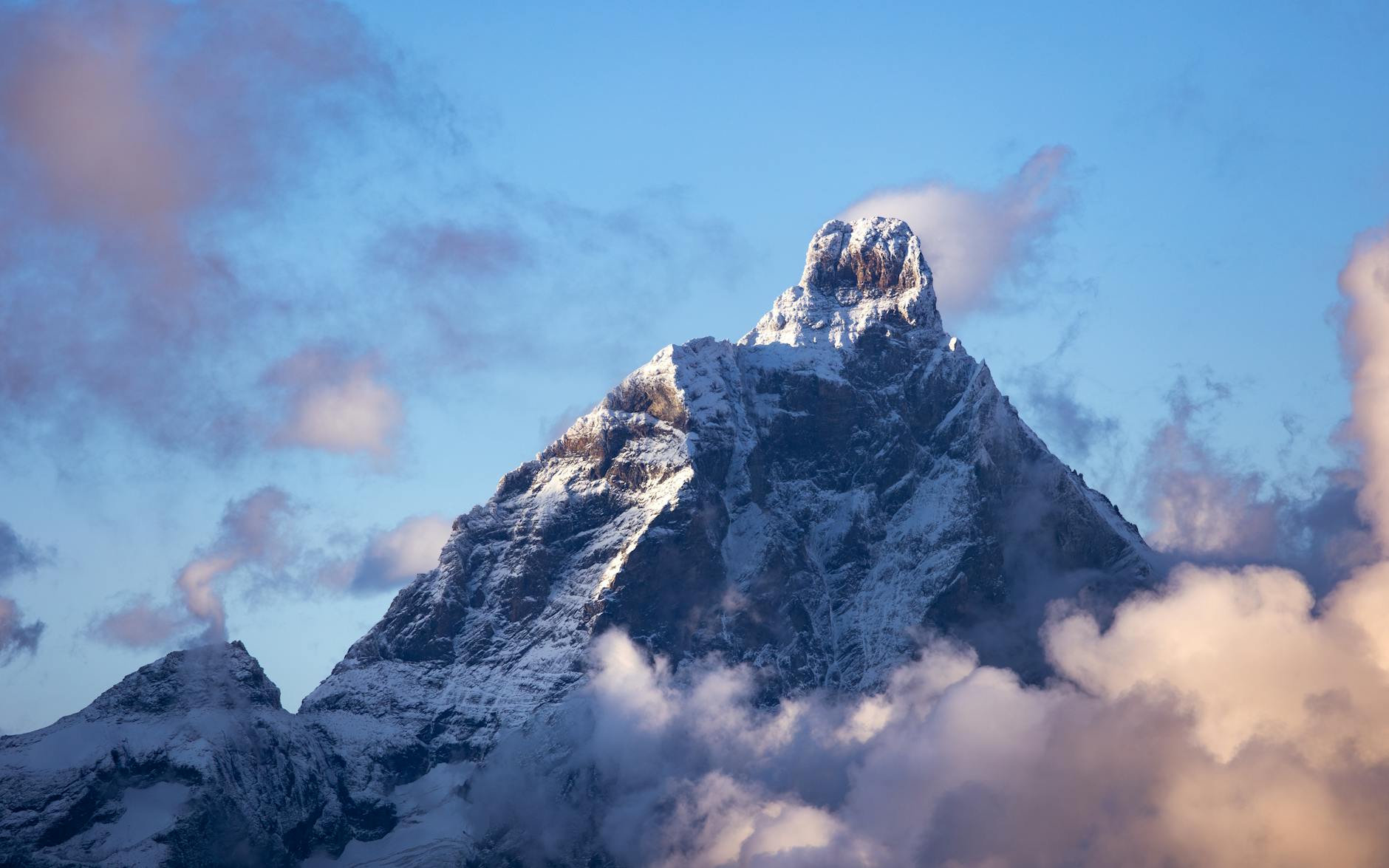
Zermatt is not primarily known as a major pilgrimage center, but it can still matter for religious travelers seeking quiet worship, alpine reflection, memorial visits, chapel stops, spiritual retreat time, or a meaningful journey through the Matterhorn landscape. The trip should be planned around purpose, respect for local spaces, rail access, weather, altitude, and the practical limits of a short mountain stay.
Define the spiritual purpose clearly
A religious or pilgrimage traveler should decide whether Zermatt is a place of worship, retreat, memorial reflection, mountain contemplation, or a stop within a wider faith-based itinerary. The destination can support quiet time, but it should not be treated as a shrine it is not. Clear purpose helps the traveler choose the right pace.
The meaning of the journey should shape the schedule.
- Clarify whether the trip is for services, prayer, retreat, remembrance, chapels, cemetery visits, or personal reflection.
- Check whether Zermatt is the main spiritual destination or a quieter stop between larger religious sites.
- Leave enough unstructured time for reflection instead of filling every hour with scenic activity.
Confirm worship and memorial access
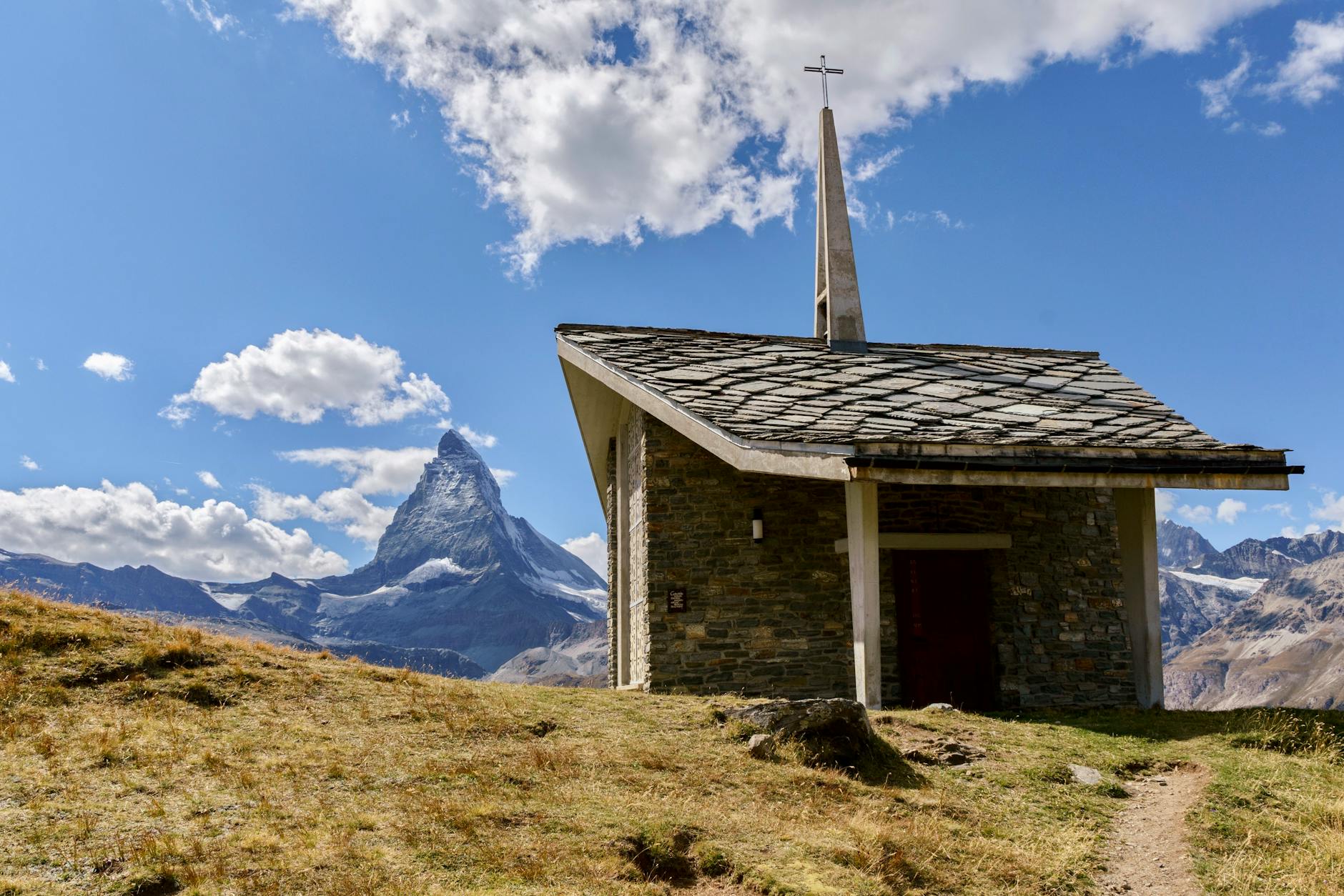
Zermatt has churches, chapels, cemeteries, and memorial places that may matter to a religious traveler, but opening hours, services, language, events, and private ceremonies can vary. The traveler should confirm details before building the day around a specific visit. Quiet spaces deserve planning and respect.
Access should be checked before arrival.
- Confirm service times, languages, opening hours, cemetery access, chapel routes, and any seasonal limitations.
- Ask before photographing interiors, worshippers, memorials, services, or private ceremonies.
- Build time for silence, candle lighting, prayer, or remembrance without rushing the next activity.
Make the rail arrival calm
A short religious trip can lose its intended tone if arrival is rushed, late, or physically draining. Zermatt's rail route through Visp or Tasch should be planned with luggage, weather, station pickup, and walking distance in mind. A calmer first day often supports the purpose of the visit better than squeezing in another viewpoint.
The journey should not overwhelm the reason for coming.
- Map the rail route, transfer point, station arrival, luggage plan, and final walk or hotel pickup.
- Avoid arriving immediately before a service, ceremony, or memorial visit.
- Keep prayer items, medications, documents, warm layers, and essential contacts in a personal bag.
Choose lodging for quiet and access
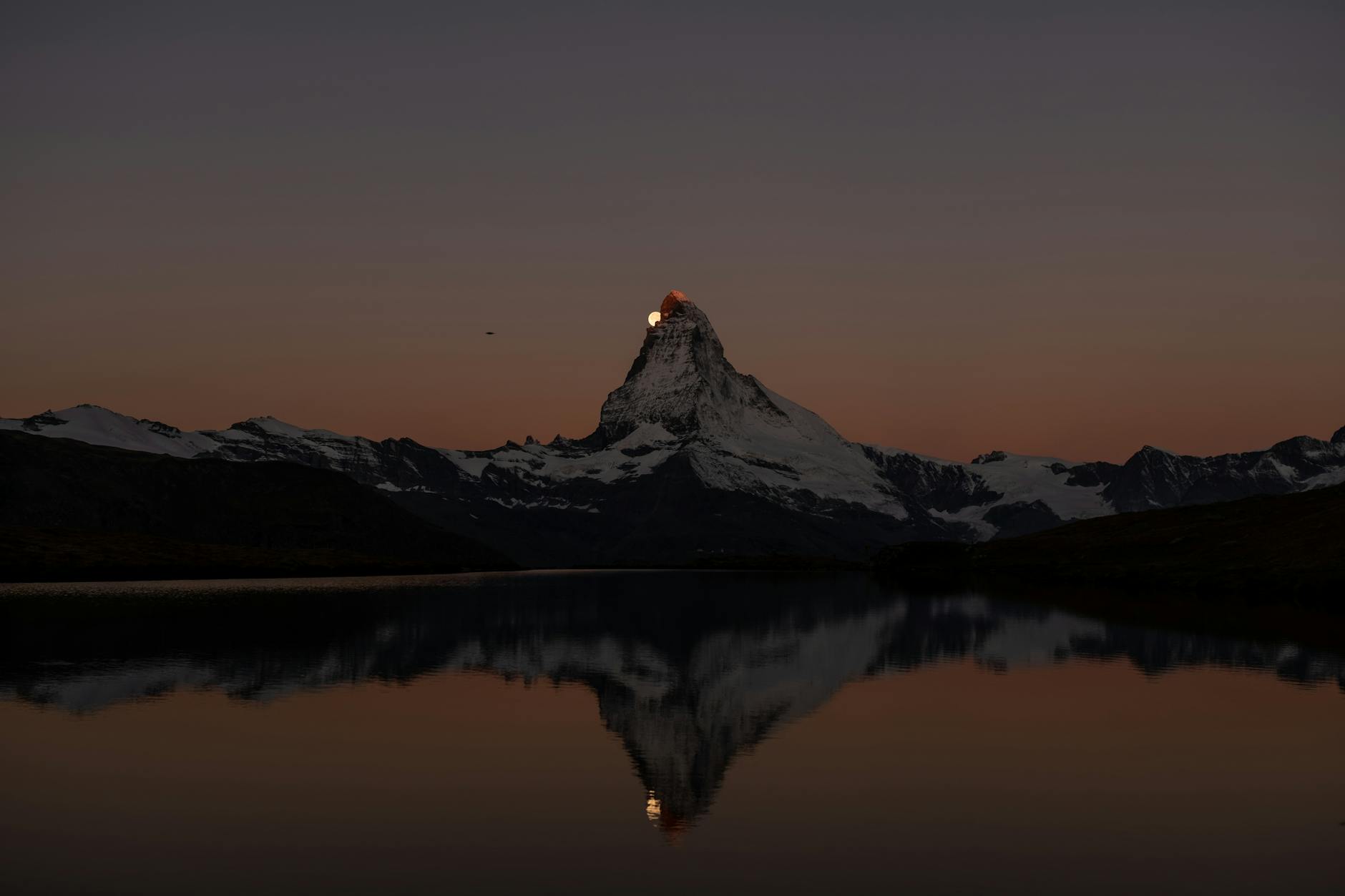
The best lodging for a religious or pilgrimage traveler may be simple, quiet, and well located rather than dramatic. Proximity to churches, chapels, station routes, restaurants, and gentle walks can matter more than a remote view. Travelers with early services, mobility limits, or retreat goals should make the base part of the spiritual plan.
Quiet lodging can protect the purpose of the trip.
- Check walking distance, slope, snow conditions, elevator access, breakfast hours, and quiet-room options.
- Choose lodging that supports rest between services, reflection walks, meals, and weather changes.
- Confirm whether late arrivals, early departures, or group prayer needs require advance notice.
Respect weather, altitude, and pace
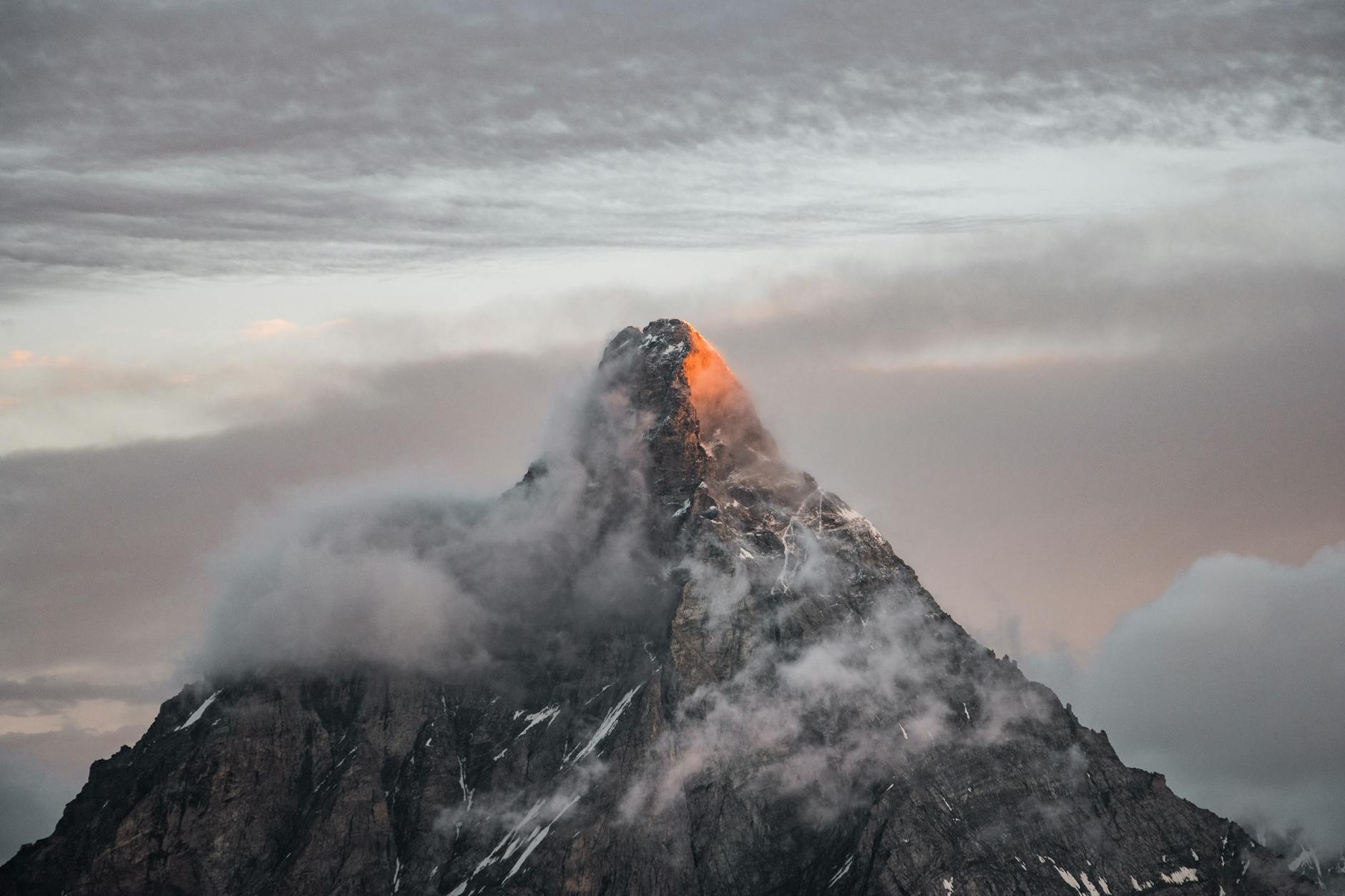
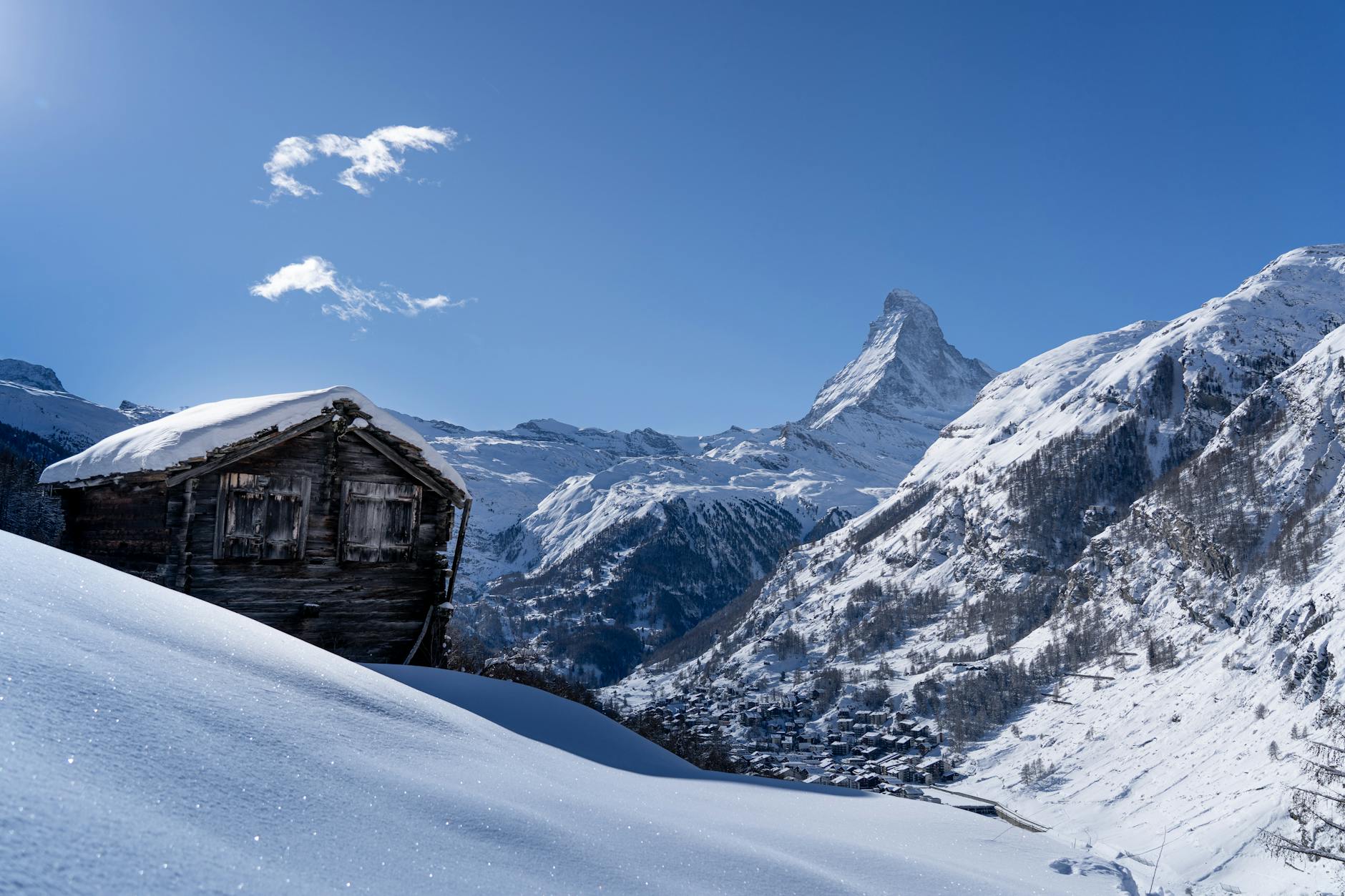
Zermatt's mountain setting can support reflection, but weather, altitude, snow, glare, and steep routes can shape what is realistic. A traveler planning contemplative walks, chapel visits, or high viewpoints should choose routes that fit health, ability, season, and forecast. Spiritual intent does not remove physical limits.
The mountain pace should be respected.
- Check forecasts, webcams, trail status, lift timing, and walking surfaces before outdoor reflection plans.
- Bring warm layers, shoes with grip, sun protection, water, and any needed medication.
- Use shorter village walks or indoor quiet spaces when weather makes mountain plans unsuitable.
Handle dress, conduct, and costs thoughtfully
Religious travelers should consider dress, quiet conduct, giving practices, meals, Sabbath or holiday observance, and the cost of a resort destination. Zermatt can be expensive, and not every restaurant, schedule, or lodging choice will fit religious needs. Practical questions should be asked early.
Respect includes preparation.
- Check dress expectations for services, weather-appropriate clothing, and footwear suitable for snow or slopes.
- Plan meals, rest periods, observance needs, donations, transport costs, and paid viewpoints before arrival.
- Keep behavior quiet around worship, memorials, cemeteries, and residential areas.
When to order a short-term travel report
A religious or pilgrimage traveler with a simple self-guided visit may not need a custom report. A report becomes useful when worship times, chapel access, memorial visits, quiet lodging, mobility, weather, observance needs, budget, or onward travel require exact planning.
The report should test spiritual purpose, rail arrival, service times, chapel and memorial access, lodging location, walking routes, weather alternatives, dress, meals, accessibility, costs, and departure buffers. The value is a Zermatt trip that supports reflection without avoidable strain.
- Order when worship, memorial visits, lodging, routes, weather, accessibility, meals, observance, or onward travel need exact planning.
- Provide dates, faith or observance needs, service interests, lodging options, mobility details, budget, and rail route.
- Use the report to keep the journey respectful, quiet, and workable.