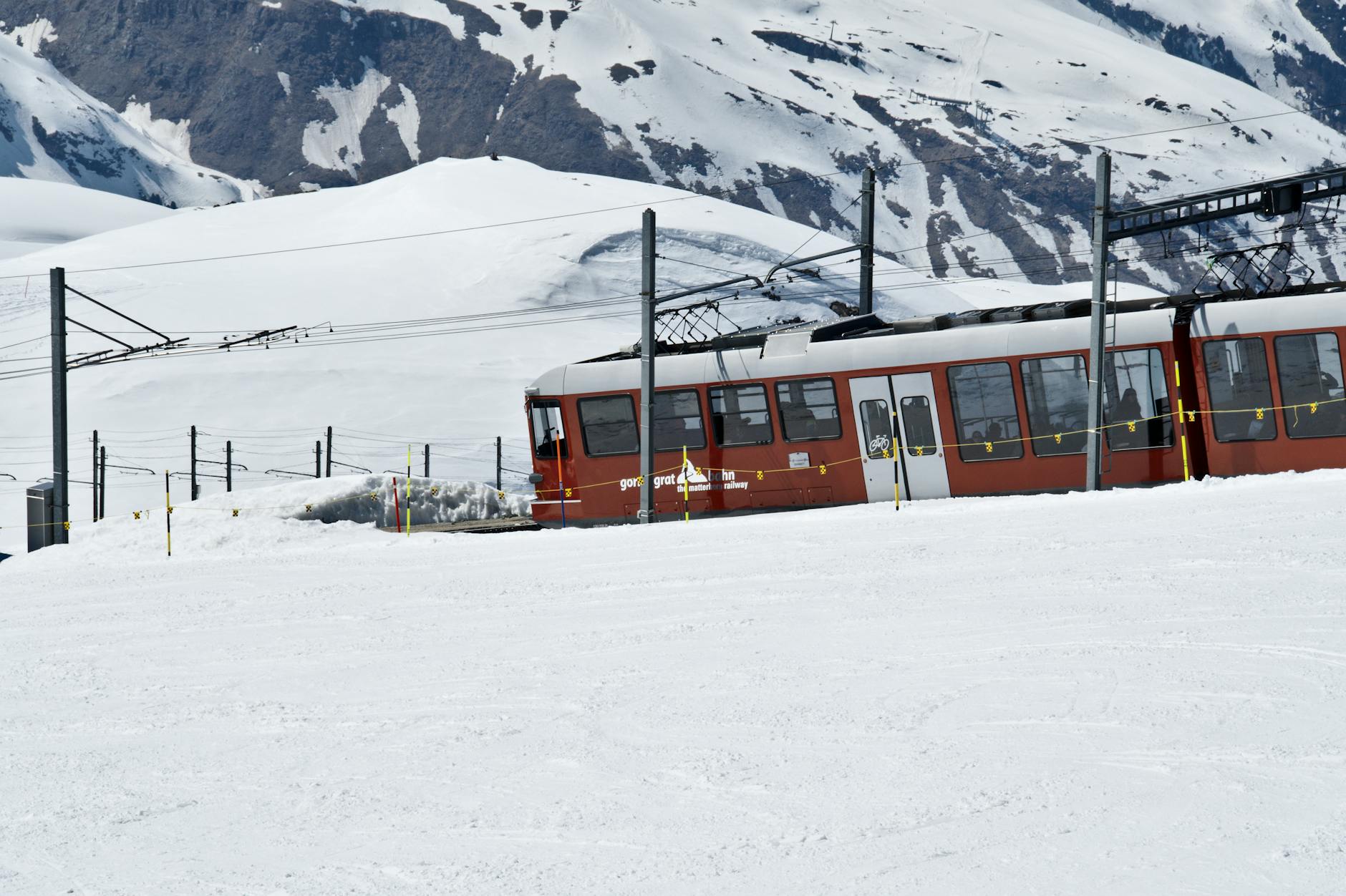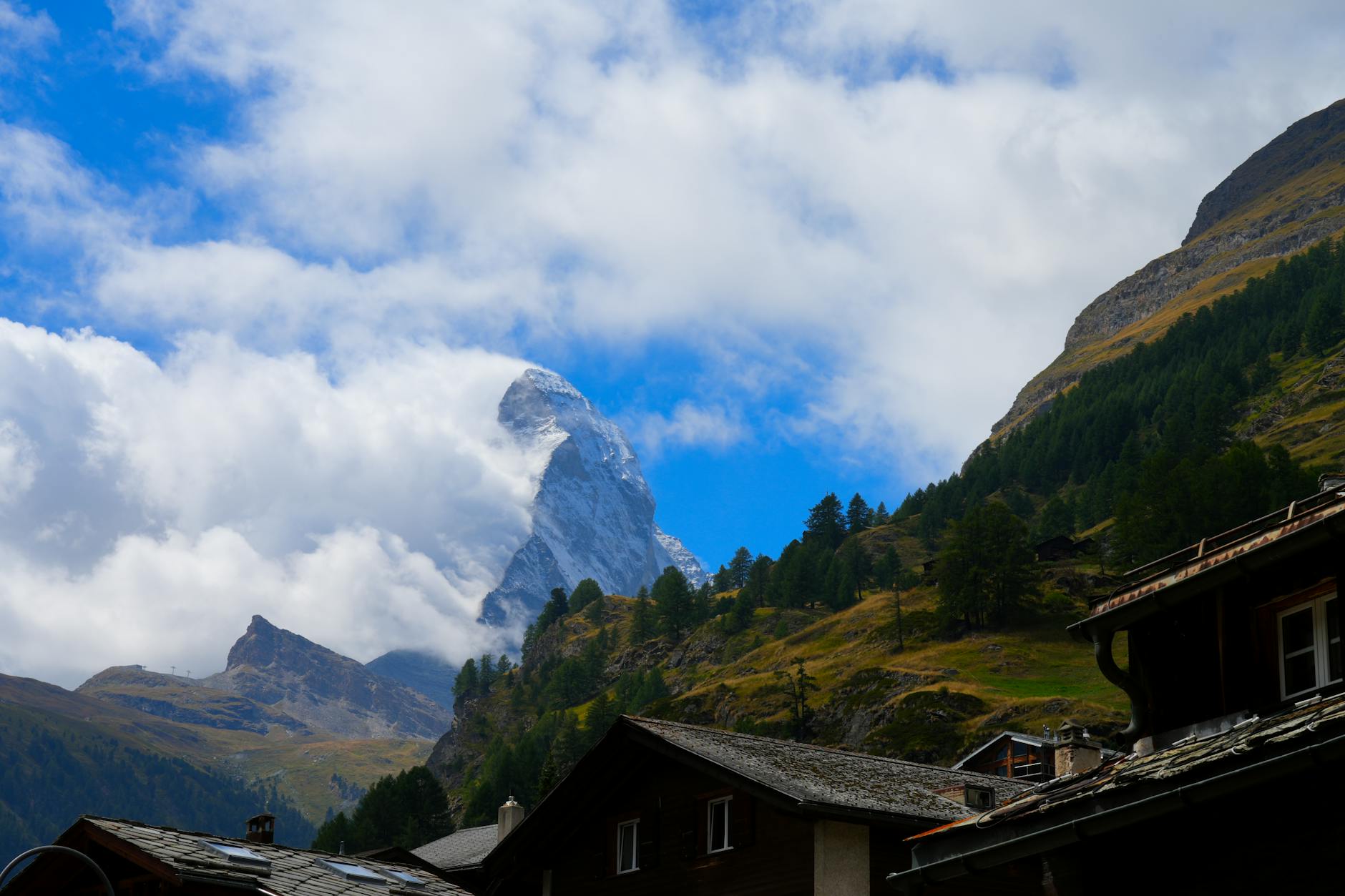
Zermatt can be a rewarding destination for an older traveler because the scenery is immediate, the village is compact, and many experiences can be reached by rail, lift, or a short walk. It can also be demanding. The car-free arrival, altitude, snow or slope, luggage, hotel position, and weather all need more attention than a standard city break.
Be realistic about altitude and walking
Zermatt sits high enough that some older travelers notice altitude, cold, slope, or fatigue more than expected. The village is compact, but not effortless. Snow, ice, uneven surfaces, stairs, and uphill routes can make a short walk feel longer, especially with luggage or after a long rail day.
The plan should fit the traveler, not the brochure.
- Assess walking distance, slope, altitude sensitivity, breathing concerns, balance, and footwear before choosing a hotel or route.
- Ask hotels about lifts, steps, pickup service, and whether the route from station to lobby is practical.
- Keep the first day lighter if arriving after a long flight, multi-train journey, or winter transfer.
Make the car-free arrival easy
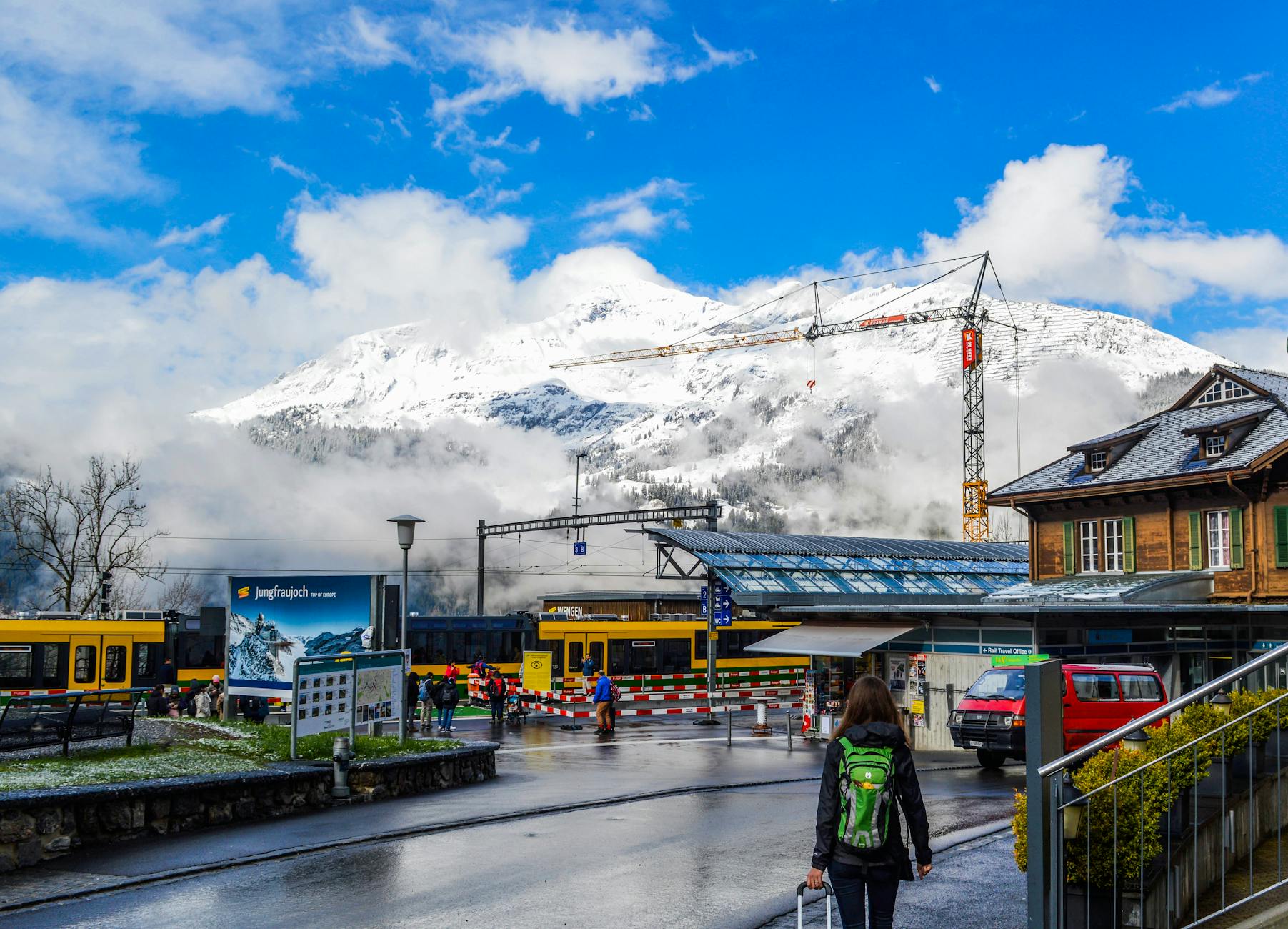
The car-free model can be pleasant once the traveler is settled, but arrival needs care. Most visitors use rail through Visp or the shuttle from Tasch. An older traveler should know the transfer sequence, platform changes, luggage plan, hotel pickup, and fallback if a train is delayed or the weather is poor.
Arrival should not consume the trip's energy.
- Book rail times with enough transfer margin at Visp, Tasch, or the main airport gateway.
- Arrange hotel station pickup or luggage help when bags, snow, or walking distance are a concern.
- Keep medicine, documents, glasses, chargers, and a warm layer in a small personal bag.
Choose the hotel for support, not just view
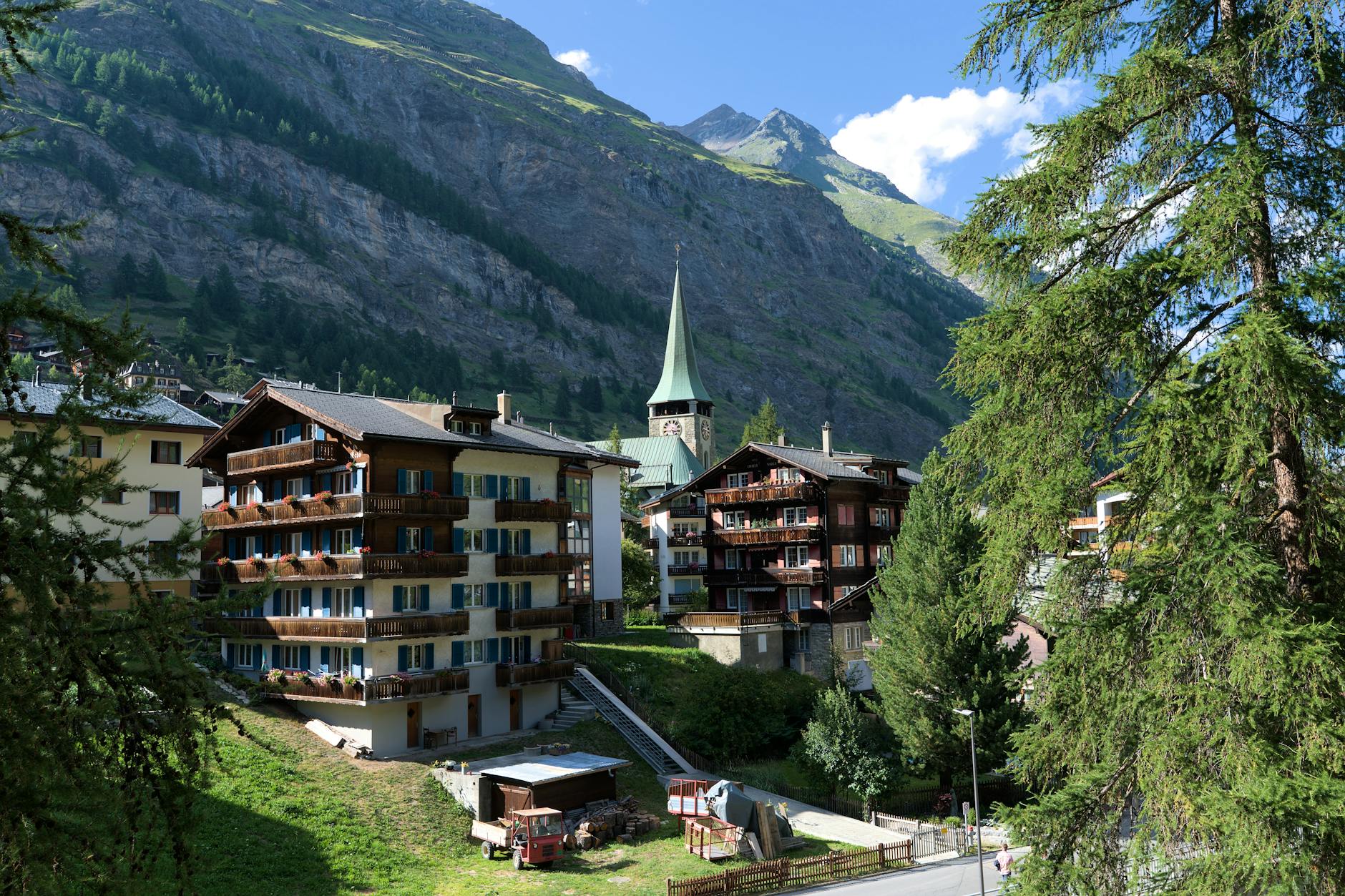
For an older traveler, the best Zermatt hotel may be the one with the easiest access, helpful staff, elevators, comfortable rooms, good dining, reliable pickup, spa or rest spaces, and a route that still works in bad weather. A steep or remote property can be beautiful and still wrong for the stay.
Comfort is logistics in a mountain village.
- Confirm elevators, stairs, bathroom setup, bed height, heating, dining hours, pickup service, and luggage assistance.
- Check whether the hotel route is manageable after dinner, in snow, or with reduced visibility.
- Favor convenience when the trip is short, winter conditions are possible, or mobility varies by day.
Use gentle routes and weather alternatives
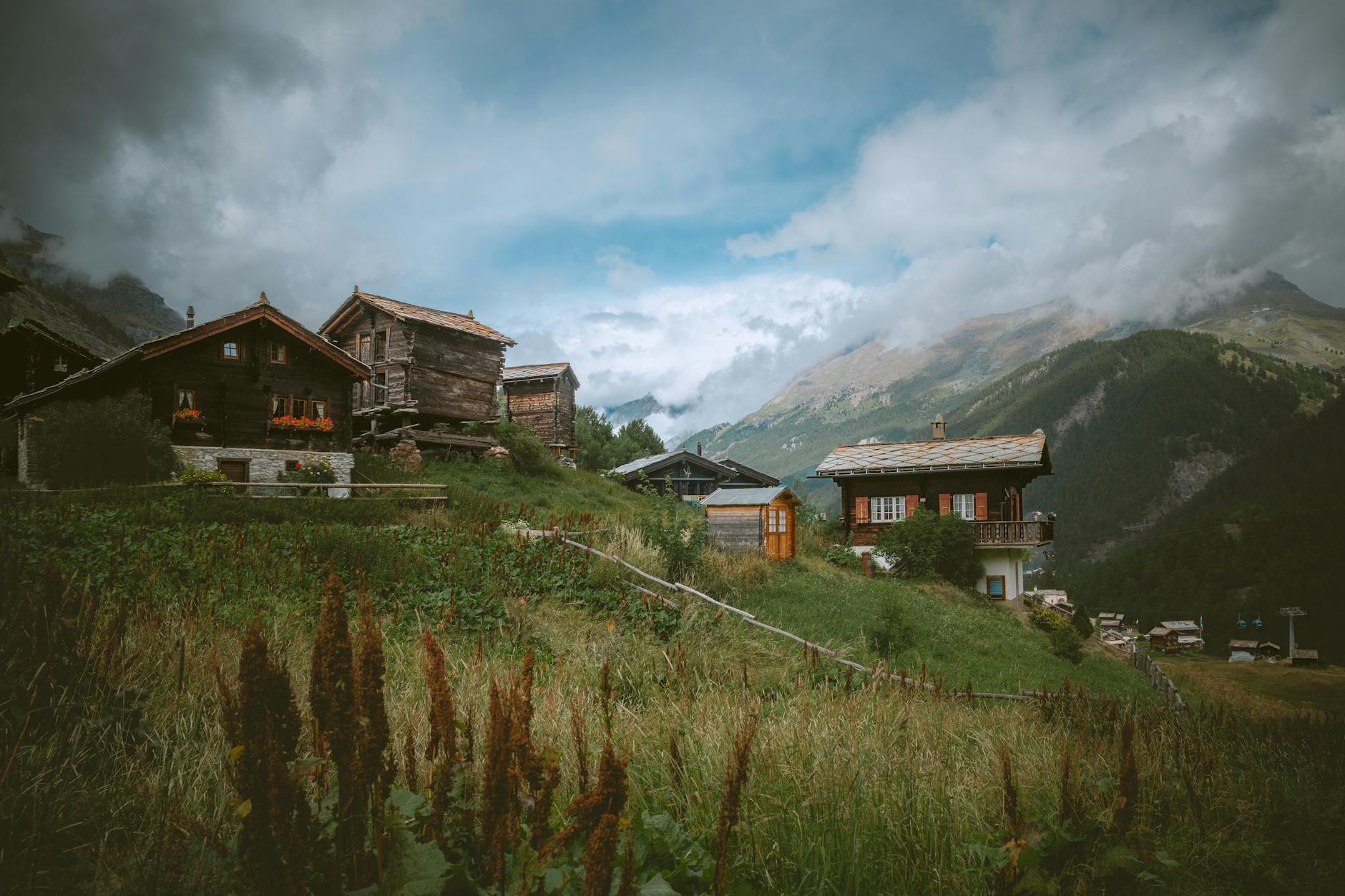
An older traveler can enjoy Zermatt without turning every day into an endurance test. Short village walks, scenic rail, accessible viewpoints, hotel terraces, restaurants, and flexible lifts can be enough. The key is to choose routes that still feel good if the weather turns or energy drops.
A lighter plan can produce a better mountain stay.
- Choose one main outing per day rather than stacking lifts, long walks, and evening commitments.
- Check surface conditions, weather, lift operations, rest stops, toilets, and return options before setting out.
- Keep cafe, spa, museum, church, village, or hotel-lounge alternatives ready for poor conditions.
Protect medication and medical continuity
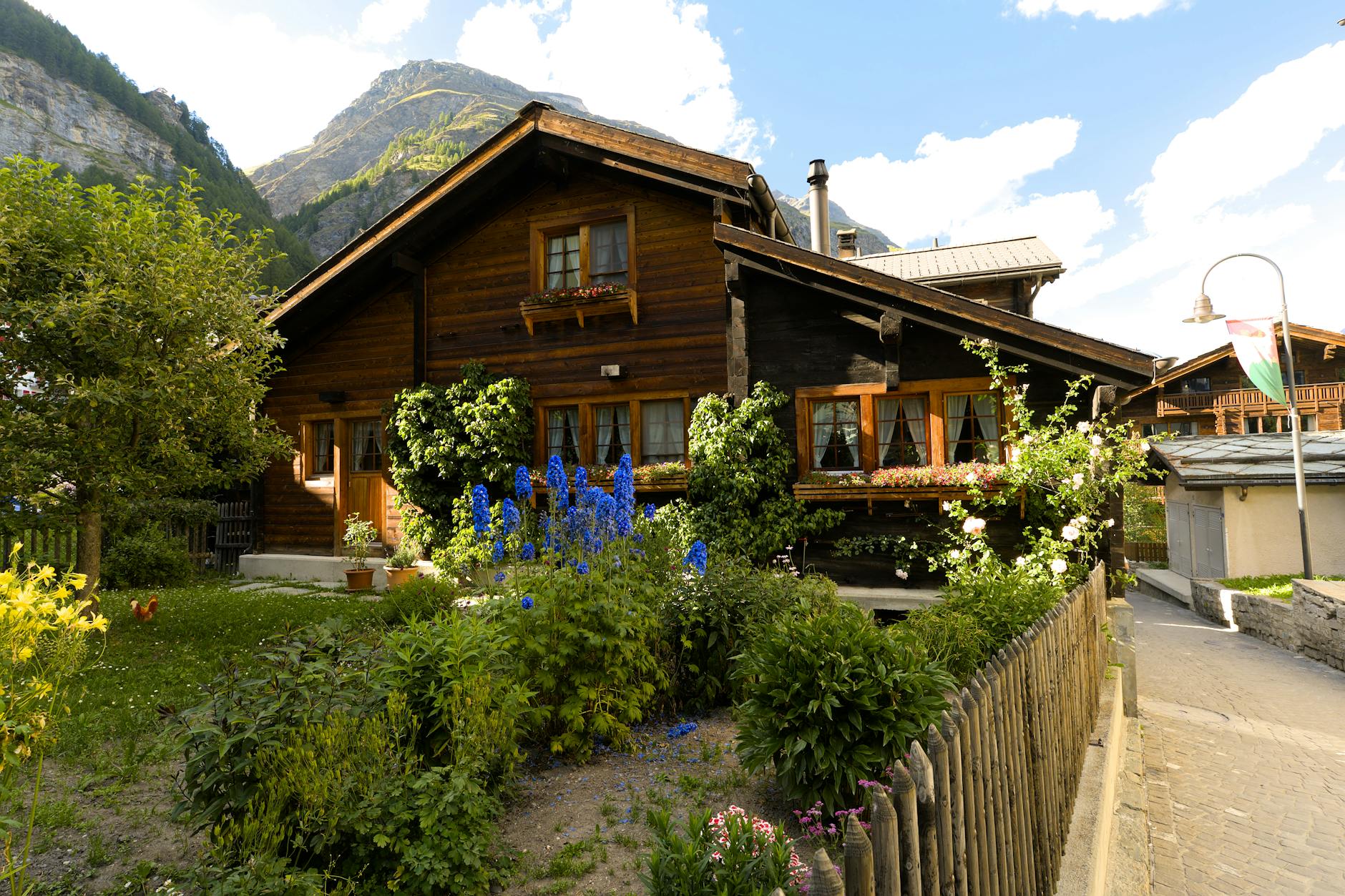
Medication, glasses, mobility aids, CPAP equipment, dietary needs, and routine health checks deserve advance planning in Zermatt because mountain weather and rail timing can complicate replacement or access. An older traveler should carry essential items in hand luggage and know where to seek help if symptoms, falls, or altitude issues appear.
Medical continuity should be boring and dependable.
- Carry extra medication, prescriptions, insurance details, device chargers, and any medical letters in the day bag.
- Know the nearest pharmacy, medical clinic, and emergency number before the trip becomes urgent.
- Avoid high-altitude or strenuous plans if health conditions make the risk unclear without medical advice.
Pace meals, lifts, and departure
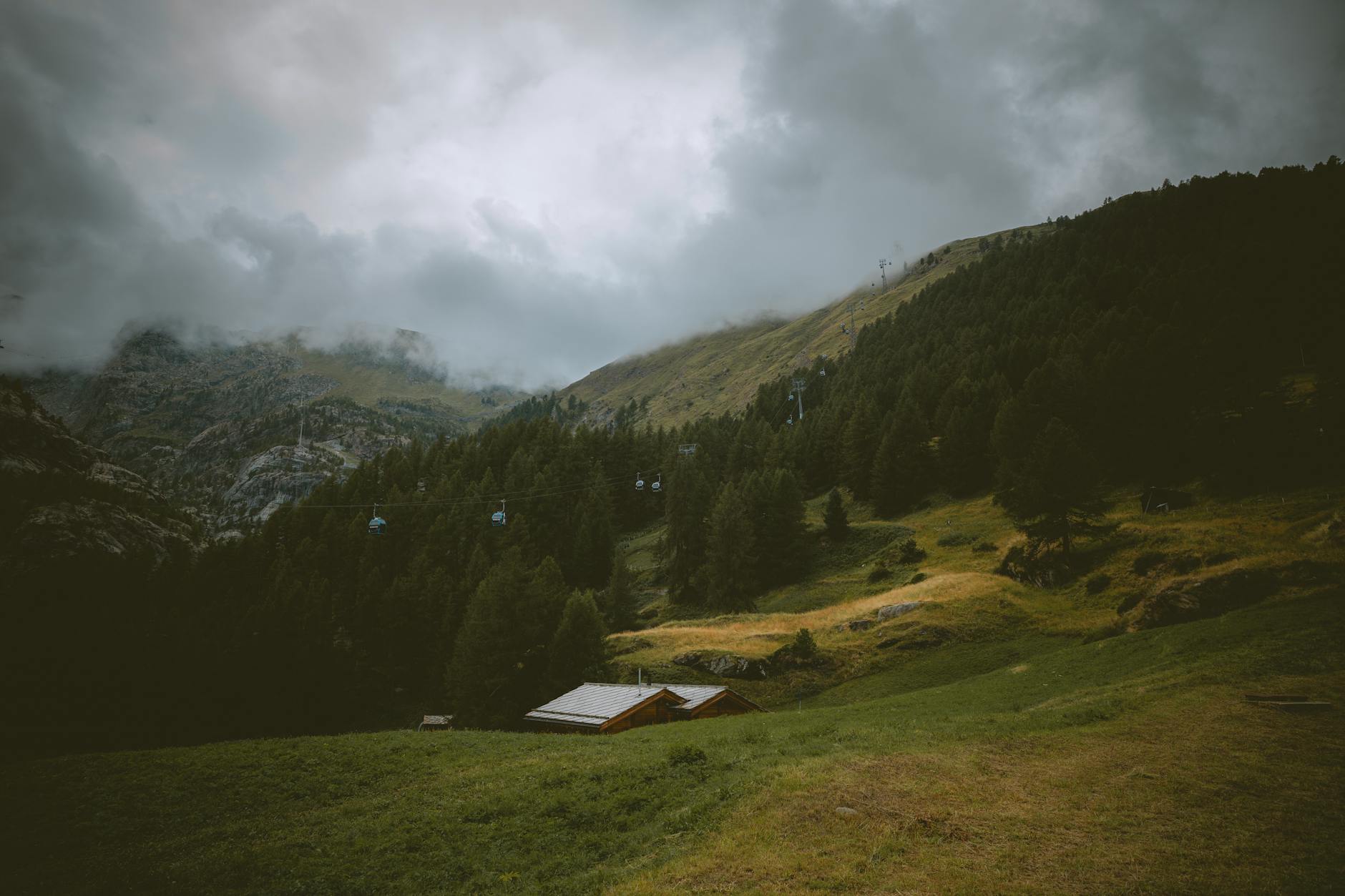
Short Zermatt trips can become tiring when meals, lifts, checkout, rail times, and sightseeing are packed too tightly. Older travelers often do better with a predictable breakfast, a main outing, a real rest break, and an evening plan close to the hotel. Departure deserves the same calm as arrival.
The trip should leave energy for the next leg.
- Reserve meals when weather, mobility, or peak season makes searching stressful.
- Avoid booking high-altitude outings immediately before a tight rail departure.
- Arrange luggage pickup, checkout timing, station transfer, and rail tickets the day before leaving.
When to order a short-term travel report
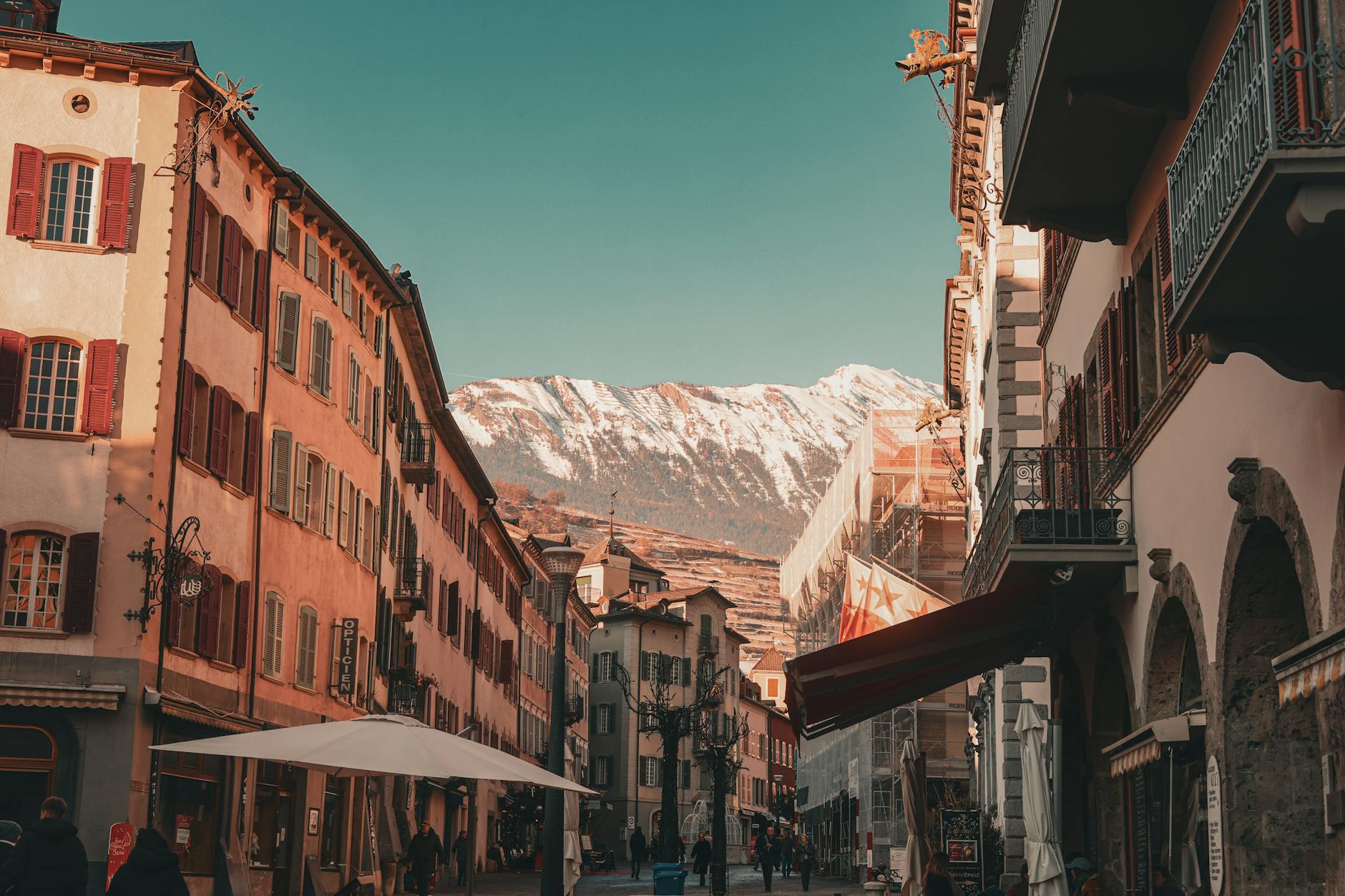
An older traveler with a fully escorted trip, accessible hotel, and relaxed schedule may not need a custom report. A report becomes useful when the traveler has rail transfers, luggage concerns, altitude questions, mobility variability, medication needs, expensive hotel choices, winter timing, or a tight onward connection.
The report should test rail access, hotel pickup, walking grade, elevators, room support, weather alternatives, medical continuity, meal timing, lift choices, and departure buffers. The value is a Zermatt stay that keeps the mountain experience beautiful without making logistics harder than necessary.
- Order when access, luggage, hotel support, altitude, weather, mobility, medication, or departure timing need exact planning.
- Provide dates, health and mobility notes, hotel candidates, luggage details, rail route, must-see priorities, and pace limits.
- Use the report to make Zermatt feel manageable, comfortable, and worth the effort.