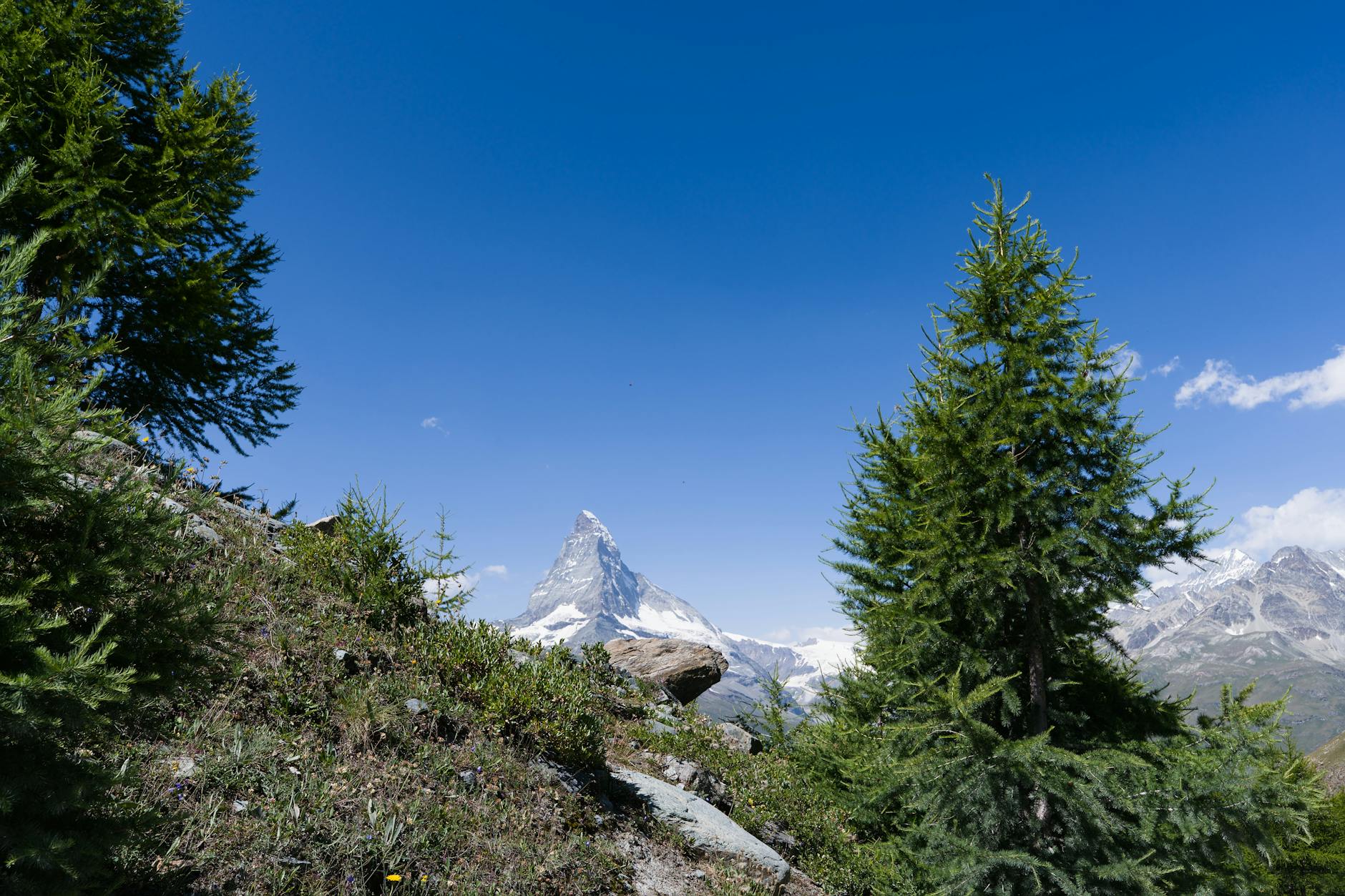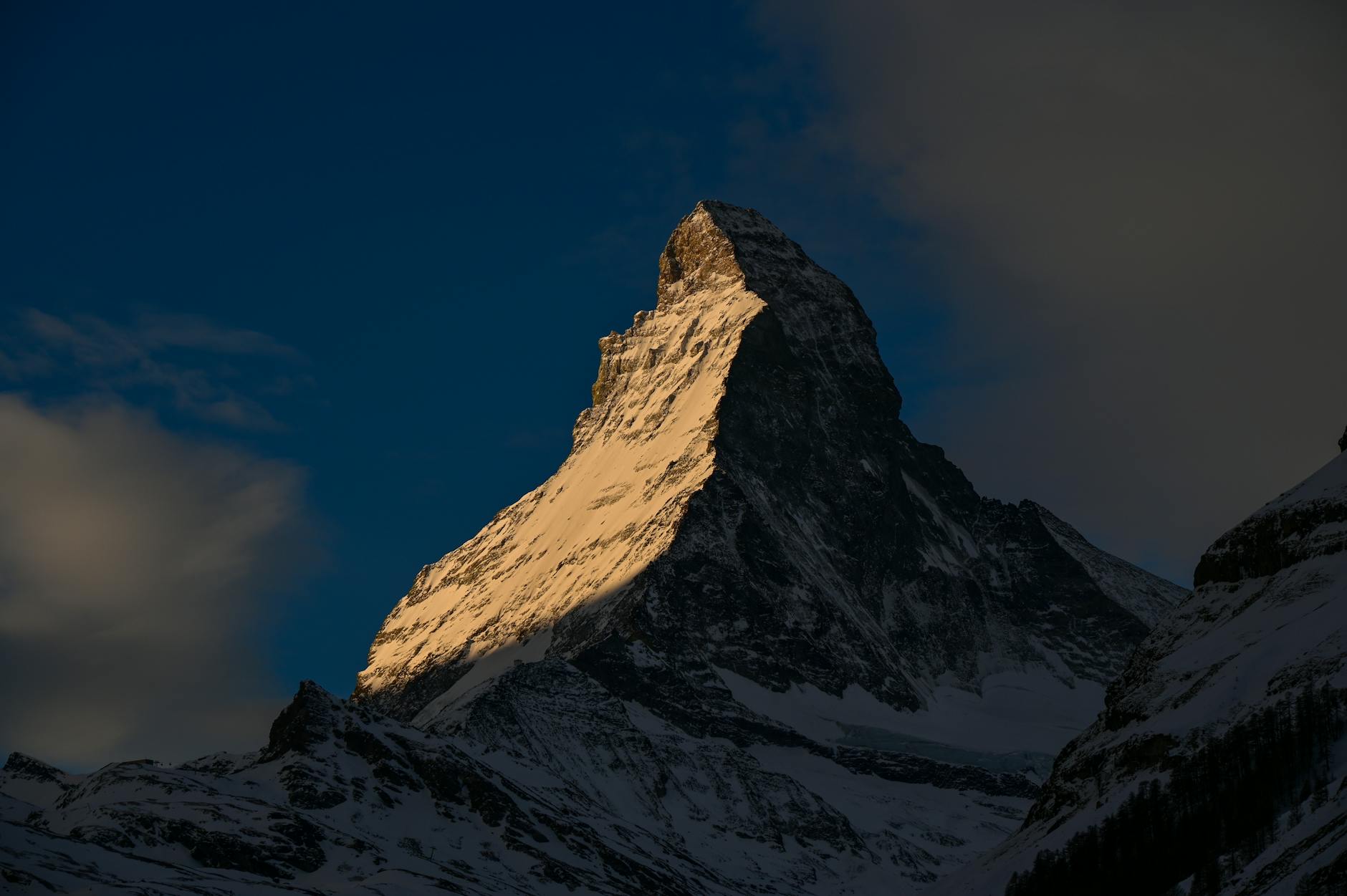
Zermatt can be a useful reporting base for tourism, climate, alpine transport, hospitality, outdoor sport, labor, conservation, luxury travel, or local governance stories. It also demands planning because access is rail-based, weather can control movement, and public spaces can be less private than they feel. A journalist should protect the assignment before building the scenic plan.
Define the assignment before logistics
A journalist should be clear about whether Zermatt is the story, the setting, or one stop in a broader assignment. Tourism, climate, hospitality, rail access, avalanche risk, luxury development, labor, and outdoor culture all require different contacts and movement. The assignment should decide where to stay and when to travel.
Reporting purpose should come before the itinerary.
- Define the story angle, required locations, source list, visual needs, and filing deadline before booking.
- Check whether the assignment needs interviews, field observation, official comment, archival work, or scenic material.
- Avoid spending the best reporting hours on transit or optional mountain excursions.
Protect arrival and filing schedule
Zermatt's rail access can be smooth, but it still requires transfers, timing discipline, and a plan for luggage and gear. A journalist with interviews, sunset visuals, live hits, or same-day filing should not rely on a tight arrival. The schedule should leave room for weather and work.
The deadline is part of the route.
- Map the route through Visp or Tasch and confirm the last usable arrival for interviews or filing.
- Arrive early when the assignment depends on fixed source availability or a narrow visual window.
- Keep tickets, contacts, notes, credentials, offline files, and backup transport details accessible.
Plan access, interviews, and permissions
Journalists may need permission for filming, drones, protected areas, private hotels, lifts, rail property, events, or interviews with employees. Zermatt's visitor economy can make access appear casual, but professional reporting still needs clear consent and rules. Unplanned access issues can cost the assignment its best material.
Permissions should be solved before the camera comes out.
- Confirm media contacts for hotels, tourism offices, lift operators, rail services, event organizers, and public agencies.
- Ask about filming rules, drone limits, private property, commercial images, and source attribution.
- Schedule interviews with enough buffer for weather, route timing, and source work shifts.
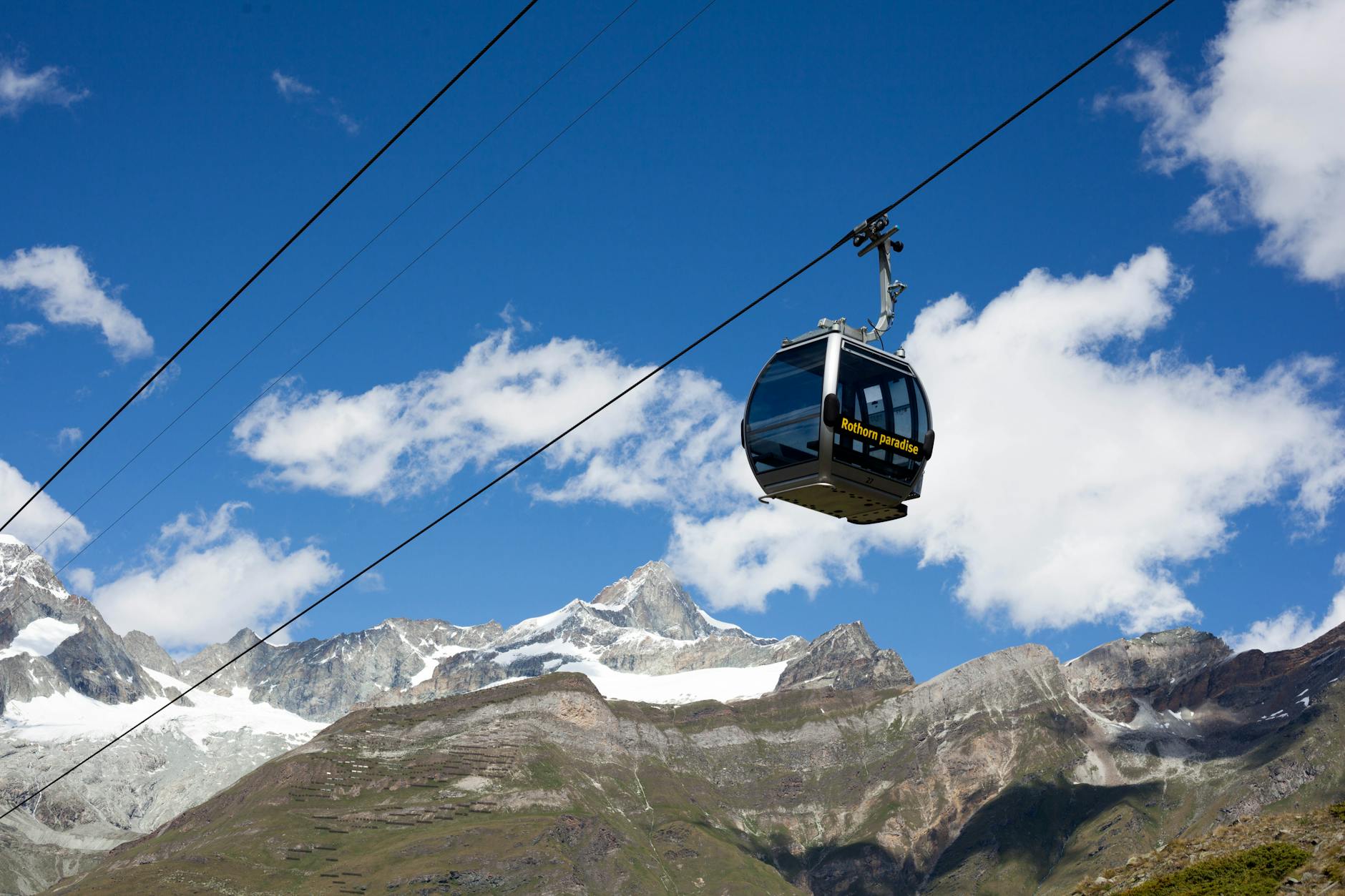
Carry media gear for mountain constraints
Camera, audio, laptop, batteries, cards, microphones, tripods, and weather protection all behave differently in cold, snow, glare, altitude, and long rail days. The journalist should pack for the actual assignment while keeping the kit manageable through car-free transfers. Overpacking can slow the reporting day; underpacking can weaken the work.
The best kit is usable on the route.
- Bring weather covers, warm battery storage, chargers, adapters, card backups, and secure data storage.
- Keep essential gear with you during rail transfers and hotel check-in.
- Confirm whether tripods, drones, lights, or larger equipment are permitted at planned locations.
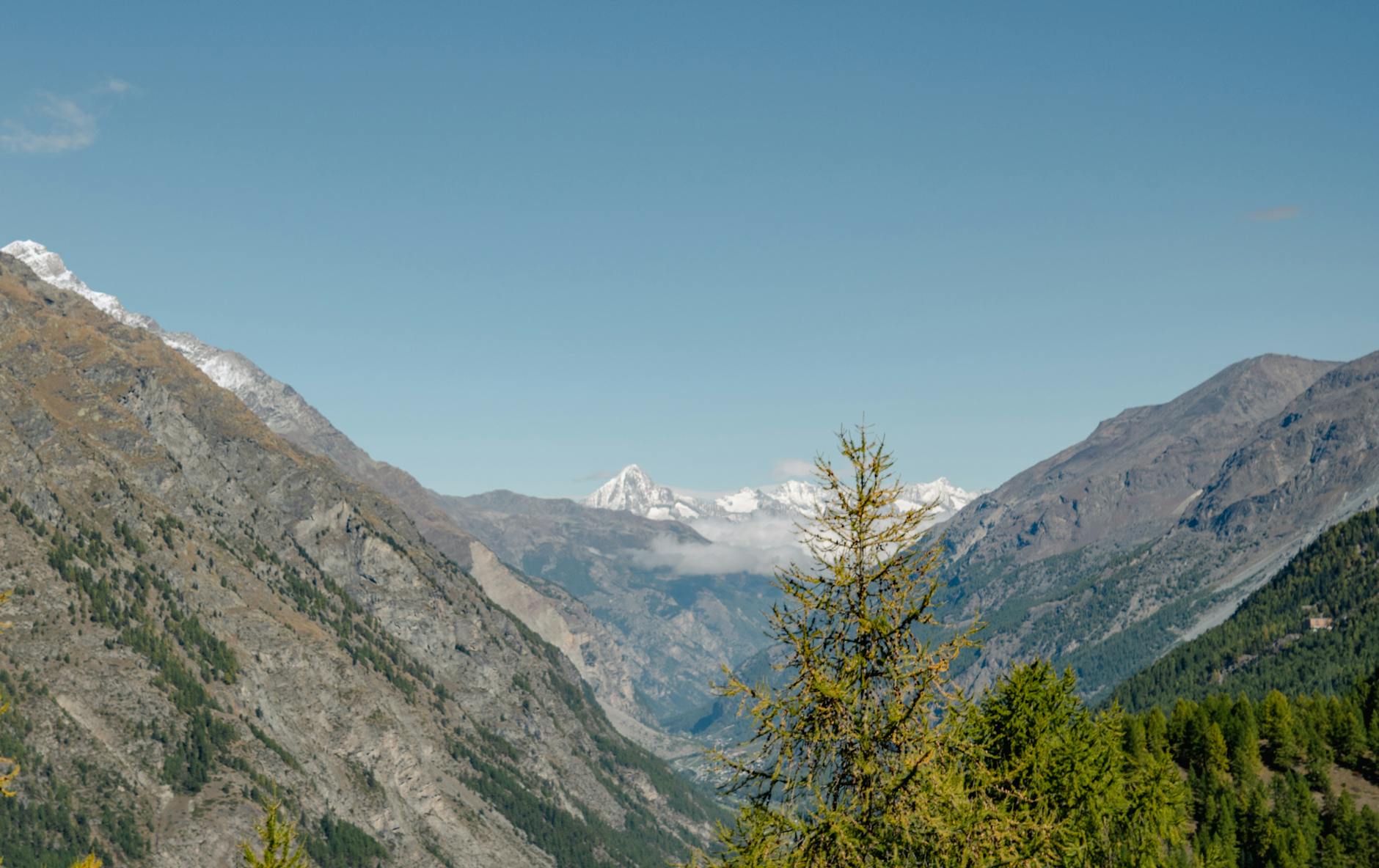
Treat weather and safety as editorial variables
Weather in Zermatt affects visibility, lifts, rail timing, walking surfaces, interview movement, and whether outdoor reporting is safe. A journalist should build backup scenes, indoor interviews, alternative visuals, and lower-elevation options into the assignment. Waiting for perfect light should not endanger the reporting plan.
Weather can change both story and schedule.
- Check forecasts, webcams, lift status, trail conditions, avalanche information when relevant, and local advice.
- Keep indoor source meetings, village visuals, archival work, or lower routes ready for poor conditions.
- Avoid taking unnecessary terrain or weather risks for a shot or live segment.
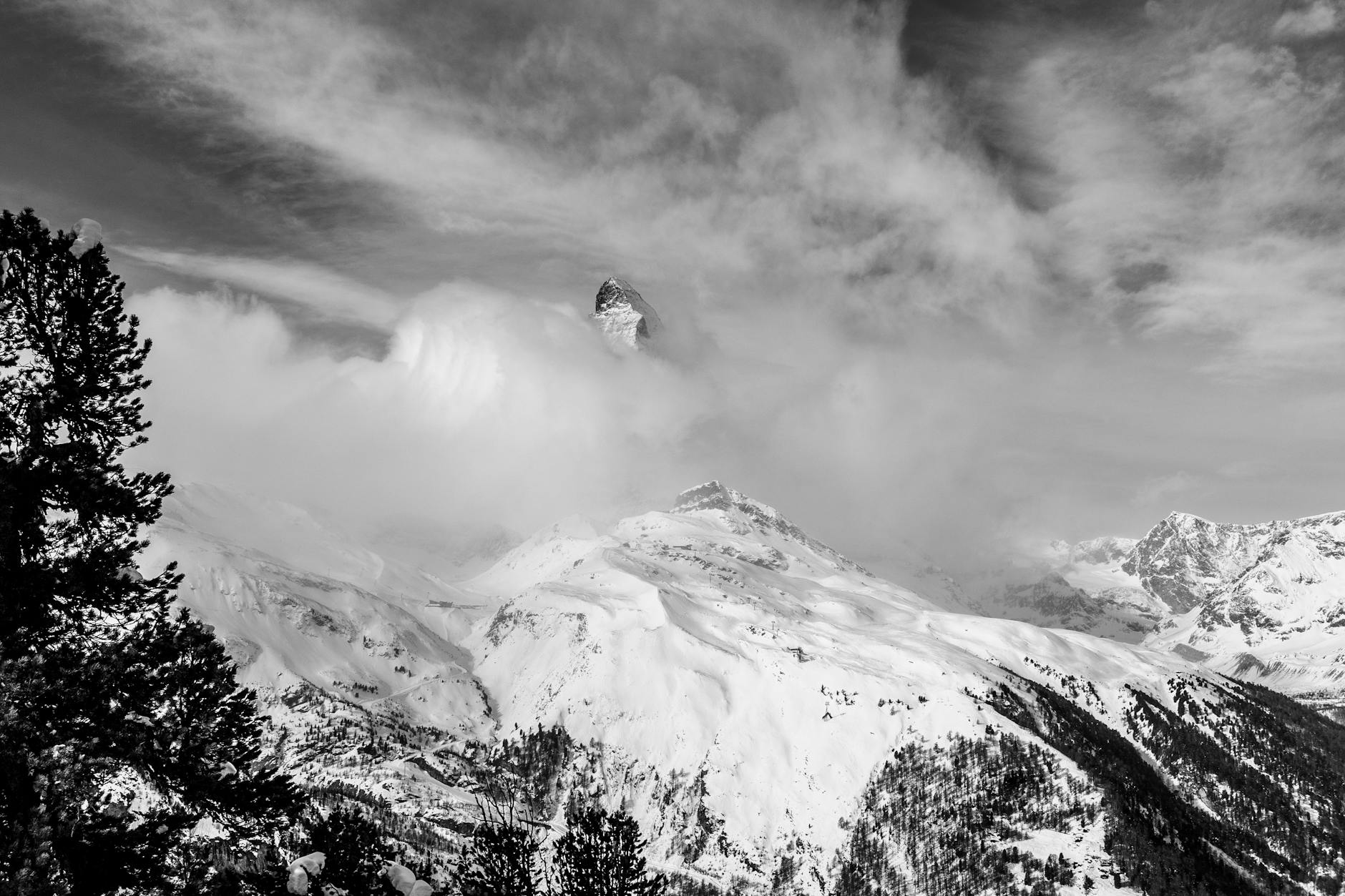
Protect source discretion and working time
Zermatt can feel informal, but hotel lounges, trains, restaurants, lifts, and terraces can be crowded with people connected to the same story. A journalist should protect source identities, sensitive notes, unpublished material, and off-record conversations. The schedule also needs quiet time to transcribe, verify, write, edit, and file.
Reporting discipline matters in a compact village.
- Use private spaces for sensitive interviews and avoid discussing source details in shared areas.
- Back up notes, audio, photos, and video before moving between locations.
- Block writing, verification, editor calls, and upload time instead of filling every gap with scenic plans.
When to order a short-term travel report
A journalist on a simple press itinerary may not need a custom report. A report becomes useful when the assignment requires independent rail planning, source geography, permissions, filming rules, gear movement, weather alternatives, filing windows, or a tight onward schedule.
The report should test assignment purpose, access route, lodging, source locations, permissions, visual opportunities, weather risk, gear handling, working time, costs, and departure buffers. The value is a Zermatt reporting trip that protects the story, not just the view.
- Order when arrival, sources, access, permissions, gear, weather, filing, costs, or onward travel need exact planning.
- Provide assignment angle, dates, source list, media needs, lodging options, rail route, deadlines, and risk concerns.
- Use the report to keep reporting logistics aligned with the editorial outcome.