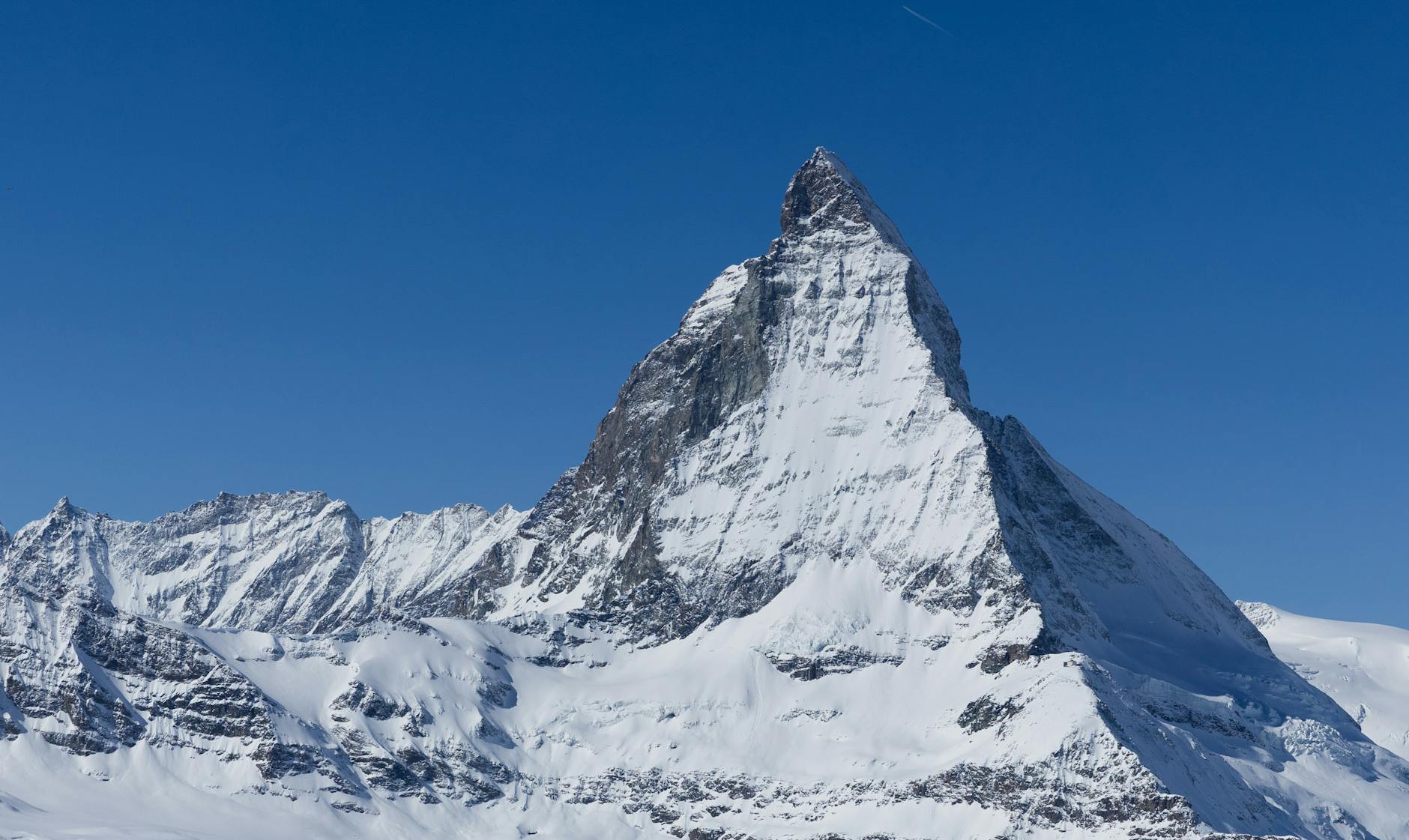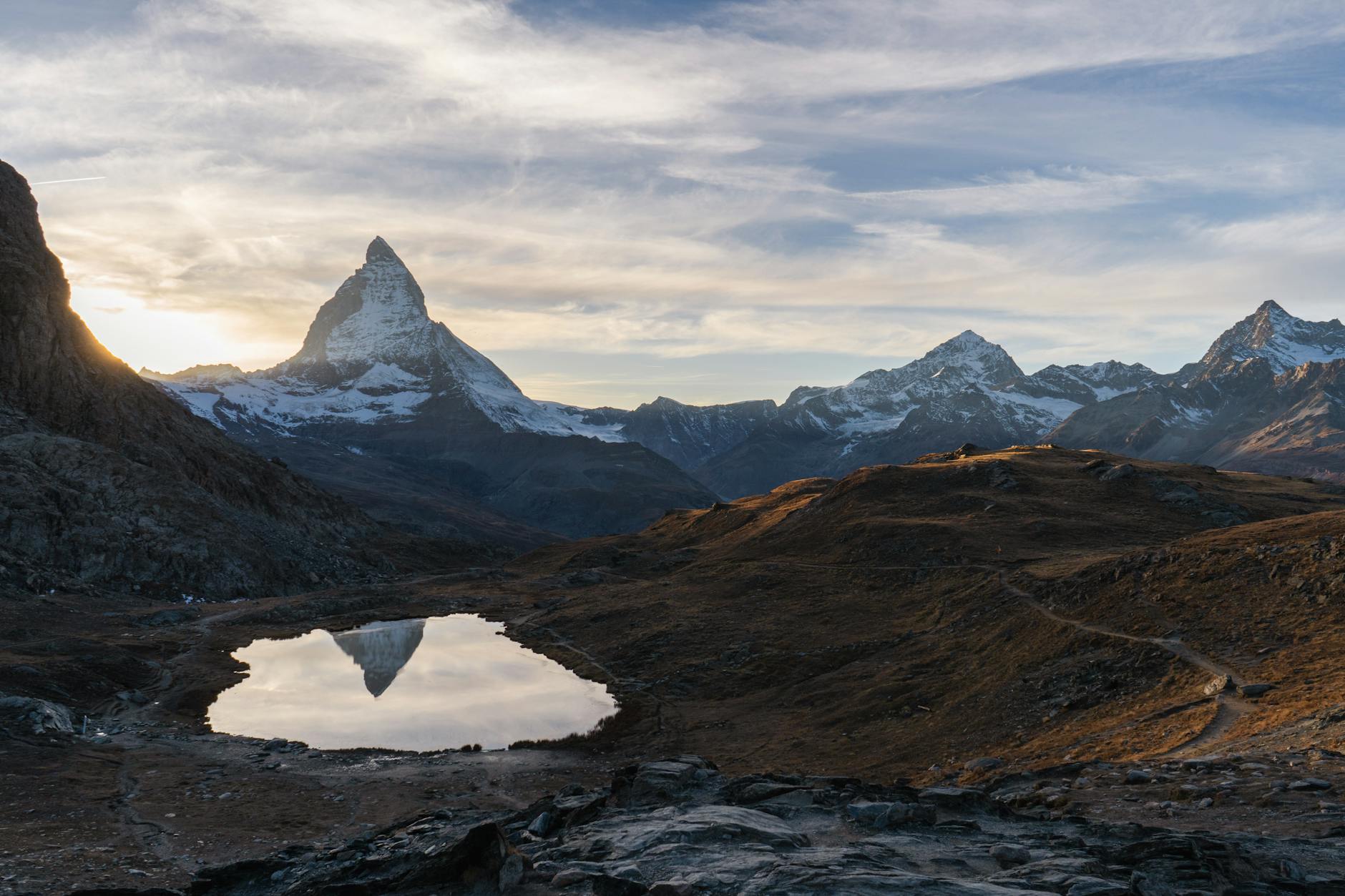
Zermatt can support investor and deal team travel when the destination creates focused senior time, a discreet retreat setting, hospitality diligence, asset review, or relationship-building around a transaction. It can also make a short deal trip harder if access, confidentiality, weather, and meeting logistics are not planned closely. The work should remain the organizing principle.
Clarify the deal purpose before booking
An investor or deal team member should know exactly why Zermatt is the right place for the work. The village can suit founder meetings, board-level retreats, hospitality asset review, discreet negotiation time, or relationship work around a complex transaction. It is less suitable when the work needs frequent urban movement or large support teams.
The destination should serve the deal thesis.
- Define whether the trip is for diligence, negotiation, relationship-building, asset review, partner meetings, or decision alignment.
- Check whether Zermatt's focused setting is worth the extra access time and cost.
- Separate essential deal work from optional hospitality or scenic programming.
Build arrival around fixed conversations
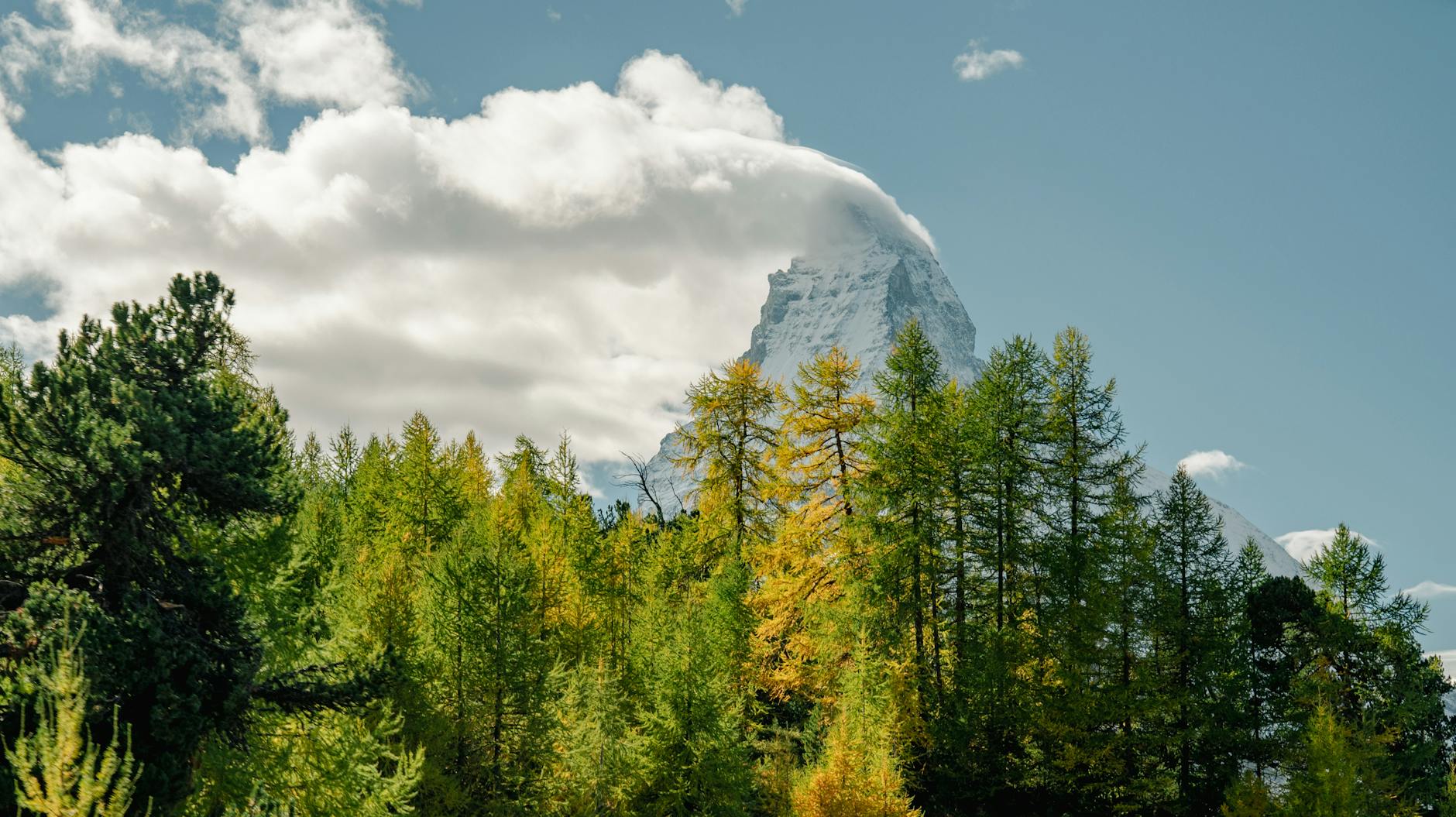
Deal conversations often depend on a small number of high-value windows. Zermatt's rail approach, car-free station arrival, luggage handling, and hotel pickup should be planned backward from those windows. A late or rushed arrival can reduce the value of a meeting that was difficult to secure.
The calendar should protect the decision points.
- Map the route from airport or previous city through Visp or Tasch, Zermatt station, and hotel pickup.
- Arrive the prior day when meetings involve principals, boards, sellers, lenders, or limited availability.
- Keep rail tickets, hotel contacts, meeting details, diligence files, and fallback routes available offline.
Choose private, reliable work settings
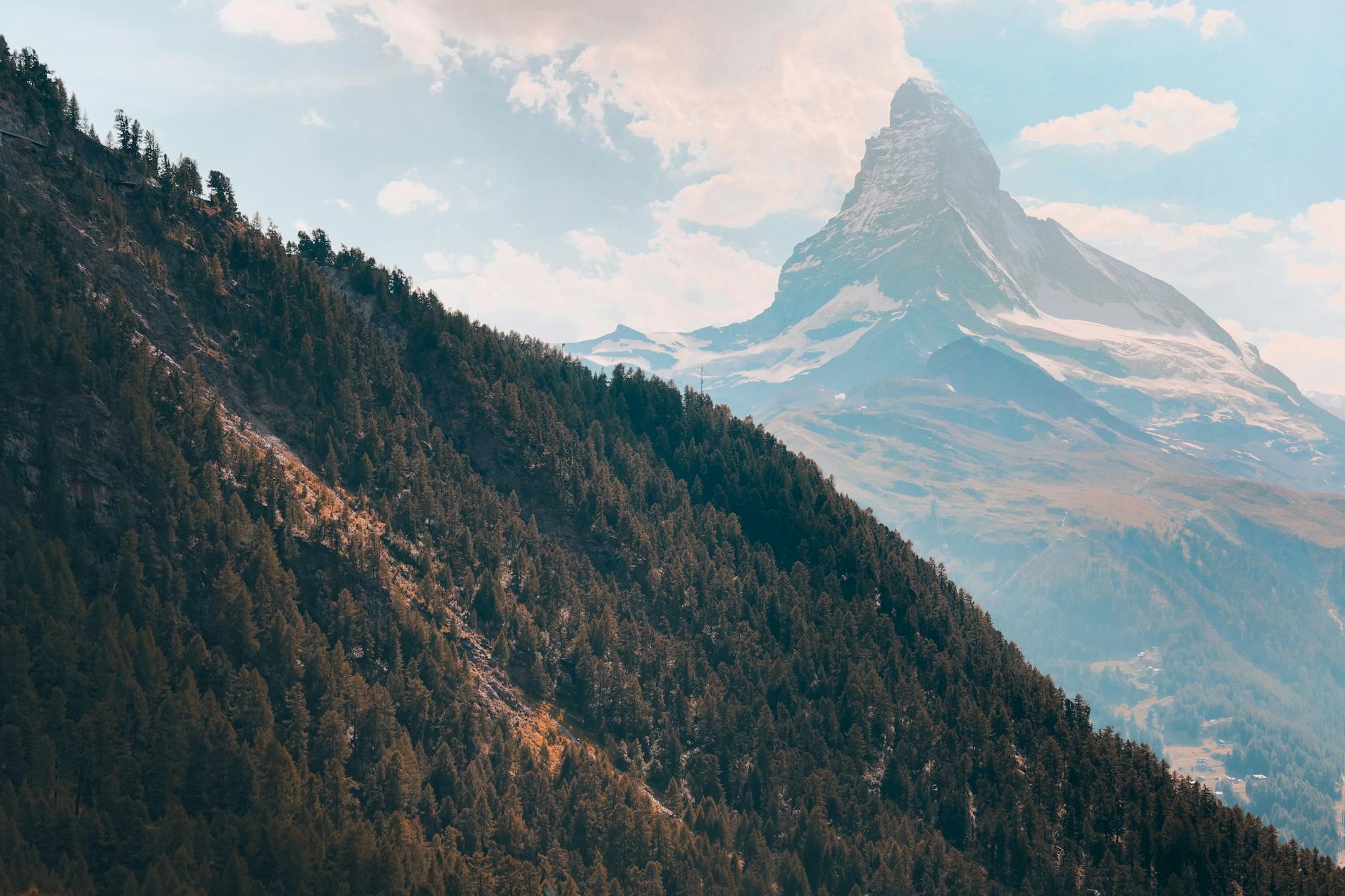
Investor work may need quiet calls, document review, secure Wi-Fi, private meeting rooms, whiteboard time, and enough space for multiple participants. A lounge with a view may not be adequate for sensitive decisions. Lodging and meeting venues should be chosen as working infrastructure, not just hospitality backdrops.
The room needs to support judgment.
- Check private rooms, Wi-Fi quality, desk space, call privacy, printing, power outlets, and meal timing.
- Confirm where confidential calls and document review can happen away from public areas.
- Choose a base close enough to meeting sites that weather and slope do not disrupt the agenda.
Protect confidentiality in a small village
Zermatt can feel discreet, but trains, hotel lounges, restaurants, lifts, terraces, and hosted events can place related parties close together. Deal teams should assume that names, documents, calls, and casual remarks may travel farther than intended. Privacy needs active management.
Discretion is a logistics choice.
- Avoid sensitive calls in trains, lounges, lifts, terraces, restaurants, or shuttle areas.
- Use neutral file names, screen privacy, secure devices, and private rooms for deal materials.
- Be careful with company names, valuation language, staffing issues, and negotiation details in shared spaces.
Use scenery without weakening diligence
Scenic dinners, rail excursions, slopes, and mountain viewpoints can help relationship-building, but they can also consume the time needed for diligence, internal alignment, and decision writing. The deal team should identify which informal moments help the transaction and which ones create noise. Mountain programming should not replace hard questions.
The setting can support diligence only if time is protected.
- Keep document review, internal debriefs, and decision meetings on the calendar before adding scenic activities.
- Use informal meals or outings for relationship context without avoiding difficult diligence topics.
- Keep weather-dependent plans optional unless they are central to asset or hospitality review.
Plan costs, optics, and exits
Zermatt can be expensive and highly visible in how money is spent. Investors and deal teams should understand who pays for lodging, meals, hosted activities, meeting rooms, rail upgrades, and changes. They should also know how quickly participants can leave if negotiations change, weather shifts, or the deal timetable moves.
Cost and exit planning are part of risk control.
- Clarify expense policy, cost allocation, hosted meals, gift limits, and approval thresholds before booking.
- Build departure options around rail schedules, airport connections, and weather-sensitive mountain plans.
- Avoid nonessential luxury signals when counterparties, LPs, lenders, or internal policy could question them.
When to order a short-term travel report
An investor or deal team member joining a fully managed retreat may not need a custom report. A report becomes useful when the team controls rail timing, lodging, private rooms, meeting geography, confidentiality, hospitality, weather-sensitive site work, costs, or a tight onward schedule.
The report should test deal purpose, access, private work settings, confidentiality risk, meeting routes, diligence blocks, hospitality boundaries, expense optics, weather alternatives, and departure buffers. The value is keeping the transaction work sharper than the destination.
- Order when arrival, lodging, private meetings, confidentiality, diligence time, costs, weather, or onward travel need exact planning.
- Provide deal purpose, agenda, participant roles, hotel candidates, meeting locations, privacy needs, rail route, and timing constraints.
- Use the report to preserve decision quality, discretion, and schedule control.