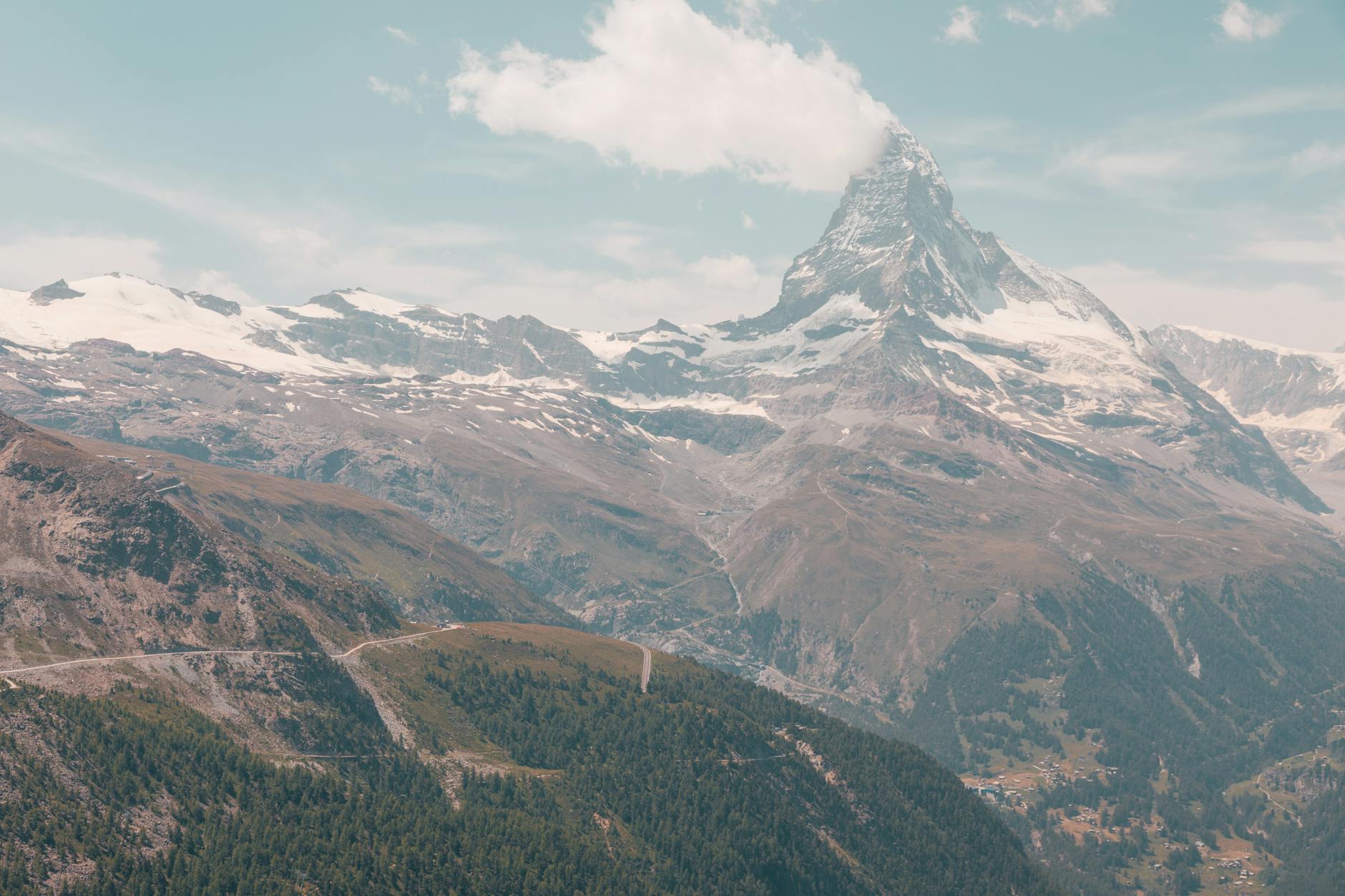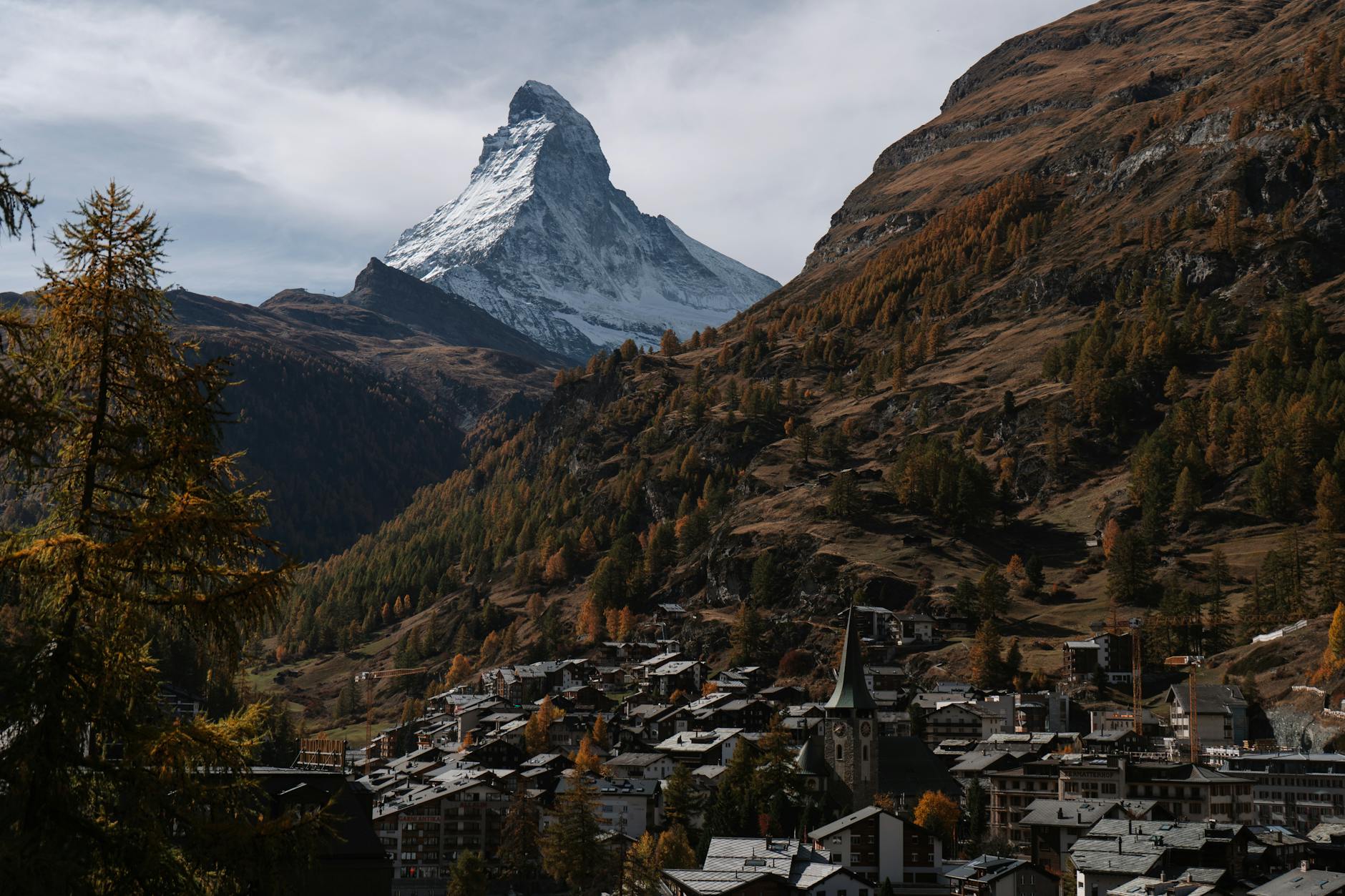
Zermatt is famous enough that a first-time visitor may arrive with one image in mind: the Matterhorn above a Swiss village. That image is real, but the trip works better when the visitor also understands the car-free arrival, the rail sequence, the village's slopes, the weather dependency, the hotel decision, and the need to choose only a few mountain experiences during a short stay.
Do not make the Matterhorn the whole plan
The Matterhorn is the reason many first-time visitors choose Zermatt, but the mountain is not available on command. Cloud, snow, glare, timing, and season can change what is visible. A first visit should be built around a good village base, flexible viewpoints, and enough atmosphere to satisfy the trip even if the famous view comes and goes.
The icon should be the headline, not the entire itinerary.
- Build the trip around village experience, hotel comfort, and mountain options rather than one photo moment.
- Check webcams and weather before paying for major lift or viewpoint plans.
- Keep a low-visibility plan with old village walks, restaurants, spa time, museums, or easier rail scenery.
Understand the car-free arrival
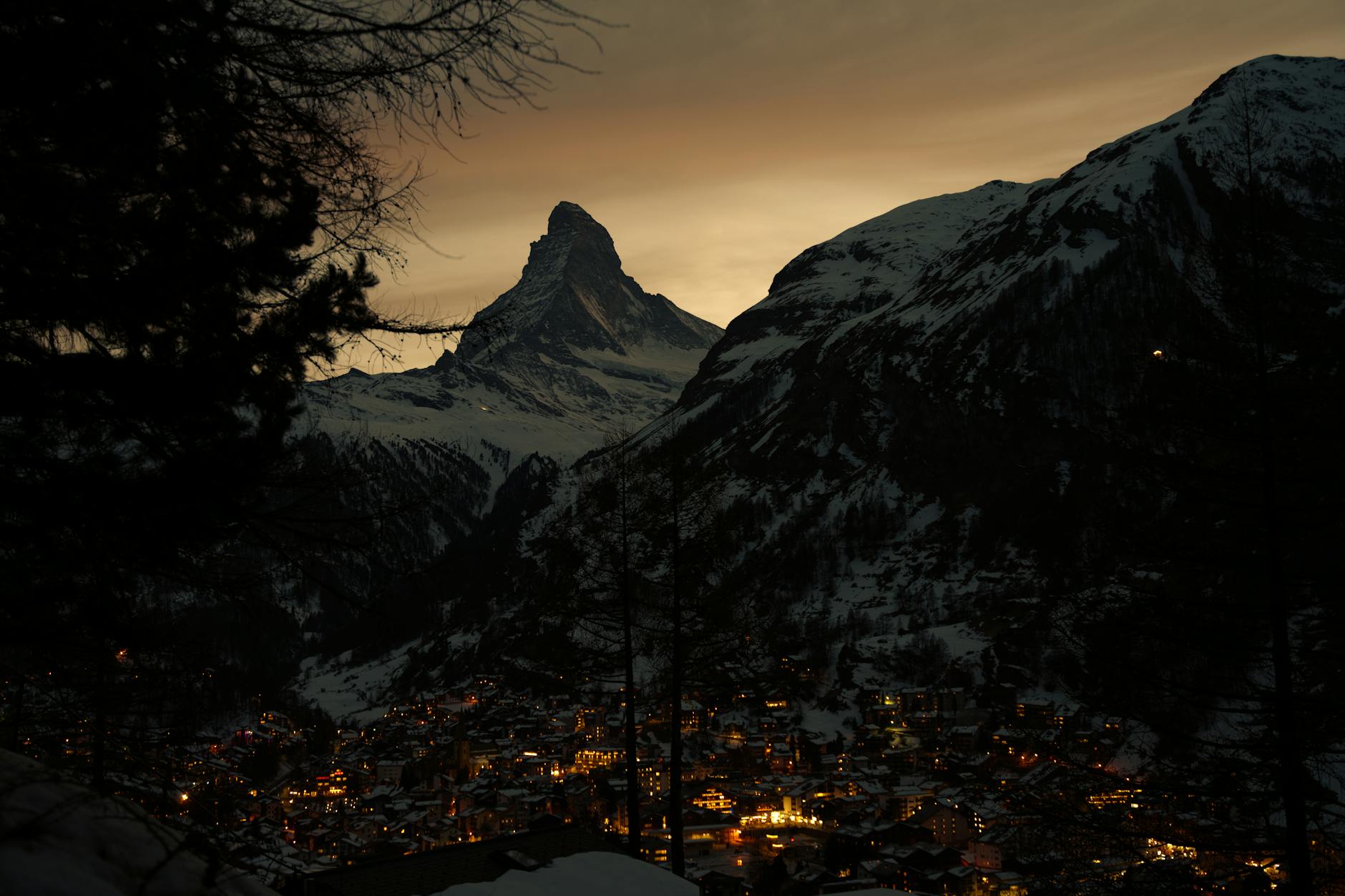
First-time visitors often underestimate the arrival sequence. Zermatt is car-free, so most visitors arrive by rail through Visp or by parking at Tasch and taking the shuttle train. The village station is convenient, but luggage, hotel pickup, snow, and walking distance still need planning.
The trip begins before the mountain appears.
- Confirm the route from airport or previous city to Visp, Tasch, and Zermatt before booking timed activities.
- Ask the hotel about station pickup, luggage handling, and the best arrival instructions.
- Do not schedule a major lift, dinner, or tour too close to arrival unless the rail margin is generous.
Choose the hotel for location and rhythm
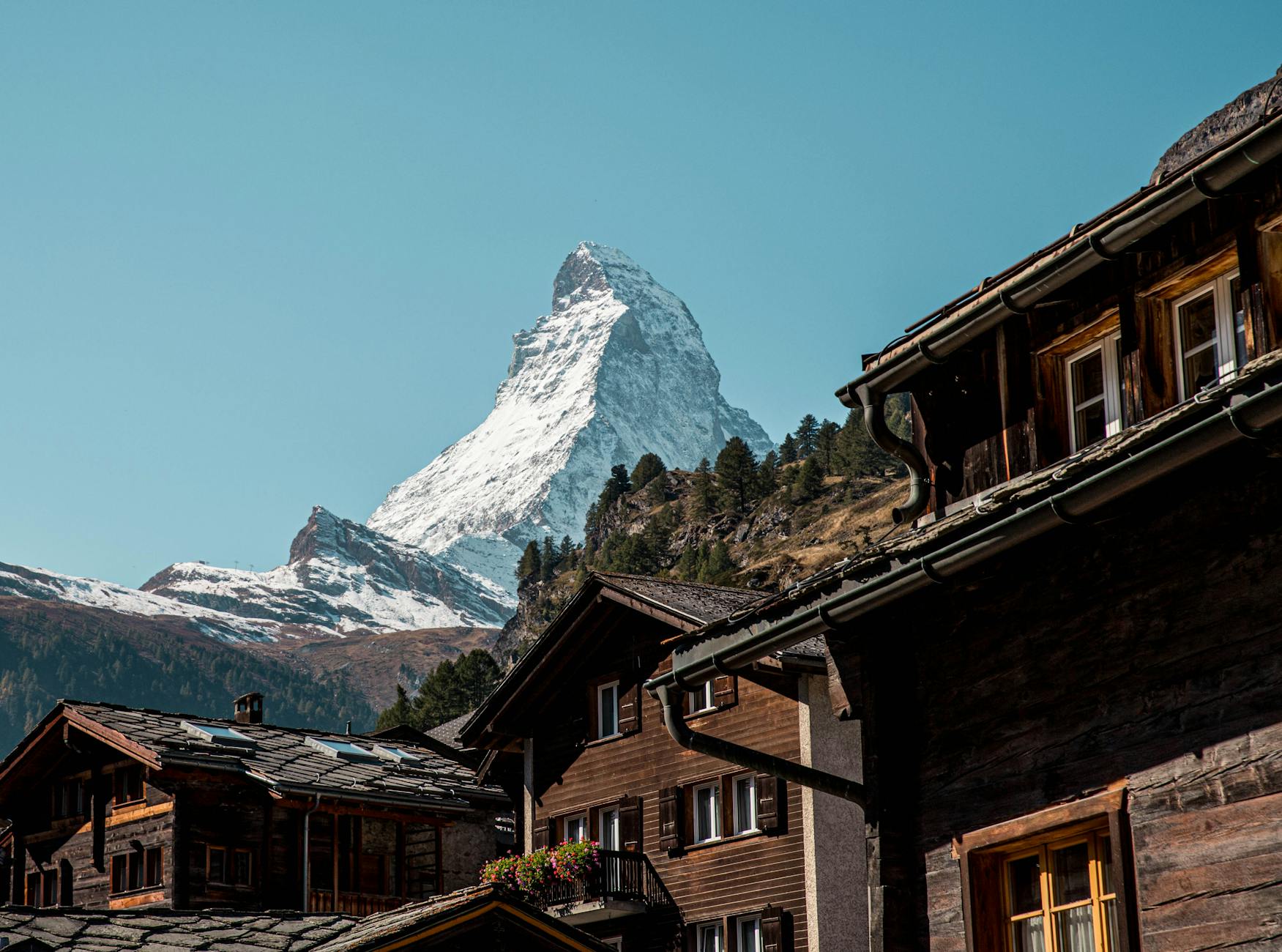
A first Zermatt hotel should be chosen for more than a view. Village position, walking grade, shuttle access, breakfast timing, spa or rest space, room size, lift access, and route to restaurants can matter every day. A beautiful room far from the practical route may feel less charming with luggage or bad weather.
The hotel is part of the destination structure.
- Compare station distance, slope, pickup service, restaurant access, room comfort, spa facilities, and view quality together.
- Avoid overcommitting to remote or steep locations if the stay is short or luggage is heavy.
- Use the hotel as a recovery base when weather changes or mountain plans become tiring.
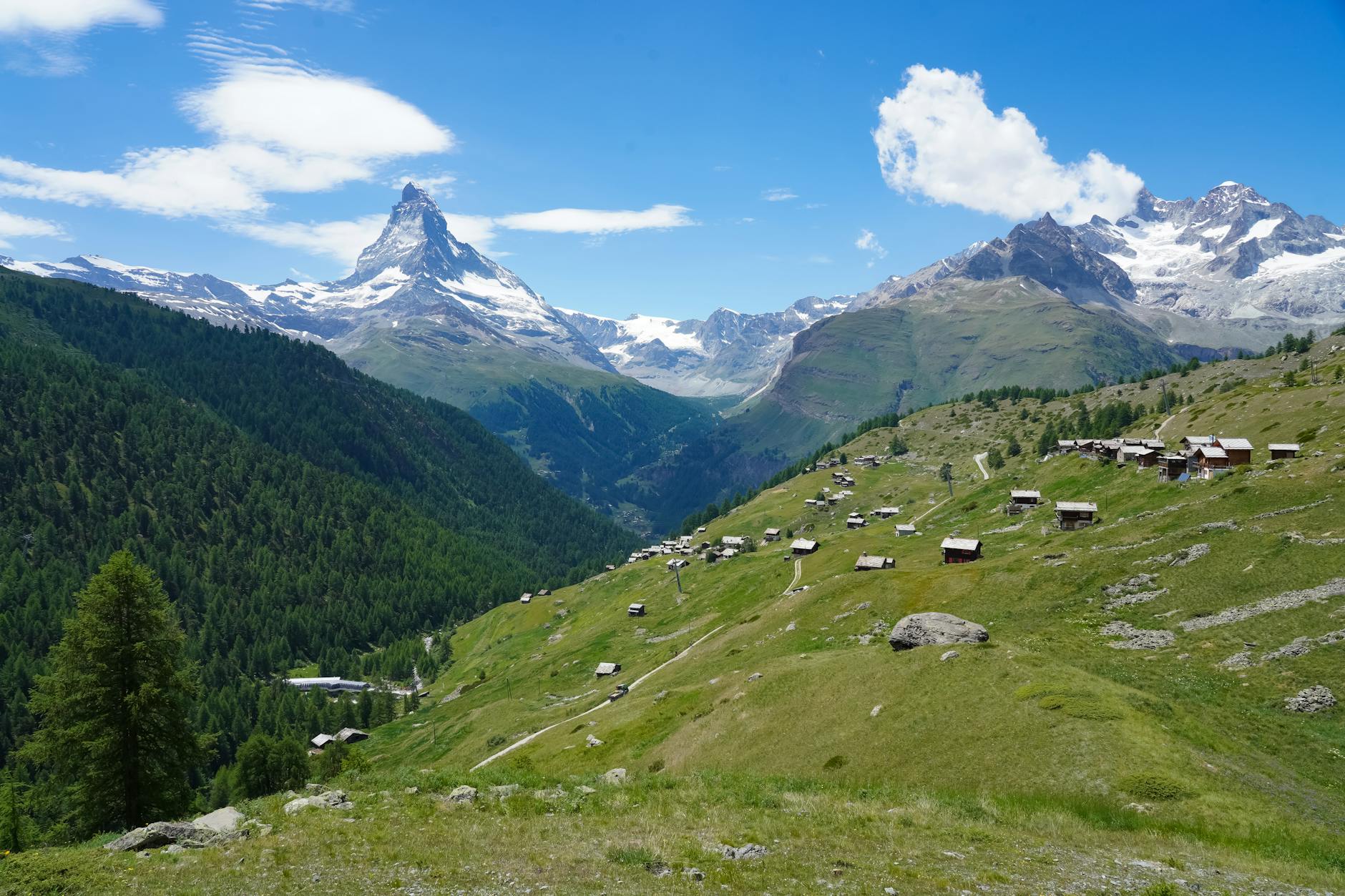
Pick one or two mountain priorities
Zermatt offers more than a first-time visitor can use well in a short stay: Gornergrat, Klein Matterhorn, Sunnegga, lakes, ski areas, hiking routes, viewpoints, and scenic trains. Trying to do everything can turn the trip into transit. The stronger plan chooses the mountain experiences that fit the season, weather, budget, and energy level.
A short stay needs selection, not accumulation.
- Choose the main viewpoint or mountain route before arrival, then keep a second option for weather or energy.
- Check operating schedules, ticket rules, altitude, walking requirements, and return times before buying.
- Leave unscheduled village time so the trip does not become only lifts and transfers.
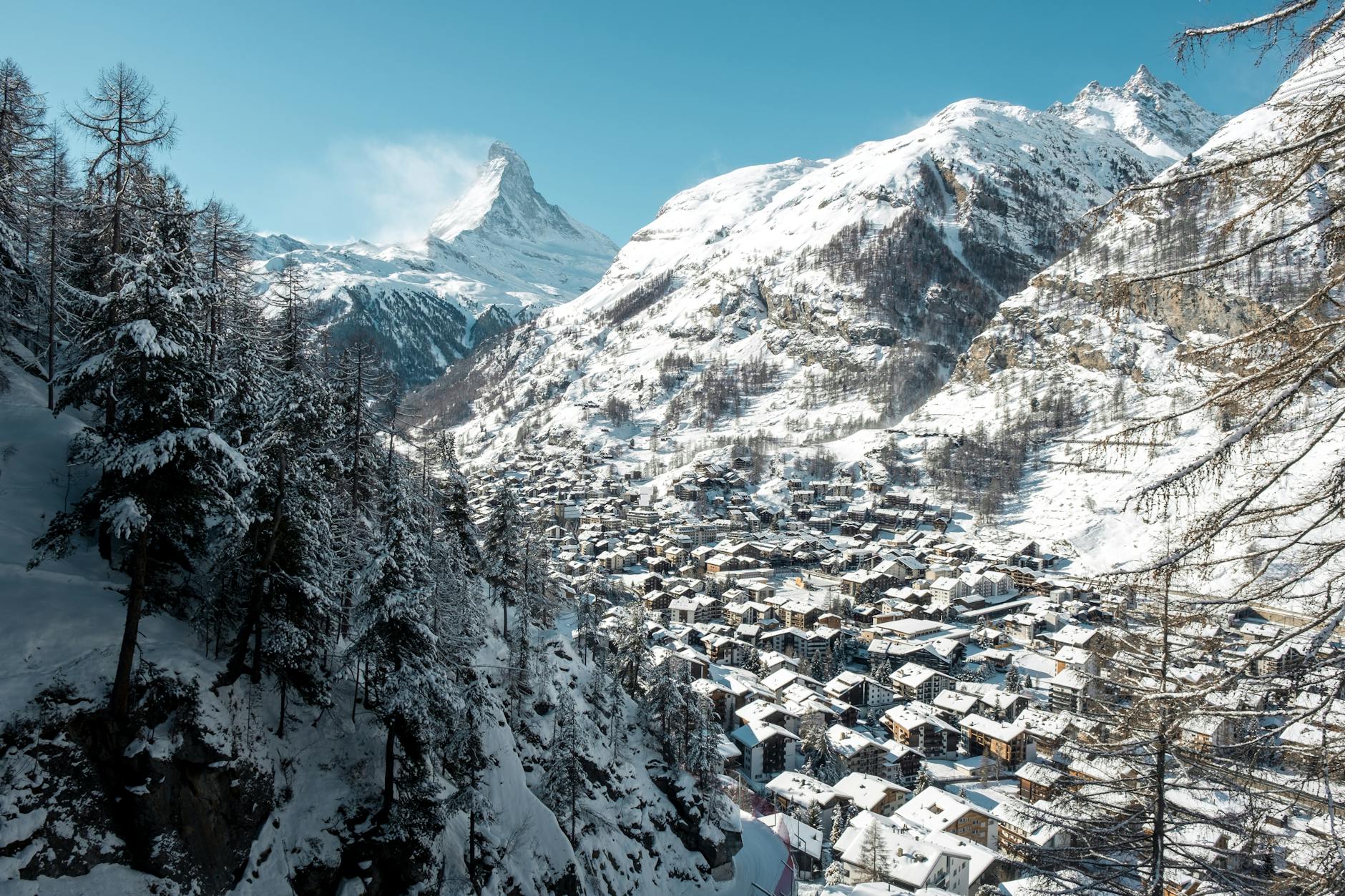
Let weather decide the order
A first-time visitor should not lock the best mountain plan onto the wrong weather window. Clear morning visibility may be worth moving quickly; low cloud may make a village, spa, museum, or meal plan smarter. In Zermatt, flexibility is not indecision. It is how the destination works.
The daily order should follow conditions.
- Check forecasts, webcams, lift status, and visibility before committing to paid high-altitude plans.
- Move mountain plans forward when the best visibility appears early in the stay.
- Keep indoor and low-altitude options ready for cloud, snow, wind, rain, or fatigue.
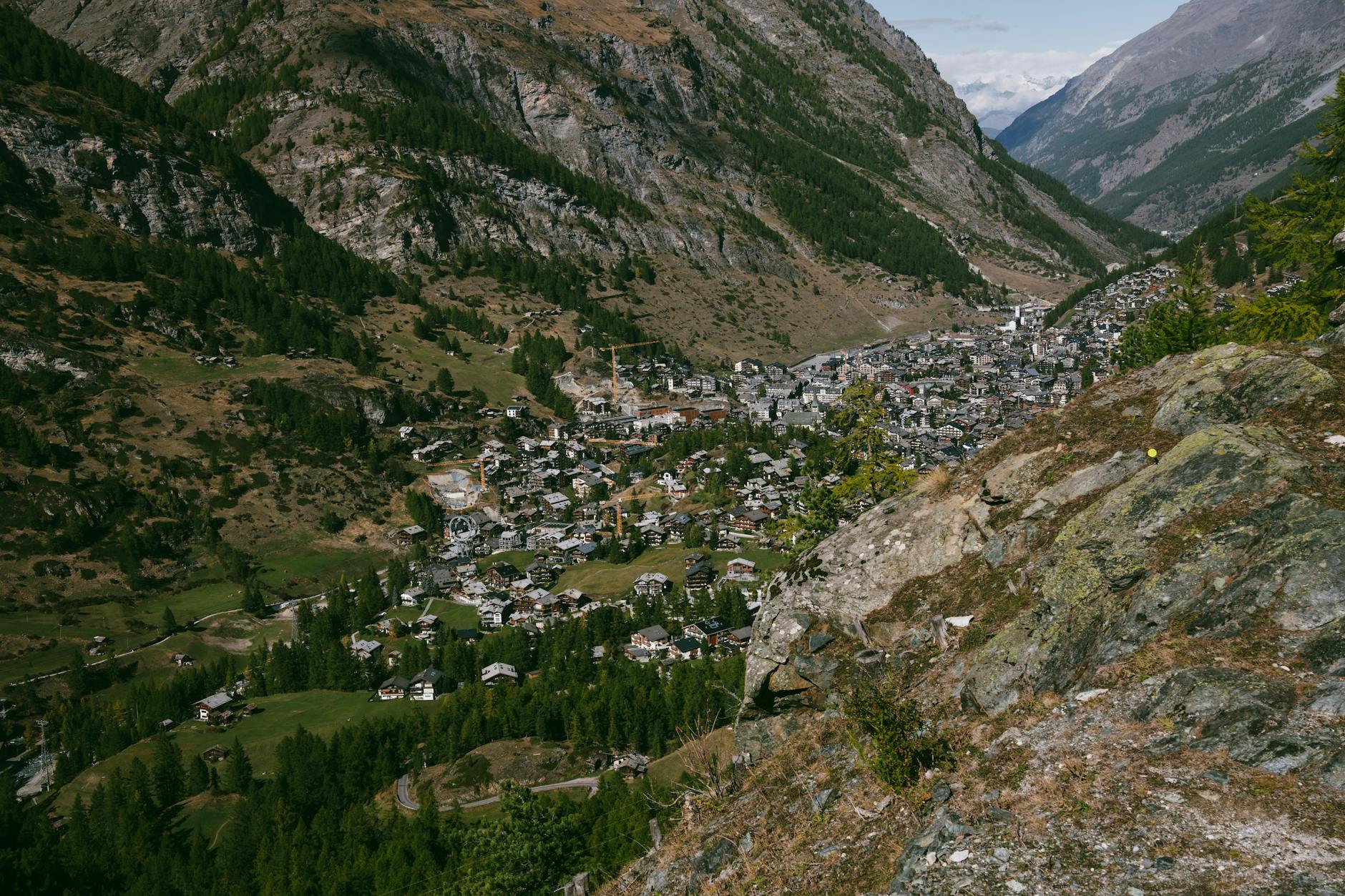
Budget for Swiss alpine costs
Zermatt can be expensive through hotels, rail, lift tickets, mountain restaurants, ski or hiking gear, luggage help, wellness, taxis, and last-minute changes. A first-time visitor should price the whole day, not only the room. The cost of a viewpoint or route may be reasonable if it is the main event, but surprising if it is treated as a casual add-on.
The budget should match the alpine setting.
- Price hotels, rail, transfers, lifts, gear, meals, spa access, luggage help, and weather changes before arrival.
- Book early during winter season, summer hiking periods, holidays, and clear high-demand weekends.
- Decide which premium experiences are worth paying for and which can be skipped without regret.
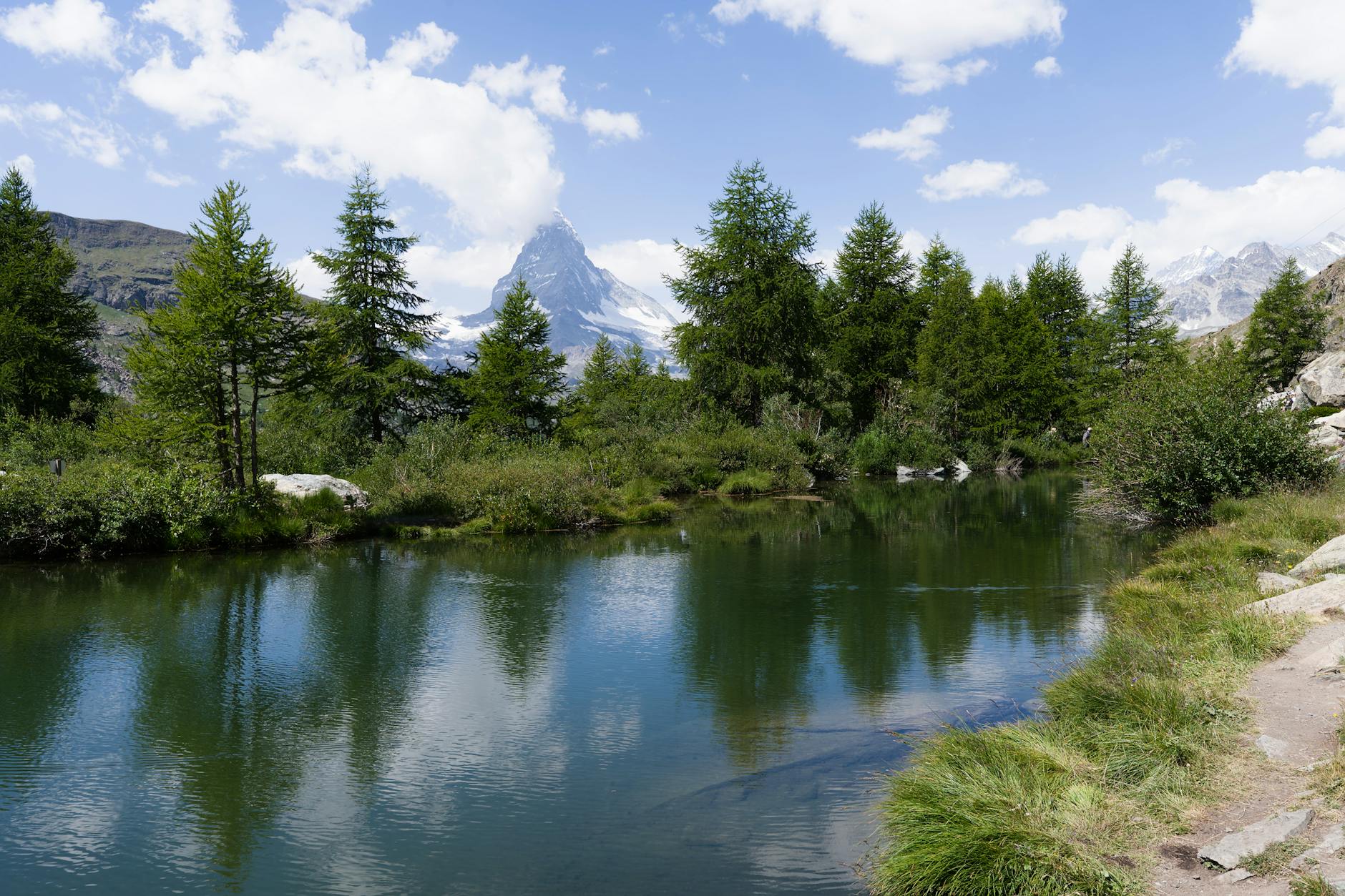
When to order a short-term travel report
A first-time visitor with a flexible stay, strong hotel support, and simple expectations may not need a custom report. A report becomes useful when the visitor has limited nights, expensive hotels, tight rail connections, uncertainty about lifts, mobility concerns, weather-sensitive goals, or a need to decide whether Zermatt is worth adding to a wider Switzerland route.
The report should test access, hotel location, luggage, walking load, mountain options, weather sequence, food timing, costs, and departure buffers. The value is a first Zermatt visit that feels deliberate rather than overbuilt around one famous image.
- Order when access, hotel choice, weather, mountain routes, budget, or onward travel need exact planning.
- Provide dates, arrival city, departure city, hotel candidates, must-see priorities, fitness level, budget, and rail preferences.
- Use the report to choose the right Zermatt scale for the time available.