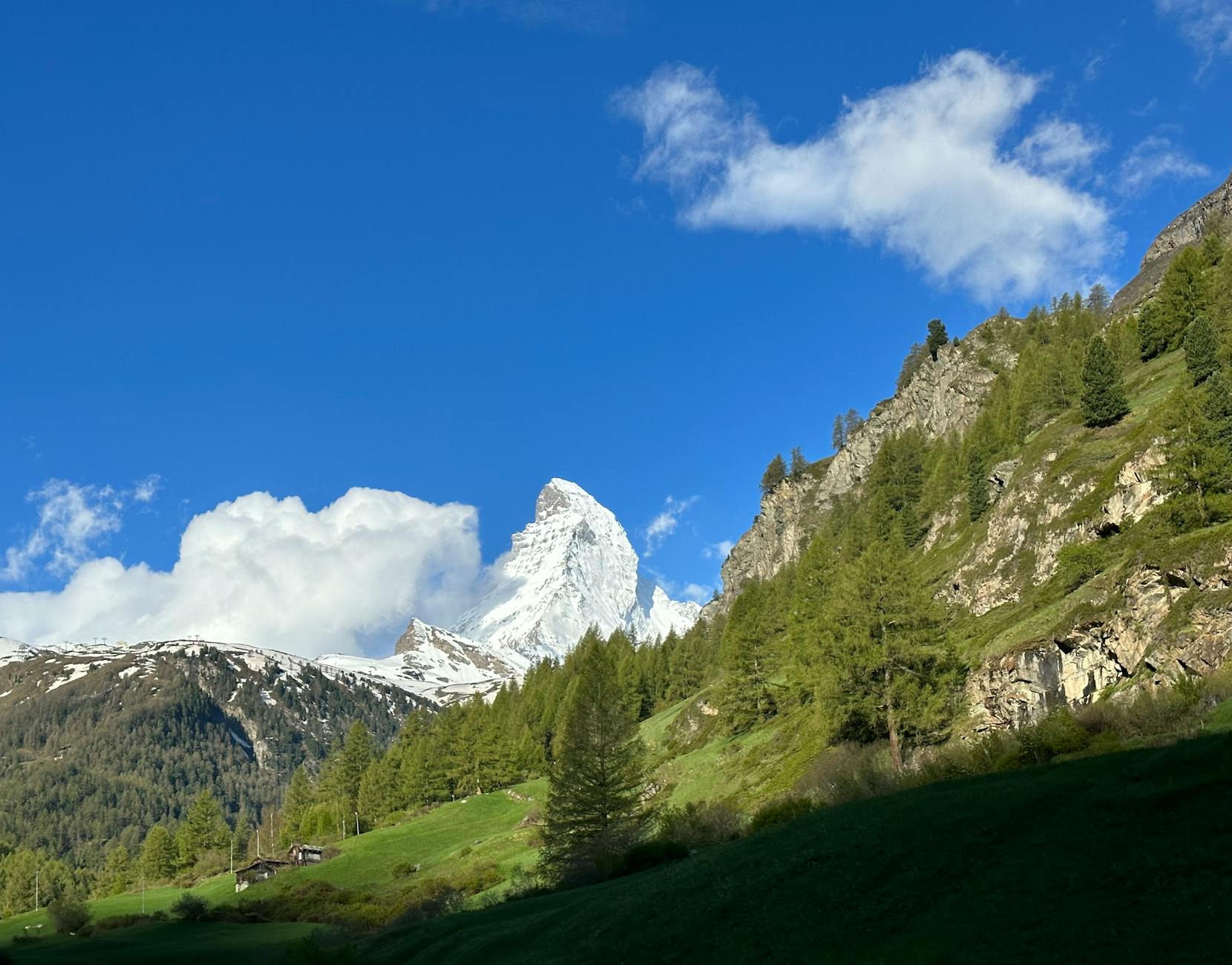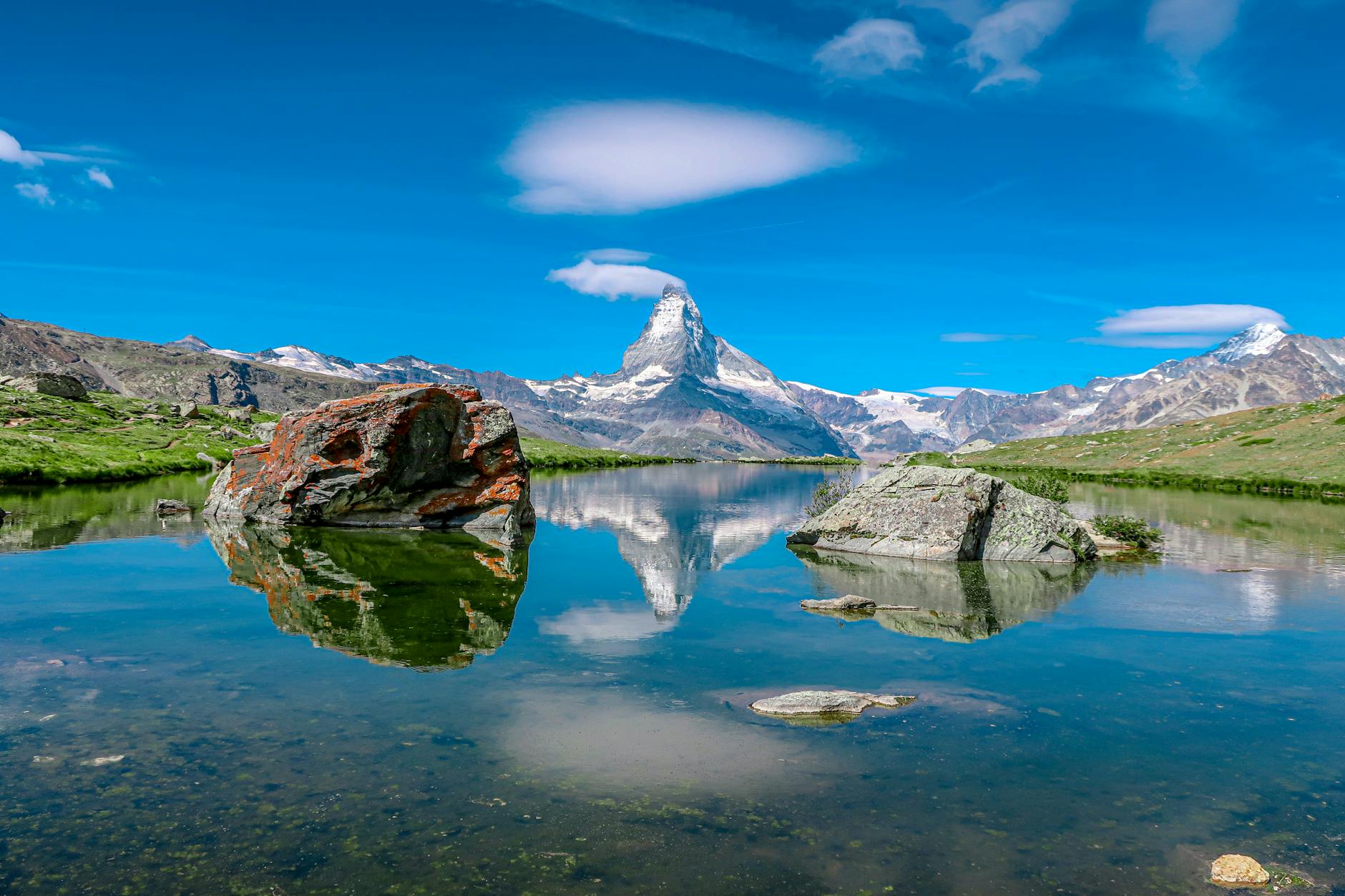
Zermatt is not a seaport or a conventional port-call destination. For cruise travelers, it usually works only as a pre-cruise, post-cruise, river-cruise, lake-cruise, or overland extension from a Swiss, French, German, or Italian gateway. That makes rail timing, luggage, weather, and the return plan more important than a normal day ashore.
Confirm this is an extension, not a port stop
A cruise or port-call traveler should begin with the basic geography: Zermatt is inland, car-free, and reached by rail. It is rarely suitable for a same-day port call from a ship unless the itinerary has a very long overland program already arranged. Most travelers should treat Zermatt as a separate extension.
The ship schedule should decide whether the idea is realistic.
- Confirm whether Zermatt is pre-cruise, post-cruise, river-cruise extension, lake-cruise extension, or independent overland side trip.
- Avoid planning Zermatt as a casual day ashore unless the cruise line or operator controls the full route.
- Compare the time in Zermatt with the total transfer time from the ship, hotel, airport, or rail gateway.
Build the route from the real gateway
The useful route depends on where the traveler leaves the ship or cruise hotel. Basel, Zurich, Geneva, Milan, Lake Geneva, Rhine itineraries, or Italian lake programs all create different rail sequences. The traveler should plan the route through Visp or Tasch and then into car-free Zermatt before booking nonrefundable pieces.
The gateway is the starting point, not the brochure map.
- Map ship disembarkation, luggage retrieval, station transfer, rail changes, Zermatt arrival, and hotel pickup.
- Check whether cruise transfers, luggage forwarding, or rail passes change the best route.
- Build enough buffer for immigration, customs, ship delays, rail disruptions, and missed connections.
Solve luggage before reaching the village
Cruise travelers often carry larger bags than a short alpine stay needs. Zermatt's rail arrival and car-free village can make heavy luggage awkward if forwarding, storage, hotel pickup, or repacking is not arranged. A small overnight bag may be better than dragging cruise baggage through every step.
Luggage planning protects the short stay.
- Check luggage forwarding, station storage, hotel pickup, porter options, and cruise-line baggage rules.
- Pack mountain layers, medication, documents, chargers, and essentials in a smaller bag for Zermatt.
- Avoid tight rail connections if heavy luggage must be moved across platforms.
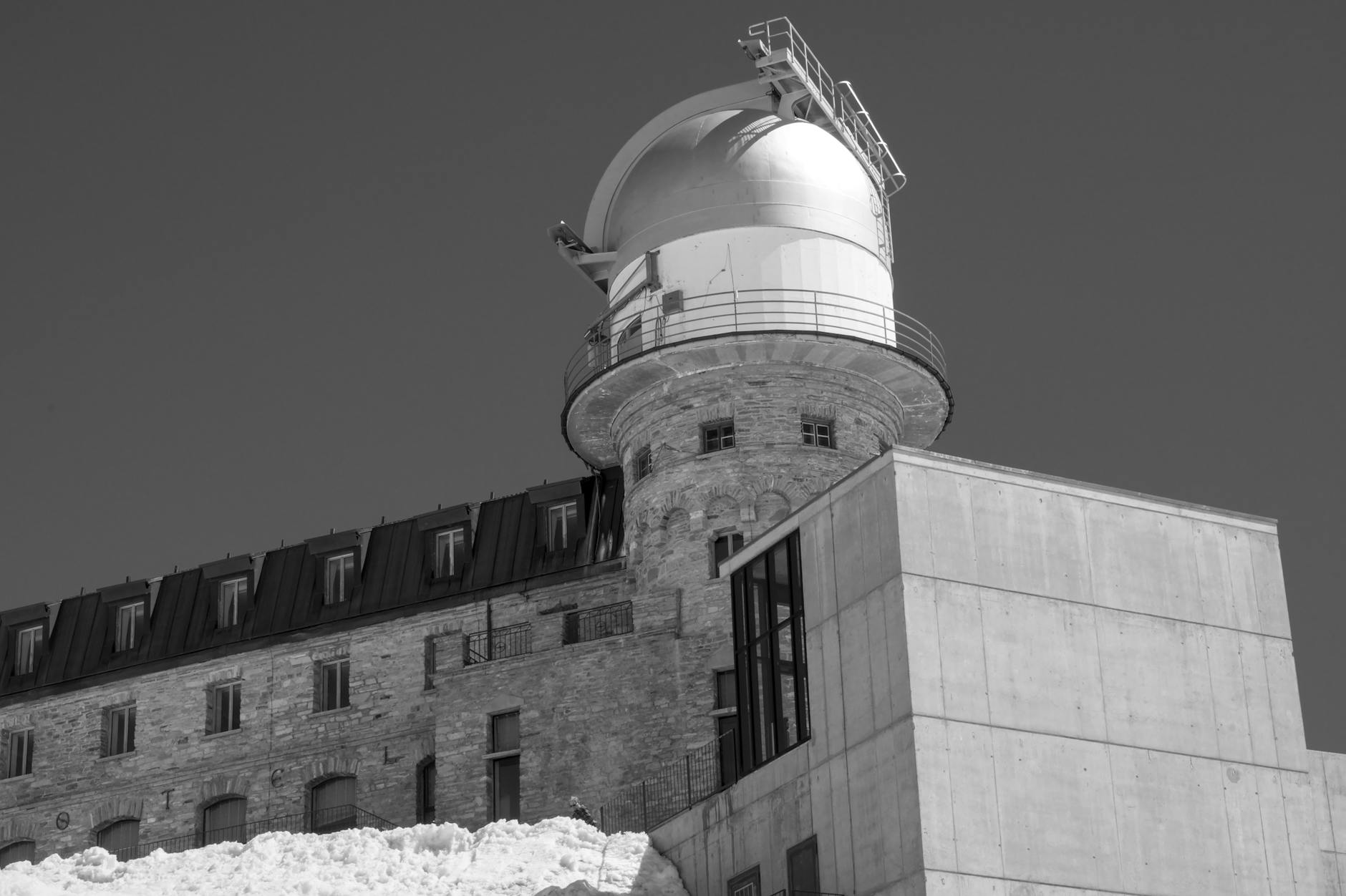
Choose one main mountain objective
A cruise extension can be short, expensive, and weather-sensitive. The traveler should choose one main Zermatt objective instead of trying to collect every viewpoint, restaurant, lift, and walk. Gornergrat, Sunnegga, Klein Matterhorn, a village stay, or a gentle scenic plan each needs different timing.
One successful mountain experience is enough.
- Choose the main goal based on season, weather, mobility, budget, rail timing, and onward commitments.
- Check visibility before buying high-viewpoint tickets.
- Keep lower village walks, restaurants, museums, or rest time ready if clouds hide the mountains.
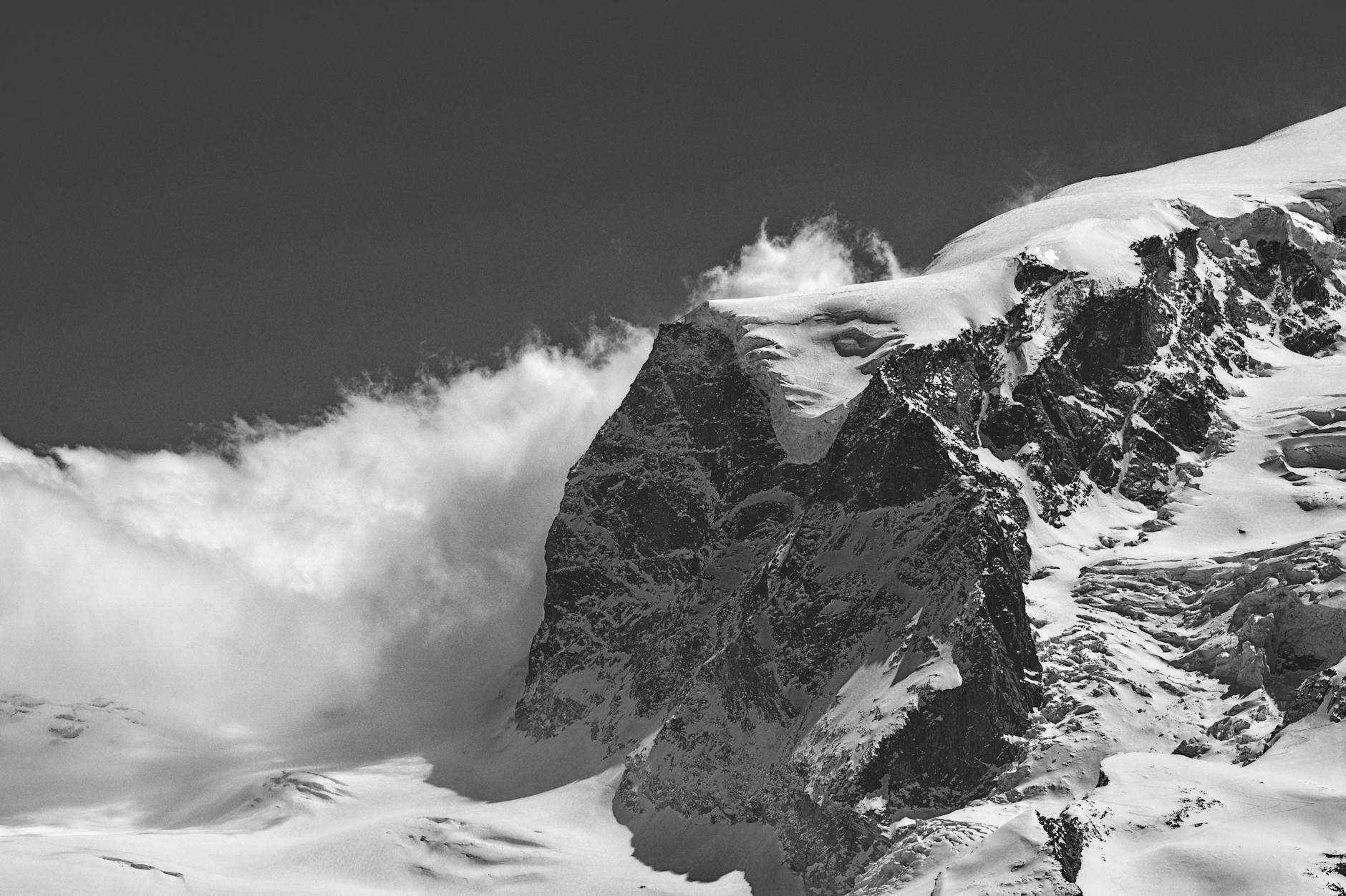
Respect weather and ship-side deadlines
Cruise travelers often have fixed embarkation, disembarkation, airport, or onward-tour deadlines. Zermatt weather can affect lifts, visibility, walking surfaces, and the value of expensive mountain tickets. The plan should protect the deadline first and the scenic preference second.
A missed ship or flight is not worth a viewpoint.
- Check forecasts, webcams, lift status, and rail alerts before committing to a mountain day.
- Avoid same-day return plans when the ship, airport, or guided tour has no flexibility.
- Keep an earlier return option available if weather, fatigue, or rail timing changes.
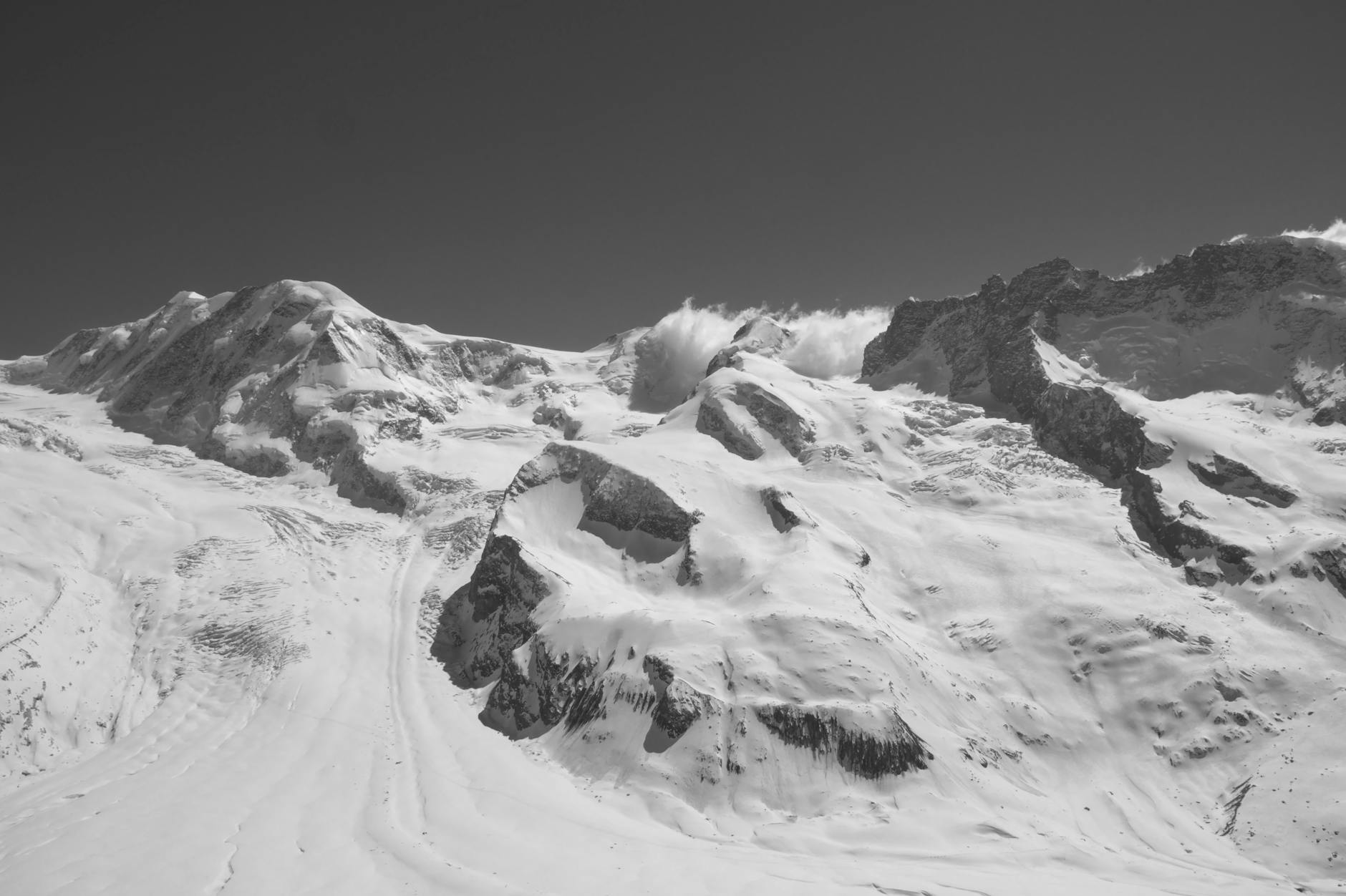
Price the extension honestly
A Zermatt cruise extension can involve premium rail fares, hotel rates, luggage handling, meals, lift tickets, taxis, and schedule buffers. It may be worth it, but the traveler should compare the full cost with easier Swiss or Italian stops. The best choice is the one that fits the time and budget, not the most famous name.
Cost should include friction.
- Add rail, hotels, luggage services, meals, lift tickets, transfers, insurance, and changeable tickets to the budget.
- Compare Zermatt with closer mountain, lake, or city options if time is limited.
- Use refundable or flexible bookings when weather and ship timing create uncertainty.
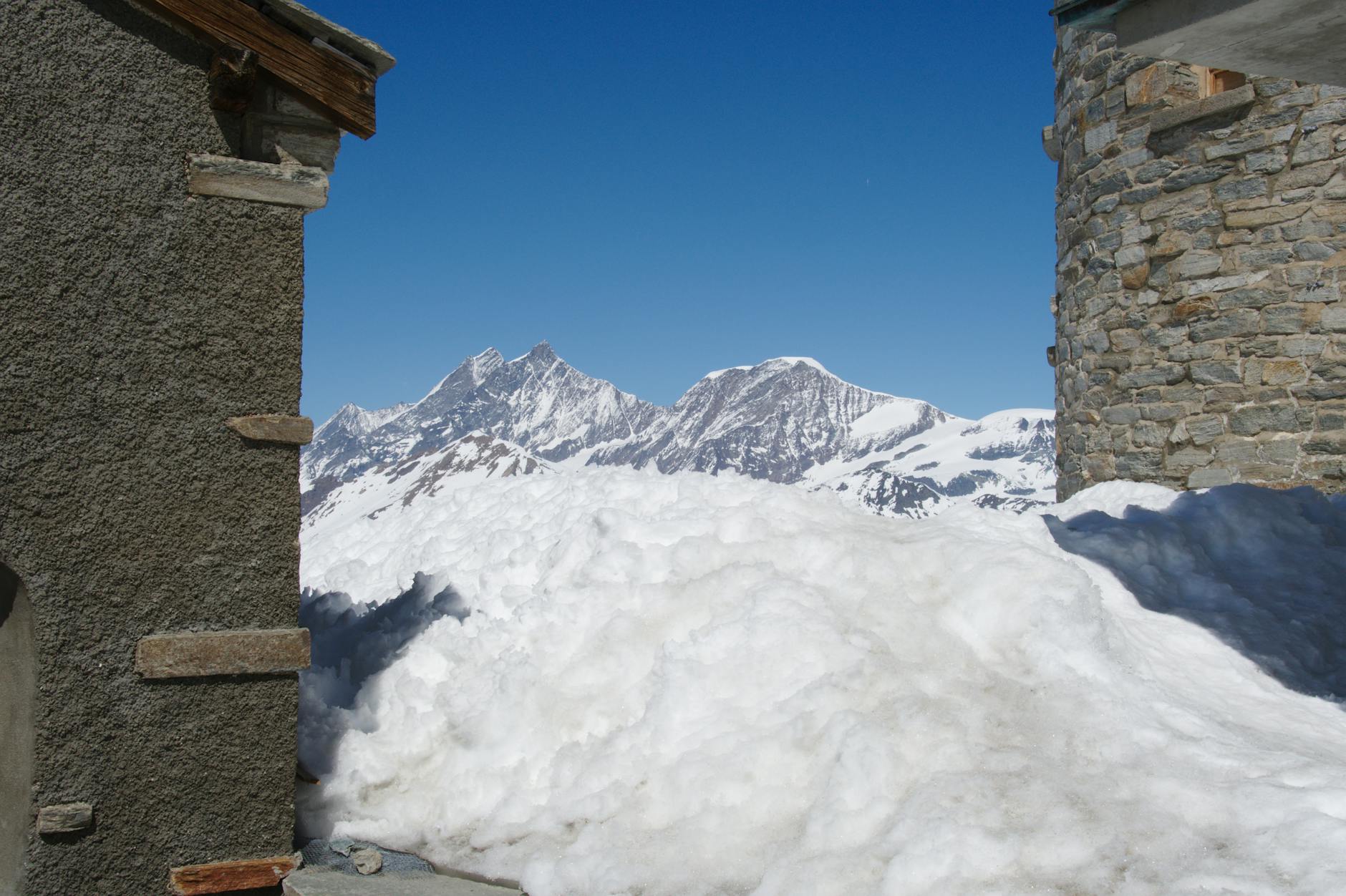
When to order a short-term travel report
A cruise traveler on a fully managed Zermatt extension may not need a custom report. A report becomes useful when the traveler must independently connect ship, rail, luggage, lodging, mountain tickets, weather alternatives, and onward travel.
The report should test whether Zermatt is realistic from the exact cruise gateway, then map rail timing, car-free arrival, luggage, hotel location, one main activity, weather alternatives, costs, and return buffers. The value is knowing whether the extension is worth the transfer before the trip locks in.
- Order when ship timing, rail route, luggage, lodging, weather, costs, mountain choices, or onward travel need exact planning.
- Provide cruise line, port or disembarkation city, dates, luggage details, hotel options, mobility needs, budget, and onward deadline.
- Use the report to decide whether Zermatt is a strong extension or an expensive detour.