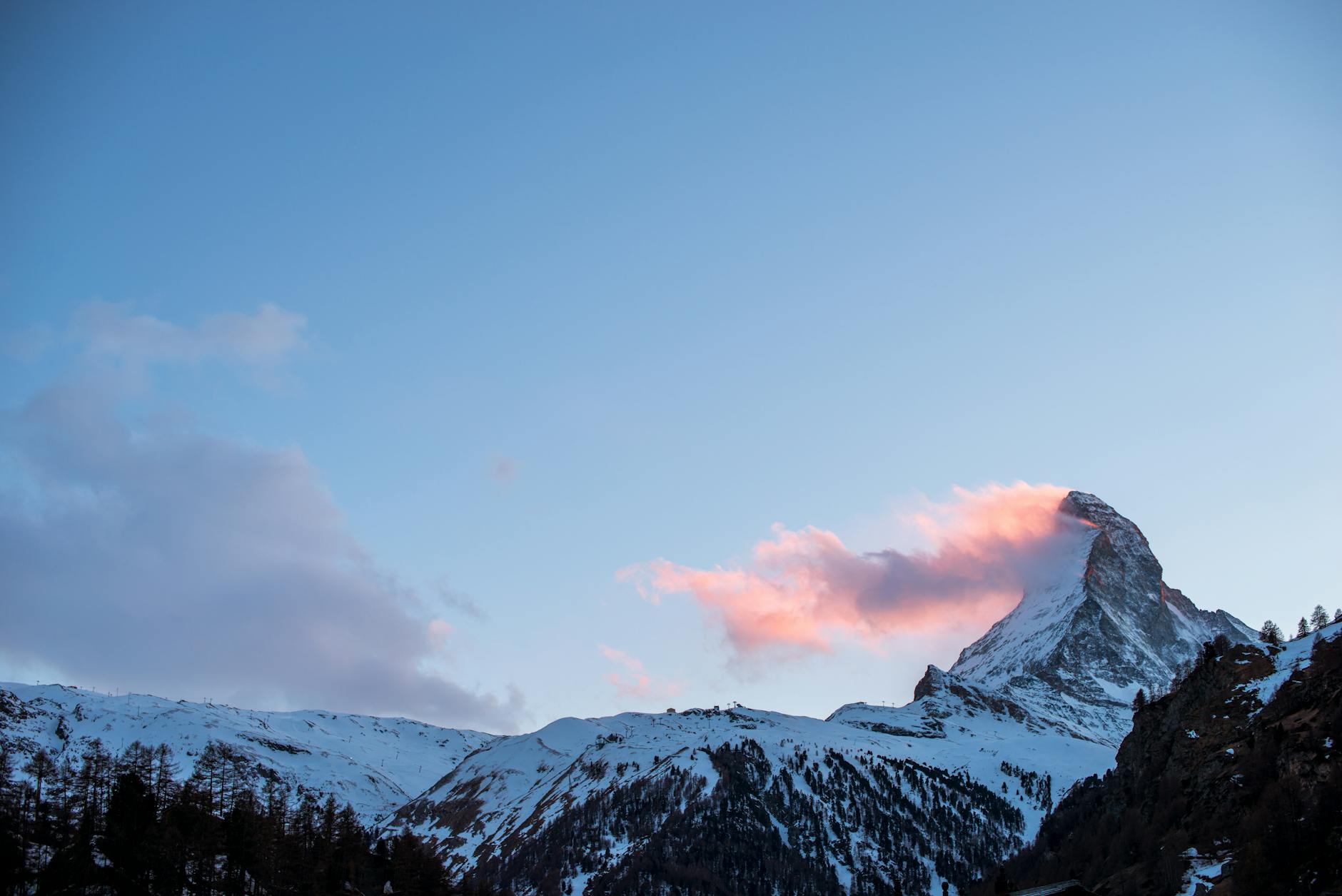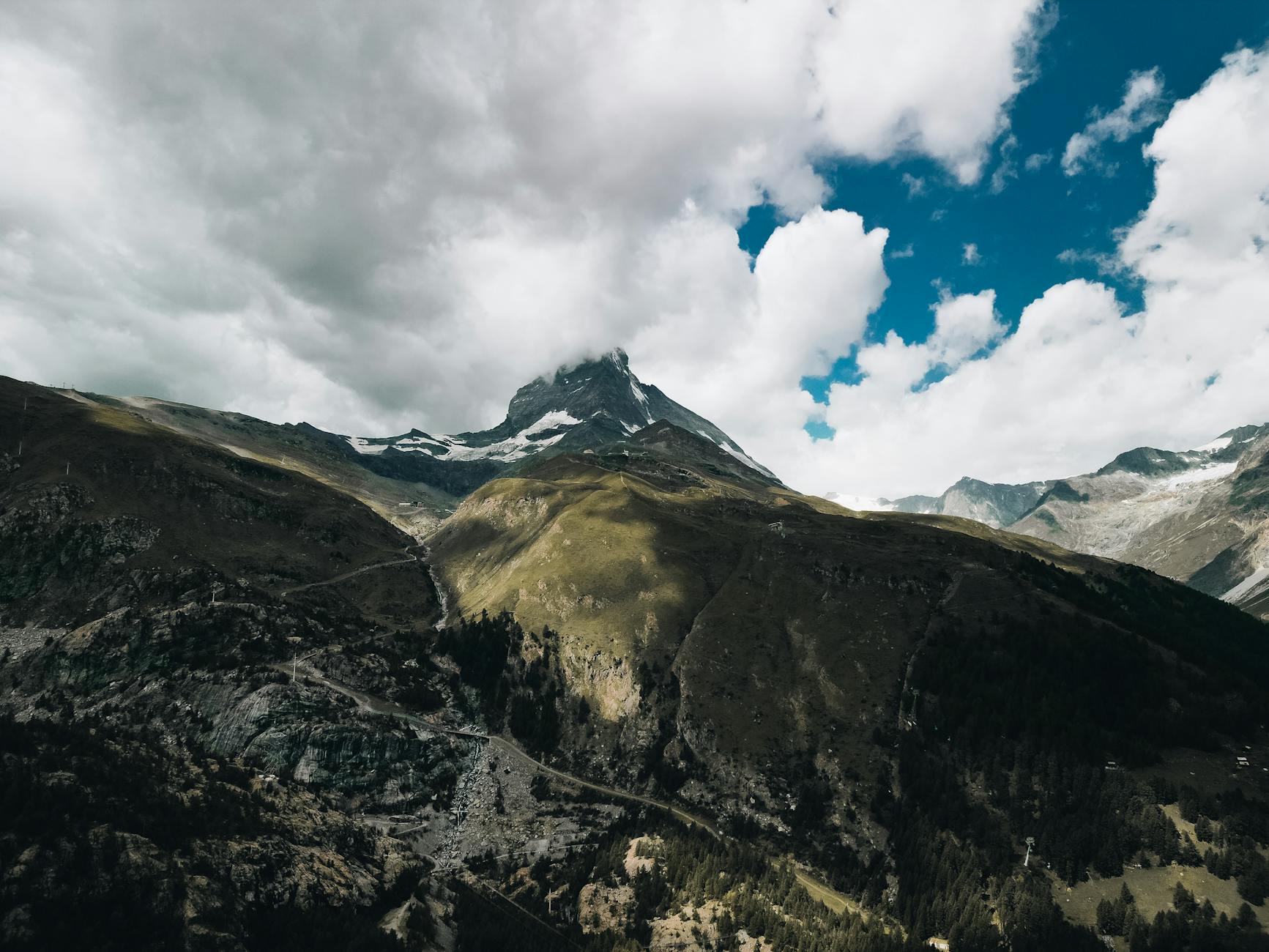
Zermatt is visually powerful, but a content creator still needs a practical plan. The Matterhorn, village streets, railways, trails, restaurants, hotels, and viewpoints can support strong work only if access, weather, permissions, gear, data, pacing, and safety are handled before the trip becomes a chase for every angle.
Define the creative purpose before arrival
Zermatt can support polished travel, outdoor, luxury, rail, food, winter, wellness, or educational content, but the creator should know which story matters most. A vague plan can turn a short trip into scattered footage and missed weather windows. The strongest itinerary starts with the audience and deliverables.
The content plan should lead the travel plan.
- Define platforms, deliverables, required formats, sponsor needs, key locations, and publishing deadlines.
- Separate must-capture scenes from optional ideas that depend on weather or extra budget.
- Build a shot list around the story rather than copying every common viewpoint.
Build the shot list around access and weather
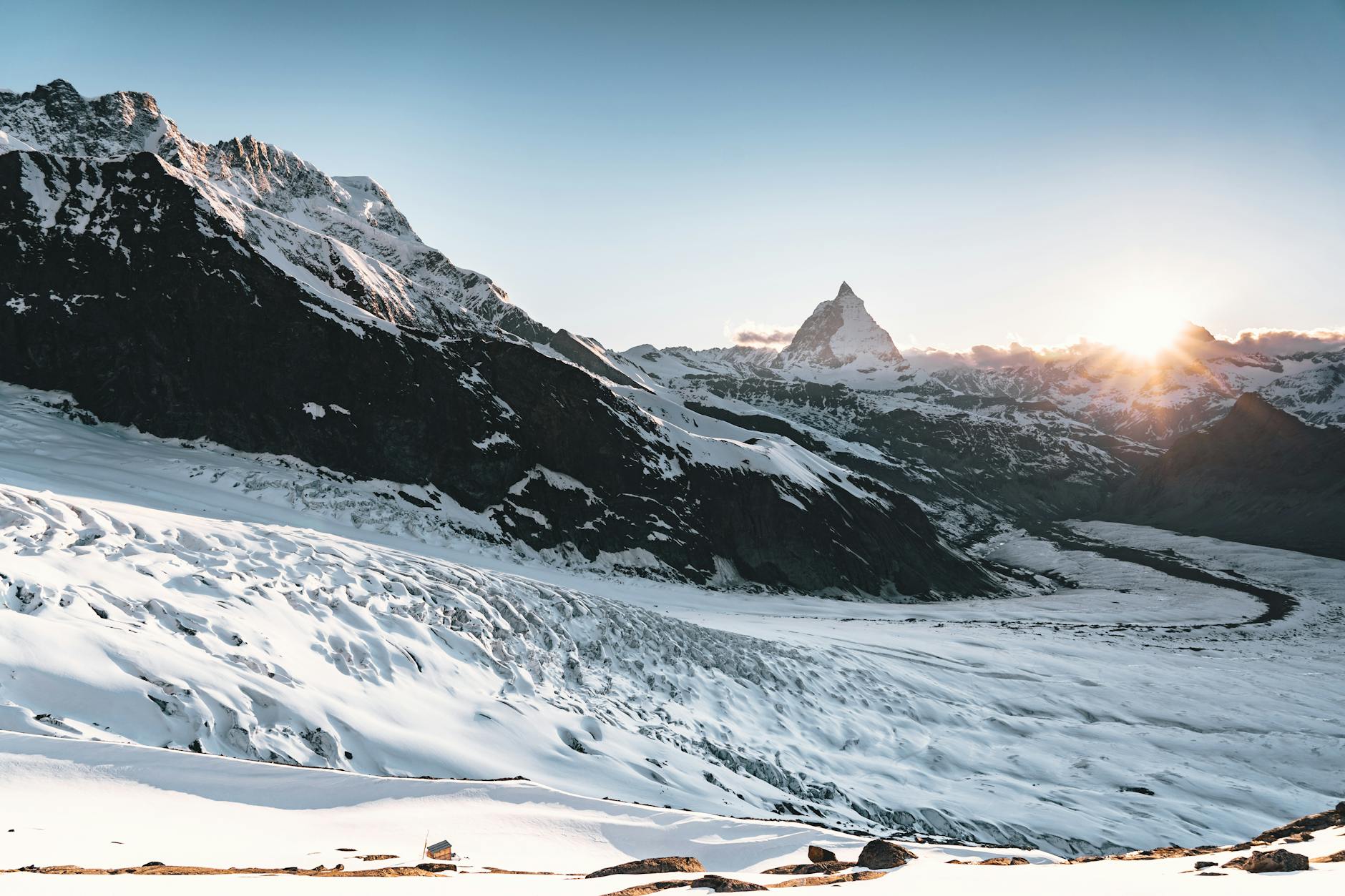
The most recognizable Zermatt scenes depend on light, visibility, lift or rail timing, trail conditions, and the creator's ability to move quickly without overloading the day. A short trip should not rely on a single sunrise, viewpoint, or mountain railway. Backup scenes make the content plan more resilient.
The weather plan is part of the shot list.
- Check forecasts, webcams, lift status, rail schedules, trail access, and viewpoint timing before each shoot day.
- Pair each mountain shot with a village, rail, food, lodging, or indoor backup.
- Avoid buying expensive lift or rail tickets before visibility and timing support the shot.
Choose lodging for workflow and routes
A content creator's lodging can affect shooting windows, battery charging, data backup, editing time, deliveries, and access to early or late scenes. A beautiful room may not be enough if Wi-Fi is weak, workspace is poor, or the route is inconvenient in snow. The base should support both production and rest.
Workflow should be part of the booking decision.
- Check Wi-Fi, desk space, outlets, storage, early breakfast, luggage options, and distance to key shots.
- Confirm whether filming or photography is allowed in hotel spaces, restaurants, terraces, and spa areas.
- Choose a location that reduces repeated trips with heavy gear.
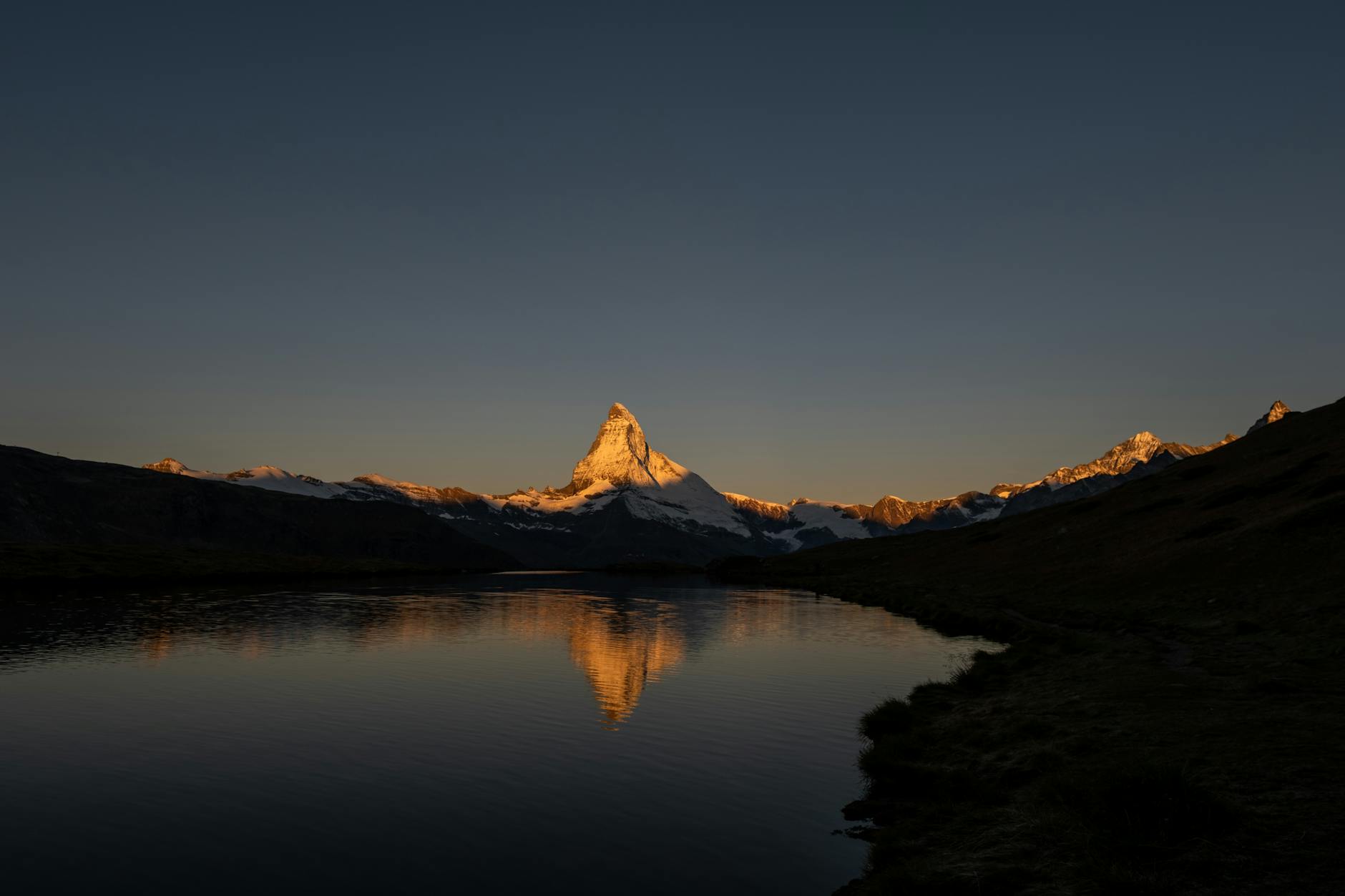
Protect gear, data, and permissions
Cameras, phones, drones, microphones, laptops, batteries, memory cards, gimbals, and tripods need cold-weather and car-free movement planning. The creator should also understand where commercial filming, drone use, people in frame, private property, and sponsored content require permission. Losing data or access can cost more than losing time.
Production risk needs simple controls.
- Carry weather protection, extra batteries, chargers, adapters, card backups, and secure storage.
- Check drone, tripod, hotel, lift, rail, restaurant, and private-property rules before filming.
- Back up files daily and keep critical gear with you during rail transfers.
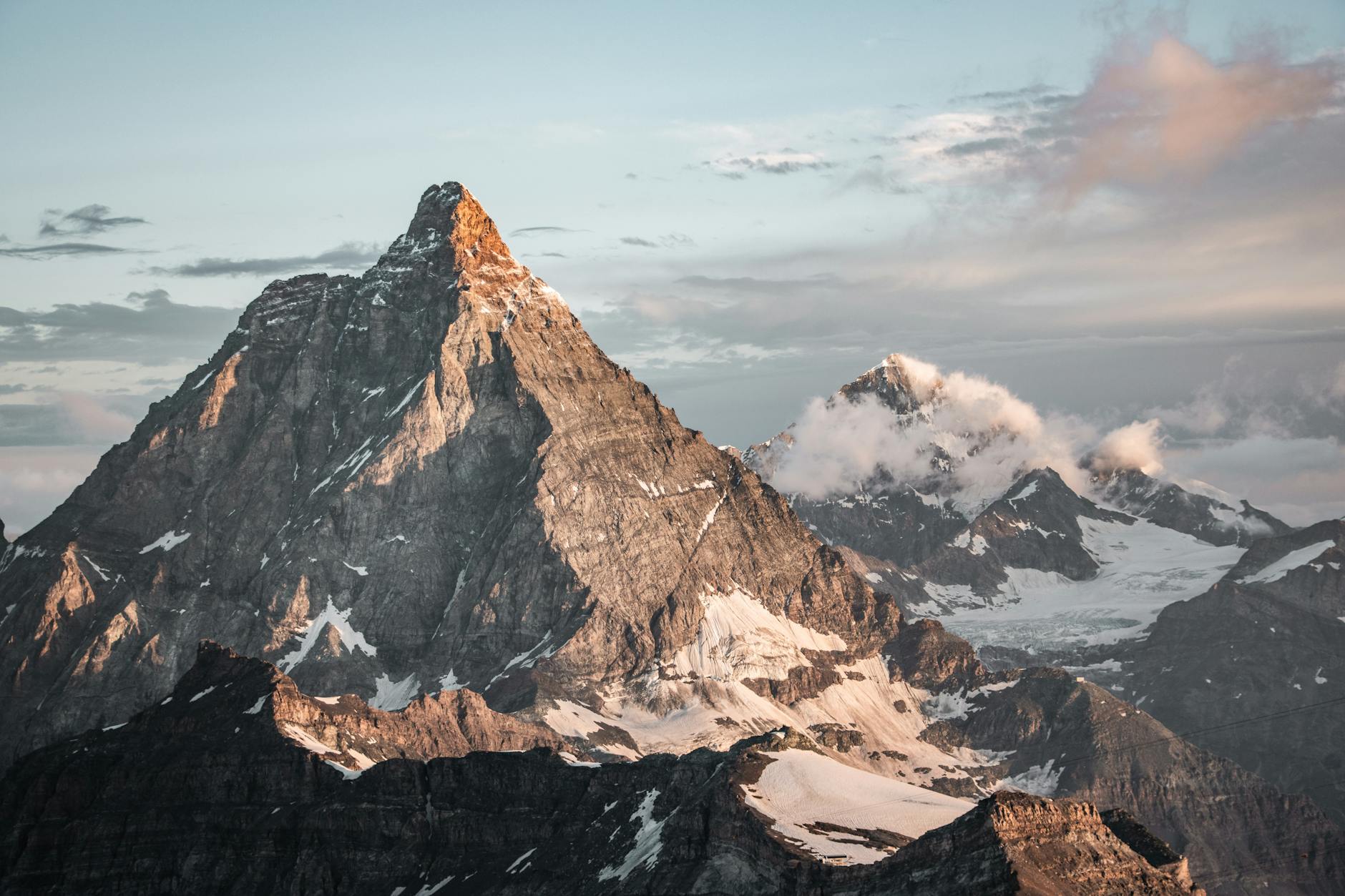
Respect crowds, rules, and mountain risk
Zermatt is popular, fragile, and weather-sensitive. A content creator should avoid blocking paths, disturbing residents, ignoring trail closures, stepping into unsafe terrain, or treating private spaces as a set. Good content does not require making the destination harder for others to use.
The shoot should fit the place.
- Avoid obstructing station areas, streets, trails, hotel entrances, lifts, restaurants, or viewpoints.
- Follow posted rules, guide advice, weather warnings, closure notices, and local requests.
- Do not take terrain, altitude, snow, or edge risks for a shot.
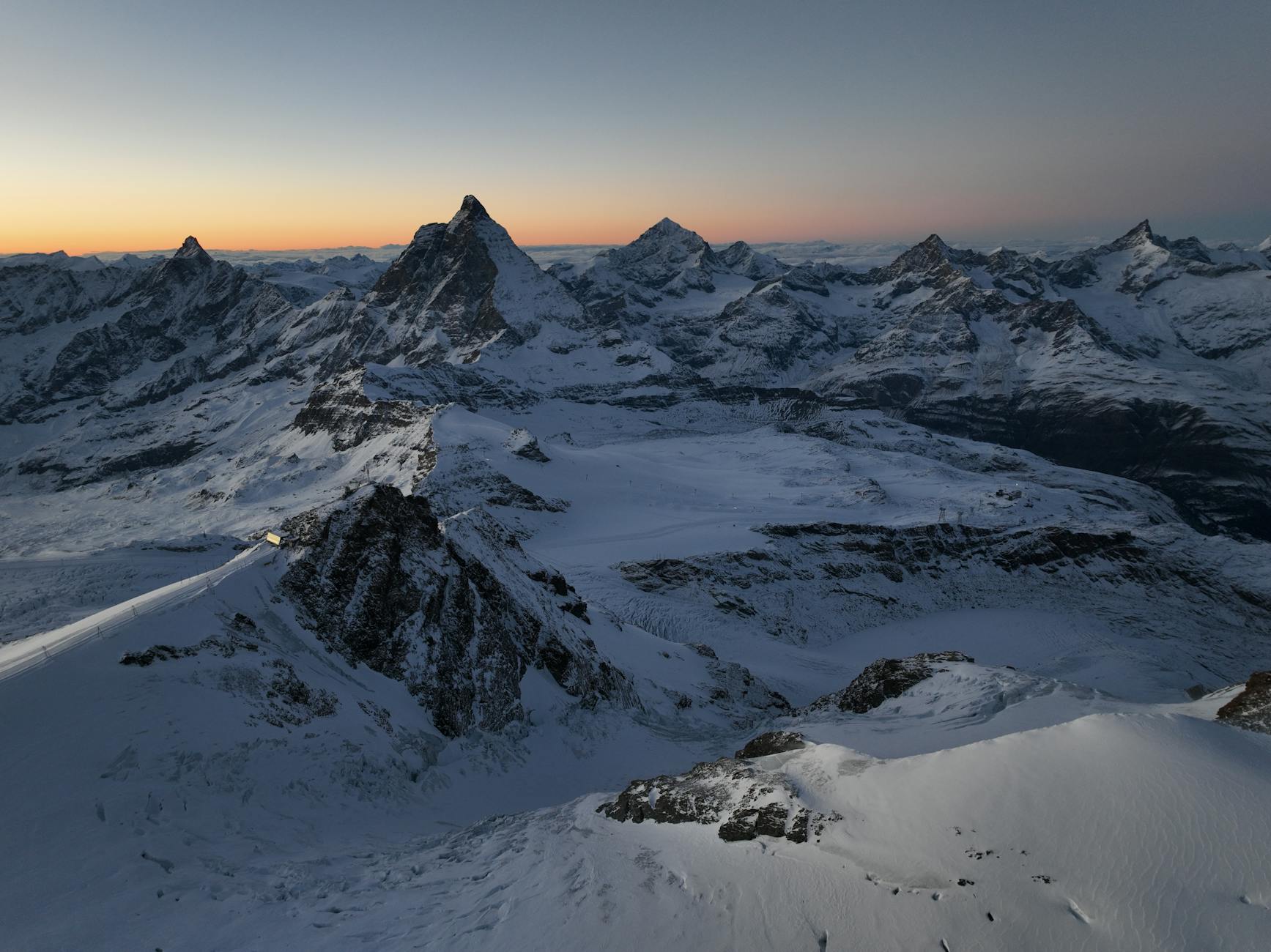
Plan posting work beyond golden hour
The visible part of a creator trip is only one part of the work. Captions, edits, sponsor review, disclosures, analytics, backups, comments, and scheduling need quiet time and reliable connection. A creator who fills every hour with shooting may leave Zermatt with footage but no usable workflow.
Publishing needs calendar space.
- Block time for editing, captioning, disclosures, sponsor review, uploads, and audience management.
- Keep offline drafts ready in case hotel or mountain Wi-Fi is slow.
- Protect rest so early shoots, long walks, and cold conditions do not reduce quality by the final day.
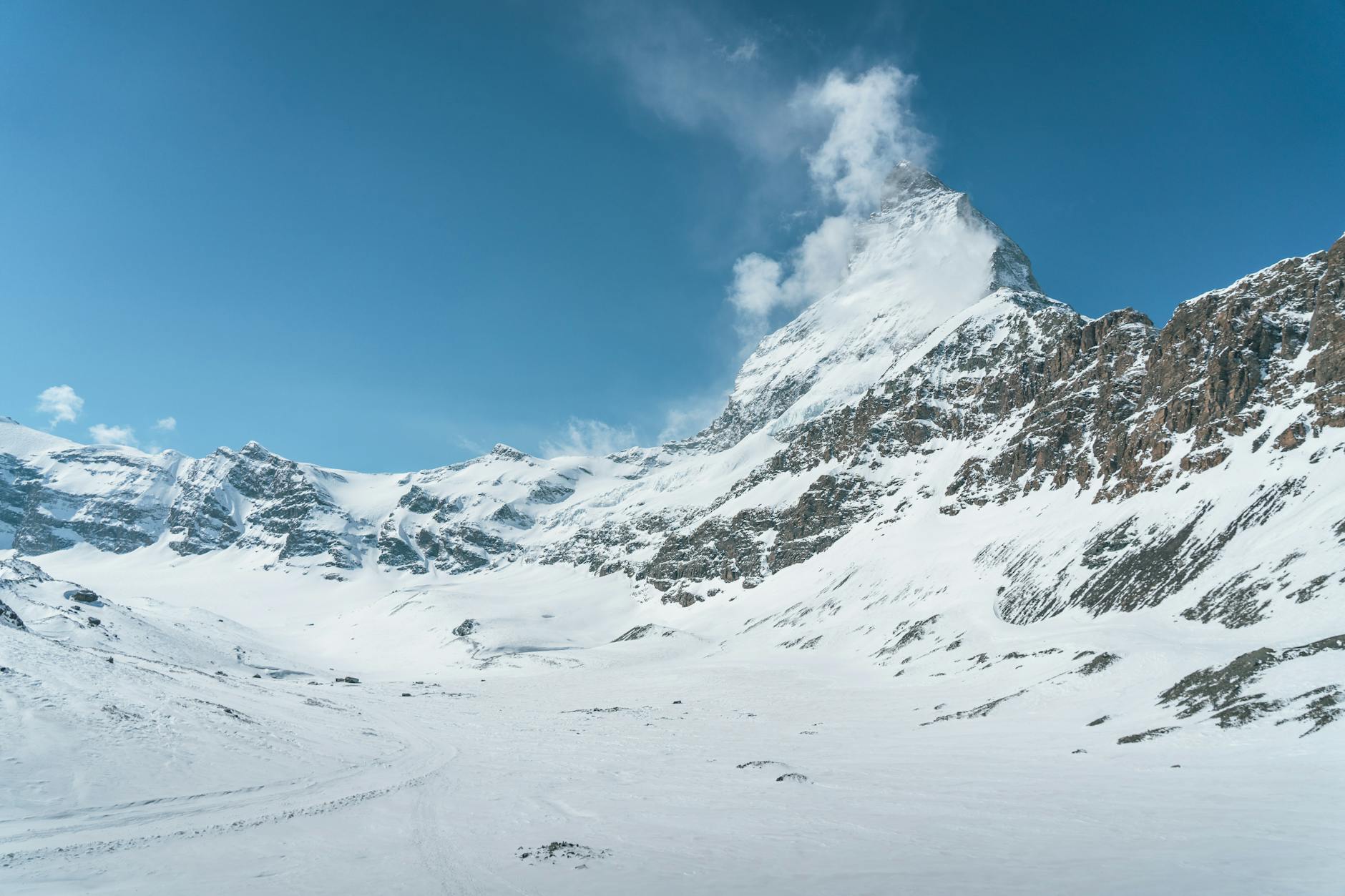
When to order a short-term travel report
A content creator with a simple leisure plan may not need a custom report. A report becomes useful when deliverables, sponsors, shot locations, weather windows, permissions, gear movement, lodging workflow, budget, or onward travel need careful coordination.
The report should test creative purpose, arrival route, shot list, weather alternatives, lodging workflow, permissions, gear, data backups, cost exposure, safety, and departure buffers. The value is a Zermatt creator trip that produces useful work without overloading the traveler or the destination.
- Order when arrival, shots, permits, gear, lodging, weather, sponsor needs, budget, safety, or onward travel need exact planning.
- Provide deliverables, platforms, dates, lodging options, rail route, gear list, sponsor rules, and priority locations.
- Use the report to turn the visual opportunity into a workable production plan.