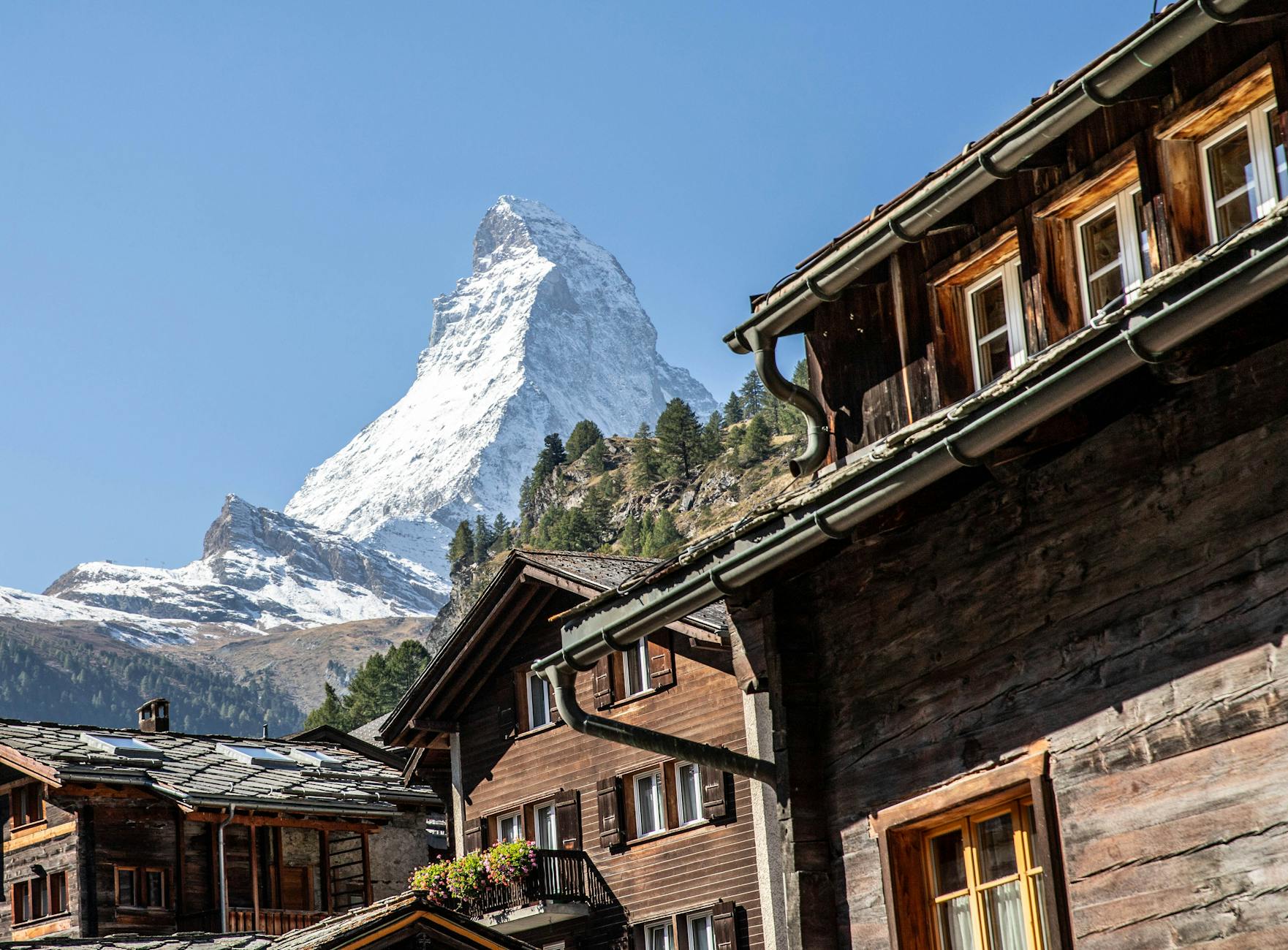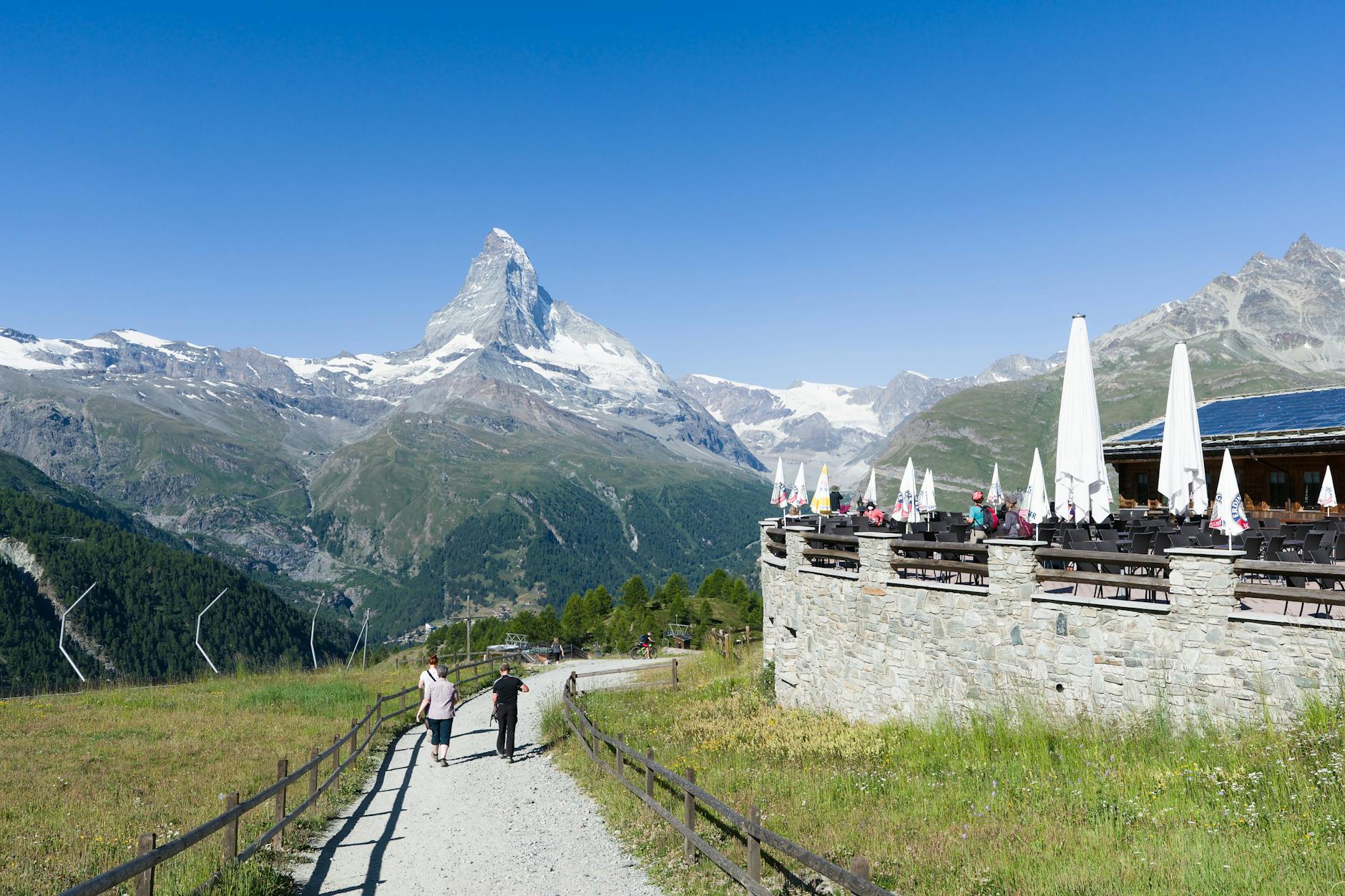
Zermatt can be a serious business destination when the purpose is a retreat, board session, incentive program, alpine hospitality meeting, investor event, luxury travel partnership, or senior offsite. It is also a destination where logistics matter. The village is car-free, access is usually rail-based, weather can reshape plans, and the Matterhorn setting should not distract from the work that justified the trip.
Confirm why Zermatt is the right venue
A Zermatt business trip should have a clear reason. The village can work for high-touch meetings, incentive travel, hospitality partnerships, board retreats, and executive time away from a normal city setting. It is a weaker choice when the business goal requires easy same-day access, frequent urban movement, or low-cost flexibility.
The setting should serve the business purpose.
- Clarify whether the trip is for meetings, retreat work, client hospitality, investment discussion, inspection, or partner development.
- Confirm that participants understand the access time, car-free village model, and weather exposure.
- Avoid choosing Zermatt only for prestige if the schedule needs faster urban logistics.
Plan car-free access precisely
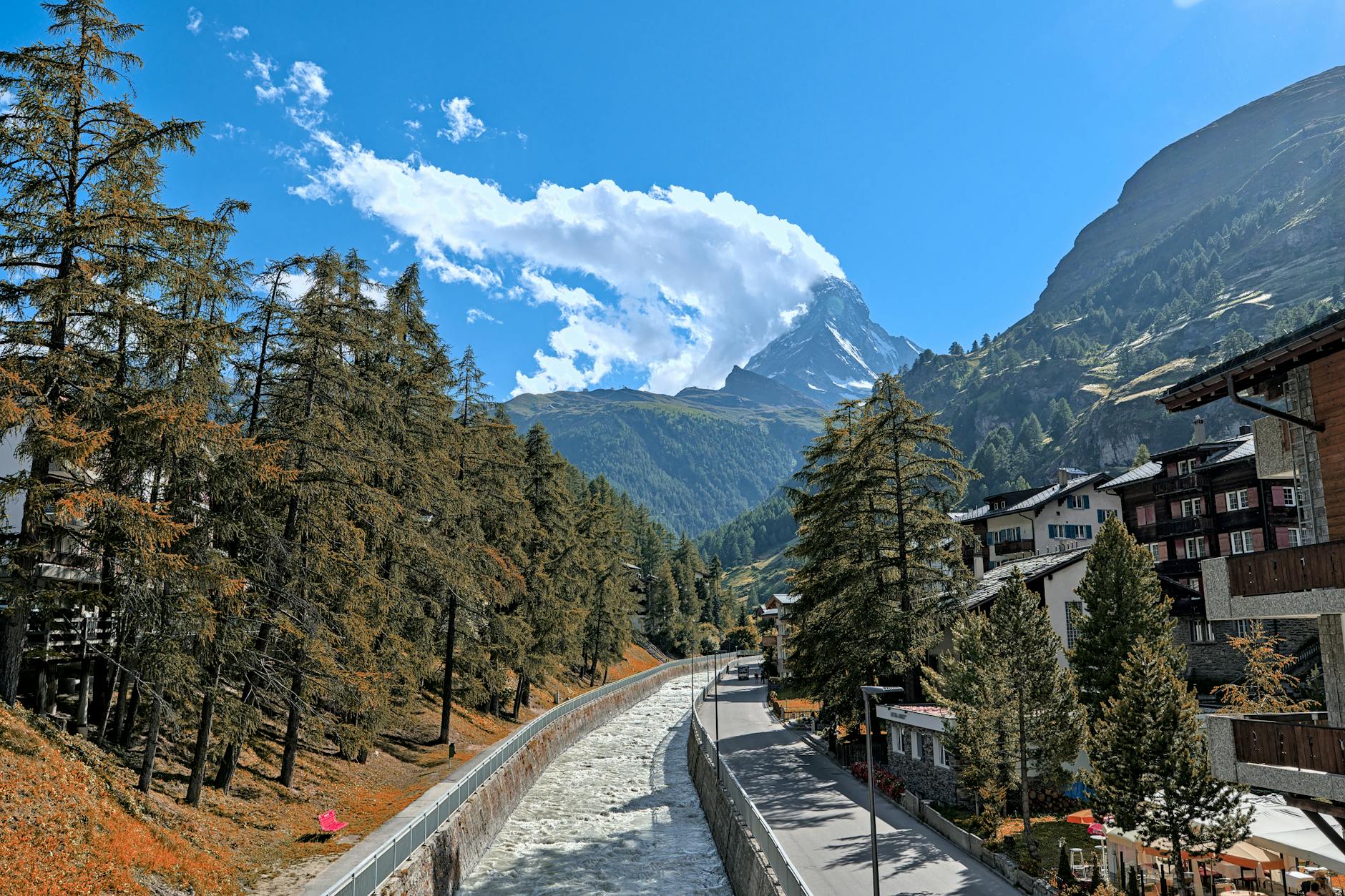
Zermatt's car-free model is part of its appeal and part of its friction. Most travelers arrive by rail, often through Visp, or by parking at Tasch and continuing by shuttle train. A business visitor should treat that access sequence as a core planning item, not a scenic detail.
Arrival logistics can decide the first meeting.
- Map the route through Zurich, Geneva, Visp, Tasch, or another gateway before booking flights and meeting times.
- Build buffers for rail transfers, luggage, weather, late arrivals, and hotel pickup from Zermatt station.
- Avoid same-day critical meetings unless the arrival route has enough margin to absorb delay.
Choose the hotel as work infrastructure
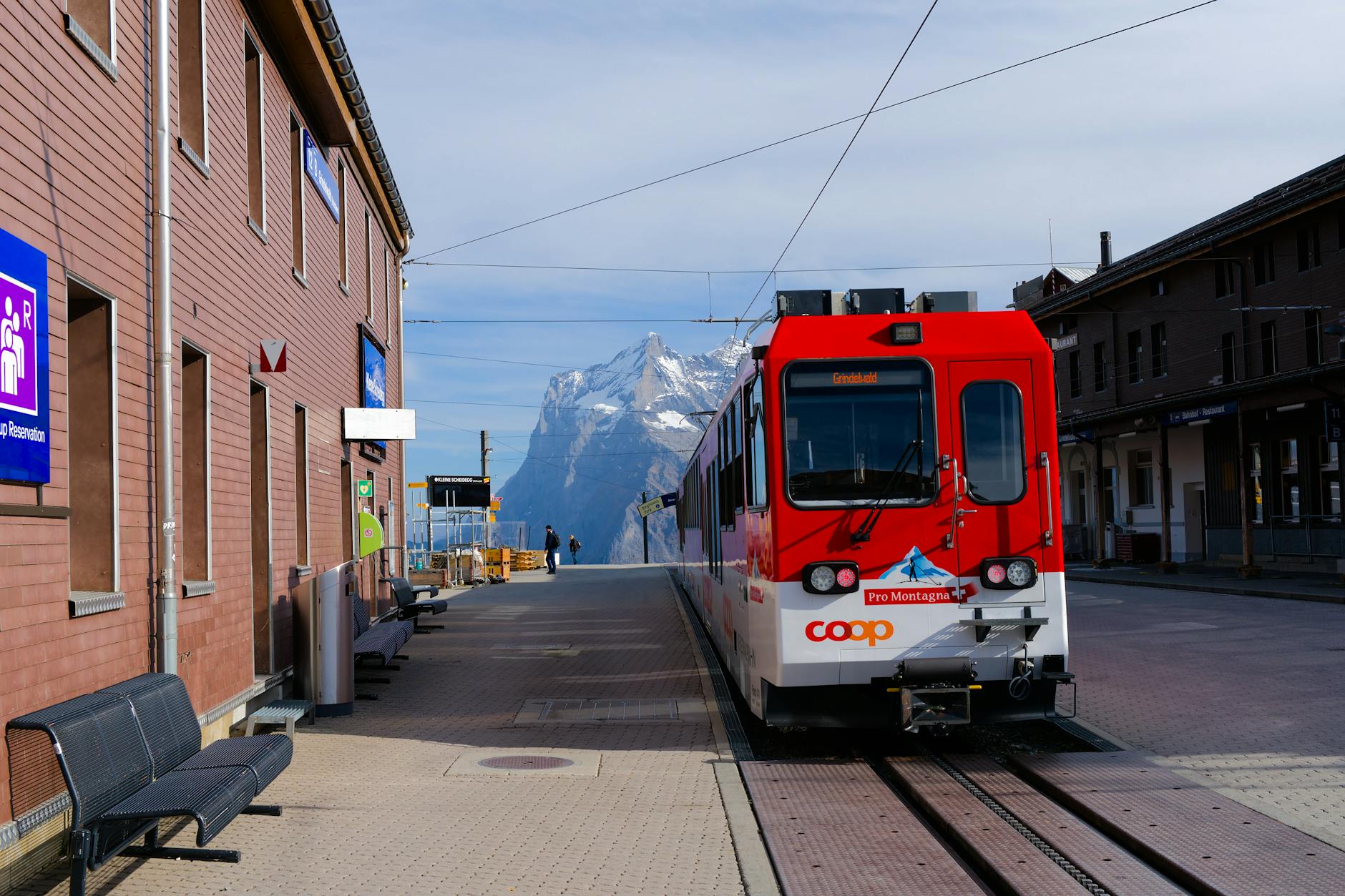
A Zermatt hotel may need to function as meeting venue, quiet office, recovery space, dining host, and transport coordinator. The business visitor should check room workspace, meeting rooms, Wi-Fi, privacy, breakfast timing, luggage handling, station transfer, and the ease of moving between the hotel and any offsite venues.
A beautiful room is not enough if the work cannot happen.
- Check meeting rooms, Wi-Fi, desk setup, call privacy, printing help, breakfast hours, luggage support, and station pickup.
- Confirm whether participants can move between hotel, meeting venue, restaurants, and activities in bad weather.
- Choose a base that protects the workday rather than only the Matterhorn view.
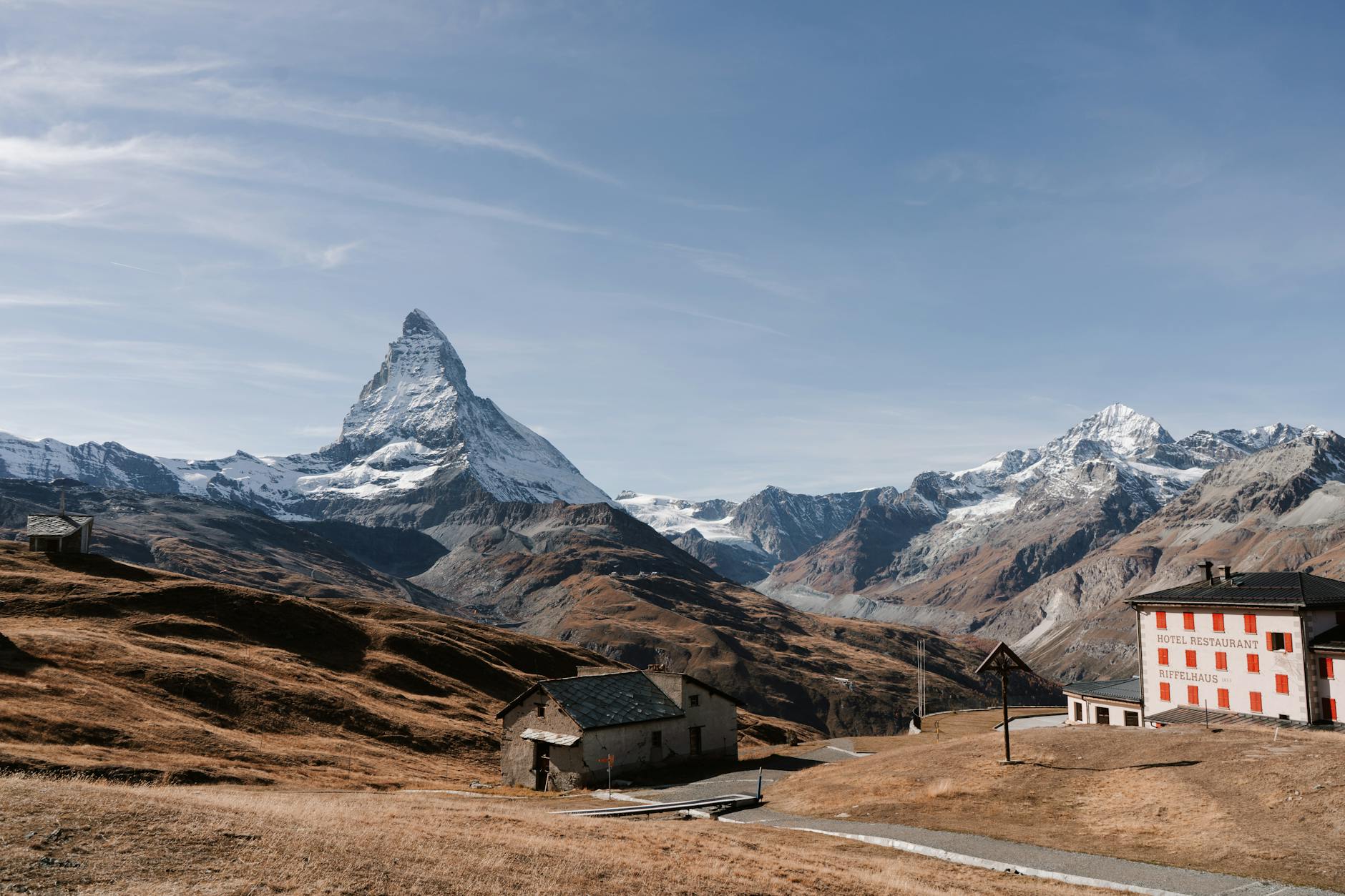
Control meeting geography and timing
Zermatt is walkable, but snow, slopes, luggage, dress shoes, group pace, and electric-taxi availability can change how movement feels. A business schedule should not stack meetings, site visits, meals, and alpine activities without testing the practical routes between them.
Village scale still needs operational discipline.
- Map the hotel, station, meeting rooms, restaurants, activity starts, and any site inspections before arrival.
- Allow extra movement time for snow, ice, rain, altitude, group size, and unfamiliar routes.
- Keep confidential calls and sensitive discussions in private rooms rather than busy lounges or terraces.
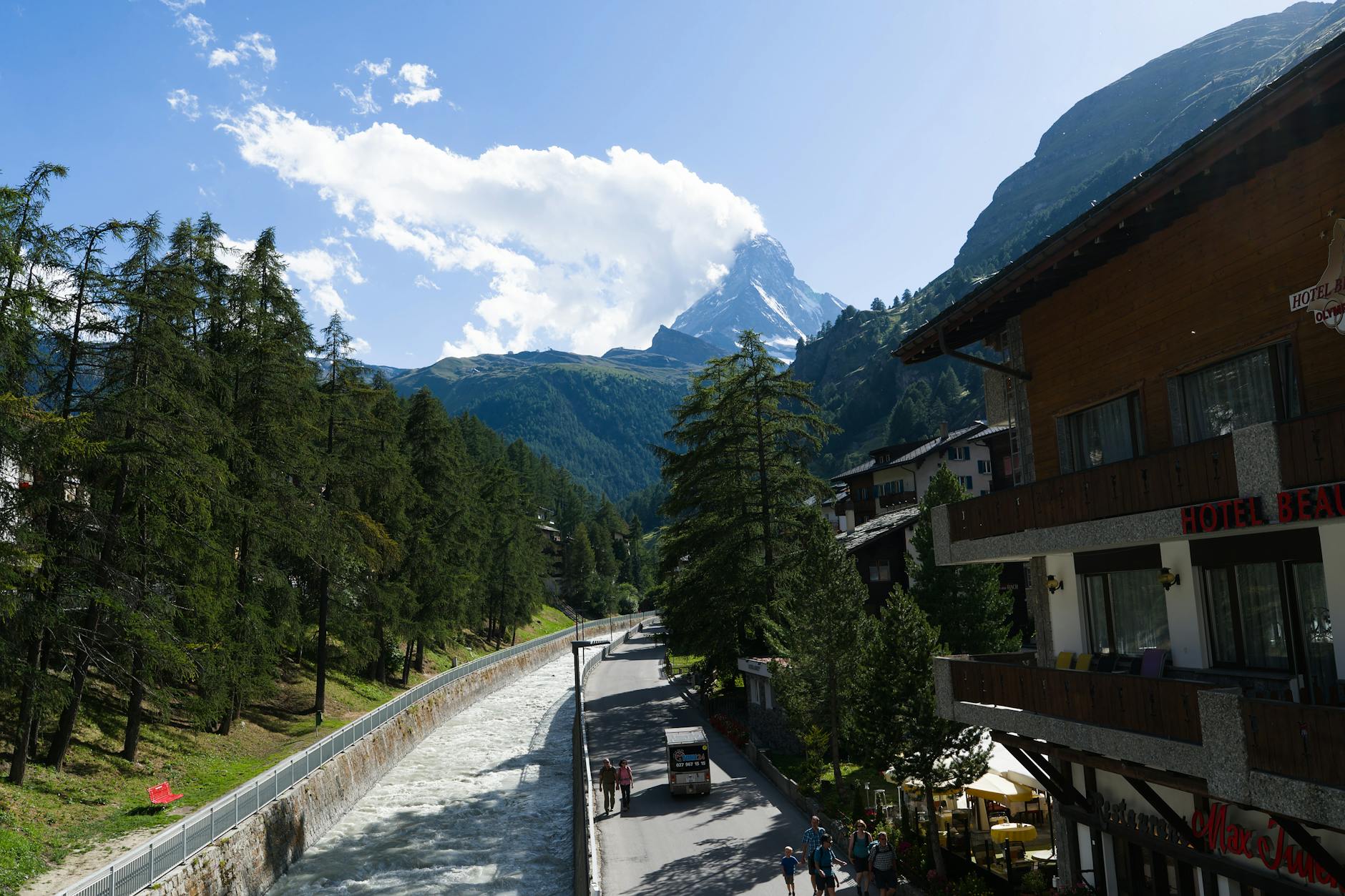
Treat weather as a business variable
Weather in Zermatt can affect visibility, outdoor hospitality, transfers, rail comfort, mountain activities, photography, and the mood of a retreat. The business plan should work even if the Matterhorn is hidden or an outdoor element becomes impractical. A good offsite does not depend on perfect views.
Weather should have a business fallback, not just a leisure fallback.
- Check forecasts, webcams, rail status, and mountain operating conditions close to the trip.
- Prepare indoor meeting, dining, and networking alternatives for poor visibility or harsh weather.
- Avoid making a key client or board moment depend on a single outdoor viewpoint.
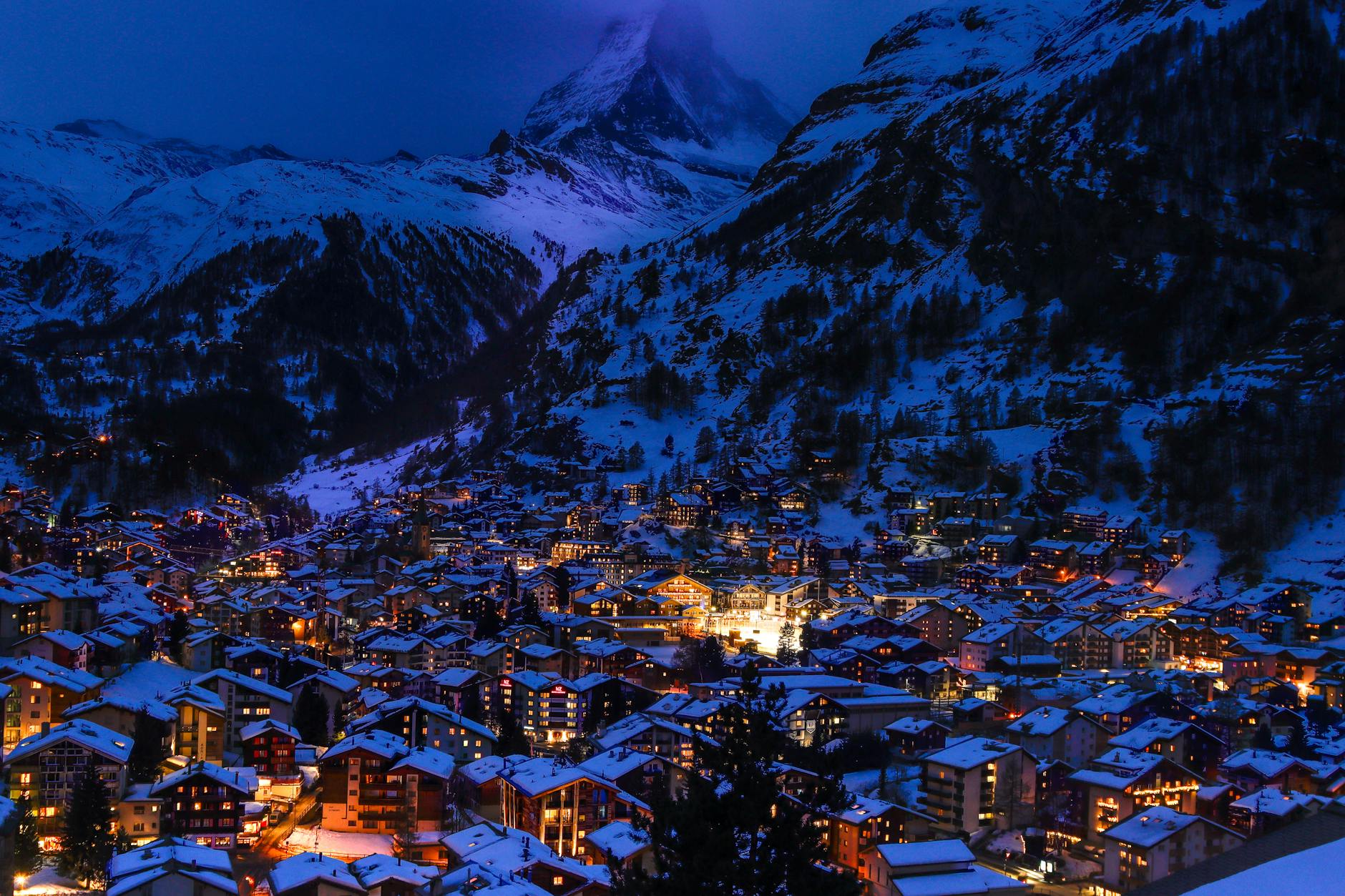
Budget for alpine business friction
Zermatt can be expensive through hotels, meals, transfers, meeting rooms, guides, activities, rail changes, luggage handling, and weather-driven revisions. A business visitor should clarify which expenses are client hospitality, internal retreat costs, personal leisure, or reimbursable logistics.
The cost structure should be clear before arrival.
- Clarify reimbursement or host coverage for rail, taxis, hotel transfers, meals, meeting space, guides, activities, and changed plans.
- Book early when the trip overlaps with winter season, summer hiking demand, holidays, or major events.
- Track receipts and business purpose while the short trip is still easy to reconstruct.
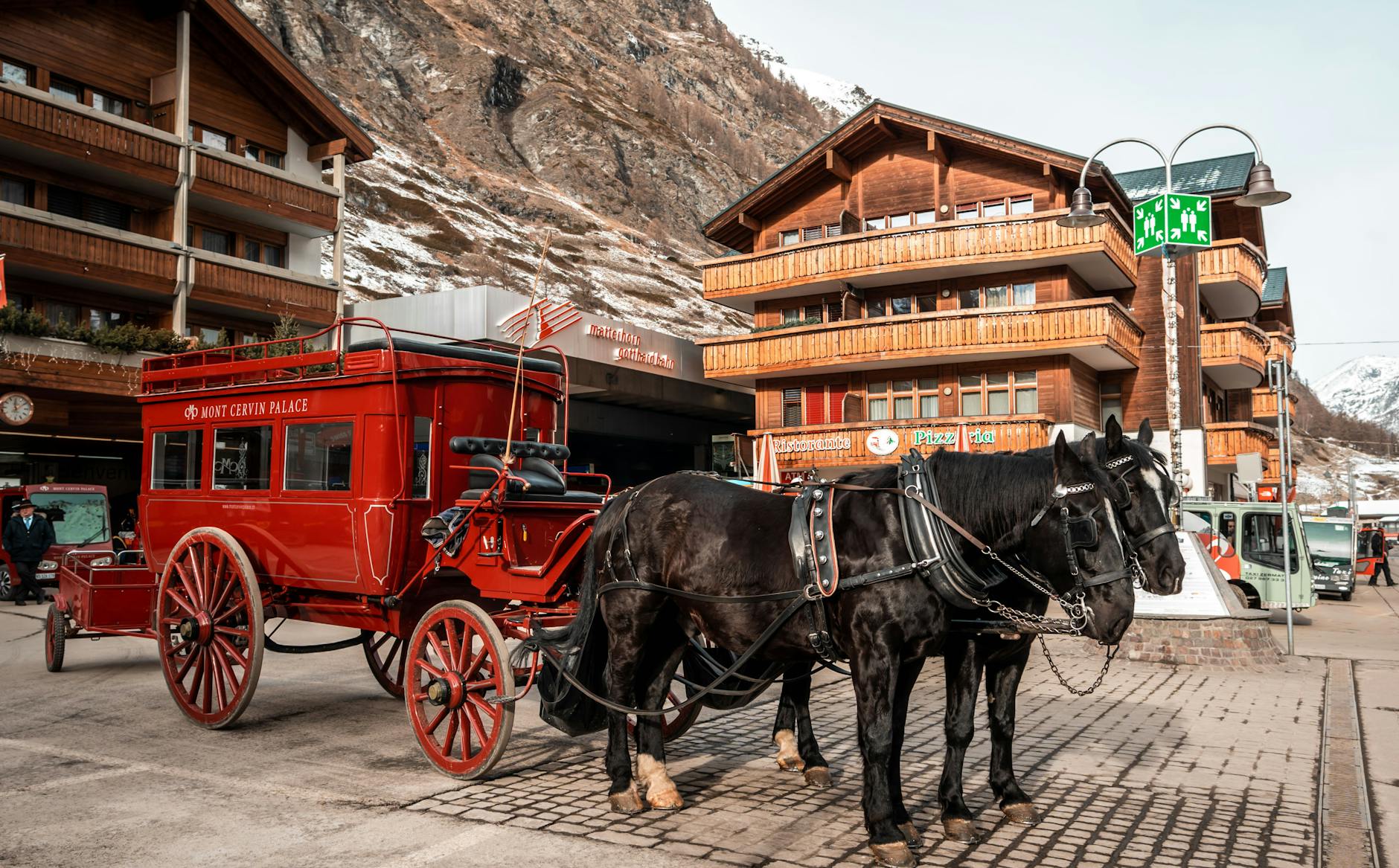
When to order a short-term travel report
A Zermatt business visitor with a fully hosted retreat may not need a custom report. A report becomes useful when the traveler controls flights, rail timing, hotel choice, meeting sequence, dining, activity options, confidentiality, senior guests, or a tight return to Zurich, Geneva, or another onward city.
The report should test gateway access, rail timing, car-free arrival, hotel workspace, meeting geography, weather, activity risk, costs, and departure buffers. The value is a Zermatt business trip that uses the alpine setting without letting logistics undermine the work.
- Order when access, hotel choice, senior guests, meeting timing, weather, activities, or onward travel need exact planning.
- Provide dates, airports, rail preferences, hotel candidates, meeting addresses, participant profile, budget rules, and must-do activities.
- Use the report to keep the trip professional, realistic, and resilient in a mountain village context.