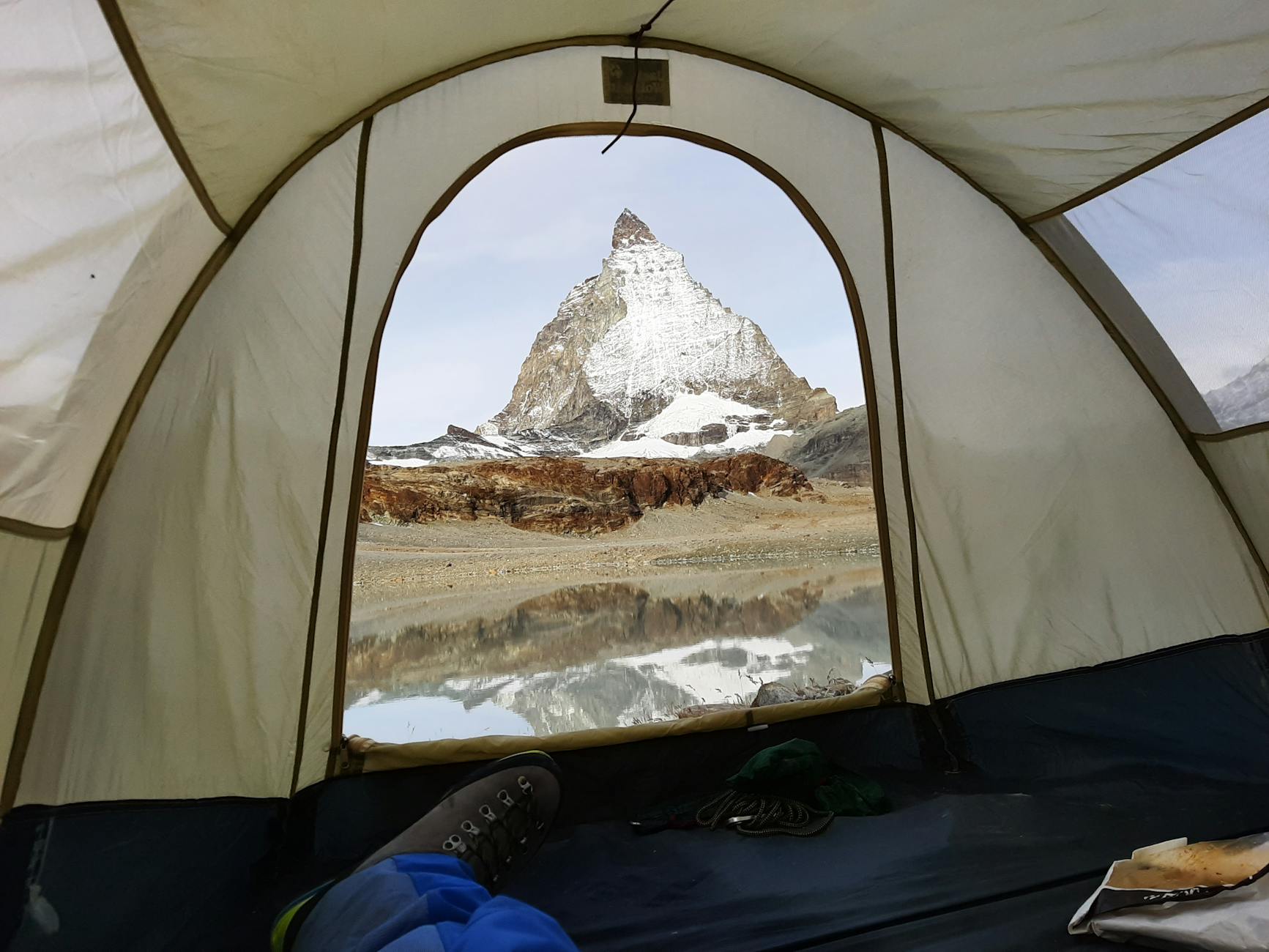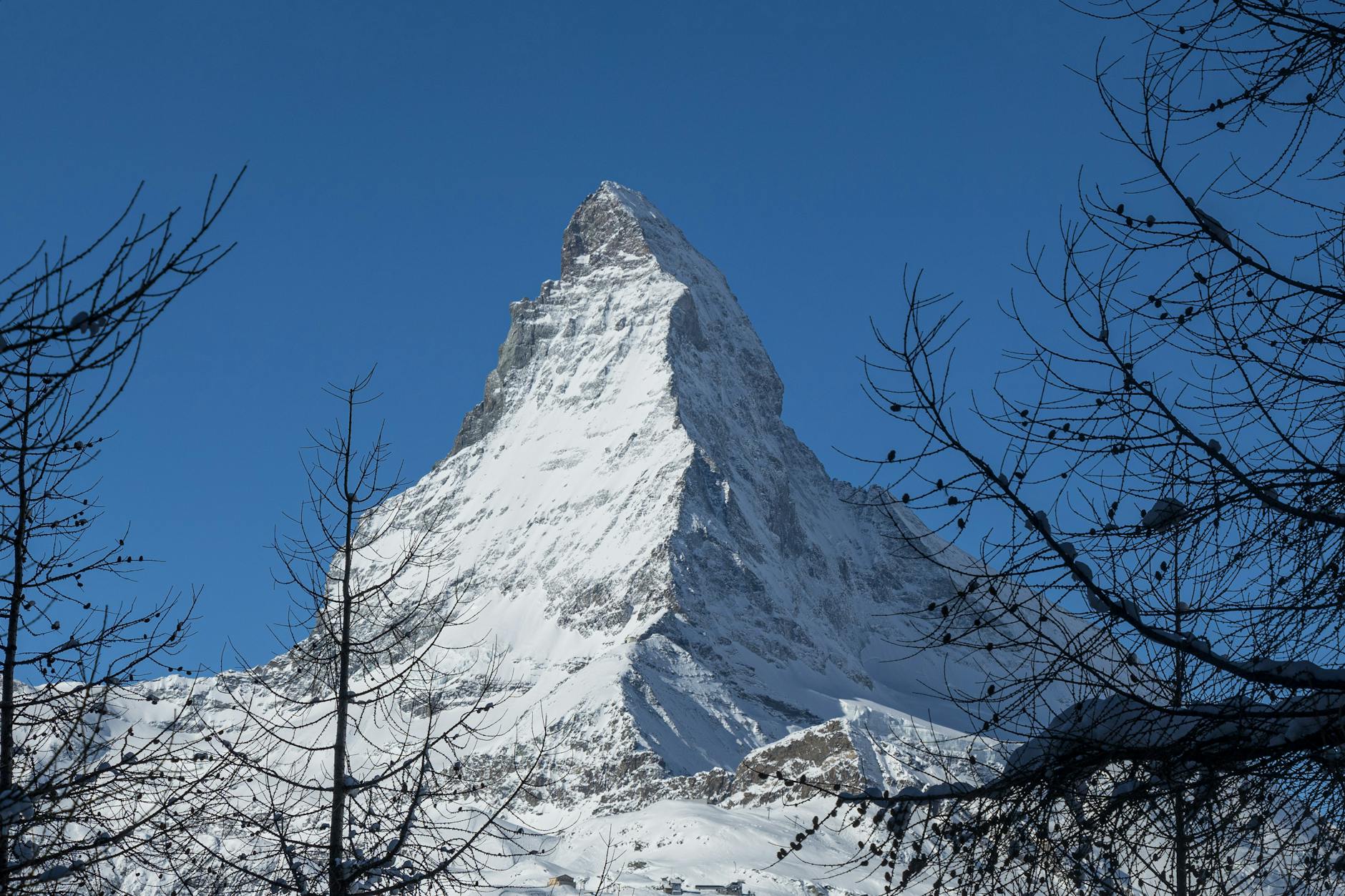
Zermatt is not an obvious budget destination, but a budget traveler can still build a satisfying short stay by being specific. The car-free arrival, rail fares, lodging choices, mountain lift prices, food costs, gear needs, weather, and departure timing all need more attention because mistakes are expensive in an alpine resort town.
Accept the real cost structure first
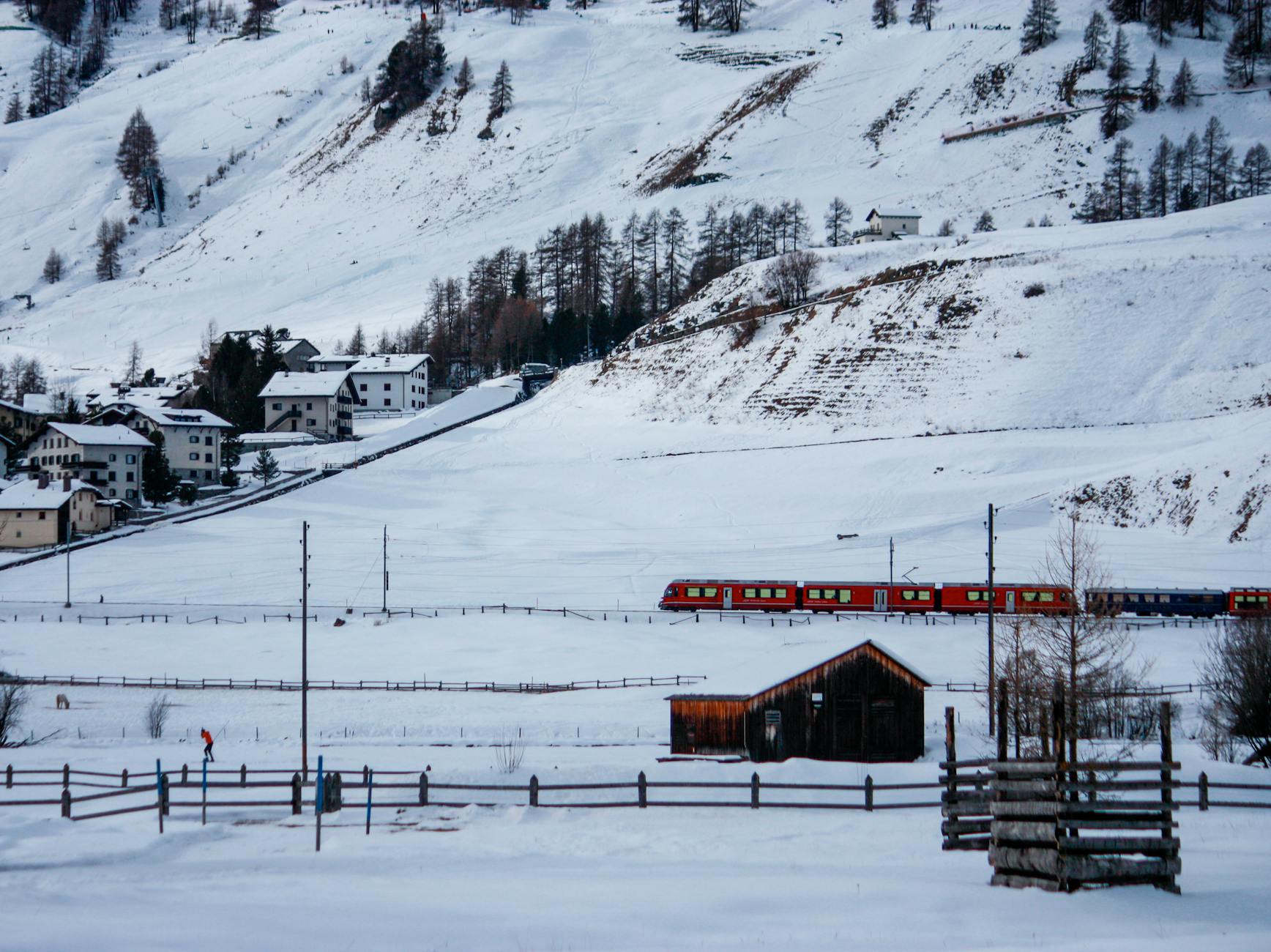
A budget traveler should start by accepting that Zermatt is expensive by default. Savings are possible, but they come from choosing the right number of nights, using rail intelligently, limiting lift purchases, simplifying meals, and avoiding weather-driven waste. Pretending the destination is cheap usually leads to worse decisions.
Budget control begins with realism.
- Price lodging, rail, lifts, meals, gear, luggage help, and cancellation rules before committing.
- Decide which paid mountain experience is worth the trip and which can be skipped.
- Keep a small reserve for bad weather, warm clothing, food, or rail changes.
Control the arrival and lodging tradeoff
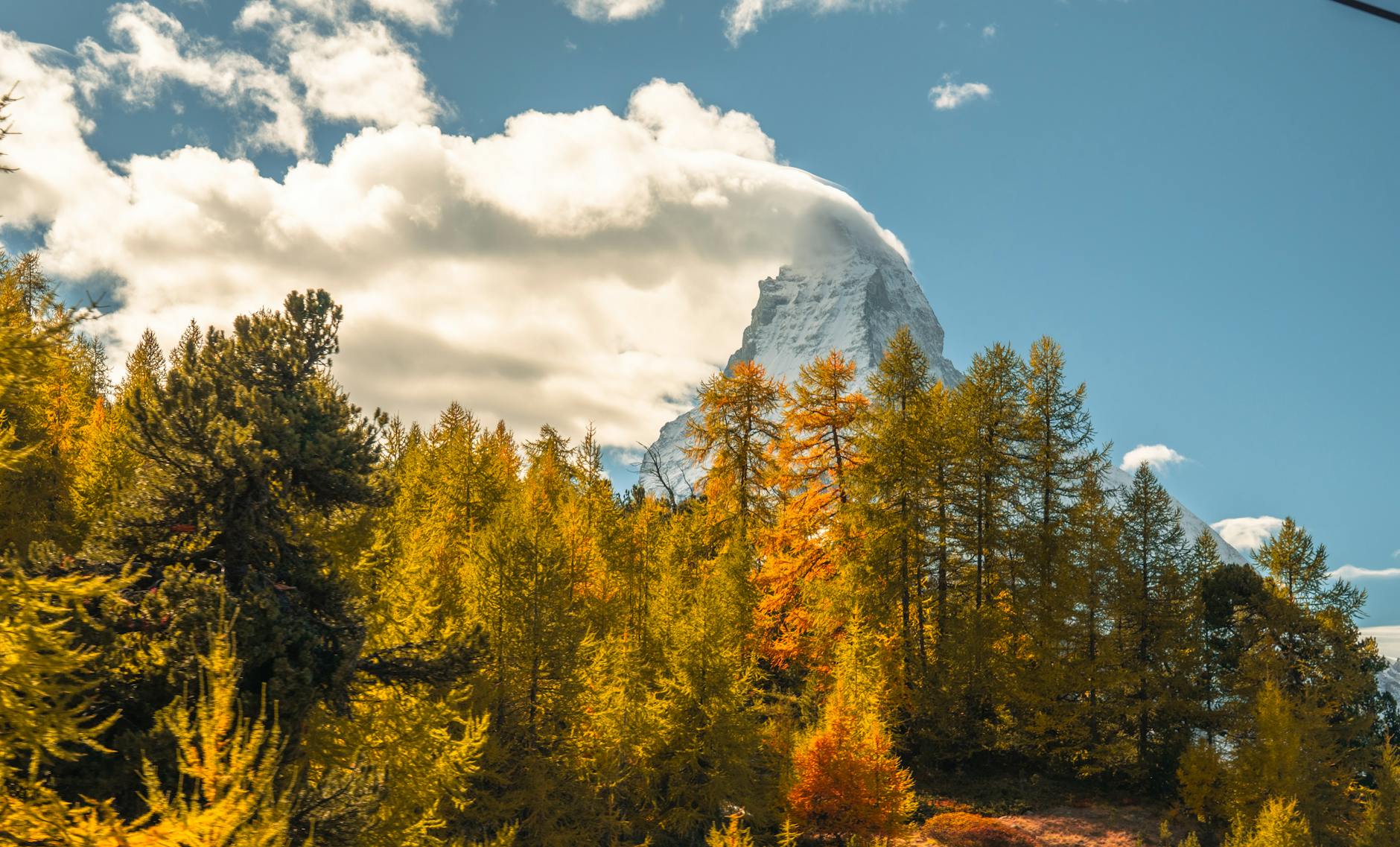
The cheapest bed is not always the cheapest stay if it adds awkward luggage movement, steep walks, paid transfers, weak breakfast options, or wasted time. A budget traveler should compare Zermatt lodging against nearby or lower-cost alternatives only after pricing rail, final arrival, and the value of waking up in the village.
Location can save money by saving friction.
- Compare room cost with station distance, breakfast, kitchen access, luggage storage, and route difficulty.
- Check whether staying outside Zermatt adds enough rail time and fare to erase the savings.
- Book early for peak ski, summer, holiday, and weekend periods when budget rooms disappear first.
Be selective with lifts and viewpoints
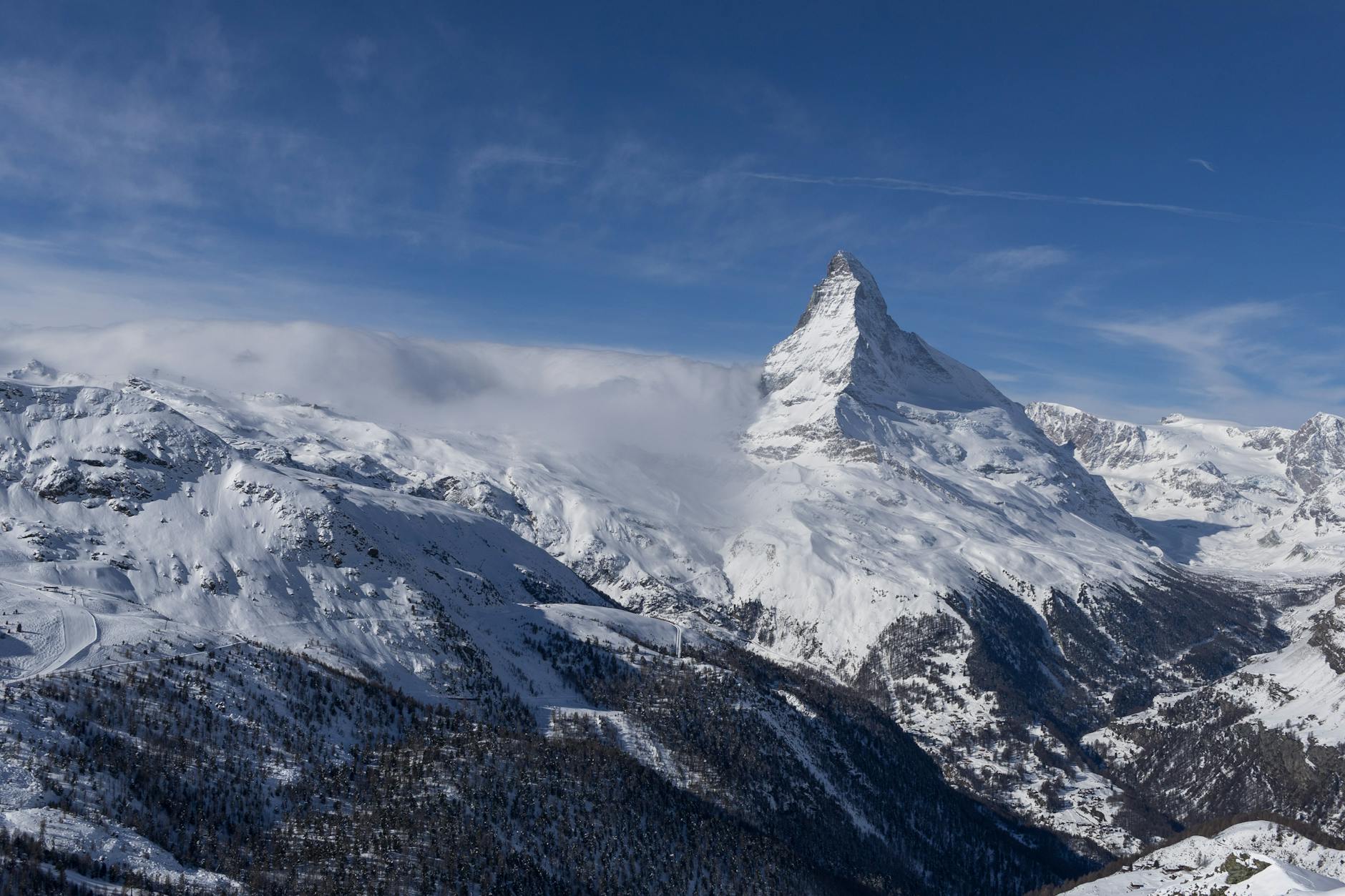
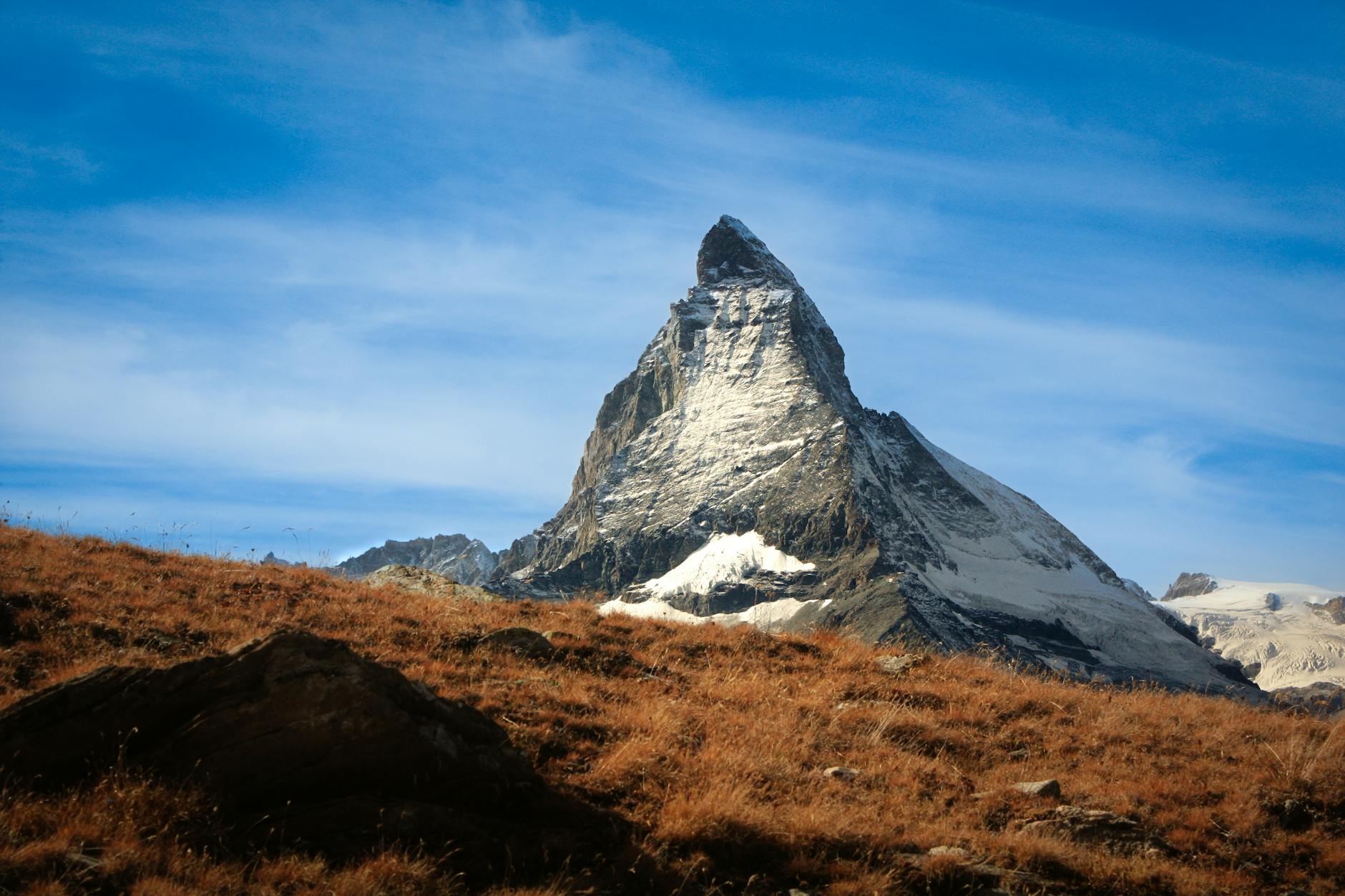
Lift tickets and mountain railways can be the biggest discretionary cost in Zermatt. A budget traveler should choose the paid viewpoint that best matches weather, season, energy, and the trip's purpose. Buying every scenic option can turn a budget trip into an expensive checklist.
One clear mountain purchase may be enough.
- Compare Gornergrat, Sunnegga, Klein Matterhorn, ski passes, and hiking access by price and weather value.
- Check visibility before buying high-viewpoint tickets.
- Use village views, lower walks, and free viewpoints when conditions do not justify the cost.
Use food planning to protect the budget
Food can quietly strain a Zermatt budget. Mountain restaurants, casual meals, fondue dinners, coffee stops, and convenience purchases add up quickly. The traveler should decide which meal deserves spending and which meals should be simple, self-catered, or built around lodging breakfast.
Meal planning is cost control.
- Check whether lodging includes breakfast or kitchen access before comparing room prices.
- Plan simple grocery, bakery, picnic, or takeaway options for some meals.
- Spend intentionally on one memorable meal instead of drifting into expensive defaults every day.
Do not save money on the wrong gear
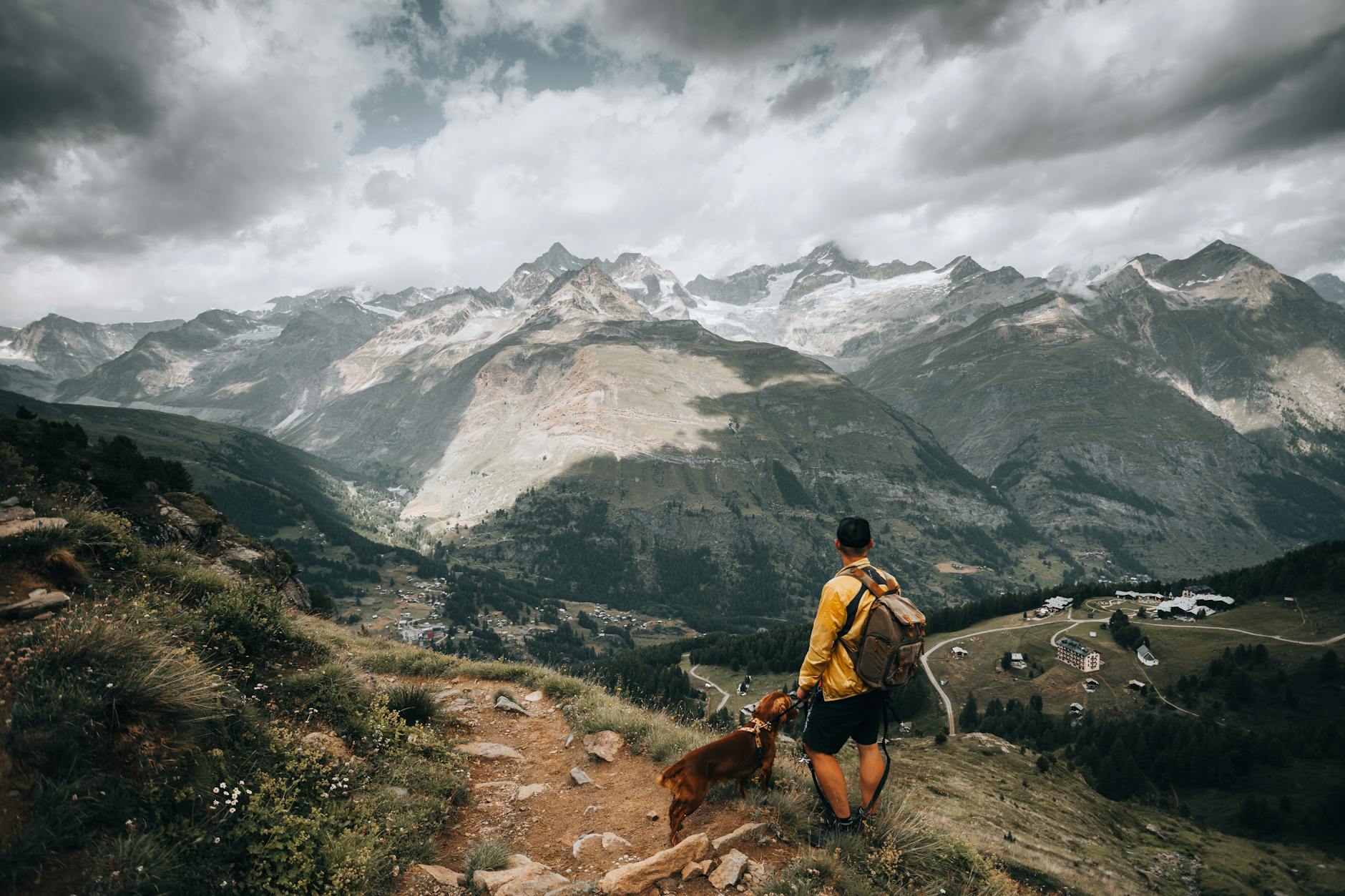
Budget discipline should not mean poor footwear, inadequate layers, weak sun protection, or missing gloves. Zermatt weather, snow, wind, altitude, and walking surfaces can make cheap omissions expensive. Renting, borrowing, or buying only the needed items is smarter than arriving underprepared.
Comfort and safety are not luxury extras.
- Bring shoes with grip, layers, hat, gloves, sunglasses, sunscreen, and a small day bag.
- Rent specialized ski or mountain gear when buying does not make sense.
- Avoid paid activities if clothing or weather protection is not suitable.
Build weather risk into the spend
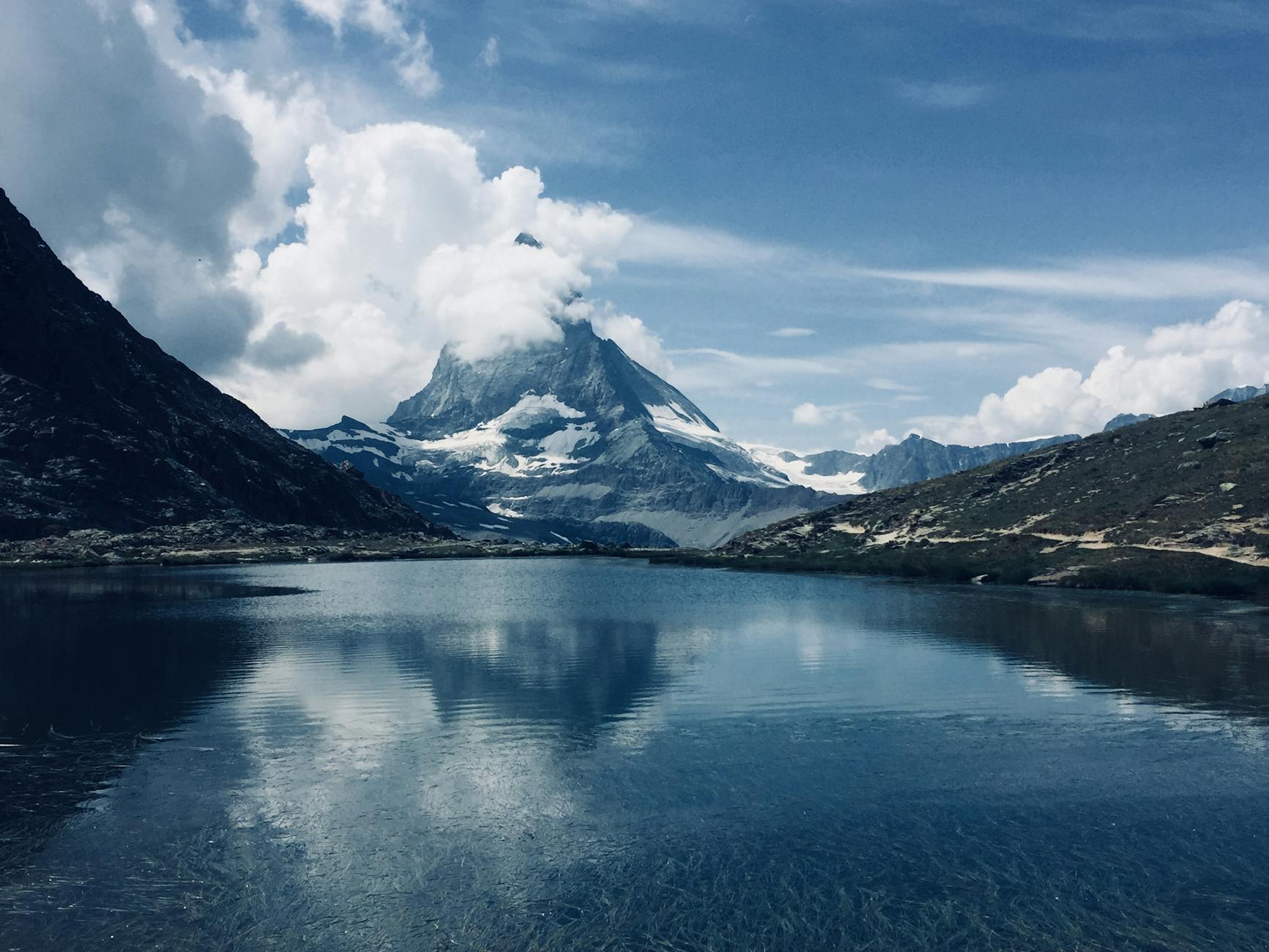
A budget traveler has less room for wasted tickets and costly changes. Zermatt weather should be checked before committing to expensive mountain transport, outdoor meals, or gear rentals. Flexible timing can save more than chasing a rigid plan.
The best bargain is often waiting for the right window.
- Check forecasts, webcams, lift status, and return times before buying tickets or renting gear.
- Keep low-cost village walks, viewpoints, museums, cafes, and rest time ready for poor conditions.
- Avoid nonrefundable plans when the main value depends on clear mountain visibility.
When to order a short-term travel report
A budget traveler with flexible dates, simple lodging, and a low-pressure plan may not need a custom report. A report becomes useful when the traveler is deciding whether Zermatt fits the budget at all, comparing lodging locations, choosing one paid mountain experience, managing rail costs, or trying to avoid weather-driven waste.
The report should test arrival, lodging tradeoffs, lift and rail choices, free views, meal strategy, gear needs, weather risk, and departure buffers. The value is knowing where to spend and where to stop.
- Order when lodging, rail, lift costs, meals, gear, weather, or onward travel need exact planning.
- Provide dates, budget ceiling, rail route, lodging candidates, activity priorities, gear needs, and meal preferences.
- Use the report to keep Zermatt possible without making the trip feel stripped down.