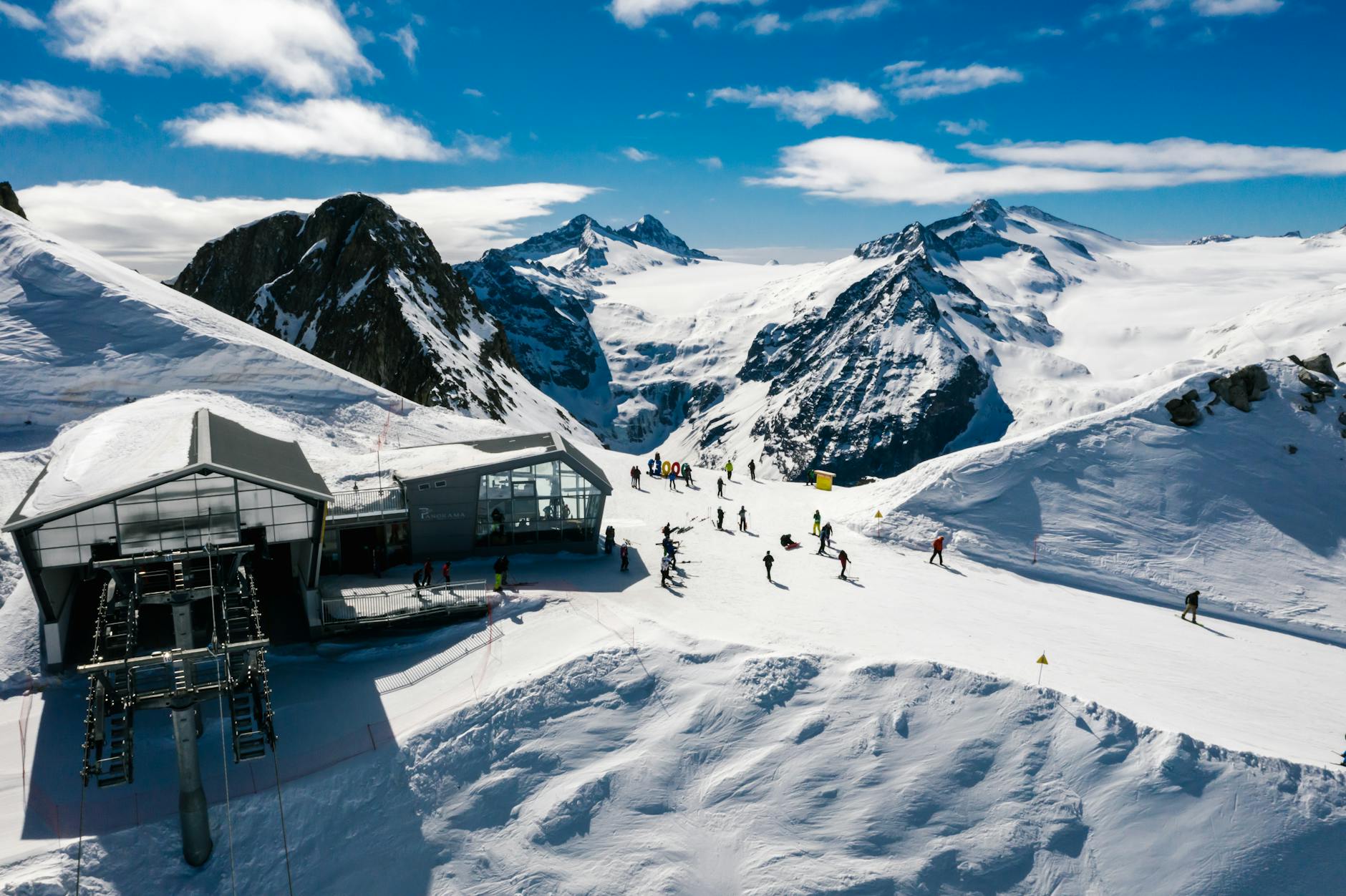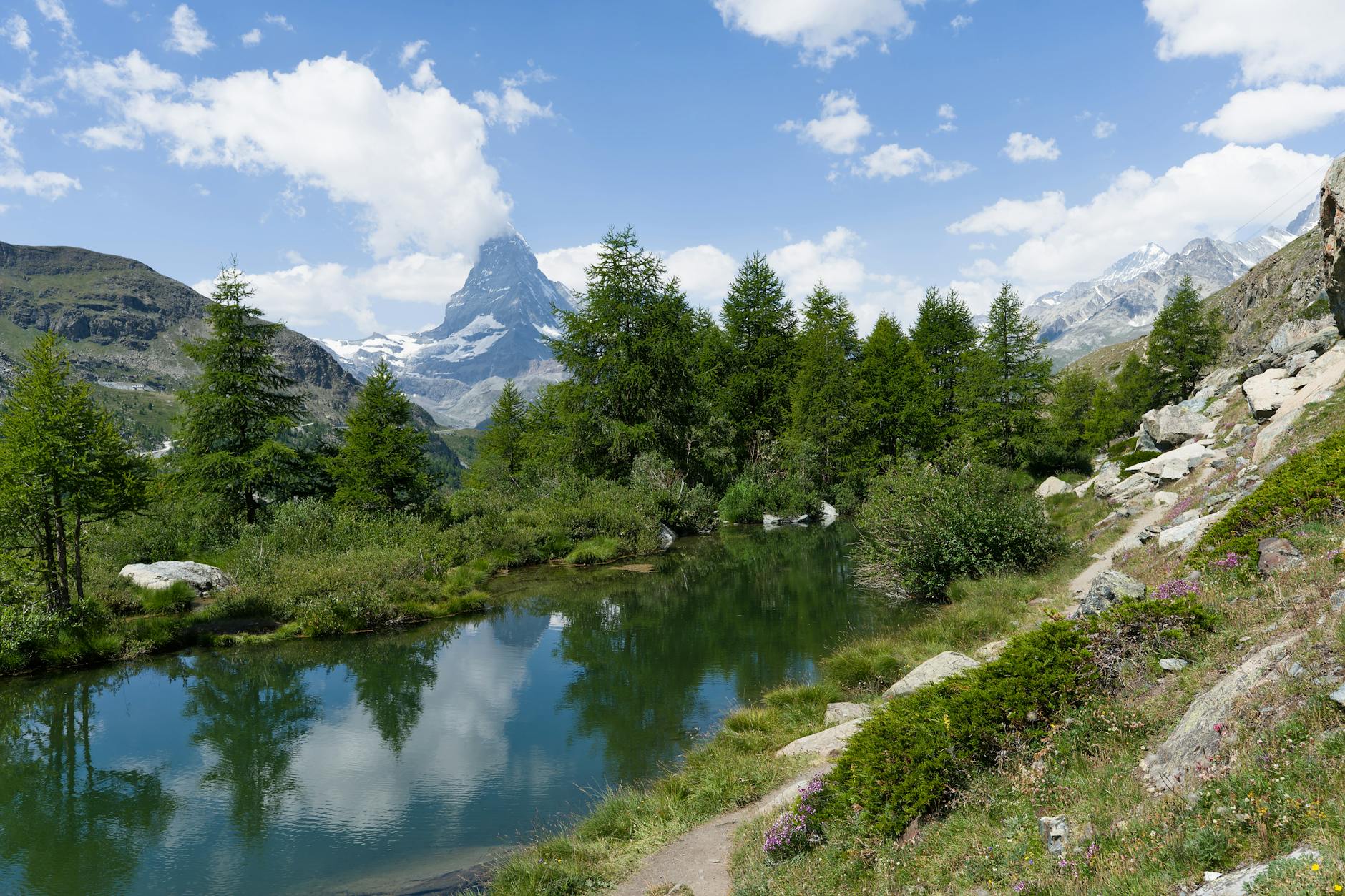
Zermatt is one of Switzerland's strongest outdoor destinations, but a short adventure trip needs discipline. Hiking, skiing, snowshoeing, climbing, biking, trail running, glacier viewpoints, and high-altitude rail outings all depend on season, weather, skill, gear, lifts, guides, and safety margins. The traveler should plan the mountain first and the bucket list second.
Match activities to season and ability
Zermatt's outdoor options change sharply by season, snowpack, lift operations, trail status, and the traveler's real skill level. A short trip should not mix ambitious skiing, high hikes, glacier outings, and long transfers without testing whether the body and schedule can handle it. The right activity is the one that fits the conditions.
Ability should be assessed honestly.
- Confirm whether the trip is for hiking, skiing, climbing, biking, trail running, snowshoeing, or scenic rail access.
- Check season, open lifts, trail status, snow conditions, daylight, and current ability requirements.
- Avoid treating social media difficulty, map distance, or resort marketing as a safety assessment.
Build the arrival around mountain timing
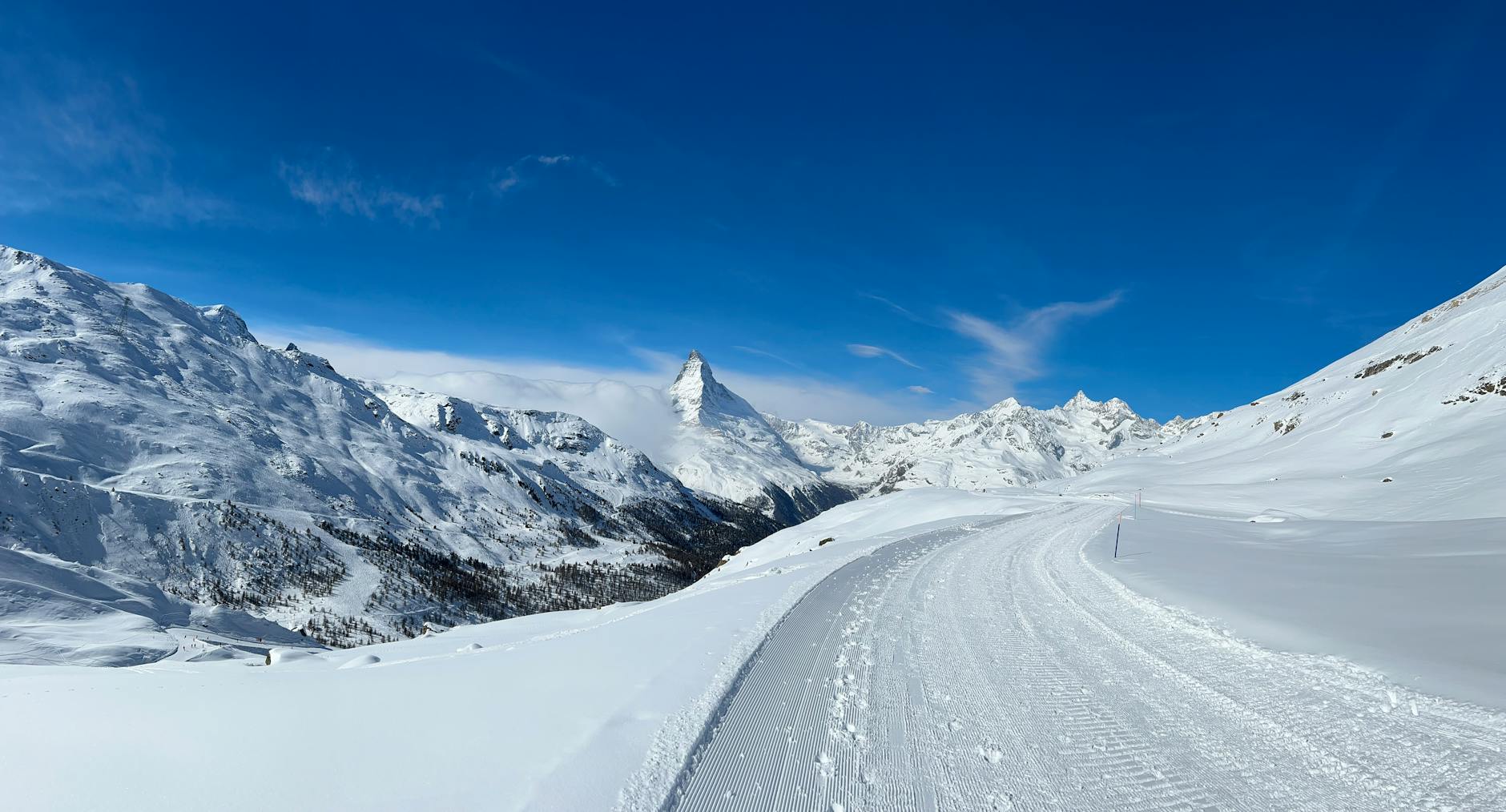
Adventure travelers often underestimate the time required to reach Zermatt, check in, rent gear, buy passes, and still make a safe start. The car-free rail arrival should be planned around activity windows, not only hotel check-in. A rushed first outing can create unnecessary risk.
The first mountain decision starts before arrival.
- Map the route through Visp or Tasch, station arrival, lodging transfer, gear rental, and first lift or trail timing.
- Arrive the previous day before guided starts, ski days, early hikes, or weather-dependent objectives.
- Keep tickets, reservations, guide contacts, insurance, emergency numbers, and offline maps accessible.
Use guides and official information
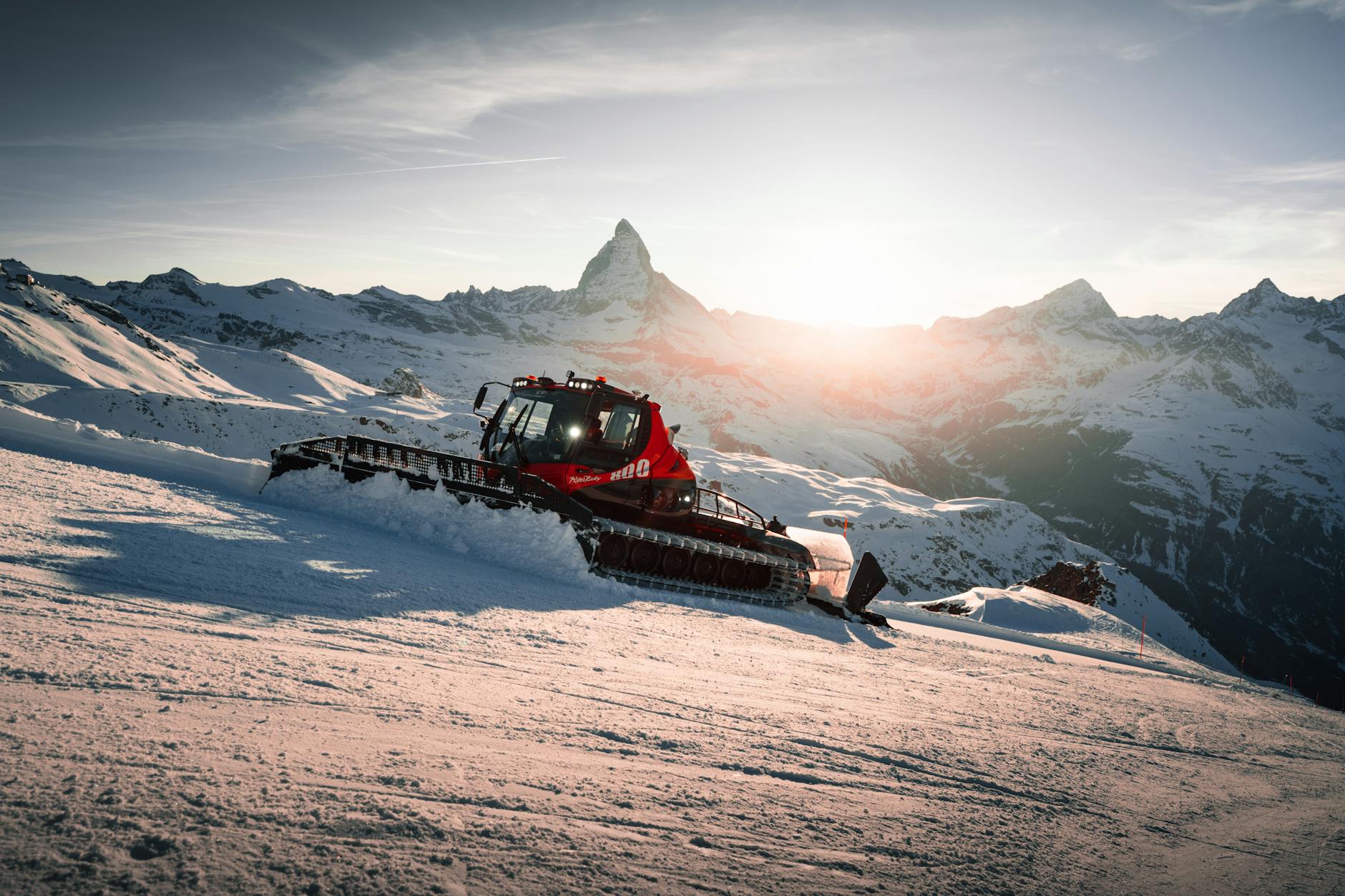
The Matterhorn area rewards preparation and punishes guesswork. Travelers planning glacier travel, climbing, off-piste skiing, technical hikes, or unfamiliar winter terrain should use qualified guides and current local information. Even easier outings should be checked against lift status, trail closures, weather, and return times.
Local information is safety equipment.
- Use qualified guides for technical routes, glacier travel, off-piste terrain, climbing, or unfamiliar winter conditions.
- Check lift status, trail reports, avalanche information when relevant, weather, webcams, and last return times.
- Tell someone the route and expected return when doing independent outdoor activity.
Pack and rent for the actual terrain
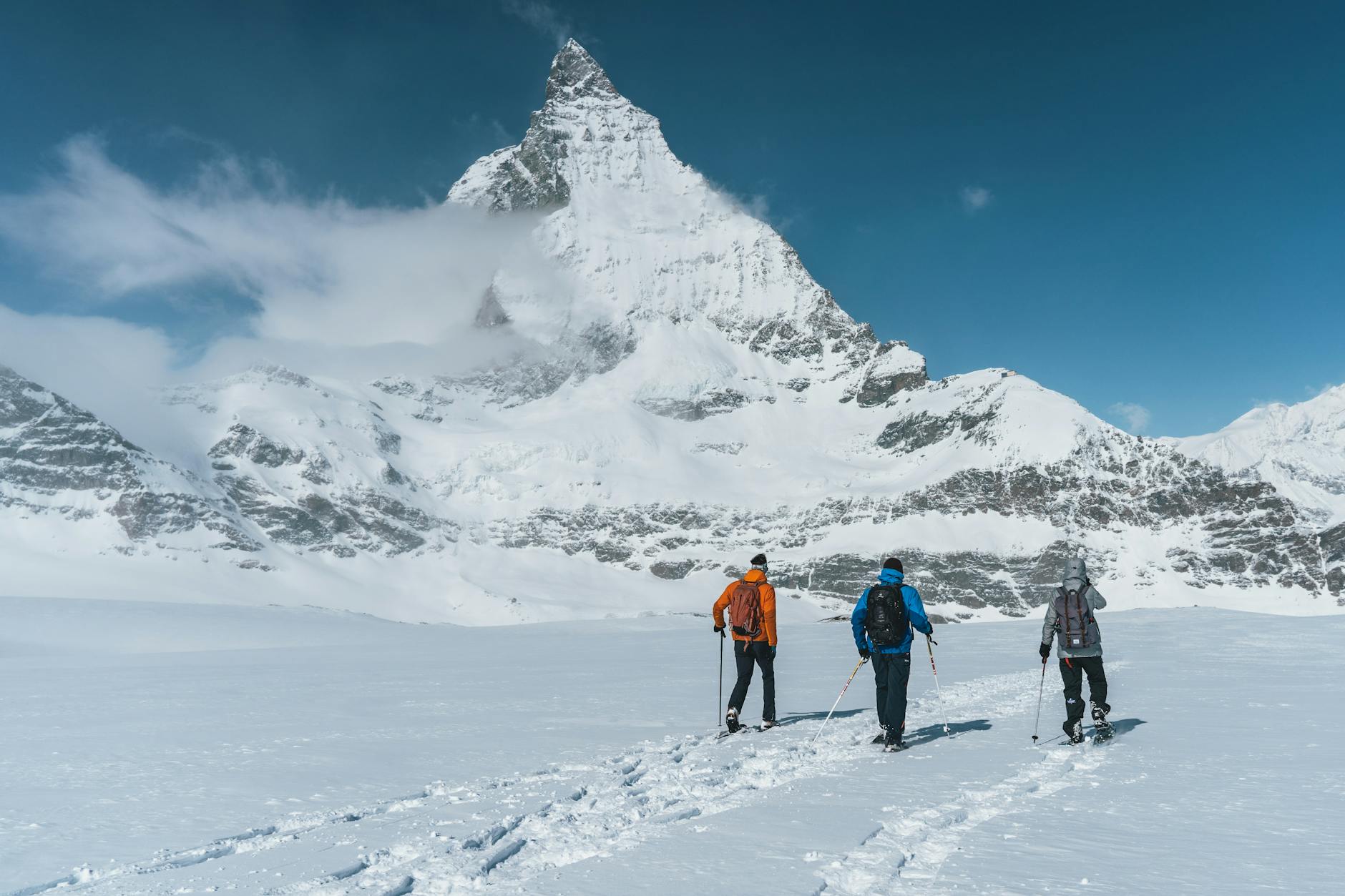
Zermatt can involve snow, ice, glare, wind, rapid temperature changes, altitude, long descents, and rough surfaces. Adventure travelers should bring or rent gear for the exact activity rather than relying on casual travel clothing. Poor footwear or missing layers can end a short trip quickly.
Gear should match the route, not the forecast headline.
- Plan footwear, layers, gloves, hat, sunglasses, sunscreen, water, snacks, navigation, and first-aid basics.
- Reserve ski, climbing, bike, or specialty rentals early during busy periods.
- Test boots, packs, bindings, poles, and outerwear before committing to a long day.
Respect weather, altitude, and recovery
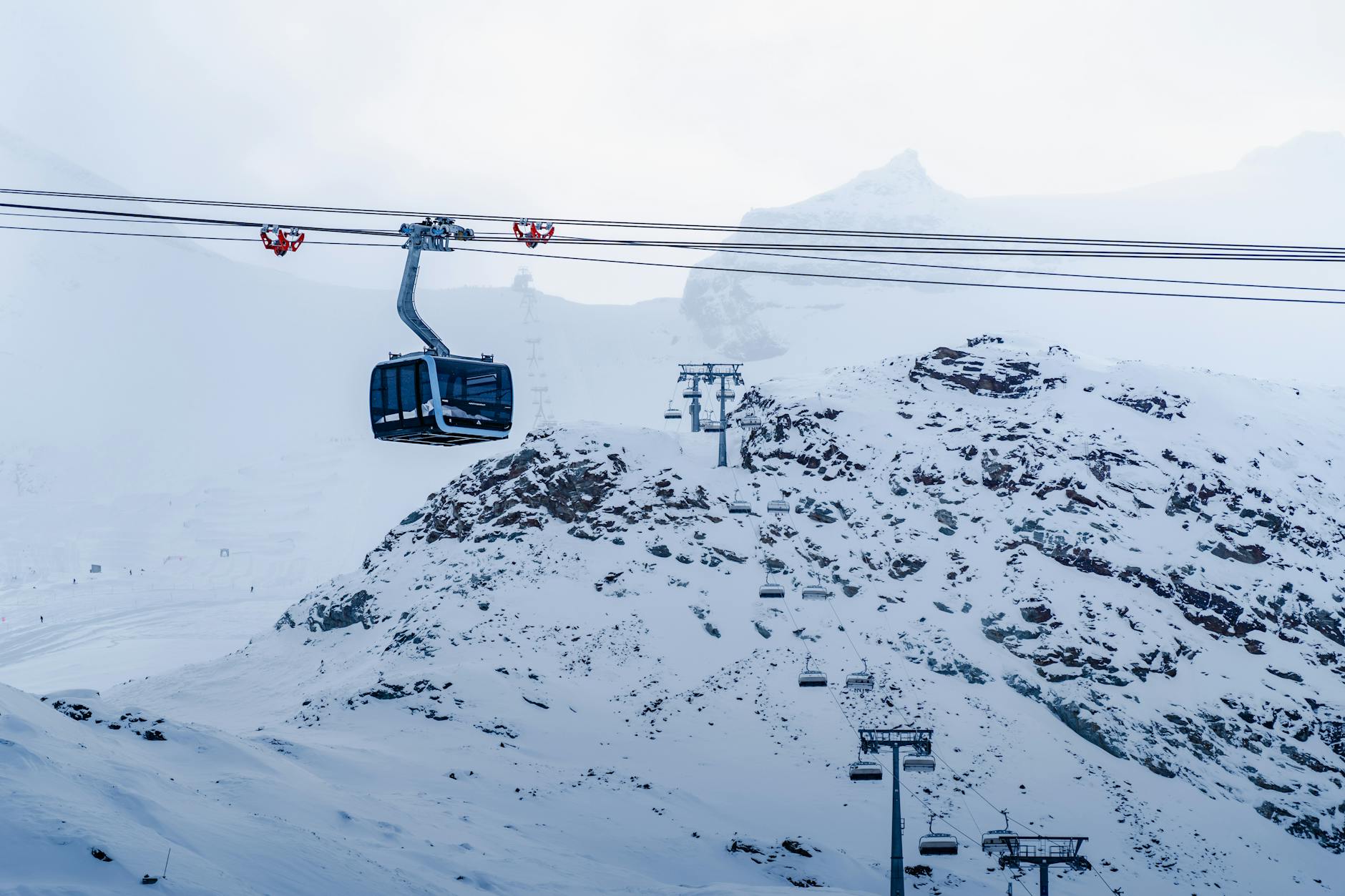
A short Zermatt trip can tempt travelers to stack hard activity every day. Altitude, cold, sun, dehydration, long descents, and travel fatigue can reduce judgment and performance. Outdoor travelers should build recovery, weather alternatives, and lower-intensity options into the plan.
Energy is a safety margin.
- Plan easier first-day activity if arrival travel, altitude, or gear pickup already uses energy.
- Carry water, snacks, sun protection, warm layers, and a realistic turnaround time.
- Switch to village walks, lower trails, rail viewpoints, or rest when weather or fatigue changes the risk.
Budget for safety, not just passes
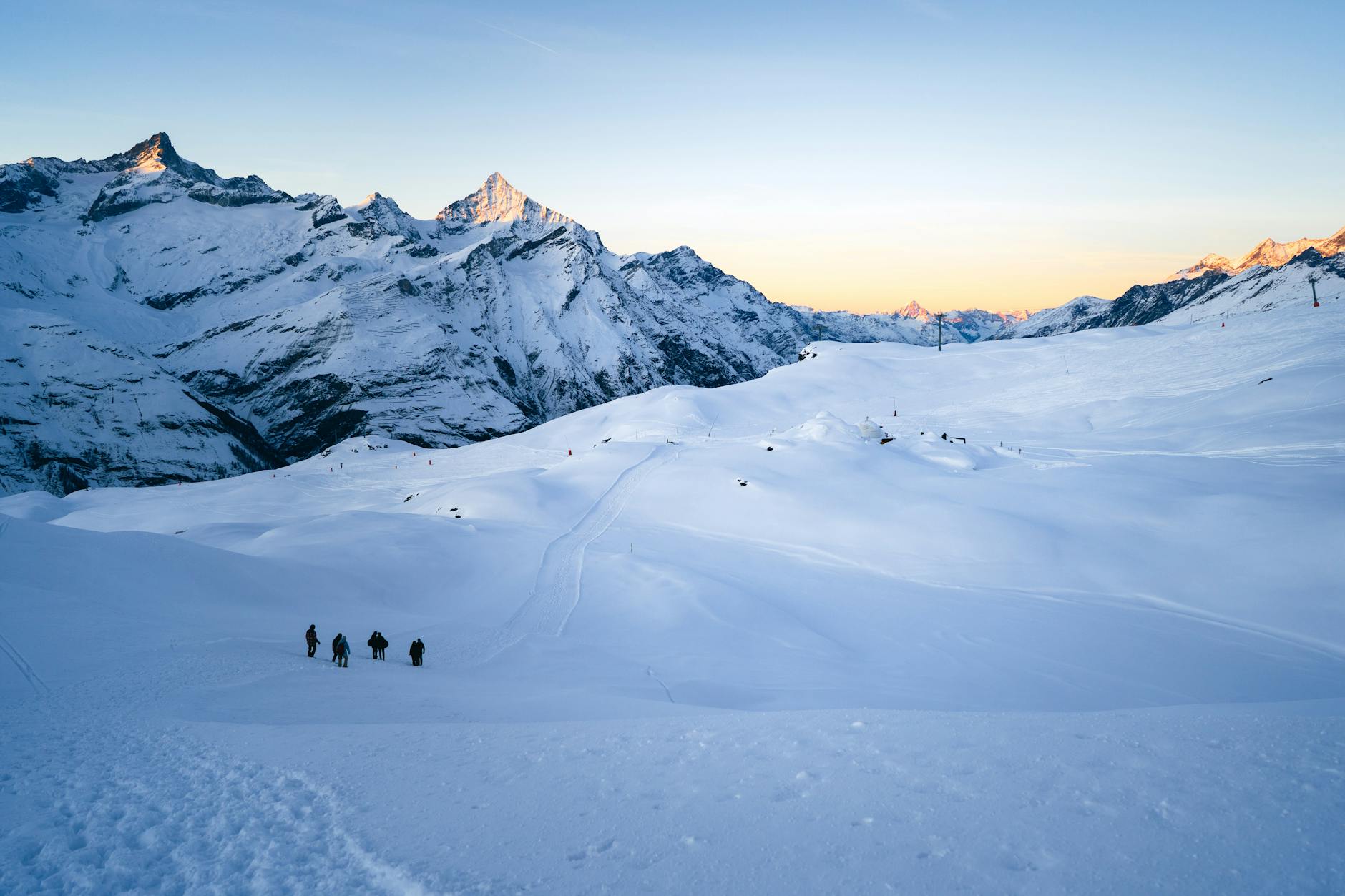
Outdoor travel in Zermatt can involve lift passes, guide fees, rentals, insurance, rail tickets, meals, rescue coverage, and weather-driven changes. The cheapest plan may be the one that skips necessary safety support. A budget should allow the traveler to make conservative decisions when conditions change.
Safety belongs in the cost plan.
- Budget for guides, rentals, passes, insurance, rescue coverage, food, water, layers, and schedule flexibility.
- Check whether travel insurance covers the exact activities, terrain, altitude, and equipment involved.
- Avoid nonrefundable outdoor plans when the main value depends on clear weather or open lifts.
When to order a short-term travel report
An adventure traveler with a simple guided package may not need a custom report. A report becomes useful when the traveler must choose activities, lodging, rail timing, guides, rentals, lift passes, insurance, weather alternatives, or a tight onward connection.
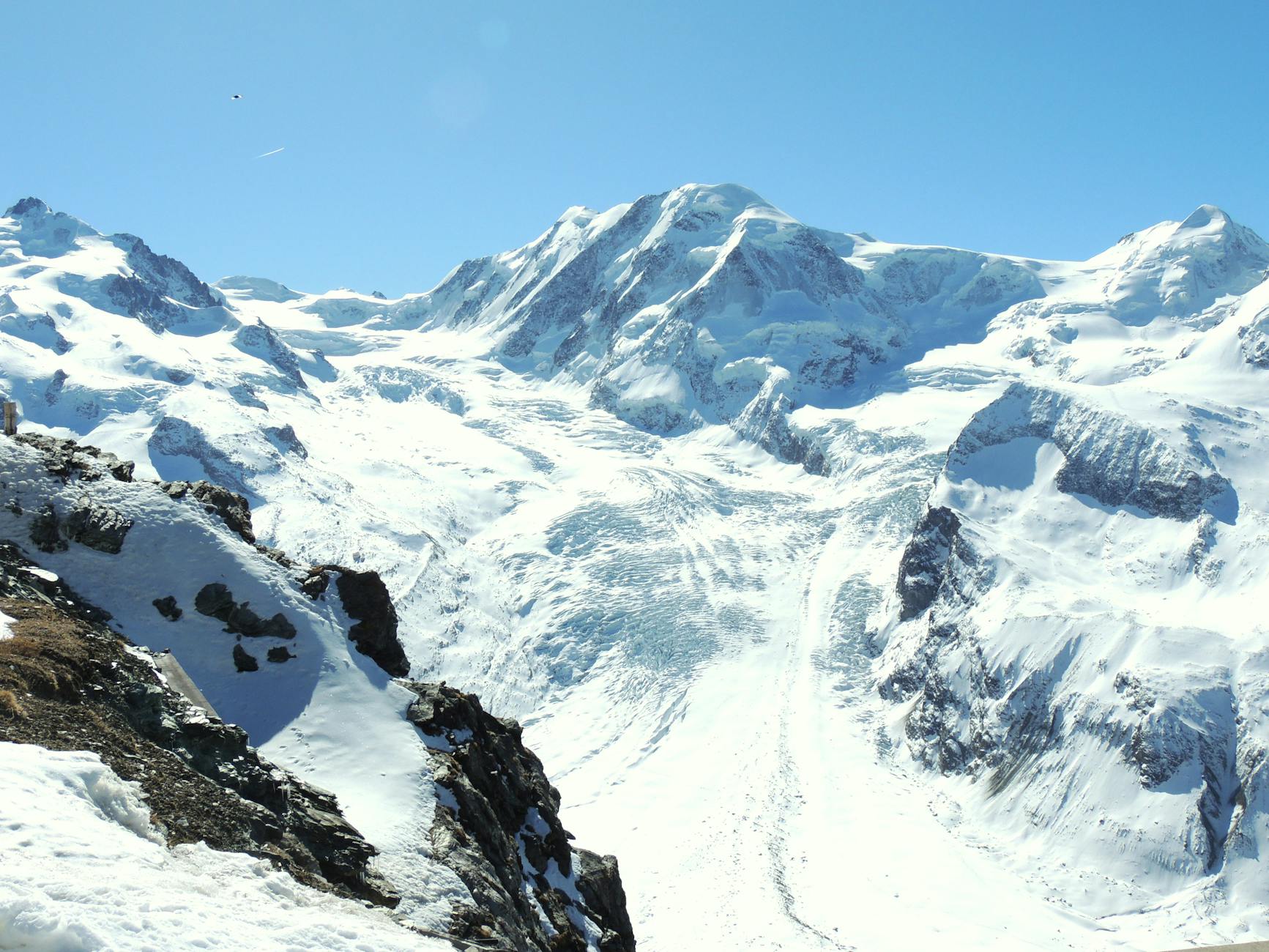
The report should test season fit, activity difficulty, arrival timing, guide needs, trail and lift access, gear, weather, altitude, insurance, costs, recovery windows, and departure buffers. The value is a Zermatt outdoor trip that stays ambitious without becoming careless.
- Order when activities, guides, rentals, lifts, weather, gear, insurance, budget, or onward travel need exact planning.
- Provide dates, skill level, planned activities, guide needs, lodging options, rail route, gear list, health details, and risk limits.
- Use the report to choose mountain days that fit the traveler and the conditions.