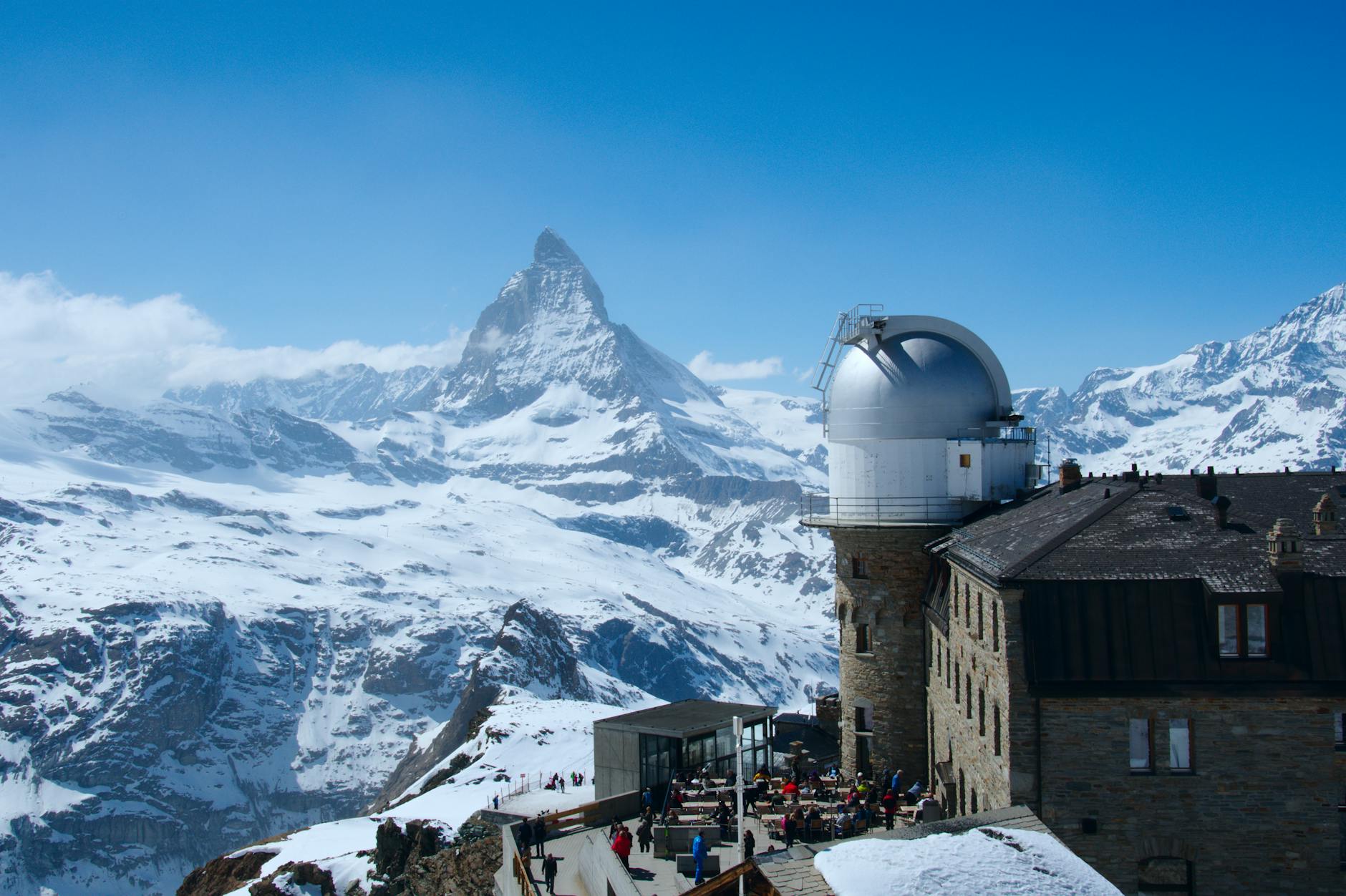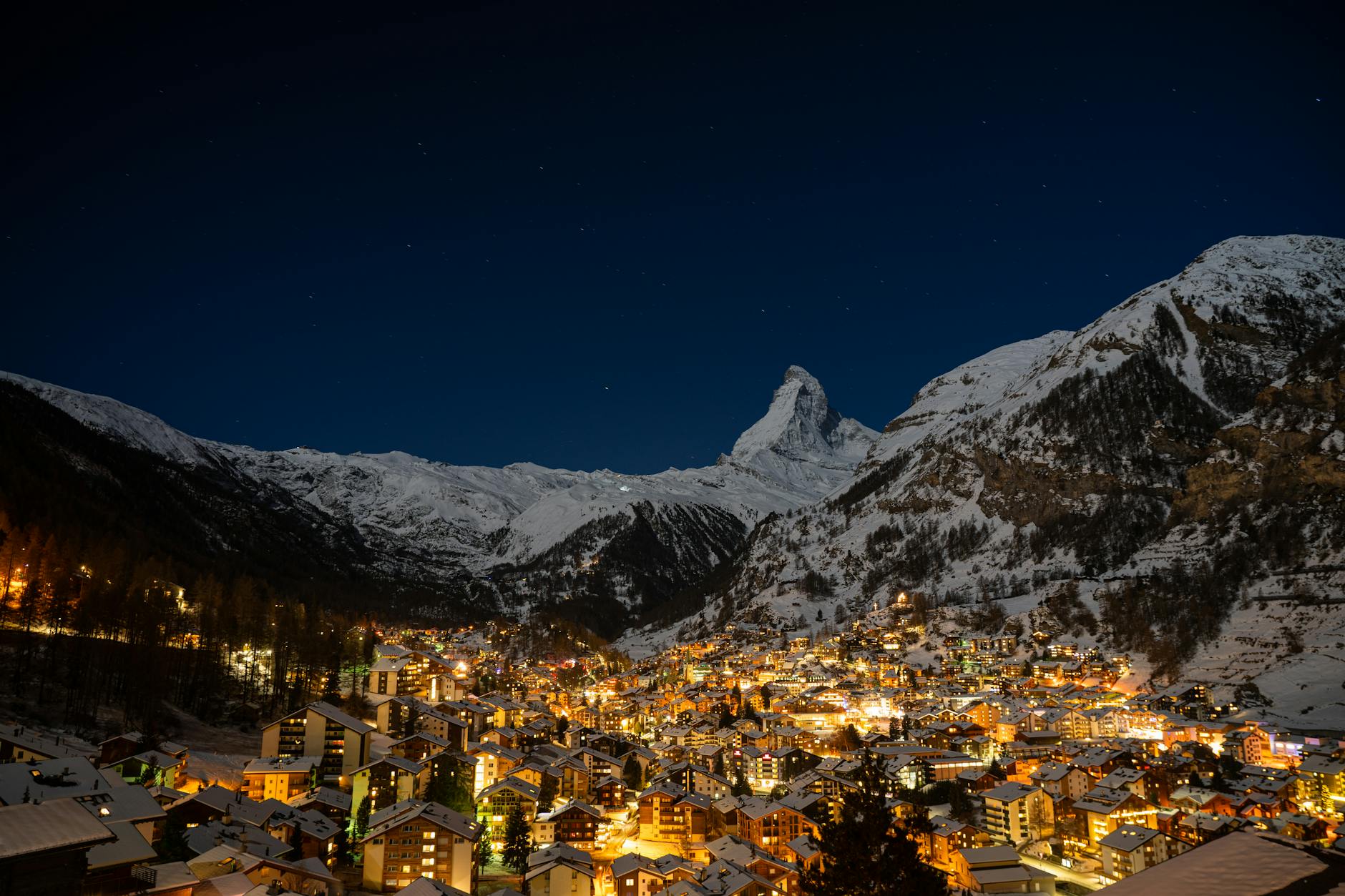
Zermatt can be a memorable academic conference setting, especially for alpine science, hospitality, sustainability, medicine, finance, executive education, or a small high-focus symposium. It is not a neutral convention city. The car-free village, rail-based access, weather exposure, altitude, and hotel geography all shape how well the attendee can actually participate.
Confirm the conference geography first
A Zermatt conference may be based in a hotel, mountain venue, seminar room, research setting, or multi-site program. An attendee should confirm exactly where registration, plenaries, poster sessions, meals, receptions, and optional field visits happen before booking lodging or rail. In a car-free mountain village, the conference address is only the beginning of the logistics.
The practical map matters as much as the program.
- Check registration location, session rooms, poster areas, reception venues, and any mountain or field-study component.
- Confirm whether the organizer provides station transfers, luggage help, group rail guidance, or bad-weather alternatives.
- Book lodging with the actual conference route in mind, not only the strongest Matterhorn view.
Build rail access around fixed sessions
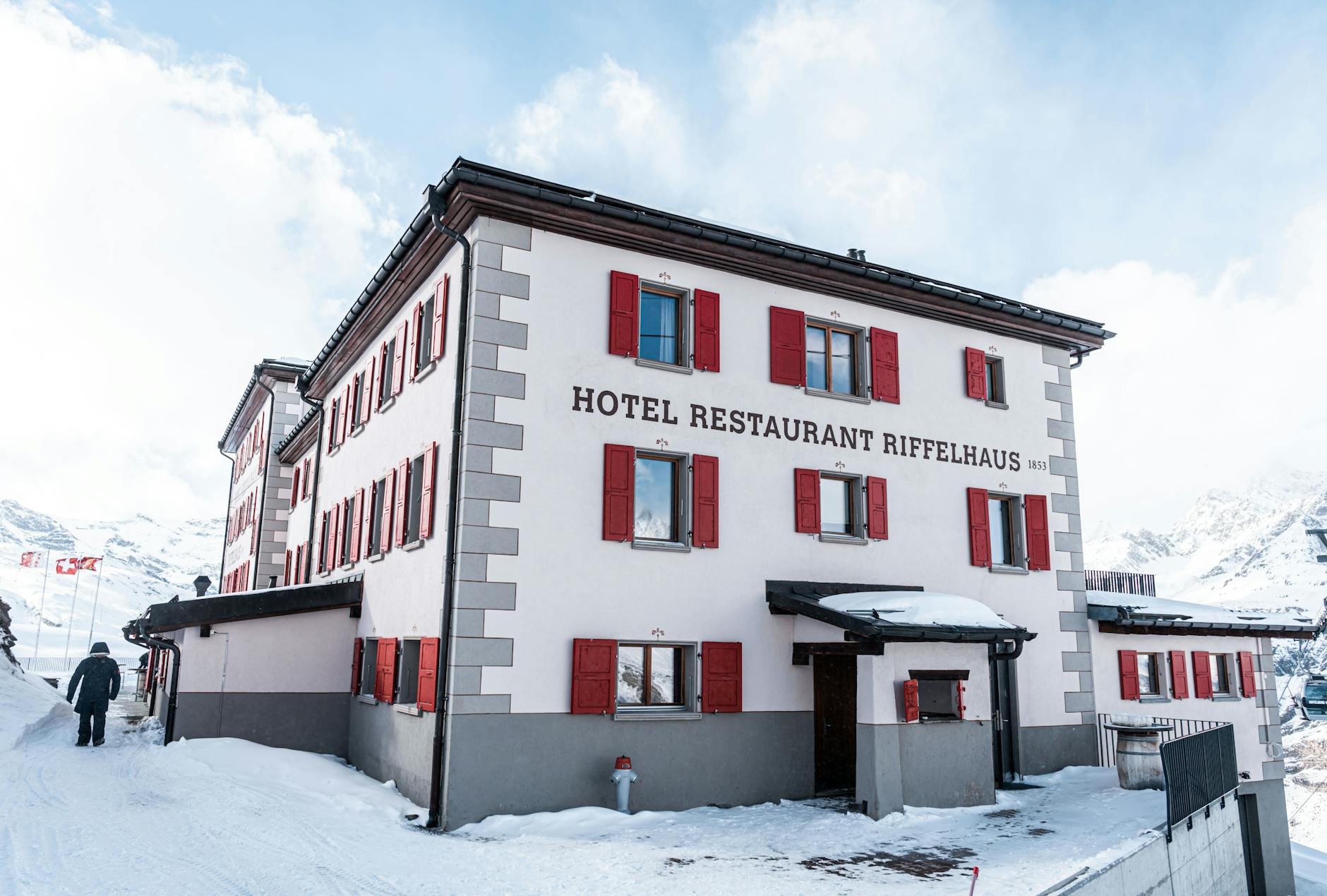
Most attendees reach Zermatt by rail through Visp, or by parking at Tasch and using the shuttle train. That access can be smooth, but it should not be treated casually when a keynote, panel, poster slot, workshop, or exam-style session is fixed. Flight delays and rail transfers can erase a short arrival margin.
Conference travel should be built backward from the first required commitment.
- Map airport, rail, Visp or Tasch transfer, Zermatt station arrival, and hotel pickup before choosing flights.
- Arrive the previous day when the first session is important, technical, or impossible to repeat.
- Keep departure buffers large enough for morning checkout, luggage handling, station transfer, and onward rail.
Choose lodging that supports participation
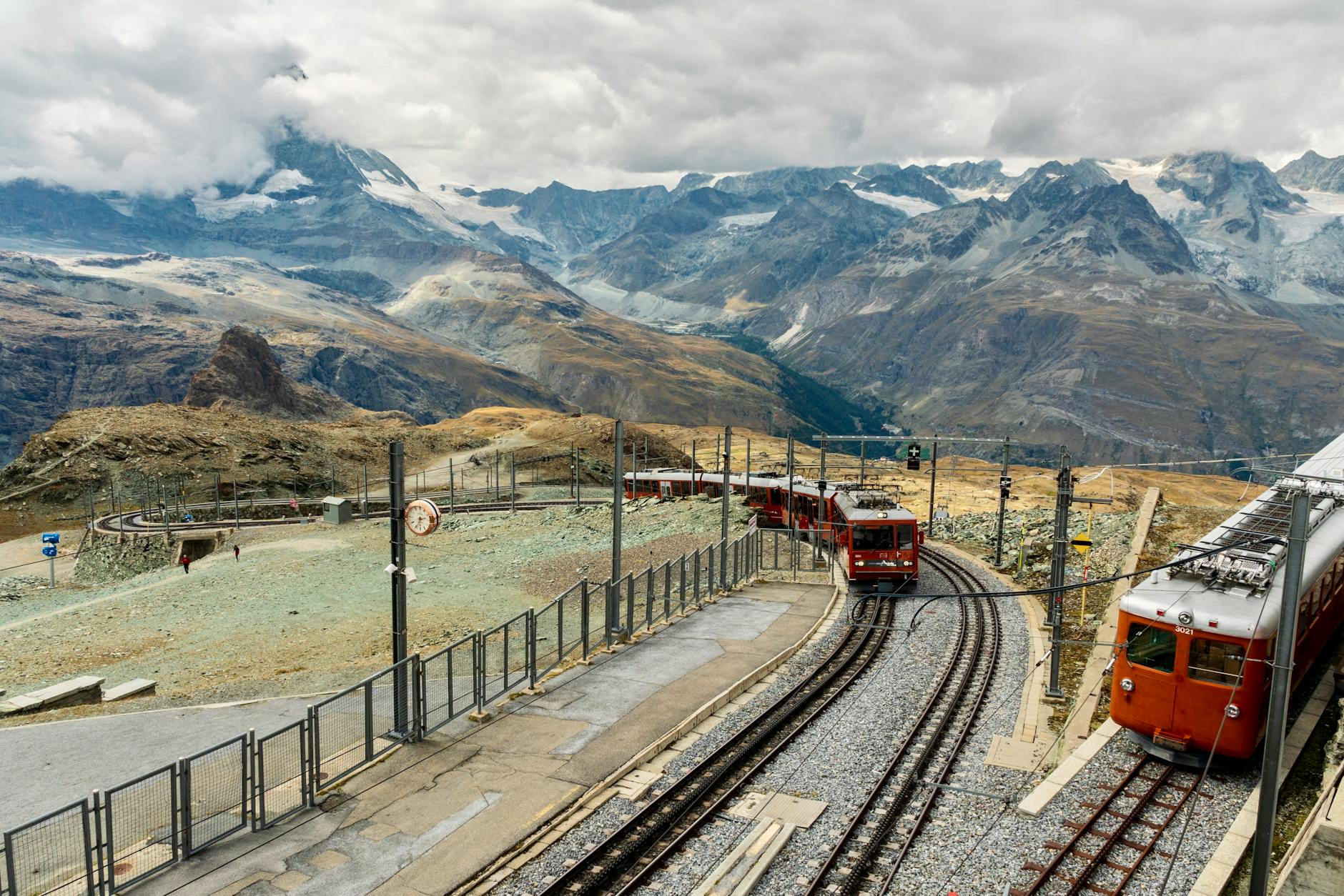
A conference attendee may need a quiet desk, reliable Wi-Fi, breakfast before early sessions, a place to rehearse, laundry, easy return after receptions, and enough rest to stay useful through dense days. A scenic but awkward hotel can become a daily tax if it sits far above the route or requires repeated transfers.
The right hotel protects the academic purpose of the trip.
- Check desk space, Wi-Fi, quiet rooms, breakfast hours, lift access, laundry, luggage storage, and station pickup.
- Favor an easier conference route if sessions start early or evening events run late.
- Ask whether the hotel can hold bags after checkout if the final day includes sessions.
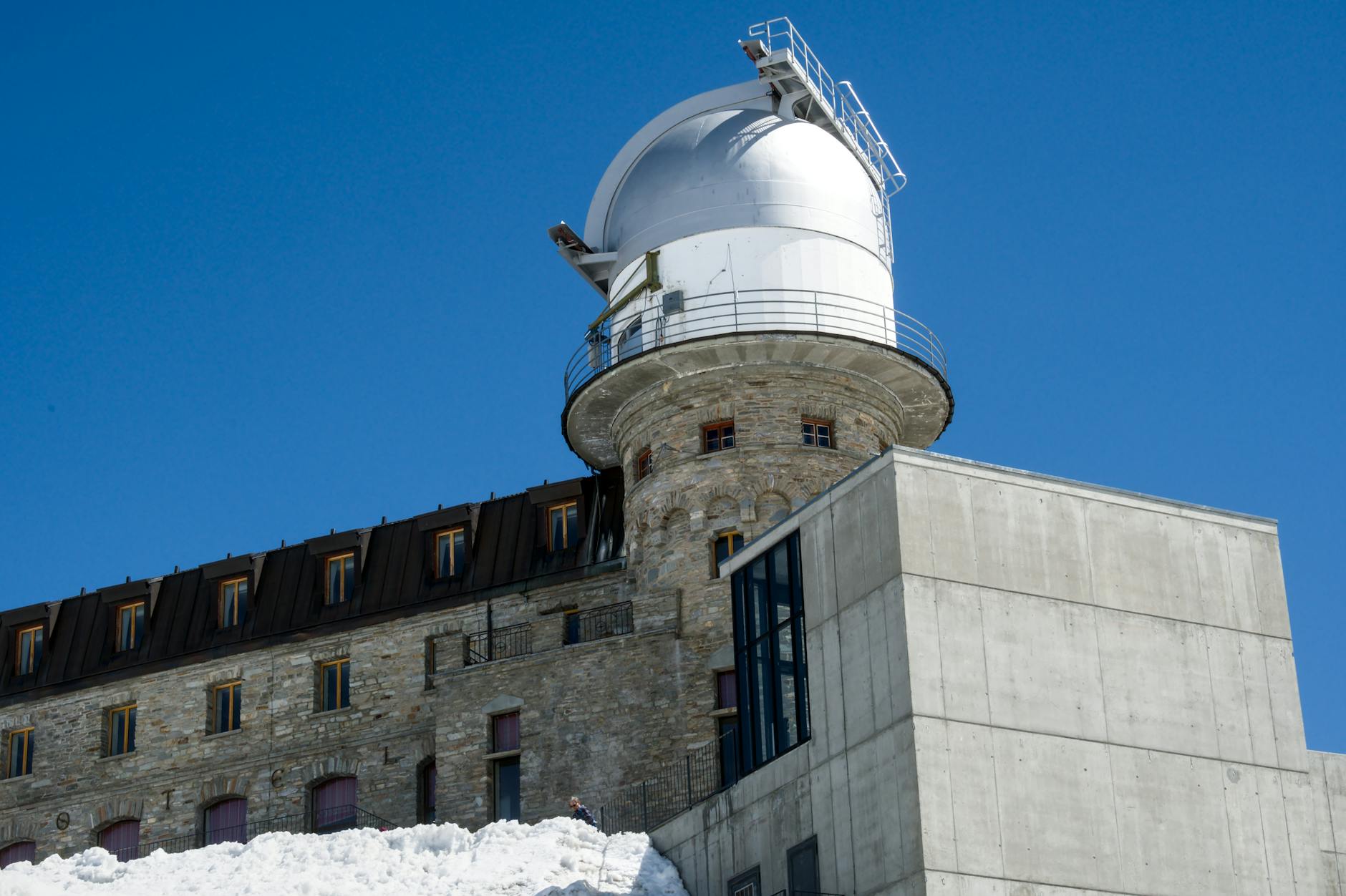
Protect presentation materials and devices
A short academic trip can fail on small technical details: a poster tube left in transit, a laptop adapter that does not fit, weak upload speed, missing slides, or a phone battery gone before the networking dinner. The attendee should treat materials, data, and charging as part of the itinerary.
The work should not depend on one fragile copy.
- Carry slides, poster files, notes, data, adapters, and chargers in hand luggage rather than checked bags.
- Keep offline copies and cloud backups in case conference Wi-Fi or hotel upload speed disappoints.
- Confirm poster dimensions, AV rules, speaker upload deadlines, and whether printing help exists locally.
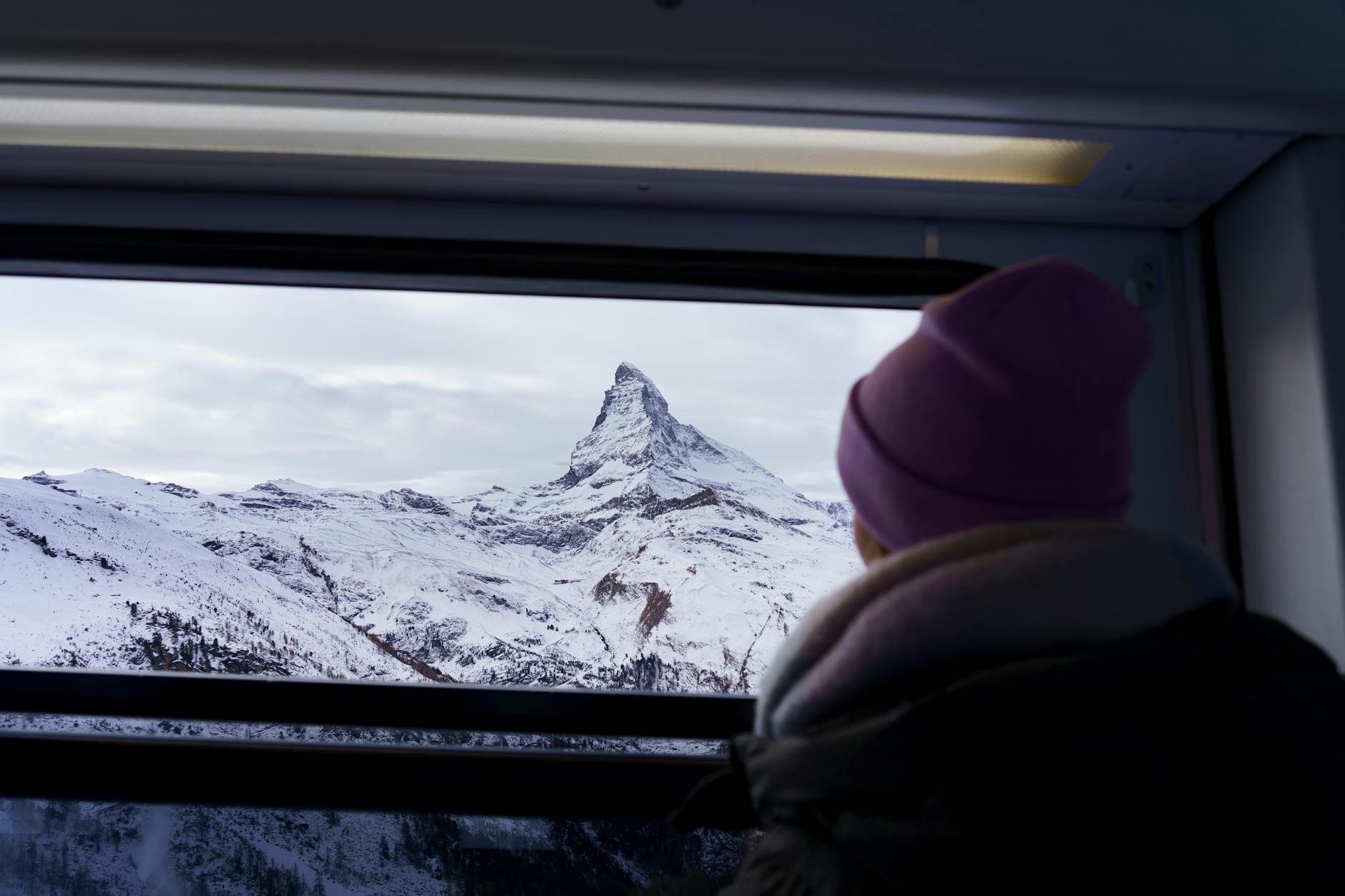
Plan car-free movement between sessions
Zermatt is walkable, but snow, cobbles, slope, crowds, dress shoes, poster tubes, and laptops change the experience. An attendee moving between sessions, lunches, hotel rooms, receptions, and mountain activities should know the route before the day becomes busy. Electric taxis help, but they are not a substitute for realistic timing.
Walking time should be scheduled, not guessed.
- Test the route from hotel to venue, venue to reception, and venue to station before relying on it.
- Allow extra time when carrying presentation materials, formal clothes, or winter gear.
- Keep a simple backup route for poor weather, low visibility, or a late-running panel.
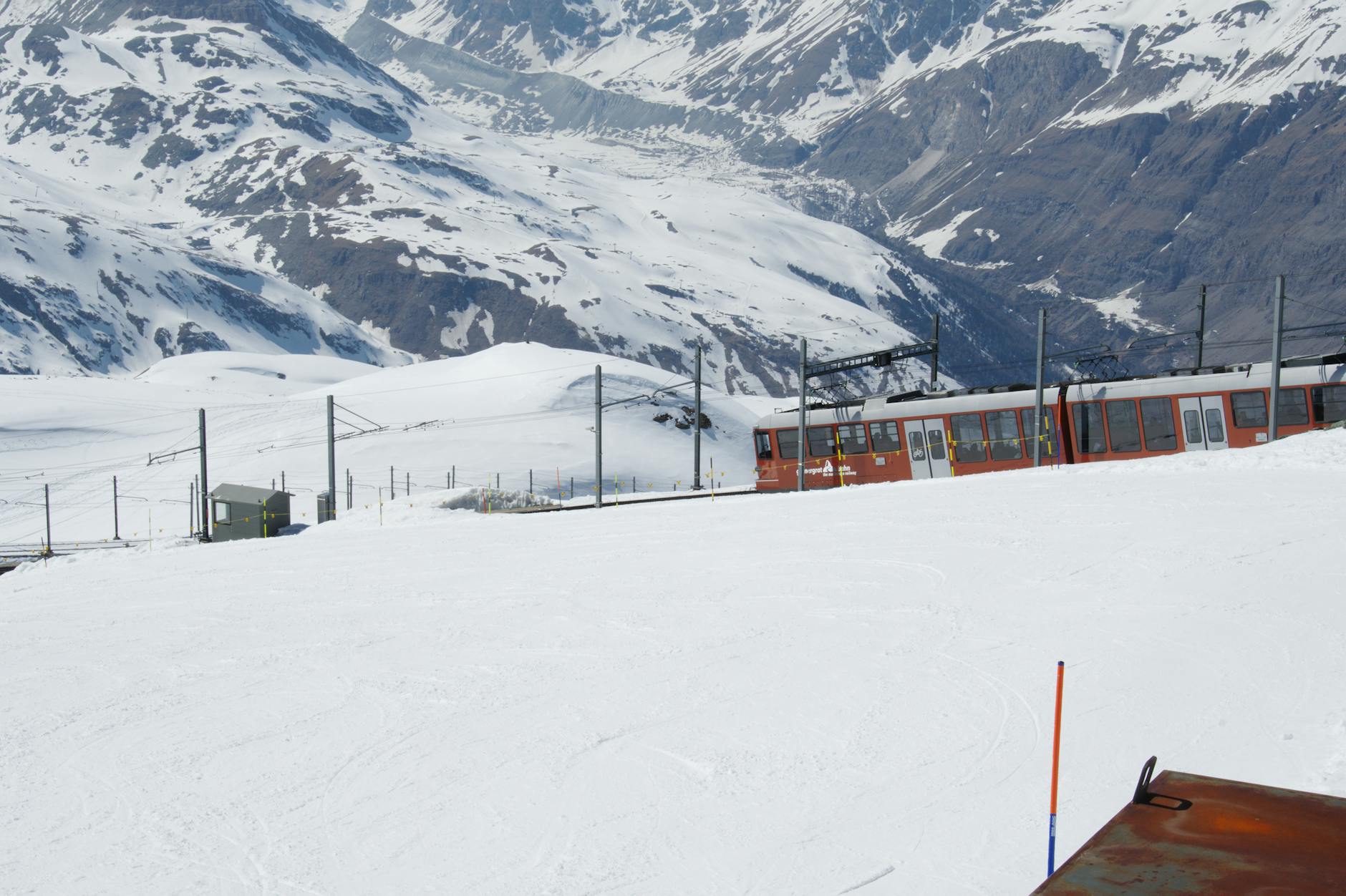
Respect weather, altitude, and program fatigue
Zermatt's setting can make a conference feel exceptional, but the same setting can strain an overloaded schedule. Altitude, cold, snow, sun, late receptions, early panels, and optional mountain activities can reduce attention and energy. An attendee should decide which academic commitments are essential and which social or scenic items can be skipped.
Participation is more important than collecting every view.
- Pack layers, weather protection, comfortable shoes, and any medication needed for altitude or cold exposure.
- Check weather and lift conditions before joining optional mountain events.
- Protect sleep before presentations, workshops, exams, interviews, or important networking meetings.
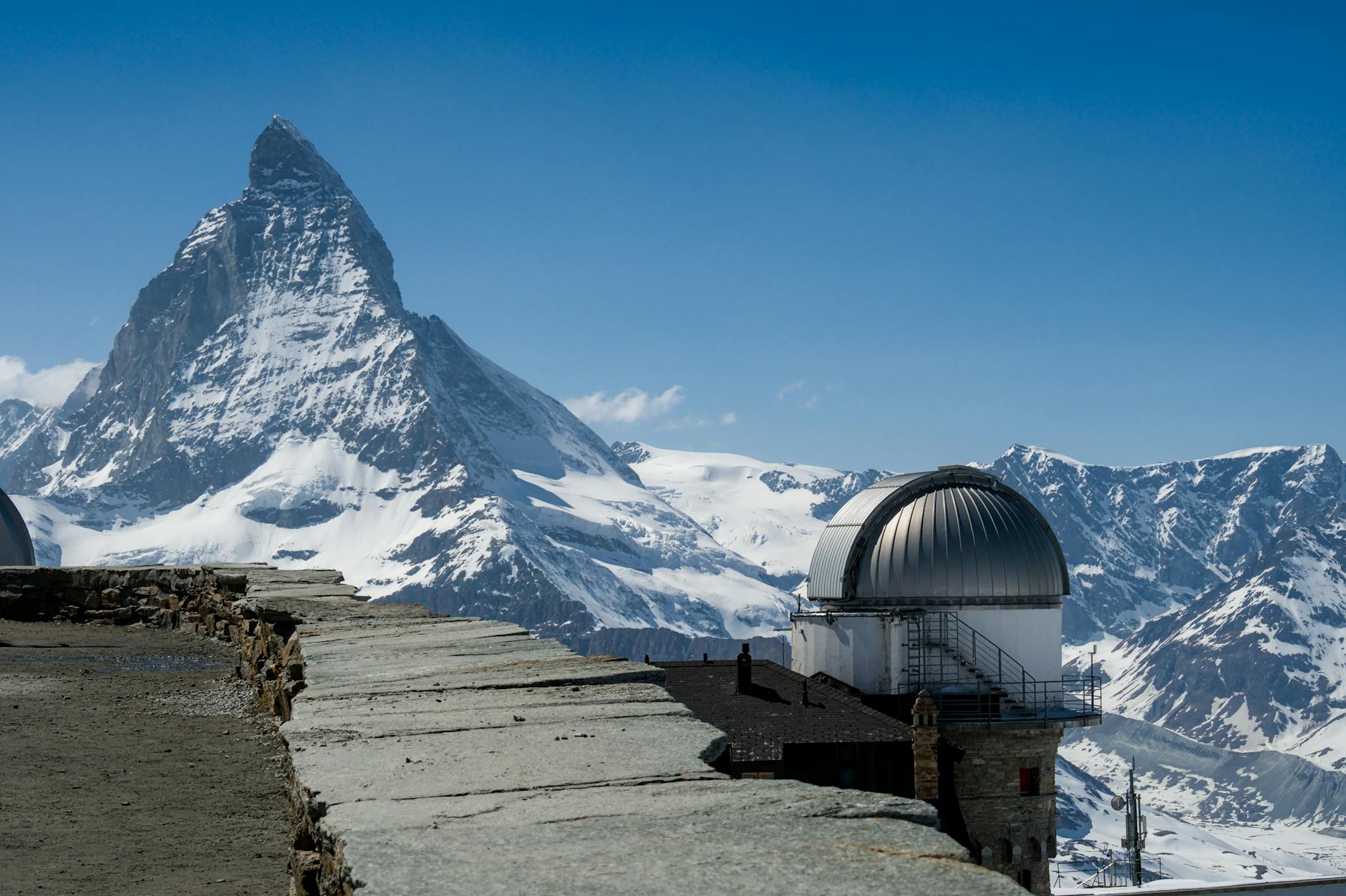
When to order a short-term travel report
An attendee with organizer-managed lodging, group transfers, and no presentation may not need a custom report. A report becomes useful when the attendee controls flights, rail, lodging, poster materials, session timing, field visits, reimbursement, or a tight return to Zurich, Geneva, or another onward city.
The report should test arrival timing, rail transfers, car-free movement, hotel fit, venue routes, presentation logistics, weather risk, meal timing, and departure buffers. The value is a conference trip where the mountain setting supports the academic purpose instead of distracting from it.
- Order when arrival timing, presentation materials, venue routes, lodging, weather, or onward travel need exact planning.
- Provide conference program, venue addresses, session commitments, hotel options, flight times, rail preferences, and luggage details.
- Use the report to separate essential academic commitments from optional scenic or social extras.