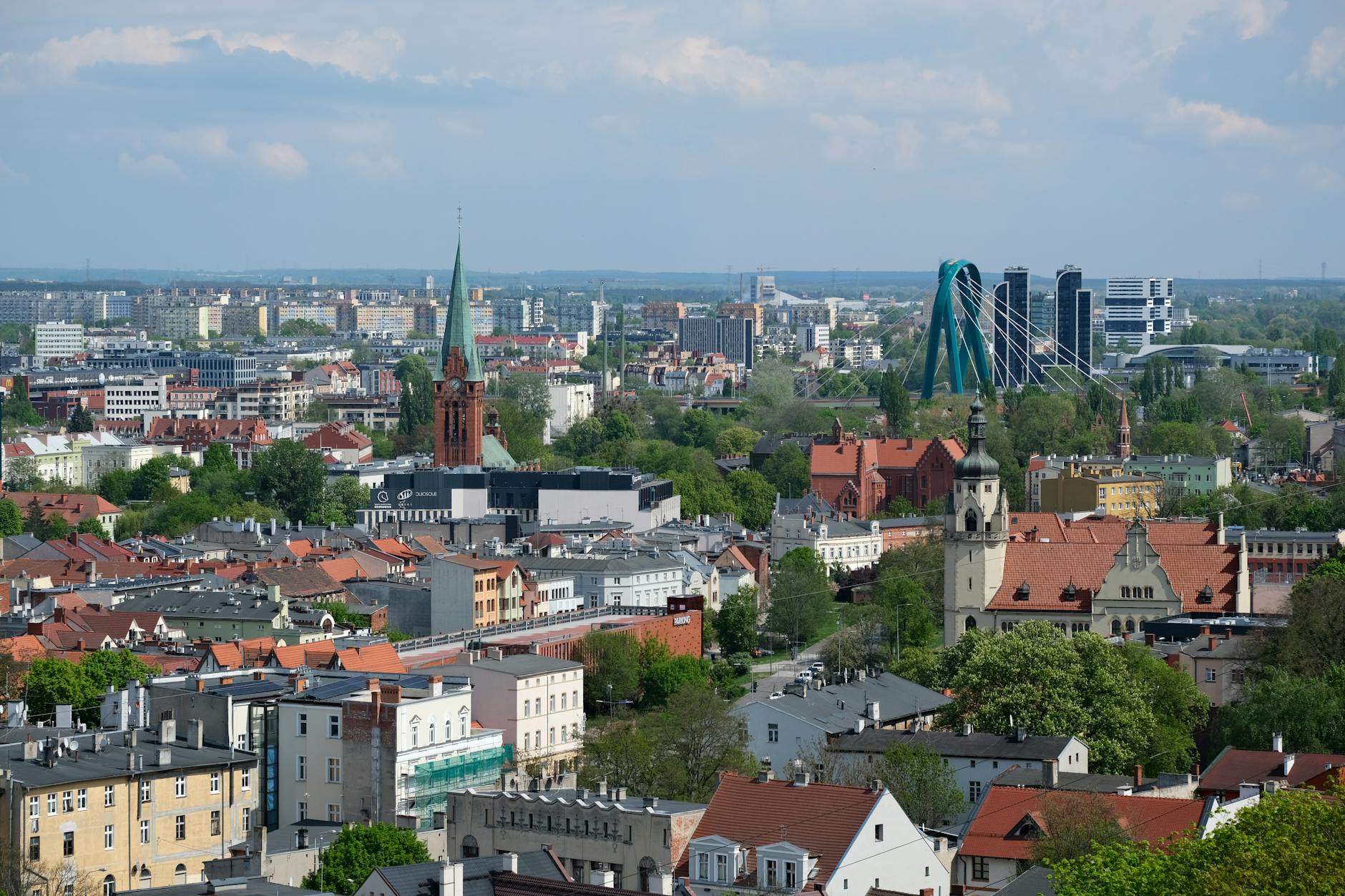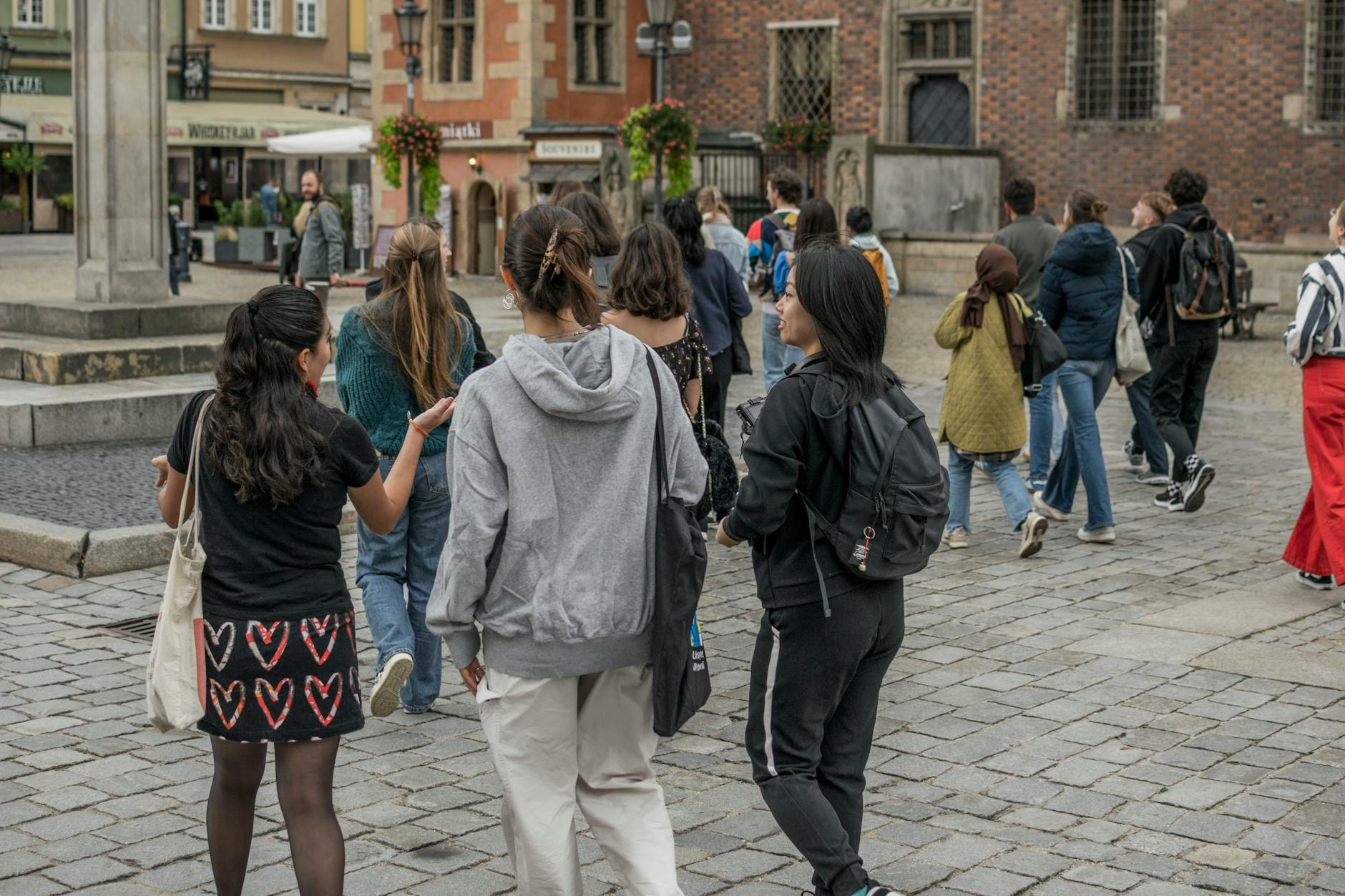
A short volunteer or NGO trip to Wroclaw should be planned around the host organization before sightseeing. Service locations, reporting lines, lodging safety, transport, meals, local context, evening accountability, and departure timing all affect whether the traveler can contribute without creating extra work for the host.
Confirm host expectations first
A volunteer or NGO traveler should know the host contact, site address, working hours, role limits, reporting line, dress expectations, language needs, and emergency process before booking the rest of the trip. Good intentions do not replace clear logistics.
The host plan should lead the itinerary.
- Confirm site address, contact person, daily schedule, role scope, documents, and arrival instructions.
- Ask what to bring, what not to bring, and how communication should work during the stay.
- Check whether any tasks require training, background checks, insurance, or local registration.
Choose lodging near the service rhythm
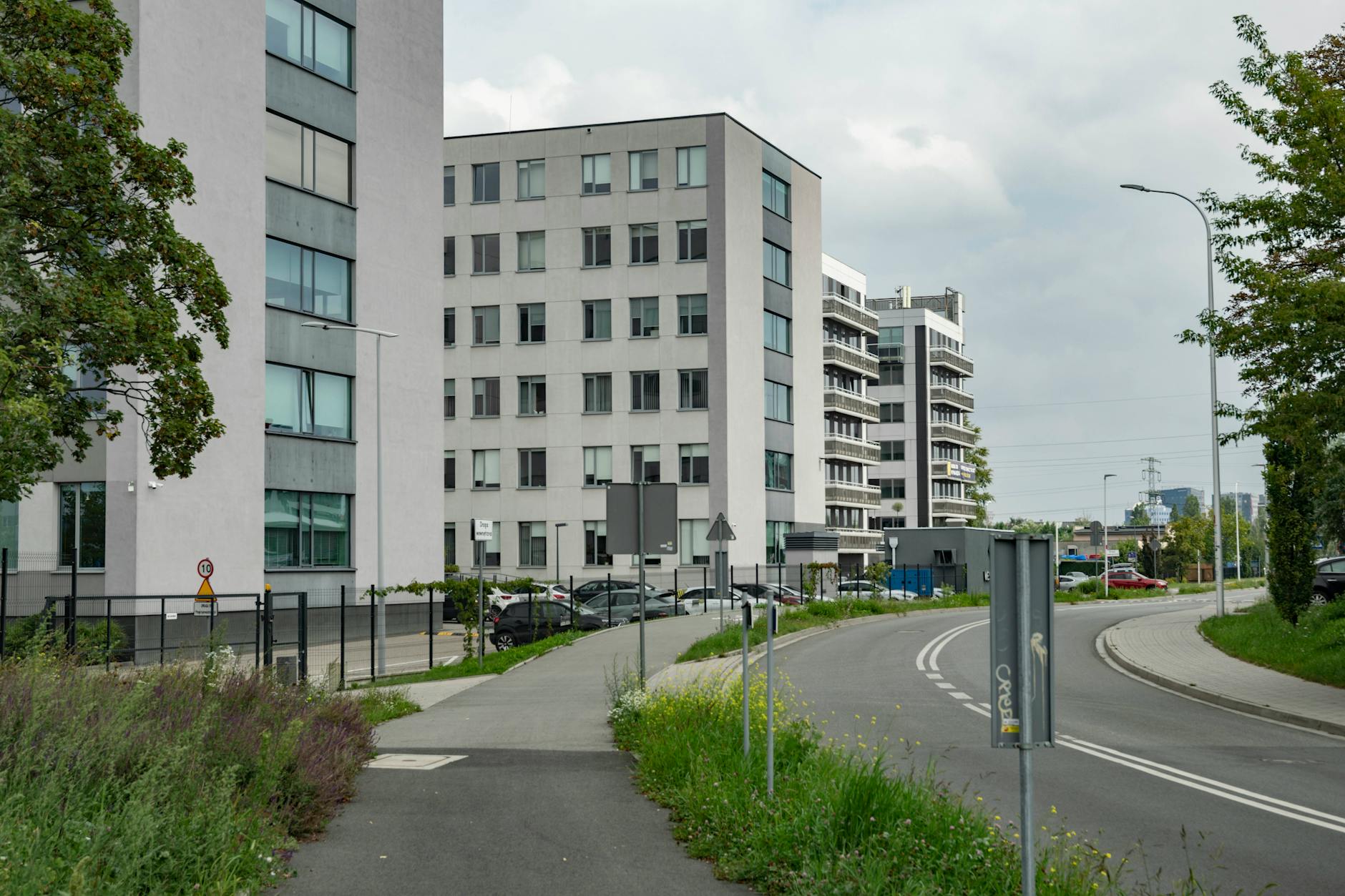
Lodging should support early starts, late returns, modest budgets, laundry, rest, and safe movement to the service site. A central old-town room may still be wrong if it adds long daily transfers or makes the traveler harder to coordinate.
The stay should make service easier.
- Compare lodging by route to the host site, station, grocery stops, and evening return options.
- Check check-in timing, luggage storage, laundry, quiet hours, kitchen access, and receipt needs.
- Avoid lodging that saves little money while adding repeated transport friction.
Plan transport before the first assignment
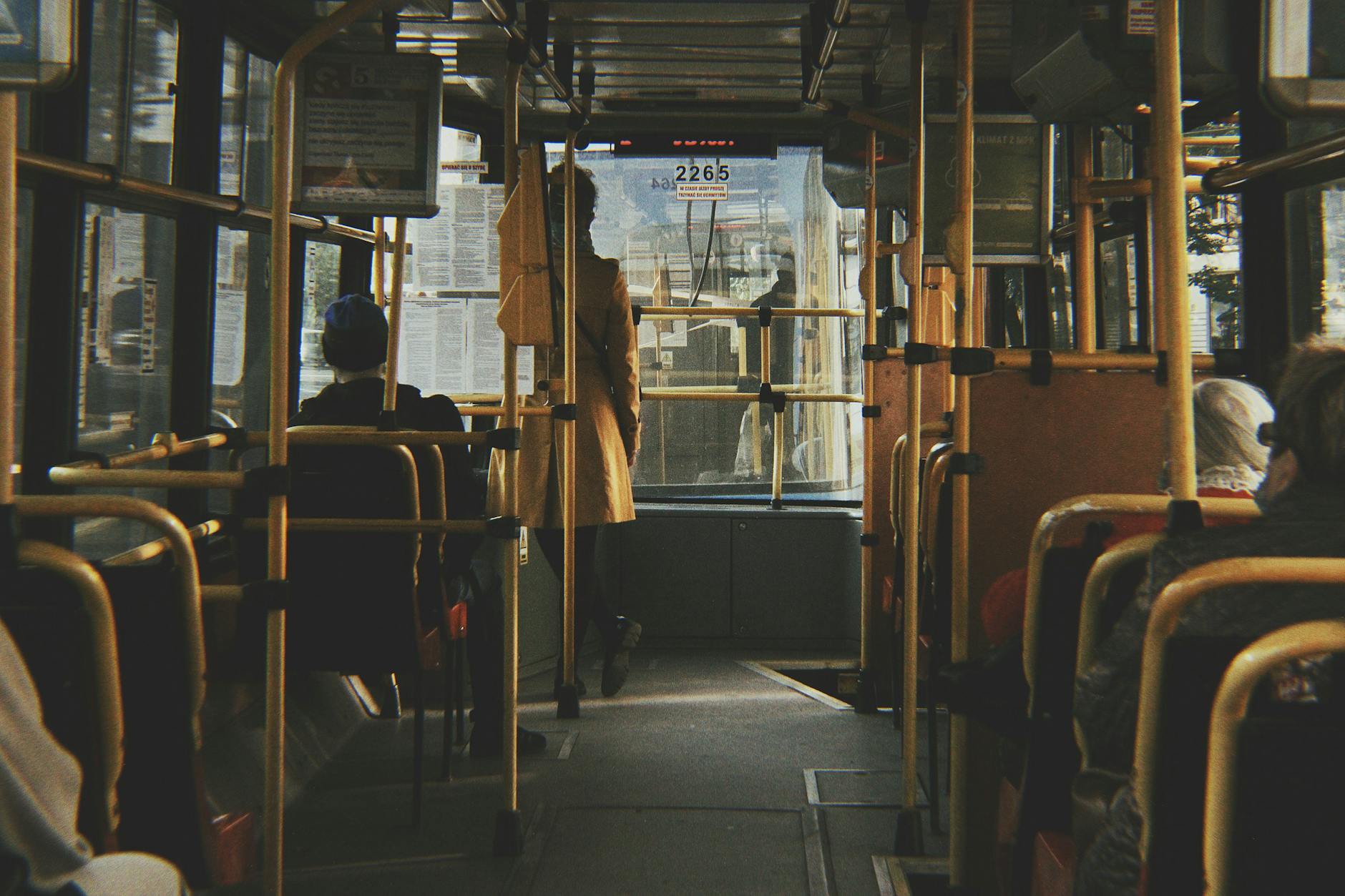
Volunteers and NGO travelers may need to reach community sites, offices, warehouses, meeting points, or partner locations. Trams, walking, taxis, and rail links can all work, but the first service day should not be the first time the route is tested.
Reliable arrival shows respect for the host.
- Save service-site, lodging, station, airport, tram, walking, and taxi routes offline.
- Check ticket rules, late service, transfer points, and whether the route changes on weekends.
- Use direct rides when carrying supplies, traveling early, returning late, or working under time pressure.
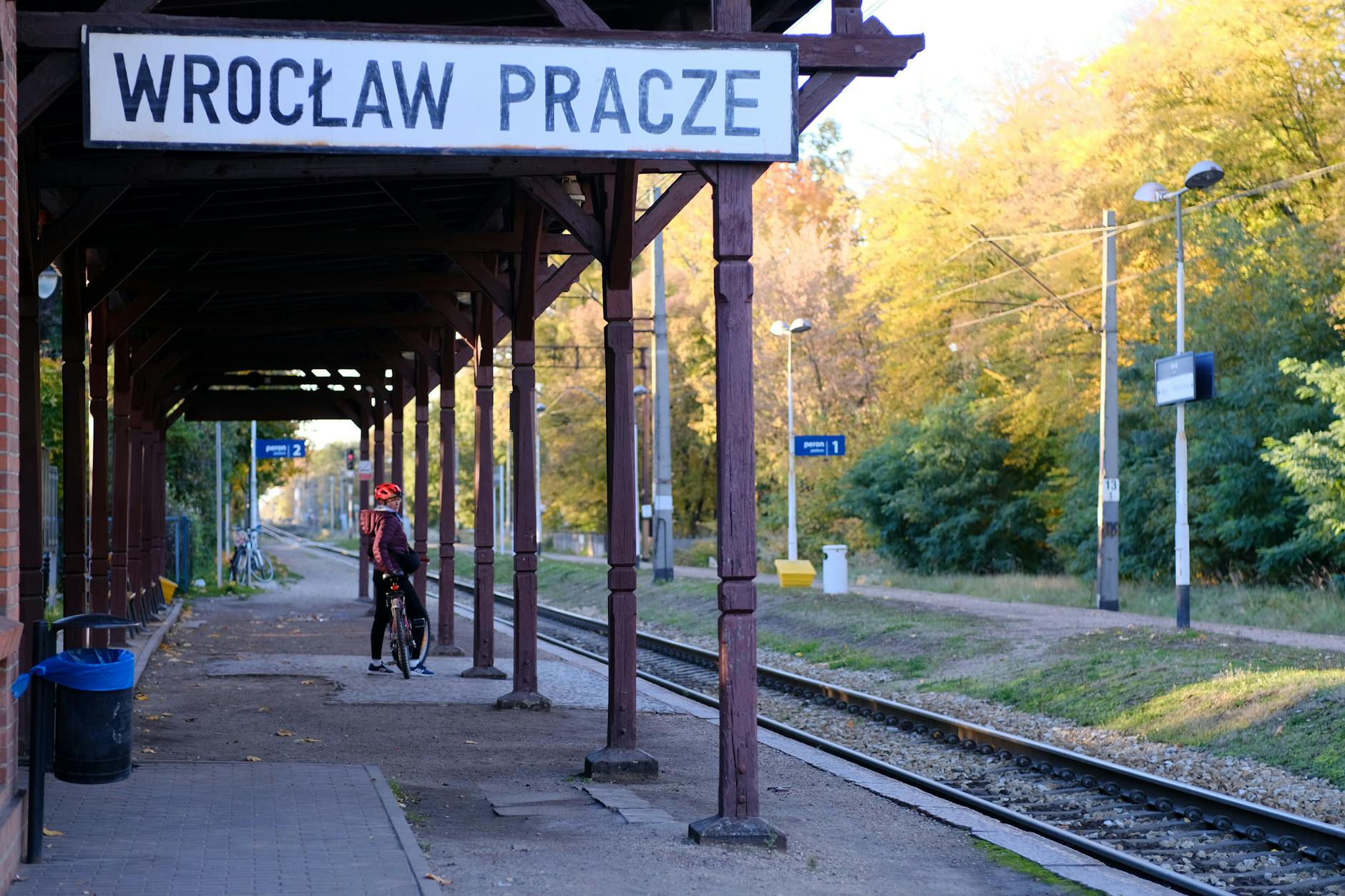
Respect local context and boundaries
Short service trips can be sensitive because the traveler is entering local systems for only a brief period. The plan should protect privacy, avoid intrusive photos, follow host guidance, and keep promises narrow enough to fulfill.
The traveler should reduce burden, not add it.
- Ask before photographing people, facilities, documents, or sensitive locations.
- Follow host guidance on language, gifts, public posts, and contact with participants.
- Avoid making commitments outside the role or beyond the trip dates.
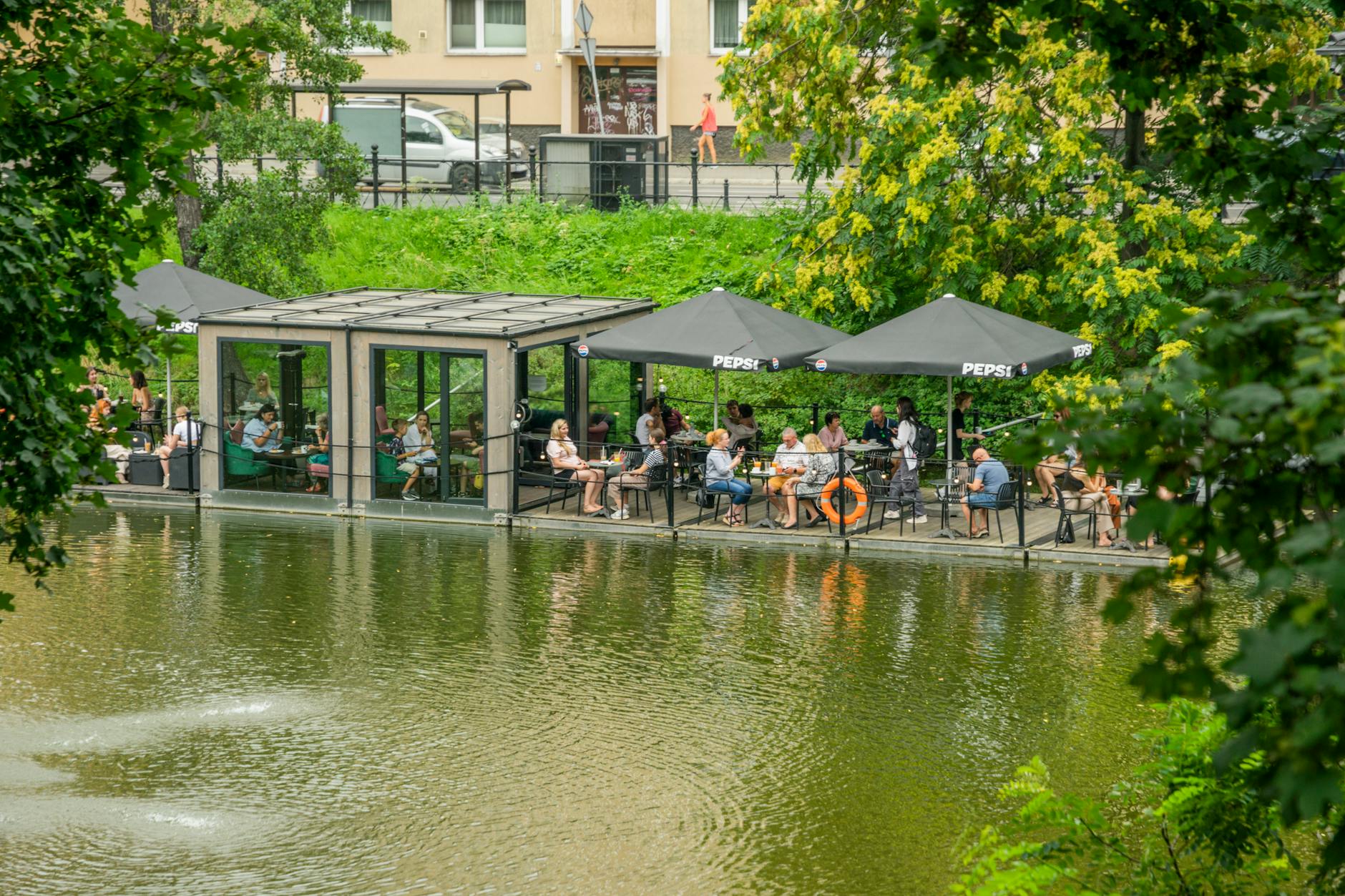
Keep meals and basics simple
Daily basics matter on service trips because fatigue and schedule changes are common. The traveler should know where breakfast, groceries, affordable meals, pharmacies, and rest stops fit around the host schedule.
Simple routines protect capacity.
- Identify grocery stores, bakeries, affordable meals, pharmacies, and water refill options near lodging and the site.
- Carry snacks, medication, weather layers, charger, ID, payment backup, and host contact details.
- Budget for meals, transport, phone service, laundry, and emergency rides separately.

Keep evenings accountable
Evening plans should account for check-ins, group norms, fatigue, personal safety, and the next morning's service schedule. A short old-town walk or modest dinner can work well when the return route is clear.
The evening should support the next service day.
- Set check-in habits with the host, team lead, travel partner, or family when appropriate.
- Choose evening areas with simple transport back to lodging.
- Avoid late plans before early assignments, travel days, or emotionally demanding work.

When to order a short-term travel report
A volunteer or NGO traveler with host-provided lodging and transport may not need a custom report. A report becomes useful when the traveler must choose lodging, reach multiple service sites, manage a strict budget, carry supplies, handle health needs, follow accountability rules, or depart soon after the final assignment.
The report should test host-site geography, lodging, arrival, transport, daily basics, local context, safe evenings, health needs, and departure timing. The value is a Wroclaw service trip where the travel plan supports the host relationship and the traveler stays useful.
- Order when host sites, lodging, transport, budget, meals, safety, health, or departure timing need exact planning.
- Provide dates, host address, schedule, lodging candidates, budget, role details, health constraints, and arrival information.
- Use the report to keep the trip practical, respectful, and easy for the host to coordinate.