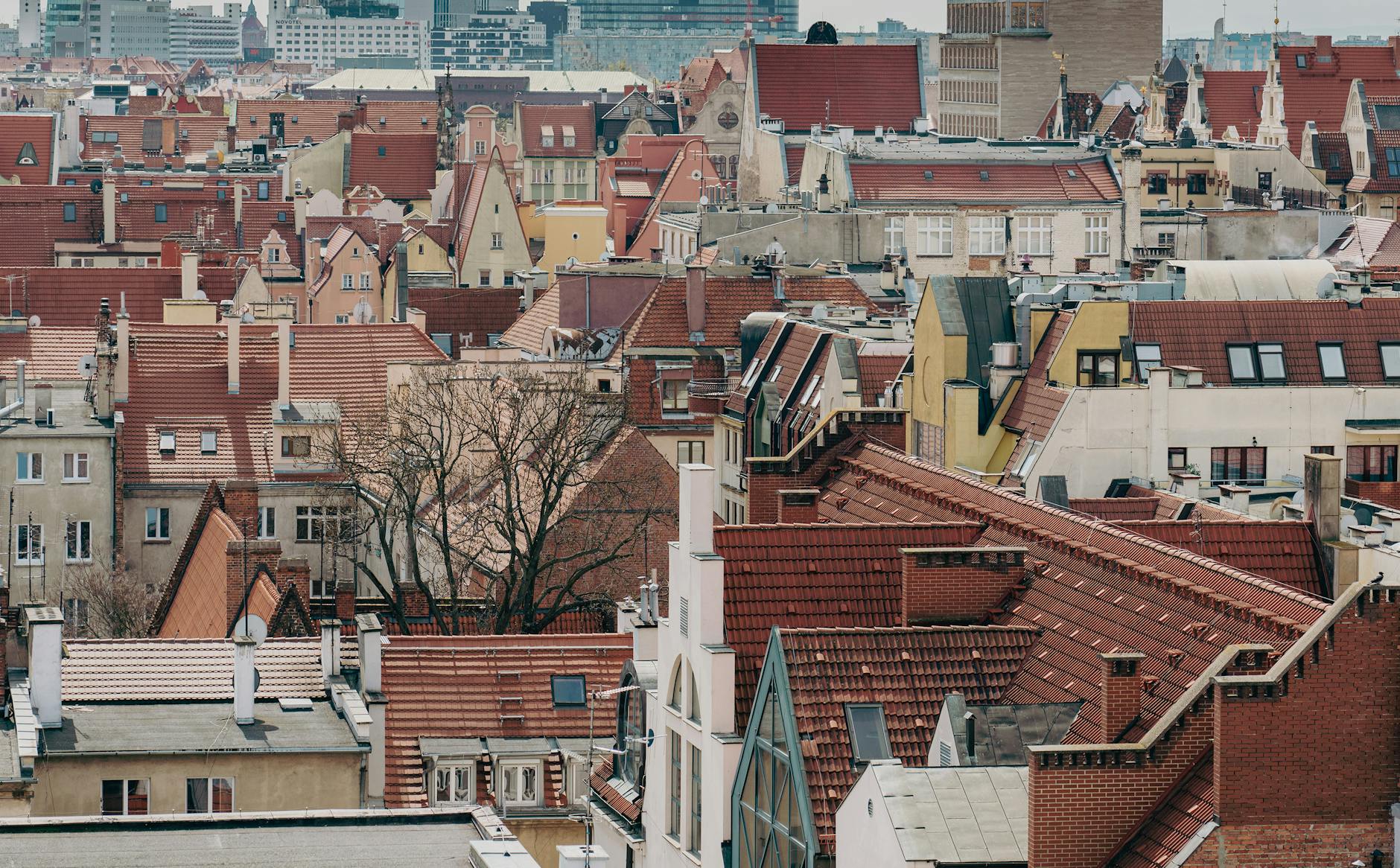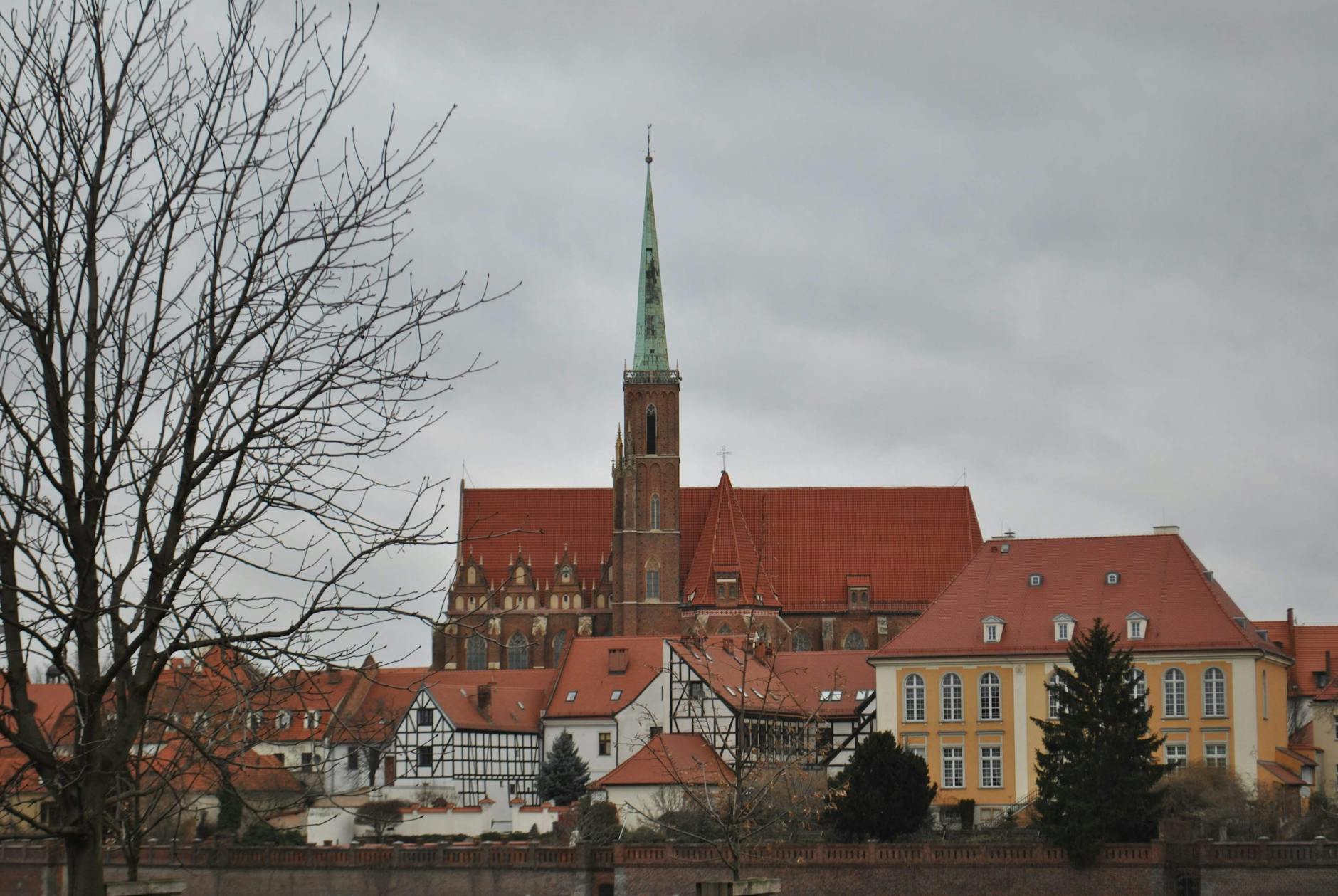
Wroclaw can be rewarding for travelers with mobility limitations when the route is planned in smaller, tested pieces. The old town, river, bridges, and island areas are appealing, but hotel access, surfaces, curb cuts, transport, rest points, and weather need more attention than a standard tourist route gives them.
Confirm lodging access before the itinerary
Hotel location matters, but access details matter more for this trip type. A central hotel is not enough if the entrance, elevator, room layout, shower, luggage handling, or nearby pavement makes every outing harder.
The room should reduce effort before the day begins.
- Confirm step-free entrance, elevator access, room dimensions, bathroom setup, and luggage storage directly.
- Check the route from the hotel to tram stops, taxi pickup points, restaurants, and the market square.
- Avoid lodging where a low price depends on stairs, uneven access, or long daily transfers.
Test transport step by step
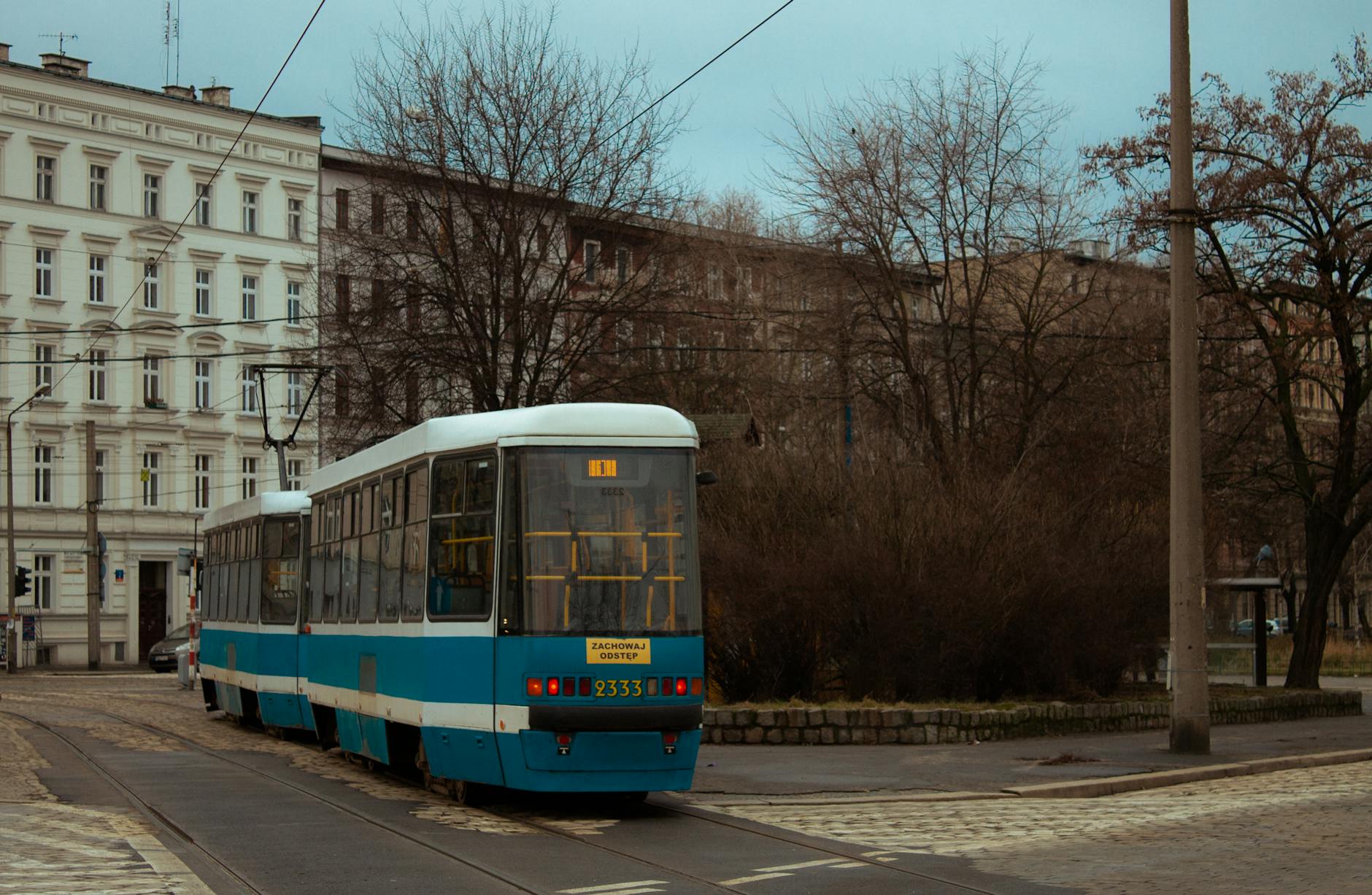
Trams, taxis, walking, and station transfers can all be useful in Wroclaw, but they should be tested against the traveler's equipment, fatigue, weather, and timing. A route that looks simple on a map can become difficult at the platform or curb.
Transport needs a fallback.
- Save accessible tram, taxi, hotel, station, and airport routes before arrival.
- Check whether transfers involve stairs, long platforms, cobbles, or difficult curb points.
- Use direct rides for luggage, bad weather, tight timing, or evening returns.
Build short routes with rest stops
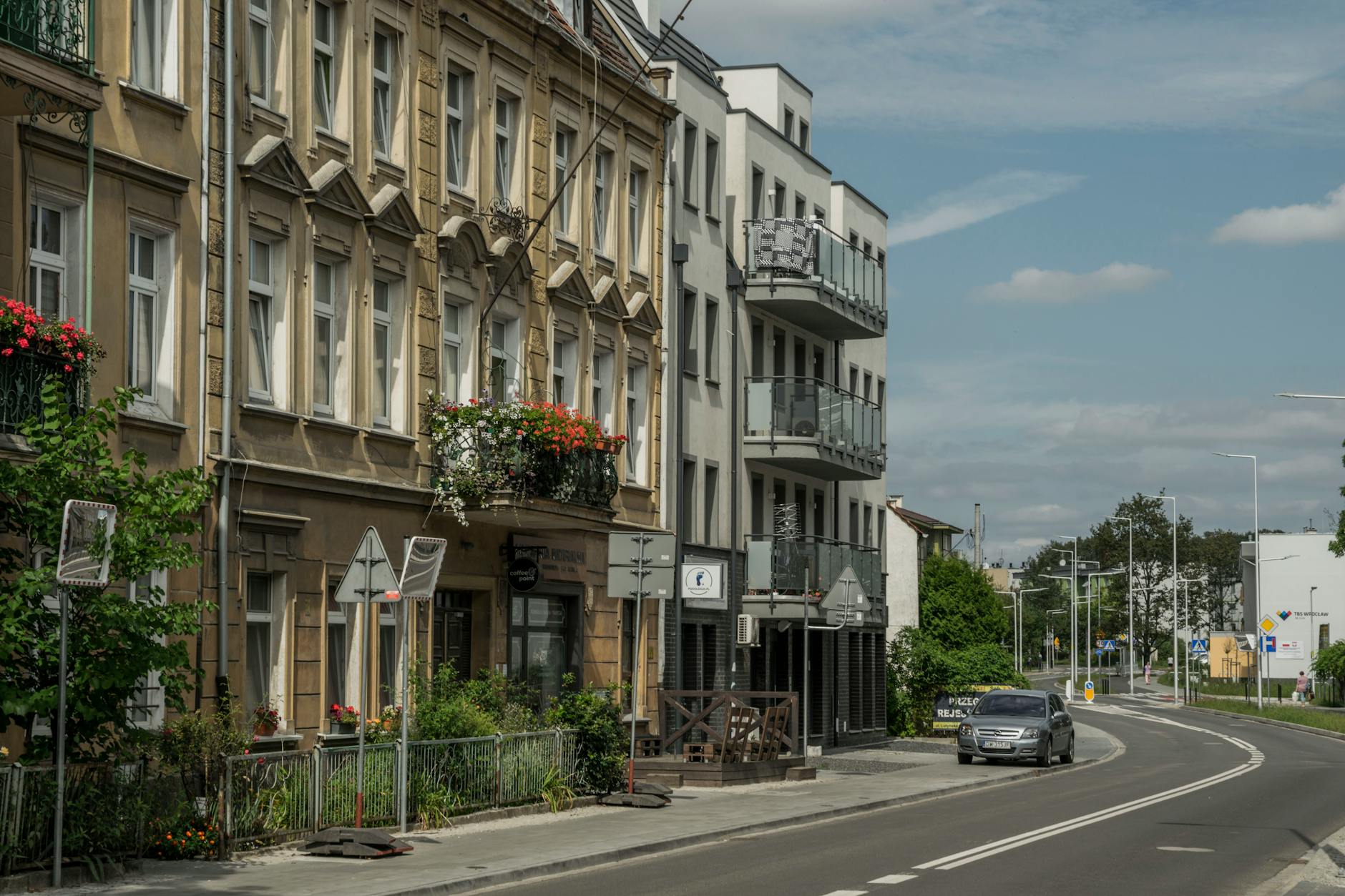
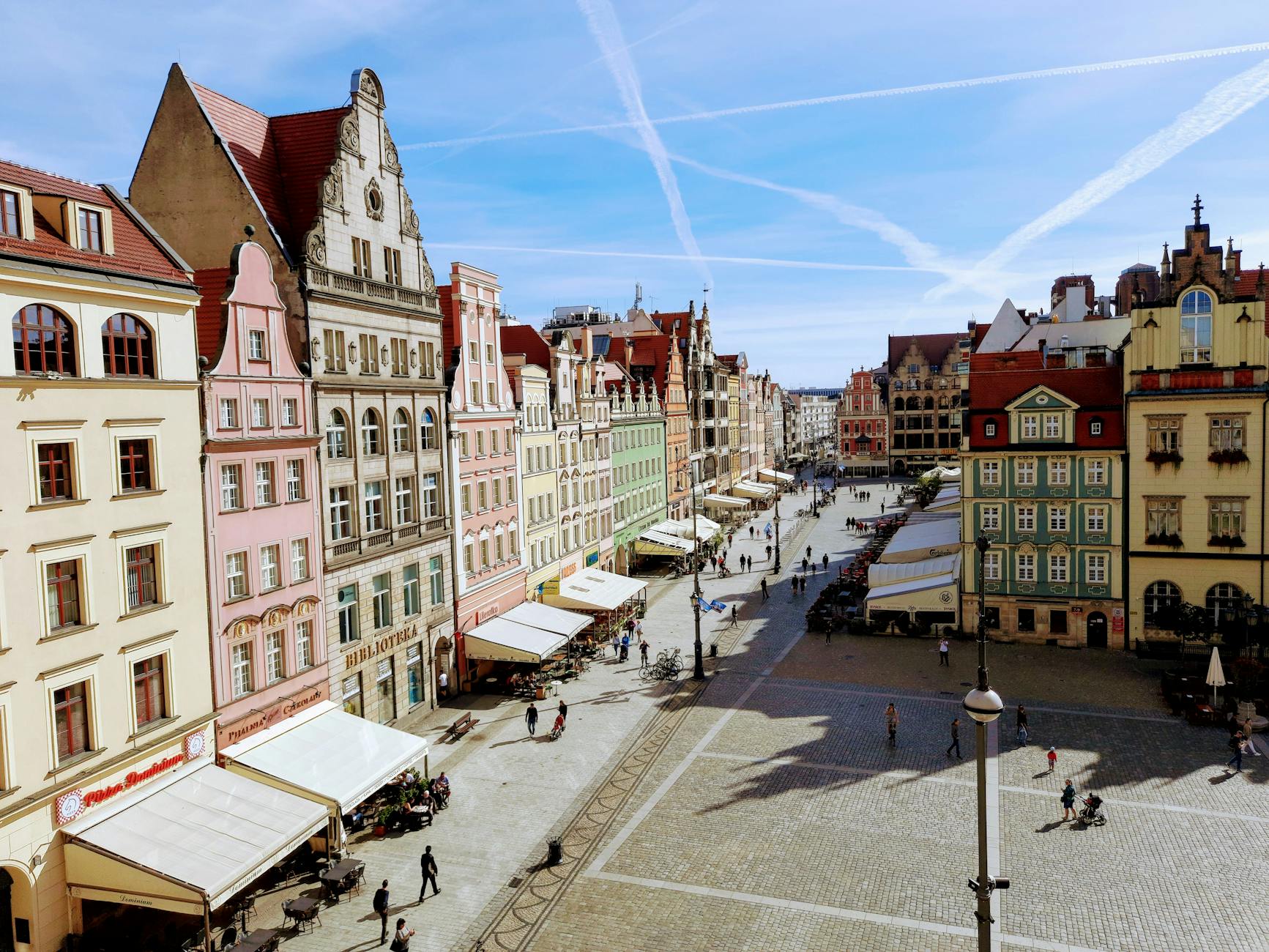
A mobility-aware Wroclaw route should be shorter than a standard sightseeing loop and richer within that smaller area. The market square, old-town streets, river edge, and cafes can work well when each segment has a place to pause.
A good route protects energy.
- Plan each outing by segment, rest point, toilet access, and exit option.
- Keep one main area per half day instead of crossing the city repeatedly.
- Use cafes, museums, hotel breaks, and short taxi moves to reset energy.
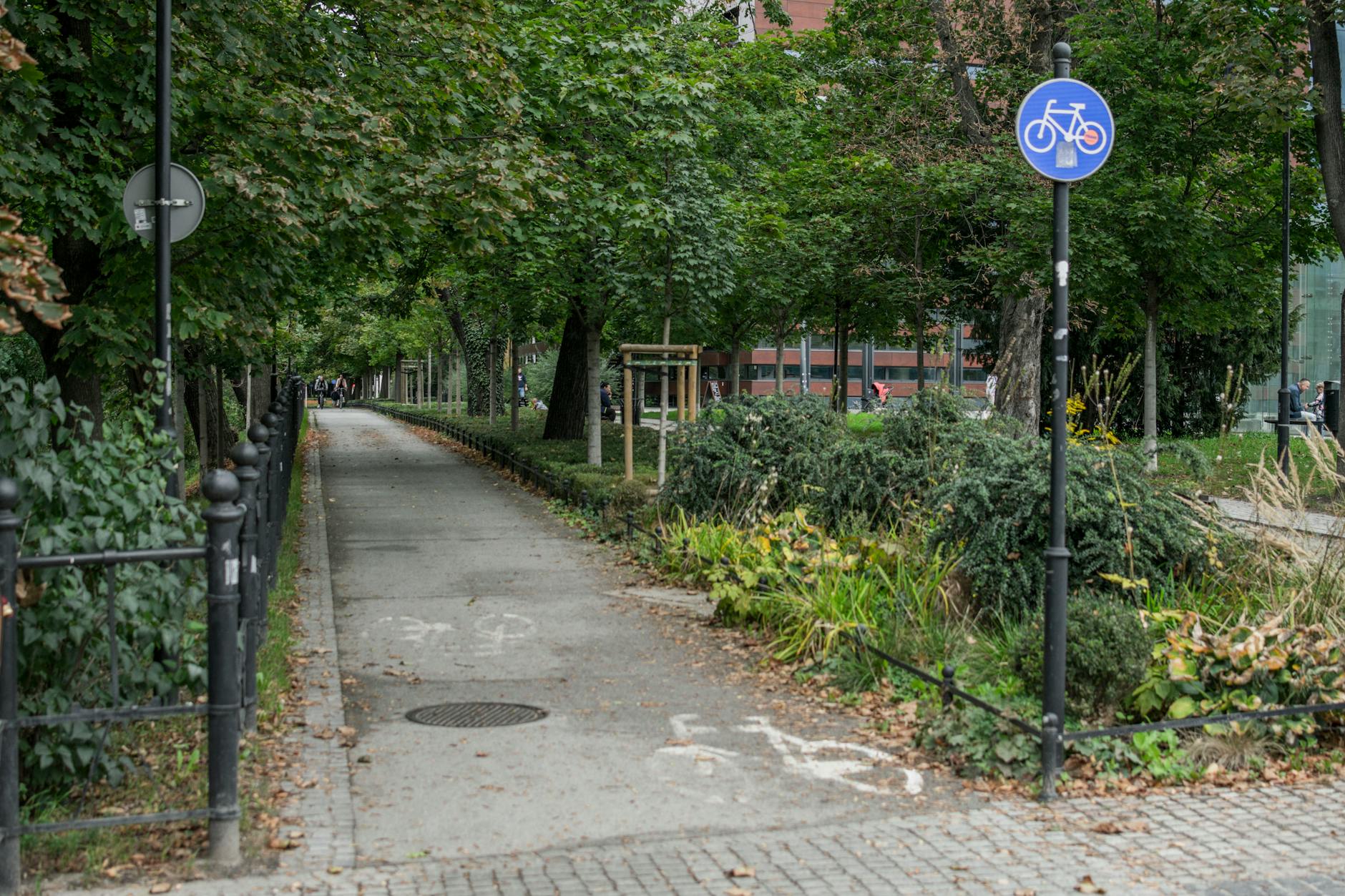
Treat bridges and surfaces as planning items
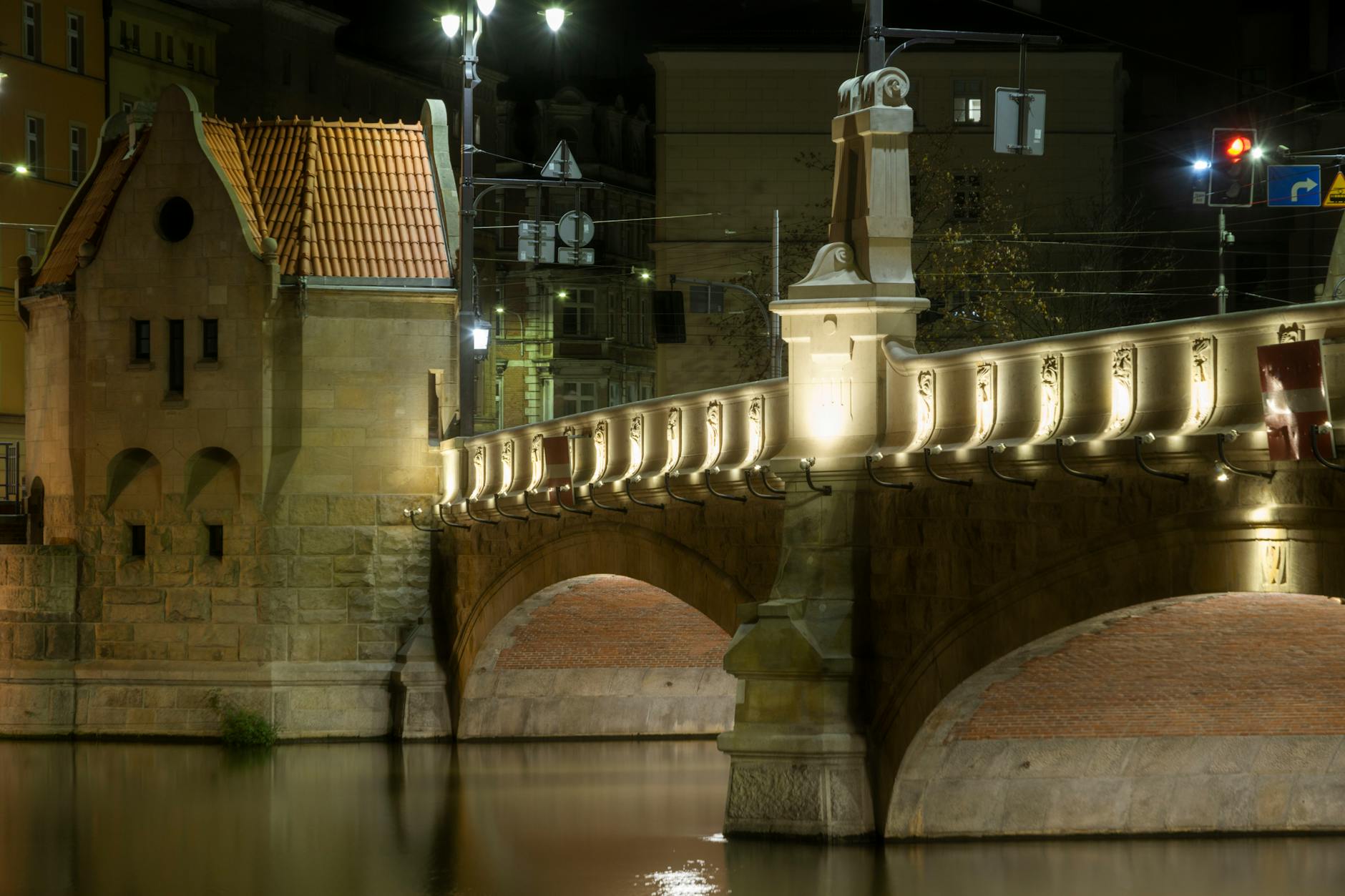
Wroclaw's bridges, river branches, and island routes are part of the appeal, but they also introduce surface changes, slopes, distance, crowds, and exposure to weather. A traveler with mobility limitations should choose the crossings deliberately.
The river route should be beautiful without becoming a test.
- Check bridge approaches, surface quality, distance, crowd levels, and return options.
- Choose one river or island route rather than combining several long crossings.
- Keep weather, daylight, and nearby transport in the decision before starting.
Plan meals around access and energy
Restaurants can either support the day or make it harder. A traveler should check entrance access, seating, toilet access, noise, reservation reliability, dietary needs, and the route back before choosing meals.
Meal planning is part of access planning.
- Call or message restaurants about entrance steps, seating, toilets, and reservation timing.
- Keep lunch close to the route and dinner close to the hotel or a direct ride.
- Carry water, snacks, medication, and a backup meal option for delays or closures.
Keep evenings close and flexible
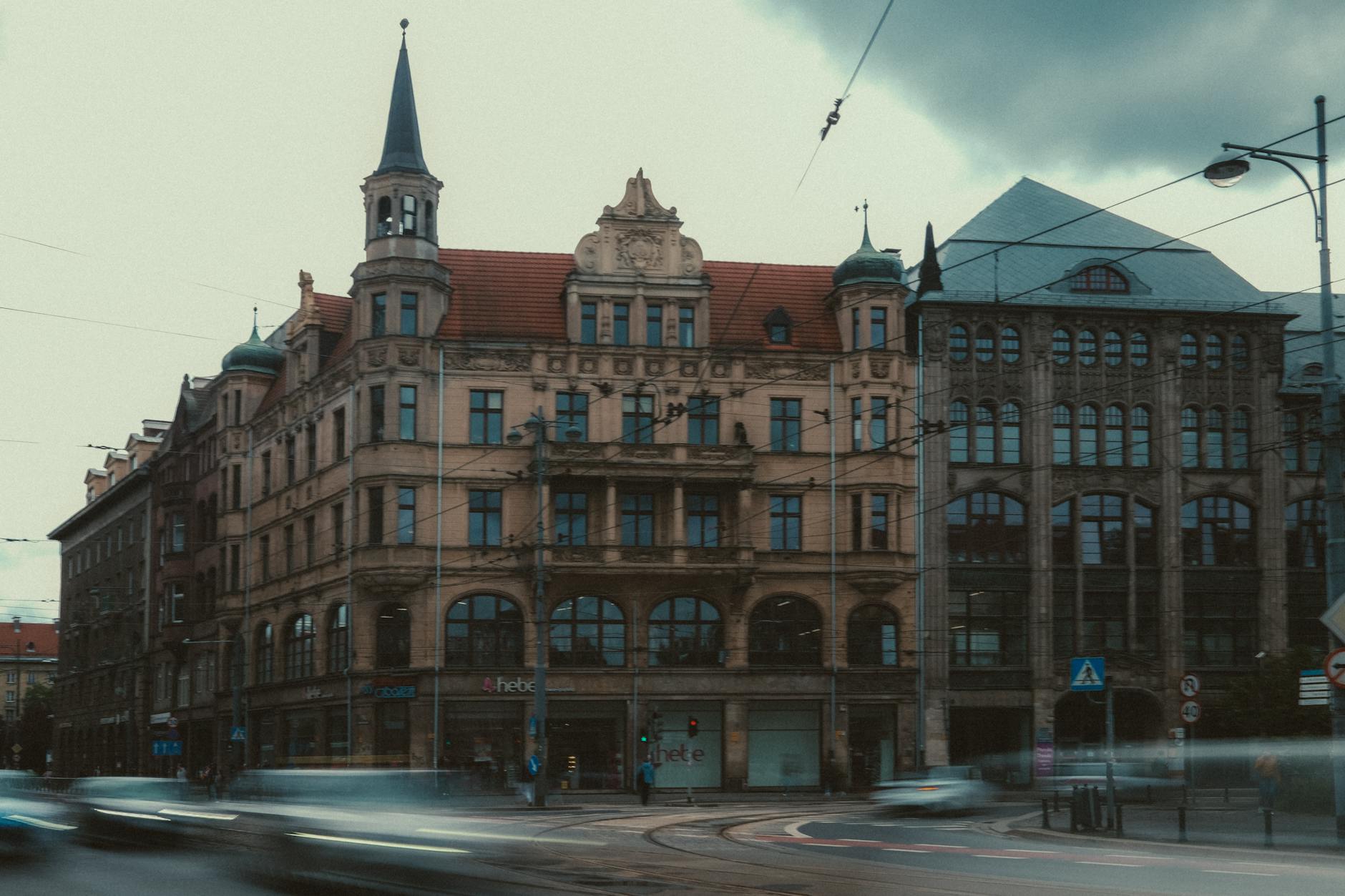
Evening Wroclaw can be worthwhile, but lower light, colder weather, crowds, and fatigue can make the same route harder than it was in the afternoon. The best evening plan stays close to the hotel or a reliable direct ride.
The night should not create the next day's problem.
- Choose one evening zone with known transport and a clear return plan.
- Avoid long bridge routes or unfamiliar transfers after dinner if fatigue is likely.
- Keep phone battery, hotel address, medication, payment backup, and warm layers ready.
When to order a short-term travel report
A traveler with mobility limitations may not need a custom report if the hotel, routes, and transport are already proven. A report becomes useful when access details are uncertain, the itinerary includes old town plus river routes, mobility equipment, medical needs, tight transfers, weather sensitivity, or a departure soon after sightseeing.
The report should test hotel access, arrival, station or airport transfers, surface quality, bridge routes, rest stops, meals, evening returns, weather backups, and departure buffers. The value is a Wroclaw trip that is still enjoyable because the difficult parts have been checked in advance.
- Order when lodging access, transport, surfaces, bridge routes, meals, weather, or departure timing need exact planning.
- Provide dates, hotel candidates, mobility needs, equipment details, walking tolerance, medical constraints, budget, and arrival information.
- Use the report to keep the route realistic, comfortable, and resilient.