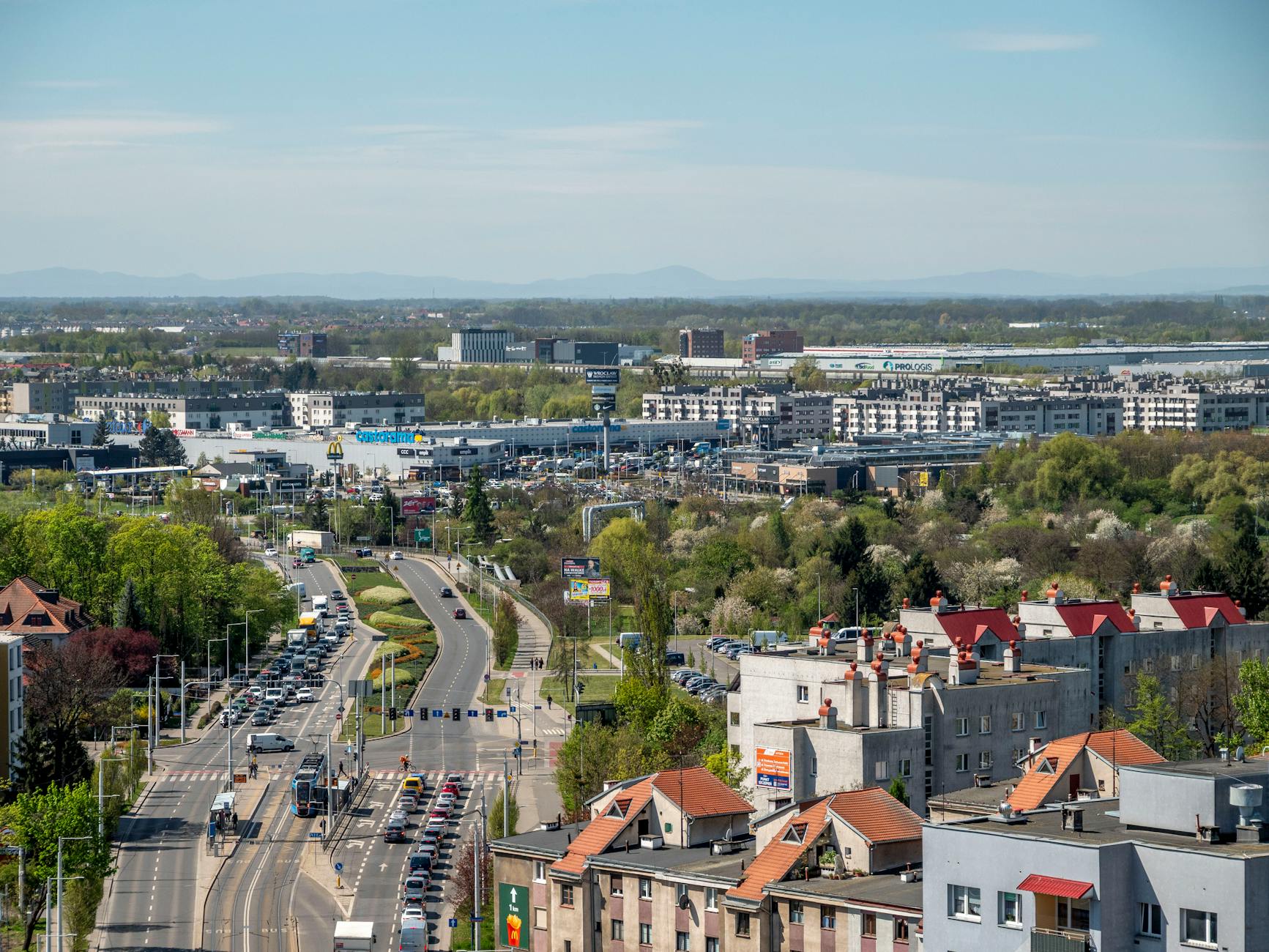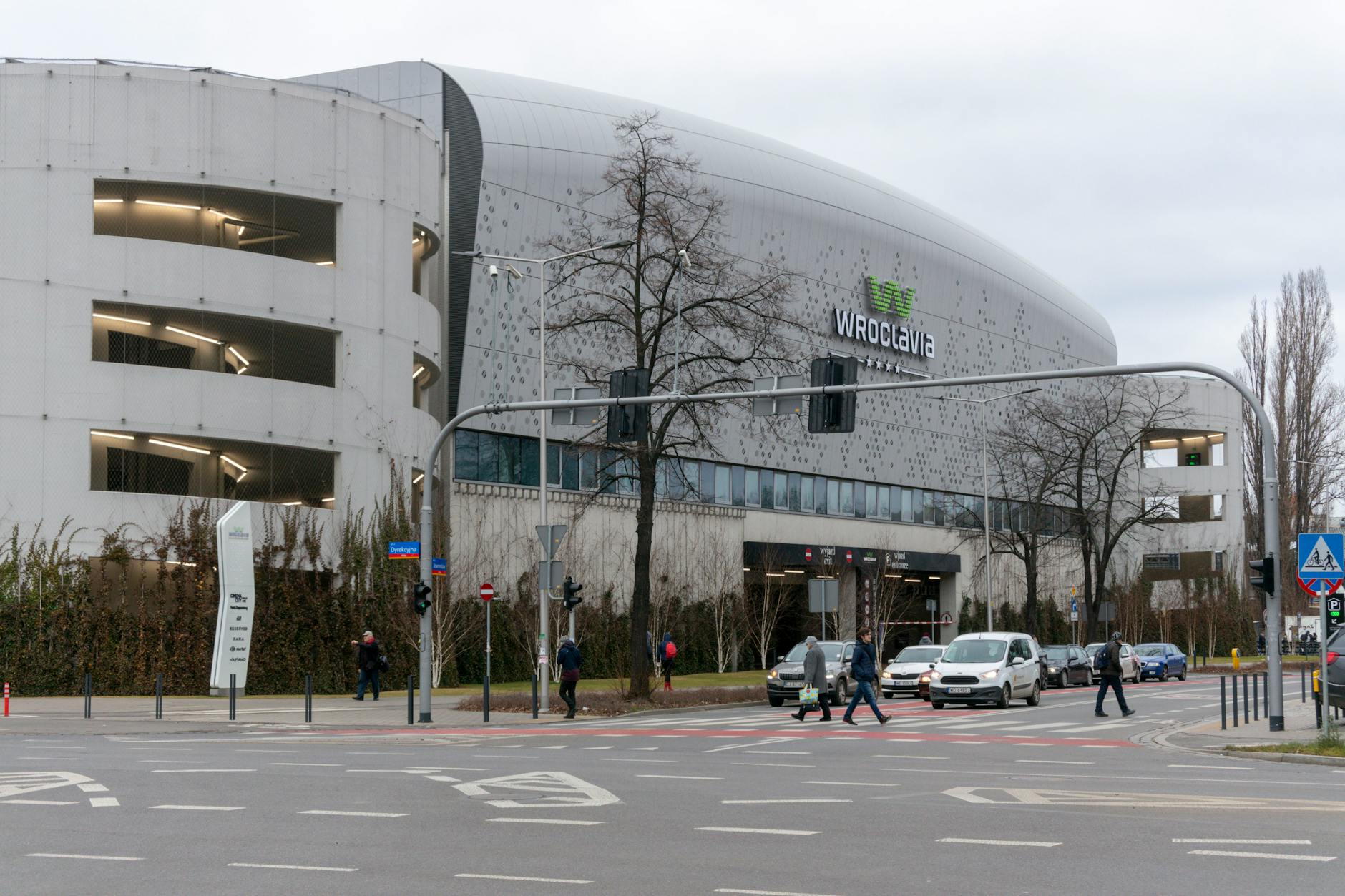
A Wroclaw trade-show trip works best when the attendee plans around the show floor before the city. Booth setup, samples, badge pickup, meeting timing, hotel location, transport for materials, client meals, and evening returns all shape whether the short visit stays productive.
Start with the show-floor requirements
A trade-show attendee should understand the venue, hall, stand location, setup window, badge process, delivery rules, storage options, and teardown timing before choosing flights or hotels. The city plan comes after those constraints.
The show floor defines the trip.
- Confirm venue address, hall entrance, stand number, setup hours, badge pickup, and exhibitor rules.
- Check delivery, storage, shipping, and security procedures for samples or booth materials.
- Build the travel schedule around setup and opening times, not only public show hours.
Choose lodging by venue access
The best hotel for a trade show is often the one that makes repeated venue trips predictable. A charming old-town stay can still be wrong if it complicates early setup, late teardown, client meetings, or carrying materials.
Door-to-door reliability matters more than scenery.
- Compare hotels by route to the venue, station, airport, dinners, and client meetings.
- Check breakfast hours, luggage storage, desk space, ironing, laundry, and late-return access.
- Avoid hotels that require awkward transfers while carrying samples, displays, or formal clothing.
Protect setup and opening timing
Setup day often has less margin than it appears. Airport or rail delays, baggage, hotel check-in, badge pickup, stand preparation, and missing supplies can compress the day quickly.
The opening morning should not depend on luck.
- Arrive early enough to solve badge, luggage, delivery, and stand issues before opening.
- Carry critical materials, chargers, documents, and backups instead of relying on one shipment.
- Save local print, office-supply, courier, and taxi options before setup starts.
Plan transport for materials, not just people
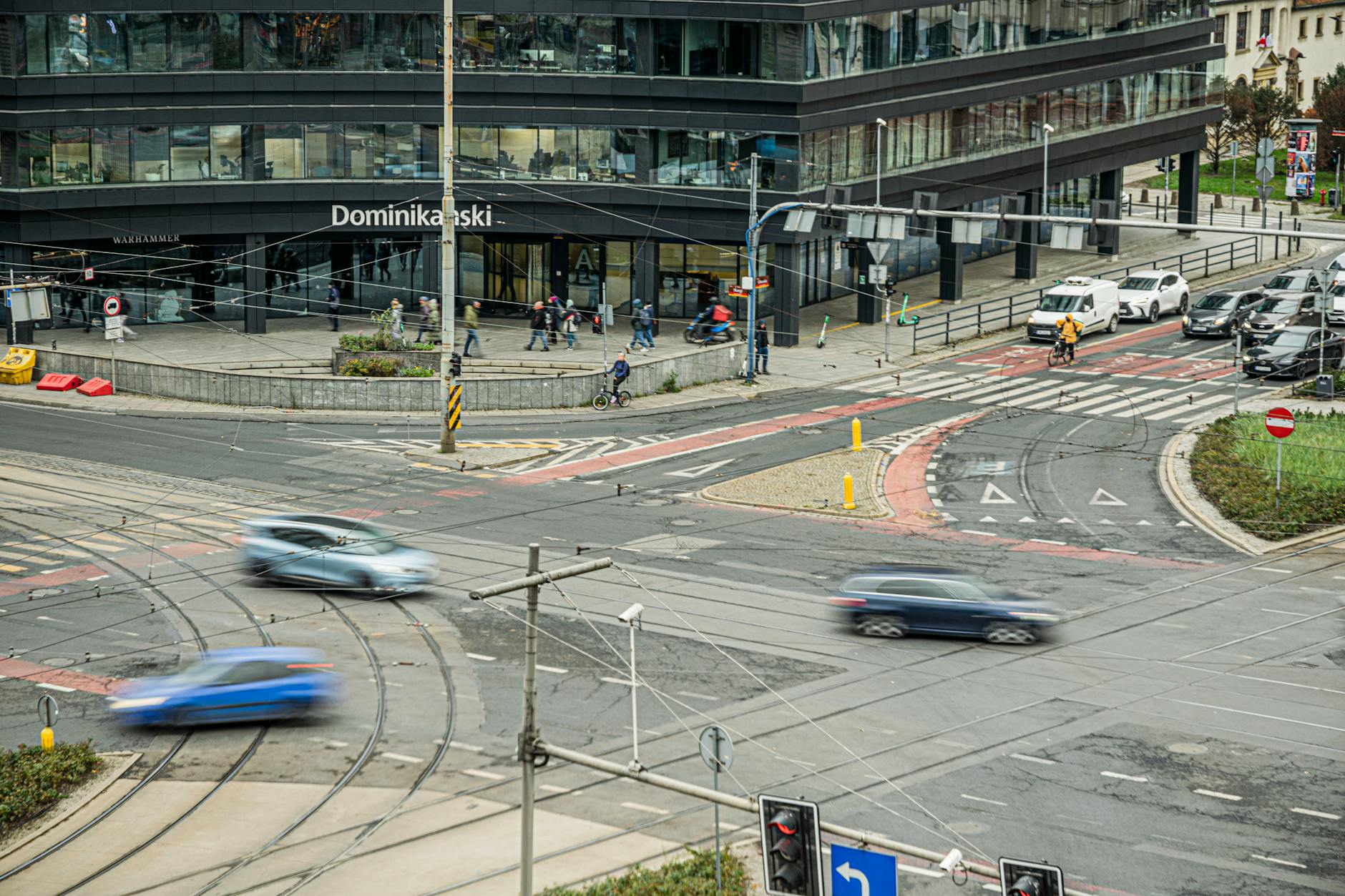
A trade-show itinerary should account for what the attendee is carrying. Trams and walking may work for a normal day, but samples, brochures, display items, formalwear, or tired feet can make direct transport the better choice.
Materials change the transport decision.
- Use taxis or booked rides when carrying heavy, fragile, branded, or time-sensitive items.
- Map tram and walking routes only for days when the load is light enough.
- Keep receipts, route notes, and pickup points ready for expense reporting and repeat trips.
Keep client meals near the show flow
Client meals can be valuable, but they should not fight the show schedule. Restaurant location, noise, reservation reliability, group size, dietary needs, and the route back to the hotel all affect whether the meal supports business goals.
Networking should be practical.
- Choose restaurants by distance, conversation quality, reservation dependability, and return transport.
- Keep lunch options close enough for short breaks between meetings.
- Avoid late dinners before early booth duty, teardown, or departure.
Leave time for follow-up and teardown
Trade-show work does not end when the hall closes. Lead notes, client messages, sample tracking, booth materials, receipts, and shipping tasks need space before the traveler leaves Wroclaw.
The back end of the trip needs planning too.
- Block time each day for lead notes, follow-up messages, receipts, and schedule changes.
- Confirm teardown, shipment, storage, and pickup timing before booking departure.
- Keep the last night simple if the final morning includes packing or airport transfer.
When to order a short-term travel report
A trade-show attendee with a simple visitor badge may not need a custom report. A report becomes useful when the trip includes booth materials, setup windows, multiple client meetings, uncertain venue access, team coordination, shipment timing, networking meals, or departure soon after teardown.
The report should test venue geography, hotel placement, setup timing, transport for materials, meal locations, work gaps, weather, teardown, and departure buffers. The value is a Wroclaw trade-show trip where logistics stay under control and the attendee can focus on the commercial goal.
- Order when venue access, setup, materials, hotels, transport, client meals, follow-up, or departure timing need exact planning.
- Provide dates, venue details, show schedule, stand requirements, material loads, hotel candidates, meeting obligations, and budget.
- Use the report to protect setup, attendance, networking, and departure reliability.