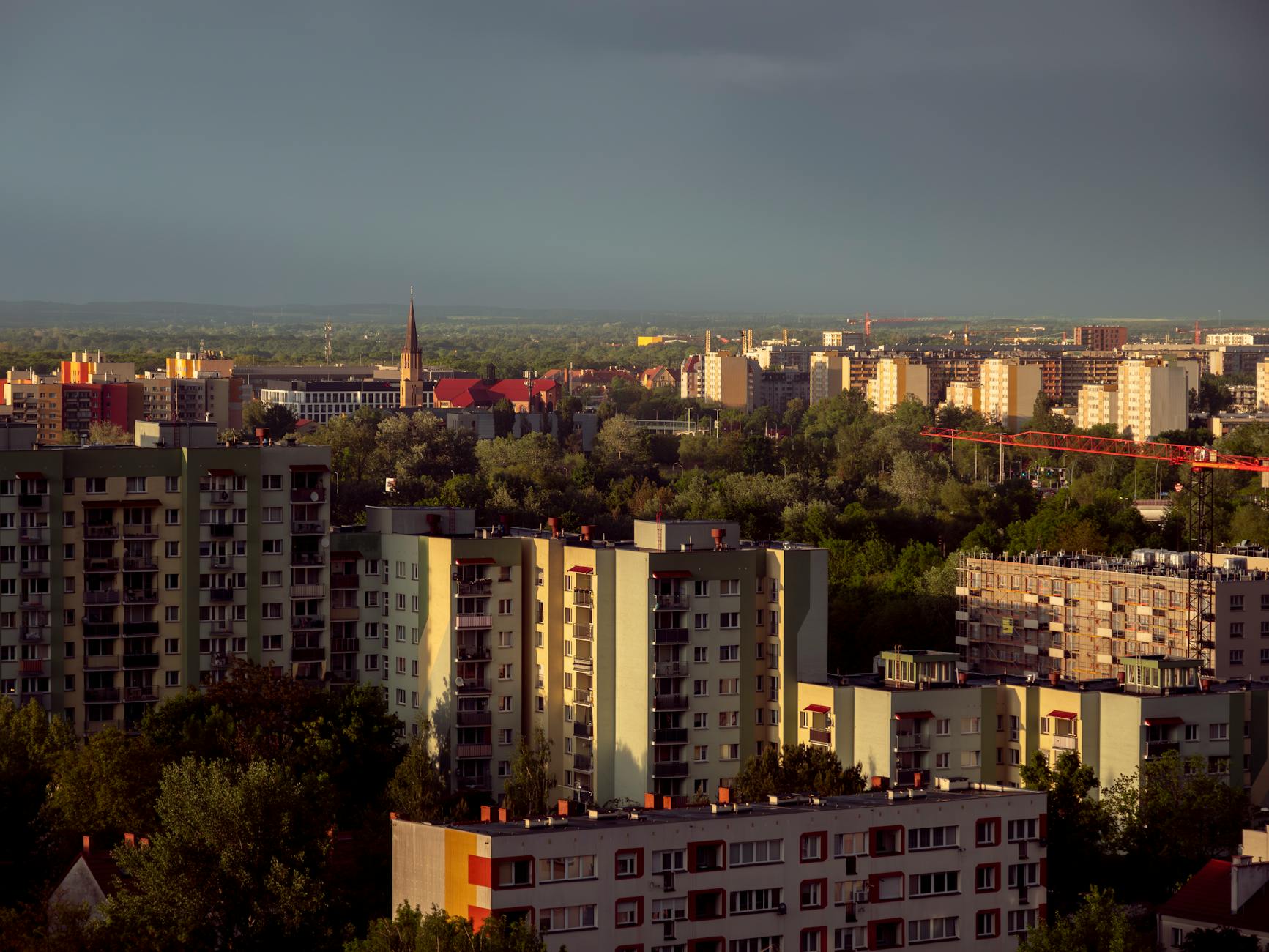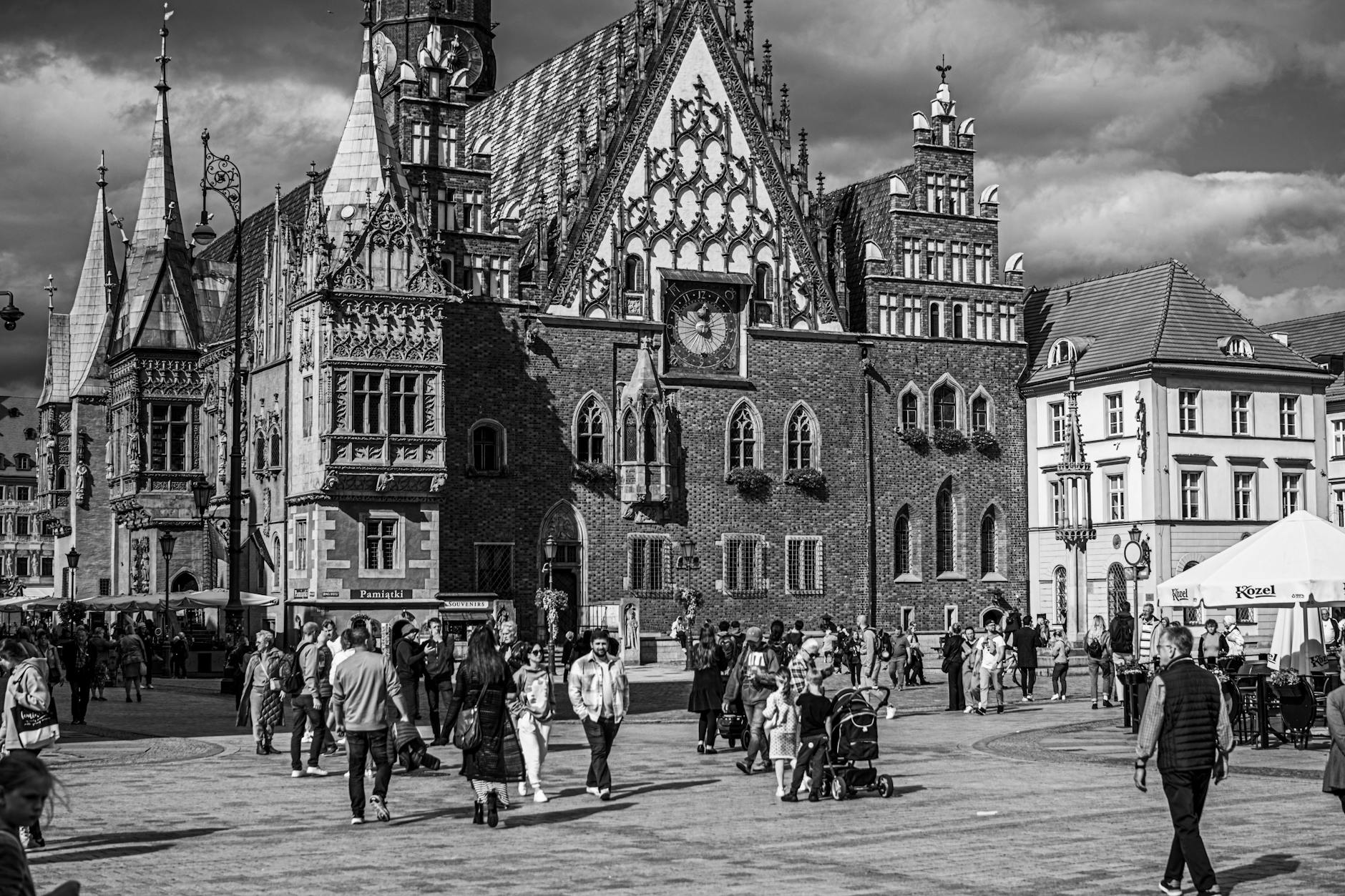
Wroclaw rewards tourists who treat the city as more than a single old-town stop. The market square matters, but the bridges, islands, river edges, Cathedral Island, museums, restaurants, and evening routes also shape whether a short visit feels rich or rushed.
Start with the market square, then widen the route
The market square is the obvious first anchor, but a tourist should not let it consume the full day by accident. The best short plan treats the square as a starting point for side streets, cafes, churches, river approaches, and evening returns.
The center should open the city, not trap the trip.
- Visit the market square early or late if crowds and photos matter.
- Pair the square with nearby side streets instead of only circling the main facade.
- Mark a simple return route so the first day does not end with unnecessary wandering.
Use the river and bridges as structure
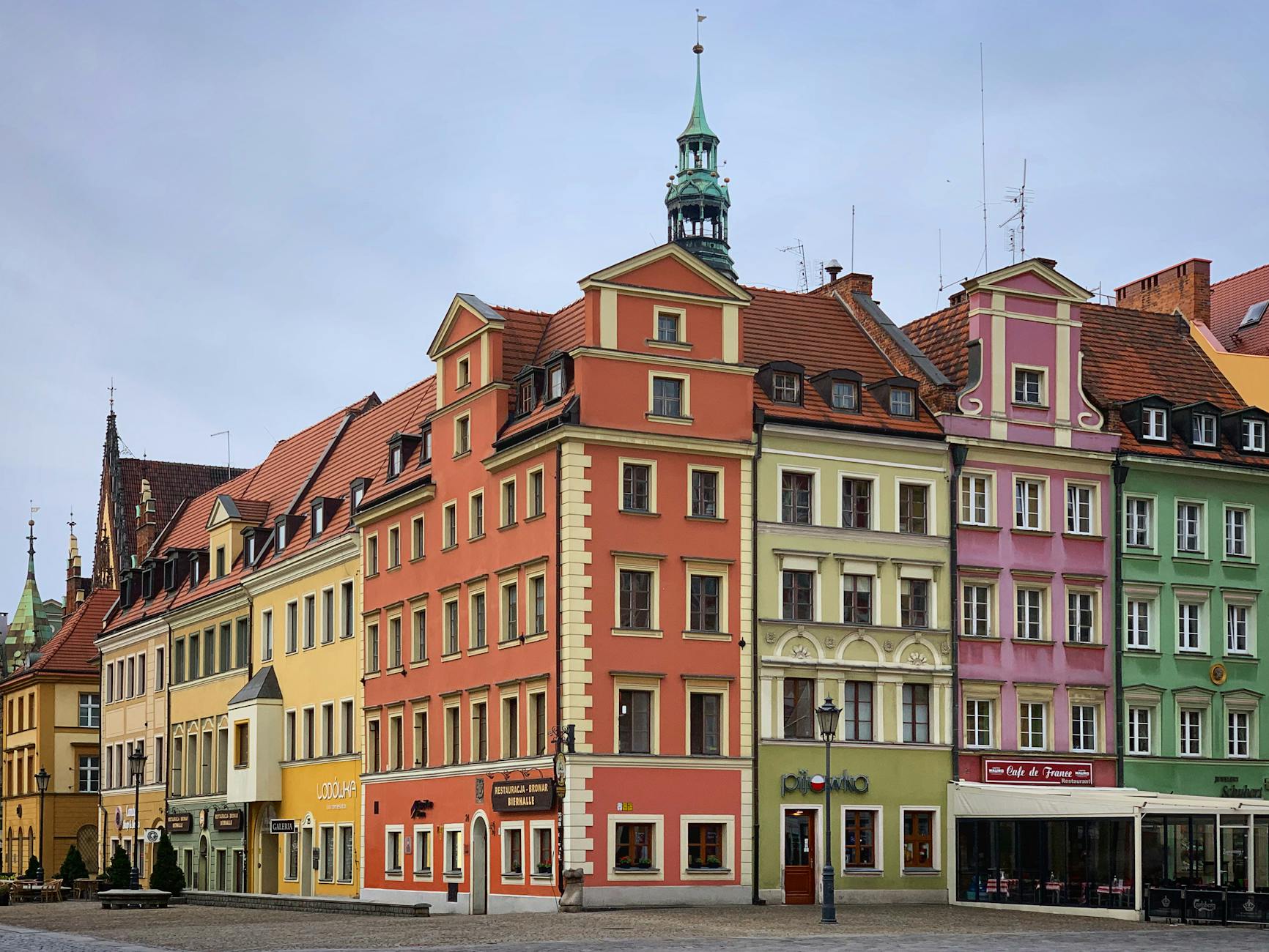
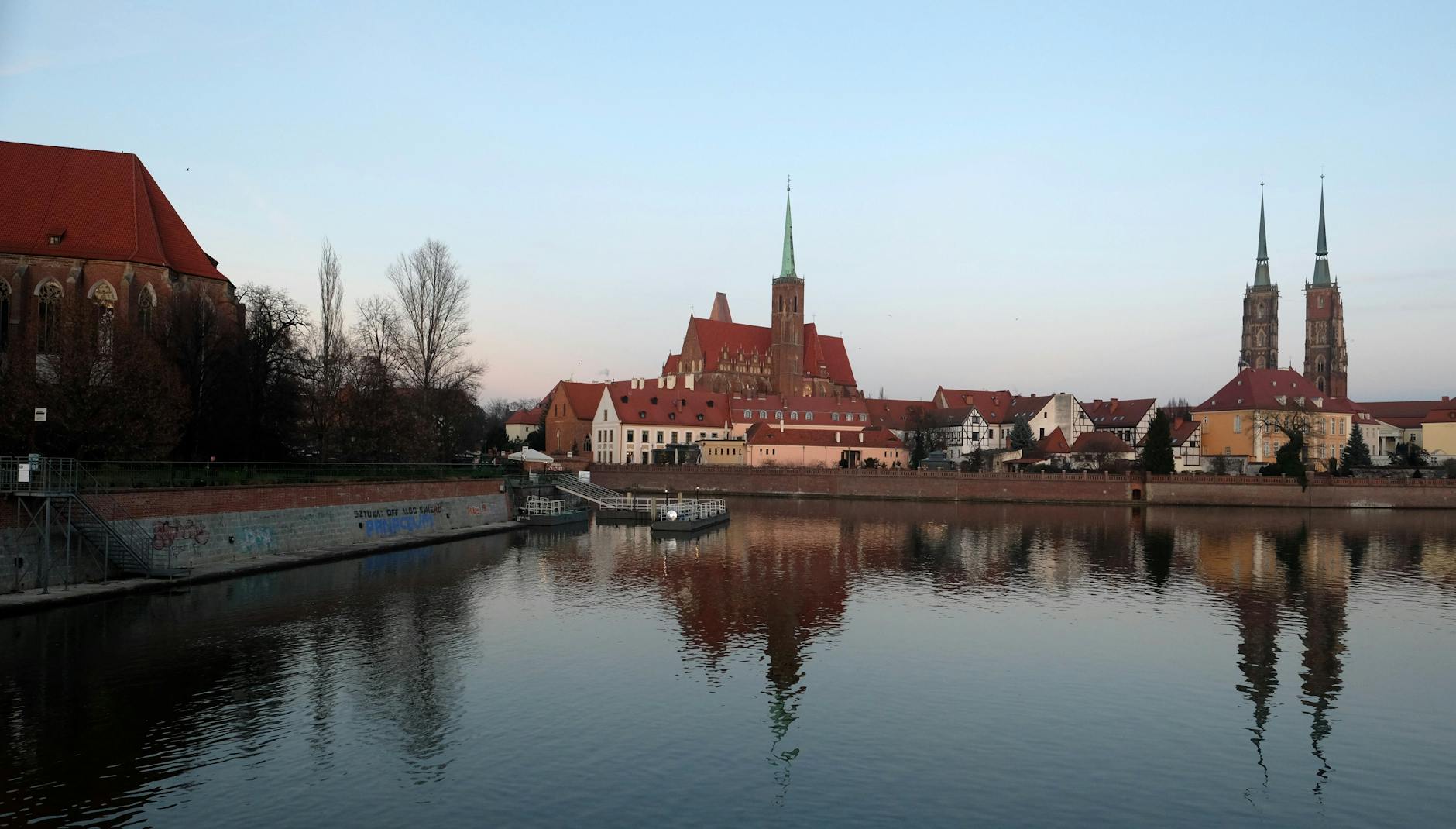
Wroclaw's river branches, islands, and bridges can make a short tourist route feel distinctive, but they also make walking time harder to judge. A good plan chooses bridge crossings intentionally rather than adding them whenever the map looks close.
The river should organize the day.
- Choose one river walk or bridge sequence rather than trying to cross every island.
- Check walking times against weather, daylight, shoes, and meal reservations.
- Keep a tram or taxi option visible if the route becomes longer than expected.
Give Cathedral Island enough time
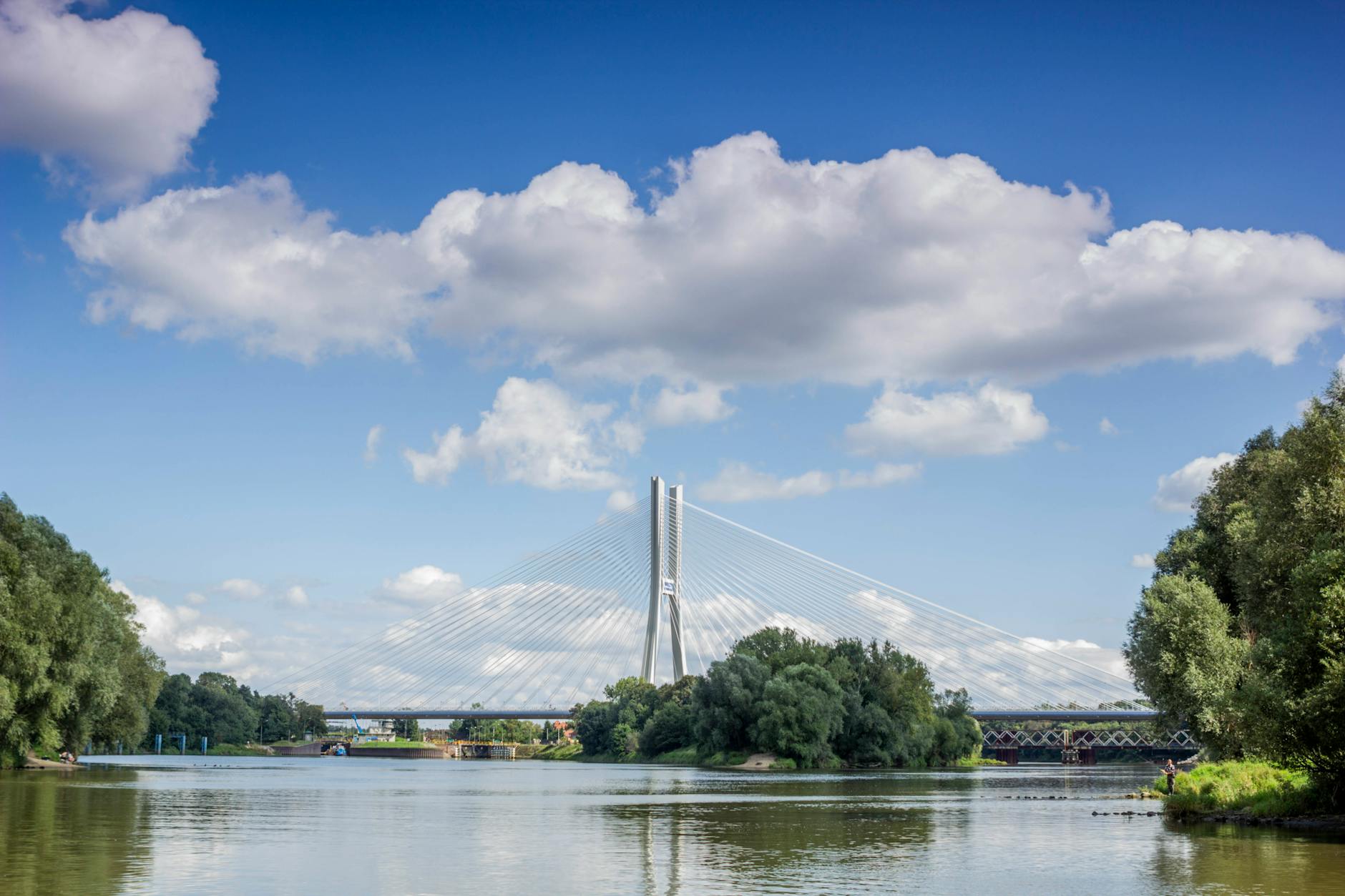
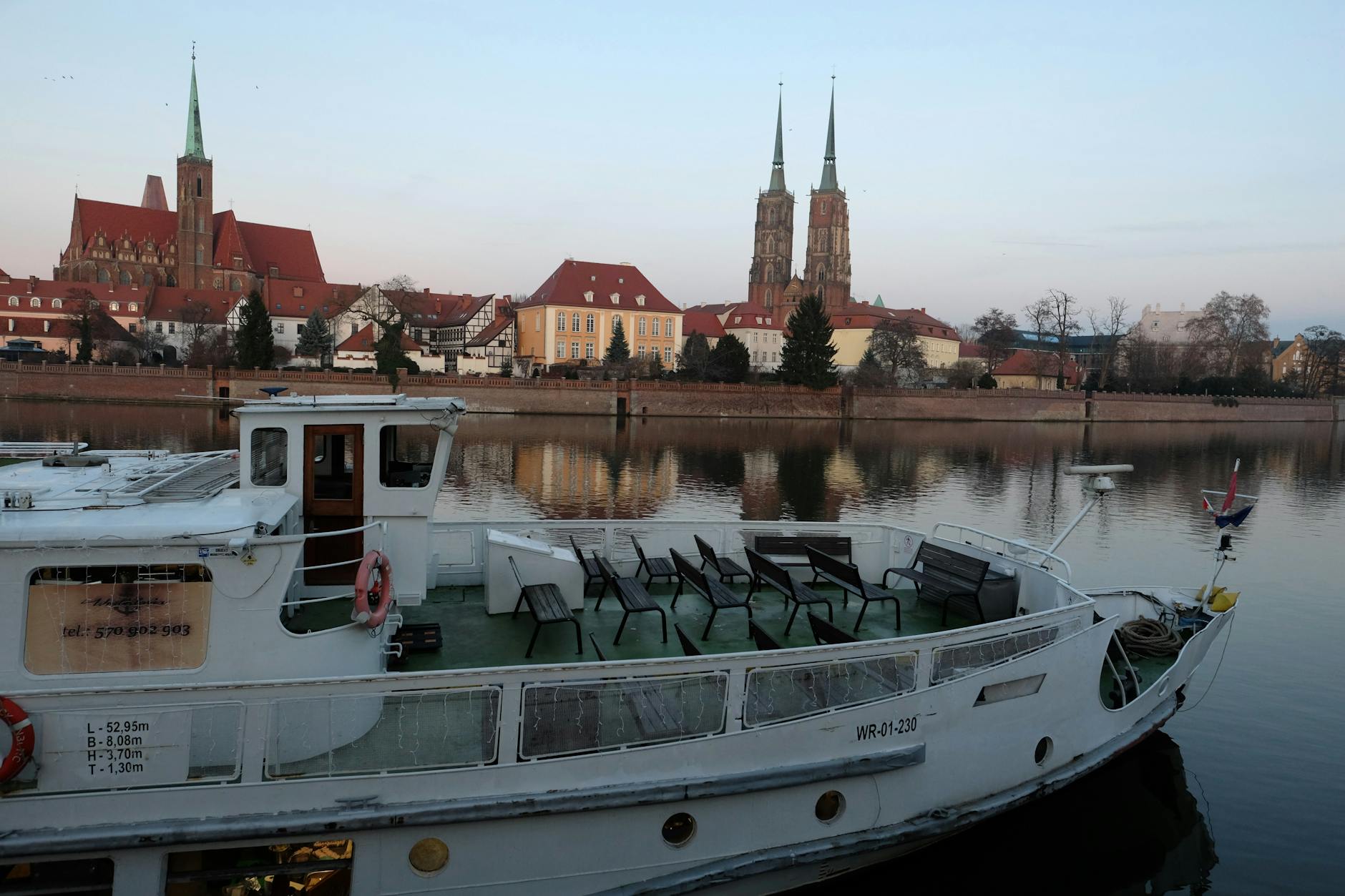
Cathedral Island works best when it is not squeezed between unrelated stops. A tourist should allow time for slower streets, church exteriors or interiors, river views, photos, and a calm return toward the center.
This part of Wroclaw needs a different pace.
- Visit Cathedral Island when daylight, weather, and walking energy support a slower route.
- Check church opening hours and service times before relying on interior visits.
- Avoid placing the route right before a tight meal, train, or evening booking.
Choose museums and attractions selectively
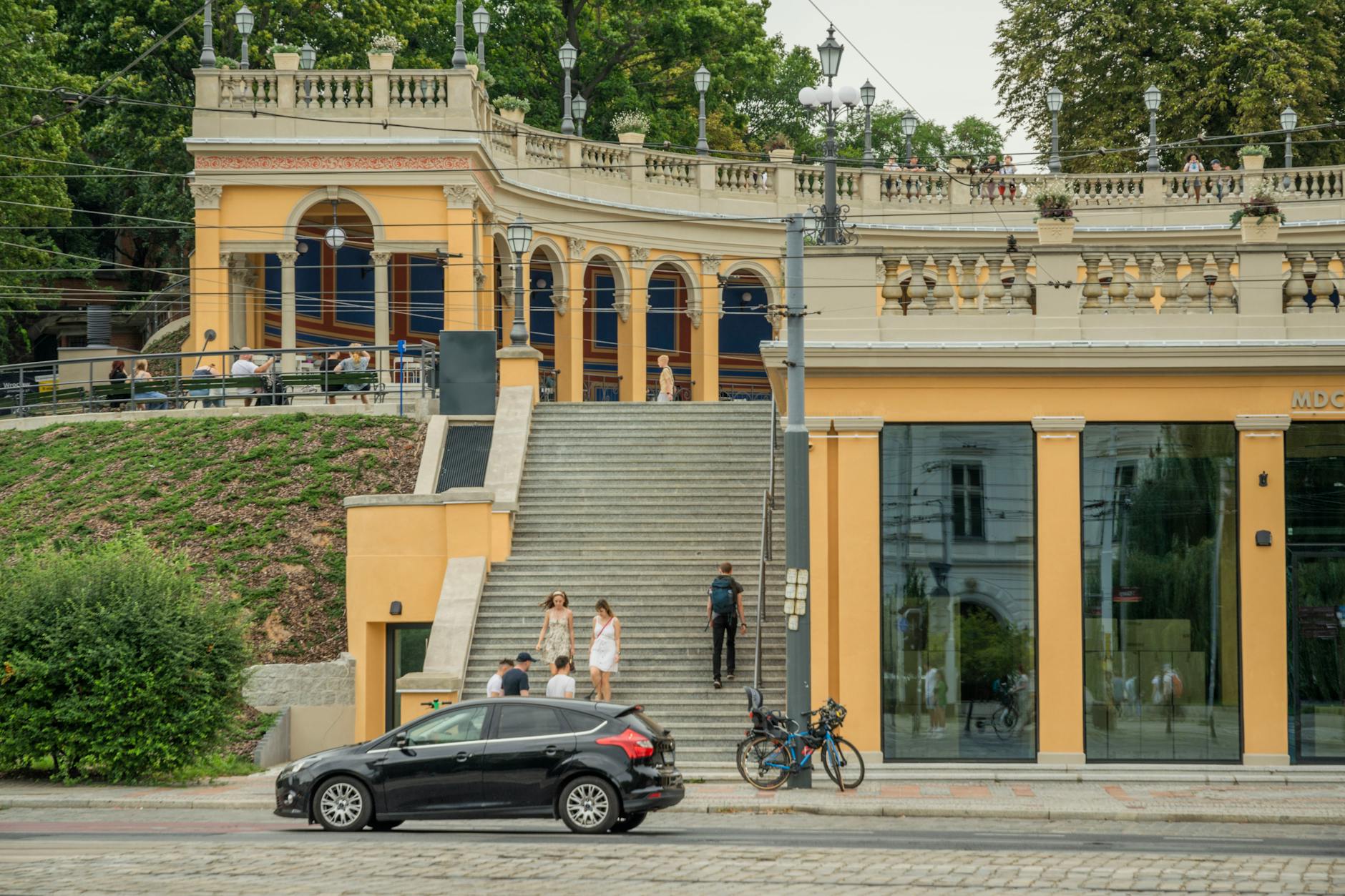
A tourist can lose a short Wroclaw visit by stacking too many interiors. Museums, panoramas, historic buildings, and viewpoints should be chosen by interest, weather, ticket friction, and location rather than by name recognition alone.
Selective planning keeps the visit enjoyable.
- Pick one main indoor attraction for each half day at most.
- Check ticket windows, closure days, bag rules, and expected visit length.
- Use museums as weather backups when rain, heat, or cold weakens walking plans.
Use meals as route anchors
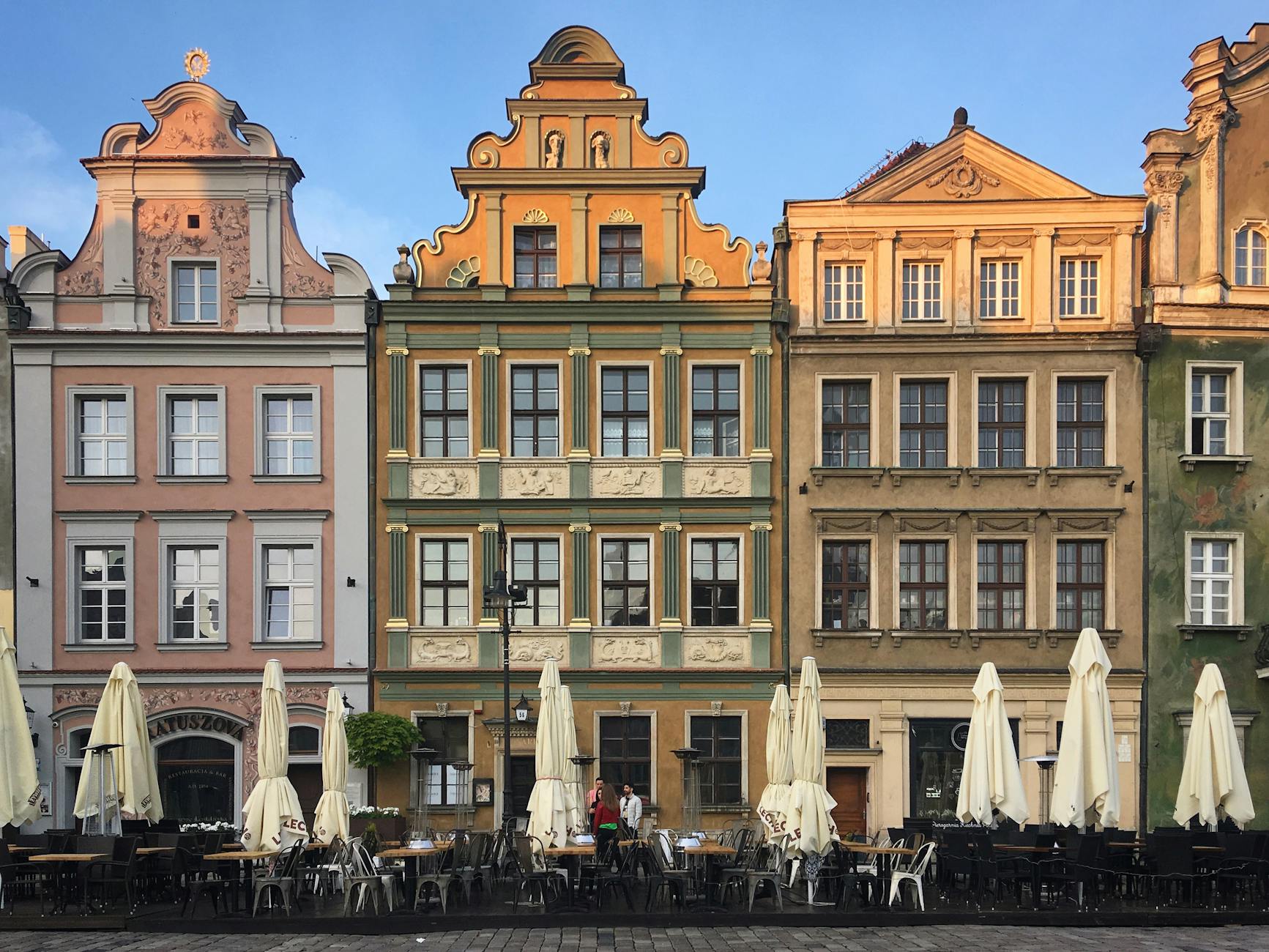
Meals in Wroclaw are easiest when they are placed along the route instead of left for the moment when hunger peaks. A tourist should know where lunch, coffee, dinner, and a backup option sit relative to old town, the river, and the hotel.
Food timing protects the sightseeing plan.
- Reserve dinner if the trip falls on a weekend, holiday, or busy event period.
- Choose lunch close to the next planned route rather than backtracking across the center.
- Keep dietary needs, payment options, and late-opening choices visible.
Plan one evening with a clear return
Evening Wroclaw can be one of the best parts of a tourist trip, especially around lit streets, restaurants, and the old town. The plan still needs a return route, weather layer, phone battery, and a decision about how late the next day can start.
The night should not damage the next morning.
- Choose one evening zone rather than hopping between distant districts.
- Save the hotel address, tram option, taxi app, and payment backup before dinner.
- Keep late plans lighter before an early train, flight, tour, or long walking day.
When to order a short-term travel report
A tourist with flexible dates and a simple old-town hotel may not need a custom report. A report becomes useful when the visit is short, the traveler wants old town plus river routes, museum choices, restaurant planning, weather backups, accessibility awareness, or a departure soon after sightseeing.
The report should test hotel placement, arrival, walking routes, bridges, Cathedral Island timing, attractions, meals, evening returns, weather, and departure buffers. The value is a Wroclaw tourist trip that feels complete without trying to do everything.
- Order when hotel choice, arrival, old town, river routes, attractions, meals, evenings, or departure timing need exact planning.
- Provide dates, hotel candidates, arrival details, sightseeing priorities, walking tolerance, budget, and meal preferences.
- Use the report to turn a short Wroclaw visit into a realistic route with useful backups.